Is There Such a Thing as Too Much Protein? | QA
Debbie James, RDN, helps answer a reader’s question about how much protein is too much for the body to process.



I saw this email address at LA Fitness and was hoping you could help me out with dieting which is my major downfall. I lift 3-4 times a week but am seeing no results due to my eating. I’m a very picky eater and can’t force myself to eat chicken every day. I need help!!! Please!!!
– Missy

Not knowing what you will eat, it’s difficult to provide guidance on suitable meals. Strictly speaking of protein sources – alternatives include pork tenderloin, turkey breast, fish, 7% ground beef, extra lean ground turkey, sirloin or tenderloin beef, and shellfish in nearly an equal ounce to ounce replacement for chicken. Non-flesh proteins include eggs & egg whites, low fat plain Greek yogurt, low-fat cottage cheese, legumes/beans, and lite tofu. Amounts of these equaling 3 oz. chicken vary due to volume measurements. Nuts, nut butters, and cheeses aren’t as diet-friendly since they’re higher in calories with a significant amount of fat for the same amount of protein.
If personal preference (or a strict dietary, philosophical or religious restriction) limits the variety of foods you consume then you need to experiment with textures, cooking methods and flavor combinations to increase palatable options. Some people that dislike whole peas can eat split pea soup with ham or a pea-hummus. Many vegetables can be replaced by purees or baked vegetable crisps. Did you know that temperature brings out the aroma of foods? By serving foods that are less desirable cold, the perceived flavor is muted. This works particularly well for meats and grains. If a hot chicken alfredo with fettucine, broccoli, and peppers as an entrée is overwhelming try it as cold chicken pasta salad side dish to other preferred foods.
Hopefully, with a little experimentation and substitution, you can find suitable foods for your weight loss goals. For long term success, enjoying what you eat is better than just tolerating it – you’re more likely to make permanent lifestyle changes.
– Debbie J., MS, RD
This article should not replace any exercise program or restrictions, any dietary supplements or restrictions, or any other medical recommendations from your primary care physician. Before starting any exercise program or diet, make sure it is approved by your doctor.
Some questions have been edited for length and/or clarity.
 Have a nutrition question? Our registered dietitian is ready to help!
Email nutrition@lafitness.com or submit your question below and it may be featured in an upcoming article!
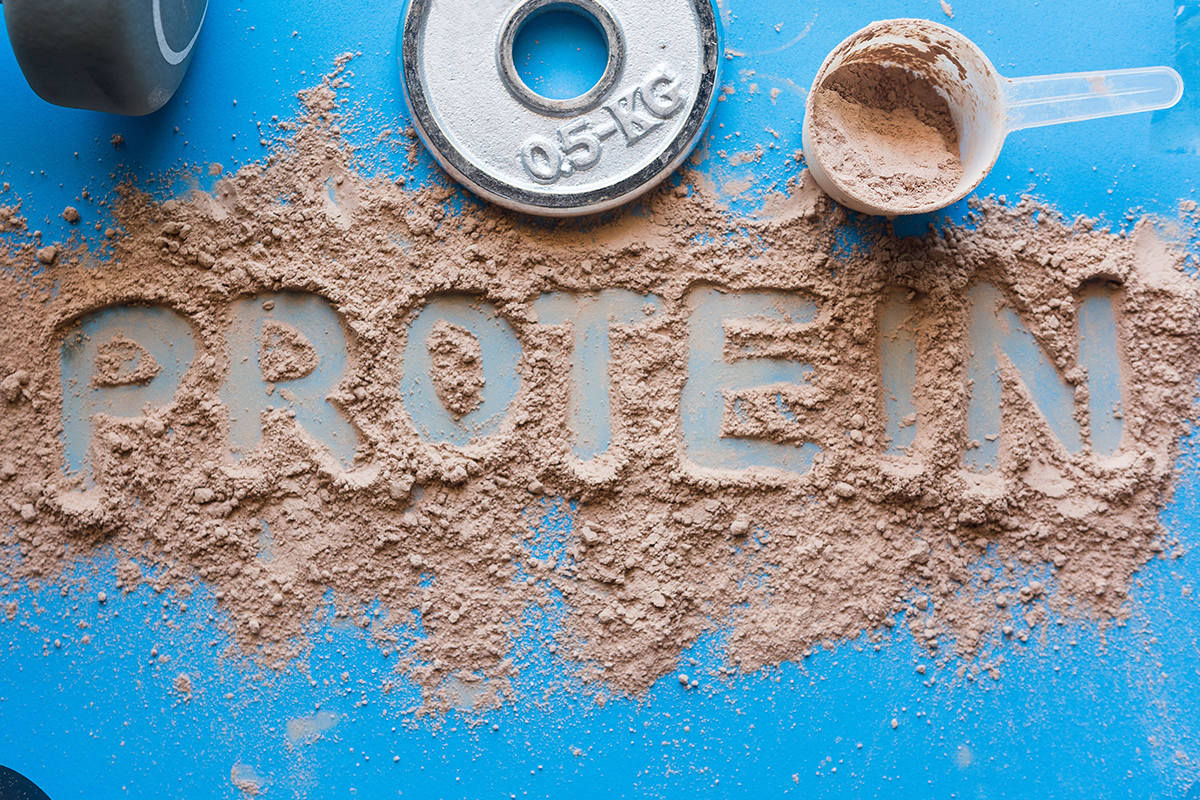
Debbie James, RDN, helps answer a reader’s question about how much protein is too much for the body to process.

Debbie James, RDN, helps answer a reader’s question on breakfast and working out.
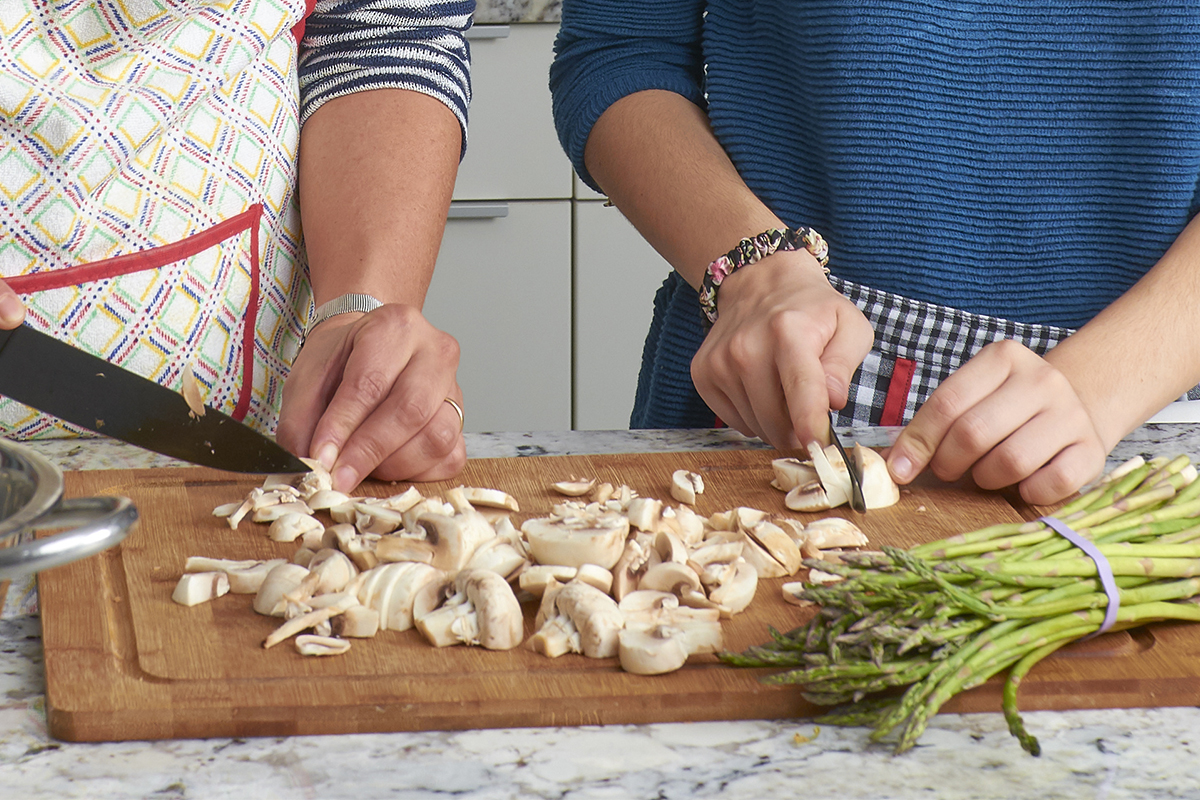
Debbie James, RDN, helps answer a reader’s question on introducing teens to better nutrition.
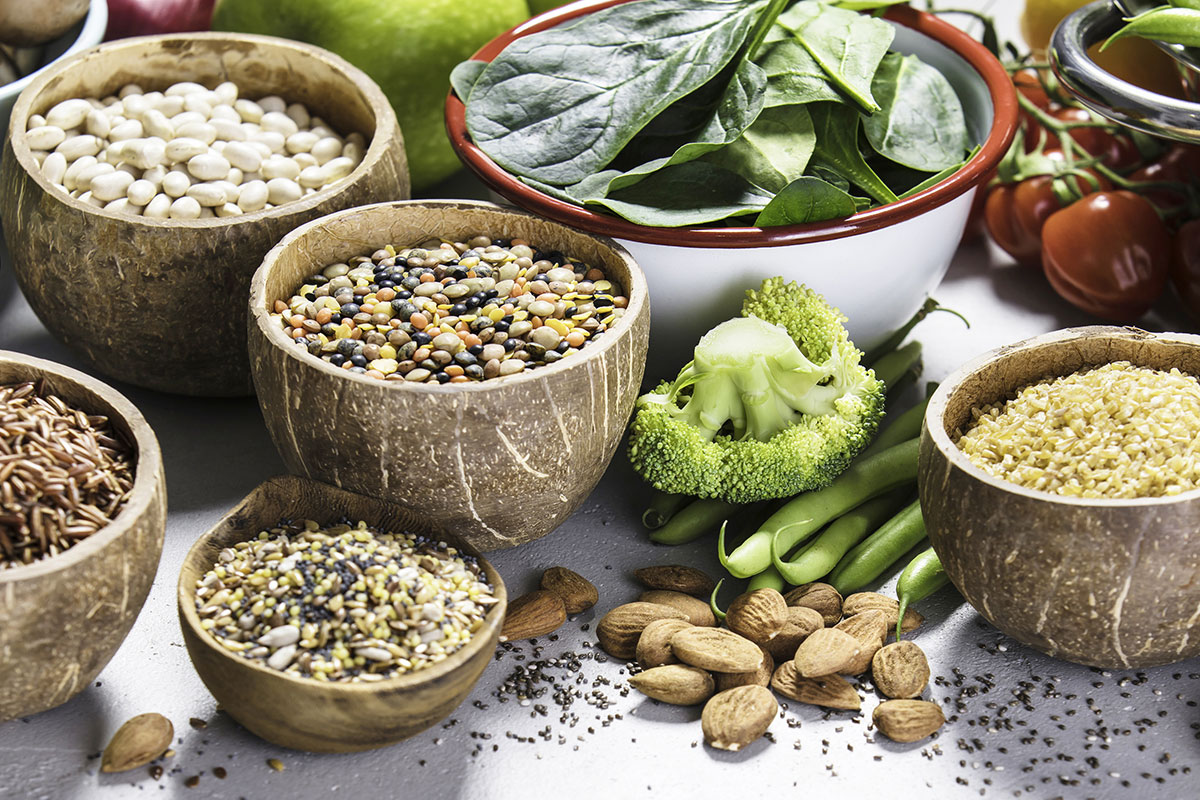
I need a 1,200-calorie meal plan that’s super high in protein and has the required fiber needed. Any suggestions?!
– Trina H.
We don’t provide weekly or monthly meal plans, but to get you started here is a sample day for a very high protein (35% calories), 25+ grams fiber, 1,200 calorie day:
Analysis on www.FitDay.com by a Registered Dietitian Nutritionist = 1193 calories, 35% prot (106 gm), 31 gm fiber
Make your own weekly rotation! You can substitute two plums or a cup of strawberries for the orange, other very lean proteins for the fish and chicken, plain Greek yogurt + salsa for the hummus, and another green vegetable for the broccoli or spinach.
Most 1,200 calorie plans we observed online provide 70-80 grams protein and up to 20 grams fiber. To increase the fiber and protein of other plans, substitute fat-free legumes and whole grains for other starches, opt for the least fat proteins available and limit starch to 1 per meal while doubling up on vegetables.
– Debbie J., MS, RD
This article should not replace any exercise program or restrictions, any dietary supplements or restrictions, or any other medical recommendations from your primary care physician. Before starting any exercise program or diet, make sure it is approved by your doctor.
Some questions have been edited for length and/or clarity.
Have a nutrition question? Our registered dietitian is ready to help!
Email nutrition@lafitness.com or submit your question below and it may be featured in an upcoming article!
Debbie James, RDN, helps answer a reader’s question about how much protein is too much for the body to process.
Debbie James, RDN, helps answer a reader’s question on breakfast and working out.
Debbie James, RDN, helps answer a reader’s question on introducing teens to better nutrition.

I live in Florida and need a dietician due to cholesterol, triglycerides and other issues. Can you recommend a good dietician or books?
– Myles V.
There are several directories for Registered Dietitians in the state of Florida such as www.DietitianCetnral.com and https://www.eatright.org/find-an-expert. You can narrow your search to a specialty such as “cholesterol management” or “heart health,” or to your city. Even if medical nutrition therapy is not a covered service under your health plan, you may find a list of providers from your insurer.
You can verify a dietitian’s license with the Dietetics and Nutrition Practice Council of Florida through https://appsmqa.doh.state.fl.us/MQASearchServices/HealthCareProviders.
– Debbie J., MS, RD
This article should not replace any exercise program or restrictions, any dietary supplements or restrictions, or any other medical recommendations from your primary care physician. Before starting any exercise program or diet, make sure it is approved by your doctor.
Some questions have been edited for length and/or clarity.
Have a nutrition question? Our registered dietitian is ready to help!
Email nutrition@lafitness.com or submit your question below and it may be featured in an upcoming article!
Debbie James, RDN, helps answer a reader’s question about how much protein is too much for the body to process.
Debbie James, RDN, helps answer a reader’s question on breakfast and working out.
Debbie James, RDN, helps answer a reader’s question on introducing teens to better nutrition.
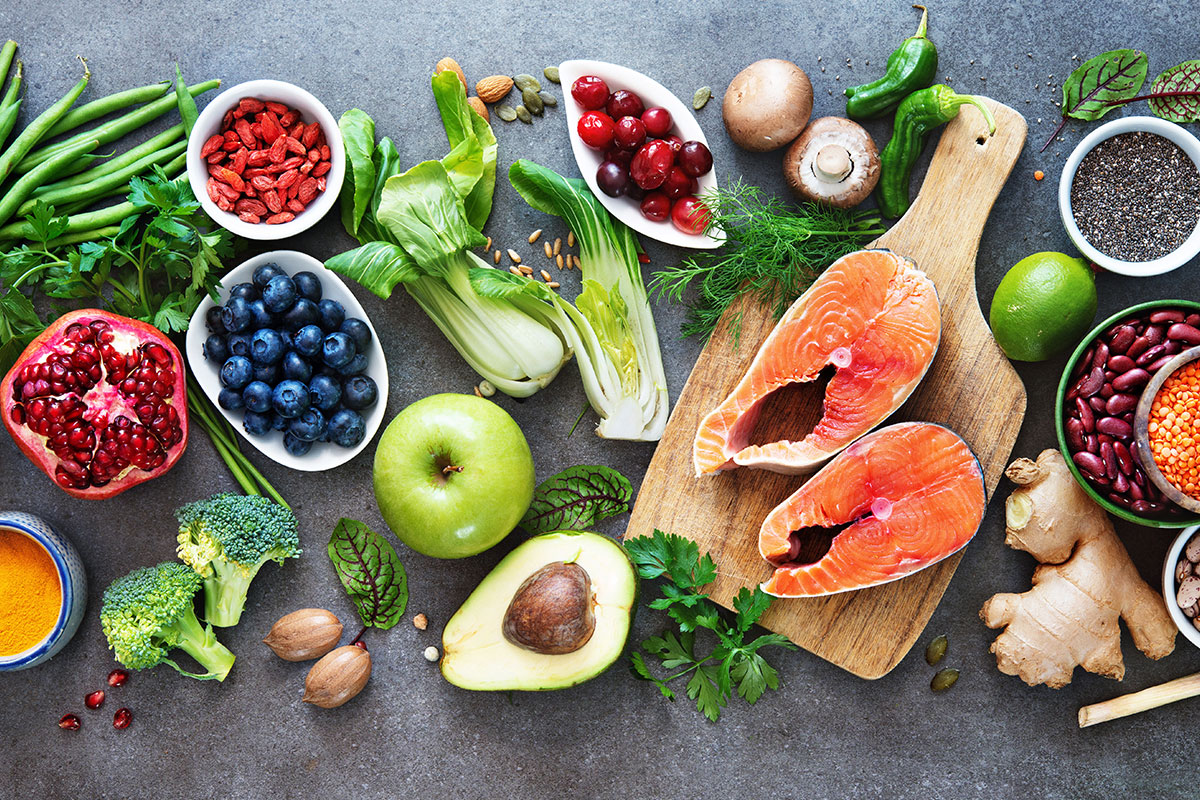
Hi, my name is Allison and I joined LA Fitness this summer. My very basic question is, what ARE the nutrient needs of a basic adult? (I’m female, 5’4″, 135 lbs. and trying to shed 5 -10 lbs., work out 3-4x/ week and walk on off days). I just want to know what the basic categories of things are a person needs. I’ve heard about nutrients being macros (fat protein carb) and micro (vitamins and minerals) but I’ve also heard nutritionists online say to get fiber and leafy greens and antioxidants and others say lots of veggies and lean meat – and I know they’re all related and many of them overlap- so I guess I’m just confused about what to seek out in my diet. Thank you SO much.
– Allison T.
Allison, based on your anthropometrics and level of exercise your daily nutrient needs may fall into the following ranges (provided for a 30-year-old woman):
Please see the Institute of Medicine’s Dietary Reference Intake tables for vitamins and minerals for your intake targets of 29 micronutrients. Antioxidant action is an important function of certain micronutrients and phytochemicals (beneficial compounds found in plants), so we call those antioxidants.
As far as basic nutrients, you just need to add one thing to your list of fat, protein, carbohydrate, vitamins, and minerals – water! It is a macronutrient since we need such large volumes of it. Since it doesn’t provide calories, water is not often regarded the same as the 3 energy-yielding macronutrients. Exact requirements are not specified by the Institute of Medicine’s Food and Nutrition Board, but the adequate intake of water is 3.7 liters per day for men and 2.7 liters per day for women, including beverages and water derived from solid food.
You can look at nutrient numbers specifically now and then, but to ease the confusion just focus on your dietary habits and overall consumption to obtain sources of those nutrients. What you should seek out in your diet are plant-based protein sources, raw produce of every color, the most wholesome grains, the leanest animal foods, and unsweetened beverages… in amounts that just satisfy you. Those recommendations can be suited to every culture and worldly food belief. Sounds a lot simpler to me!
– Debbie J., MS, RD
This article should not replace any exercise program or restrictions, any dietary supplements or restrictions, or any other medical recommendations from your primary care physician. Before starting any exercise program or diet, make sure it is approved by your doctor.
Some questions have been edited for length and/or clarity.
Have a nutrition question? Our registered dietitian is ready to help!
Email nutrition@lafitness.com or submit your question below and it may be featured in an upcoming article!
Debbie James, RDN, helps answer a reader’s question about how much protein is too much for the body to process.
Debbie James, RDN, helps answer a reader’s question on breakfast and working out.
Debbie James, RDN, helps answer a reader’s question on introducing teens to better nutrition.
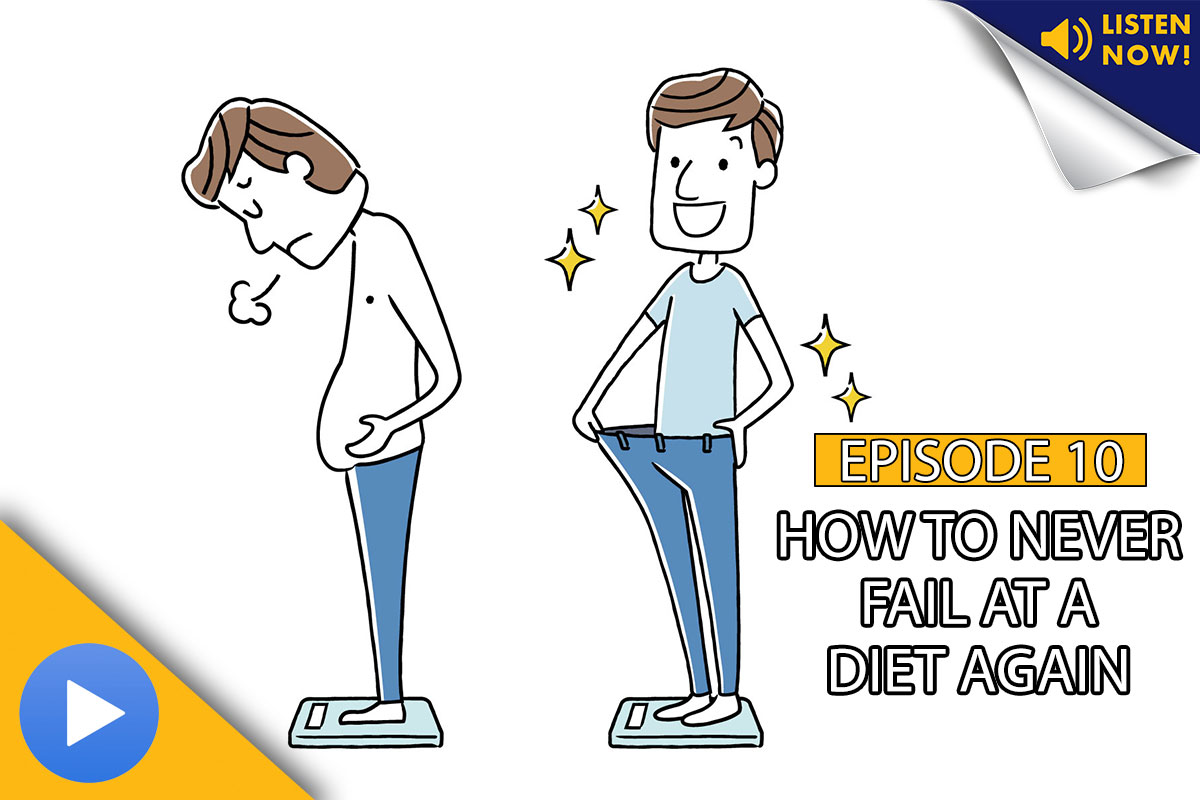
Welcome to the 10th episode of the Living Healthy Podcast, presented by LA Fitness.
On this episode of Living Healthy, we speak with LA Fitness, registered dietitian, Debbie James, who helps give it to us straight. We talk about the good and bads of dieting, how you should mentally approach it, and how to avoid common dieting mistakes.
How Are We Doing?
This podcast should not replace any exercise program or restrictions, any dietary supplements or restrictions, or any other medical recommendations from your primary care physician. Before starting any exercise program or diet, make sure it is approved by your doctor.

Introduction
0:01
Registered Dietitian, Debbie James Joins the Show
Begins at 0:33
The Perfect Diet?
Begins at 0:42
Nutritional Guidelines About Diets
Begins at 1:34
The 8-Week Goal
Begins at 3:38
Can Your Taste Buds Really Change?
Begins 5:04
Dieting and Metabolism – What to Look Out For
Begins at 6:30
The Trouble with Cutting Calories Drastically
Begins at 7:40
What Can You Do to Avoid Failed Diet Relapse?
Begins at 8:29
The Baby-Step Approach
Begins at 11:40
Data Analysis – Tracking
Begins at 13:42
Why is it Hard to Break a Bad Habit?
Begins at 15:03
Do Unhealthy Food Cravings Subside Over Time?
Begins at 15:51
The Mental Approach to Dieting
Begins at 16:32
Andrew Shares His Advice, “Memories Over Macros”
Begins at 17:45
Let’s Talk About Portions
Begins at 19:21
Don’t Be So Hard on Yourself
Begins at 12:38
Product Password
Begins at 20:50
Actionable Advice
Begins at 22:56
Outro
Begins at 24:29
On this episode of the LHP we talk with nutriton expert, Debbie James, RDN, and get her advice on how to never fail at a diet again.