10 Thanksgiving Ideas to Revive Your Celebrations
The Holiday Season can get stressful, so we may stick to a routine for the sake of easy planning. Try any of these 10 simple ideas to bring new life to your Thanksgiving celebrations.

Welcome to the 24th episode of the Living Healthy Podcast, presented by LA Fitness.
On this episode of Living Healthy, we speak with Rachel Robins, Manager of PR and External Relations at NAMI (National Alliance on Mental Illness). LA Fitness has partnered for its second year with NAMI to help bring awareness to mental health throughout the month of May.
Please visit http://lafitnesscares.com/mental-health-awareness/ for more information.
You can also read more about Rachel Robins Mental Health Spotlight story by clicking here.
How Are We Doing?
This podcast should not replace any exercise program or restrictions, any dietary supplements or restrictions, or any other medical recommendations from your primary care physician. Before starting any exercise program or diet, make sure it is approved by your doctor.
Intro
Begins at 0:01
Rachel Robins, Manager of PR and External Relations at NAMI, joins the show
Begins at 0:30
How Fitness Has Impacted Rachel’s Life
0:43
A Background on NAMI (National Alliance of Mental Illness)
1:36
What Mental Health Means to NAMI
2:40
The Rise of Mental Health Awareness
3:50
The #WhyCare? Campaign
5:15
How Exercise Helps with Mental Health
5:46
Stigmatized Thoughts About Mental Illness – And How to Fix This
7:04
Using Inclusive Language
8:06
NAMI Walks
9:12
Where Can People Go for Help – NAMI Helpline (1-800-950-6264)
10:20
How You Help A Friend or Family Member with a Mental Health Condition
13:17
Mental Healthcare
15:20
How to Get Involved with NAMI – Donations and Where They Go
17:13
Actionable Advice
19:54
Outro
20:22

The Holiday Season can get stressful, so we may stick to a routine for the sake of easy planning. Try any of these 10 simple ideas to bring new life to your Thanksgiving celebrations.

Laughter can encourage blood flow, heighten your immunity, increase your intellectual performance, and even improve your quality of sleep.

Good health starts with good hygiene practices. These 10 common items you encounter in your day-to-day are covered with germs.

“If you have a mental health condition, you’re not alone. One in 5 American adults experiences some form of mental illness in any given year. Every year people overcome the challenges of mental illness to do the things they enjoy. Through developing and following a treatment plan, you can dramatically reduce many of your symptoms. People with mental health conditions can and do pursue higher education, succeed in their careers, make friends and have relationships. Mental illness can slow us down, but we don’t need to let it stop us.”
For as long as I can remember, I’ve struggled with two things in life: my weight and my mental health.
After moving from New Jersey to Florida at seven years old, I started seeing a mental health professional. I was labeled as the new girl, a title I’m not sure I’ve shed; always struggling to fit in and be accepted. That summer, my dad drove my brother and I to camp, and he had to drag me out of the car. Once I was out, I would throw myself on the ground stomping my feet on the pavement not caring who saw my temper tantrum. You could say I didn’t adjust well to the “Sunshine State.”
In third grade, I remember getting on the scale at school and seeing a three-digit number and then hearing that number repeated down the hall.
My pediatrician suggested attending his weekend fitness class. It was the exact opposite of what I wanted to do on a Saturday. I hated sweating. It was sticky, hot, smelly and uncomfortable. If working out equaled sweat, I wanted nothing to do with it. This is why physical education class and recess was a miserable experience for me. The Florida sun ensured I was always sweaty. And on top of it, I was the slowest runner and always got picked last. I become constantly worried that I would disappoint my team or the other kids would laugh at me.
At the time, I didn’t understand the pit in my stomach wasn’t just hunger—it was anxiety. I was afraid of being different. Anxious thoughts would flood my mind. “What would people say about my weight?” “How am I ever going to fit in?” “Why don’t I look more like everyone else?”
For the rest of my childhood and college years, I associated fitness with anxiety. I was also simultaneously struggling with obsessive compulsive disorder and depression. These factors led me to avoid exercise entirely. Little did I know how big of a role fitness was going to play in my battle against mental illness.
Fitness Helped Me Cope
When I was 29, I made a New Year’s resolution to lose weight and work out at least four to five times a week. For me to finally reach my weight goal, I had to squash my body insecurities and reverse how I felt towards fitness. I was doing quite well with both goals up until June. That’s when the depression crept in. I was still reeling from a breakup months past. I turned 30, an age I had been dreading for the past decade. I was unemployed. Curled up in a ball, I would cry and think it would be easier for everyone if I wasn’t there. I wanted the pain to stop.
I wanted more control over my own life. No matter how many positions I applied for, I couldn’t control which companies would interview me or offer me a job. Nor could I make my former boyfriend love and care about me. But I had the power to decide if I worked out that day. So, I made a promise with myself. “Rachel, if you leave your apartment and go to a fitness class, then you can mope and feel sorry about yourself the rest of the day.”
As much as I dislike the actual act of working out, I always left the gym in a better mood. I felt accomplished in that moment and not like the “loser” I had become in my mind. In the face of adversity, I was doing something, even if it took every ounce of energy to get myself there. The endorphins kept me going during those dark days.
Now, I have a job and am grateful to have somewhere to go every day. I’m still not over my breakup and there are days where I have no idea what my purpose in life is. I’m nowhere near where I expected to be at this stage of my life, but I’m finally willing to step out of my comfort zone and try new things.
My fitness renaissance has led to me rock climbing, surfing on the Atlantic Ocean, stand-up paddle boarding on the Hudson River and doing yoga in the middle of Times Square. I’m still insecure. I still battle my mental illnesses daily. But now the gym is my haven—a place where I am a superhero—a place that saved my life.
Visit nami.org for additional treatment options and to learn how to find support in your community. If you or someone you know is in crisis, please call the toll-free Lifeline at 800-273-TALK (8255) to speak with a trained crisis counselor 24/7 or text NAMI to 741-741.
Rachel Robins is the Manager of PR and External Relations at NAMI, the National Alliance on Mental Illness. A new resident of Washington D.C., but a Southerner at heart, you can probably find her at the local barre (class).
Disclaimer: Slight edits may have been made to original copy for grammatical corrections and/or clarity.

Surf Photo – October 2016

Hike Photo – November 2017

Infographic provided by NAMI.
The Holiday Season can get stressful, so we may stick to a routine for the sake of easy planning. Try any of these 10 simple ideas to bring new life to your Thanksgiving celebrations.
Laughter can encourage blood flow, heighten your immunity, increase your intellectual performance, and even improve your quality of sleep.
Good health starts with good hygiene practices. These 10 common items you encounter in your day-to-day are covered with germs.
Welcome to the 23rd episode of the Living Healthy Podcast, presented by LA Fitness.
May marks the start of Mental Health Month, and so on today’s episode, we bring back Dr. Neel Doshi, to help us understand exactly what mental illness is, the effects of mental illness on the body, and how social media and technology play into these conditions.
We also discuss ways to reach out for treatment and the future of mental health in general. Dr. Doshi is double board certified in Adult Psychiatry and Child & Adolescent Psychiatry, with Kaiser Permanente of Orange County. He joined us about 6 months ago to discuss this topic, and we had yet another great conversation with him!
For more information on ways you can get involved for Mental Health Month, please visit http://lafitnesscares.com/.
How Are We Doing?
This podcast should not replace any exercise program or restrictions, any dietary supplements or restrictions, or any other medical recommendations from your primary care physician. Before starting any exercise program or diet, make sure it is approved by your doctor.
Introduction
Begins at 0:01
Dr. Neel Doshi, double board certified in Adult Psychiatry and Child & Adolescent Psychiatry, with Kaiser Permanente of Orange County, joins the show
Begins at 0:39
What is Mental Health?
0:48
Why is Mental Health Becoming So Mainstream?
2:48
How Can We Bridge the Empathy Gap?
4:20
What Are the Best Ways to Engage with Someone Struggling with a Mental Illness?
5:27
How Do Mood and Emotions Correlate with Mental Health?
7:42
How Much Does Your Environment Affect Your Mood?
9:09
Humor’s Impact on Mental Health
10:32
Natural Defense Mechanisms: How They Play a Part in Our Emotions
12:28
Social Media and Technology: How It Affects Mental Health
13:06
Mental Health Apps
14:25
Which is a Bigger Threat to Positive Mental Health: Social Media or Living a Sedentary Life?
17:35
Are There Certain Types of Exercise That Are Best for Improving Mental Health?
20:26
How Long Should You Exercise to Reap the Benefits?
21:52
Does Everyone with Mood Issues Need to Be in Therapy?
24:03
The Future of Mental Health
25:10
Actionable Advice
26:36
Outro
28:17
The Holiday Season can get stressful, so we may stick to a routine for the sake of easy planning. Try any of these 10 simple ideas to bring new life to your Thanksgiving celebrations.
Laughter can encourage blood flow, heighten your immunity, increase your intellectual performance, and even improve your quality of sleep.
Good health starts with good hygiene practices. These 10 common items you encounter in your day-to-day are covered with germs.

Mental health includes our emotional, psychological, and social health and well-being. It is important at every age. According to the WHO (World Health Organization), mental health is “… a state of well-being in which the individual realizes his or her own abilities can cope with the normal stresses of life can work productively and fruitfully, and is able to make a contribution to his or her community.” It is important to note that the WHO stresses that mental health “is not just the absence of a mental disorder.”
Mental Health is important because it affects us every day, in almost everything we do. It impacts how we function, interact with others, and how we feel about ourselves and our lives. Furthermore, it can have a profound impact on our bodies and physical health as well.
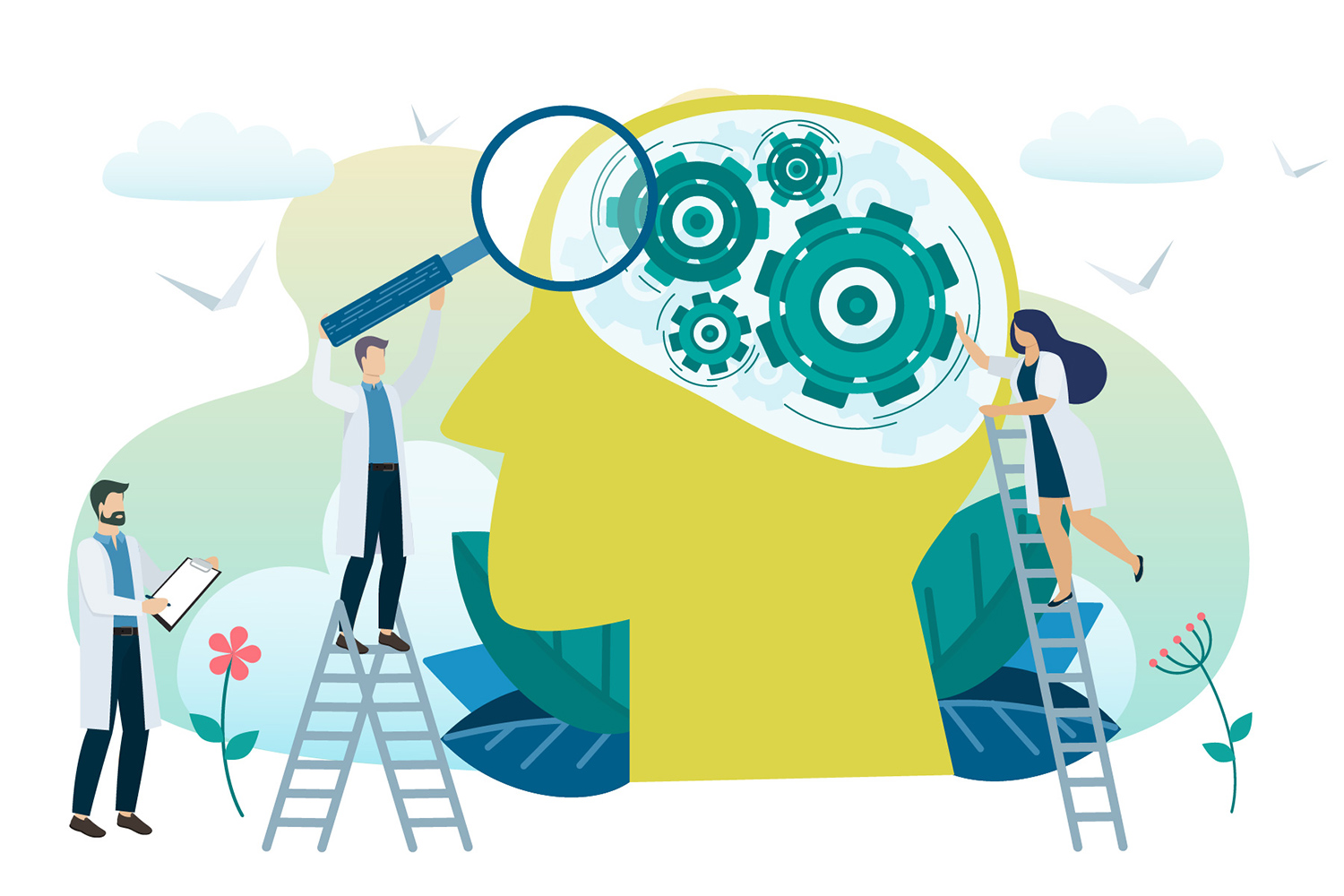
For children and adults, learning how to identify and understand our emotions is a vital component in improving mental health. Emotions are not bad – however, we need to better teach people to identify and understand their emotions and most importantly, what to do with them. We also must teach and develop personal coping skills so that one can process and use their emotions in a healthy and productive manner.
There are several key things we can all do to improve and maintain our mental health which includes keeping a regular schedule, especially ensuring adequate sleep. Getting regular exercise (even low intensity like walking counts) every day. Try to reduce the amount of time you sit for, as they say, “sitting is the new smoking”! Try and eat a healthy well-balanced diet with lots of fruits and vegetables. Connecting with others and helping others can also improve our mental health. Lastly, don’t be afraid to get professional help if you need it!
It doesn’t always feel like it, but there is help everywhere. A few national resources that are available to anyone are the National Suicide Hotline (1-800-273-8255), Textline (741741), and online chat. The National Alliance of Mental Illness (NAMI.org) is a great resource not just for those who are struggling with their mental health, but also for their families. For the LGBTQ+ population, Trevor Project has a hotline (1-866-488-7386), Textline (678678), online chat and multiple other online resources too.
Individuals should also contact their healthcare provider to learn more about the resources that they offer. At Kaiser Permanente, our mental health resources include a wide range of services for all ages from medication management, individual therapy, group therapy, wellness phone coaching and in-person classes through our Center for Healthy Living as well as numerous online services.
There are also people around you that are there to help, whether it’s a teacher, a coach, a religious leader or spiritual counselor, a supervisor at work or an Employee Assistance Program.
Kaiser Permanente also has a great website called FindYourWords.org which provides resources and help for those wanting to help someone else or those looking for help themselves.
One of my favorite exercises to recommend to patients is gratitude. Thinking of three things you are grateful for every night before you go to bed has been shown to significantly improve your mood. It doesn’t have to be anything outrageous, you can be grateful for having a bed to sleep in, or for your bad day being over, or for the amazing thing that happened to you that day. But, remember just three! No more, no less, even if every night it’s the same three and kids can do it too. Try it for a week, see how you feel!
Responses contributed by Ashley Zucker, MD, Chief of Psychiatry at Kaiser Permanente in San Bernardino.
The Holiday Season can get stressful, so we may stick to a routine for the sake of easy planning. Try any of these 10 simple ideas to bring new life to your Thanksgiving celebrations.
Laughter can encourage blood flow, heighten your immunity, increase your intellectual performance, and even improve your quality of sleep.
Good health starts with good hygiene practices. These 10 common items you encounter in your day-to-day are covered with germs.
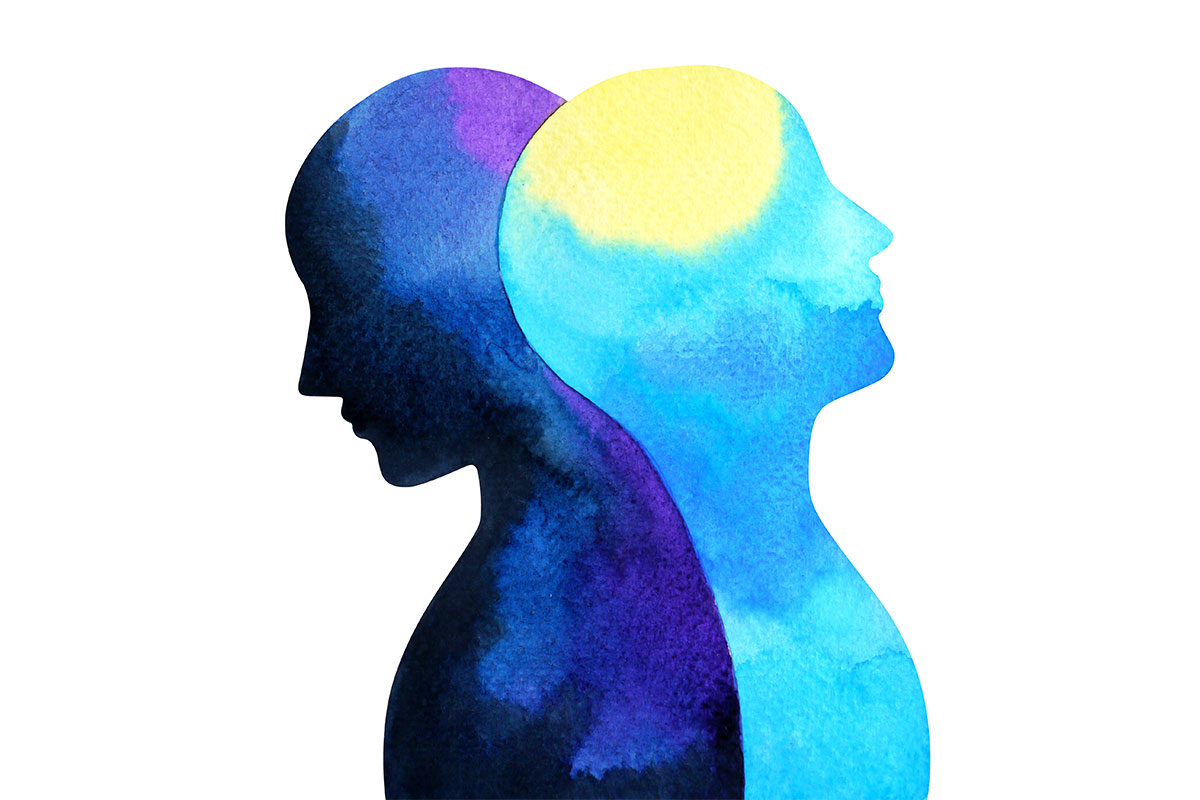
There is a well-known quote that has been credited to Chinese philosopher, Lao Tzu, that says:
If you are depressed you are living in the past.
If you are anxious you are living in the future.
If you are at peace you are living in the present.
Whether or not that is the direct translation of the quote or a slight modernization of it, the meaning behind what is being said is worth exploring further.
The art of being present is hard for many. Why else would there be novels and movies revolving around the idea of a character who yearns to have made a different choice, or self-help books that emphasize the importance of being in the now rather than worrying about the future or consumed by the past?
But it’s hard. It’s hard to just flip the switch in your brain that also allows us the ability to feel nostalgic over memories or the ability to daydream about the future. Hard, yes. But impossible? No.


There is a difference between remembering the past versus being consumed by it.
There is a difference between a nervous excitement over the future versus a feeling of terror or panic.
Being present is possible and it really just means training yourself to be in the now. The whole “take-things-one-day-at-a-time” is great advice because no day is guaranteed to anyone.
Why worry about the past? You can’t go back and change anything. The past is gone and the only thing you have is the now. Now flip it. Why worry about the future? It’s not promised to you. All anyone has is the now.
The would-ofs, could-ofs, should-ofs, and the what-ifs of life should not take precedence over this exact moment here and now. Mental health can be improved by a change in mindset. For some, that means meditation. Allowing yourself to slow down, practice controlled breathing, and take some time to be present.
For others, it means practicing more gratitude. By taking the time to acknowledge all that you’re grateful for and all that is going right in your life, you can start developing the habit of focusing on the good rather than the bad. This can be as simple as writing down three things you are grateful for each morning or every night before bed.
And because there is no one cure-all way to be more in the present, you may find the solution that works for you is speaking with a friend, a family member, or a healthcare professional that can help find a method that best fits you.
Mental health is just as important as physical health (if not more!), which is why we are happy to bring attention to it and partner with NAMI throughout the month of May. If you’d like to learn more about Mental Health Month, please visit https://www.nami.org/mentalhealthmonth.
And remember to fully live for today!
The Holiday Season can get stressful, so we may stick to a routine for the sake of easy planning. Try any of these 10 simple ideas to bring new life to your Thanksgiving celebrations.
Laughter can encourage blood flow, heighten your immunity, increase your intellectual performance, and even improve your quality of sleep.
Good health starts with good hygiene practices. These 10 common items you encounter in your day-to-day are covered with germs.