10 Thanksgiving Ideas to Revive Your Celebrations
The Holiday Season can get stressful, so we may stick to a routine for the sake of easy planning. Try any of these 10 simple ideas to bring new life to your Thanksgiving celebrations.

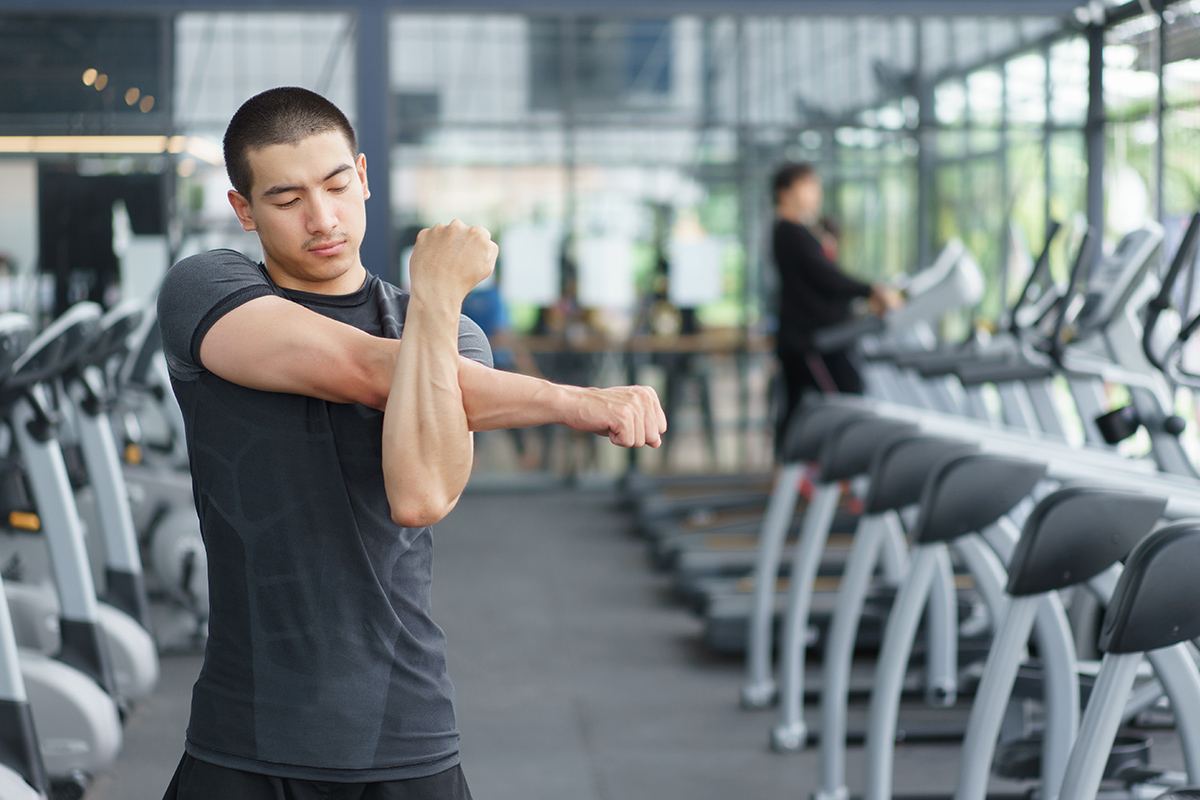
Knotted muscles are uncomfortable, to say the least, but they can also be debilitating if they’re bad enough. They can affect the surrounding muscles, be tender to touch, change how we’d normally do things, and can be painful to get rid of.
We’re going to give you some ideas on what you can do to find relief from this common problem.
A knot can feel like a tender, swollen, or tense spot in your muscles. Normally, when you run your fingers over a muscle, it should give slightly under the pressure. When you come across a knot, it may feel like there is a bump or hard spot that isn’t as supple as the surrounding muscle. If there is a lot of tension in the muscle, or if there are multiple knots that are close together, it can be harder to isolate each individual knot.
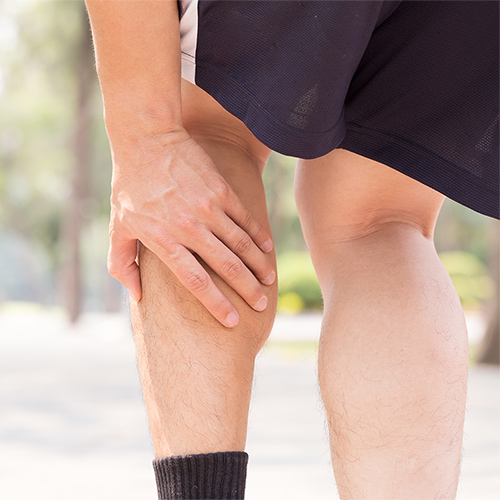


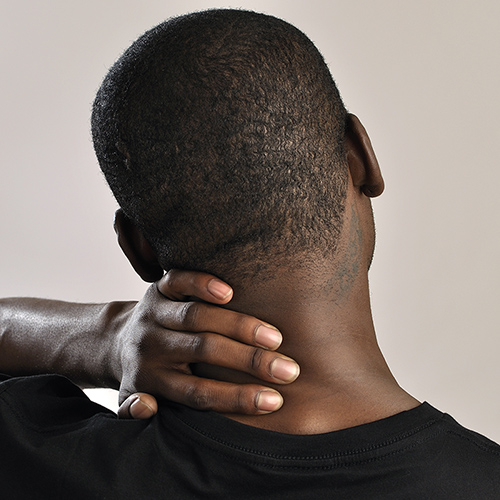


Knots can form pretty much anywhere in your body where there is muscle. Registered Nurse, Rachel Nall, identifies the following as the most common problem-areas:
Anything that strains your muscles in a manner that’s inconsistent with what they are used to can result in a knot.
They can come from stress, muscle overuse or underuse, injury, or bad posture. Unfortunately, there are a lot of things that can cause knots.
On the bright side, there are also a lot of things you can do to help with the pain. You can:
In addition to these, we’ve found some stretching techniques presented by Physical Therapists Bob Schrupp and Brad Heineck in their YouTube video: 60 Second Stretches to Get Knots from Shoulders, Upper Back, and Traps. Most of these stretches can be done from a seated position which makes them easy to do pretty much anywhere. One exercise is similar to a shoulder shrug. Schrupp explains that you should:
Another exercise they talk about looks like this:
The idea behind these exercises, Heineck explains, is to fatigue the muscles into relaxing. They will feel tight during the exercises but will tend to relax afterwards.
As with any type of exertion on your body, pay attention to what hurts to minimize your risk for injury. Start gradually and don’t over-do it, because it is possible to have too much of a good thing. To learn how you can handle and prevent back, knee, and shoulder injuries, listen to our Podcast, Episode 28. To help prevent future knotted muscles, read our post on The 10 Most Popular Exercises and How to Perform Them Properly. To access our monthly blog post highlights, subscribe to our newsletter today!

We’re slowly leaving summer behind and with the cooler months we start to think less about the importance of staying hydrated. It’s just as important now as it was in July to drink water, and what it does for your body and mind is pretty amazing.
Did you know that drinking water can actually improve your mood, memory, attention, and learning? The human brain is made primarily of water: over 75%! It makes sense that, when the body becomes dehydrated, the brain has a more difficult time doing what it needs to.
It’s easy to lose water if you’re not consuming enough throughout your normal day. If you’re losing more water than usual because of hot weather or exercise, you’ll need to take-in even more.

According to the Mayo Clinic, the National Academies of Sciences, Engineering, and Medicine recommends that on average, men should consume approximately 15.5 cups, or 3.7 liters, of fluid every day. For women, the recommended amount is 11.5 cups, or 2.7 liters.
Yes, that sounds like a lot!! We’re also used to hearing that we should drink (a much more reasonable) 8 cups of water a day. However, you should take another look at that information.
The word “consume” means you don’t necessarily need to drink the water you need. You can eat foods that contain water and still meet the recommendations. It also says “fluids,” which means you can drink a water-containing beverage like milk or juice and still get the needed H2O.
Here are some ways to get the water you need, to keep track of your intake, and to remind you of your next water break.

01.
A container that’s marked according to how much fluid it can hold is going to be your best friend. It’ll be easy to keep track of how much you’ve had to drink. For example, if you drink from a 32-ounce bottle, you can make it your goal to drink 2 or 3 of those bottles every day. This will put you at approximately 1.9- or 2.8-liters respectively. You should be able to get the rest of your water needs by eating.
02.
Healthline published a list of water-rich foods that can help you determine which foods to add to your day. Some great foods from this list include:
As you can see, there’s a solid mix of sweet/salty flavors and crunchy/creamy textures. There are enough options to find at least one thing you enjoy!


03.
Some fitness apps have a section where you can log your water intake. Other apps exist solely for the purpose of reminding you to drink and to help you track your intake. You can simply go to your App Store from your smartphone and do a search for water tracking apps. If you just want some of our random finds, take a look at these free-to-download apps:
Waterlogged – iOS
Daily Water – iOS
Water Time Pro – Android
Drink Water – Android
04.
An easy way to tell if you’re hydrated enough is if the color of your urine is pale yellow to clear. Darker urine colors may indicate that you’re not getting enough water. There are other reasons why urine color may change so never take it strictly as a sign of dehydration!
Another quick test is the skin elasticity test. If you pinch the skin on the top of your hand, it should quickly drop back to its original position. If it holds the pinched shape and slowly comes back down, you might be dehydrated.

Keep in mind that the amount of water your body requires to function healthily is going to be different from what someone else’s body requires. Even if you’re generally the same in terms of age, health, and fitness level, your body may simply need more or less. Listen to your body and focus on you!
To read what our Registered Dietician, Debbie James, had to say about Drinking Too Much Water, read her response to our guest’s question. Or, to learn more about different types of water, read her response to this question on Distilled Water. To access our monthly blog post highlights, subscribe to our newsletter today!

(Evidence Based)
Typically, we might hear that changing our dietary habits is the key to reducing bad cholesterol and to increasing good cholesterol. However, studies have shown that exercise also plays an important role in cholesterol management.
Combining proper nutrition and regular exercise is the key to healthy cholesterol numbers.
The research appears to disagree on whether the frequency or intensity of the exercise is important to improving cholesterol. However, the consensus lies in the duration of exercise.
From Kodama and colleagues’ review of over 25 studies, all seem to agree that regular aerobic exercise, performed for a longer amount of time per session, is what will lead to improvement in overall cholesterol levels.
Before we dive in, let’s take a moment to talk about some of the key terms we’ll be using.
LDL – Low-Density Lipoprotein is what’s commonly termed “bad cholesterol.” High levels of this stuff are what put you at risk for cardiovascular complications.
HDL – High-Density Lipoprotein is what we like to call “good cholesterol.” This is what carries bad cholesterol and triglycerides to the liver in order to get rid of them.
Triglyceride – These come from the fats you consume. Like LDL, a high amount of triglyceride is also linked to cardiovascular disease.

A study on activity and cholesterol found that physically active individuals had lower levels of LDL and Triglyceride, and higher levels of HDL, than individuals who lived a sedentary (non-active) lifestyle.
The levels of activity among the participants were mixed. This means that low, moderate, and high intensity exercises all made a difference. This is great news for people who are afraid to start exercising for fear they aren’t “fit enough” to exercise. If this is you, read our post on The Common Misconception of Getting Fit Before Joining a Gym.
Regardless of our suggestions, you should choose an exercise that you can comfortably do for extended periods of time. It may also be necessary to have your doctor monitor how your heart responds to any new exercise routine.
The American Heart Association recommends about 150 minutes of moderate aerobic activity per week (that’s about 30 minutes a day if you’re working out 5 days a week), or 75 minutes of vigorous activity each week.
You can mix and match different amounts of moderate and vigorous exercise. The idea is to aim for some amount of time in the AHA’s general ballpark and work your way to a level that feels good for you.
Aerobic exercises include activities like jogging, running, swimming, bicycling, dancing, and others that elevate your heart rate.
To effect cholesterol, one study suggests that an effective level of weekly exercise is approximately 17 to 18 miles of jogging at a moderate pace. If that’s too much, 11 miles is still effective but to a lesser degree.
If 30 minutes a day sounds a bit vague, this jogging recommendation may give you a more focused perspective on how much exercise you should aim for.


Resistance training may involve the use of objects, like dumbbells, or your own body weight to improve your muscle strength, tone, mass, or endurance. Examples include lifting free weights, bench press, deadlift, squats, lunges, and more.
A review conducted by Mann and colleagues investigates the effects of resistance training on cholesterol. Their findings suggested that low to moderate intensity workouts were just as effective as high-intensity workouts! More good news!
This type of exercise can be done independently to improve cholesterol or be paired with aerobic exercise.
Long story short:
To learn from our Registered Dietician, Debbie James, about how to lower cholesterol with the right food choices, read the answers to her Q&As on low carb and low fat diets and cholesterol friendly foods. To access our monthly blog post highlights, subscribe to our newsletter today!
Welcome to the 29th episode of the Living Healthy Podcast, presented by LA Fitness.
On this episode of the Living Healthy Podcast, Debbie James, RDN, talks metabolism. Why does metabolism decrease as we age and how can we prevent or reverse this? All this and more on this week’s episode!
How Are We Doing?
This podcast should not replace any exercise program or restrictions, any dietary supplements or restrictions, or any other medical recommendations from your primary care physician. Before starting any exercise program or diet, make sure it is approved by your doctor.
Intro
Begins at 0:01
Introduction of LAF Registered Dietitian, Debbie James
0:38
What is Metabolism?
0:58
At What Age Does Metabolism Start Slowing Down?
3:24
Are There Ways to Help Stop Metabolism from Declining?
3:47
What Are Some Ways to Help Increase Your Metabolic Rate?
6:25
When Does Bone Mass Start Declining?
9:20
Is There a Way to Measure Your Metabolism? Should This Be Measured?
9:51
Are There Certain Foods That Help Increase/Speed Up Metabolism?
12:32
Are There Foods You Should Stay Away From?
14:20
Andrew’s Sidebar Side Salad Segment
15:10
What Outside Factors Affect Metabolism? How Does Stress Play a Role?
18:48
Does Someone with a High Metabolism Have More Energy?
20:10
Is There a Certain Type of Exercise That’s Best for Increasing Metabolism?
22:46
Green Tea and EGCG – Does This Really Help Increase Calorie Expenditure?
23:38
Actionable Advice
25:13
Outro
27:00

The Holiday Season can get stressful, so we may stick to a routine for the sake of easy planning. Try any of these 10 simple ideas to bring new life to your Thanksgiving celebrations.

Laughter can encourage blood flow, heighten your immunity, increase your intellectual performance, and even improve your quality of sleep.

Good health starts with good hygiene practices. These 10 common items you encounter in your day-to-day are covered with germs.

Cue the Beach Boys music, grab your surfboard, and get ready for some sun-kissed skin and long summer nights!
Summer is just around the corner, and while most of us have been working hard to get beach body ready, it’s just as important to make sure our skin is summer sun-ready.
The sun’s ultraviolet (UV) rays can not only cause pain-inducing sunburns, but they can prematurely age the skin! This can leave behind wrinkles, a loss of skin elasticity, and reverse all the hard work you’ve put into maintaining a youthful appearance – but fear not. We have a solution.



Have fun this summer and use these tips to help protect you and your loved ones from unneeded sun damage.
How do you and your family and friends plan on spending your summer time? Share your comments with us in the section below!
References:
The Holiday Season can get stressful, so we may stick to a routine for the sake of easy planning. Try any of these 10 simple ideas to bring new life to your Thanksgiving celebrations.
Laughter can encourage blood flow, heighten your immunity, increase your intellectual performance, and even improve your quality of sleep.
Good health starts with good hygiene practices. These 10 common items you encounter in your day-to-day are covered with germs.