Breakfast for Vegans

Breakfast for Vegans

Question:

My question is about breakfast for vegans. I’m avoiding carbs, grains, gluten. I don’t eat bread, pasta, grains. What would you recommend for breakfast?

– Siposs V.

Answer:

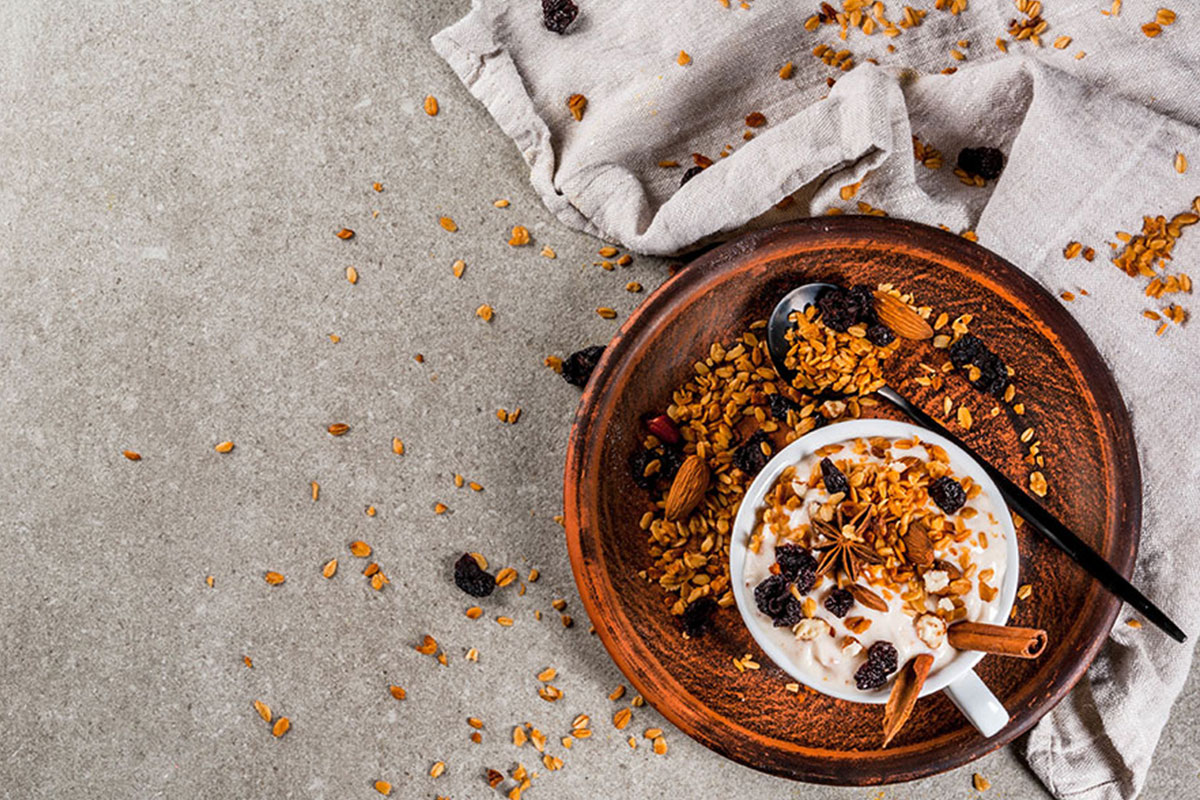
Think outside the breakfast box when it comes to morning meals with selective ingredients! You can adapt traditional breakfast foods by substituting for the grains or transform meals otherwise considered for lunch/dinner.

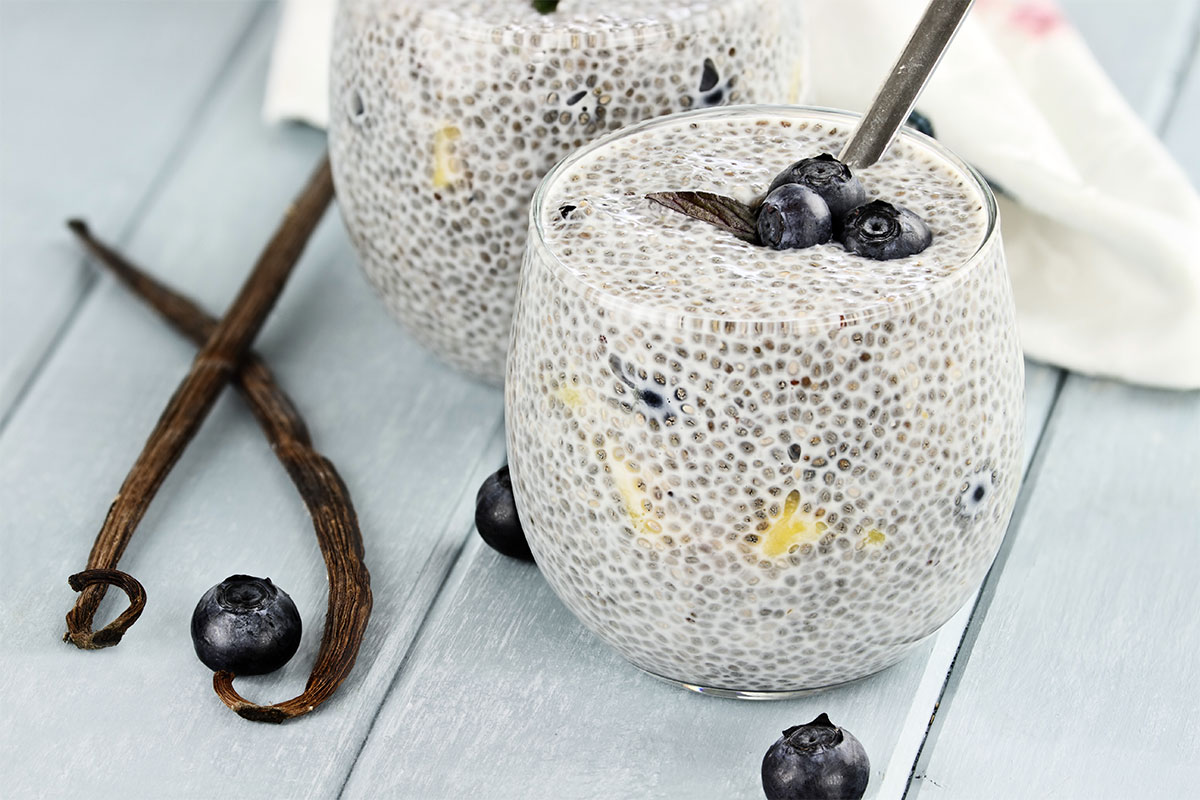
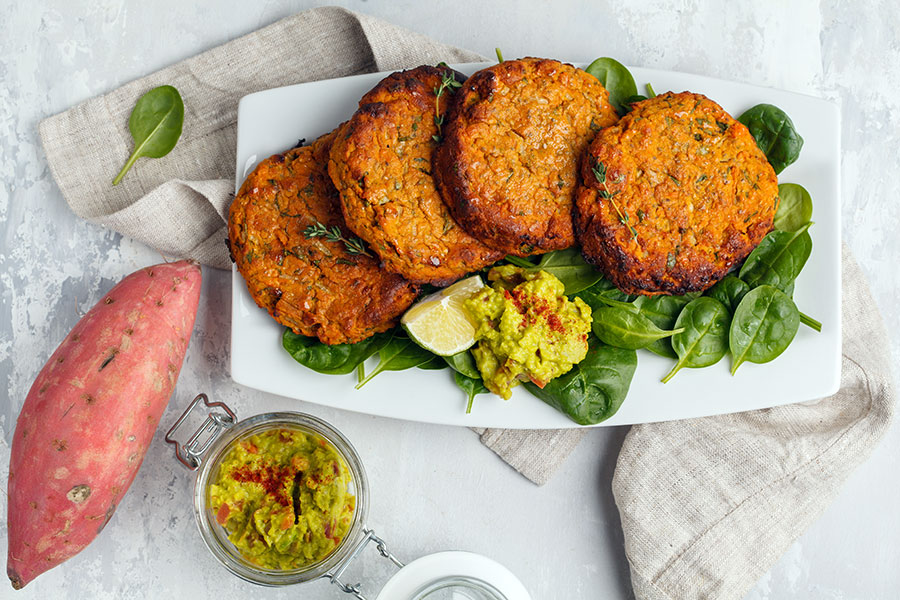
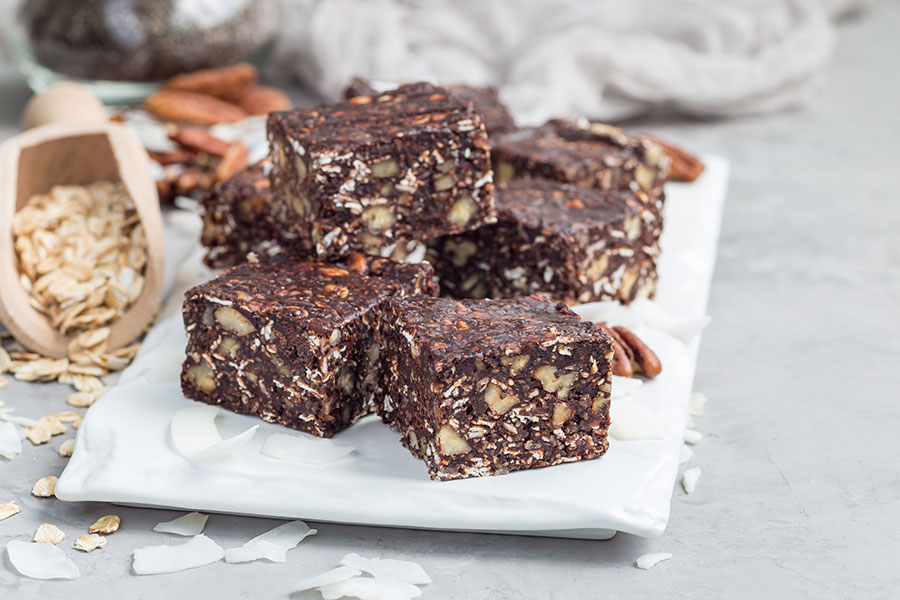
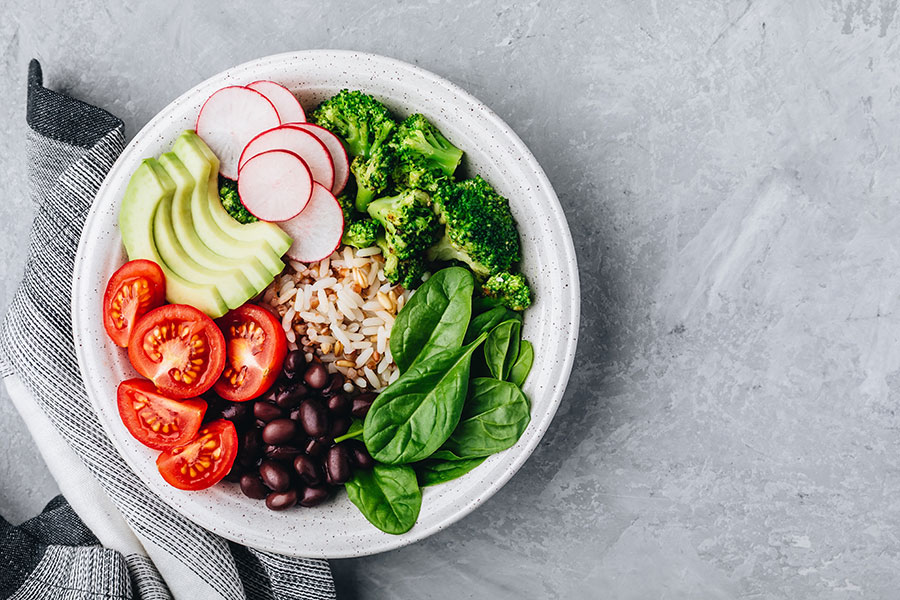
Some tasty options for a vegan grain-free breakfast include:

  • coconut milk and chia seed pudding
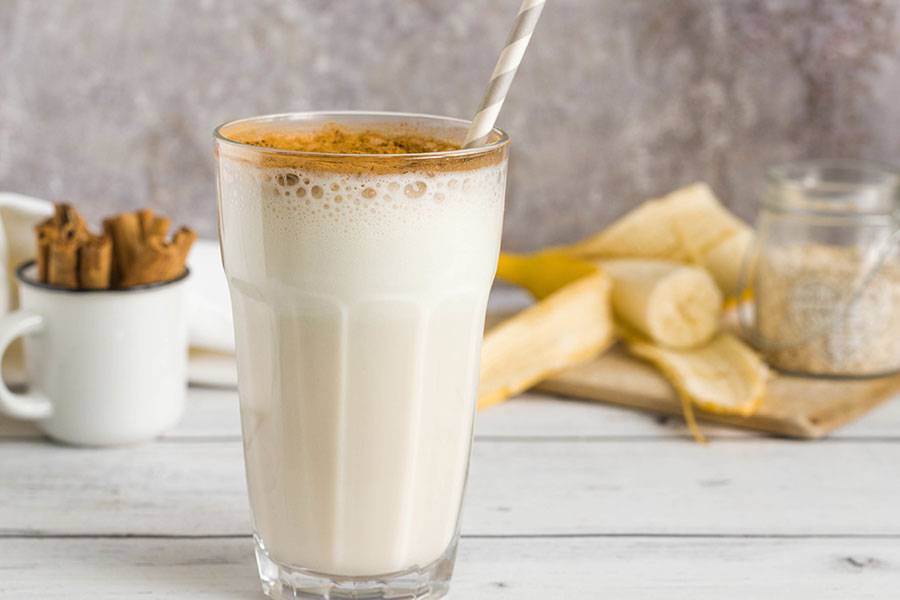
  • fruit and soy yogurt smoothie
  • potato and spinach hashbrown patties
  • sweet potato bowl with pomegranate arils and pecans
  • nut date coconut bar
  • avocado and black bean salad with grilled tomatoes

– Debbie J., MS, RD

This article should not replace any exercise program or restrictions, any dietary supplements or restrictions, or any other medical recommendations from your primary care physician. Before starting any exercise program or diet, make sure it is approved by your doctor.

Some questions have been edited for length and/or clarity.

Ask our Dietitian

Have a nutrition question? Our registered dietitian is ready to help!

Email nutrition@lafitness.com or submit your question below and it may be featured in an upcoming article!

13 + 10 =


Recommended Reading - Q+A

Blender with fresh ingredients to making healthy detox smoothie with glass of green prepared drink with a straw. Vegan cooking concept
Healthy Smoothie Recipes

Healthy Smoothie Recipes

Cue the sound of a revving engine… running your blender at home can bring goodness with that whirring noise! Creating your own smoothies is a great way to get in some nutrients and plant phytochemicals you otherwise wouldn’t during the day. It allows you to prepare...

Good carbs vs bad carbs
Debunking Diet Myths

Debunking Diet Myths

With so many sources offering nutrition advice, it’s hard to know what’s true. Even factual information can become distorted by the time it reaches you. Like a game of telephone, the message often changes as it’s passed along. Here, we debunk 5 common diet myths to...

How to Stop Retaining Water

How to Stop Retaining Water

Question:

How can I stop retaining water? I am constantly bloated and cannot lose weight. What are some suggestions?

– Leslie

Answer:

To stop retaining water, decrease bloat and reduce water weight I’d recommend three basic actions: limit higher sodium foods, hydrate well and avoid known gas-forming foods.

SODIUM

Sodium in salt and other preservatives makes the body hold water within tissues instead of inside cells where it should be. Cut back on pre-packaged foods (like frozen items and restaurant meals) and highly processed items (like condiments and engineered products). Potassium helps water get inside cells and stay there. Get plenty of potassium from good sources like avocado, winter squash, bananas, tomatoes, and potatoes.

HYDRATION

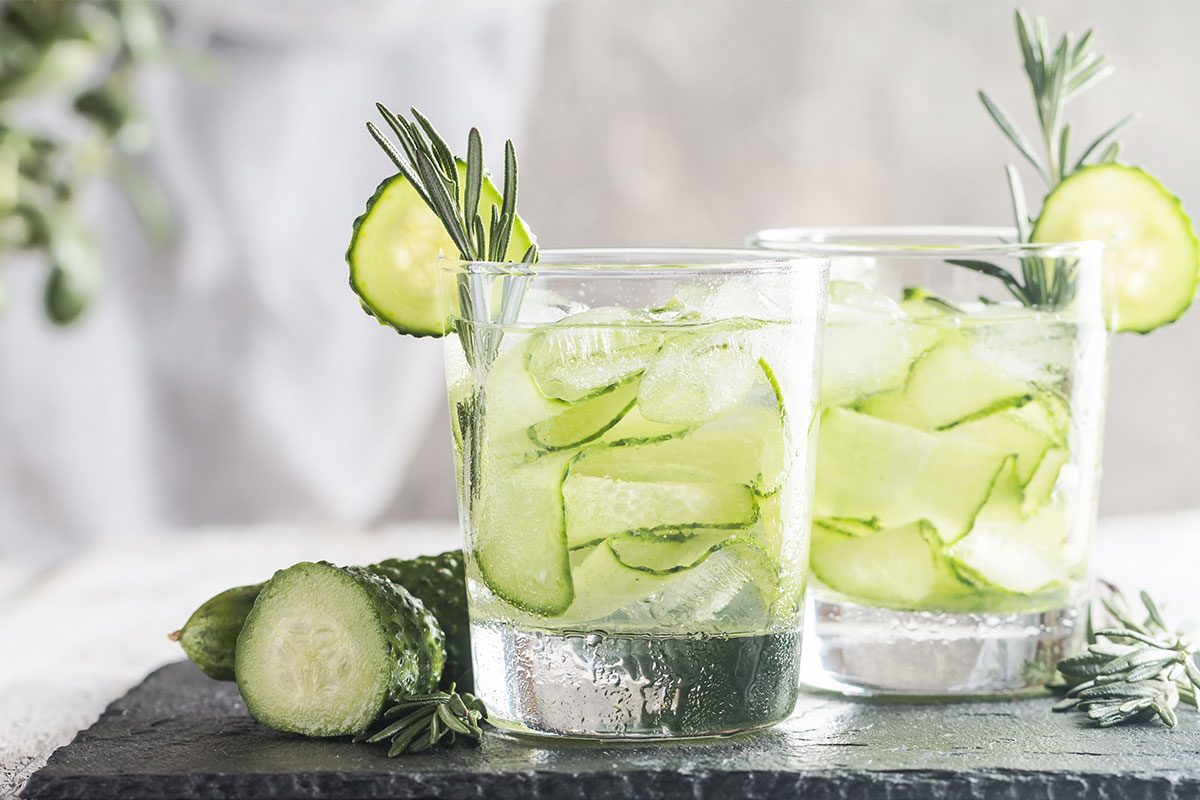
Your body may be less likely to hold onto water if there is plenty of it flowing freely. By drinking more fluids and eating water-filled foods, you may be less likely to retain water and more apt to flush out sodium, keep cells hydrated and achieve proper digestion. Watermelon and cucumbers are not only watery, they contain anti-inflammatory compounds to fight swelling. Sip on debloating teas made with mint or spices like cinnamon and ginger.

GAS PRODUCTION

Have smaller portions of gas forming foods that are cooked well. Chew them slowly & thoroughly. High fiber foods (like beans and broccoli), dairy products, and sorbitol – a sugar alcohol found in chewing gum and fruits (like apples, peaches, and pears) could all be bloated belly culprits.

– Debbie J., MS, RD

This article should not replace any exercise program or restrictions, any dietary supplements or restrictions, or any other medical recommendations from your primary care physician. Before starting any exercise program or diet, make sure it is approved by your doctor.

Some questions have been edited for length and/or clarity.

Ask our Dietitian

Have a nutrition question? Our registered dietitian is ready to help!

Email nutrition@lafitness.com or submit your question below and it may be featured in an upcoming article!

3 + 1 =


Recommended Reading - Q+A

Blender with fresh ingredients to making healthy detox smoothie with glass of green prepared drink with a straw. Vegan cooking concept
Healthy Smoothie Recipes

Healthy Smoothie Recipes

Cue the sound of a revving engine… running your blender at home can bring goodness with that whirring noise! Creating your own smoothies is a great way to get in some nutrients and plant phytochemicals you otherwise wouldn’t during the day. It allows you to prepare...

Good carbs vs bad carbs
Debunking Diet Myths

Debunking Diet Myths

With so many sources offering nutrition advice, it’s hard to know what’s true. Even factual information can become distorted by the time it reaches you. Like a game of telephone, the message often changes as it’s passed along. Here, we debunk 5 common diet myths to...

Sugar-Free Baking with The Sugar Alcohol Erythritol

Sugar-Free Baking with The Sugar Alcohol Erythritol

Question:

What do you know about the sugar alcohol erythritol? I’m looking to use it in sugar-free sweets this holiday.

– Candice C.

Answer:

Sugar alcohols (also known as polyols) are low-digestible carbohydrates, meaning that they are incompletely digested or absorbed in the small intestine then are at least partially fermented in the colon. Chemically a hydrogenated monosaccharide, erythritol is technically not a true sugar or an alcohol.  Erythritol is absorbed but is not fully metabolized enabling it to yield only 0.2 Cals/gram1. Erythritol is excreted intact in the urine, meaning it travels from gut to blood to kidneys unchanged. Um, you decide if that’s good or bad…

Erythritol is mainly derived from GMO cornstarch and is also natural-occurring in some other plants, fruit (like watermelon, pear, and grapes), mushrooms and fermented foods. In food products (often sugar-free foods) it can be used alone but is often found in combination with other polyols or non-nutritive sweeteners. For example, erythritol (along with rebiana) is a component of the sweetener TruviaTM. Erythritol would be part of the sugar alcohols section under carbohydrates in a Nutrition Facts panel of a food label. Erythritol is considered to have zero calories while other sugar alcohols have about half the calories of sugar1. Note that some lower-sugar foods have increased fat content for palatability2.

The US FDA determined that erythritol is Generally Recognized as Safe, as of 2001. The American Diabetes Association states, “Sugar alcohols and nonnutritive sweeteners are safe when consumed within the daily intake levels established by the Food and Drug Administration (FDA)2.” The estimated daily intake of erythritol is 1 gram per day and an estimated tolerable intake range of 10-20 grams per day 1,3.

Erythritol does not appear to affect blood sugar levels4. Other erythritol benefits for those with diabetes include no contribution to dental caries, lower laxative effect than other sugar alcohols, and slower digestion (lower glycemic). Sugar alcohols have not been proven effective in the management of weight3. And keep in mind that it’s overall carbohydrate consumption, not just sugar, that has the biggest impact on blood sugar management1.

In the kitchen, erythritol can’t be used in a weight for weight replacement for table sugar as erythritol has 60-80% the sweetness of sucrose3. You can use erythritol in a variety of food applications but know that sugar alcohols don’t have the same microbial inhibition, browning, or crystallization properties as table sugar. Unlike non-nutritive sweeteners, erythritol offers bulk and stabilization which helps with structure or viscosity of the finished product. It also acts as a humectant to retain moisture. Sounds to me like you need to know a bit about food chemistry to get an ideal result if you aren’t following a tested recipe!

References

  1. Low-Digestible Carbohydrates in Practice. HA Grabitske and JL Slavin. Journal of the American Dietetic Association, Oct 2008; 108(10: 1677-1682.
  2. Sugar Substitutes: Useful Ingredients in Effective Diabetes Management. CL Seher. Today’s Dietitian, Nov 2010; 12(11):12-14.
  3. Position of the Academy of Nutrition and Dietetics: Use of Nutritive and Nonnutritive Sweeteners. Journal of the Academy of Nutrition and Dietetics, May 2012; 112 (5): 739-757.
  4. Nutrition Recommendations and Interventions for Diabetes, a position statement of the American Diabetes Association. Diabetes Care, 2008 Jan; 31(Supplement 1): S61-78.

– Debbie J., MS, RD

This article should not replace any exercise program or restrictions, any dietary supplements or restrictions, or any other medical recommendations from your primary care physician. Before starting any exercise program or diet, make sure it is approved by your doctor.

Some questions have been edited for length and/or clarity.

Ask our Dietitian

Have a nutrition question? Our registered dietitian is ready to help!
Email nutrition@lafitness.com or submit your question below and it may be featured in an upcoming article!

7 + 5 =


Recommended Reading - Q+A

Blender with fresh ingredients to making healthy detox smoothie with glass of green prepared drink with a straw. Vegan cooking concept
Healthy Smoothie Recipes

Healthy Smoothie Recipes

Cue the sound of a revving engine… running your blender at home can bring goodness with that whirring noise! Creating your own smoothies is a great way to get in some nutrients and plant phytochemicals you otherwise wouldn’t during the day. It allows you to prepare...

Good carbs vs bad carbs
Debunking Diet Myths

Debunking Diet Myths

With so many sources offering nutrition advice, it’s hard to know what’s true. Even factual information can become distorted by the time it reaches you. Like a game of telephone, the message often changes as it’s passed along. Here, we debunk 5 common diet myths to...

The Best Foods to Eat Pre and Post-Workout

The Best Foods to Eat Pre and Post-Workout

If you ask any fitness maven walking (or more likely running) down the street, they will immediately condemn the idea of “fasted cardio”, referring to the method of not eating before a workout in order to burn and lose body fat.  They will tell you it is ineffective and potentially dangerous, and then probably start describing the simply seasoned chicken breast or protein-packed omelet (depending on what time of the day it is) they chowed down before they laced up their sneakers.

In order to get the full benefits of exercise, you need a healthy and balanced diet.  Whether you’re hiking outdoors or sweating it out in a spin class, the right foods before and after a workout provide you with more energy and aid your body in recovering faster.

The best food pre-workout is going to be packed with carbohydrates and proteins. Carbs are your muscles’ main energy source and protein helps to improve your muscles’ growth and recovery. You want to avoid eating too much fat before a workout as that will cause you to feel more sluggish and heavy, although healthy fats like avocado have been shown to be a good source of fuel for moderate-to-low intensity workouts. Ideally, you’ll want to eat 2-3 hours before a workout, so that your body has time to digest. Good sources of protein pre-workout include:

  • Apple wedges with peanut butter – Apples are a source of natural sugar, and combined with a protein like peanut butter can still be a great energy source
  • Chicken – Baked chicken is best.
  • Greek yogurt
  • Omelets
  • Homemade protein bars – Homemade is a great way to control what goes into your body!
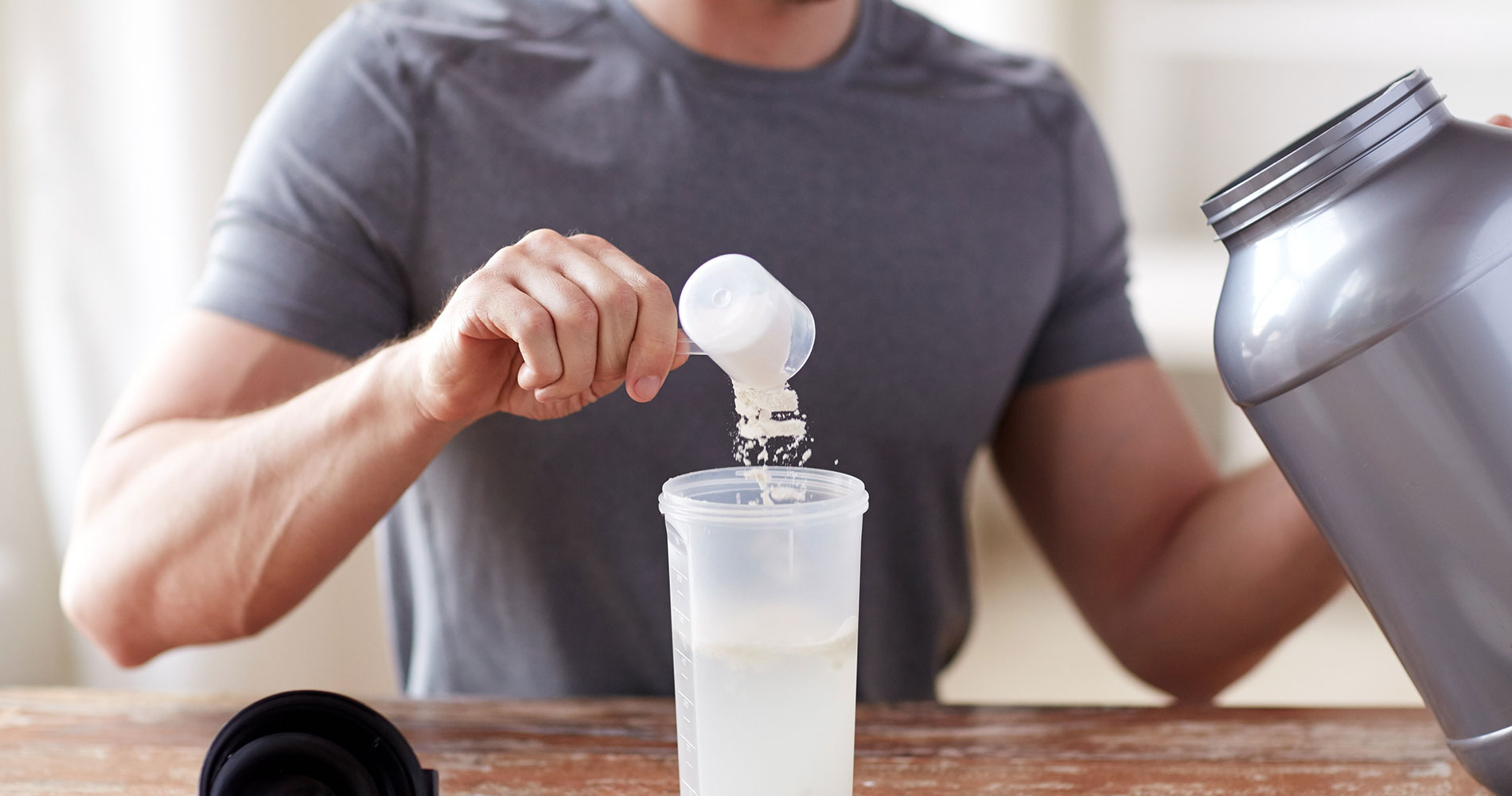
  • Protein shakes

As your pre-workout time ticks down, eating a meal that contains mainly carbs and some protein is ideal to ensure digestion. Simple carbs like bananas, dried fruit, and fruit smoothies with a dash of protein powder provide a quick energy boost for a 30-60 minute workout, whereas complex carbs are slow releasing energy sources and have a slower metabolism rate.

Sources of carbs include:

  • Rice – Brown rice is ideal, combine with the chicken mentioned above and some veggies for a balanced, pre-workout meal!
  • Porridge/oatmeal
  • Wholegrain bread
  • Sweet potato
  • Pasta

Many of these foods can double up as energy sources post- workout as well. Complex carbs and proteins are a necessary foundation as the body rebuilds itself post workout. Proteins are key to help repair and rebuild muscle tissue. It’s recommended to eat your post-workout snack/meal within 30 minutes after the treadmill slows to a stop. And of course, make sure you are replenishing fluids to further help your recovery. So, get cooking, get running, happy workout and bon appétit!


Recommended Reading

Blender with fresh ingredients to making healthy detox smoothie with glass of green prepared drink with a straw. Vegan cooking concept
Healthy Smoothie Recipes

Healthy Smoothie Recipes

Cue the sound of a revving engine… running your blender at home can bring goodness with that whirring noise! Creating your own smoothies is a great way to get in some nutrients and plant phytochemicals you otherwise wouldn’t during the day. It allows you to prepare...

Good carbs vs bad carbs
Debunking Diet Myths

Debunking Diet Myths

With so many sources offering nutrition advice, it’s hard to know what’s true. Even factual information can become distorted by the time it reaches you. Like a game of telephone, the message often changes as it’s passed along. Here, we debunk 5 common diet myths to...

Life is Busy, Try These Grab-and-Go Snack Options

Life is Busy, Try These Grab-and-Go Snack Options

Question:

Hi there! So, I work full time and try to get my workouts done in the mornings. I go straight to work from LA Fitness. Do you have some suggestions on snacks that you can pack and go in those situations? I have been making a smoothie the night before and putting it in the freezer to take the next morning. Also, healthy snacks for the office after workouts. Thank you!

– Nancy C.

Answer:

Besides the obvious shelf-stable choices (protein or granola bars, nuts/seeds, fruit, crackers, etc.) consider ready-to-eat canned or aseptic packed items like tuna salad, soup, or ravioli and individually portioned hummus, peanut butter and even bean salad. Lots of refrigerated protein sources are safe to eat within a couple of hours from your gym bag, such as hard-cooked eggs, lunch meat, cheese, yogurt, and milk singles. If you have access to a microwave or hot water at work, then consider instant oatmeal and lower-sodium ramen noodles.

– Debbie J., MS, RD

This article should not replace any exercise program or restrictions, any dietary supplements or restrictions, or any other medical recommendations from your primary care physician. Before starting any exercise program or diet, make sure it is approved by your doctor.

Some questions have been edited for length and/or clarity.

Ask our Dietitian

Have a nutrition question? Our registered dietitian is ready to help!

Email nutrition@lafitness.com or submit your question below and it may be featured in an upcoming article!

15 + 8 =


Recommended Reading - Q+A

Blender with fresh ingredients to making healthy detox smoothie with glass of green prepared drink with a straw. Vegan cooking concept
Healthy Smoothie Recipes

Healthy Smoothie Recipes

Cue the sound of a revving engine… running your blender at home can bring goodness with that whirring noise! Creating your own smoothies is a great way to get in some nutrients and plant phytochemicals you otherwise wouldn’t during the day. It allows you to prepare...

Good carbs vs bad carbs
Debunking Diet Myths

Debunking Diet Myths

With so many sources offering nutrition advice, it’s hard to know what’s true. Even factual information can become distorted by the time it reaches you. Like a game of telephone, the message often changes as it’s passed along. Here, we debunk 5 common diet myths to...