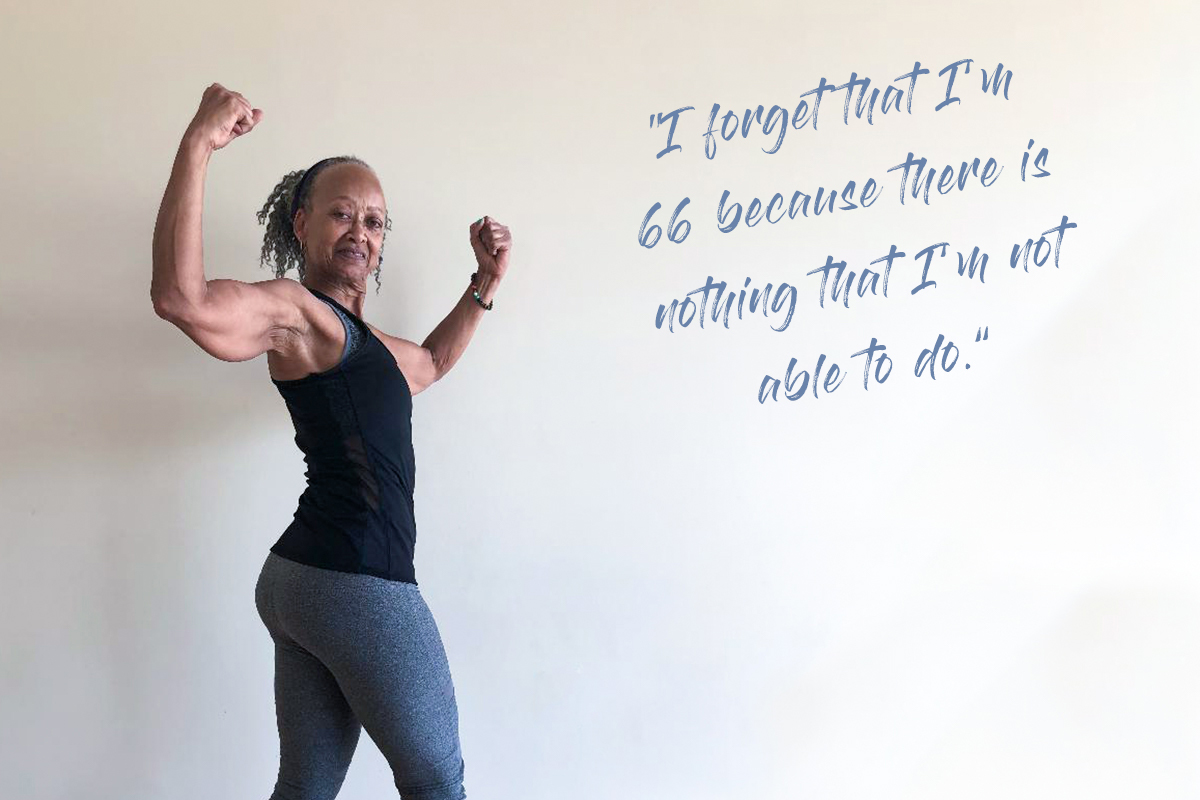
Uterine cancer survivor and advocate Colleen Johnson, PhD, knows a thing or two about individual abilities, and how to push herself beyond all limitations. When Colleen was first diagnosed with cancer at age 57, she was a self-described couch potato with an unhealthy BMI. Her first course of treatment involved major surgery, so she needed a few months of recovery before ultimately taking up running—a hobby that helped her to lose weight, get rid of diabetes, and take back control over her body. Colleen completed her first full marathon just 17 months after surgery. After that, she set her sights on ultra-marathons, and now runs at least one 100-miler every year to remain healthy while also raising awareness for uterine cancer.
“You have to find hope, somewhere,” Colleen said. “I found it in exercise and diet. In the beginning, I thought it was probably false hope, but I didn’t have anything to lose by trying it. I was amazed when it turned out to be true—exercise and weight loss really did help fight my cancer.”
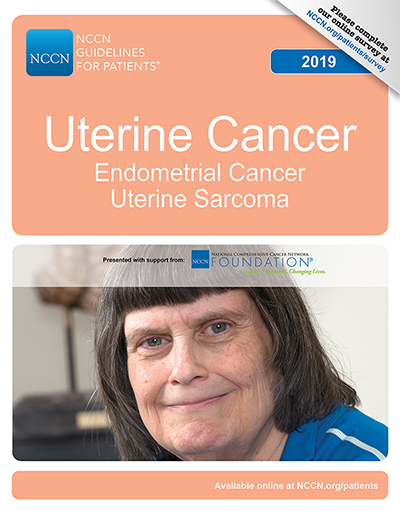
Colleen is now featured on the cover of the NCCN Guidelines for Patients: Uterine Cancer, which can be read and downloaded for free at NCCN.org/patients. Her advocacy around this rarely discussed but increasingly common type of cancer—which is also known as endometrial cancer—inspired NCCN to include it in the growing library of patient guidelines, which also include Breast, Colon, Lung, Prostate, Stomach, and other cancer types accounting for approximately 88% of all cancer incidences in the United States.
Of course, running ultra-marathons isn’t for everyone. Swimming, jogging, biking, and even walking can get your heart rate pumping. Work with your doctor to customize your exercise routine to whatever fits best for your life. Some answers can only come from within, but free, reliable, and empowering information about cancer care is available—if you know where to look.