
Which Apple is Better For You, Red or Green?

Which Apple is Better For You, Red or Green?

Aristotle questioned human behavior, Einstein questioned the rules of relativity, and Edison questioned electricity. Today, we are questioning nutrition – fruit, to be specific. Are red or green apples healthier for you? Is there a difference? Does having an apple a day really keep the doctor away? We dive headfirst into this important debate.

The apple is a fruit that is often taken for granted. Offered in almost all grocery stores and farmers’ markets year-round, these tasty nutritious treats provide a host of health benefits. Let’s take a closer look.

In general, apples can help with:

  • Weight loss – Apples are high in fiber and water, which can help you feel more full. In a study of obese mice, those that were given a supplement of ground apples and apple juice concentrate not only lost more weight but also had lower levels of “bad” cholesterol, triglycerides and total cholesterol than the control group.1
  • Heart Health – There is a link between consuming apples and a lowered risk of heart disease. Not only are they “high in soluble fiber, which helps lower cholesterol, [but] they also have polyphenols, which are linked to lower blood pressure and stroke risk.”2
  • Lowered Risk of Type 2 Diabetes – Due to the polyphenol antioxidant content of apples, they’re thought to help prevent tissue damage to beta cells in the pancreas.3 These cells produce insulin for the body, and oftentimes they are damaged in people with type 2 diabetes. A deeper look into the study can be found here.
  • Good Tummy Bacteria – The type of fiber found in apples (pectin) acts as a prebiotic, helping to promote good bacteria in the belly.4
  • Better Cognitive Function – Multiple studies conducted have shown that apple juice may help prevent the deterioration of neurotransmitters involved in the memory. This is especially important because low levels of acetylcholine, a type of neurotransmitter, have been linked to Alzheimer’s disease, so drink up that apple juice!


The Great Debate: Red vs. Green

  • Red apples tend to have more antioxidants than green, but the difference is small.5
  • Red apples offer anti-inflammatory benefits.
  • On the other hand, “green apples may contain slightly more fiber and fewer carbohydrates and sugar than red apples.”6
  • Green apples have more of a tart taste. Red apples tend to taste sweeter.

The fact is both red and green apples are a good nutritious option. The differences are very slight, so red apple fans and green apple fans rejoice! The overall health benefits of apples, regardless of color, are many. The age-old saying, “an apple a day,” really may keep the doctor away.

What are your nutrition-related questions? Submit your best by clicking here!

Leave us a comment in the box below with your apple preference! Which will come out on top – red or green?

This article should not replace any exercise program or restrictions, any dietary supplements or restrictions, or any other medical recommendations from your primary care physician. Before starting any exercise program or diet, make sure it is approved by your doctor.


Recommended Reading
The Connection Between Coconut Oil & Endothelial Cells | Q+A

The Connection Between Coconut Oil & Endothelial Cells | Q+A

Question:

Does coconut oil harm endothelial cells?

– James B.

Answer:

What a curious question!

The endothelial cells lining your blood vessels work to relax and contract the diameter in response to stimuli. They produce nitric oxide, a vasodilator. Stiff or narrow arteries are risk factors for cardiovascular events because they don’t allow the blood to flow through adequately. When the endothelium isn’t working properly, it’s called dysfunction. This can lead to the development of atherosclerosis (plaque deposition).

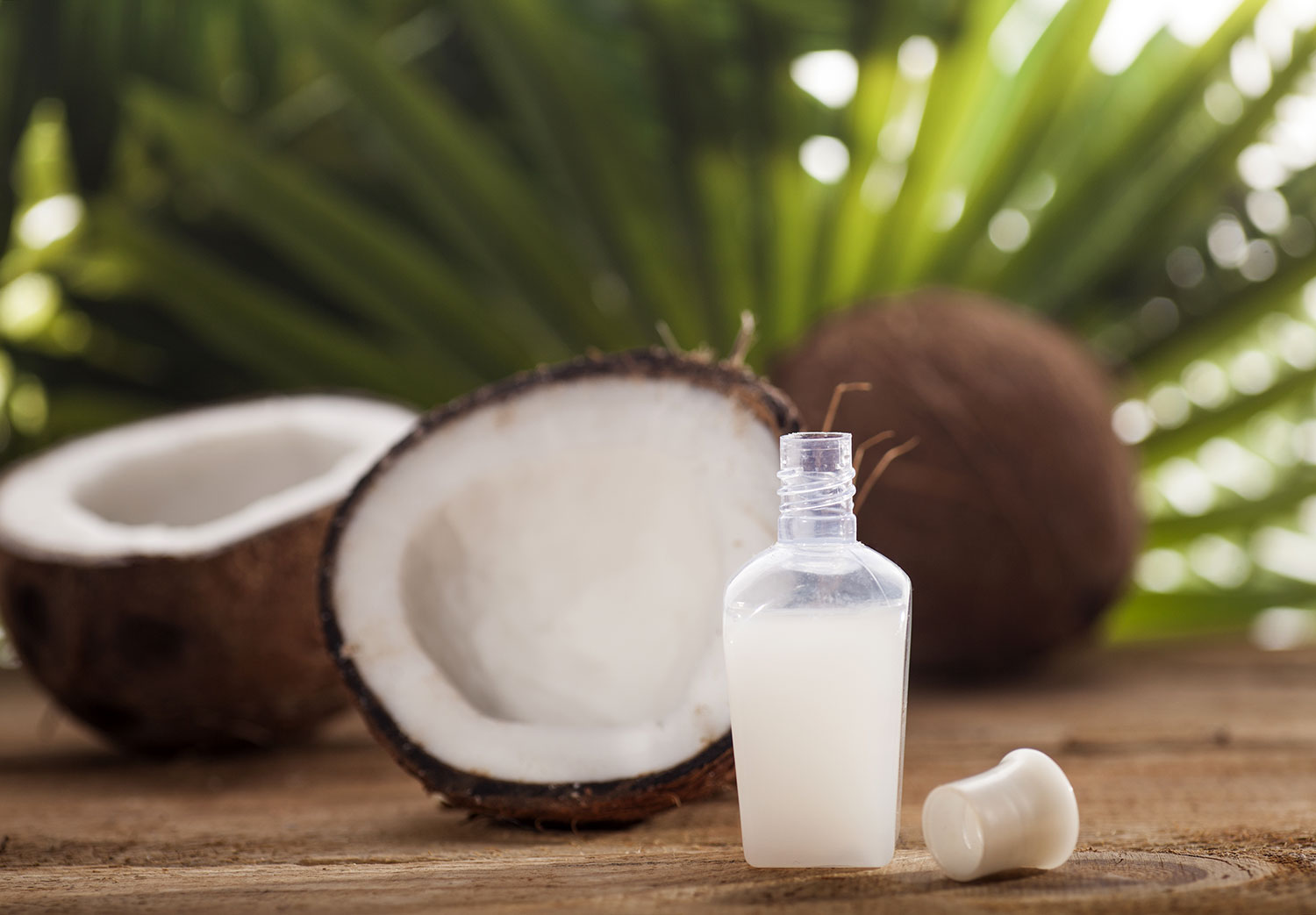
Coconut oil is 100% cholesterol-free (as are all plant oils), but contains mostly saturated fatty acids. These differ chemically from, and are not as harmful to the vascular system as, animal saturated fats.

In searching the US National Library of Medicine’s database of published research for “coconut” and “endothelial” in human subjects, the search results showed only 3 related articles. One suggested that saturated fats did not affect endothelial function as compared with trans fats1. Another showed no difference between coconut oil and sunflower oil (high in polyunsaturated fatty acids) in cardiovascular risk2. The third showed similar impairment in endothelium-dependent artery dilation from both coconut milk and a Western high-fat meal3.

Leaving no stone unturned, I looked for other studies not in this database. One that compared coconut oil to safflower oil (high in polyunsaturated fatty acids) in a single high fat meal found a “non-significant trend toward impairment of endothelium-dependent vascular reactivity in conduit arteries… after the saturated fat meal.4

All together, the body of research shows that there is not enough evidence to say there is a definitive correlation between consumption of coconut oil and epithelium health. So James, I would say to keep your fat intake at a low to moderate level and from primarily plant sources of unsaturated fat.

– Debbie J., MS, RD


Sources: 

  1. High trans but not saturated fat beverage causes an acute reduction in postprandial vascular endothelial function but not arterial stiffness in humans. Lane-Cordova AD, et al.  Vascular Medicine 2016 Oct; 21(5): 429-436.
  2. A randomized study of coconut oil versus sunflower oil on cardiovascular risk factors in patients with stable coronary heart disease. Vijayakumar M, et al. Indian Heart Journal. 2016 Jul-Aug; 68(4): 498-506.
  3. Impairment of endothelial function–a possible mechanism for atherosclerosis of a high-fat meal intake. Ng CK, Chan AP, Cheng A.  Annals of the Academy of Medicine, Singapore. 2001 Sep; 30(5): 499-502.
  4. Consumption of Saturated Fat Impairs the Anti-Inflammatory Properties of High-Density Lipoproteins and Endothelial Function. Stephen JN, et al.

Journal of the American College of Cardiology

Volume 48, Issue 4, August 2006

This article should not replace any exercise program or restrictions, any dietary supplements or restrictions, or any other medical recommendations from your primary care physician. Before starting any exercise program or diet, make sure it is approved by your doctor.

Some questions have been edited for length and/or clarity.


Ask our Dietitian

Have a nutrition question? Our registered dietitian is ready to help!

Email nutrition@lafitness.com or submit your question below and it may be featured in an upcoming article!

6 + 11 =


Recommended Reading - Q+A

Foods to Help Muscle Recovery | Q+A

Foods to Help Muscle Recovery | Q+A

Question:

What are some good foods to eat to help with the recovery after I work out? I seem to be unusually sore and tired.

– Stephanie E.

Answer:

The goal of recovery nutrition is two-fold. First, to restore balance by eliminating deficits of glycogen and buildup of toxins. Second, to infuse the muscles with building blocks to repair and form new cell structure. Your concern definitely points to the first goal. With that in mind, you will need to look at timing and composition of your recovery meal/snack.

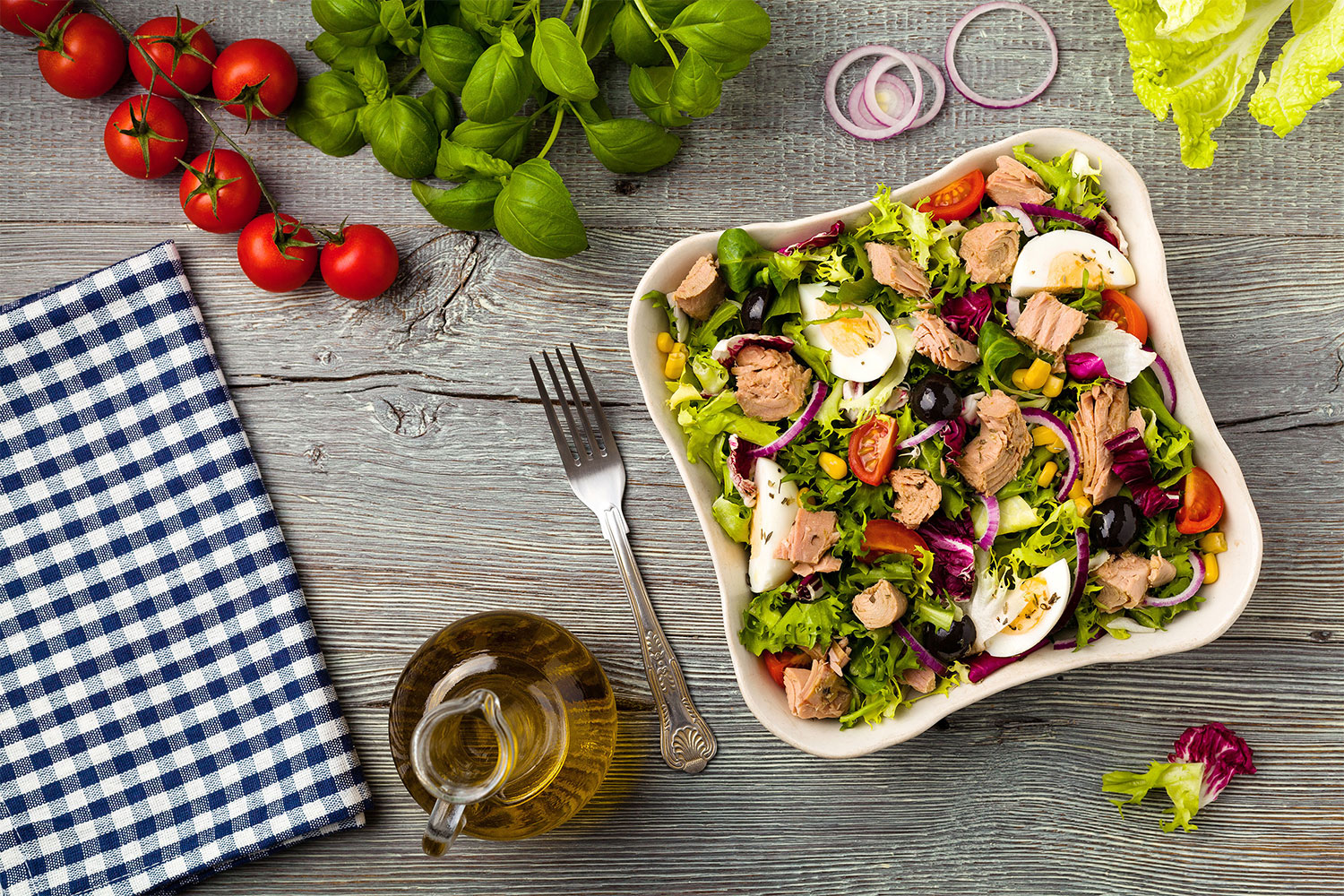
Since your muscles are sore, their cellular metabolism needs to be restored to normal. You might need more sources of potassium and anti-inflammatory compounds. These include tomatoes, bananas, potatoes, kale, cabbage, berries, cherries, lentils, salmon, tuna, nuts, garlic, curcumin, and olive oil. One possible recovery meal is tuna salad with tomatoes, olives and pine nuts on spinach. A tasty snack option is cherries and almonds.

Please note that muscle soreness is no longer thought to be caused by a buildup of lactic acid. More often it’s caused by microscopic damage to the muscle fibers from intense work. Pacing yourself during your workout with adequate breaks between sets may help.

Resources:

American Council on Exercise “What causes muscle soreness and how is it best relieved?” 9/4/09

Harvard Health Publications “Foods that fight inflammation” 8/13/17

Sports Illustrated “Debunking the myths about lactic acid, fatigue and recovery” 7/21/16

– Debbie J., MS, RD

This article should not replace any exercise program or restrictions, any dietary supplements or restrictions, or any other medical recommendations from your primary care physician. Before starting any exercise program or diet, make sure it is approved by your doctor.

Some questions have been edited for length and/or clarity.

LA Fitness Living Healthy subscribe button

Want more? SUBSCRIBE to receive the latest Living Healthy articles right in your inbox!

Ask our Dietitian

Have a nutrition question? Our registered dietitian is ready to help!

Email nutrition@lafitness.com or submit your question below and it may be featured in an upcoming article!

5 + 15 =

Recommended Reading - Q+A

Here’s How to Overcome a Weight Loss Plateau

Here’s How to Overcome a Weight Loss Plateau

You’re exercising and you’re eating right, so why have you hit a weight loss wall? It’s frustrating and easy to start sliding back into old bad habits when it seems like your progress has come to a screeching halt, but don’t be discouraged. Weight loss plateaus are normal, but what causes them? Well, a few factors can play into this:

  1. You’ve lost your water weight due to the help of glycogen, partly made of water, being burned for energy. This weight loss effect is only temporary.1
  2. You may have lost some muscle in the weight loss process, causing your metabolism to decline. Muscle helps provide a higher caloric-burn rate, so when you lose muscle you slow your metabolism, causing the body to burn fewer calories than before.2
  3. You’re eating more calories than you’re burning. As you lose weight, you have to make sure you’re adjusting your workout and caloric intake to match the goal you’re looking to achieve. You may have to amp up your exercise routineand/or change up your diet. Sometimes the body will get used to a routine and stop giving the results you desire because it needs to be jump-started again with a new-targeted exercise. Try switching things up.

The main factor to remember is NOT TO SLIP BACK INTO BAD HABITS. Remind yourself daily that you’ve become healthier and stronger than before. A number on a scale does not define success. Some tips that may help you overcome the fitness funk can be found below:

  • Focus on the quality of the food you’re eating, rather than just calorie count. Consuming protein burns more calories during digestion and it contains the amino acid leucine, which helps provide the body with energy.
  • Make proper sleep a priority. Yes, it may seem counterintuitive, but allowing your body the time it needs to rest can reset your hormones.3 Also, sleep deprivation increases the risk of your body developing higher levels of cortisol (dubbed the “stress hormone”), and elevated levels of this hormone can lead to an increase in body fat – especially around the midsection!
  • Have you tried drinking more water? If you find yourself hungry but you’re already consuming an adequate number of calories, opt for a glass of H20. That may help curb cravings and prevent overeating.


  • Make sure strength training is incorporated into your workout routine along with cardio. Strength training will help the body build muscle, which helps burn more calories. Therefore, this can lead to more fat being

Still not seeing results? If you feel like your weight loss plateau is lasting a lot longer than expected, check with your physician to make sure there are no underlying medical issues.

Sources:

  1. “Weight Loss Stalled? Move Past the Plateau.” Mayo Clinic, Mayo Foundation for Medical Education and Research, 7 Jan. 2015, www.mayoclinic.org/healthy-lifestyle/weight-loss/in-depth/weight-loss-plateau/art-20044615.
  2. Ibid
  3. Larue, Kristina. “10 Tips to Overcome a Weight-Loss Plateau | MyFitnessPal.” Under Armour, 17 Feb. 2015, blog.myfitnesspal.com/10-tips-to-overcome-a-weight-loss-plateau/.

Recommended Reading

Quick Tips For Fast Weight Loss | Q+A

Quick Tips For Fast Weight Loss | Q+A

Question:

I’m 5′ 8.5″ and 160 lbs., and want to lose 10 lbs. over the next 3 weeks. How many calories do I need to burn per day to accomplish that, assuming I spend 6-8 hrs. per week at gym with moderate walk and weights?

– Robin B.

Answer:

You will need to amp up your calorie burn to reach a large enough deficit to effectively lose 10 pounds in 3 weeks, even if you were to follow a bare minimum 1200 calorie plan! Below that amount, low calorie diets may only change the scale, not your physique, and rarely provide adequate nutrients. Medically supervised very low calorie diets (800 cals/day) are effective for those significantly overweight, which you are not.

Rapid weight loss from a short-term intervention usually means water loss (not fat) plus regain later. Why not identify areas of your current diet that need tightening and find ways to move more during the day outside the gym?  You can read our biggest weight loss tips by clicking here.

– Debbie J., MS, RD

This article should not replace any exercise program or restrictions, any dietary supplements or restrictions, or any other medical recommendations from your primary care physician. Before starting any exercise program or diet, make sure it is approved by your doctor.

Some questions have been edited for length and/or clarity.

LA Fitness Living Healthy subscribe button

Want more? SUBSCRIBE to receive the latest Living Healthy articles right in your inbox!

Ask our Dietitian

Have a nutrition question? Our registered dietitian is ready to help!
Email nutrition@lafitness.com or submit your question below and it may be featured in an upcoming article!

11 + 9 =

Recommended Reading - Q+A