
Is There Such a Thing as Healthier Calories?

Is There Such a Thing as Healthier Calories?


Question:

Is a 450 cal healthy smoothie better for you than 450 cal of some other food item? I’m wondering if there is such a thing as healthier calories.


Answer:

The nutritional value of foods besides energy matters greatly! Beyond the calories derived from carbohydrate, protein and fat, nutrients critical to optimal health include fiber, amino acids, omega-3 fatty acids, phytochemicals, vitamins and minerals. The best prevention for most major chronic diseases is to avoid saturated animal fats, refined flours and added processed sugars. Take all of these together and you have a spectrum of ‘healthfulness’ provided by foods.

Let’s take a simple apple for example:

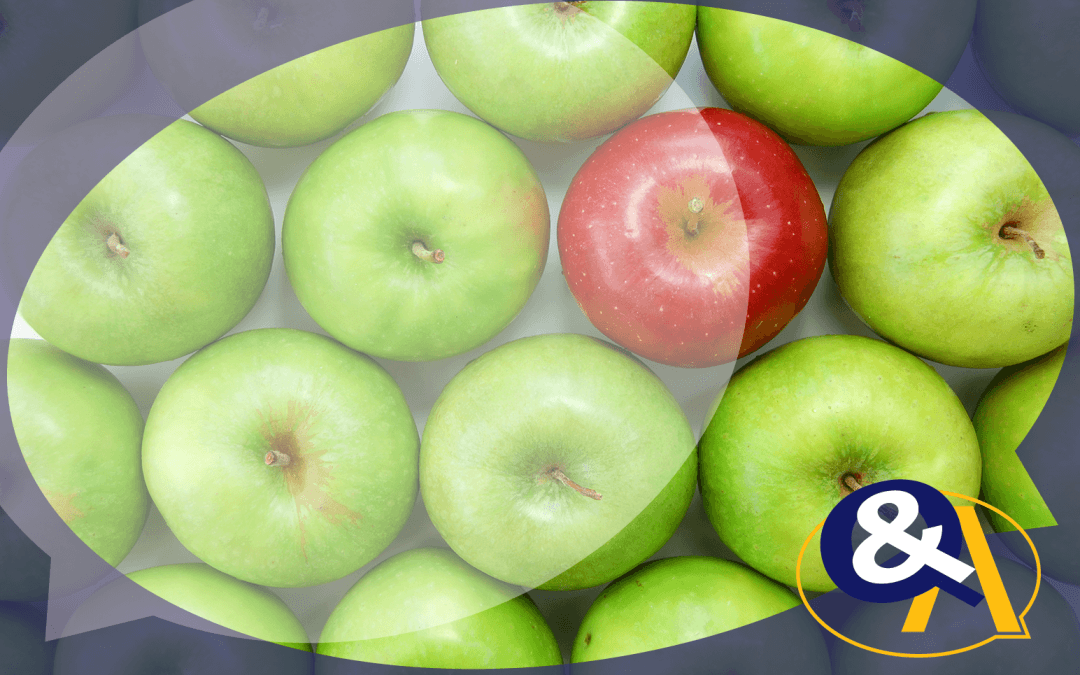
A medium fresh apple with skin provides 4 gm fiber and 14% Daily Value of Vitamin C.*
Peel and cook that apple into unsweetened applesauce to get 2.6 gm fiber, 2% Daily Value of Vitamin C and less water content.*

Still healthier than the equivalent calories from straight candy, the applesauce isn’t “good” or “bad”. The comparison is relative. I hope you’d agree that a balanced meal of fish, mixed vegetables and brown rice is healthier than the equivalent calories from macaroni & cheese. So to answer your question about a healthy smoothie or other food item, it depends on the alternative.

You might be giving up the liquid bound in the smoothie if you opt for solid foods, but would perhaps gain more protein or fiber. Plus, what is ‘healthy’ for one person or use may not suit another. A smoothie made with mango, coconut milk, protein powder and wheat germ might be your ideal breakfast, but be troublesome for a person with diabetes who needs a slower digesting meal. A large omelet of egg whites, spinach, salsa and feta cheese could be healthy for someone trying to lose weight, but would be a poor choice for an athlete’s pre-race meal.

Whatever you choose, remember that variety is key. You’ll end up with more nutrients at the end of the week by alternating your meal components rather than eating the same thing every day.


– Debbie J., MS, RD


*USDA Household Fact Sheets, 2012.

This article should not replace any exercise program or restrictions, any dietary supplements or restrictions, or any other medical recommendations from your primary care physician. Before starting any exercise program or diet, make sure it is approved by your doctor.


Suggested Articles

Fitness Changes: By Age

Fitness Changes: By Age

When does the body really start to experience physical limitations, and how does our age affect our fitness endeavors? Let’s find out.
Is Keto for Everyone? | QA

Is Keto for Everyone? | QA

Our Registered Dietitian, Debbie James, helps answer a reader’s question about who the best candidates are for a ketogenic diet plan.

Ask our Dietitian

QA_icon

Have a nutrition question? Our registered dietitian is ready to help!

Email nutrition@lafitness.com or submit your question below and it may be featured in an upcoming article!

12 + 6 =

LA Fitness Living Healthy subscribe button

Want more? SUBSCRIBE to receive the latest Living Healthy articles right in your inbox!

Should I Drink 8 Glasses of Water a Day?

Should I Drink 8 Glasses of Water a Day?


Question:


Hi Nutrition Folks,

I’ve heard the mantra about 8 glass of water/day. I have a hard time getting excited about drinking so much plain water every day. I mean, it’s just so plain. I love drinking unsweetened iced tea and can easily kick back 8 glasses of that every day or a mix of tea and water. I don’t notice any negative effects from the caffeine in the tea.

If I stick to iced tea am I really losing out on the health benefit?

-Todd W.


Answer:

You’re not losing out! A person’s fluid needs can be met in various ways and with little straight water. Beverages on average provide 95% free water, but thick smoothies or shakes have less – maybe 75% water.

As a habitual consumer of iced tea, you probably have a tolerance to the diuretic effects of caffeine. Plus, the volume is spread throughout the day so your beverage choice is fine. Remember your ice cubes are water, too!

To determine how much liquid you should be drinking, multiply your weight in pounds by 0.5 to get the recommended fluid ounces. Then divide by 8 (the # of fluid ounces per cup) to figure out how many cups that equates to.

– Debbie J., MS, RD


This article should not replace any exercise program or restrictions, any dietary supplements or restrictions, or any other medical recommendations from your primary care physician. Before starting any exercise program or diet, make sure it is approved by your doctor.

Suggested Articles

Ask our Dietitian

QA_icon

Have a nutrition question? Our registered dietitian is ready to help!

Email nutrition@lafitness.com or submit your question below and it may be featured in an upcoming article!

6 + 1 =

LA Fitness Living Healthy subscribe button

Want more? SUBSCRIBE to receive the latest Living Healthy articles right in your inbox!

Yoga For Digestion

Yoga For Digestion

Debbie J., MS, RD contributed this article –

In the Living Healthy blog, we’re often sharing nutrition advice to help you achieve better physical performance. In this article, we’re promoting certain exercise to improve your nutrition status. What a twist! Yes, pun intended.

Many digestive ills are relieved by yoga including gas, bloating and constipation. The practice of ayurvedic medicine promotes yoga for digestion. In fact, yoga is used to treat abdominal pain for several digestive disorders. Improving digestive health means better nutrition since nutrient absorption and waste elimination are enhanced.

How does yoga achieve this? Primarily by utilizing the poses that stimulate nerves, enhance the flow of blood and digestive juices, promote the travel of food in the GI tract and proper elimination. Alternate tension in your abdominal muscles with deep breathing (Pranayama), abdominal stretches and massaging twists, and you’ve got a perfect combination of yoga to help relieve your belly woes.


Primary yoga poses that are believed to aid digestion:


  • Cat-Cow (marjaryasana-bitilasana)
  • Downward Facing Dog (adho mukha svanasana)
  • Triangle (trikonasana) and Revolved triangle (pavrtta trikonasana)
  • Extended puppy (uttana shishosana)
  • Bridge (setu bandha saravangasana)
  • Gas release (ardha pawamuktasana)
  • Supine twist (supta matsyendrasana)
  • Knees to chest (apanasana) followed by Corpse (savasana)

The underlying tenet of Ayrurveda is that health begins in the digestive system.

LA Fitness yoga classes flow through a series of dynamic movements that help to increase your flexibility, restore balance, and strengthen core muscles of the lower back and abdominals. The class is great for improving focus and self-awareness.

Find an LA Fitness yoga class near you.

Should you wish to modify your diet to compliment your yoga, consider that most traditional practitioners eat a diet comprised mainly of vegetable proteins, rich in cereals, vitamin- and mineral-rich fruits, and which is low in salt content. Promoting a healthy balance of bacteria is indispensable to gut function. A high fiber diet combined with probiotic sources such as active culture yogurt, kefir and kimchi helps achieve this balance.

This information is not meant to replace medical advice. See your healthcare practitioner for any digestive concerns as there may be a more serious underlying condition.

LA Fitness Living Healthy subscribe button

Want more? SUBSCRIBE to receive the latest Living Healthy articles right in your inbox!

Do you enjoy yoga? Leave a comment and share below!

How Many Grams of Protein per Day?

How Many Grams of Protein per Day?

Question:

“How many grams of protein per day and how many kcals per day do you recommend? Currently, I am attempting to slim down and maintain muscle but do not work out much these days as I am swamped with schoolwork. Below are a few stats about me:

Male, 29 years old, 5′ 10″, 181 lbs, 21.7% body fat measured back on 5/22/2016”

– Robert E.

Answer:

Based on your stats alone, one would expect you’d need 2200 calories per day for mild weight loss.  As you’re attempting to maintain muscle, consuming protein at 25-30% calories is ideal.  This would equate to 550-660 calories provided by 138-165 grams of protein.  Keep in mind that numbers are just based on an equation and don’t take into consideration your personal biochemistry or individual metabolism.

Relying on diet alone to slim down won’t maintain muscle.  For that you will need some physical activity.  Try to squeeze in just 5-10 minutes of calisthenics in the morning and evening on days that you can’t get to the gym.  This will probably take you less time than calculating the calories and grams of protein you’re consuming!

– Debbie J., MS, RD

Ask our Dietitian

QA_icon

Have a nutrition question? Our registered dietitian is ready to help!

Email nutrition@lafitness.com or submit your question below and it may be featured in an upcoming article!

11 + 12 =

LA Fitness Living Healthy subscribe button

Want more? SUBSCRIBE to receive the latest Living Healthy articles right in your inbox!

Do you recommend pineapple smoothies in the morning?

Do you recommend pineapple smoothies in the morning?

Question: 

“Do you recommend pineapple smoothies in the morning since pineapples contain a lot of nutrients? I have heard it’s bad to drink in the morning but I’m kind of confused.”

– Mayra Robles

Answer:

Pineapple helps with digestion as it is a source of an enzyme (bromelain) that helps break down protein. It has anti-inflammatory properties and is a good source of vitamin C which boosts the immune system. So yes, I’d recommend it for morning smoothies where you need some additional sweetness. It is a great natural sweetener for dairy and vegetable-based smoothies. If you’re using only fruit with protein powder, adding pineapple might make the result too sweet, as it is more concentrated in sugar than most other fruit (except banana).

Combine chunks of fresh pineapple with your chosen vegetables to combat their bitterness or with plain yogurt to offset its tartness. Below are a few combinations to add to your repertoire (high power blender required):

  • spinach, avocado, pineapple, chia seeds, and ice water
  • kale, cucumber, pineapple, coconut water, and ice
  • mango, pineapple, coconut milk, protein powder, and ice
  • strawberries, pineapple, soymilk, and ice
  • Greek yogurt, pineapple, peach, wheat germ, and ice water

Tips: Use frozen chunks of your chosen produce to reduce the need for ice. For a kick, add a little ginger. For some extra green and a little flair, add a pinch of mint or basil leaves.

Ask our Dietitian

Have a nutrition question? Our registered dietitian is ready to help! Email nutrition@lafitness.com or submit your question below and it may be featured in an upcoming article!

8 + 9 =

LA Fitness Living Healthy subscribe button

Want more? SUBSCRIBE to receive the latest Living Healthy articles right in your inbox!