From Craving Chocolate to Paving New Roads
Waleska is a mom with 2 part-time jobs who had a love for chocolate. Despite the time constraints and sweet temptations, she lost over 60 pounds!

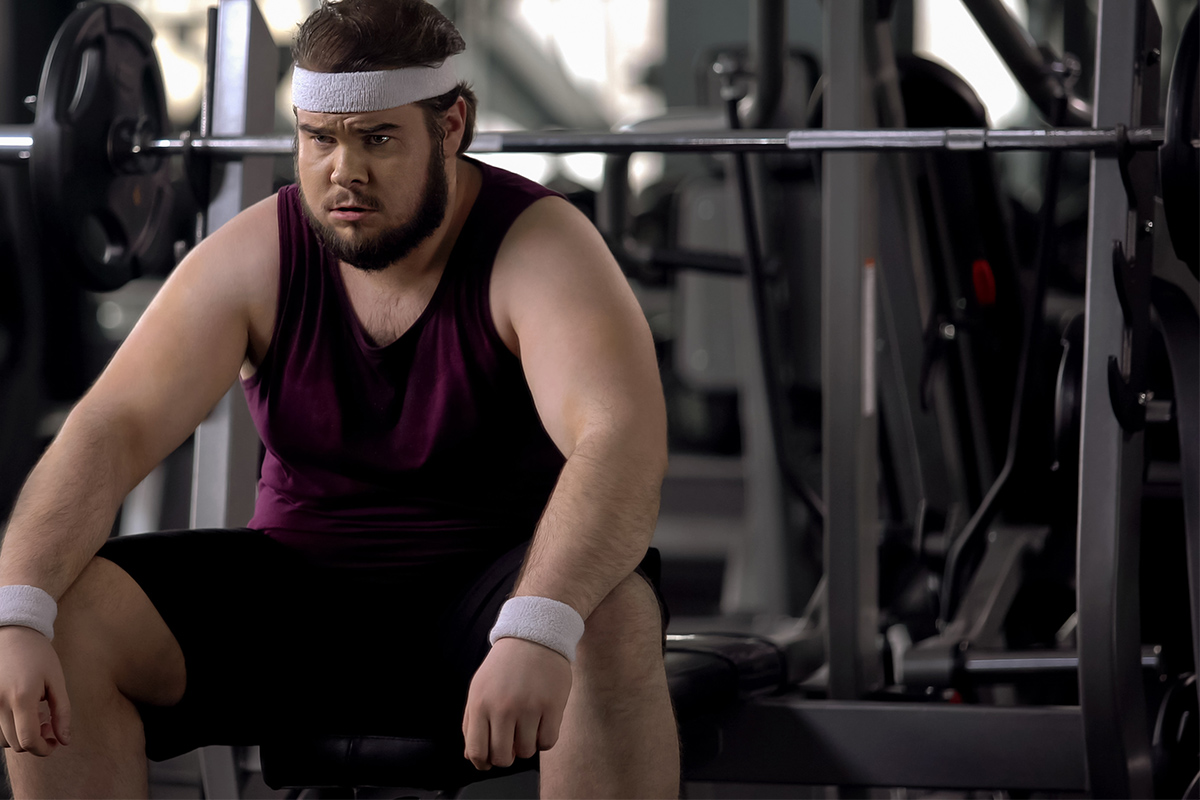
Whether you’re hitting a plateau after weeks of steady progress, or you’ve been working hard from day one and have hardly seen a dent of change, something is happening when your body is seemingly stuck.
Is it something you’re doing wrong? Has your body simply adjusted to your routine? Let’s break down some of the reasons why your weight loss or muscle gain progress has hit a standstill.
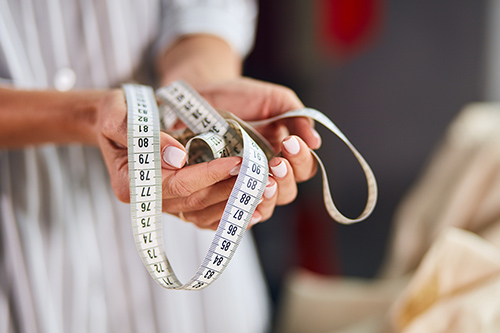
It’s possible that the scale isn’t moving because your body composition is changing. You may still be losing fat, but the scale may not be reflecting it because you’re gaining muscle at the same time. Author of our Body Composition article, Deanna Mercurio, explains that a more accurate way to track your progress is not with the scale but with body measurements and pictures.
If you haven’t felt the need to track your calories, it might be a good time to start. Too many calories could be the culprit behind your plateau. Your body is smart, and it knows you’ve been depleting those precious fat stores. A study on weight gain found that the body’s internal protection against starvation encourages eating just so you will regain lost weight! Keeping track of what you’ve eaten can help you outsmart this natural response to weight loss.
You might be hitting the right calorie count but turning a blind eye to the nutritional content of your food. Your body needs a variety of macro- and micro-nutrients to keep functioning at its best. Our dietitian recommends that you focus on real, whole foods and that you avoid processed food products.1
Sugar is the enemy in the battle with weight loss, partly because it’s easy to consume too much. The World Health Organization recommends that sugars comprise no more than 10% of your daily calories; that’s about 50 grams per day.2 A single beverage can easily contain more than that. Yes, that also means cutting back on healthier beverages like fruit juice. Our dietitian also warns against seemingly healthy smoothies that contain sherbet or fruit syrups. Those sweet additions, she explains, contain refined sugars that are easily absorbed and metabolized into fat.3
Switching things up can help kickstart your weight loss again. Again, we’ll lean on our dietitian’s recommendation. To switch things up, she suggests adding to or intensifying your existing fitness routine with weight training/resistance, cardio, or HIIT workouts, while adding some nutritious calories to those workout days. Those calories can take the form of vegetables, legumes, and pre-workout shakes or recovery drinks.4
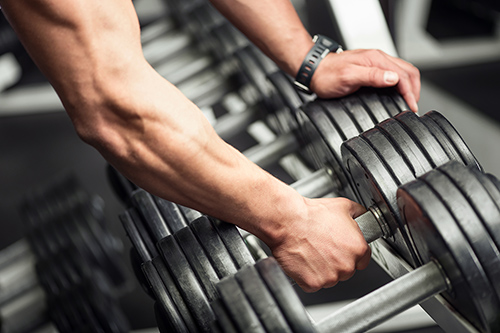
As you gain muscle, your energy needs change as well. You’ll need more nutritious calories (from lean proteins, vegetables, whole grains and healthy plant fats)5 and more protein than the average person because your body needs them to repair and build the muscles you’re working. Read our Protein article to learn how to calculate what your body needs (based on your weight and activity level) to help you bulk.
Just like your metabolism, your muscles can adapt to your routine. This is why workout routines should be anything but “routine.” You’ll need to do things differently to break your body out of its comfort zone. Remember when you first started a certain type of workout and you really had to push yourself through your sets? If you no longer feel challenged by your workout, your body has adjusted. Try increasing your working weight or incorporating some more intense training, like drop sets, to get your muscles back into build-mode. Sticking to the same routine may help you maintain muscle, but progressive overload is crucial to building muscle.
When your body doesn’t have enough water, your muscles must compete with other organs that are also demanding it. As you lose water through sweat, your blood volume is reduced. This slows oxygen delivery to and carbon dioxide removal from your muscle tissue.6 Essentially, you won’t be able to work as hard during training if you’re not giving your body enough water to cope with the physical exertion. It’s important to hydrate before, during, and after exercise.5
As we mentioned earlier, progressive overload and variety in your workout is very important to building muscle. Now you have to make sure you’re consistent about how you train. Your body needs to know that this type of exertion isn’t a once-in-a-while thing; that your muscles need to do this job often! Consistency, paired with progressive overload, prompts your body to build muscle because the physical tasks your body is being asked to do are not going away and they’re getting more difficult.
The right amount of cardio can help you build muscle. Too much can do the opposite. Go back to the first item on this list for a second. To build muscle, you need to eat more calories! Regular cardio can help you consume those extra calories without gaining a lot of fat.7 Cardio also increases your blood flow, which if you remember for item 3, is important for oxygen delivery to and waste removal from your muscle tissue. The increased blood flow also helps deliver fresh nutrients (which your muscles obviously need for recovery and growth)7.
Too much intense cardio, on the other hand, can pull resources away from your muscle tissue. Now instead of those resources going towards building muscle, they’re fueling your cardio. If you’re trying to bulk, keep your cardio at low intensity and low volume.8
Let us know in the comments below if you’ve learned something new! Will you be adjusting your workout or nutrition regimen? Stay in-the-know on trending health and nutrition topics and subscribe to our newsletter to receive monthly highlights from the Living Healthy Blog!
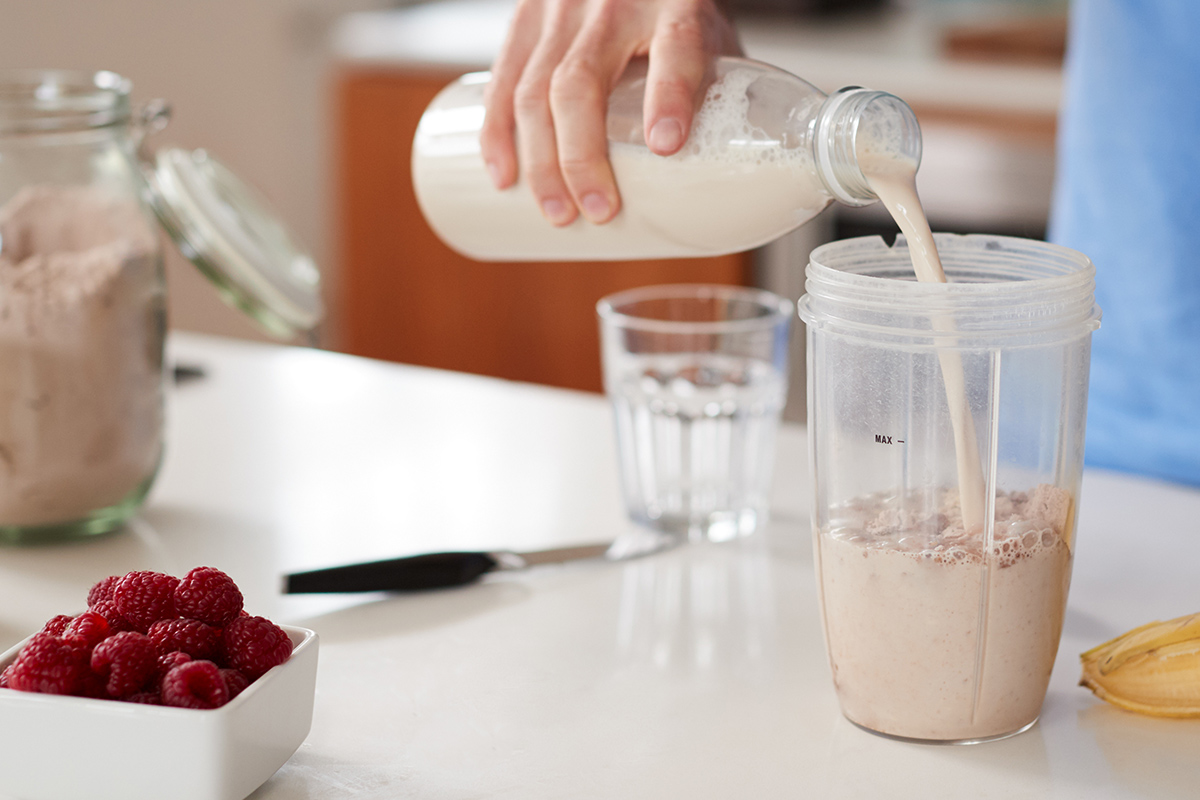
This is a popular question that often comes from people trying to bulk or maintain muscle mass, and even from people just looking to keep their bodies healthy. In general, if you are at a healthy weight and your exercise habits are minimal, your protein intake should sit somewhere in the range of 0.36–0.6 grams per pound (0.8–1.3 grams per kilogram).1 The lower end of this range is considered the Recommended Dietary Allowance (RDA), or the amount needed to meet a person’s basic nutritional needs. For men, this is approximately 56-91 grams per day; for women, it’s about 46-75 grams per day.1 However, you can calculate a more accurate number for your individual needs.
Despite the fact that we have some guidelines on how to determine your protein requirements, it really isn’t an exact science. Each individual should consult with a specialist to determine what is best for their body.
According to the recommendations above, the math behind this is quite simple. Let’s do a quick example to demonstrate how it’s done. Again, this is using the most basic protein recommendation.
If you are 130 pounds, if this is a healthy weight for you, and if your exercise habits are minimal, you would want to multiply by the lower end of the range we mentioned above (0.36 grams of protein per pound of bodyweight).
| 130lbs x 0.36g = 46.8g |
This quick calculation shows that your protein consumption should amount to approximately 47 grams of protein per day.
If you like, you can go a step further. Since protein has 4 calories per gram,2 you can multiply 47 by 4 to get the total number of calories you should consume from protein.
| 47g x 4 = 188 |
Now you know that 188 of your daily calories should come from protein.

Endurance athletes need significantly more protein than sedentary individuals, about 0.5-0.65 grams per pound of bodyweight (1.2–1.4 grams per kilogram).1
The calculation here would follow the same process, only you would replace 0.36 with a number within the new range. Of course, the more intense your endurance workouts are, the greater this number will be. Generally, a number within the range of 0.5 to 0.65 helps endurance athletes meet their protein requirements.
Let’s do a quick example using kilograms instead of pounds.
If you took your weight in pounds, you would first need to divide your weight by 2.2 to get your weight in kilograms. Let’s use 130 pounds again to demonstrate how this works:
| 130 ÷ 2.2 = 59.09 |
Next, multiply your weight in kilograms by a number within the new range. Keep in mind that this range changed too. It’s 0.5-0.65 grams of protein per pound, but 1.2-1.4 grams of protein per kilogram. Let’s use the lower end of the range which is 1.2.
| 59.09 x 1.2 = 70.91 |
This calculation shows that, if you are an endurance athlete, your minimum protein consumption should amount to approximately 71 grams of protein per day.
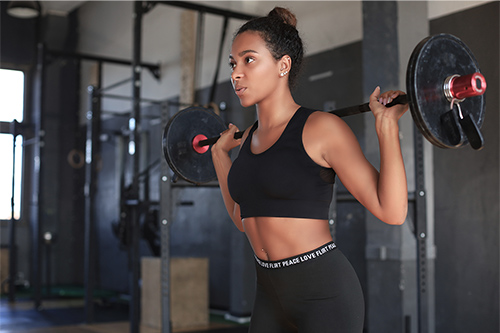
Athletes looking to increase muscle mass are advised to consume at least 0.55 and up to 0.91 grams of protein per pound of bodyweight (1.21-2.0 grams per kilogram).3 Athletes who strength train regularly (and at an intense level) need just a little bit more. The recommendation is at least 0.68 and up to 0.91 grams of protein per pound of bodyweight (1.5 to 2.0 grams per kilogram) every day.3

Older adults have increased protein needs as well, about 0.45–0.6 grams per pound of bodyweight (1–1.3 grams per kilogram).1 According to our registered dietitian, the increased intake recommendation is partly to help maintain lean mass and partly to compensate for a slightly diminished ability to digest and absorb protein.2 Healthline explains that increasing protein can also help prevent osteoporosis in older adults.1

People recovering from serious injuries may also need more protein. The assumption is that, because traumatic injury induces hypermetabolism, protein requirements increase.4 While more work needs to be done to develop accurate energy requirements, some suggest that about 0.68 grams of protein per pound of bodyweight (1.5 grams per kilogram) is an appropriate amount.4

A 2015 study found that the recommended protein intake for pregnant women is in fact lower than previously thought. Still, the overall amount is similar to the needs of a high performing endurance athlete! According to this study, these are the appropriate amounts of protein for the average pregnant woman:
During Early Pregnancy – 0.55 grams of protein per pound of bodyweight (1.22 grams per kilogram).
During Late Pregnancy – 0.69 grams of protein per pound of bodyweight (1.52 grams per kilogram).
The short answer is yes. According to a review from the International Journal of Sport Nutrition and Exercise Metabolism, the maximum safe protein intake is 1.14 grams of protein per pound of bodyweight, or 2.5 grams of protein per kilogram.2
Medical News Today identifies the following symptoms associated with too much protein:
How do you reach and manage your protein intake goals? Share your ideas in the comments below! To stay in-the-know on trending health and nutrition topics, subscribe to our newsletter to receive monthly highlights from the Living Healthy Blog.
This article should not replace any medical or nutritional recommendations from your primary care physician. Before starting any exercise program or diet, make sure it is approved by your doctor.

Physical and biological responses to stress can really mess with our health. We experience varying levels of this emotion every day, so it’s good to draw some attention to some of the unconscious responses to stress that have the potential to damage our wellbeing.
Here are 4 things you probably do when stressed, along with 4 things you can do to cope with them:

When you’re stressed you may unconsciously clench your jaw, tighten up your shoulders, or clench your fists. You probably won’t realize it in the moment, but this habit can lead to pain down the road.
A tight jaw can lead to headaches or neck aches, and it can also lead to teeth grinding while sleeping. Teeth grinding can also be a source of pain as it can cause tooth sensitivity, receding gums, and headaches.
Do This Instead: Make a conscious effort to relax your muscles. When you notice you are feeling anxious or stressed, try doing a full-body scan in your mind and relaxing each group of muscles as you go.

Eating has a special connection with stress. Psychology Today explains that stress involves the release of the hormone cortisol. When you have this hormone in your system, your brain sees it and automatically stops producing more so your system isn’t overloaded with it. However, the role it plays in your body is part of the reason why you feel comforted by eating.
Cortisol tells your body to prepare immediate energy for your muscles to either fight or flee from the stressful situation. When you “stress eat” you’re psychologically comforted by the fact that you are replenishing the energy stores your body has been demanding.
Do This Instead: When we have access to high-calorie foods, it’s more difficult to turn down the impulse to stress eat. Try to avoid stocking those foods or buy only a small amount. If you don’t have a lot, you’re likely to eat them less often because you’ll want to stretch your supply to last longer. The preferred solution, however, would be to address the source of the stress. That is the healthiest long-term solution.

The opposite of stress eating can also be true. Sometimes, when your stomach is in knots, you’ll find you don’t have the desire to eat at all. The Cleveland Clinic explains that this is more about not noticing your hunger cues because you’re so focused on the stressor. It’s important to note this distinction because loss of appetite can also be a symptom of depression.
Do This Instead: If your stomach is in knots and you can’t seem to eat, focus on relaxing to melt some of that stress away. Keep a stress ball at your desk, take a minute to step outside, try some breathing exercises, or refocus your energy by giving yourself something to do.

When things look hopeless, it’s often tempting to just stop trying. Whether you’re struggling to achieve something you’ve been working towards or have encountered an unexpected obstacle, throwing in the towel is a common stress response. The sudden rush of relief from no longer needing to work through a problem can make it easy for us to give up. This is also tied to feelings of anxiety.
Stress and anxiety can be good for you in small doses. They are good motivators and help you move forward with things that need to get done (for example taking a test or preparing for an interview). When they start to become overwhelming and cause you to withdraw from people, situations, or tasks more than is healthy, it’s a good time to address these emotions more seriously.
Do This Instead: Instead of throwing in the towel when you feel stressed, ask yourself some questions first. Why did your situation become the way it is? Are your worries realistic or are you blowing the problem out of proportion? Do you have feasible options you’re trying not to take because they look scary or difficult? Being honest with yourself can help you assess your situation better and help you decide if it’s really better to abandon your goal.
What are some ways that you combat stress in your life? Share your approach with us in the comments below! For more ways to care for yourself, read these reminders of why you are worth the self-love. Stay in-the-know and subscribe to our newsletter to receive monthly highlights from the LA Fitness blog!

Gluten is a common term for the proteins found in wheat, rye, barley, triticale, malt, and brewer’s yeast.1 It is what helps maintain the shape and texture of foods made with these grains. The list looks simple enough, but we have not yet considered the various products made from these grains that are then used in various foods. This can make it difficult to really know which consumables contain gluten.
For example, products like semolina, farina, spelt, farro, bulgar, emmer, and more, are all products made from wheat. If you see one on a food item’s ingredient list, you may not immediately know that it contains gluten.
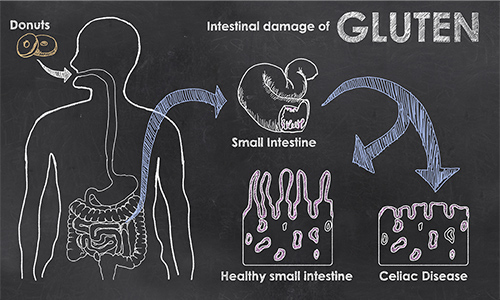
Consuming gluten typically isn’t a problem unless you have a sensitivity to or intolerance for it. People diagnosed with Celiac Disease experience the more serious side-effects because the intake of gluten actually causes damage to the small intestine. Not only does this hinder nutrient absorption, it can also result in symptoms like weight loss and diarrhea.2 For these reasons, malnutrition is a serious concern for individuals with this condition.
Non-celiac gluten sensitivity essentially means that, even though a person tests negative for Celiac Disease and negative for a wheat allergy, they still experience some of the milder side-effects. Typically, this means they may experience some intestinal symptoms, headaches, fatigue, and joint pain if they consume gluten.2

How surprised would you be to learn that the opposite can actually be true? Gluten-free foods can contribute to weight gain because food manufacturers will often add fat and sugar to help recreate the qualities that gluten gives to food.3 In fact, there is no evidence that supports the idea that gluten-free foods can help someone lose weight.3
The reason gluten-free diets are perceived as beneficial for weight loss probably comes from the fact that going “gluten free” can simply mean sticking to unprocessed foods. For example, avoiding glutinous foods (like cake, pasta, etc.) can mean a lower daily calorie count which is potentially what helps gluten free dieters lose weight.

Research has determined that there is a safe threshold in terms of gluten consumption. So, if a food is labeled as “gluten free,” what that really means is that it contains less than 20 parts per million of gluten.4 Okay, but what does that even mean? We rarely quantify things this way. Parts per million refers to how much gluten there is in relation to all the other ingredients. This is not a fixed number. Some foods have a little more and some have a little less.
Each low-gluten food item adds to your overall daily intake. This means that if you consume too many “gluten-free” foods, you can accidentally consume more than the safe amount. Individuals with Celiac Disease are advised to consume no more than 10-50 milligrams per day.4
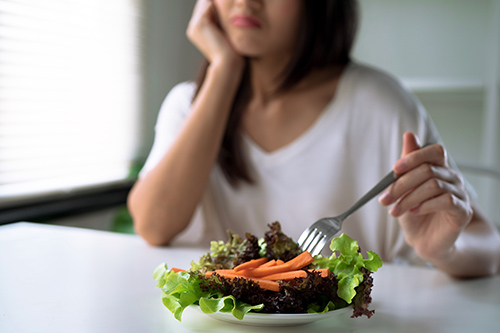
Following a gluten-free diet is actually pretty tough to adhere to, and if you don’t pay attention to what you’re eating (or if you stick to the same foods every single day), you may put yourself at risk for nutrient deficiencies. Not to mention that gluten-free foods typically aren’t enriched with the nutrients you’re already missing by avoiding gluten-containing foods.3
According to an article by the Gluten Intolerance Group, some of the most common nutrients that are difficult to obtain on a gluten-free diet include:
If you need to go gluten-free, Healthline explains that the easiest way to avoid gluten is to eat unprocessed, single-ingredient foods. This means you should avoid foods like bread, pasta, cereal, cookies, muffins, pizza, crackers, and certain beverages like beer. You should also avoid foods made or topped with soy sauce, teriyaki sauce, hoisin sauce, certain broths or marinades, and even some salad dressings.1
If you are going to consume grains, you are encouraged to stick to foods like quinoa, rice, buckwheat, tapioca, corn, and gluten-free oats.1 To be extra-safe, check the packaging for a “gluten-free” label on these items because many foods that are naturally gluten-free (like oats) may still be contaminated with gluten because they are processed or packaged in the same facility as gluten-containing products.
The lists go on for both the do’s and don’ts of gluten-friendly dieting, so be sure to check with a reputable source for a more complete list of foods.
Do you have any tips or tricks for gluten-free dieters? Share your thoughts in the comments below! For more articles like this one, subscribe to our newsletter to receive monthly highlights from the Living Healthy Blog.
“I think we really get down on ourselves when we mess up and then we backslide all the way. Try to find something positive. It doesn’t matter what your starting point is, you need to be ready to say, ‘I am done with doing this to myself.’”
Patricia Ebaire is not just a success story; she is an inspiration to others who believe that older age must certainly translate to struggle. Many of us pair the idea of aging with stiff joints, loss of flexibility, and general aches and pains. Yet, Patricia is here to show us how wrong that notion can be.
Patricia shared her story with us with the hope of encouraging and motivating others to believe in what they can do. “It’s never too late and you’re never too late,” she says.
We believe in her message and are grateful for the opportunity to share it. This is her story:
Up until about 4 years ago, Patricia was sure that her health was fine. She had always been fairly active and at a healthy weight, so it never seemed of critical importance to monitor her weight very closely. “I thought everything was going great and didn’t think much about having gained 5 pounds a year over the course of the last 10 years.” That’s 50 pounds over the total time period. However, when thinking about it on a yearly basis, 5 pounds hardly seems worth noting. Yet, a few years ago, the results of her blood work told her it was time to make some changes. That was her wake–up call.

With the guidance of her doctor, Patricia adopted some new health goals. Ideally, she hoped to exercise 40 minutes a day. Her actual routine looks more like 2-3 days a week. “It’s an ongoing challenge,” she says. She knows what her ideal fitness regimen would be, but she puts in her best and is satisfied knowing that she does everything she can.
This is perhaps where most people begin to give up. If they are unable to maintain the very specific regimen they had in mind, they begin to feel a sense of failure that drives them away from their goal. Patricia’s optimism tells her she can just try again the next day! Despite her fitness plan looking different from the initial goal, her progress continues because she does her best to exercise every single day, even if that only amounts to 10 minutes of brisk walking.
To be fair, her Tuesdays and Thursdays are highly active. On Tuesdays she can be found taking a strength and toning class, teaching yoga, and then playing Pickleball, a sport that merges the elements of ping pong, tennis, and badminton. On Thursdays, she swaps her strength and toning class for weight training and then goes on to yoga and Pickleball.
“At first, I didn’t think my food choices made an impact because I wasn’t feeling bad.”
“The other thing I needed to adjust was my diet,” Patricia explains. “I knew I had to change how I ate carbs, veggies, and protein. What I wasn’t into was balancing it all.” Incorporating the new changes meant “giving up things I was eating too much of. At first, I didn’t think my food choices made an impact because I wasn’t feeling bad. I never used to count carbs and calories in my whole life, but I decided I was NOT going to take a medication. I added fiber, ate less salt, and ate foods with fewer preservatives. Once I did that, eating enough became a challenge because carbs used to be a huge part of my caloric intake and I had to cut that down. But I tell myself every day that each day is a new start. So, even if I backslide a bit, I feel like I can try again the next day.”
We know that, for many people, adjusting nutrition can be a serious effort. We like to ask people who have done it successfully, what their biggest challenges were and how they overcame them. This was Patricia’s answer:
“Balancing the whole thing was my biggest challenge. I started carrying all my snacks with me so I would never be at the mercy of what food was available at the time. I also always used to look at nutrition labels, but I look at them with a different eye now. I think to myself, ‘Do I want one piece of cake or do I want a couple of meals?’ If I really get a craving, for example with pound cake, I cut one piece of cake into 8 pieces and I call them “Patricia bites,” so I take a nibble and I SAVOR it.”
Patricia’s favorite thing about being active was not the weight loss of 54 pounds. “That wasn’t even intentional,” she says. “I just wanted to do what was better for my health.” Her favorite thing was the newfound energy!
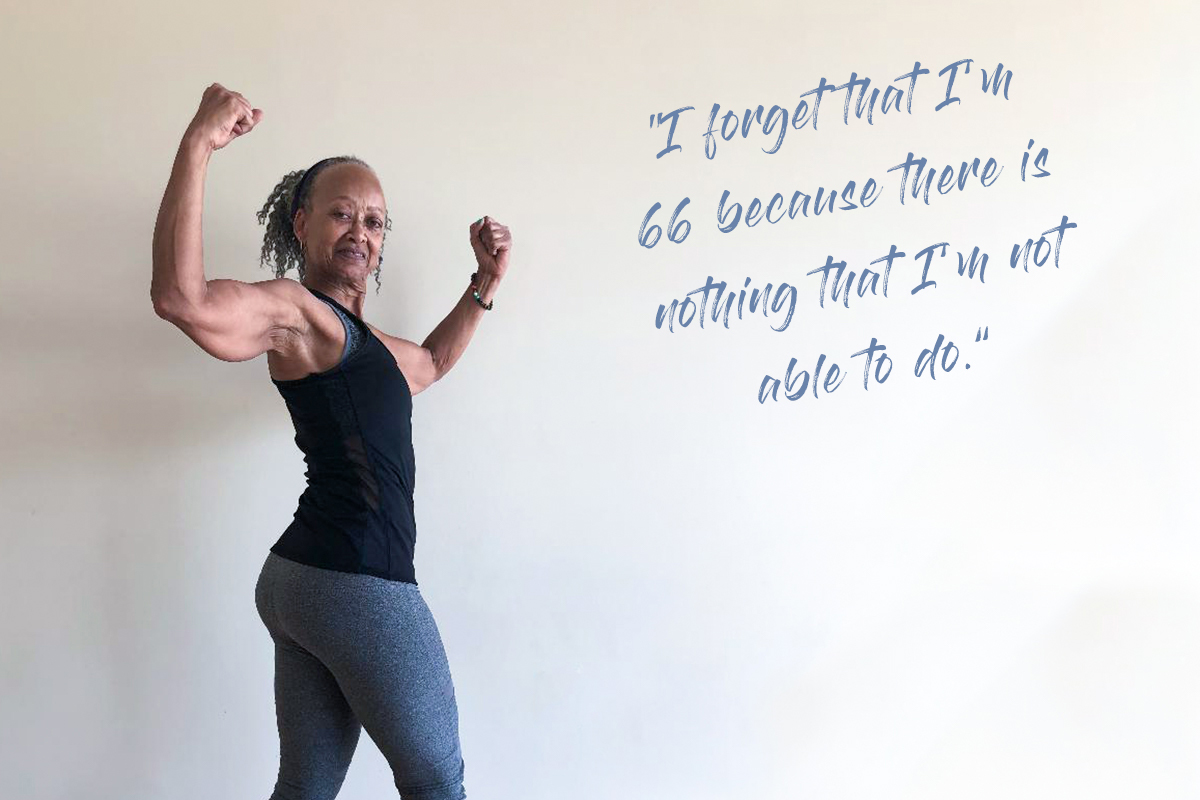
“I feel like I can do anything any time. I forget that I’m 66 because there is nothing that I’m not able to do. I live on a second-floor apartment and I can carry 6-8 grocery bags up those stairs at a time. I love the energy! Before I lost the weight, I didn’t even realize how low–energy I was.”
It’s easy to fall into the habit of thinking that a person succeeded because they have something in them that you don’t. To that, Patricia says “I think we really get down on ourselves when we mess up and then we backslide all the way. Try to find something positive. It doesn’t matter what your starting point is; you need to be ready to say, ‘I am done with doing this to myself.’”
When it comes to sticking to a new routine, Patricia reminds us that “there are so many choices in terms of exercise and food! Choose an exercise you like by trying many of them until you find one that makes you smile. “It’s the same with food. “Maybe you do not like cabbage, so try spinach, or kale, or other greens. The fact that there are so many choices, means that you can find healthy foods that you like and build a healthy diet around those choices.”
When you experience a moment of doubt, Patricia shares that it’s important that you don’t beat yourself up over what other people are doing. “Pat yourself on the back for what you’re doing. Wherever you are is a great place. Don’t ever make your place a bad place. Your effort means so much more than what the other person is doing because their muscles have been doing that for years. Your muscles are trying to get there!”
Ultimately, her message to any generation is that “it’s never too late and you’re never too late. It’s okay to start over the next day, so it’s okay to mess up because you can start over.”
Do you have an inspirational story you’d like to share with us? Email us at blog@lafitness.com for a chance to be featured in an upcoming post!
For grammatical correctness, length, and clarity, minor edits – none of which alter the original or intended meaning – have been made to the quotes provided.
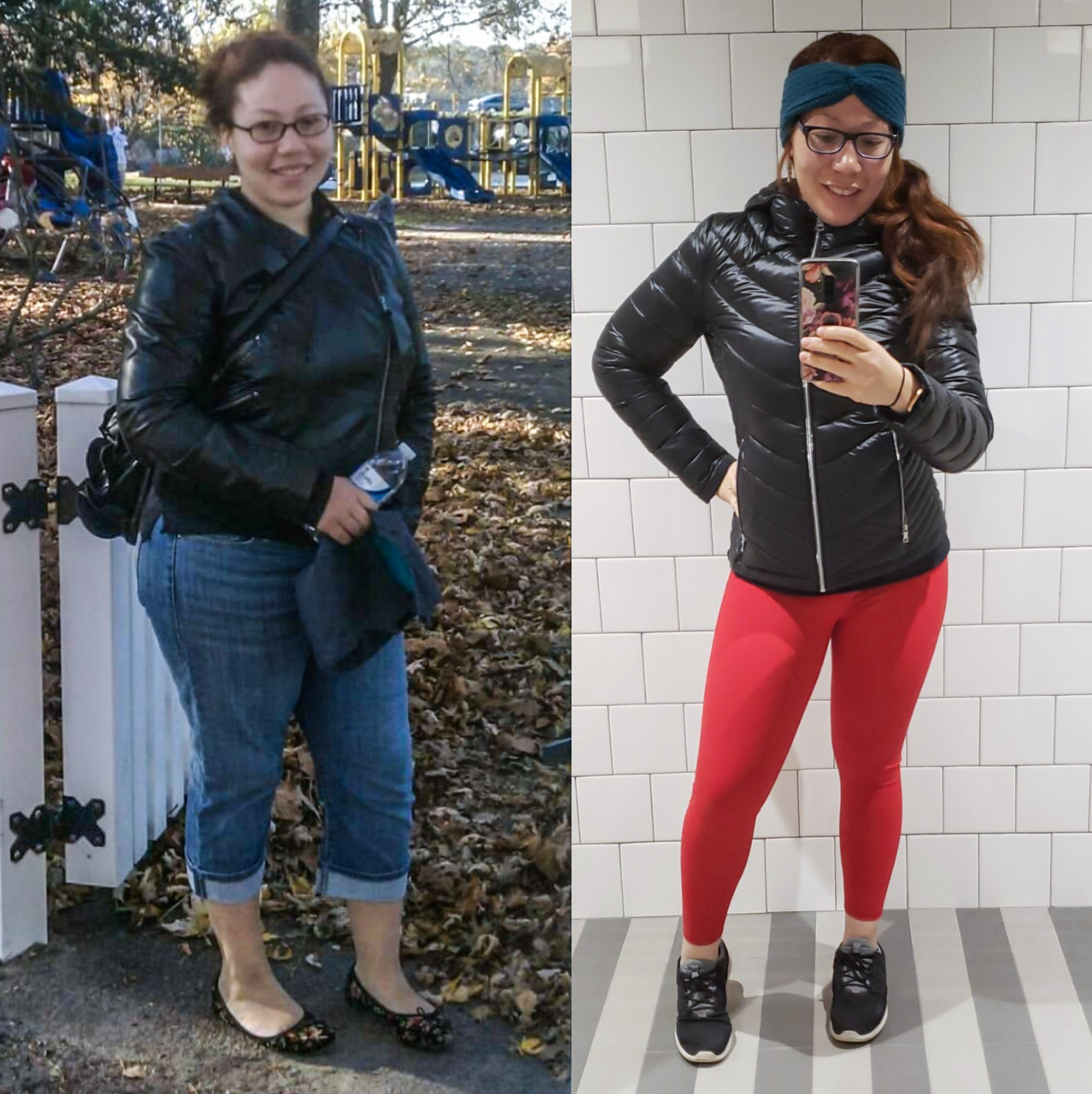
Waleska is a mom with 2 part-time jobs who had a love for chocolate. Despite the time constraints and sweet temptations, she lost over 60 pounds!
Many of us pair the idea of aging with decreased mobility and various aches. Yet, Patricia’s story shows us just how wrong that notion can be.

Ann shares how, despite back problems, strokes, and surgeries, she is well on her way to achieving her goal of losing 90 to 100 pounds!