Warm Comfort Foods Made Healthy(ish)
Most comfort foods we turn to are heavily laden with fat, starch and calories. There are healthier ways to enjoy down-home classics by making a few tweaks.

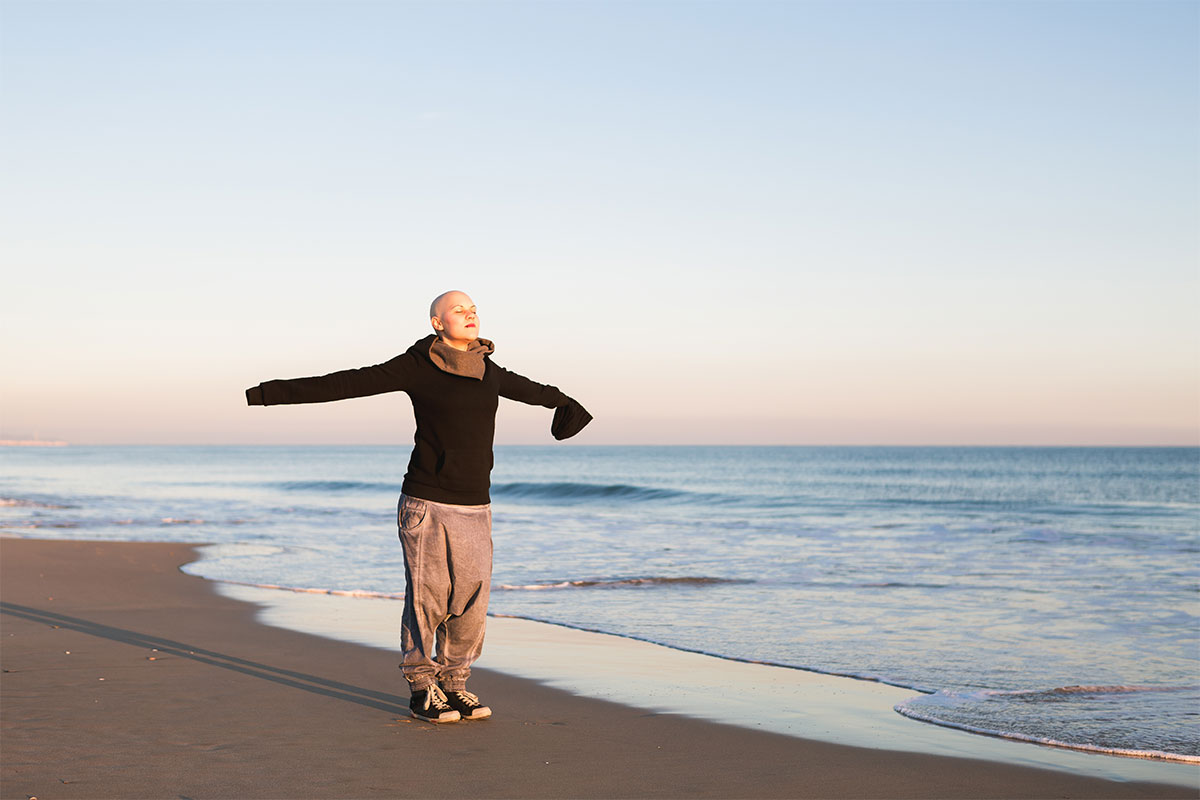
After finding out they have cancer, people want to know what’s happening to their body. They have questions about what their treatment options are, how likely those are to succeed, and what sort of side-effects they may encounter, to name a few. Many people are curious about exercise, and whether it can play a role in their cancer journey.
Physical activity and exercise can be a key part of someone’s cancer-control regimen. That’s one of the many answers that can be found in the NCCN Guidelines for Patients®—available for free at NCCN.org/patients—a series of understandable and informative books from the National Comprehensive Cancer Network® (NCCN®). That’s the same nonprofit organization responsible for the NCCN Clinical Practice Guidelines in Oncology (NCCN Guidelines®) which many doctors rely on for up-to-date, evidence- and expert consensus-based recommendations for high-quality cancer care.
According to Robert W. Carlson, MD, breast cancer oncologist and CEO of NCCN, “Studies have shown that staying physically active is one of the best ways for people who’ve been diagnosed with cancer to take special care of themselves before, during, and after treatment. However, it’s important that patients talk with their doctor or physical therapist about the type of exercise they’re considering, so they can make sure it will be safe for them. Physical activity and exercise recommendations should be tailored to individual abilities and preferences.”
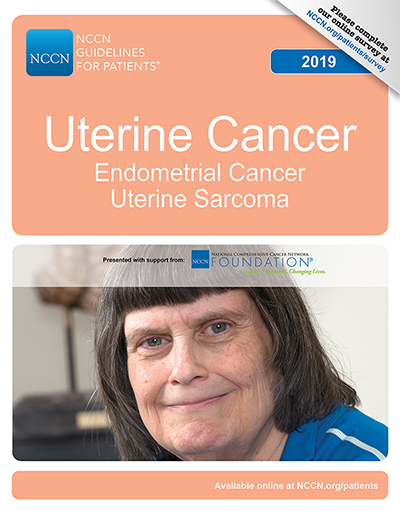
Uterine cancer survivor and advocate Colleen Johnson, PhD, knows a thing or two about individual abilities, and how to push herself beyond all limitations. When Colleen was first diagnosed with cancer at age 57, she was a self-described couch potato with an unhealthy BMI. Her first course of treatment involved major surgery, so she needed a few months of recovery before ultimately taking up running—a hobby that helped her to lose weight, get rid of diabetes, and take back control over her body. Colleen completed her first full marathon just 17 months after surgery. After that, she set her sights on ultra-marathons, and now runs at least one 100-miler every year to remain healthy while also raising awareness for uterine cancer.
“You have to find hope, somewhere,” Colleen said. “I found it in exercise and diet. In the beginning, I thought it was probably false hope, but I didn’t have anything to lose by trying it. I was amazed when it turned out to be true—exercise and weight loss really did help fight my cancer.”
Colleen is now featured on the cover of the NCCN Guidelines for Patients: Uterine Cancer, which can be read and downloaded for free at NCCN.org/patients. Her advocacy around this rarely discussed but increasingly common type of cancer—which is also known as endometrial cancer—inspired NCCN to include it in the growing library of patient guidelines, which also include Breast, Colon, Lung, Prostate, Stomach, and other cancer types accounting for approximately 88% of all cancer incidences in the United States.
Of course, running ultra-marathons isn’t for everyone. Swimming, jogging, biking, and even walking can get your heart rate pumping. Work with your doctor to customize your exercise routine to whatever fits best for your life. Some answers can only come from within, but free, reliable, and empowering information about cancer care is available—if you know where to look.
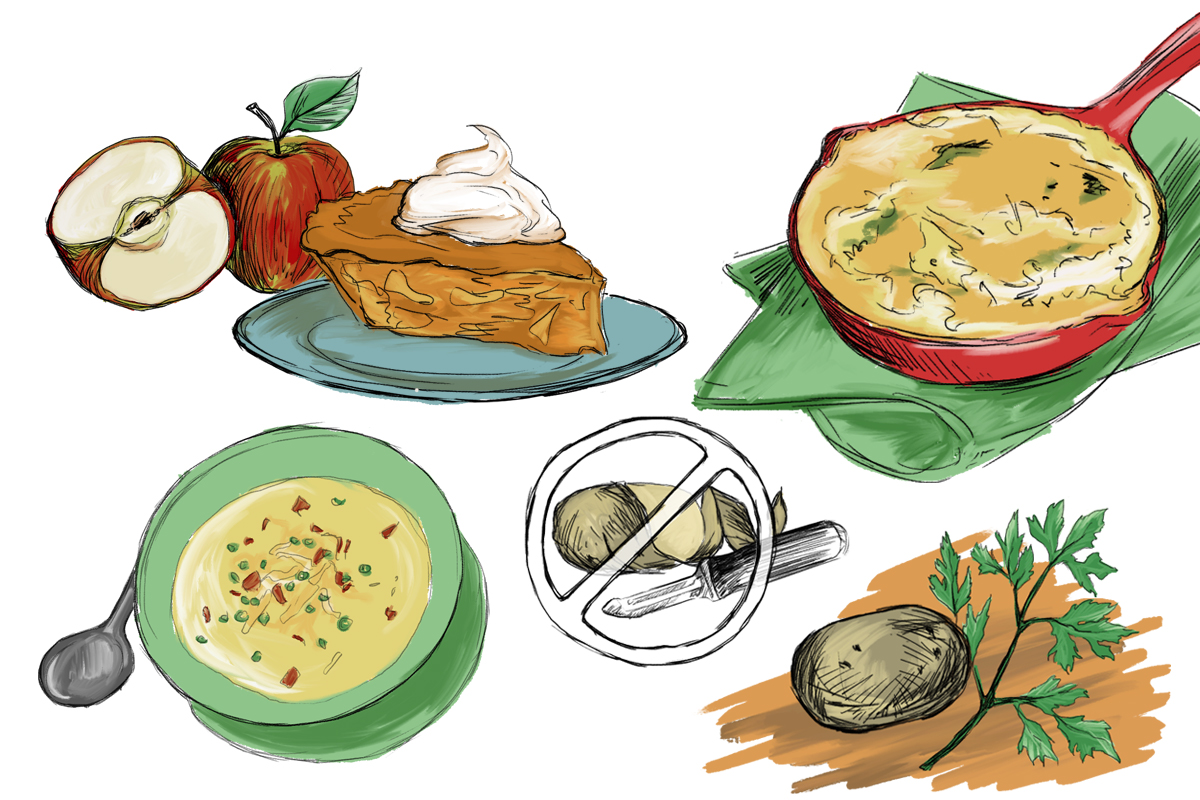
Most comfort foods we turn to are heavily laden with fat, starch and calories. There are healthier ways to enjoy down-home classics by making a few tweaks.

If you’re careful with your nutrition, working out weekly, and still experiencing problems with your weight, take a moment to read this QA.
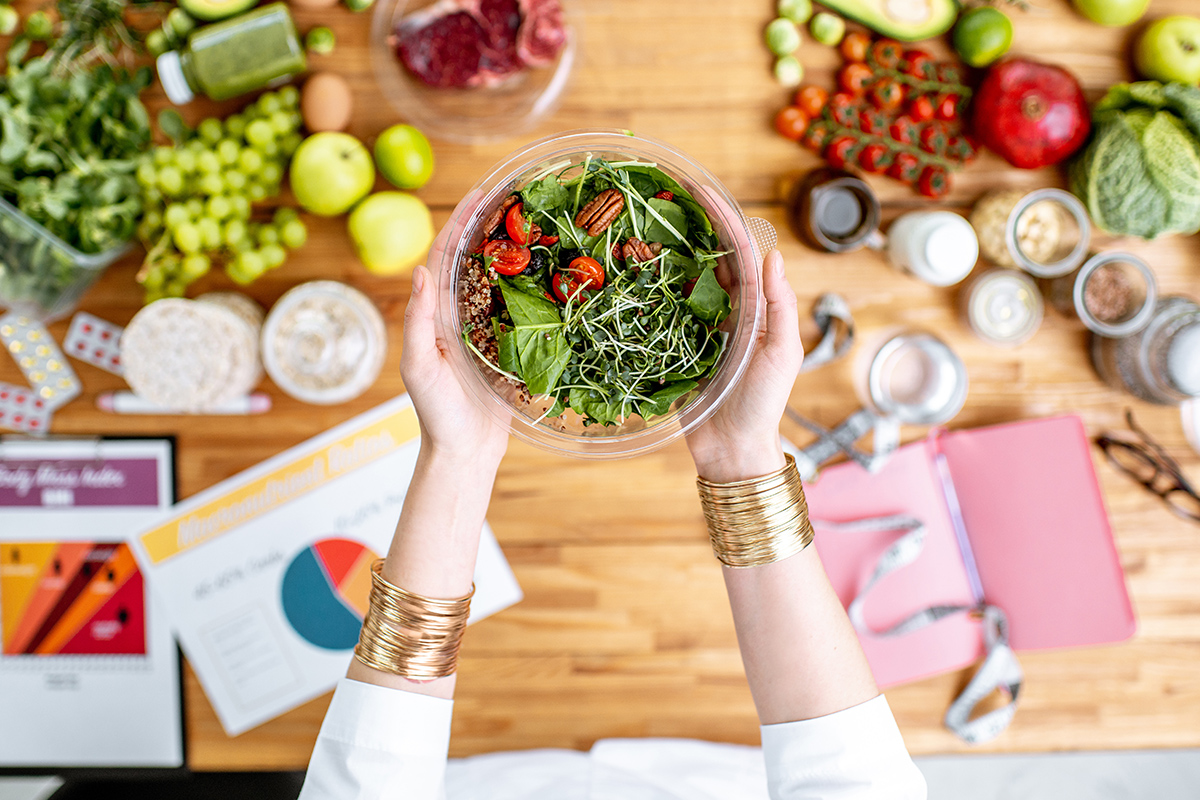
Blood sugar control isn’t easy. These are Debbie’s top recommendations for how to address weight control with Type II Diabetes.


Hi, I weigh 146 lbs. and have a small frame. I would like to put on muscle and get up to about 167 lbs. I am not a big eater and usually eat very small portions. I would like to know your recommendations for a diet.
– Sheldon S.

The situation you describe doesn’t leave a lot of room for options! I understand why you’ve reached out for advice. Increasing calories in a very limited volume can be quite challenging. Maximizing energy density can be done by 1) selecting rich foods, 2) through the addition of fats and sugars (Yep, you heard me say that correctly: fats and sugars), and by 3) power-packing.
1) Foods that are naturally energy-rich include nuts, nut butters, cheese, cream, oil, butter, dried fruit, nectars, traditional granola, tortillas, starchy vegetables, avocado, olives, coconut, bisque soups and chowders, salmon, beef liver, ice cream, and milkshakes. For packaged items, look for those that provide at least 300 calories per cup or 100 calories per ounce.
2) Anything that can be melted onto or into another food works! Ideas include cream in mashed potatoes, butter on noodles, pesto or avocado on sandwiches, cheese on casseroles, nut butter on toast, jam in yogurt, honey on fruit and mayonnaise on crackers. Nothing should be eaten plain if you are serious about gaining weight.
3) The concept of power-packing means to increase calories and protein without increasing volume. It involves replacing water content with higher calorie liquids. For example, fruit juice can be enriched by adding a cup of concentrate to each quart of liquid juice. For milk, add 2 Tbsp dry powdered milk to each cup fluid milk to gain 50 calories and 5 grams protein. Choosing oil-packed tuna over water-packed will give you over 100 calories more per 6 ounce can!
For meal and snack ideas, check out two sample weight gain menus from The University of Colorado, Colorado Springs.
Nutritional values obtained from the USDA’s National Nutrient Database for Standard Reference, Legacy Release. Findings were used along with RDN’s professional judgment.
– Debbie J., MS, RD
This article should not replace any exercise program or restrictions, any dietary supplements or restrictions, or any other medical recommendations from your primary care physician. Before starting any exercise program or diet, make sure it is approved by your doctor.
Some questions have been edited for length and/or clarity.
 Have a nutrition question? Our registered dietitian is ready to help!
Email nutrition@lafitness.com or submit your question below and it may be featured in an upcoming article!
Most comfort foods we turn to are heavily laden with fat, starch and calories. There are healthier ways to enjoy down-home classics by making a few tweaks.

Debbie James, RDN, helps answer a question about energizing snack options to pull athletes through the second half of a high energy workout.

Registered Dietitian, Debbie James, helps answer a reader’s question about a good nutrition guide for a healthy pregnancy.
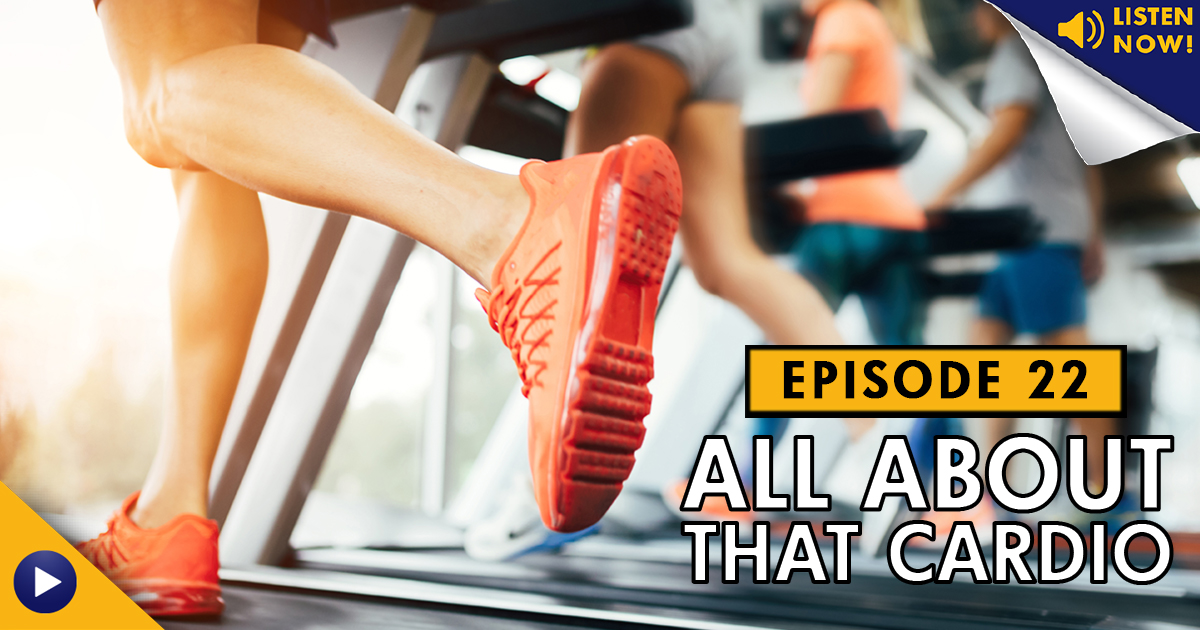
Welcome to the 22nd episode of the Living Healthy Podcast, presented by LA Fitness.
On this episode of Living Healthy, we bring back to the show LA Fitness, Personal Training Director, Tristen Alleman and, as always, listener favorite Dietitian Debbie James! They help explain the importance of establishing and maintaining a balanced workout routine and how nutrition plays an important part in this.
How Are We Doing?
This podcast should not replace any exercise program or restrictions, any dietary supplements or restrictions, or any other medical recommendations from your primary care physician. Before starting any exercise program or diet, make sure it is approved by your doctor.
Introduction
Begins at 0:01
Cardio Bunny Song
Begins at 0:42
What is a Cardio Bunny?
0:57
LAF Personal Training Director, Tristen Alleman, and LAF Registered Dietitian, Debbie James, Join the Show
1:23
Why is Cardio So Important?
1:43
What Exercises Are Considered Cardio?
2:51
What About Cardio Affects the Heart?
3:33
What Foods Are Good to Eat on Cardio-Focused Work Out Days?
4:16
Are Protein Shakes Needed on Cardio Days? Or Should They Be Saved for Strength Training Days?
6:00
Why Do Cardio Workouts Tend to Burn More Calories in Shorter Amounts of Time?
8:36
How Often Should You Include Cardio Workouts into Your Routine?
10:23
What’s Better: Cardio Before or After a Workout?
12:01
Is One Type of Cardio Better Than Another? HIIT? Cycle? Treadmill? Zumba®?
12:41
Is Caffeine Before an Aerobic Workout a Good Thing? What About Fruit Juice?
13:32
Can Too Much Cardio Damage Your Body?
15:16
NEW SEGMENT: Rapid Fire Social Media Questions from Our Listeners!
18:04
Actionable Advice
23:02
Outro
24:37
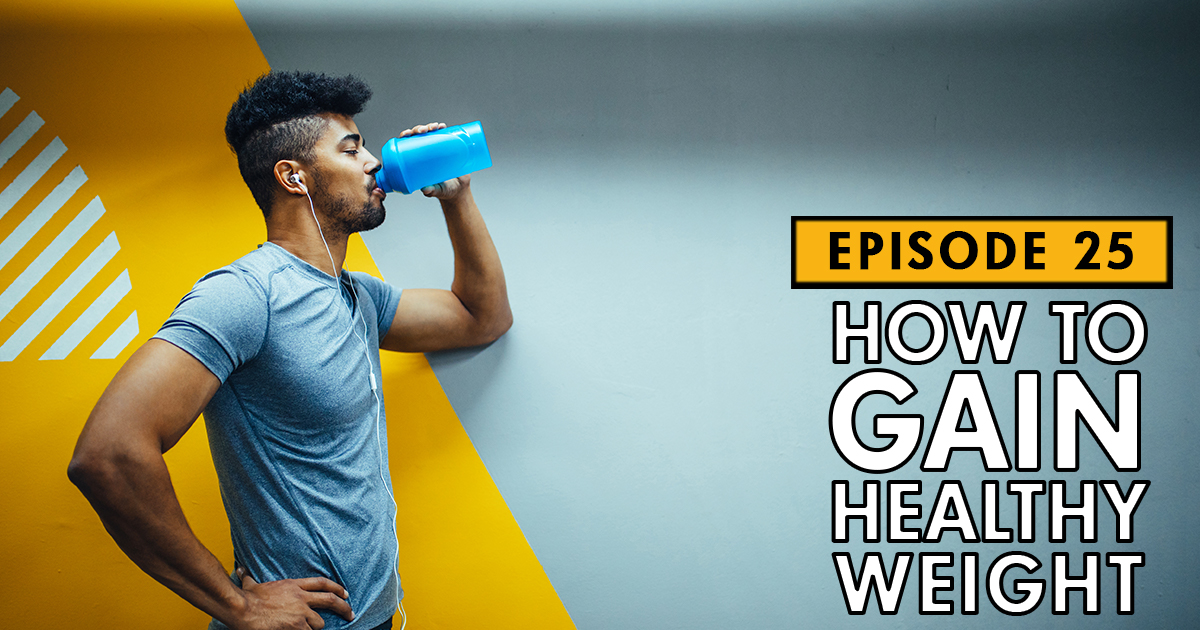
On this episode of the LHP we speak with LAF PTD, Tristen Alleman, and LAF RDN, Debbie James, as they share their expert advice on how to gain weight the healthy way.
May is Mental Health Month and we've partnered for the second year with Kaiser Permanente to help bring awareness to the importance of mental health.
On this episode of the LHP, we bring back to the show LAF, PTD, Tristen Alleman, and, listener favorite Dietitian Debbie! And we talk all about cardio!

I am at a healthy weight with good muscle mass (6 ft., 160 lbs., and ~11% body fat) for a 50-year-old male. What diet “dos” and “don’ts” do you have to reduce body fat to 10% or lower?
– Jerrod S.
Wow, Jerrod! Your 11% of body fat is already at a level that others aspire toward. Hard to say what will give you that final edge to reach sub 10% not knowing what you’ve done so far to get where you’re at. According to the makers of three major body composition analyzers*, less than 10% body fat for men aged 40-59 is “underfat”. The body needs a minimum amount of essential fat for cellular processes, an estimated 5% for men. At this point, too little fatty tissue impairs endocrine and metabolic functions.
Of course, by building muscle mass and increasing percentage of lean body mass, your percentage of fat will drop (without having to lose fat mass). Dedicated athletes, fitness models, and physique competitors reach low levels of body fat by different means. Regardless of goal or specific approach, they all take eating and exercise very seriously, to the point these two activities can make up the bulk of their waking hours. For whatever reason you want to see a “10%” on your next body composition assessment, you’ll have to be even more strict on the diet you follow now or reduce portions slightly. No magic bullet here – just more of the hard work you’ve already put in!
* Omron, Tanita, and InBody. Manufacturer’s websites accessed 3/25/2019.
– Debbie J., MS, RD
This article should not replace any exercise program or restrictions, any dietary supplements or restrictions, or any other medical recommendations from your primary care physician. Before starting any exercise program or diet, make sure it is approved by your doctor.
Some questions have been edited for length and/or clarity.
Have a nutrition question? Our registered dietitian is ready to help!
Email nutrition@lafitness.com or submit your question below and it may be featured in an upcoming article!
Most comfort foods we turn to are heavily laden with fat, starch and calories. There are healthier ways to enjoy down-home classics by making a few tweaks.
Debbie James, RDN, helps answer a question about energizing snack options to pull athletes through the second half of a high energy workout.
Registered Dietitian, Debbie James, helps answer a reader’s question about a good nutrition guide for a healthy pregnancy.
Ugh… The moment you miss an exit and are already late. Stressful! Stress is an unavoidable part of our strained and hectic lives today. It occurs when psychological or physical demands (whether perceived or real) exceed our ability to cope. Some people experience stress in the form of nervousness or headaches while others get muscle tightening or stomach upset. Long-term stress may cause anxiety or depression and contribute to chronic disease.
The effects of stress are two-fold: in behavior we react (e.g. stress eating) rather than respond; while physiologically our bodies produce greater amounts of the hormone cortisol. Both can contribute to nasty weight gain. But take heart – and breathe! In addition to relaxation techniques and other therapies, proper nutrition can combat stress. We offer this list of consumables that either reduce/interrupt the perception of stress or mitigate the harmful effects of stress:

DARK CHOCOLATE
Studies suggest that 1-2 ounces of dark chocolate (60-70% cacao) daily reduces stress levels and inflammation.1 Part of the effect may be that cacao’s flavonoids affect the brain’s sensory perception and mood, easing emotional stress.

OATMEAL
Oats can reduce stress hormone levels and boost serotonin to promote a feeling of calmness.2 Soluble fibers like fructo-oligosaccharides may boost mood since their effect on gut bacteria influences neurotransmitter systems.

ORANGES
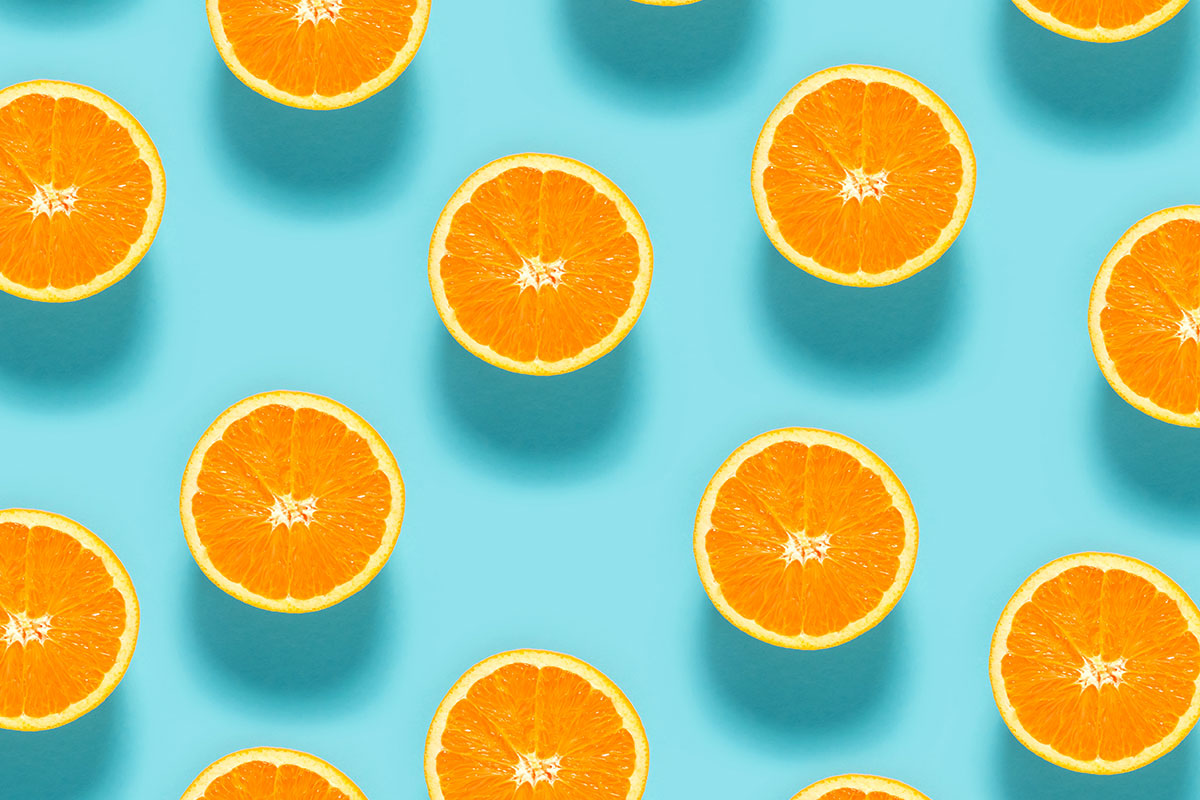
In addition to having a stimulating aroma, citrus is rich in flavonoids which may increase cerebral blood flow and increase neural activity. Vitamin C and potassium-rich foods also improve blood pressure3 and boost the immune system, combatting chronic stress.4

WALNUTS
Various compounds in walnuts like polyphenols, tocopherols, polyunsaturated fatty acids (including omega-3 fatty acids3) may reduce oxidative stress and curb release of stress hormones. Walnuts are also a good source of B-vitamins which promote resilience during bouts of stress.4

MEDITERRANEAN-STYLE DIET
Nutrition experts recommend eating more legumes, fish, whole grains, fruits, and vegetables to reduce vulnerability to stress and decrease the effects of oxidative stress.5,6

PLANNED/EASY PREP MEALS
Knowing what you’re going to eat takes away uncertainty, eliminates ‘decision fatigue’ and creates predictability, reducing stress. Structured diets function the same way. Consider how much less complicated it is to eat and simply enjoy your meal when the decision (of what, how much and when) has already been made!

ADAPTOGENS
Certain compounds in herbal plants may mediate the adaptive stress response, helping to increase the body’s tolerance to stress by stimulating stress-protective responses, such as normalizing cortisol levels.7 Two observed adaptogens are Ashwagandha root and tulsi, though there is limited scientific evidence for their effectiveness. *

FOODS FROM OR EATEN OUTDOORS
If exploring nature and connecting with the earth can relieve stress, then picking your foods from a farm stand or straight from the garden may help. It follows also that dining ‘al fresco‘ will reduce stress — think of breathing in that fresh air!
Whether you modify your eating habits or incorporate stress-reducing foods, bolster those nutritional defenses with other stress-fighters like getting adequate sleep, exercise, keeping a positive attitude and practicing time management.
*The National Institutes of Health National Center for Complementary and Integrative Health emphasizes caution with using herbal remedies. They are best used short-term, for a few weeks.
REFERENCES:
The same way you can teach your taste buds to acquire a taste for escargot, you can train them to love foods that are better for your body!

What happens when you exercise on an empty stomach? Here’s what you need to know if you’re considering working out while fasting.

Yes, we know it’s December, but is there ever a wrong time to enjoy nice cream? Stock your freezer with these healthy ice cream alternatives for the upcoming holidays!