Warm Comfort Foods Made Healthy(ish)
Most comfort foods we turn to are heavily laden with fat, starch and calories. There are healthier ways to enjoy down-home classics by making a few tweaks.

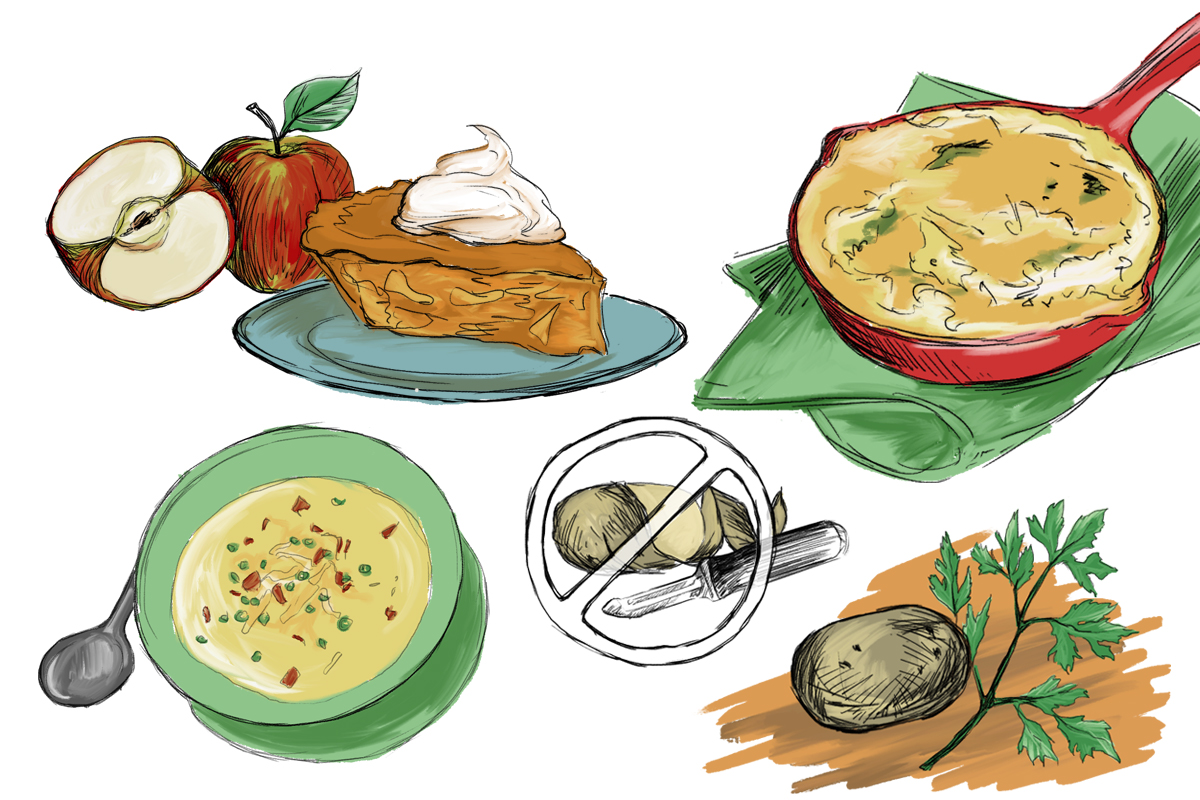
When temperatures drop, it’s time to put on cozy slippers and pull up a blanket. A soothing plate to warm your belly doesn’t hurt… unless it’s unhealthy. Most comfort foods we turn to are heavily laden with fat, starch and calories. There are healthier ways to enjoy down-home classics by making a few tweaks. Try the following updates to your traditional favorites without leaving flavor behind.
Meatloaf and mashed potatoes. This duo based on simple protein and starch can be loaded with saturated fat.
Meatloaf
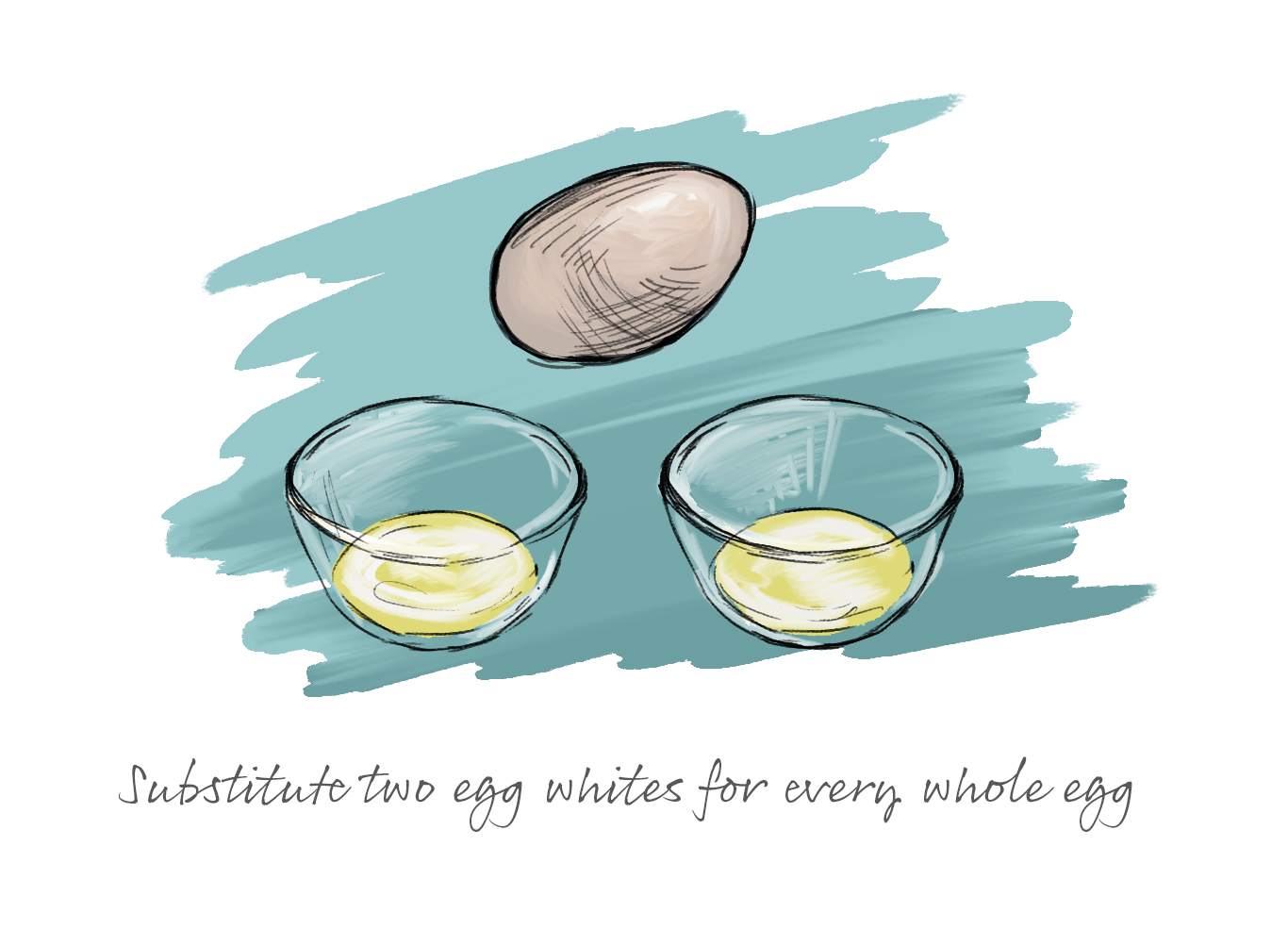
Mashed potatoes

Pasta casseroles (e.g. baked macaroni & cheese, lasagna) While tasty now, the cheese and white flour noodles may depress your mood later after you get on the scale.

Chicken pot pie / Shepherd’s Pie It’s not just what’s under the cover that adds up here. With a thick crust or mashed potato layer, you can also blame the topping.

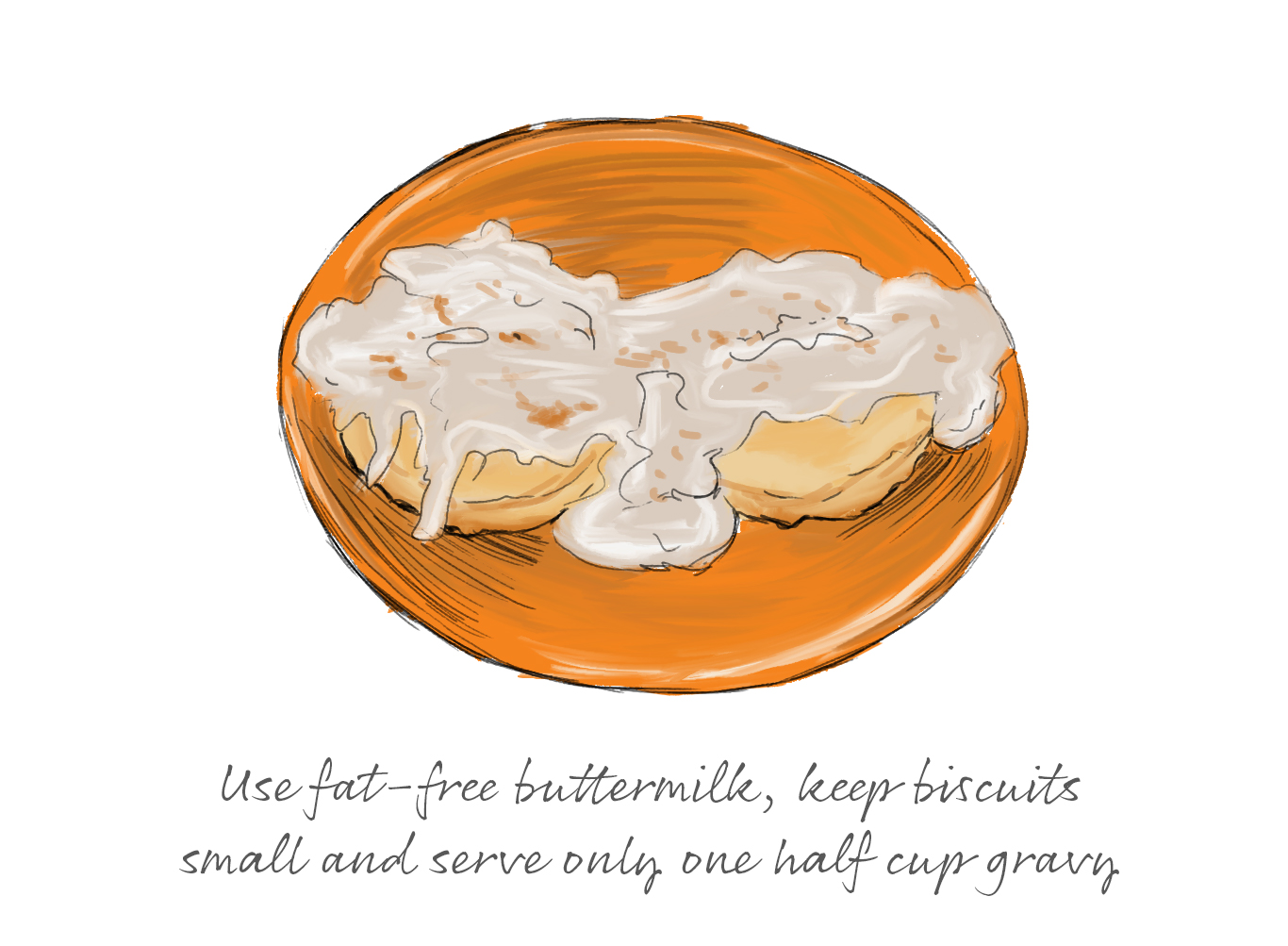
Biscuits and Gravy – This Southern breakfast that sticks to your ribs is traditionally full of saturated fat and calories.
Biscuits:
Gravy:
Warm Apple Pie – Here is a double whammy! The crust is full of fat and the filling is full of sugar.

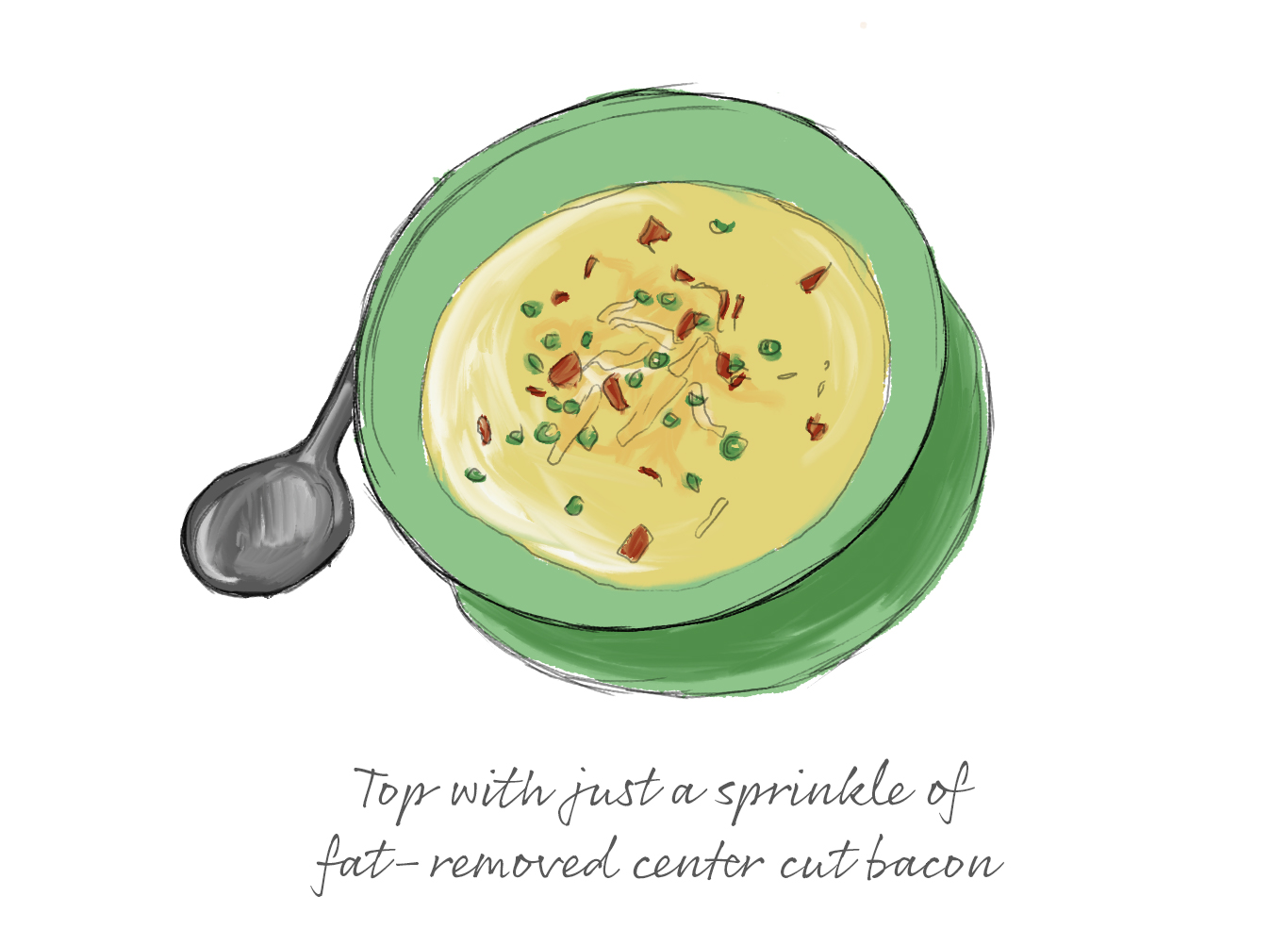
Loaded Cheesy Potato Soup A thick chowder or bisque base isn’t the only culprit when the garnish can weigh in at a hefty hundred calories or so.
Now you can take solace in knowing there’s a way to enjoy comfort foods without ruining your physique. Pick the changes you’d like to try, have a go at them in the kitchen and let us know your favorite updates in the comments section below!
Sources:
Most comfort foods we turn to are heavily laden with fat, starch and calories. There are healthier ways to enjoy down-home classics by making a few tweaks.

If you’re careful with your nutrition, working out weekly, and still experiencing problems with your weight, take a moment to read this QA.

Blood sugar control isn’t easy. These are Debbie’s top recommendations for how to address weight control with Type II Diabetes.

I’m 69 years old, I work out 3 times a week for 2 hours, 2 of those days are dedicated to upper/lower weight workout and the 3rd day strictly cardio on the treadmills and bike. I had a personal trainer for 6 months and I learned a lot of methods to workout. I’m careful with my intake and do not overindulge with high calorie or fatty foods, I’m frustrated when I get on the scale at the gym and at home, I gain pounds vs. seeing the numbers go down. It could be my metabolism (as one ages it drops drastically), just looking for answers, tips, suggestions. Thanks!
– Lydia C.

I understand your frustration, Lydia. Total pounds are easy to measure but won’t reflect body composition improvements. Ideally, you’d have tracked body fat percentage over the last 6 months. A tilt toward lower fat and more lean body mass indicates your metabolism should keep up. As body fat is reduced and muscle is gained the scale may not change (or go up). There is water stored with every pound of muscle, due to increased glycogen capacity.
Another approach is to monitor waist, hip, and thigh circumferences by breaking out the tape measure. Reflect on how your clothes fit. If you’ve got any more wiggle room than 6 months ago – success! Also note progress in fitness level… strength, endurance, and intensity level. All these observations are better indicators of improvement than total weight.
It makes a difference whether your weight workouts are focused on heavy weight with lower repetitions or more repetitions with less weight. The latter helps develop strength and muscles’ functional output while the former is intended to build up muscle (thus may increase weight). Once you tolerate a level of cardio (time, intensity, duration, or frequency) you’ve adapted to it and need further increases to promote greater fat burning. In the same regard, if your diet is good, but no better than before, then physique change is less likely.
In summary: focus on body composition, not scale weight, and look to where you can refine your diet and exercise regimen. Keep up that dedication!
– Debbie J., MS, RD
This article should not replace any exercise program or restrictions, any dietary supplements or restrictions, or any other medical recommendations from your primary care physician. Before starting any exercise program or diet, make sure it is approved by your doctor.
Some questions have been edited for length and/or clarity.
 Have a nutrition question? Our registered dietitian is ready to help!
Email nutrition@lafitness.com or submit your question below and it may be featured in an upcoming article!
Most comfort foods we turn to are heavily laden with fat, starch and calories. There are healthier ways to enjoy down-home classics by making a few tweaks.

Debbie James, RDN, helps answer a question about energizing snack options to pull athletes through the second half of a high energy workout.

Registered Dietitian, Debbie James, helps answer a reader’s question about a good nutrition guide for a healthy pregnancy.
My name is Martin and I have Type 2 Diabetes. My A1C is very high and I struggle with a good diet plan or what to eat. Do you have any advice for me? Thank you
– Martin
So glad you realize the importance of controlling your diabetes, Martin. The best advice will be directly from a Registered Dietitian that you can sit down with and go over your particular diet and daily blood sugar levels, not only your Hemoglobin A1C. Preferably that person should also be a Certified Diabetes Educator® (carries the CDE® credential) who is a health professional who possesses comprehensive knowledge of and experience in diabetes prevention, prediabetes, and diabetes management.
Top recommendations for Type 2 Diabetes from such experts address weight control and balanced meals, including the following advice*:
*taken from Burns, J. “Lifestyle & Healthy Eating Tips For Diabetes Type 2” The Diabetes Council (2018, Oct. 17) https://www.thediabetescouncil.com/lifestyle-dietary-tips-for-diabetes-type-2/
– Debbie J., MS, RD
This article should not replace any exercise program or restrictions, any dietary supplements or restrictions, or any other medical recommendations from your primary care physician. Before starting any exercise program or diet, make sure it is approved by your doctor.
Some questions have been edited for length and/or clarity.
Have a nutrition question? Our registered dietitian is ready to help!
Email nutrition@lafitness.com or submit your question below and it may be featured in an upcoming article!
Most comfort foods we turn to are heavily laden with fat, starch and calories. There are healthier ways to enjoy down-home classics by making a few tweaks.
Debbie James, RDN, helps answer a question about energizing snack options to pull athletes through the second half of a high energy workout.
Registered Dietitian, Debbie James, helps answer a reader’s question about a good nutrition guide for a healthy pregnancy.
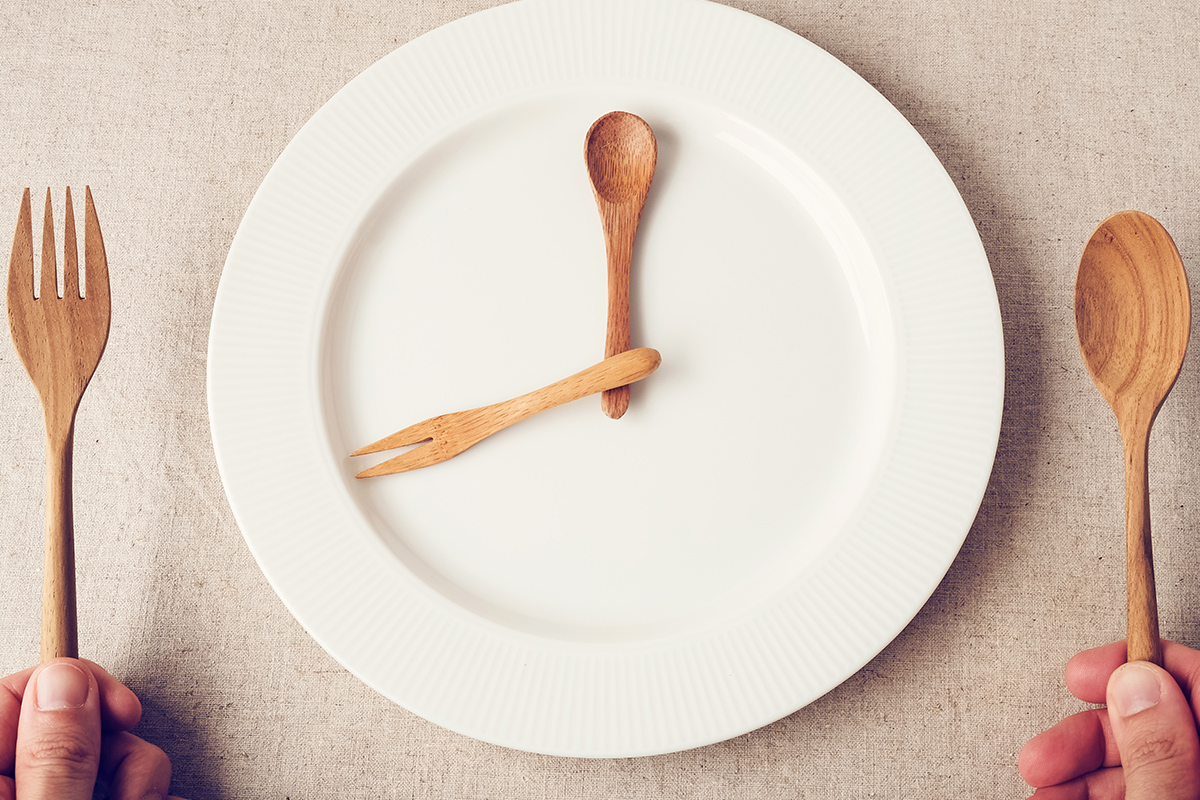
I’m wanting to start intermittent fasting for the numerous benefits it has… yes, including a little fat loss as well! The only issue is that I’m also trying to add muscle at the same time. Subscribing to the 1-2 grams of protein per body pound theory, is that enough time in the IF window to ingest that much protein? (I weigh 230 now, that’s a lot in a short window of time! ? What are the recommendations in order to achieve this with IF and low-carb/high protein? Is it even possible? Thanks!
– Chris T.
First, I’d modify your protein goal to the lower end of the range you proposed: 1 gram per pound goal body weight. That’s still over the 1.7 gm protein/kg recommended by the American College of Sports Medicine to increase muscle mass. Since there is no physical storage of amino acids in the body, consuming large quantities of protein at once doesn’t mean you’ll use all of what you eat.
For intermittent fasting, I’d advise breaking down your total so that you’re consuming 30-40 grams of protein* every 2-3 hours for the span of time you do eat. Remember to support your workouts with protein before, during and after to provide your muscles with amino acids when it needs them most and to promote muscle protein synthesis.
* Amount of protein generally supported in the literature as that which can be utilized at one sitting.
Schoenfeld, B.J., Aragon, A.A. How Much Protein Can the Body Use in a Single Meal for Muscle-Building? Implications for Daily Protein Distribution. Journal of the International Society of Sports Nutrition; 15, 10 (2018). https://doi.org/10.1186/s12970-018-0215-1
– Debbie J., MS, RD
This article should not replace any exercise program or restrictions, any dietary supplements or restrictions, or any other medical recommendations from your primary care physician. Before starting any exercise program or diet, make sure it is approved by your doctor.
Some questions have been edited for length and/or clarity.
Have a nutrition question? Our registered dietitian is ready to help!
Email nutrition@lafitness.com or submit your question below and it may be featured in an upcoming article!
Most comfort foods we turn to are heavily laden with fat, starch and calories. There are healthier ways to enjoy down-home classics by making a few tweaks.
Debbie James, RDN, helps answer a question about energizing snack options to pull athletes through the second half of a high energy workout.
Registered Dietitian, Debbie James, helps answer a reader’s question about a good nutrition guide for a healthy pregnancy.

How many egg yolks are allowed per week when trying to lower my LDL cholesterol?
– Theresa D.
Based on my friend’s advice, I’m eating one boiled egg at each meal, that’s three times a day for me. But now I fear about the effects on cholesterol. So far, I’m good. But what is your advice about eating three eggs each day, every day. I do work out on the treadmill for 30 minutes and weight lift for 30 minutes every day. Regards,
– Abdu K.
Egg consumption in relation to high cholesterol levels was a much debated topic 30 years ago, but confusion still remains. On the whole, eggs are healthy – they contain many nutrients and are good sources of vitamins A and D. One egg yolk contains 5 grams of fat, including 1.5 grams of saturated fat, and approximately 186 mg of cholesterol. Though eggs are high in cholesterol, it’s the saturated fat that has greater impact on your blood cholesterol.
“Eating foods that contain saturated fats raises the level of cholesterol in your blood.” – American Heart Association
Prominent dietary sources of saturated fat are bacon, sausage, meat, eggs, butter, cheese and processed foods containing palm, palm kernel and coconut oils. It’s often how eggs are prepared (in butter) or served (with bacon, sausage, cheese, muffins, or scones) that’s the culprit in affecting dietary cholesterol.
Most people can eat an egg daily without increasing their risk for heart disease. If you have diabetes, are at high risk for heart disease, or already have heart disease then it’s wise to limit egg consumption to no more than three per week. Remember that only the yolk contains the egg’s saturated fat, so these guidelines refer to whole eggs, not egg whites or egg substitute.
Sources:
– Debbie J., MS, RD
This article should not replace any exercise program or restrictions, any dietary supplements or restrictions, or any other medical recommendations from your primary care physician. Before starting any exercise program or diet, make sure it is approved by your doctor.
Some questions have been edited for length and/or clarity.
Have a nutrition question? Our registered dietitian is ready to help!
Email nutrition@lafitness.com or submit your question below and it may be featured in an upcoming article!
Most comfort foods we turn to are heavily laden with fat, starch and calories. There are healthier ways to enjoy down-home classics by making a few tweaks.
Debbie James, RDN, helps answer a question about energizing snack options to pull athletes through the second half of a high energy workout.
Registered Dietitian, Debbie James, helps answer a reader’s question about a good nutrition guide for a healthy pregnancy.