What is ALS and Could It Affect You?
Imagine losing the ability to eat, speak, move, and eventually, breathe. That’s what happens to the victims of ALS. Learn more about what ALS is and how you can help fund the fight for a cure.

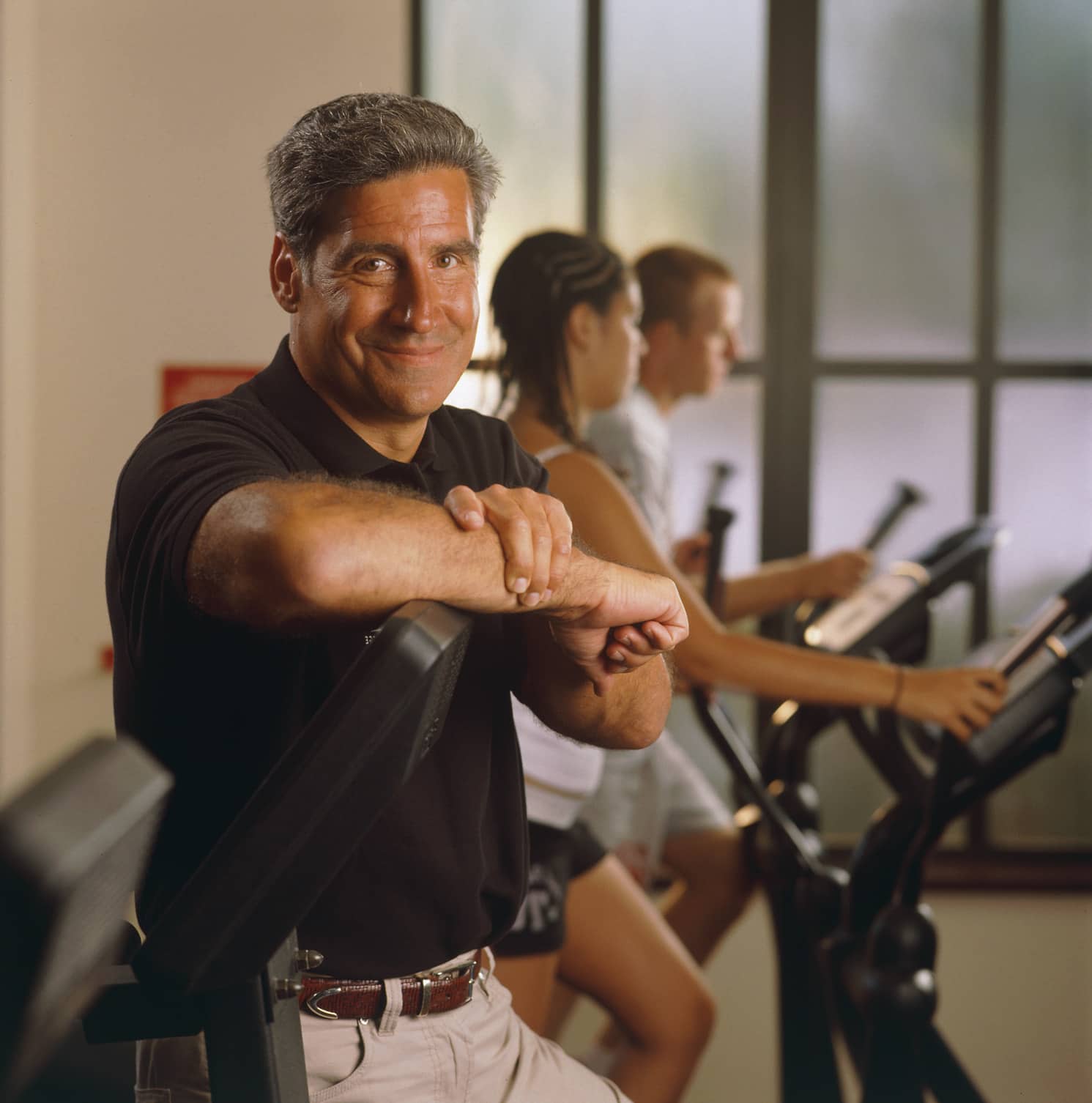
When you think fitness, what comes to mind? Toned muscles, flat abs, strong and trendy fitness influencers? Chances are that your mind doesn’t think of progressive muscle weakness, but that’s exactly what former fitness industry leader Augie Nieto experienced when he was diagnosed with the crippling disease ALS (Amyotrophic Lateral Sclerosis), otherwise referred to as Lou Gehrig’s disease.
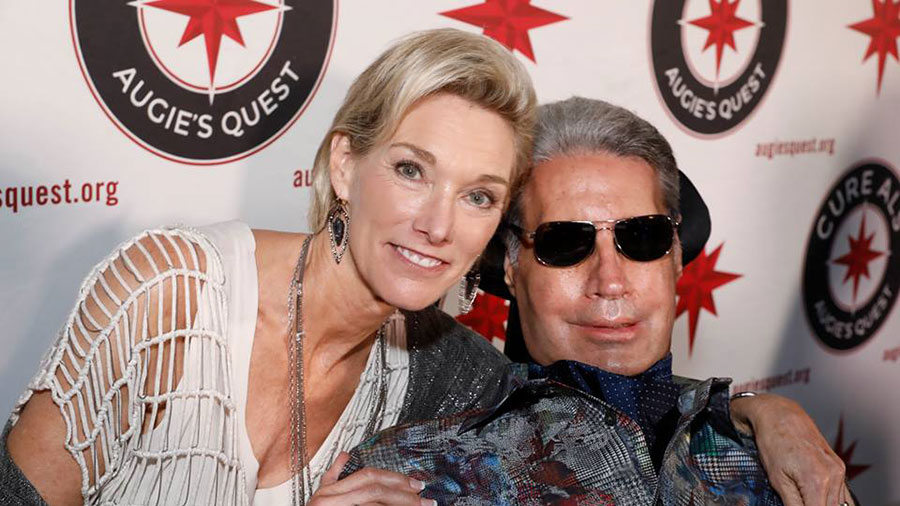
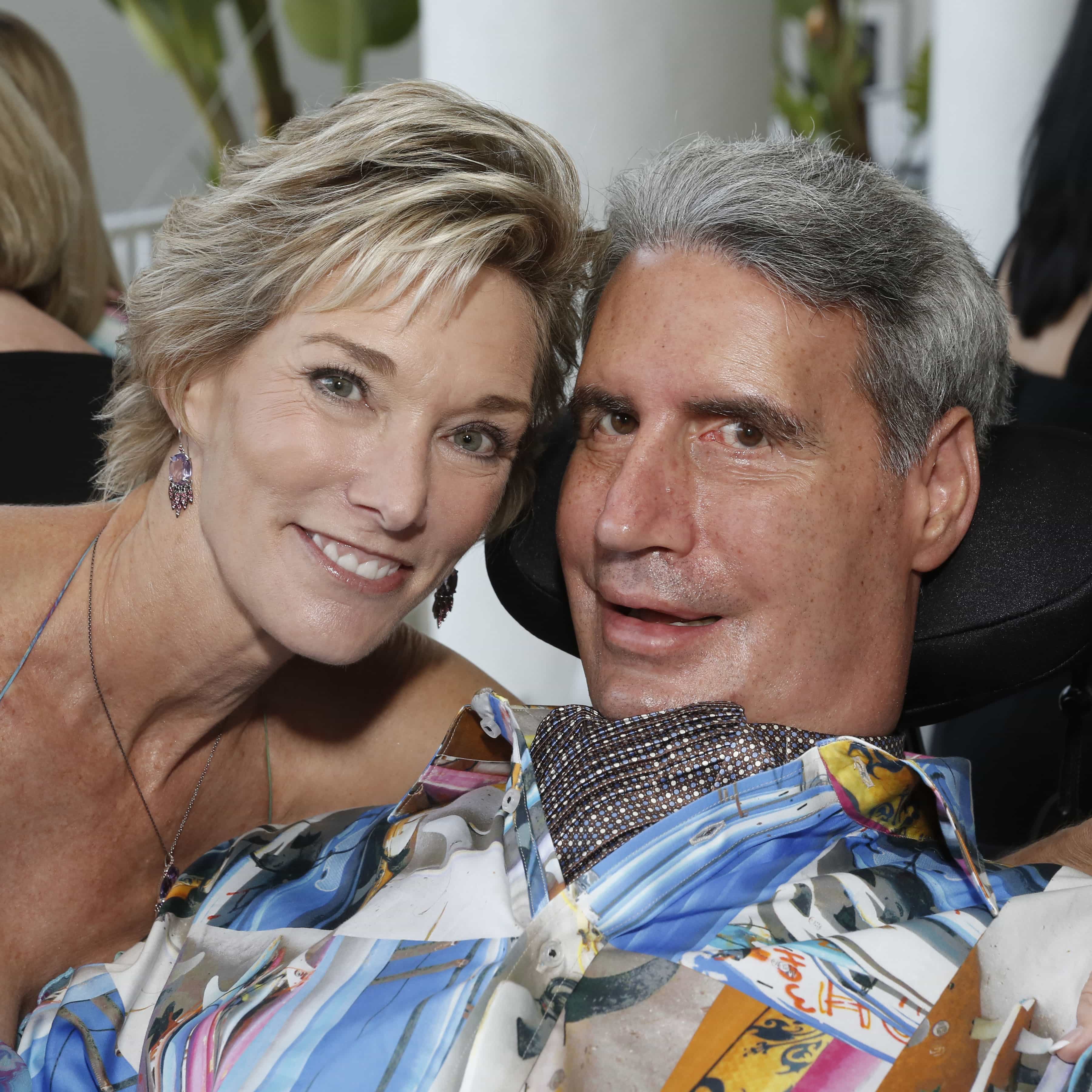
Photographed: Lynne and Augie

Photographed: Matt Bellina and Team
But what is ALS and who does ALS affect?
“ALS is a disorder that affects the function of nerves and muscles”1. One of the mysterious things about this disease is that researchers don’t yet know what causes it, but they do have some insight on those most heavily afflicted by the disease.
Per the ALS Association, Massachusetts Chapter –
Most people who develop ALS are between the ages of 40 and 70, with an average age of 55 at the time of diagnosis. However, cases of the disease do occur in persons in their twenties and thirties. Generally, ALS occurs in greater percentages as men and women grow older. ALS is 20% more common in men than in women. However, with increasing age, the incidence of ALS is more equal between men and women.2
While an exact cause has not yet been discovered, “it is known […] that military veterans, particularly those deployed during the Gulf War, are approximately twice as likely to develop ALS.”3
One fortunate thing about this disease is that it is not contagious. However, that doesn’t help ease the minds of friends and families whose loved ones struggle with this deliberating condition.
Fifteen new cases are recorded each day4, estimating that as many as 20,000 Americans have the disease at any given time. The onset of ALS symptoms can be as common as muscle weakness or stiffness. Once the disease progresses, however, “vital functions such as speech, swallowing and later breathing”5 are lost.
There is currently no cure for ALS.
In 1995, the FDA approved a drug known as Riluzole. This drug has scientifically shown “to prolong the life of persons with ALS by at least a few months.”6
Each year, LA Fitness partners with Augie’s Quest, founded by Life Fitness leader, Augie Nieto. His foundation raises money to help fund ALS research. It’s his mission to one day find a cure for this horrible disease.
If you would like to learn more about how you can donate, please visit www.lafitnesscares.com.
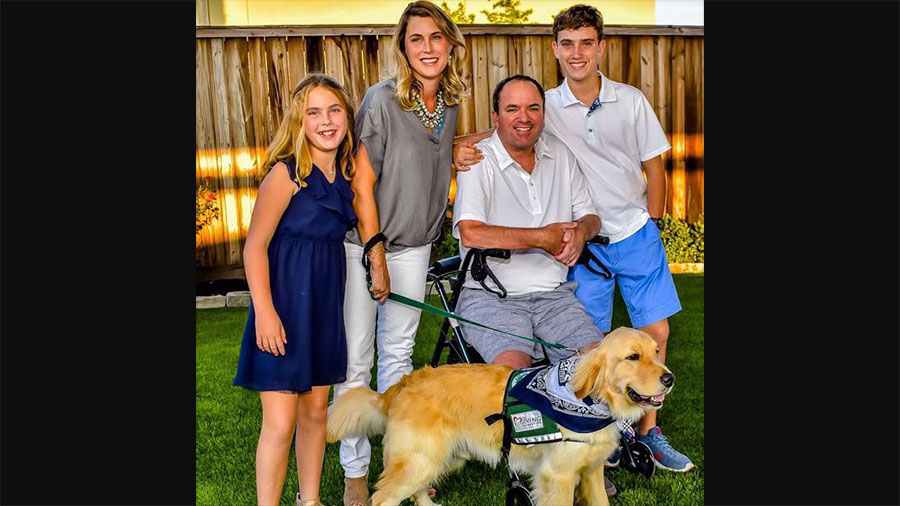
Photographed: Collin Hadley and family

Photographed: Andrea Lytle Peet

Sources:
Imagine losing the ability to eat, speak, move, and eventually, breathe. That’s what happens to the victims of ALS. Learn more about what ALS is and how you can help fund the fight for a cure.
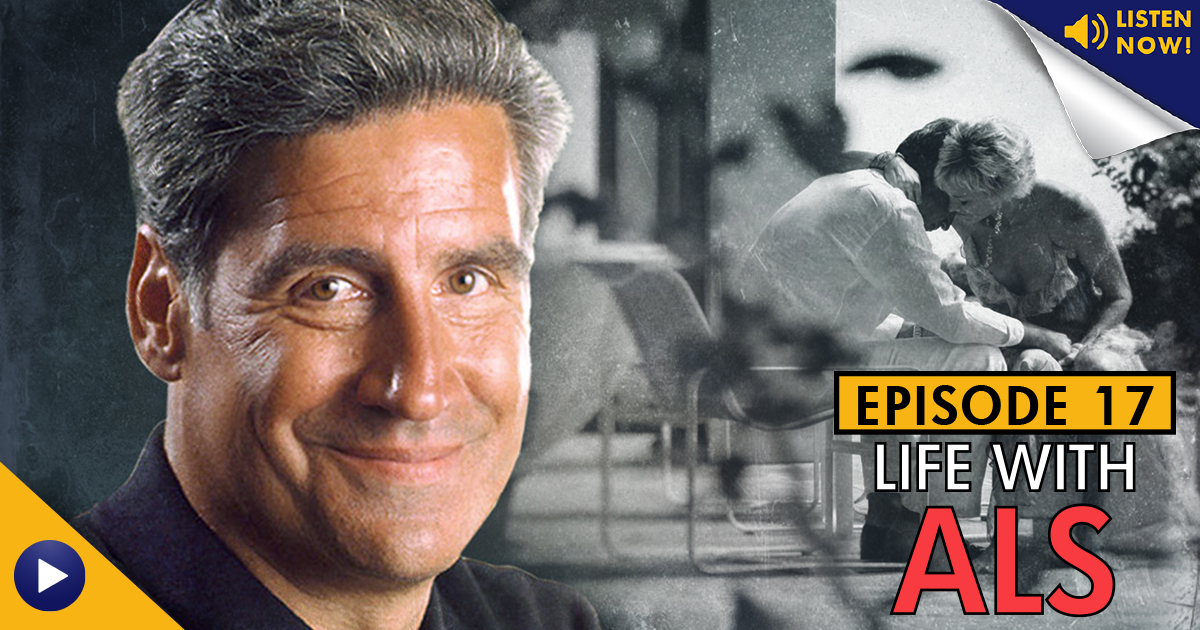
Lynne Nieto, wife of Augie Nieto, and co-founder of Augie's Quest, joins us in studio to discuss what ALS is and how you can help in finding a cure.

Disease can’t always be prevented, but sometimes it can, and sometimes exercise can help the body combat diseases. We explore this topic.
Welcome to the 17th episode of the Living Healthy Podcast, presented by LA Fitness.
On this episode of Living Healthy, we speak with Lynne Nieto, wife of Augie Nieto, and co-founder of Augie’s Quest. Their mission is to find a cure for ALS. Lynne educates us on what ALS is, who it affects, and how you can help find a cure for this debilitating disease.
Text AUGIE to 44-321 to help show your support for this great cause.
How Are We Doing?
This podcast should not replace any exercise program or restrictions, any dietary supplements or restrictions, or any other medical recommendations from your primary care physician. Before starting any exercise program or diet, make sure it is approved by your doctor.
Introduction
0:01
Lynne Nieto, of Augie’s Quest, Joins the Show
Begins at 1:12
What is ALS?
Begins at 1:28
Who Does ALS Affect?
Begins at 2:22
Who is Augie Nieto? What is Augie’s Quest?
Begins at 3:45
Augie and the Fitness Industry
Begins 4:33
Life Before the Diagnosis vs. After the Diagnosis
Begins at 5:44
About the ALS Therapy Development Institute
Begins at 6:17
How Does ALS Affect People Differently?
Begins at 7:05
How Does ALS Affect Families?
Begins at 8:37
The AT-1501 Drug
Begins at 10:32
How Does Humor Help?
Begins at 11:32
Intimacy and ALS
Begins at 13:11
How You Can Get Involved
Begins at 14:10
Actionable Advice
Begins at 14:43
Outro
Begins at 15:53
Lynne Nieto, wife of Augie Nieto, and co-founder of Augie's Quest, joins us in studio to discuss what ALS is and how you can help in finding a cure.
Disease can be a hard topic to approach, but it’s definitely something worth talking about. You may find yourself asking the following questions:
We reached out to some experts on certain diseases to help better understand how these diseases impact the body’s ability to exercise and how to become stronger despite each disease.

What is ALS?
Amyotrophic lateral sclerosis, or ALS, is a disease of the nerve cells in the brain and spinal cord that control voluntary muscle movement. Most people with ALS live 2-5 years after their first signs of disease.
How does ALS affect the body?
The motor neurons die and block the communication between the brain and the muscles. As a result, the muscles shut down and atrophy. People with ALS lose the ability to talk, eat, swallow, walk, and ultimately breathe.
How does exercise benefit those battling this disease?
Studies have found that exercise can help ALS patients retain muscle strength and improve joint function. The goals are to maximize muscle function, slow down the deterioration of range of movement, and increase aerobic capacity and endurance for as long as possible. Stretching—both static and dynamic—once or twice a day can help ease muscle pain and slow the decrease in range of movement. (Source: https://alsnewstoday.com/2017/04/27/seven-tips-for-starting-exercise-with-als/)
A Special Message from Augie’s Quest
Every dollar raised through Augie’s Quest to Cure ALS is dedicated to driving the innovative science happening at the ALS Therapy Development Institute (ALS TDI). While we are laser focused on curing ALS, we hope our research leads to medical advancements for all neurodegenerative diseases.
All responses and photos above provided by a representative from Augie’s Quest.
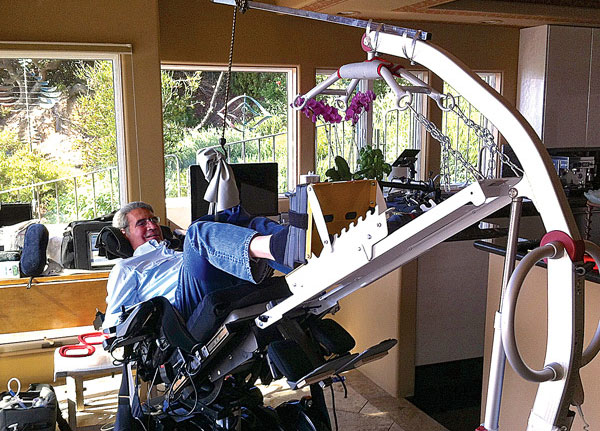
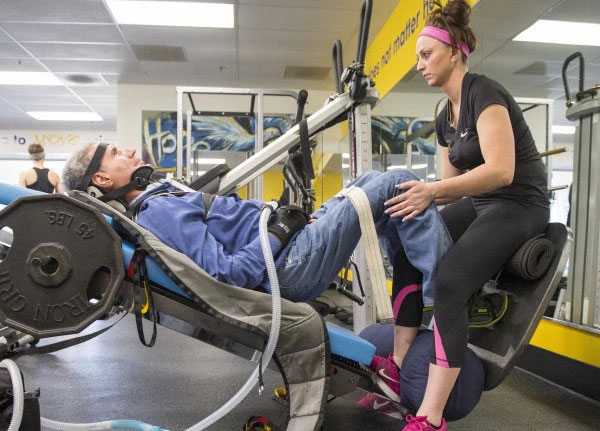
Augie Nieto, Founder of Augie’s Quest


2016 Denver ALZ Walk
What is Alzheimer’s?
Alzheimer’s is a progressive and fatal disease that attacks the brain and causes problems with memory, thinking and behavior. Symptoms usually develop slowly and get worse over time, becoming severe enough to interfere with daily tasks and an individual’s independence. Alzheimer’s is the most common form of dementia and accounts for 60 to 80 percent of dementia cases.

2016 Denver ALZ Walk
How does Alzheimer’s affect the body?
Alzheimer’s kills nerve cells and tissue in the brain, affecting an individual’s ability to remember, think, plan and ultimately function. As the disease advances, the brain shrinks dramatically due to cell death. Individuals lose their ability to communicate, recognize family and friends, and care for themselves. Ultimately, individuals forget how to swallow or breath; Alzheimer’s is fatal.
Early diagnosis of Alzheimer’s is extremely important as it allows better access to quality medical care and support services, and provides the opportunity for people with Alzheimer’s disease to participate in decisions about their care, including providing informed consent for current and future plans. Although Alzheimer’s has no current cure, treatments for symptoms, combined with the right services and support, can make life better for the 5 million Americans currently living with Alzheimer’s. You can learn about the 10 Warning Signs of Alzheimer’s at www.alz.org/10signs. If you suspect that you or someone you know may be experiencing these symptoms, consult with a doctor.

2016 Denver ALZ Walk
How does exercise benefit those battling this disease?
Growing evidence suggests that many factors that increase the risk of heart disease also may increase the risk of dementia. These factors include smoking, obesity, diabetes, high cholesterol and high blood pressure. The Alzheimer’s Association recommends exercise as one of the ways to help keep your brain and body healthy and prevent cognitive decline in the future. Engaging in regular cardiovascular exercise elevates your heart rate and increases blood flow to the brain and body. While there is currently no way to prevent Alzheimer’s, several studies have found an association between physical activity and reduced risk of cognitive decline. Other recommendations to keep your brain healthy as you age include eating a healthy and balanced diet, getting enough sleep, staying socially engaged, and challenging your brain with games and activities.
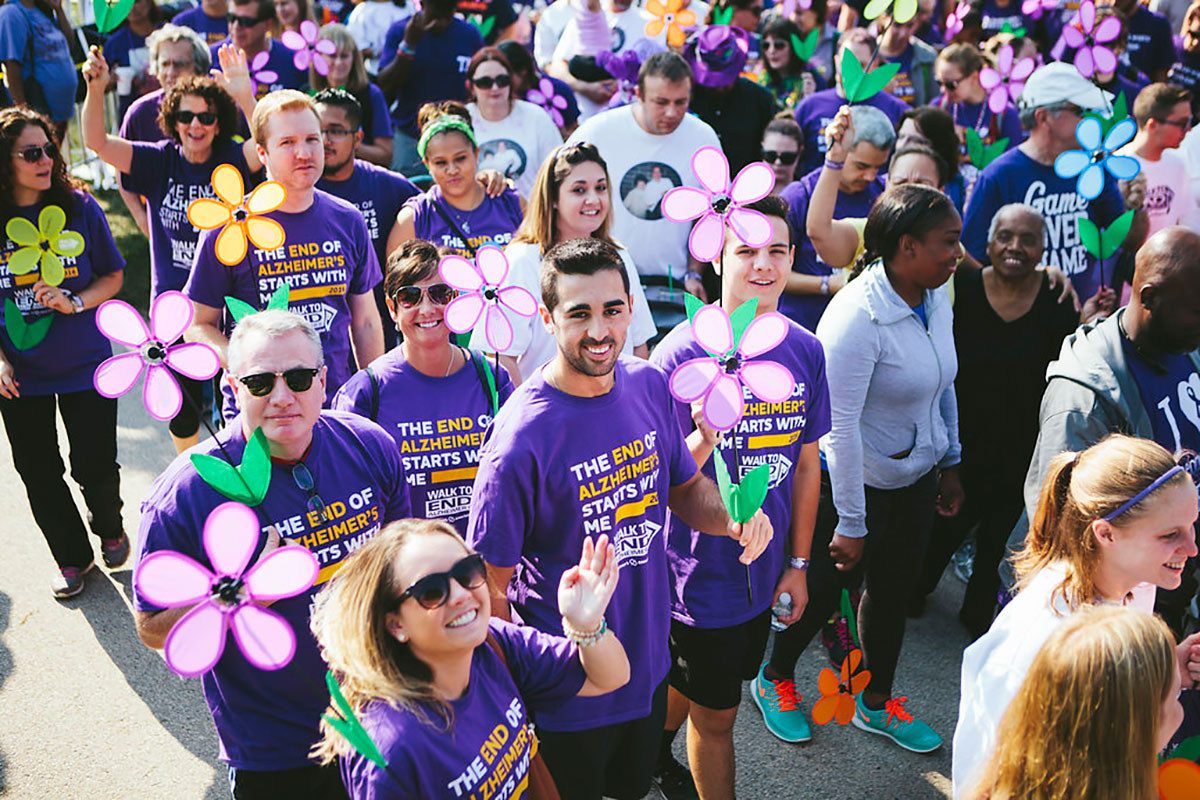
2016 Chicago ALZ Walk
A Special Message from the Alzheimer’s Association
Today, although Alzheimer’s cannot be prevented, cured or even slowed, we are making significant progress. The Alzheimer’s Association is confident that better treatments, earlier detection, and prevention strategies will be available in the foreseeable future. In the meantime, we know that there are steps that you can take to improve your overall health and lower your risk of cognitive decline in the future. Visit www.alz.org/10Ways to learn about things you can do now to potentially protect your brain in the future.
For those facing Alzheimer’s today, it’s important that they know that they are not alone. The Alzheimer’s Association has resources available to help support families and individuals facing this disease, including in-person care consultations, support groups, and a 24/7 Helpline (800.272.3900). Visit www.alz.org to learn more.
All responses and photos above provided by Dr. Heather Snyder, Senior Director, Medical & Scientific Relations for the Alzheimer’s Association.
What is cancer?
Cancer is an abnormal growth in a tissue of the body caused by mutations in DNA, exposure to toxins (including alcohol and smoking and radiation), certain infections (like hepatitis B or C, HPV human papilloma virus or helicobacter pylorus in the stomach), sun exposure, and genetic factors. The abnormal tissue continues to grow and invade the organ where it started (like breast or lung or colon) and also can spread by blood or lymph channels to other organs.
How does cancer affect the body?
Cancer affects the body by reducing the function of the organ in which it started (like shortness of breath with lung cancer), and by causing symptoms like bleeding, pain, fatigue, a growing lump or mass, or a sore that does not heal.
How does exercise benefit those battling this disease?
Exercise has remarkable effects on preventing and treating cancer. Importantly, exercise can reduce your chances of having many types of cancer, including breast, uterus, colon, rectal, esophageal, liver, stomach, kidney, head and neck, lung, bladder, and prostate cancers and also leukemia and myeloma. If a person has been diagnosed with cancer, exercise has been shown to increase survival and cure rates in patients with breast, colon rectal and prostate cancer. But even if a person has a different type of cancer, exercise is helpful to improve weight, reduce fatigue, control pain, lessen anxiety, reduce inflammation, and improve emotional stability. If a patient has lost strength due to the cancer or treatment with surgery, radiation, hormonal therapy or chemotherapy, exercise is important in rehabilitation to regain a normal lifestyle.
A Special Message from Cary Presant, MD (Physician, City of Hope Medical Group)
Remain active, get all types of exercise (aerobic walking or running or cycling, and anaerobic sprinting or weight training), and commit to a healthy diet and avoidance of bad health habits. Being sedentary is a health risk and getting exercise can save your life.
All responses above provided by Cary Presant, MD, Physician, City of Hope Medical Group.
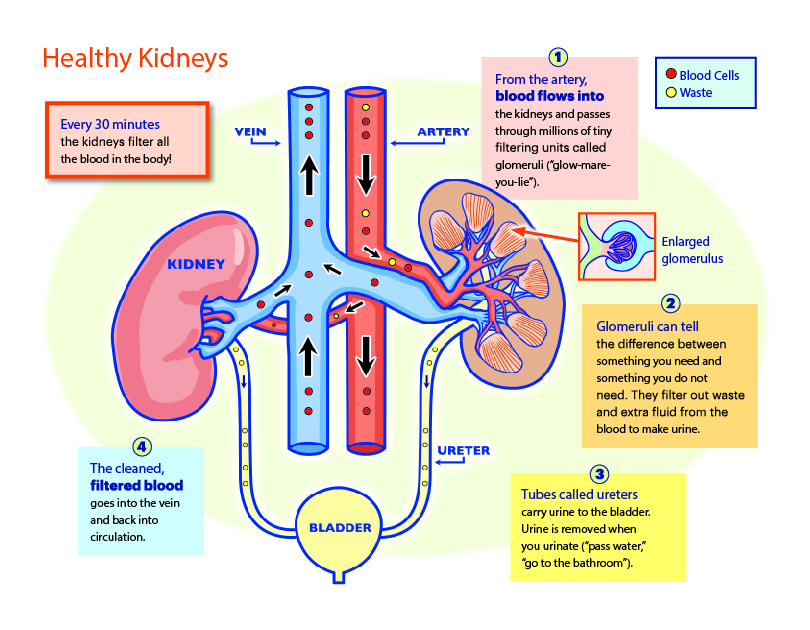
What is Chronic Kidney Disease?
Chronic kidney disease (CKD) means your kidneys are damaged and losing their ability to keep you healthy. In the early stages, most people do not have symptoms. The disease affects 30 million people in the U.S. (15% of the adult population) and approximately 90% of those with kidney disease don’t even know they have it. (For people at the earliest stages of kidney disease, 96% don’t know.) 1 in 3 Americans is at risk for CKD. Because of increasing rates of diabetes and high blood pressure, chronic kidney disease is on the rise and is an urgent issue.
How does CKD affect the body?
As kidney disease progresses, waste can build up in your blood and make you feel sick. You may develop other problems like high blood pressure, anemia, weak bones, poor nutritional health, and nerve damage. Kidney disease also increases your risk of having heart and blood vessel disease. These problems may happen slowly and can lead to kidney failure. Once kidneys fail, dialysis or a kidney transplant is needed to stay alive.
How does exercise and proper nutrition benefit those battling this disease/susceptible to this disease?
A few of the manageable, and sometimes preventable, risk factors of CKD include diabetes and high blood pressure. To prevent these health issues, or at the very least manage them so they don’t progress into something worse, it is best to maintain a healthy diet and exercise routine. Proper nutrition, incorporated with a healthy lifestyle, can help give your body a better chance at functioning properly, therefore diminishing your risk for developing CKD.
A Special Message from the National Kidney Foundation
Have you ever thought about donating an organ? Organ and tissue donation helps others by giving them a second chance at life. Learn more about the donation process–and how to become an organ donor. Visit https://www.kidney.org/transplantation for more information on how you could help save a life. Listen to some awe-inspiring testimonials from living donors here.
All responses above sourced from The National Kidney Foundation, with permission from Nichell Taylor Bryant, Senior Media Relations Manager. Kidney graphic provided by the Nation Kidney Foundation, Marketing & Communications.
What is COPD?
COPD stands for Chronic Obstructive Pulmonary Disease. Chronic means that the disease itself does not go away. It is always there, but, it is treatable and can be managed effectively. Obstructive means that you have trouble getting your air out of your lungs. Pulmonary means it affects the lungs.
COPD is an umbrella term used to describe progressive lung diseases including emphysema, chronic bronchitis and refractory (non-reversible) asthma. This disease is characterized by increasing breathlessness.
How does COPD affect the body?
As we mentioned, obstructive means you have trouble getting air out of your lungs. Why is this? With COPD the lungs have been damaged. This tends to make them stretched out and over-inflated, and lose
some of their elastic quality. We all know that a new balloon quickly goes back to its small size when you let the air out of it. But a balloon that’s been blown up many times is not as elastic as it once was, and it’s not as good at getting the air out. Lungs with COPD can be that way too, and if you can’t blow out the air you should, it’s harder to take your next breath.
So, when you are short of breath, of course, you’re going to want to sit down more and not be as active as you once were. Moving around less can make your muscles weak and your joints stiff. If it hurts to move around, you’re going to be even less active. The more sedentary you are, the less you can do, and the more frustration and anxiety you might have. Your breathing becomes more shallow (you are working very hard to huff and puff without moving much air) and this can be exhausting — and depressing.
Also, the heart and lungs work closely together to make sure enough oxygen gets around to all parts of our bodies. When the lungs are working too hard, more stress is put on the heart. So, COPD can affect not only the lungs but other body systems, your muscles, your brain… other parts of your body can begin to struggle to keep up with what they need to do.
How does exercise benefit those battling this disease?
You might think that if a person is this short of breath, there is no way they can exercise. But they can exercise, and it helps them have more endurance, strength and flexibility. For many people with COPD, exercising is a very scary thing. Pulmonary Rehabilitation is a good way to start. Pulmonary Rehabilitation professionals are very good at helping people with severe shortness of breath improve their level of fitness. They can help people with mild, moderate or severe COPD be able to feel better, breathe easier and be more active. And when you can do more, you may feel less depressed and anxious. You are more likely to have a fuller, more enjoyable life. Exercising and learning how to take the best possible care of your lungs can make an enormous difference in the life of a person with COPD!

Jane Martin, Assistant Director of Education for the COPD Foundation.
A Special Message from the COPD Foundation
You are not alone! There are 30 million Americans who have COPD and help is available! You can become informed and empowered, so you can have the confidence to control your breathing and cope with the changes that often come with having COPD. Visit COPD 360social, our vibrant online community to learn from others with COPD. https://www.copdfoundation.org/COPD360social/Community/Activity-Feed.aspx
For more about COPD, go to: http://www.copdfoundation.org
All responses above provided by Jane Martin, Assistant Director of Education for the COPD Foundation.
What is depression?
Depression is a serious medical illness that affects the brain and the body. People often think depression is just being sad all the time. In fact, people with depression do not necessarily feel sad – they feel numb and hopeless. Symptoms include inability to concentrate, loss of pleasure in things that used to be fun, difficulty sleeping or sleeping too much, loss of appetite, feelings of intense rejection or guilt, and suicidal thoughts.
How does depression affect the body?
Depression is a full-body illness. We know that several neurotransmitter systems in our brains are impacted by depression. These neurotransmitters influence different circuits and feedback loops that control every aspect of our lives, from appetite to motivation, to mood and feeling excited or peaceful. Our gut is affected. Our hearts and our muscles. Aches and pains are magnified.
How does exercise benefit those battling this disease?
Just 15 minutes of exercise changes the electrical activity in your brain’s mood centers. Regular exercise makes your brain stronger and more resilient to stress by increasing nerve growth factors.
A Special Message from The Hope For Depression Research Foundation
Remarkable advances in neuroscience teach us not just about mental illness but about mental wellness. Positive life changes can lead to positive brain changes that enhance our emotional well-being. Regular exercise, good sleep habits, and practicing gratitude are just three simple ways to keep our brains healthy and resilient. Gratitude is scientifically proven to reduce anxiety, improve sleep, and increase the brain’s production of serotonin – an important neurotransmitter. Regardless of your life’s circumstances, the gratitude circuit in your brain can be strengthened. Make gratitude a daily part of your routine by taking a few minutes each day to write down three things you are grateful for.
All responses above provided by Louisa Benton, Executive Director for the Hope for Depression Research Foundation.
What is diabetes & how does it affect the body?
As defined by the CDC,
Diabetes is a condition in which the body does not properly process food for use as energy. Most of the food we eat is turned into glucose, or sugar, for our bodies to use for energy. The pancreas, an organ that lies near the stomach, makes a hormone called insulin to help glucose get into the cells of our bodies. When you have diabetes, your body either doesn’t make enough insulin or can’t use its own insulin as well as it should. This causes sugars to build up in your blood. (Source: https://www.cdc.gov/media/presskits/aahd/diabetes.pdf)
How does exercise benefit those battling this disease/susceptible to this disease?
Regular physical activity is important for everyone, but it is especially important for people with diabetes and those at risk for diabetes. When you are active, your cells become more sensitive to insulin so it can work more efficiently. Your cells also remove glucose from the blood using a mechanism totally separate from insulin during exercise. So, exercising consistently can lower blood glucose and improve your A1C*. When you lower your A1C, you may be able to take fewer diabetes pills or less insulin.
Studies indicate that moving more throughout the day—in addition to getting the recommended 30 minutes a day, 5 days a week of moderate activity—may prevent or delay type 2 diabetes. It also is shown to improve blood glucose control, reduce cardiovascular risk factors, contribute to weight loss and improve wellbeing in people with type 2 diabetes. Regular exercise also has considerable health benefits for people with type 1 diabetes, including improved cardiovascular fitness, muscle strength and insulin sensitivity.
The American Diabetes Association recommends breaking up sitting time with three or more minutes of light physical activity—such as walking, leg extensions or overhead arm stretches—every 30 minutes. This is a new recommendation as of October, 2016. Previously, we recommended movement every 90 minutes.
Read more about how food and fitness affect health, by clicking the following link: http://www.diabetes.org/food-and-fitness/fitness/
*A1C, as defined by Merriam-Webster, is a stable glycoprotein formed when glucose binds to hemoglobin A in the blood.
A Special Message from the American Diabetes Association
The good news is diabetes can be managed with the proper care of a health professional, diet and exercise. For more information on diabetes, check out the ADA’s Diabetes Forecast magazine, full of information to help better understand how to manage this disease.
Below are some suggestions for incorporating more movement during the workday.
All responses above sourced from The American Diabetes Association, with permission from Courtney Cochran, Senior Manager of Media Relations.

What is heart disease?
Heart disease is the leading cause of death globally. It claims more lives each year than all forms of cancer and Chronic Lower Respiratory Disease combined.
Heart disease is a common term for the buildup of plaque in the heart’s arteries that could lead to heart attack.
Your heart muscle needs oxygen to survive. A heart attack occurs when the blood flow that brings oxygen to the heart muscle is severely reduced or cut off completely. This happens because coronary arteries that supply the heart muscle with blood flow can slowly become narrow from a buildup of fat, cholesterol and other substances that together are called plaque. When a plaque in a heart artery breaks, a blood clot forms around the plaque. This blood clot can block the blood flow through the heart muscle. When damage or death of part of the heart muscle occurs, it is called heart attack. About every 40 seconds, someone in the United States has a heart attack.
How does heart disease affect the body?
After a first heart attack, most people go on to live a long, productive life. However, around 20 percent of patients age 45 and older will have another heart attack within five years of their first.

How does exercise benefit those battling this disease/susceptible to this disease?
Exercise is essential to living heart-healthy. “Our bodies were designed to be physically active, and they don’t do well with long-term exposure to sedentary living. Lack of physical activity is a major risk factor for cardiovascular disease,” says Russell Pate, Ph.D., professor in the Department of Exercise at the University of South Carolina.
According to the American Heart Association’s exercise standards, “Exercise can be viewed as a preventative medical treatment, ‘like a pill’ that should be taken on an almost daily basis.”
The heart-healthy benefits of exercising for just 30 minutes a day are nearly endless. To name a few, exercise:
After a heart attack, be sure to talk to your doctor first before starting an exercise routine. Considering your medical history, age and other factors, your doctor can help determine what activities are best for your current physical condition.
We suggest starting a walking program, which is the easiest way to begin exercising and has the lowest dropout rate of any type of exercise. In addition, studies show that for every hour of walking, life expectancy may increase by two hours.
A Special Message from The American Heart Association
Don’t wait to get help if you experience any of these heart attack warning signs. Although some heart attacks are sudden and intense, most start slowly, with mild pain or discomfort. Pay attention to your body — and call 911 if you feel:
Emergency Medical Services (EMS) staff are trained to revive someone whose heart has stopped. Patients with chest pain who arrive by ambulance usually receive faster treatment at the hospital. It is best to call EMS for rapid transport to the emergency room.
Most people survive their first heart attack and return to their normal lives to enjoy many more years of productive activity. But living with heart disease does mean you need to make some changes in your life that include regular physical activity. For more information, resources and support about heart disease, visit www.heart.org.
All responses above provided by a representative from The American Heart Association.

What constitutes a stroke?
Stroke is a disease that affects the arteries leading to, and within, the brain. It is the No. 5 cause of death and a leading cause of disability in the United States.
A stroke is sometimes described as a brain attack, as a stroke occurs when a blood vessel that carries oxygen and nutrients to the brain is either blocked by a clot or bursts/ruptures. When there’s a blockage, part of the brain cannot get the blood and oxygen it needs, and many brain cells die. During a stroke emergency, “time loss is brain loss.”
There are different types of strokes:
How does having a stroke affect the body?
The brain is an extremely complex organ that controls various body functions. If a stroke occurs and blood flow can’t reach the region that controls a specific body function, that part of the body won’t work as it should.
Stroke is a leading cause of long-term disability and the leading preventable cause of disability. The effects of a stroke depend primarily on the location of the obstruction and the extent of brain tissue affected.
If the stroke occurs in the brain’s right side, the left side of the body (and the left side of the face) will be affected, producing some or all the following:
If the stroke occurs in the left side of the brain, the right side of the body will be affected, producing some or all the following:

How does exercise benefit those who have suffered from a stroke?
For the first three months after a stroke, the brain is much like a child’s brain, ready to learn, ready to make new connections. This ability for our brains to adjust is known as neuroplasticity, and it plays a crucial role in recovery.
“Stroke is more than ever preventable, treatable and beatable. Through awareness, education and tools, stroke survivors can feel highly confident in taking control of their health to significantly reduce their risk of experiencing another stroke,” said Dr. Joseph Hanna, Chairman of Neurology at The MetroHealth System, Inc., in Cleveland and Spokesperson for the American Stroke Association.
Regular exercise can help stroke survivors regain skills and abilities that can help them become more independent and improve their quality of life. After a stroke, it is important to follow your doctor’s guidance before starting any fitness plan.
A Special Message from The American Stroke Association
Fortunately, 80% of strokes can be prevented! Regular exercise is a crucial component of preventing common risk factors of stroke such as obesity, high blood pressure and diabetes. Follow the American Heart Association’s Life’s Simple 7 to prevent strokes and live a longer, healthier lifestyle:
Recognizing the warning signs of a stroke and taking immediate action can make a big difference in a stroke patient’s recovery outcome. The American Stroke Association teaches the warning signs of a stroke using the acronym, F.A.S.T., to help people recognize the symptoms and know what to do.
F.A.S.T. stands for:
For more information and resources to prevent, beat and treat stroke, visit www.StrokeAssocation.org.
All responses above provided by a representative from The American Stroke Association.
This article should not replace any exercise program or restrictions, any dietary supplements or restrictions, or any other medical recommendations from your primary care physician. Before starting any exercise program or diet, make sure it is approved by your doctor.
This article contains links to websites owned and operated by third parties. If you use these links, you leave our website. These links are provided for your information and convenience only. We do not endorse any content available through these links.
Imagine losing the ability to eat, speak, move, and eventually, breathe. That’s what happens to the victims of ALS. Learn more about what ALS is and how you can help fund the fight for a cure.
Lynne Nieto, wife of Augie Nieto, and co-founder of Augie's Quest, joins us in studio to discuss what ALS is and how you can help in finding a cure.
Disease can’t always be prevented, but sometimes it can, and sometimes exercise can help the body combat diseases. We explore this topic.

“You can either celebrate what you can do, or mourn what you can’t.”
Documentary-style filmmaking has a way of exposing some of the most heartfelt elements of the human condition. In that regard, the documentary film Augie does not disappoint. Augie is raw, emotional, and moving. Created by award-winning director James Keach, viewers are taken on a journey through the life of fitness entrepreneur and icon, Augie Nieto.
Augie, a legend who is often recognized and referred to on a first name basis, is the founder of Life Fitness, as well as the chairman of Octane Fitness. He is a man who let nothing stop him while on his pathway to success. It seemed like Augie had it all – until he was diagnosed with ALS in 2006.
In an almost cruel and ironic twist of fate, Augie found himself suddenly battling a fatal neurological condition, which slowly weakened his muscles and impacted his body’s ability to move. However, Augie was determined not to just sit at the sidelines and let the disease win. Instead, he started a nonprofit called Augie’s Quest, which funds the ALS Therapy Development Institute and their efforts in finding a cure.
“The best gift I can give my wife and kids is to do something when you’re faced with adversity, and that’s a gift.”
Little is currently known about what triggers ALS, but scientists are working hard to better understand this disease and find methods to stop it. Those suffering from the disease start losing control of their voluntary muscle movement, but retain the functionality of their brain. There are two types of ALS: sporadic and familial. Sporadic is the most common and accounts for about 90% to 95% of all cases. This means it can affect anyone, anywhere, at any time. As stated on the Augie’s Quest webpage, “ALS is not an incurable disease. It is an underfunded one.”1
Augie does a wonderful job of highlighting the charismatic personality and refreshing sense of humor that Augie carries with him while making the most out of his life. Augie’s upbeat demeanor acts as an inspiration by showing that no matter what we are faced with, a little humor can help us carry on. Aside from highlighting just Augie’s life, Augie introduces viewers to short interviews of others battling ALS. It is interesting to see the perspectives of both those diagnosed with the disease as well as how it affects the loved ones around them.
Augie is a love story. It is inspirational and educational. And it is the next must-see documentary on your watch list. Augie recently was screened at the Newport Beach Film Festival and will be released later this year. Find additional upcoming screenings here.



LA Fitness is proud to stand behind Augie and support his efforts in finding a cure for ALS. For over 6 years, LA Fitness has partnered with Augie’s Quest to help raise funds for a cure. Help LA Fitness in our efforts to support Augie’s Quest by donating here. To learn more, please visit http://lafitnesscares.com/.
Sources:
Imagine losing the ability to eat, speak, move, and eventually, breathe. That’s what happens to the victims of ALS. Learn more about what ALS is and how you can help fund the fight for a cure.
Lynne Nieto, wife of Augie Nieto, and co-founder of Augie's Quest, joins us in studio to discuss what ALS is and how you can help in finding a cure.
Disease can’t always be prevented, but sometimes it can, and sometimes exercise can help the body combat diseases. We explore this topic.

“You can either celebrate what you can do, or mourn what you can’t. Every day I wake up and create a new normal. I don’t dwell on what has changed, but instead, I focus on keeping busy achieving my goals.”

“While there’s life, there is hope.”
– Stephen Hawking, English theoretical physicist, cosmologist, author and Director of Research at the Centre for Theoretical Cosmology within the University of Cambridge
ALS, otherwise known as amyotrophic lateral sclerosis, is a debilitating disease that many never see coming. It’s a progressive neurodegenerative disease that typically begins with the slightest of changes to one’s daily routines. For some people, they may notice a change in their vocal pitch when speaking, for others, they may experience trouble trying to grasp onto objects or lifting things up. The gradual onset usually includes muscle cramps, spasms or twitching in the arm or leg, but the symptoms vary from case to case, making this disease hard to diagnose, as doctors have to rule out other diseases with symptoms similar to ALS.1
There are two types of ALS: sporadic and familial. Sporadic is the most common and accounts for about 90% to 95% of all cases. This means it can affect anyone, anywhere, at any time. Familial ALS makes up the remaining 5% to 10% and is inherited. The offspring of those affected with ALS have about a 50% chance of inheriting the gene mutation and developing this crippling disease. Every 90 minutes someone is diagnosed with ALS.2 A bit scary, right?
LA Fitness recognizes the importance of finding a cure for this devastating disease and partnered up with Augie’s Quest, an organization founded by Augie Nieto, Co-Founder and former CEO of Lifefitness. Augie was diagnosed with ALS in 2005 and has since worked relentlessly in finding a cure. Augie’s Quest funds the ALS Therapy Development Institute, which has made huge advancements towards finding a cure. Most recently, they have found an antibody therapeutic which “blocks specific immune cell activation and protects nerves against the progression of ALS and Alzheimer’s Disease.”3 While this is a major breakthrough for scientists and those living with ALS, there is still no cure.
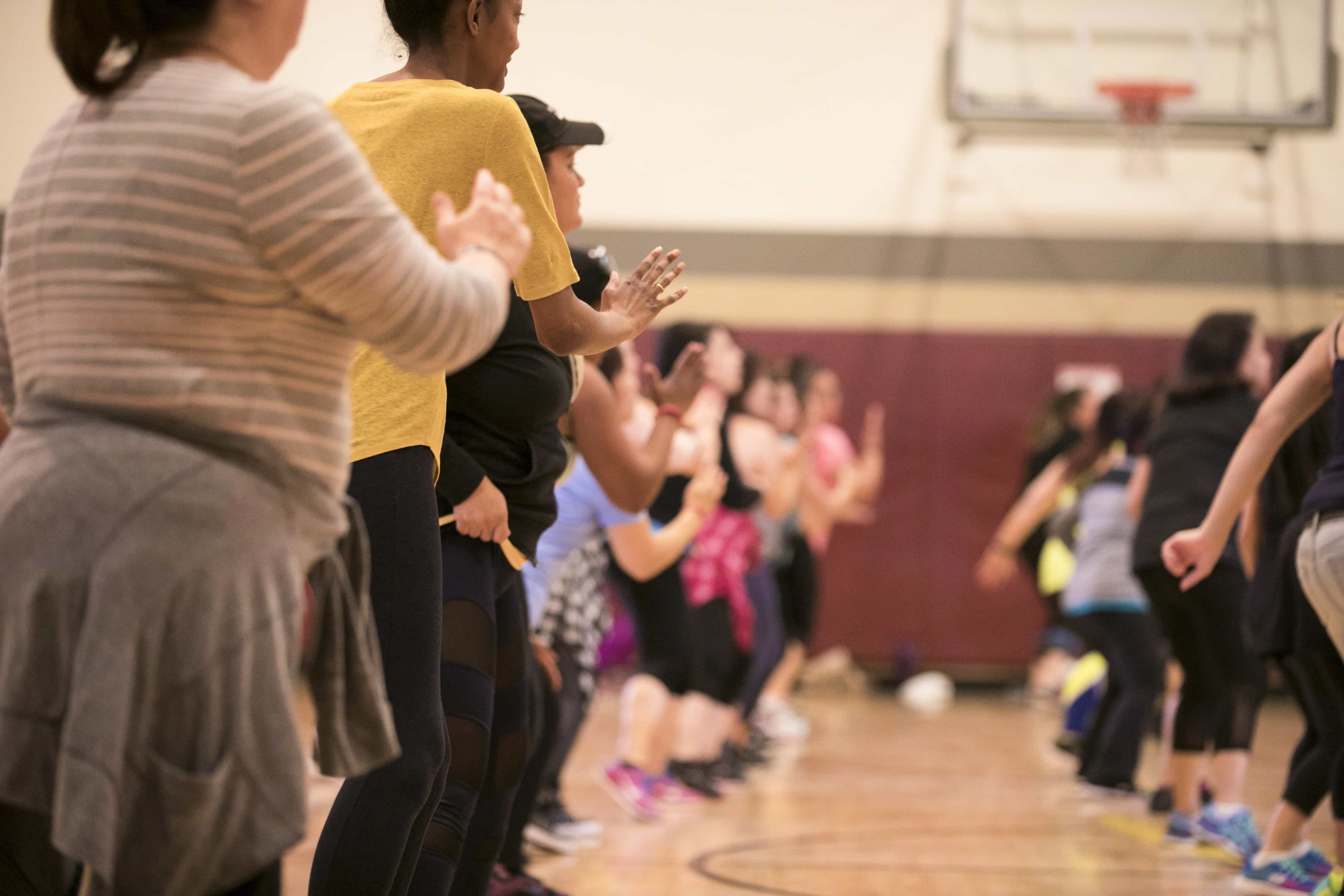
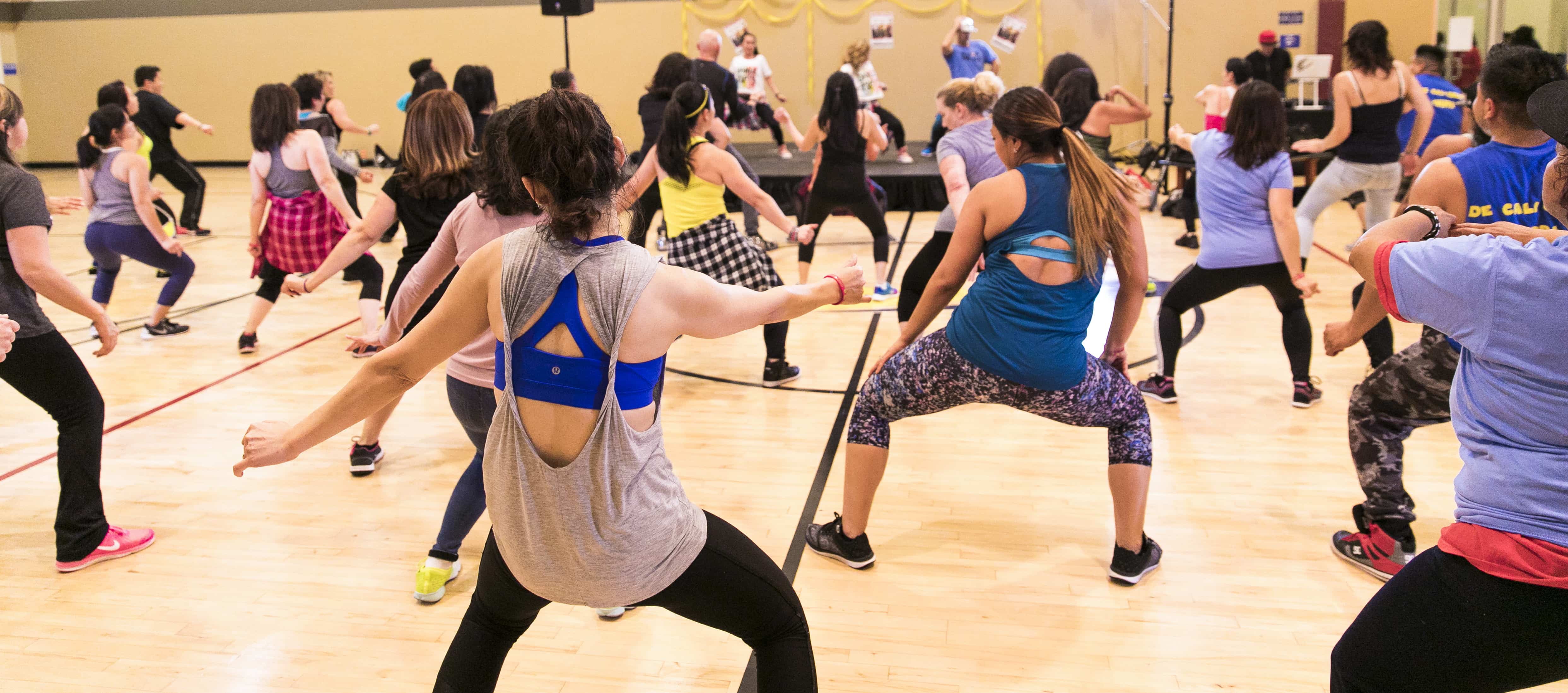
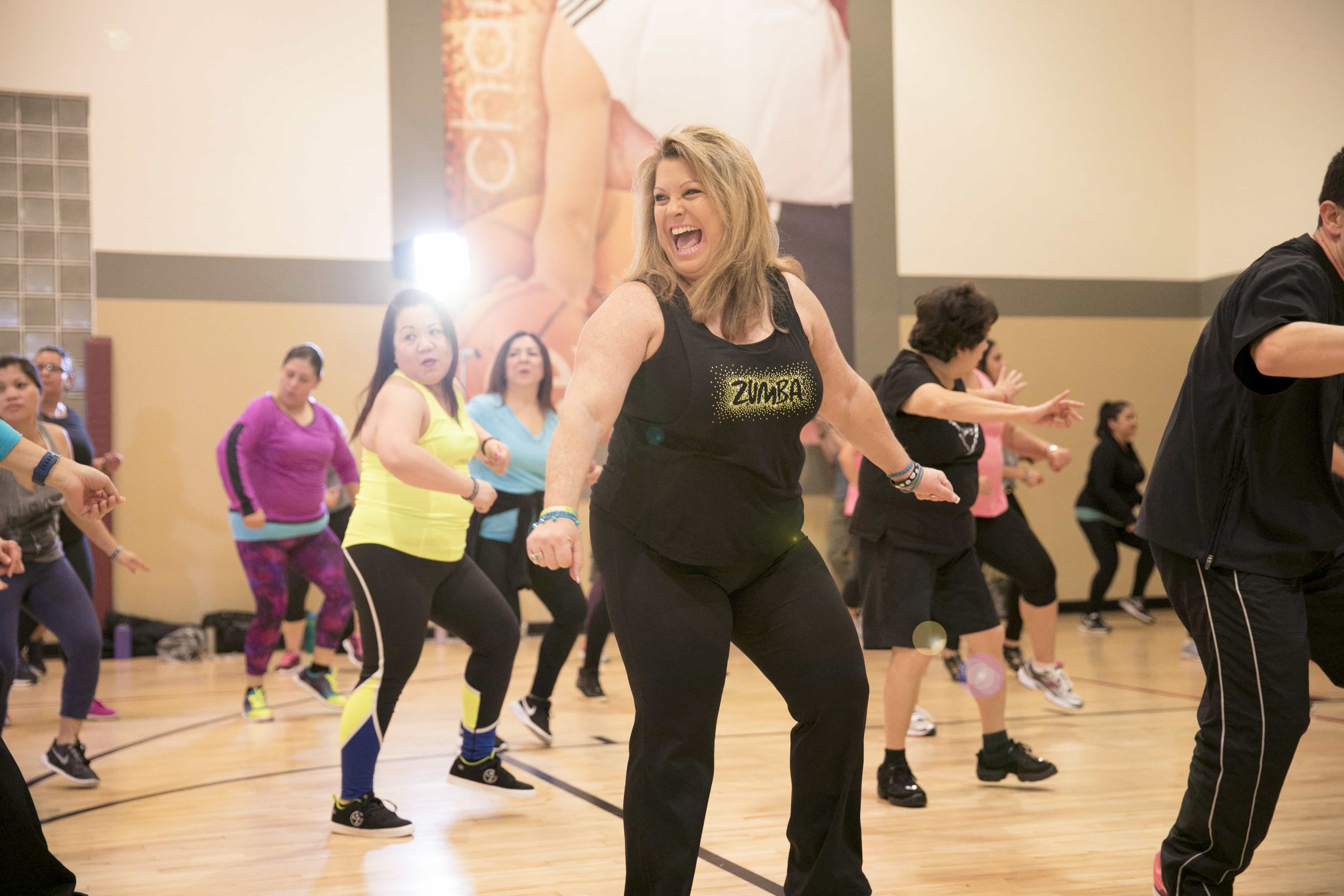
On February 25th, all LA Fitness Group Fitness classes participated in an event called Action for ALS. From Bodyworks to Cycling to Kickbox Cardio to Yoga and Zumba® classes, our dynamic and diverse classes teamed up in the fight for a cure! Additionally, on Friday, February 24th, LA Fitness hosted three special Zumba classes at their Irvine Crossroads, Atlanta Brookhaven and Miami Flager locations, taught by marquee instructors. These special events featured a live DJ, complimentary snacks and giveaways. With the help of our caring and dedicated members, LA Fitness has been able to raise over $280,000 for Augie’s Quest since 2010. With your donations you helped those affected with ALS stay hopeful in the quest for a cure.
To continue these efforts, LA Fitness hosted an additional event following Action For ALS. On Saturday, March 11th, we held the Augie’s Quest Racquetball Tournament at the LA Fitness Santa Clarita location and raised an additional $2,040 – way to go guys!
If you still would like to donate or learn more about LA Fitness’ philanthropic efforts, please visit www.lafitnesscares.com.
To learn more about how ALS can impact a life, watch Chris Mehess story below.










Sources:
Imagine losing the ability to eat, speak, move, and eventually, breathe. That’s what happens to the victims of ALS. Learn more about what ALS is and how you can help fund the fight for a cure.
Lynne Nieto, wife of Augie Nieto, and co-founder of Augie's Quest, joins us in studio to discuss what ALS is and how you can help in finding a cure.
Disease can’t always be prevented, but sometimes it can, and sometimes exercise can help the body combat diseases. We explore this topic.