Labor Day is the perfect time to relax and recharge, but why not also take a moment to energize your body with a quick and effective workout? Here’s a simple routine you can do at home or in a park to make the most of your holiday.
Warm-Up (5 minutes)
Jumping Jacks: 2 minutes
Arm Circles: 1 minute (30 seconds each direction)
Leg Swings: 1 minute (30 seconds each leg)
High Knees: 1 minute
Main Workout (20 minutes)
Circuit 1 (Repeat 3 times)
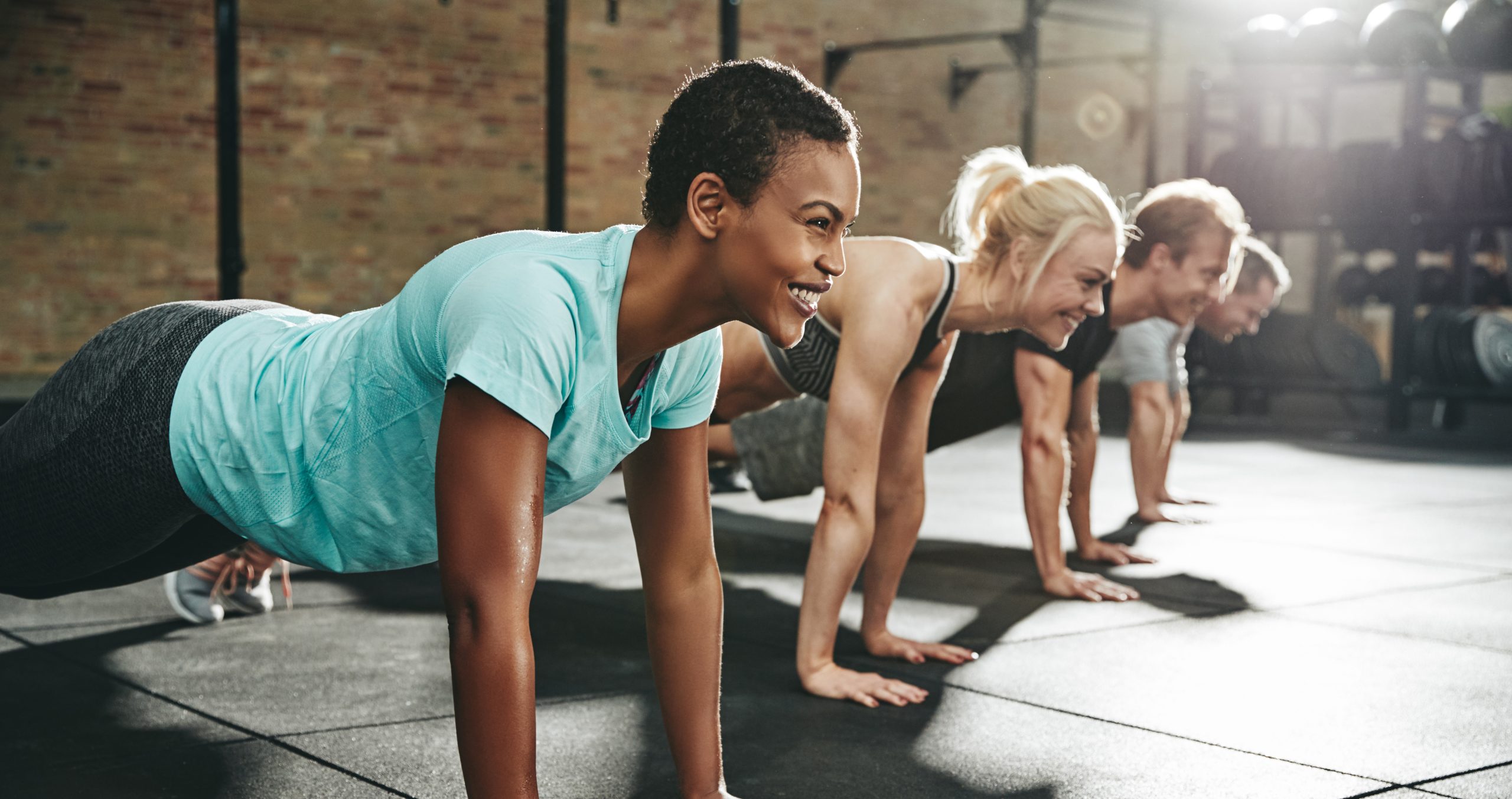
Push-Ups: 10-15 reps
Bodyweight Squats: 15-20 reps
Plank: 30 seconds
Mountain Climbers: 20 reps (10 each leg)
Circuit 2 (Repeat 3 times)
Lunges: 10 reps each leg
Tricep Dips: 10-15 reps (use a sturdy chair or bench)
Bicycle Crunches: 20 reps (10 each side)
Burpees: 10 reps
Cool Down (5 minutes)
Forward Fold Stretch: 1 minute
Quad Stretch: 1 minute each leg
Child’s Pose: 1 minute
Deep Breathing: 1 minute
Tips for a Great Workout
Stay Hydrated: Drink plenty of water before, during, and after your workout.
Listen to Your Body: Modify exercises as needed to fit your fitness level.
Have Fun: Put on your favorite music and enjoy the process!
This workout is designed to be quick yet effective, allowing you to enjoy the rest of your Labor Day festivities feeling refreshed and accomplished. Happy Labor Day! 🎉
Note: This blog post is a general guide and should not replace professional advice. Always consult with a fitness professional or personal trainer at LA Fitness for personalized guidance and support.
In today’s fast-paced world, developing a healthier relationship with food is essential for overall well-being. Mindless eating, often done while multitasking, can lead to overeating, poor digestion, and a strained connection with food. By practicing mindful eating, we can slow down, pay attention to our eating experiences, and foster a positive relationship with food that contributes to better health. Here are some strategies to help you achieve this.
Pay attention to your body’s hunger and fullness cues. Eat when you’re hungry and stop when you’re satisfied. This can help you develop a more intuitive and balanced approach to eating.By incorporating these mindful eating strategies into your daily routine, you can foster a healthier relationship with food, leading to better overall health. Enjoy a more satisfying eating experience and remember that mindful eating is a practice that requires time and patience. Be gentle with yourself as you make these positive changes.
Note: This blog post is a general guide and should not replace professional advice. Always consult with a fitness professional or personal trainer at LA Fitness for personalized guidance and support.
Eating the right foods before a workout can make a significant difference in your performance and recovery. The goal is to provide your body with the energy it needs to perform at its best while minimizing muscle damage. Here’s a guide on what to eat before a workout:
Carbohydrates: Your Primary Fuel Source
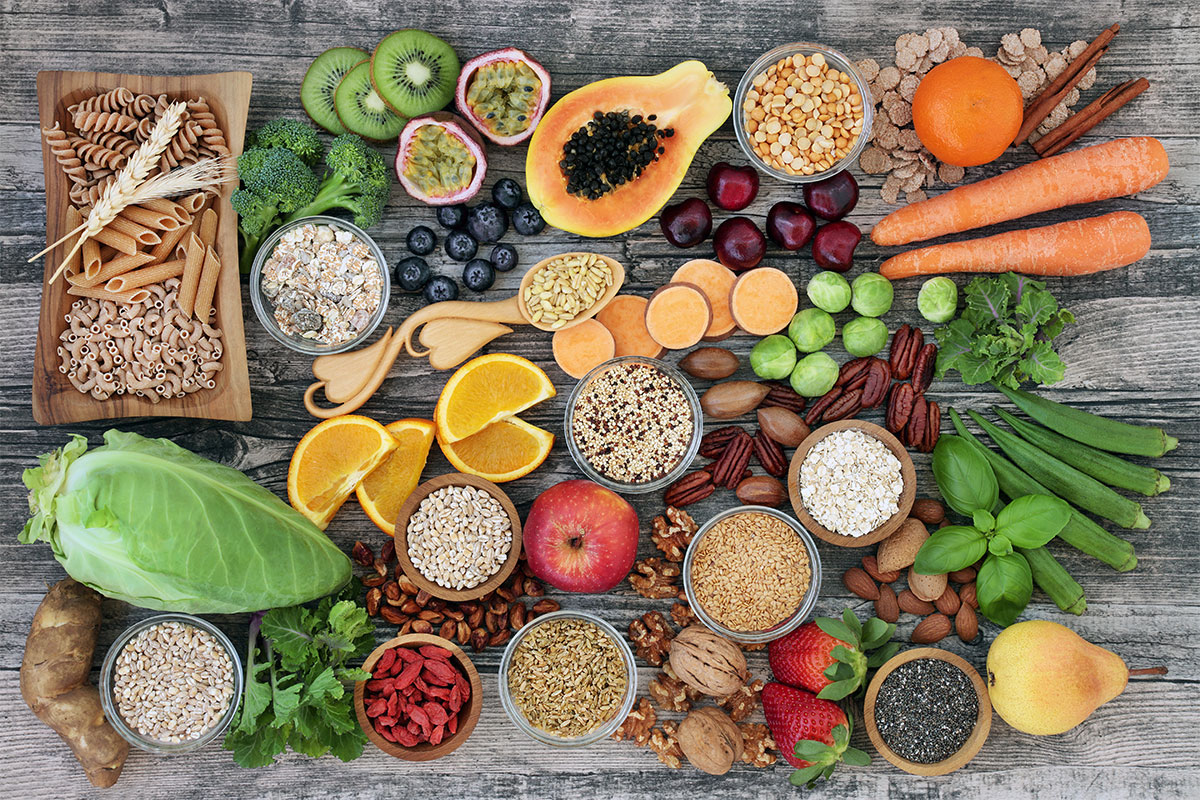
Carbohydrates are the body’s preferred source of energy, especially for high-intensity workouts. They help maintain blood glucose levels during exercise and replenish muscle glycogen stores. Here are some great carbohydrate-rich options:
Consuming protein before a workout can help improve muscle protein synthesis, increase muscle mass, and enhance recovery. Here are some protein-rich options:
While fats are not the primary fuel for high-intensity workouts, they are essential for longer, moderate-to-low intensity exercises. Healthy fat options include:
Nuts and Seeds: A good source of healthy fats and protein.
Hydration
Staying hydrated is crucial for optimal performance. Dehydration can lead to decreased performance and increased risk of injury. Drink water throughout the day and consider having a glass of water 30 minutes before your workout.
Timing Your Pre-Workout Meal
The timing of your pre-workout meal can impact your performance. Ideally, you should eat a balanced meal containing carbs, protein, and fats 2-3 hours before exercising. If you’re short on time, a smaller snack 30-60 minutes before your workout can also be effective.
Foods to Avoid
Avoid foods high in fat or fiber right before a workout, as they take longer to digest and may cause stomach discomfort during exercise. Also, steer clear of sugary snacks that can cause a rapid spike and subsequent crash in blood sugar levels.Eating the right foods before a workout can help you perform better and recover faster. Focus on a balanced intake of carbohydrates, protein, and fats, and stay hydrated. By fueling your body properly, you’ll be able to maximize your workout and achieve your fitness goals.
Note: This blog post is a general guide and should not replace professional advice. Always consult with a fitness professional or personal trainer at LA Fitness for personalized guidance and support.
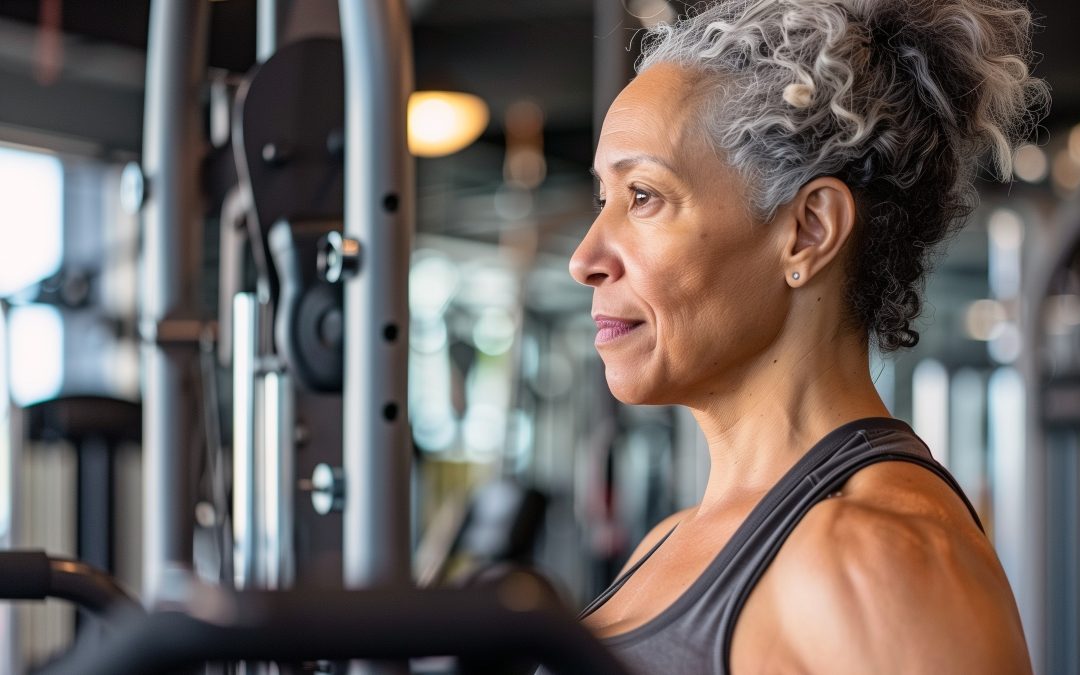
As we age, maintaining a healthy and active lifestyle becomes increasingly important. Trying new fitness routines for women over 40, can help boost energy, improve mood, and enhance overall health. Here’s a comprehensive workout plan tailored specifically for women in this age group.
1. Warm-Up (5-10 minutes)
Start with a gentle warm-up to get your blood flowing and muscles ready. This can include:
Walking or light jogging
Dynamic stretches like leg swings, arm circles, and torso twists
2. Strength Training (3 times a week)
Strength training is crucial for maintaining muscle mass and bone density. Focus on compound movements that work multiple muscle groups:
Squats: 3 sets of 12 reps
Push-Ups: 3 sets of 10 reps (modify by doing them on your knees if needed)
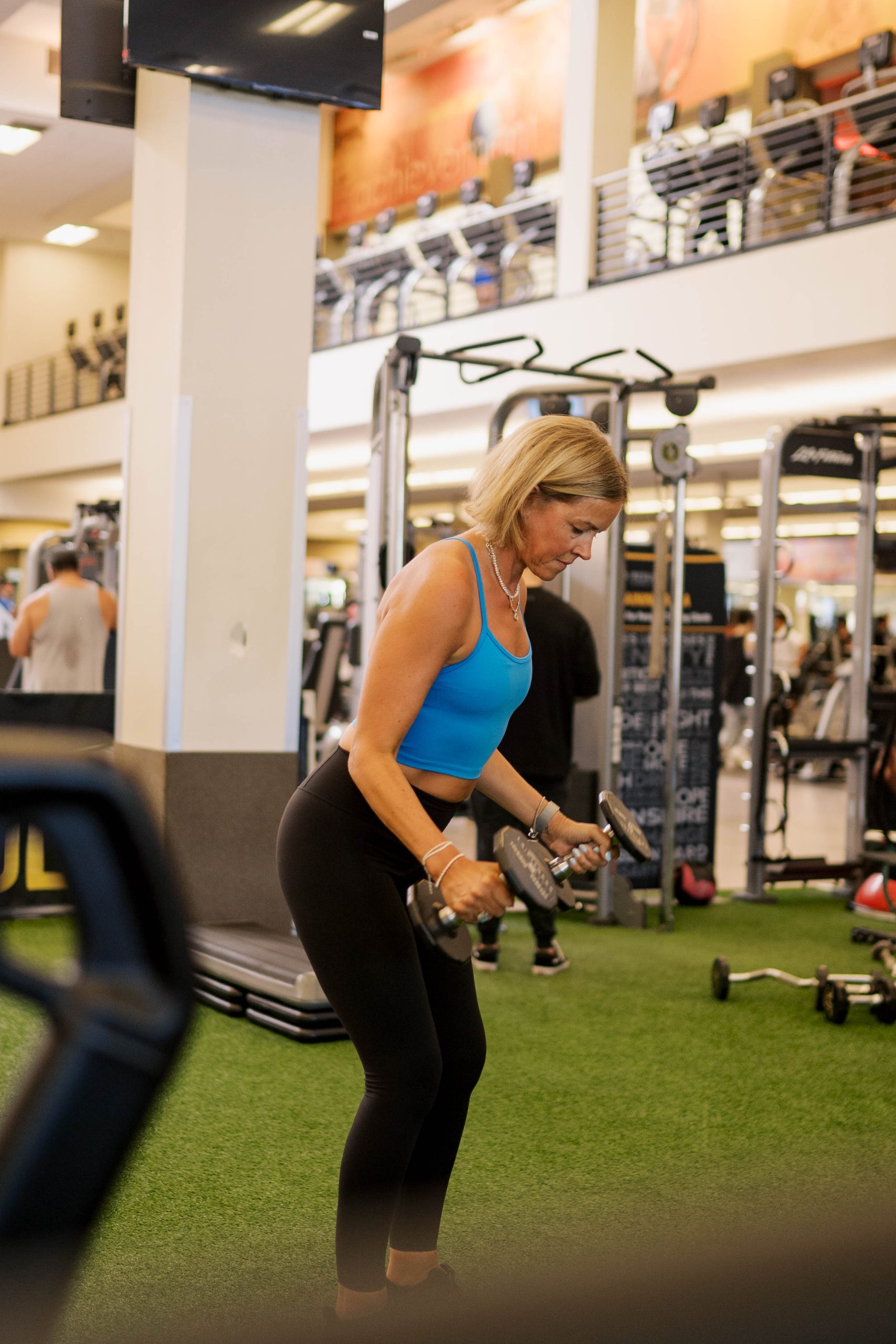
Dumbbell Rows: 3 sets of 12 reps per arm
Lunges: 3 sets of 12 reps per leg
Planks: Hold for 30-60 seconds, 3 times
3. Cardiovascular Exercise (3-4 times a week)
Cardio helps improve heart health and burn calories. Mix up your routine with:
Brisk walking or jogging: 30 minutes
Cycling: 30-45 minutes
Swimming: 30 minutes
Dancing: 30-45 minutes
4. Flexibility and Balance (2-3 times a week)
Flexibility and balance exercises help prevent injuries and improve mobility:
Yoga or Pilates: 30-45 minutes
Stretching routine: Focus on major muscle groups, holding each stretch for 20-30 seconds
Balance exercises: Stand on one leg for 30 seconds, switch legs, repeat 3 times
5. Cool Down (5-10 minutes)
End your workout with a cool-down to help your body recover:
Gentle stretching: Focus on areas you worked out
Deep breathing exercises: To relax and reduce stress
Helpful Tips
Listen to your body: If something doesn’t feel right, modify the exercise or take a break.
Stay hydrated: Drink plenty of water before, during, and after your workouts.
Consistency is key: Aim to stick to your routine, but don’t be too hard on yourself if you miss a day.
Consult a professional: Before starting any new workout routine, it’s a good idea to check with your doctor, especially if you have any pre-existing conditions.
Staying Active after 40
Staying active and fit after 40 is not only possible but can be incredibly rewarding. By incorporating strength training, cardio, flexibility, and balance exercises into your weekly routine, you can enjoy a healthier, more vibrant life. Remember, the goal is to find activities you enjoy and make them a regular part of your lifestyle.
Feel free to share your progress and any tips you have found helpful in your fitness journey! 💪
Note: This blog post is a general guide and should not replace professional advice. Always consult with a fitness professional or personal trainer at LA Fitness for personalized guidance and support.
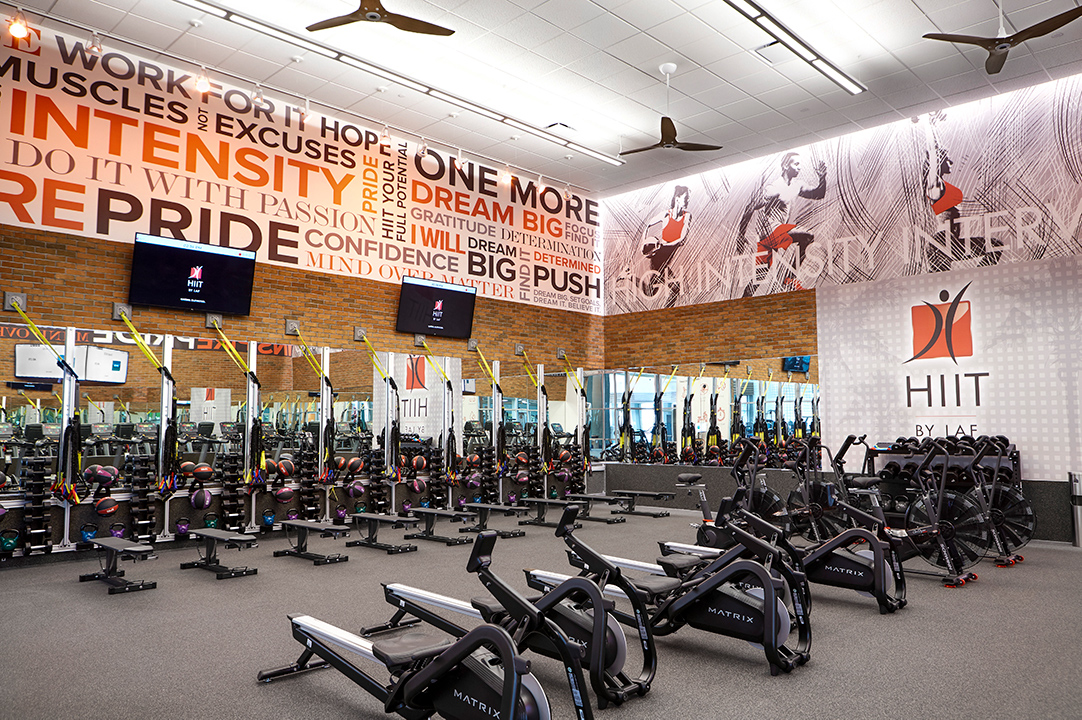
High-Intensity Interval Training workouts (HIIT workouts ) has taken the fitness world by storm, and for good reason. This workout method, characterized by short bursts of intense exercise followed by brief recovery periods, is designed to maximize your workout efficiency and deliver impressive results. Whether you’re a seasoned athlete or just starting your fitness journey, HIIT can be tailored to meet your needs.
Efficiency: HIIT workouts are perfect for those with a busy schedule. You can achieve a lot in a short amount of time, making it easier to fit exercise into your day.
Increased Metabolism: HIIT can boost your metabolism for hours after your workout, helping you burn more calories even when you’re not exercising.
Improved Cardiovascular Health: Regular HIIT sessions can improve your heart health by increasing your heart rate and improving circulation.
Fat Loss: HIIT is highly effective for burning fat, especially visceral fat, which is linked to various health issues.
Muscle Retention: Unlike steady-state cardio, HIIT helps you maintain muscle mass while losing fat.
Sample HIIT Workouts
Helpful Tips
Warm-Up: Always start with a warm-up to prepare your body and reduce the risk of injury.
Stay Hydrated: Drink plenty of water before, during, and after your workout.
Listen to Your Body: HIIT is intense, so it’s important to listen to your body and rest when needed.
Consistency is Key: Aim to incorporate HIIT into your routine 2-3 times a week for the best results.
Maximize Your Fitness Goals with HIIT
HIIT is a versatile and effective workout method that can help you achieve your fitness goals in less time. Whether you’re looking to lose weight, build muscle, or improve your overall health, HIIT offers a powerful solution. So, lace up your sneakers, set your timer, and get ready to push your limits with HIIT!
Note: This blog post is a general guide and should not replace professional advice. Always consult with a fitness professional or personal trainer at LA Fitness for personalized guidance and support.