Is it Possible to Lose Weight While Gaining Muscle? | QA

Is it Possible to Lose Weight While Gaining Muscle? | QA

Question:

Can you give me some help and suggestions to reach my goal? I’m 6’0 and around 220 to 230lbs. I’m honest with myself and have given up the dream of being a rippedup monster; I just want to live a healthy lifestyle. Losing weight is probably my number one goal and if I can gain muscle at the same time, that’s great. I work overnight so it’s difficult to be consistent at the gym, but I can be consistent with what I eat. So, I’d love to hear back from you and hear your views.

-Erik L. 

Answer:

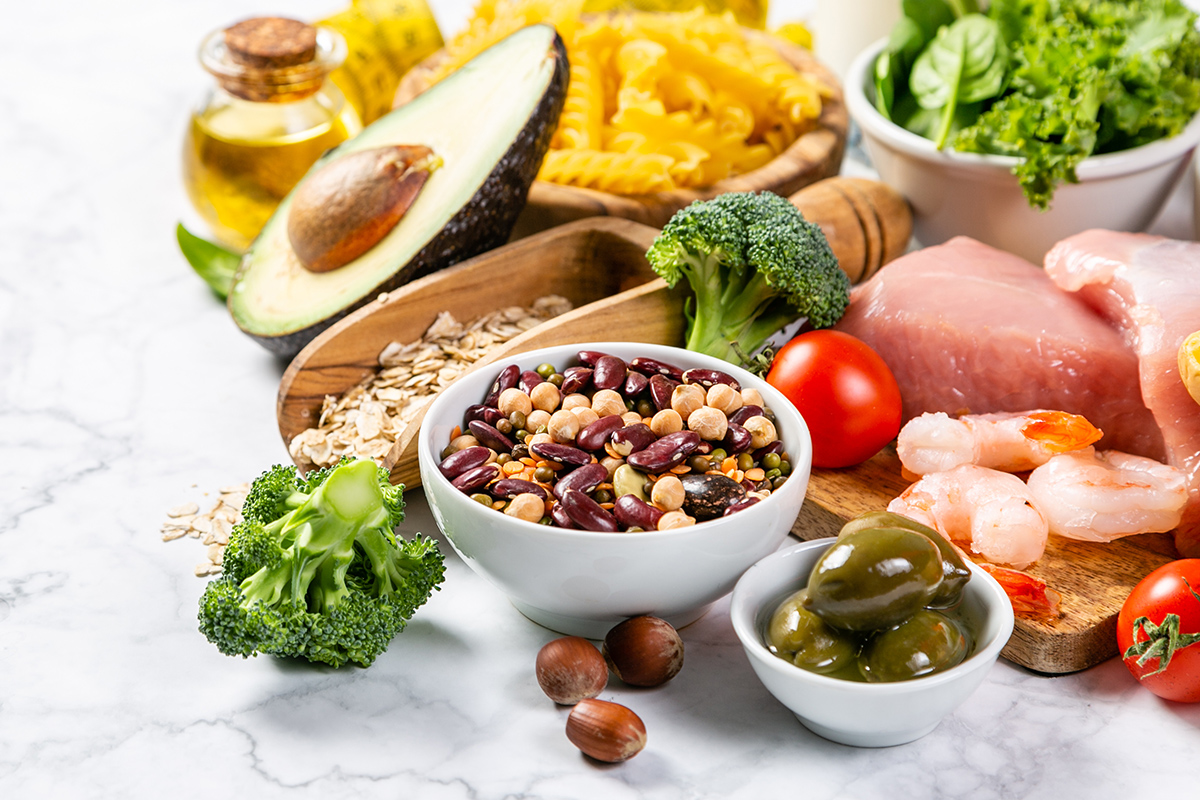
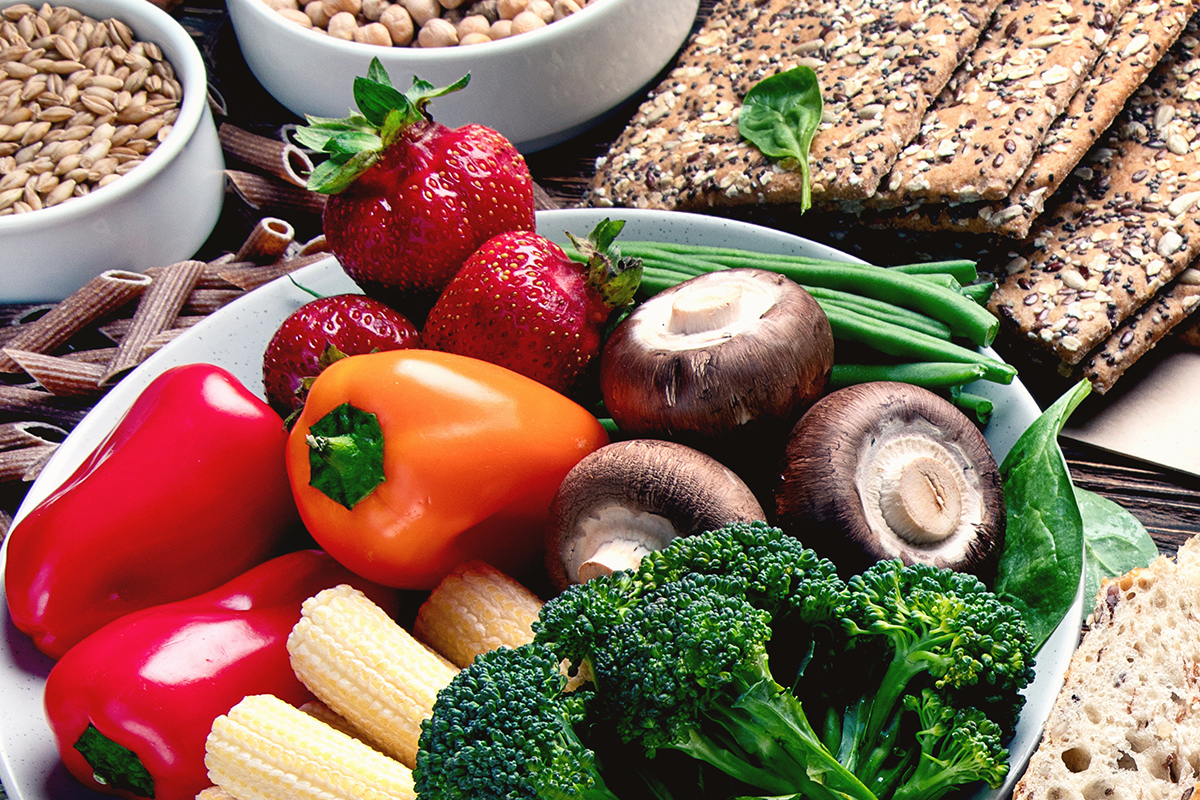
Your realism is admirable, Erik. Yes, it’s possible to lose fat and gain muscle simultaneously with the proper exercise. One diet can help you with both. You’ll need to moderately reduce calories by reducing portions slightly and cutting out alcohol, added sugars and excess fat. Meanwhile, switch the bulk of your consumption to whole nutrient-rich foods like vegetables, beans, poultry, fish, grains, nuts & seeds, fruit and low-fat dairy that are minimally processed. 

Take a look at these two menus/plans to see the kind of changes to make: 

2600 Calories (Before)

2200 Calories (After)

111 gm Protein; 46%Carb/17%Pro/34%Fat 

123 gm Protein; 47%Carb/22%Prot/31%Fat 


16 fl. oz. fruit smoothie  

6 oz. plain nonfat yogurt 

½ cups strawberries 

2 Tbsp. granola 


2 cups spaghetti & meat sauce 

2 cups spaghetti & meat sauce 

3 pieces garlic bread 

1 Tbsp. Parmesan cheese 

Caesar salad 

2 Tbsp. regular dressing 

2 cups spinach 

½ cup white beans 

2 Tbsp. low fat dressing 


Egg, sausage, potato, cheese burrito 

Vegetable frittata: 2 scrambled eggs + ½ Cup zucchini/tomato/onion cooked in 1 tsp. oil 

Whole wheat pita 


1.5 oz. chocolate covered peanut butter energy bar 

Small banana 

1 oz. almonds (about 12) 


6 oz. grilled salmon 

6 oz. grilled salmon 

1 cup white rice 

1 cup brown rice 

½ cup broccoli 

1 cup broccoli 


* Calculated by Registered Dietitian Nutritionist using www.NutritionData.Self.com’s MyTracking function. Findings were used along with RDN’s professional judgment. 

– Debbie J., MS, RD

This article should not replace any exercise program or restrictions, any dietary supplements or restrictions, or any other medical recommendations from your primary care physician. Before starting any exercise program or diet, make sure it is approved by your doctor.

Some questions have been edited for length and/or clarity.

Ask our Dietitian

Have a nutrition question? Our registered dietitian is ready to help!

Email nutrition@lafitness.com or submit your question below and it may be featured in an upcoming article!

13 + 3 =


Recommended Reading - Q+A

Are There Benefits to Getting Scared?

Are There Benefits to Getting Scared?

What Happens in the Brain When You’re Afraid? 

On a biological level, we know that, when you’re afraid, certain hormones are released in the body to prepare you for a fightorflight response. The primary hormones involved in this process include adrenaline (also known as epinephrine), norepinephrine, and cortisol.  

These three hormones give your body a boost of energy, channel your focus, and divert blood flow to your major muscle groups. Once this happens, your body is primed to respond to the perceived danger. 

If you don’t enjoy the heart-pounding startles, you might wonder why anyone in their right mind would put themselves through this experience on purpose. Yes, the body gets a surge of anxious energy, but you also experience the release of neurotransmitters like dopamine.  

Dopamine is what is commonly associated with the brain’s “pleasure center.” It’s a source of the excitement and relief that comes after a scare and when your brain realizes you were never in any real danger. For spook-seekers, this is the experience that makes the scare worthwhile. 

What Exactly are the Benefits? 


Dr.
Margee Kerr, the staff sociologist at ScareHouse, tells The Atlantic all about the reasons why some brains enjoy fear. In the interview, she reminds us that the enjoyment of scaring and being scared goes back to the telling of ghost stories around a campfire, gothic writings of the 19th century, and tales of creatures like the Chupacabra or the Loch Ness Monster. As human beings, we have had this interest for a long time. 

Social connections, she explains, are part of the reason we love to be frightened. Happiness and fear both initiate the release of oxytocin (the love hormone), and help us bond with the people we are experiencing these emotions with. Kerr shares an article by Shelley Taylor, Tend and Befriend: Biobehavioral Bases of Affiliation Under Stress, that demonstrates how a special closeness is developed with those who are with us when we are in an excited state. More importantly, it stresses how this can be a very good thing! 

When you tend to or receive care from someone in a moment of fear or anxiety, the chance that you will befriend them increases. According to Dr. Kerr, this is because human beings need each other during periods of stress, so the body responds chemically in ways that help form a bond with others who are in the experience with us. Of course, this is limited to the experience being a positive one that does not actually harm you in any way. 

This is why you see people huddled together as they tread through a darkened maze or haunted exhibit, and why popcorn-flinging horror movie nights are also enjoyed worldwide.

The Best Place to Enjoy a Good Scare 

The best place to get your chills and thrills is someplace that poses no real threat to your safety. You brain needs to know that your body is not in any real danger after your automatic fight-or-flight response kicks in. Dr. Kerr reflects on how many times she’s seen a person scream and jump at the ScareHouse and immediately after start smiling and laughing. It really is interesting to consider how quickly the brain can process our situation and let the rest of our body know if the fear was just a false alarm. 

Are There Drawbacks? 


As nearly every suspense movie has proven, anything can have a dark side. Maybe don’t drag your friends to a fright-filled attraction if they really don’t want to go. Sometimes the aversion has roots in trauma, PTSD, or phobia. Being conscious of what is age
appropriate is also important. This is because children are often unable to differentiate between feigned danger and what’s real. What you intended to be a fun experience may end up being traumatic for a child. Sometimes, you just have to make a judgment call, but doing so can help ensure that everyone has a good time and is able to enjoy the spooky excitement.  

For some tips from our dietitian on how to treat yourself this Halloween without all the guilt, read her post on Tricks and Treats for Halloween Cheats. To access our monthly blog post highlights, subscribe to our newsletter today! 

Sources: 

Ringo, Allegra. “Why Do Some Brains Enjoy Fear?” The Atlantic, Atlantic Media Company, 31 Oct. 2013, www.theatlantic.com/health/archive/2013/10/why-do-some-brains-enjoy-fear/280938/. 

How to Manage Autumn Allergens at Home

How to Manage Autumn Allergens at Home

Now that we’re well into October, we can be fairly certain that the allergens of the Spring and Summer months have settled. With Autumn, however, strong winds, humidity, and even household air can still present irritants to your respiratory system. 

If you suffer from allergies year-round, it’s a good idea to evaluate the possible sources of your sensitivity. A visit with your doctor can also help you identify what you need to do to care for your suffering sinuses. 

Today we’re sharing some easy ways to combat allergens inside the home. As the weather gets cooler, we’re more likely to spend time indoors, so it’s important to make sure that the air we’re breathing is healthy and clean. 

Allergen Sources and How to Manage Them

01.

PEt Dander

Our furry friends love to romp and play around the house or in the yard. To minimize how much of the great outdoors ends up in your home, wipe all paws after outdoor potty breaks, and brush out their coat after a day of outdoor play. This helps leave dirt and pollen outside. Because your pet’s skin releases oils and sweat (just like ours), allergens can easily stick in all that glorious fur. So, if it’s possible, bathe pets as often as is still healthy for their skin, coat, and overall wellbeing. 

02.

floors

If your pet is shedding or if there’s simply more dirt outside to track in because of high winds or harsh weather, cleaning the floors helps keep allergens from accumulating. You can keep a schedule to vacuum or mop on certain days of the week to help you build a routine around the extra chore.

03.

Windows

Closed windows are not a bad thing. In fact, recovering cancer patients are often encouraged to keep windows closed and to run the heater or AC to circulate and filter the air in the home. Outside-air can be heavy with traffic pollution, dust, pollen, and, if you live in areas that often experience wildfires or high winds, you’ll get a lot of pollution from that too.

In-Home Air QUality

You typically won’t need an expensive HEPA filter for your air system. If your existing filter is clean, it does a fine job of filtering out most pollutants. Of course, if you know you’re more sensitive to allergens than most, springing for a HEPA filter will help pull even more potential irritants out of the air. 

04.

Plants

Be aware of live plants in your home. Your AC or heater can kick up pollen and other irritants from the plant and its soil and carry it through your home. If you suspect that your indoor plants are a problem, try removing them or putting them in a closed room with the air vent closed. This will help keep plant particles from circulating through your home. 

05.

Mold

As the air gets humid with the cool autumn moisture, mold has the right environment to grow. Check your kitchen, bathroom, attic, basement, around your windows, and other areas of your home that tend to be exposed to moisture. For small mold patches, you can usually clean it away with a mild cleaning agent from the store. Larger problems may require some professional help.

To tell the difference between cold symptoms and allergy symptoms, we’ll need the space of another post. For now, we hope you feel armed with the knowledge to make your home a more restful place. 

For more wellness topics, check out our podcasts for a variety of interesting discussions, or, take a look at a written overview of our Podcast Favorites. To access our monthly blog post highlights, subscribe to our newsletter today! 

Healthy Fiber Options for Your Daily Diet | QA

Healthy Fiber Options for Your Daily Diet | QA

Question:

Hello, my name is Elizabeth. I exercise at least three times a week, but I am more concerned about my nutrition because I know it comes first. I would like to know what the best fiber diet is, or the most important food to eat to get plenty of fiber. I do not eat red meat or pork, only seafood, chicken, and turkey. 

Thank you 🙂

– Elizabeth Z. 

Answer:

Good news! Your animal protein preferences won’t impact reaching the recommended intake of fiber, since it is only from plant foods. Beans, legumes, whole grains, nuts & sees, and raw fruits and vegetables have the most fiber. Did you know popcorn is naturally a whole grain snack?  

The 2015 U.S. Dietary Guidelines suggests 14 grams of fiber per 1000 calories consumed as an adequate daily intake. For most people that translates to 25-30 grams of dietary fiber per day. The Dietary Guidelines offers a table to see how several foods compare. 

Adding fiber to your diet may be as easy as replacing juices or canned fruits and vegetables with wholesome produce or switching from white flour products to more whole grain ones. Of course, increasing intake through larger portions or adding food is an option if your energy needs allow. On the flip side, if you’re looking to lose weight, check out our recommendations for a low-calorie high fiber diet. 

My favorite way to get 15 grams of fiber in one sitting is to have a grain bowl with kale, avocado, chick peas and grated carrot, similar to this recipe from Cooking Light. For breakfast, I’ll opt for rough cut oats, topped with pecans, dried cranberries, chia seed, buckwheat groats and hemp seed to get 12 grams of fiber. 

– Debbie J., MS, RD

This article should not replace any exercise program or restrictions, any dietary supplements or restrictions, or any other medical recommendations from your primary care physician. Before starting any exercise program or diet, make sure it is approved by your doctor.

Some questions have been edited for length and/or clarity.

Ask our Dietitian

Have a nutrition question? Our registered dietitian is ready to help!

Email nutrition@lafitness.com or submit your question below and it may be featured in an upcoming article!

12 + 12 =


Recommended Reading - Q+A

What Happens to Your Body When You Stop Working Out?

What Happens to Your Body When You Stop Working Out?

As a protection mechanism, our brain often convinces us that we are capable of far less than we really are. This is a preservation instinct that is meant to protect your body from over-exertion and from burning through its precious fat-stores.

Our brain relies on its survival skills. It wants your body to expend as little energy as possible to save up for the day when your usual resources are not available. 

If you know that muscles require energy (calories) to sustain themselves, you may already see the picture we’re trying to paint. If your body no longer needs to lift, push, or drag the heavy things, your brain starts to consider your muscles as liabilities instead of assets. They are using more energy than what your activities call for.  

That is why, if you stop working out, your brain responds with “well, we don’t need these anymore!” 

Now, don’t panic. Your muscles won’t completely atrophy as though you’d never seen a day of exercise. In fact, drastic muscle atrophy is really a sign of severe malnutrition, disease, injury, or certain disorders. With less use, your muscles will simply decrease in mass. 

Let’s peer into the details of what really happens to your body when you stop working out. 

Your Cardiovascular Health Is Likely the First to be Affected

At around 2 weeks after stopping exercise, what your body gained from consistent exercise can already start to diminish.  

Several studies, some of which we discuss here, cite cardiovascular endurance and VO2 maximums (how much oxygen your body can process for energy) as the targets of change within the first 2 to 4 weeks of stopping exercise.  

In a study on the effect of training and detraining (a period of no exercise) on heart rate variability, a group of healthy young men completed 12 weeks of intensive training followed by several weeks of not working out.

The participants all saw an increase in their VO2 max and in their heart’s overall power after the 12 weeks of vigorous exercise. Once they started the period of detraining, it took about 2 weeks to see a reduction in both of these areas. It took 8 weeks to completely undo the cardiovascular benefits they built from their 12 weeks of training.1 


Another study found similar results and cited a period of 2-4 weeks to start seeing the decline.2 One spark of hope from this study, however, comes from their comment on current research. This research tells us that the decline can be slowed, and the improvements retained for several months, if training is reduced instead of completely stopped! 2  

Your Strength Takes Longer to Diminish

We found some interesting insights in a study that compared the after-effects of stopping endurance training with the after-effects of stopping resistance training. The first 24 weeks of the study were spent training and another 24 weeks were spent detraining.  

The researchers found that the participants who strength trained maintained their improvements in strength and lean mass for a longer period of time after stopping exercise than those who endurance trained.3 

Another study determined that athletes could take up to 3 weeks off from strength training without suffering loss of strength.4 This is because muscle gain was quickly returned once they resumed strength training after the 3 weeks.

Stopping Exercise May Affect Your Brain

This is a less frequently researched topic, and there are limitations to current literature on the subject, but some of the findings are still worth looking into. One study monitored blood flow to certain parts of the brain in highly athletic older adults.

With the understanding that exercise has positive effects on the structure and function of the hippocampus (the part of the brain that handles emotion and memory), this study wanted to look into what would happen in this area of the brain if exercise was stopped.5 


While the study observed no change in cognitive function, it did find that “training-induced changes in hippocampal blood flow may be reversed with 10 days of exercise cessation.” 5  

What this suggests is that just 10 days after transitioning from an active lifestyle to a suddenly inactive one, you can lose the positive effects that exercise was having on your brain. 

Closing Thoughts

Keep in mind that all these studies focus on a group of people who may be of a different age, sex, fitness level, and on a different workout regimen than you are.

What the results ultimately demonstrate is that changes in physical fitness and body composition have been observed when the participants stopped exercising. The time frame in which it happened, and the extent of the change, was all relative to the specific group that was studied. 

There are also a variety of other potential changes not discussed here, like your percentage of body fat, your blood pressure, your cholesterol levels, and innumerable other pieces of data that can be studied and measured.  

In the end, to avoid losing all of your progress, what can be learned from all this research is this: 

  1. Your cardiovascular endurance and VO2 max can start to diminish at 2-4 weeks


  2. If it’s healthy and safe to do so, try not to stop exercising abruptly. Working out less, or in a different way, can help you maintain the progress you made.


  3. The effects of strength training are harder to lose than the effects of endurance training


  4. In some cases, the positive effects of exercise on the brain can be lost in as little as 10 days 

To learn more about the relationship between cholesterol and exercise, read our article on How to Manage Your Numbers Naturally. For workout tips to help you build your routine, see what our Pro Results® trainer, Kayla V., has to say about leg workouts that won’t disrupt other leg-intensive training. To access our monthly blog post highlights, subscribe to our newsletter today!

SOURCES

  1. Gamelin, F X, et al. “Effect of Training and Detraining on Heart Rate Variability in Healthy Young Men.” International Journal of Sports Medicine, U.S. National Library of Medicine, July 2007, www.ncbi.nlm.nih.gov/pubmed/17373601.

  2. Neufer, P. Darrell. “The Effect of Detraining and Reduced Training on the Physiological Adaptations to Aerobic Exercise Training.” SpringerLink, Springer International Publishing, 25 Nov. 2012, link.springer.com/article/10.2165/00007256-198908050-00004.

  3. Lo, Michael S, et al. “Training and Detraining Effects of the Resistance vs. Endurance Program on Body Composition, Body Size, and Physical Performance in Young Men.” Journal of Strength and Conditioning Research, U.S. National Library of Medicine, Aug. 2011, www.ncbi.nlm.nih.gov/pubmed/21747300.

  4. Ogasawara, Riki & Yasuda, Tomohiro & Sakamaki-Sunaga, Mikako & Ozaki, Hayao & Abe, Takashi. (2011). Effects of periodic and continued resistance training on muscle CSA and strength in previously untrained men. Clinical physiology and functional imaging. 31. 399-404. 10.1111/j.1475-097X.2011.01031.x.

  5. Alfini, Alfonso J., et al. “Hippocampal and Cerebral Blood Flow after Exercise Cessation in Master Athletes.” Frontiers in Aging Neuroscience, Frontiers in Aging Neuroscience, 19 July 2016, www.frontiersin.org/articles/10.3389/fnagi.2016.00184/full.