Juggling Protein and Fat-Burner Supplements | QA

Juggling Protein and Fat-Burner Supplements | QA

Question:

I am a pretty fit, over 50-year-old female. I eat anywhere from 1,200-1,400 calories per day. However, I’ve since learned my real issue is compulsive eating. I keep getting hungry and will crave sugary carbs (something I never really did when younger).   

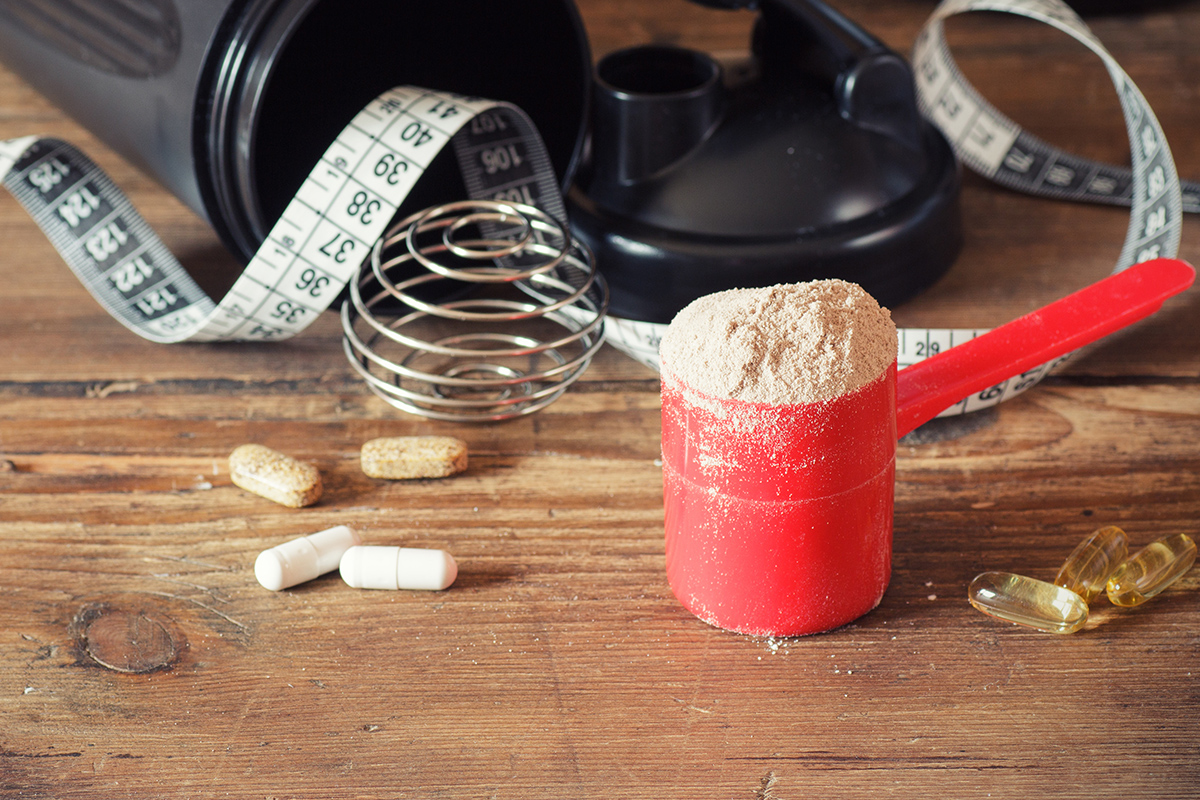
I take Carnitine about twice to three times per day and one to two scoops of Lean 1 fat burning meal replacement per day. I take 1 scoop in the morning at times with 2 wheat bread slices, a banana at times.  I take another scoop again after a workout.  The Lean 1 is about 95 calories for one scoop (11g carb cal/ 2.2g fat cal /10g prot cal).  I started to use a post-workout scoop as a meal replacement generally. I must say the urge to overeat dramatically decreased doing all of this and my sugar levels and carb levels are more balanced in the day (protein and fat also)!  

Dinner is the heaviest meal and, by the time I eat, I’m hungry for it. I recently added a microcellular casein protein scoop at night after working or as a snack hoping it will help achieve a more muscular / defined. I tend to crave candies around 11pm and one reason I chose the Casein option as well as for other benefits. I wanted recommendations on how to incorporate these three items into my daily regimen if I’m not doing so appropriately.  

– Kina C.

Answer:

Kina, it sounds like your supplements have had the desired impact on your compulsive eating and carbohydrate cravings. Let me say that, although I normally promote whole food solutions to hunger and other dietary issues, I’m glad these are working for you. Still, I’m curious if you tried a solid option (like half an apple with peanut butter) after workouts to forestall the candy craving?  

Your intake of the meal replacement and protein powder total around 300 calories, which is a considerable portion of your day. Not knowing which foods these replaced and if they subsequently added or reduced intake from your previous eating habits, it’s difficult to comment on their use. Plus, “fat burning” supplements have other non-caloric components such as caffeine or other stimulants.  

My feedback would also be to follow each products’ limits for use. Know that protein utilization at one time is rather limited (about 30 grams per meal), thus you may not be getting the most out the fat-burning meal replacement shake and micellar casein protein scoop if taken together after your workout. Perhaps moving one to an afternoon snack before dinner is in order. Sounds like your day is relatively low-fat and low-calorie leading up to dinner, therefore it’s no surprise you’re hungry enough to eat a ‘heavy’ meal. 

Also, I’d advise sticking to your vegetables and protein dinner, and consider adding a half-cup of brown rice on your workout evenings. Don’t forget to search the Living Healthy blog for related inquiries! Read our previous answers regarding cravings and hunger for more advice.  

– Debbie J., MS, RD

This article should not replace any exercise program or restrictions, any dietary supplements or restrictions, or any other medical recommendations from your primary care physician. Before starting any exercise program or diet, make sure it is approved by your doctor.

Some questions have been edited for length and/or clarity.

Ask our Dietitian

Have a nutrition question? Our registered dietitian is ready to help!

Email nutrition@lafitness.com or submit your question below and it may be featured in an upcoming article!

6 + 7 =


Recommended Reading - Q+A

Strength Training for Aging Bodies

Strength Training for Aging Bodies

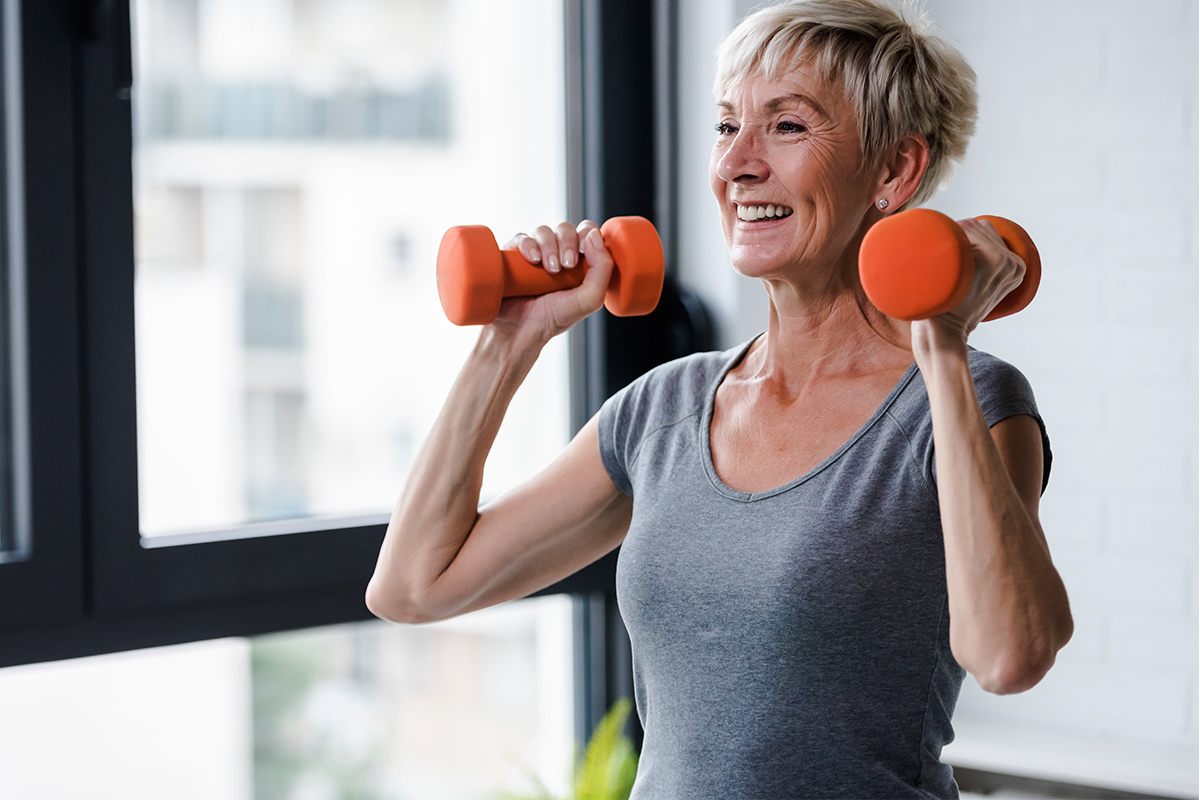
There seems to be this idea that, as we age, frailty and loss of energy are inevitable. However, these can be symptoms of something that is highly preventable: muscle loss.1 What is the primary cause of muscle loss? Inactivity! 

Everyday activities like climbing the stairs, carrying groceries, playing with the kids or grandkids, or cleaning the house don’t have to become more difficult! Strength training is the answer to this common problem, and no, it’s not just for the gym buffs. 

We’ll be taking you through the many benefits and some sample exercises with the help of Tufts University’s book on the Growing Stronger exercise program. The book is a completely free, accessible, and research-driven guide that can help you regain your strength and your independence.  

Because the exercise program offered in Growing Stronger has been tested in its entirety, this article should not serve as a replacement. It simply highlights many key components of the program to showcase how fitness can be an easy and progressive addition to your lifestyle regardless of age 

The Physical Benefits of Strength Training for Older Adults 

Strength training can help alleviate the symptoms of many chronic conditions and diseases.1 Seguin and colleagues identify the following benefits for several common conditions: 

Arthritis: Reduces pain and stiffness, and increases strength and flexibility 

Diabetes: Greater control of your blood sugar levels 

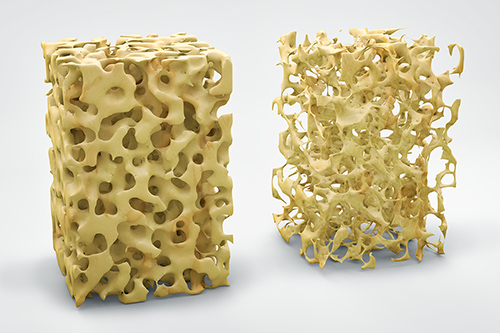
Osteoporosis: Builds bone density and reduces the risk of falls 

Heart Disease: Reduces cardiovascular risk by improving lipid profile and overall fitness.  

Obesity: Increases metabolism, which, in turn, burns more calories and aids long-term weight control.  

Back Pain: Strengthens back and abdominal muscles. As a result, stress on the spine is reduced. 

Safety Tips and Recommendations

As with any new exercise program, it is important to consult with your doctor to make sure that your exercise plan is safe for you and that it aligns with your other health goals. Once you are sure you can proceed, there are still some safety recommendations the Growing Stronger authors would like you to consider: 

  1. Shoes with good support are a must. The recommendation here is that you choose rubber soles that aren’t too thick because thick soles can cause you to trip. 
     
  2. The weights you use are another important consideration. You don’t want to start with anything too heavy. The numbers may not look impressive, but it is the safest way to transition from body-weight exercises to exercises that involve weights. The authors recommend pairs of dumbbells in the following weights: 

Women 

Men 

2 pounds 

3 pounds 

3 pounds 

5 pounds 

5 pounds 

8 pounds 

They also advise that you choose adjustable ankle weights because you will be able to more freely alter what you’re working with. 

3. Store your weights on the ground or at ground-level storage. This eliminates the possibility of the weights falling on you if you are attempting to reach them from a high storage location. You can even leave them in a wheeled cart for easier access.

4. A commonly cited piece of advice (but one still worth mentioning) is that you should aim to exercise every other day to allow your muscles to rest. You can also alternate muscle groups (legs one day, upper body the following day) to avoid overworking a single muscle group. 

5. Perhaps the best thing you can do is to be attentive to the aches and pains in your body. Don’t work out if your muscles feel strained or if you feel unable to safely exercise.  

Effective Exercises to Start Rebuilding Strength

The book offers a detailed breakdown of multiple exercises and even plans them in stages. Once you have completed the first stage (about 2 weeks), you will be able to move on to a more difficult set of exercises. Here are just a few of their recommended exercises divided by difficulty level. 

Stage 1 Exercises

Stage 1 exercises should be performed for 2 to 3 weeks before moving on to Stage 2. For each exercise, perform 2 sets of 10 repetitions with a 1-minute rest period in between sets. 

Squats

You may already know how to do a basic squat; it is essentially the act of sitting down, without actually sitting down. This exercise is great for strengthening the hips, thighs, and glutes. 

Placing your body weight into your heels (as opposed to you leaning into your toes), lower into a seated position and rise back up to your standing position. Be careful not to let your knees come forward past your toes. You can choose to actually sit on a sturdy chair as you perform this exercise and to use your hands to guide your motion until you get stronger. 

Wall Push-ups

These are just like regular push-ups except your feet are planted on the ground and you are pushing off the wall. This is still a great way to strengthen your arms, chest, and shoulders, without having to get down on the ground. 

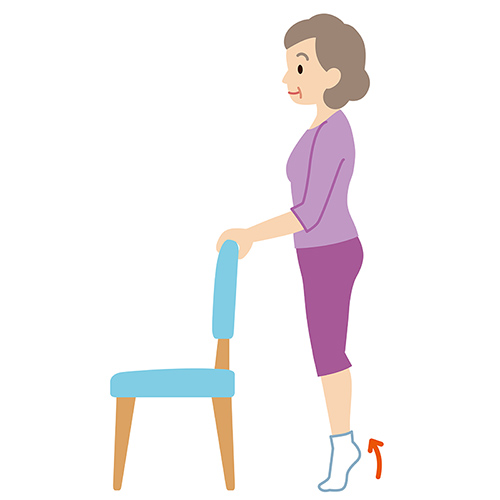
Toe Stands

Also known as calf raises, this exercise strengthens your calves and restores your balance. Stand tall and with your feet flat on the ground. Using the back of a chair (or another stable surface) for balance, rise onto your toes and settle back down. 

Stage 2 Exercises

Stage 2 exercises should be performed for 2 to 3 weeks before moving on to Stage 3. For each exercise, perform 2 sets of 10 repetitions with a 1-minute rest period in between sets. If you find yourself able to complete 10 repetitions easily, and with proper form, consider increasing the weight of the dumbbells or ankle weights for your next set

Bicep Curl

The biceps curl is a great strengthening exercise that also helps improve your grip strength. Using your lightest set of dumbbells, lift the weights by bending at the elbow and bring the dumbbells towards your shoulders. Your palms should be facing you. You may do this from a seated or standing position. 

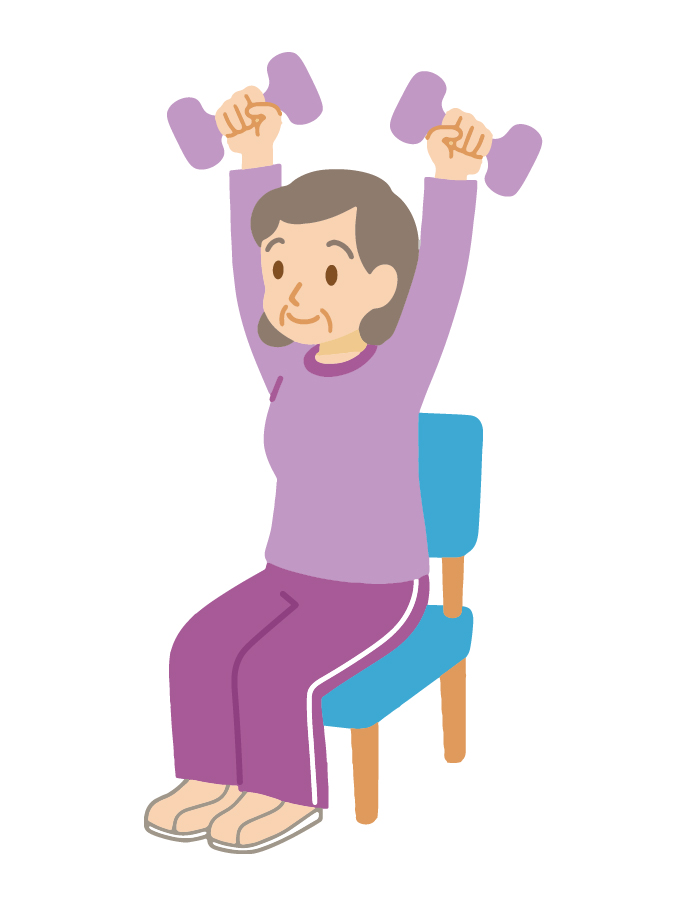
Overhead Press

This exercise works the muscles in your arms, upper back, and shoulders. It simplifies tasks like reaching for items in high locations. From a standing or seated position, hold a dumbbell in each hand and bring the weight up towards your shoulders (as though you just did a bicep curl). Rotate your wrists so that your palms face away from you. This is your starting position for the Overheard Press.  

With controlled movement, push the dumbbells up above your head until your arms reach full extension. Then return the dumbbells to your shoulders. Do not actually rest the weights on your shoulders.  

Side Hip Raise

The muscles in your hips, thighs, and glutes are putting in the work with this exercise. Not only can the Side Hip Raise shape your lower body, it can also strengthen your hip bones which are more vulnerable as you age. 

Using a stable surface for balance, stand with your feet slightly apart and your toes facing forward. You may have ankle weights added to increase the difficulty. Without locking your knees, lift your leg out to the side, pause for a moment, and lower your leg back to the floor.

Stage 3 Exercises

For each exercise, perform 2 sets of 10 repetitions with a 1 to 2-minute rest period in between sets. Again, if you find yourself able to easily and properly complete 10 repetitions, consider increasing the weight of the ankle weights. 

Knee Extension

The muscles along the front of your thigh are the target of this exercise. It helps strengthen weak knees. 

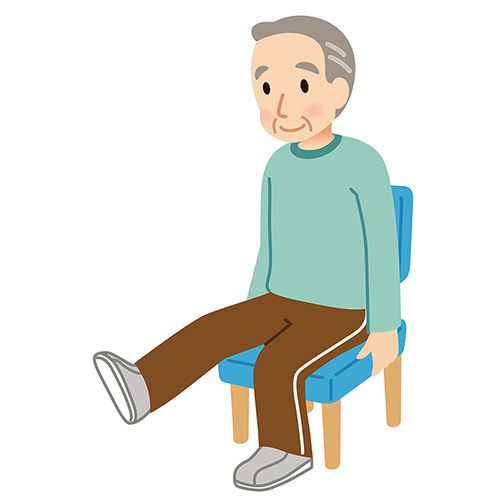
With your ankle weights fastened, sit all the way back in a sturdy chair with your toes pointing forward. Your feet should barely touch the ground. Flex one foot and extend your leg until your knee is straight. Then, lower your foot back to the ground. After you complete 1 set of 10, do a set with the other leg. Then start over to complete a second set for each leg. 

Knee Curl

If you strengthen the front of the muscle you should really strengthen the back as well. This exercise targets the hamstrings (the back of the upper leg) and pairing it with the knee extension can make walking and climbing stairs easier. 

With your ankle weights fastened, stand behind a stable surface for balance with your feet just less than shoulderwidth apart. Keep your foot flexed as you bring your heel towards your butt and pause for a moment before lowering it back to the ground. Do 1 set of 10 with each leg before starting on your second set. 

The Complete Guide

If these exercises were exactly what you’ve been needing, the complete Growing Stronger guide contains even more. Let us know in the comments below if you try it out! If you’re ready to step things up, come check out our Silver Sneakers program. In this group class, you’ll work on total-body conditioning in an instructor-guided setting where you can still go at your own pace.  

For more information on healthy living in older adulthood, read our registered dietitian’s answer to this question on Protein Advice for Seniors. Or, for a boost of motivation, read Paul and Karen’s success story who say the gym is like their fountain of youth! To access our monthly blog post highlights, subscribe to our newsletter, today! 

Sources 

  1. Seguin, Rebecca A., et al. “Strength Training for Older Adults: Growing Stronger.” Www.CDC.gov, Tufts University, 2002, www.cdc.gov/physicalactivity/downloads/growing_stronger.pdf. 

Vegan Foods to Increase Bone Density | QA

Vegan Foods to Increase Bone Density | QA

Question:

I would like to increase my bone density. Do you have any suggestions for me regarding the best vegan foods to eat?

Very respectfully,

– Brenda H.

Answer:

Congratulations on providing the first bone density inquiry to Living Healthy! Your answer follows. First, here’s a brief primer on bone mineralization for the rest of our audience: Bone is actually a living tissue with blood supply to the marrow and cells that are adding tissue (osteoblasts) while others remove it (osteoclasts). The main structural compound is hydroxyapatite, made from the minerals calcium and phosphorus. Bone also contains small amounts of magnesium, sodium and bicarbonate. Density refers to the mass of the bone mineral material in a certain volume. Peak bone mass occurs around age thirty years. Keeping bones strong and avoiding loss of the matrix helps to prevent a porous condition later in life called osteoporosis.  

How to Increase Bone Density 

Diet and physical activity are controllable lifestyle factors that account for 10–50% of bone mass and structure. Physical activity stresses the bone to adapt and strengthen. Maintaining an adequate weight allows optimal pressure from gravity against the ground. Not smoking and avoiding heavy alcohol use prevents mineral loss due to tobacco products and drinking. 

A well-balanced diet is important for bone health throughout the lifespan though notably significant are calcium and vitamin D. As mentioned previously, calcium is a major mineral component of bone structure while vitamin D assists in calcium absorption and utilization. The majority of the body’s phosphorus and magnesium are found in the skeleton. Other micronutrients that appear to play a positive role in bone health include vitamins B12, C and K, and minerals copper, manganese, zinc, potassium and iron. 

Vegan diets abundant in whole grains, legumes, fruits, vegetables, nuts and seeds that are not excessive in sodium or caffeine can promote optimal bone density, but may need to be supplemented in certain areas. The strongest plant sources of the aforementioned nutrients are dark green leafy vegetables, cabbage, broccoli, beans, mushrooms exposed to light, almonds, blackstrap molasses, okra, calcium-set tofu, fortified nut milks, nut butters, brown rice, dried figs, chia seeds, potatoes, citrus fruit, strawberries, tomatoes, dried coconut and cocoa. Supplements of vitamin B12 are advised for vegans since it is not found in plant foods. 

Sources: 

  1. Office of the Surgeon General (US). Bone Health and Osteoporosis: A Report of the Surgeon General. Rockville (MD): Office of the Surgeon General (US); 2004. 6, Determinants of Bone Health. Available from: https://www.ncbi.nlm.nih.gov/books/NBK45503/ 
  2. Sharon Palmer. Protecting Bone Health Among Vegans. Today’s Dietitian, February 2016; 18 (2): 24. https://www.todaysdietitian.com/newarchives/0216p24.shtml Accessed 11/22/2019 

– Debbie J., MS, RD

This article should not replace any exercise program or restrictions, any dietary supplements or restrictions, or any other medical recommendations from your primary care physician. Before starting any exercise program or diet, make sure it is approved by your doctor.

Some questions have been edited for length and/or clarity.

Ask our Dietitian

Have a nutrition question? Our registered dietitian is ready to help!

Email nutrition@lafitness.com or submit your question below and it may be featured in an upcoming article!

12 + 6 =


Recommended Reading - Q+A

A Guide for the First Time Gym-Goer

A Guide for the First Time Gym-Goer

In the coming weeks, people everywhere will take the first steps towards their new commitments. Whether it’s a commitment to acts of kindness, to visit your parents more, to do your laundry every week, or to take better care of your health, the start of a new year acts as a perceptible starting point.

It’s kind of like the most celebrated Monday of the year. “I’ll start Monday” simply becomes “In the new year, I will…” Except there is usually a lot more motivation in the new year because you are not alone. Everyone else is talking about their own goals and the energy can be contagious.

For many, hitting the gym is on the resolution list. If you’re doing so for the first time ever or getting back to the gym after a long time away, this guide is for you. We’ll tackle some real concerns like “It’s going to be too crowded,” “I don’t want to be judged,” “I don’t know how to use the equipment,” and “I don’t want to get sucked into a sales pitch.”

We understand. This is your personal guide for how to navigate your first visit to the gym.

What to Expect

At the Front Desk

When you first walk into your local LA Fitness, this is what you can expect:

If you already have a membership, simply check-in at the front desk using your mobile app. They will scan your digital Member ID for you, and you can proceed inside.

If you don’t have a membership, you can visit our website here to sign up for a Complimentary 5-Day Pass. You will need to provide your name, email address, phone number, and zip code, and will need to sign a waiver. Your Complimentary Pass will then be emailed to you.

Your first visit activates your free pass and it will stay active for 5 consecutive days. Be sure to check out this list of Gym Bag Essentials so you are prepared for your workout.

Once You’ve Been Checked In

If you check-in with a Membership, you may not be asked if you would like a tour because it’s likely you’ve already had one. If you need a refresher, feel free to ask! Then, head down to the locker room to pack your items in a locker (don’t forget your padlock) and get ready to workout.

If you check-in with a Complimentary Pass, you’re in good hands. You will be taken care of by a member of our team who will give you a tour of the facility and chat with you about your fitness goals. Yes, you may be asked if you’d like to sign up for a membership, but there is no obligation to do so. You can simply decline and choose to stick to your Complimentary Pass. Once you’re done with that, you’re free to head in and enjoy your workout!

The General Layout

Each LA Fitness location has the same general layout, but according to the size and structure of the building, the equipment may be located in different areas. One thing you can always expect to be the same, is that the equipment is grouped by type. The cardio equipment (the treadmills, ellipticals, etc.), the weight training equipment (bench press, shoulder press, etc.), will always be grouped together.

If your club has a pool, it will usually be located by the locker rooms. This makes getting to the showers a lot more direct.

If your club has a juice bar, it’s usually located near the entrance. This makes grabbing your pre- or post-workout shake easy and accessible.

The Kids Club is also typically located near the entrance.

But I’m Intimidated

It can be easy to let your mind run off with worries about what other people see in your workout. Are they judging you for your routine or for how much or how little time you spend on a machine? Are they impatiently waiting on you to figure out a machine they already know how to use and are waiting for?

Every single person in that gym was once a “first-time gym goer.” No one has ever walked into a brand-new environment and instantly understood everything about it. Bear that in mind and let the fear that someone is watching you melt away. This is your space too.

But I Won’t Know What to Do Once I’m There

All the options can be overwhelming. Narrow things down by choosing which muscle group you’d like to work on and then finding the workout space that will help you meet that need. Take a look at some of these articles for help deciding on some workouts:

  1. For Sculpted Shoulders
  2. For Strong Legs and Glutes
  3. For a Defined Chest: Part 1 and Part 2
  4. For A Shredded Six Pack
  5. Top 10 Most Popular Exercises and How to Do Them Properly

You can also browse through our LA Fitness YouTube Channel to watch how-to videos and get a better feel for what the gym offers.

Quick Tips

  1. Work out one muscle group to start. Don’t do a full body workout on your first ever gym day or the resulting soreness will be a huge deterrent.
  2. Go at a comfortable pace. We promise, no one is watching you. You don’t need to “blend in” by working at a pace or level that isn’t right for you.
  3. Weight train before cardio. Trust us, you don’t want to try lifting weights over your head when your body is already tired from your cardio. You can warm up with light cardio but save the intense stuff for the end.

Don’t Forget That People are a Resource Too

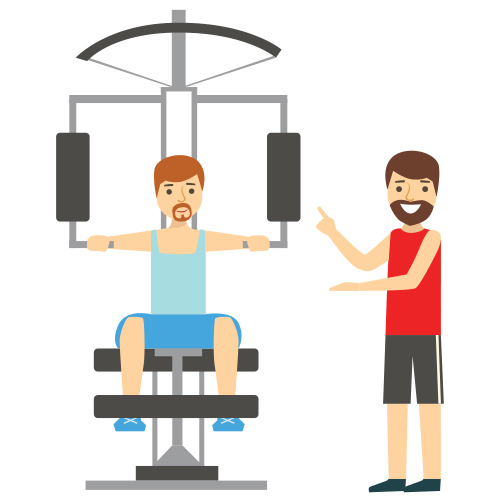
Go with a friend who can show you the ropes or ask any of our Pro Results® Personal Trainers how to use the machine you want to work on. If they are not currently in a training session with someone, they will be glad to assist!

You can also ask someone on a machine nearby. Not everyone is actively working out at the same time. Some will be taking a brief rest period in between sets. Some are just arriving to set themselves up on a piece of equipment. Others are moving on from one machine to the next. There tends to be at least one available person who can help answer your question. However, try not to ask someone who will need to stop mid-workout to help you.

But the Gym Will Be Crowded

“I’ll stick to the treadmill. It’s familiar and at least I know how to use it.” That’s exactly what everyone else thought. So, the cardio section is probably going to be the most crowded area in the gym.

It’s also this kind of thinking that will get you stuck. Adhering to the familiar means you’re more likely to get bored, and more likely to miss out on everything else the gym makes available to you. Take advantage of your access to a fully stocked gym!

Lastly, Some Thoughts on Gym Etiquette:

Just like there are Do’s and Don’ts in nearly every public space, there are Do’s and Don’ts at the gym. Here are a few:

Do wipe down equipment if your workout left it sweaty.

Don’t ignore time limits especially during peak hours. Signs are usually posted asking guests to limit their usage of certain machines when others are waiting.

Do allow others to “work-in” (to share the equipment with you) if you plan to take long breaks between your sets. Don’t feel obligated to say yes. It’s nice if you are able to share the space, but if you don’t want to share someone else’s sweat, you don’t have to. Decline politely and let them know approximately how much time you still need.

Do communicate your interest in a machine that you’re waiting for. Doing so kindly lets the current user know that someone is waiting. Don’t hover over the person or make them feel rushed.

Do return movable gym equipment (like free weights and resistance bands) so others may easily find and use them. Don’t use movable equipment in walkways or in front of doors where you may risk your safety or someone else’s.

Any new environment can be a little bit intimidating, but don’t let that keep you from using the resources you have available to you. For more helpful information and to access our monthly blog post highlights, subscribe to our newsletter. See you in the gym!

It’s an Acquired Taste – How to Love the Taste of Health Foods

It’s an Acquired Taste – How to Love the Taste of Health Foods

As children, we don’t have much choice in the foods we are provided and the habits we are taught to cultivate. This is why changing our diet is so difficult; you have to retrain your taste buds. Fortunately, this is completely doable, even if it’s a bit difficult.  

We’re taking things step-by-step to help you transition to a healthier style of eating. Read on for your complete guide on how to love the taste of health foods!

Your Step-by-Step Guide 

01.

Decide on which changes you’d like to start with

Before you can build new habits, you need to look at your current eating patterns. Make a food log and, over the course of a week, write down everything you eat and when you eat it. If you like, color-code your information so you know which foods were meals, which were snacks, and maybe even which ones you ate when you knew you weren’t hungry.  

02.

Pick out certain foods, maybe just one or two at first, and decide to replace them with a healthier alternative  

The reason we’re going through this step first is because we’re planning on introducing new foods. To avoid adding additional calories to your day, it’s probably a good idea to replace calories that you would have typically eaten anyway. 

03.

Decide on the health foods you want to learn to love

There are a lot of options here and many of them are shunned for their acidic, bitter, pungent, or seemingly tasteless profiles. Examples include: Lemon, vinegar, kale, spinach, arugula, quinoa, plain yogurt, and fatty fish. 

04.

Start chipping away at your aversion

Instead of forcing yourself through a plateful of kale, start training your taste buds to like the type of flavors in your chosen foods. For example, introduce more sour, bitter, and umami flavors into your diet. If you’re unfamiliar with umami, it’s the distinct taste you can find in foods like seaweed, miso, salmon, and hard cheeses like parmesan.1 

How to Like Sour Foods


Start adding sour foods that you do enjoy to your diet. 

If you want to eventually enjoy vinaigrette on your salad but you don’t like the acidity and sourness of it, regularly eating sour foods that you do like can build your tolerance for sour flavors. Here is a list of nutritious sour foods: 2,3  


  1. Grapefruit 
  2. Oranges 
  3. Kumquats 
  4. Kiwi 
  5. Strawberries 
  6. Green grapes 
  7. Green apples 
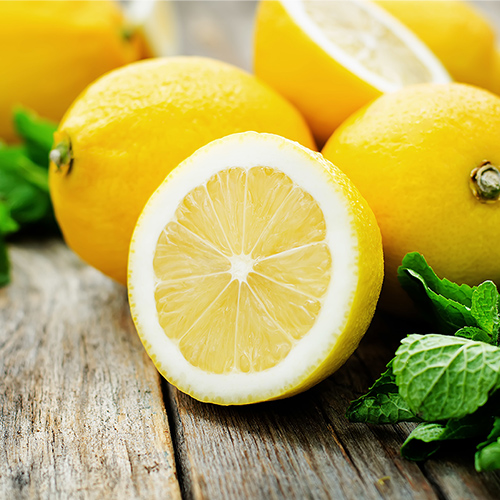
  8. Lemon 
  9. Lime 
  10. Tamarind 
  11. Kefir 
  12. Plain Yogurt 
  13. Tomatoes 
  14. Vinegar  

How to Like Bitter Foods


Following the same principle as before, start incorporating bitter flavors that you do enjoy. 

Here is a list of nutritious bitter foods.3,4 Choose one you’re comfortable with and slowly push the boundaries of what you’d normally eat until you arrive at a tolerance (and hopefully enjoyment) for the level of bitterness you want to achieve. 

  1. Arugula 
  2. Broccoli 
  3. Cauliflower 
  4. Cabbage 
  5. Watercress 
  6. Bok choy 
  7. Bitter Melon 
  8. Brussels sprouts 
  9. Kale 
  10. Radishes 
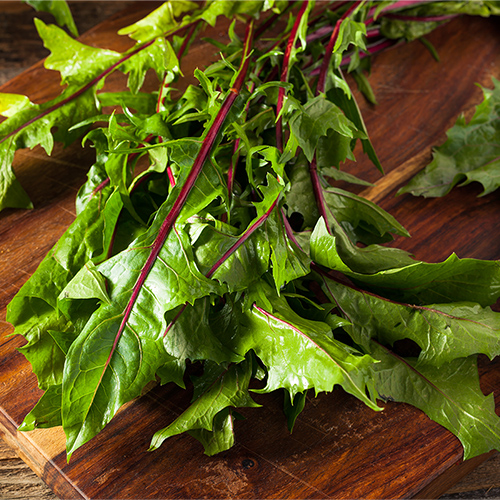
  11. Dandelion greens 
  12. Citrus Peel 
  13. Green Tea 
  14. Dark chocolate 

How to Like Umami Foods


 Start Incorporating umami flavors 

The umami flavor comes from a compound extracted from dry kelp.3 It is this flavor, and others like it, that have the savory taste you’ll find in many Oriental dishes. Here is a list of nutritious umami foods5 that you can add to your diet. 


  1. Seaweed 
  2. Soybeans 
  3. Tofu 
  4. Miso 
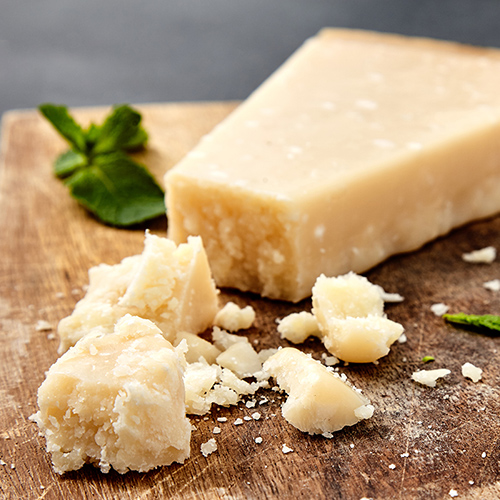
  5. Parmigiano Reggiano 
  6. Cheddar 
  7. Gouda 
  8. Kimchi 
  9. Sardines 
  10. Tuna 
  11. Yellowtail 
  12. Cod 
  13. Shrimp 
  14. Scallops 
  15. Anchovies 
  16. Mushrooms 

Don’t Cut it Out, Change the Recipe

Another tactic is to learn to make your favorite dishes in ways that are healthier. Slowly substitute an ingredient or two, each time you make it, until you’ve crafted a healthier version of the same recipe! Here are some substitutions, straight from the Mayo Clinic, for commonly used recipe ingredients. For the full list, visit their post on Healthy recipes: A guide to ingredient substitutions. 


Original Ingredient 

Substitution 

Breadcrumbs 

Rolled Oats/Crushed Bran Cereal 

Butter/Margarine/Shortening/Oil 

Applesauce/Prune Puree 

White Rice 

Brown Rice/Bulgur/Pearl Barley/Wild Rice 

Whole Milk 

Reduced Fat Milk/Fat Free Milk 

Ground Beef 

Lean Ground Beef/Ground Chicken/Ground Turkey 


Food is Fuel

Ultimately, you have to change your mind-set before you can change your taste buds. Food is what fuels your body. The more nutritious that fuel is, the better your body will feel and the more easily it can process what you put in. Gradually learning to enjoy flavors found in health foods is the key. So, take it slow, and work your way to a more nutritious lifestyle. 

For help creating a meal plan, read our registered dietitian’s post on How to Create a Meal Plan. If you need help catering to picky kids and teens, read her post on How to Get Your Kids to Eat Right. To access our monthly blog post highlights, subscribe to our newsletter today! 

Sources 

  1. MasterClass. “What Is Umami? Learn About Umami and How to Incorporate Umami Flavors in Your Cooking – 2019.” MasterClass, MasterClass, 2 July 2019, www.masterclass.com/articles/what-is-umami-learn-about-umami-and-how-to-incorporate-umami-flavors-in-your-cooking#what-foods-are-good-example-of-umami. 
  2. Reino, Nicole. “11 Sour Foods That Boost Endurance and Power.” ACTIVE.com, Active.com, 27 Oct. 2016, www.active.com/nutrition/articles/11-sour-foods-that-boost-endurance-and-power. 
  3. Roper, Stephen D. “Signal Transduction and Information Processing in Mammalian Taste Buds.” SpringerLink, Springer-Verlag, 28 Apr. 2007, link.springer.com/article/10.1007/s00424-007-0247-x. 
  4. Julson, Erica. “9 Bitter Foods That Are Good for You.” Healthline, 3 Sept. 2018, www.healthline.com/nutrition/bitter-foods. 
  5. Raman, Ryan. “16 Healthy Foods Packed with Umami Flavor.” Healthline, 21 Jan. 2019, www.healthline.com/nutrition/umami-foods. 
  6. Mayo Clinic Staff. “Your Guide to Healthy Ingredient Substitutions.” Mayo Clinic, Mayo Foundation for Medical Education and Research, 16 Oct. 2019, www.mayoclinic.org/healthy-lifestyle/nutrition-and-healthy-eating/in-depth/healthy-recipes/art-20047195.