How do I Incorporate Healthy Whole Grains into my Diet?

How do I Incorporate Healthy Whole Grains into my Diet?

Do you incorporate whole grains into your diet?

Try adding some healthy alternatives to grains in your eating habits, and get some ideas below!


Question:

Hi my name is Rita. So far I’ve lost about 30 lbs but I feel like it’s been luck. My goal is to lose just under 200 lbs total putting me around 150. I’m realistic I know it’s going to take a lot of time. The problem is I don’t want to just go on a diet, I want to change how I eat forever. I’ve pretty much been on a strict protein and veggies diet, but I keep hearing so much about whole grains. So my questions are how important are whole grains? And, how can I incorporate whole grains into my diet without adding a ton of carbs and sugar?

-Sharita B.

Answer:

I’m glad you’re responding to what you’ve heard about whole grains and are looking to round-out your diet. Grains are the seeds of grasses and have been consumed by populations across the globe for thousands of years.  The benefits from whole grains include gut health, stabilized blood sugar levels, increased satisfaction/reduced appetite, and grains contain several vitamins and minerals. Grains are an excellent source of manganese, a good source of magnesium and phosphorus, and many are good sources of iron, copper, thiamin (vitamin B1), and selenium. Others contain iron, niacin, and vitamin B6 in good quantities.

Sure, you could get those micro-nutrients from other food sources but would likely need to eat potatoes, fruit, taro and beans to get sufficient carbohydrates, as most people simply can’t eat enough vegetables to sustain themselves.

grain-1

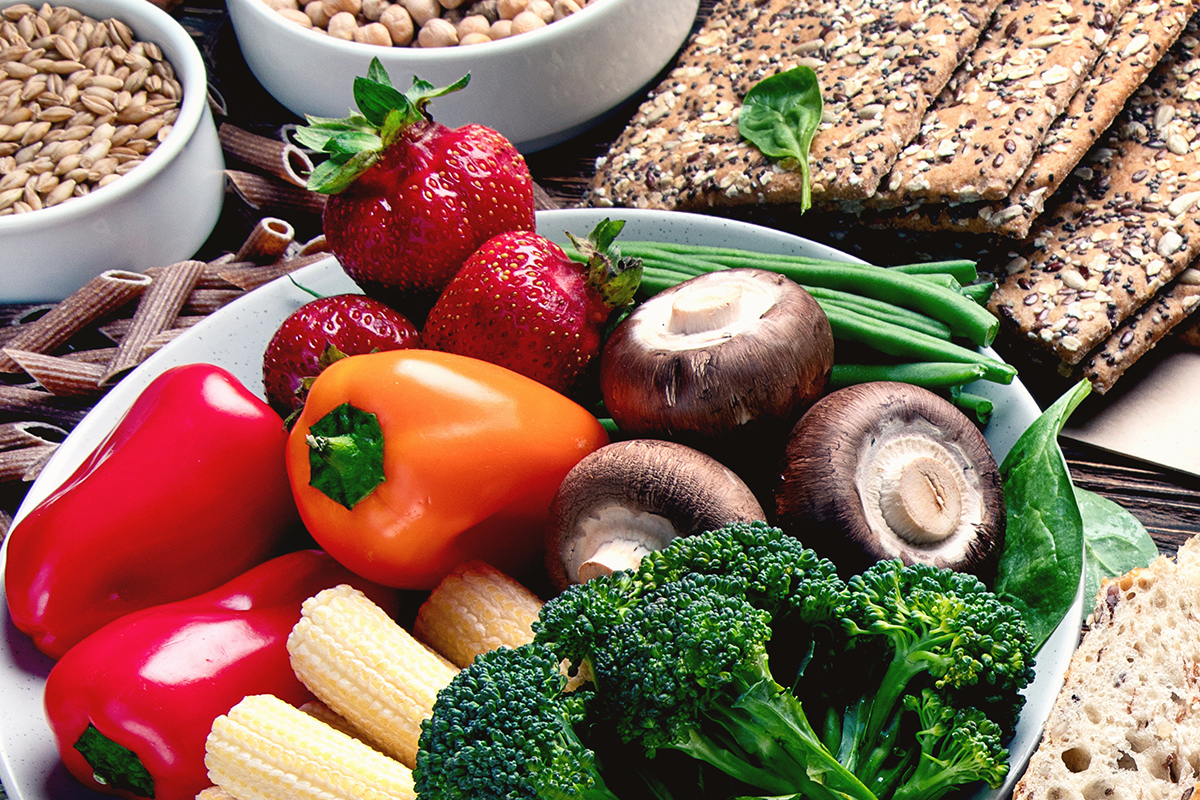
Unlike fruit and many vegetables, one does not pick grains (also called kernels) off the plant and start chewing. First the protective husk must be removed, then the grains must be cooked, which reduces their phytic acid, protease inhibitor and lectin content… meaning you get less of those compounds, gain digestibility and absorb their nutrients better. So, what constitutes a whole grain? Whole grains contain all 3 edible parts (bran, endosperm and germ) of a kernel and include the following: amaranth, barley, buckwheat, corn (including popcorn), millet, oats, quinoa, rice, rye, sorghum, teff, triticale, wheat (including bulgur, cracked wheat and wheat berries).  That means eating them whole, not processed. So NO pastas, couscous, orzo, breads, rolls, tortillas, muffins, crackers, chips, etc. Sprouted whole grain breads contain enzymes and are devoid of refined grain flour, so perhaps you might include those.

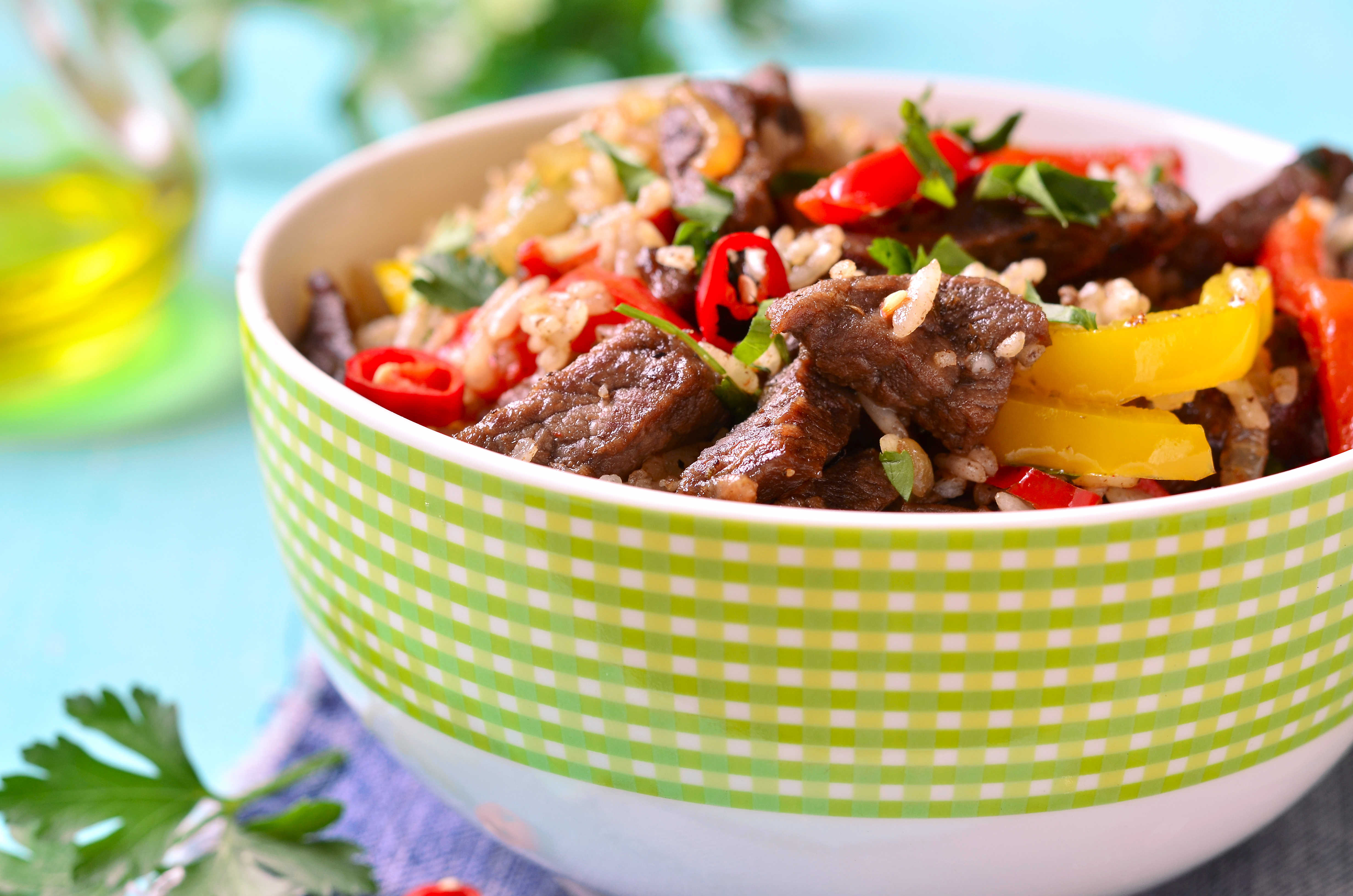
To incorporate whole grains into your diet, consider a small hot bowl of steel cut oats or wheat Meat ragout with bell pepper and fried rice.berries at breakfast, sprinkling some quinoa on your salads, adding barley or rye into your mixed vegetables and soups, or use farrow as a side dish seasoned with garlic & herbs. Corn can be added to salsa. Grains like rice can replace pasta in some dishes, as with a ragout (pictured).  Don’t forget about munching on popcorn as a snack!
– Debbie J., MS, RD

This article should not replace any exercise program or restrictions, any dietary supplements or restrictions, or any other medical recommendations from your primary care physician. Before starting any exercise program or diet, make sure it is approved by your doctor.


Suggested Articles

Ask our Dietitian

QA_icon

Have a nutrition question? Our registered dietitian is ready to help!

Email nutrition@lafitness.com or submit your question below and it may be featured in an upcoming article!

15 + 6 =

LA Fitness Living Healthy subscribe button

Want more? SUBSCRIBE to receive the latest Living Healthy articles right in your inbox!

Should I Be Eating Breakfast in the Morning?

Should I Be Eating Breakfast in the Morning?

Should you eat breakfast every morning?

Eggs and a biscuit or cereal and yogurt? Find out what the best breakfast routine is for your specific needs.


Question:

I find it easier to meet my calorie goal if I skip breakfast. My research into whether breakfast is actually important or not has led me to a lot of articles about intermittent fasting – will it be good for my weight loss goals, or hinder me?  As a side note, when I tried frequent eating (3 small meals with 2 snacks) I gained 5 lbs in a couple weeks. “Stoking” my metabolism definitely did not work for me.   5’4″ 150 lbs aiming for 125 lbs

-Angela F.


Answer:

You can adjust the traditional timing of meals to suit your schedule and appetite while meeting a calorie goal. Research supporting the benefits of a balanced breakfast shows an overwhelming positive result for health and mental functioning.* Yet for weight loss, it depends on the rest of the day’s intake. Making up for lost calories by over-consuming later doesn’t decrease overall energy intake. Another consideration is that some people just don’t feel good eating after rising in the morning and need to wait a couple of hours.

Good Morning

That said, you specifically asked about intermittent fasting. Many people have found a benefit to intermittent fasting for weight control. As an alternative to continuous caloric restriction (dieting), intermittent fasting allows an individual to rotate between periods of fasting and non-fasting. While the overall effect may be an equal decrease in total energy consumption, intermittent fasting may have a stronger benefit toward health and longevity.  Yet for weight loss, the results are about the same.

Those who are not successful at dieting’s “moderation,” mild restriction, or reduced portions may fare better with an on-off eating style temporarily. Rebound over-eating later (as the body attempts to fill an energy deficit) is a common obstacle. That’s a major reason why cycles like these fail.  Weight loss is only successful if regular healthy meals and beverages are consumed on non-fasting days. Behavior change is critical to long-term success.

– Debbie J., MS, RD

You should always contact your primary care physician before beginning any diet or exercise program. If you have blood sugar problems, you should monitor your glucose closely and adjust your intake!  Your doctor may need to modify your medication as well.  Also to note:  if you’re pregnant, breastfeeding, have chronic stress or cortisol dysregulation then you are better off avoiding fasting.


References

*The benefits of breakfast cereal consumption: a systematic review of the evidence base. Williams PG. Advances in Nutrition 2014 Sep 15;5(5):636S-673S.  doi: 10.3945/an.114.006247

The effect of breakfast composition and energy contribution on cognitive and academic performance: a systematic review. Edefonti V, et al. American Journal of Clinical Nutrition 2014 Aug;100(2):626-56.   doi: 10.3945/ajcn.114.083683.

Suggested Articles

Ask our Dietitian

QA_icon

Have a nutrition question? Our registered dietitian is ready to help!

Email nutrition@lafitness.com or submit your question below and it may be featured in an upcoming article!

7 + 6 =

LA Fitness Living Healthy subscribe button

Want more? SUBSCRIBE to receive the latest Living Healthy articles right in your inbox!

Busting Sugar Myths | Fact or Fiction

Busting Sugar Myths | Fact or Fiction

Fact or Fiction?

There are lots of myths about sugar out there, which of them are fact and which are fiction? Find out what our registered dietitian has to say!

This article was contributed by Debbie J., MS, RD

What is Fact and what is fiction?

How do you know what is fact or fiction? There are many myths out in the world that provide readers just like yourself with false information. Luckily for you, we are here to help crack those myths specifically about sugar. Is all sugar bad? Does sugar cause diabetes? Find out more of what is fact and what is fiction about sugar.

FICTION: Sugar causes diabetes in adults.

The reality is that type 2 diabetes occurs mostly in genetically predisposed individuals who are overweight, consume excess calories (from all sources), and lack exercise. One food type is linked to a greater risk of developing type 2 diabetes: sugar-sweetened beverages. Sugars, both natural and added, are ‘simple’ carbohydrates with a 1 or 2-unit basic structure that the body easily digests. Carbohydrates that are ‘complex’ are made up of many strands of the same units. Although starches often don’t taste sweet, they break down during digestion and enter the bloodstream as sugar. One does not need to eat an excess of sugar to have high blood sugar or over-consume calories.

FACT: Sugar has the same number of calories, no matter the source.

Gram for gram, sugar units provide the same energy potential: 4 calories per gram — regardless of the specific molecule: sucrose (table sugar), fructose (fruit sugar), lactose (milk sugar), galactose, maltose, etc. When looking at the form of sugar, say a teaspoon of table sugar versus a teaspoon of honey, the sugar content will vary only slightly (4 grams & 5 grams, respectively) because of the difference in each source’s structure, air, and moisture, but the calories per gram of sugar units remain the same.

FICTION (MOSTLY): If sugar is added from a natural source it’s fine.

It really depends on the quantity and amount of processing. An all-natural candy bar with molasses, caramel, and honey can still contain a whopping 25 grams of sugar, none of which provide significant nutrients. They are considered “empty calories,” as the sugars are generally concentrated or extracted without their related nutrients. It’s the sugar’s whole source, as in the milk or the fruit, which provides nutrients and makes the sugars they contain justifiable.

Food for Thought

Fructose (fruit sugar) in a sports drink as sweetener is still an added sugar and provides only calories. Why would that be fine? A competitive athlete might need the calories without the fruit source’s solids or gut-irritating acid. Maybe he/she will drink more of a flavored beverage than plain water, improving his/her hydration.

subscribe-button

Want to hear more? Subscribe to get Living Healthy right to your inbox!

FICTION: I don’t eat sweets of any kind so I can’t consume too much sugar.

Passing by every dessert known to man could still enable you to consume too much sugar from hidden sources such as salad dressings, dips, marinades, sauces, beverages, spreads, and bakery products (breads, rolls, crackers), as well as large or multiple servings of fruit and milk products. Imagine a day’s intake of flavored instant oatmeal, fruit, milk, mocha coffee, protein bar, salad, chicken tenders w/honey mustard dressing, fruit smoothie, teriyaki beef bowl, and flavored yogurt. In this example, one could still eat more than ¼ of their carbohydrates as sugar and over the recommended 10% of calories from added sugars.

FACT: Some sugar in the diet is okay.

After nutritional needs are met from wholesome low-calorie foods, the remaining food items to meet energy demands can be from discretionary fat, sugar or alcohol sources. The base of the diet (along with whole grains, lean proteins and plant fats) should generally contain fruits, vegetables and milk products, which then will provide natural sugars along with the nutrients found in those foods, such as Vitamins A and C, protein, fiber, calcium, magnesium, phosphorus and potassium. Besides, what fun is a birthday party without cake?

Suggested Articles

Sources:

How Can I Realistically Count Calories for Weight Loss?

How Can I Realistically Count Calories for Weight Loss?

Question:

How can I realistically count calories for weight loss?

Hello, My name is Ani, I am a member of L.A. Fitness. I’ve decided to lose weight, I need realistic guidelines from you.  I am 59 years old, Height 5′ 4″, Weight 139 lbs.  Goal: go down to 133 lbs by Dec. 27, 2016 Plan?  To lose 6 lbs in 3 months, how many calories may I ingest per day, and how many calories should I burn per day?  I have not counted calories before; would you have an easy way to count calories?

-Ani K.


Answer:

Ani, as you are not currently counting calories and do not know how much you are consuming, I would first suggest that you determine your current intake.  Use a diet analysis software with a broad range of foods (30K+) based on the USDA National Nutrient Database for Standard Reference* to average at least 3 typical days of your diet – everything you eat and drink, including condiments.

An estimated range of calorie needs to promote weight loss in females based on calculations using your age, height and weight is 1200 to 1600 calories per day.  The actual amount you need depends on your activity level and individual metabolism.  For effective weight loss, your intake should be about 500 calories less than your expenditures per day.  If you increase your activity by 200 calories and trim 300 calories off your intake daily, you’d create the desired 500 calorie deficit.

I wish there was an easy way to accurately count calories!  A simple bean and cheese burrito could be a 300 calorie frozen item or a whopping 800 calorie restaurant half-pounder.  If you could break combination foods down to their base components and approximate the portion of each, you can add up each ingredient using a diet analysis program based on the USDA Food Composition Database.  For example, doing so might provide this information: 10” flour tortilla (211 cals) + ¼ C shredded Colby Jack cheese (108 cals) + ½ C. refried beans in oil (182 cals) = 501 calories.

*as of the writing of this post, the newest version is Release 28.

– Debbie J., MS, RD

This article should not replace any exercise program or restrictions, any dietary supplements or restrictions, or any other medical recommendations from your primary care physician. Before starting any exercise program or diet, make sure it is approved by your doctor.


Suggested Articles

Ask our Dietitian

QA_icon

Have a nutrition question? Our registered dietitian is ready to help!

Email nutrition@lafitness.com or submit your question below and it may be featured in an upcoming article!

14 + 14 =

LA Fitness Living Healthy subscribe button

Want more? SUBSCRIBE to receive the latest Living Healthy articles right in your inbox!
How Can I Manage My Weight Effectively?

How Can I Manage My Weight Effectively?


Question:

Hello!  As I was working out I heard you were soliciting nutrition questions, so decided to throw one your way.  I have been trying to come up with a workable nutrition plan to complement my workout.  I lift weights several times a week and would like help calculating macros to help the muscle growth.

I weigh about 190-195 lbs, 6ft 2 in. tall. Any advice would be greatly appreciated. Especially if you can convert the grams into portions of real food, e.g. 1 medium size fruit/potato, etc., 1 chicken breast/piece of fish, etc.

Sincerely, Alexander Gurfinkel.


Answer:

Depending on your age, you may need 2800-3000 calories for muscle growth.  Protein should be about 1.8 grams per kilogram of body weight, or 158 grams per day.

Here are the basics on protein content of foods:

Meats, Poultry & Fish- 21 grams per 3 ounces (size of a deck of cards, chicken thigh)

  • Jerky- 7 grams per large piece
  • Beans- 8 grams per ½ cup (size of tennis ball)
  • Hummus- 4-5 grams per ¼ cup (size of ½ tennis ball)
  • Nuts- 6-7 grams per ¼ cup (palmful)
  • Cow’s Milk- 8 grams per 8 fluid ounces (cup or 1/2 pint)
  • *soymilk about 6-8 grams; almond or rice milk 1 gram per cup
  • Greek Yogurt- 15 grams per 6 ounce container
  • Cheese- 6-8 grams per ounce (thick slice or string cheese)
  • Eggs- 7 grams each, 3 grams per white only
  • Oatmeal- 6 grams per cup cooked (size of baseball)
  • Starches- 3 grams per ounce (slice bread or 6” tortilla,½ cup cooked pasta/rice, or small 2”potato)
  • Cold cereal- varies based on density – read the labels to determine
  • Vegetables- 2-3 grams per ½ cup serving, 1 cup cooked, or 1 cup raw leafy greens Fruit  0-1 gram
  • pure Fats/Oils 0  grams *other condiments minimal

As I’ve no idea what your style of eating or food preparation is, I’ll give you a sample 3000 calorie day that provides 158 grams of protein using mixed dishes that don’t easily break down into the above separate portions.

  • 3-egg omelet with peppers, onion and tomato
  • Banana with tablespoon peanut butter
  • Chicken, rice and cheese burrito (restaurant size)
  • Small side of chili beans
  • Orange
  • Lasagna with meat (¼ casserole dish)
  • Bag of microwave popcorn
  • Small glass of nonfat milk

– Debbie J., MS, RD


This article should not replace any exercise program or restrictions, any dietary supplements or restrictions, or any other medical recommendations from your primary care physician. Before starting any exercise program or diet, make sure it is approved by your doctor.

Suggested Articles

Stamping Out Stigma – Mental Health

Stamping Out Stigma – Mental Health

October 6th – 12th is Mental Illness Awareness Week. Today, we’re breaking down the finer details of mental health to encourage understanding and help chip away at the stigma.

Ask our Dietitian

QA_icon

Have a nutrition question? Our registered dietitian is ready to help!

Email nutrition@lafitness.com or submit your question below and it may be featured in an upcoming article!

13 + 5 =

LA Fitness Living Healthy subscribe button

Want more? SUBSCRIBE to receive the latest Living Healthy articles right in your inbox!