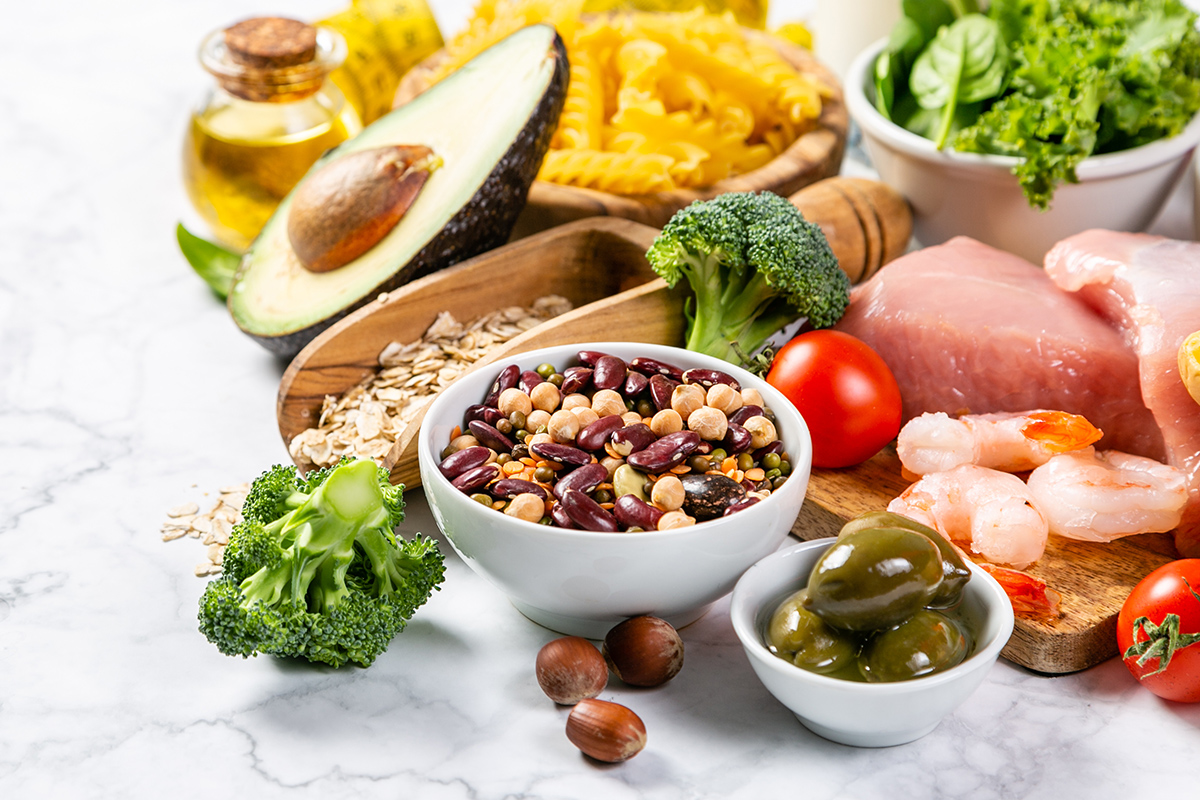
What do Macro and Micronutrients Have to do with Weight Loss?

What do Macro and Micronutrients Have to do with Weight Loss?

Question:

So I wanted to know what are macro and micro nutrients and what do they have to do with weigh loss?

-Irving B. 


Answer:

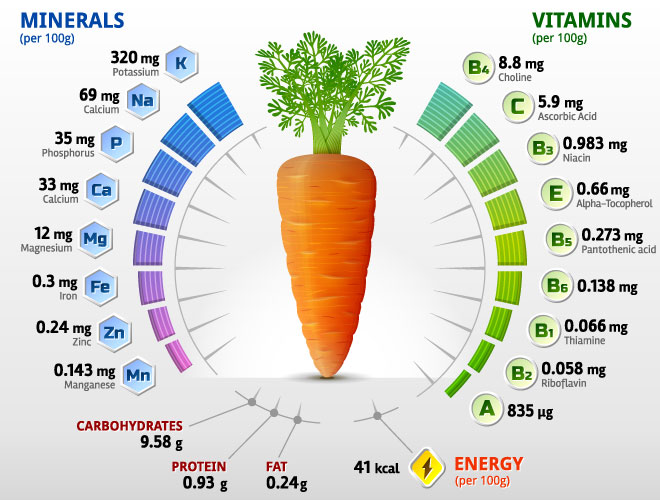
Great question, Irving! Nutrients are the compounds in food that are vital to human life.  Macronutrients are nutrients that are needed in quantities greater than a gram – carbohydrate, protein, fat and water. Micronutrients are nutrients that we need in much smaller milligram or microgram quantities – vitamins and minerals.

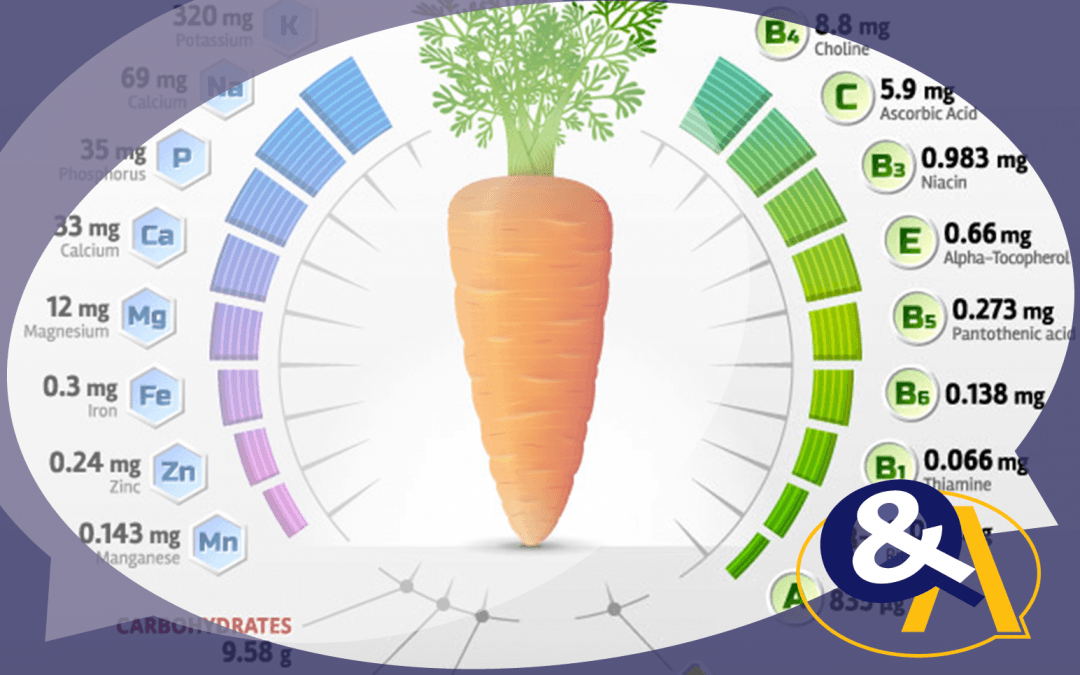
micronutrients

It happens that the macronutrients, except water, contain carbon atoms and therefore can provide us energy through our cellular breakdown of these carbon bonds. This energy fuels our nervous system, organs and muscles and can contribute to body fat stores. Water takes part in metabolic reactions and helps cells’ efficiency.  The micronutrients have many functions, several of which are to support metabolism – the body’s chemical processes — including the ability to make energy from food. So to get the most from macronutrients, the proper amount of micronutrients are required.

Weight loss occurs when the body burns more calories than it uptakes into cells after digestion and absorption. Too much energy from carbohydrate, fat, and protein combined can lead to weight gain. Insufficient vitamins and minerals compound the problem, but are unlikely to cause weight gain directly.

– Debbie J., MS, RD

This article should not replace any exercise program or restrictions, any dietary supplements or restrictions, or any other medical recommendations from your primary care physician. Before starting any exercise program or diet, make sure it is approved by your doctor.

Suggested Articles

How to Manage Autumn Allergens at Home

How to Manage Autumn Allergens at Home

Autumn brings a stirring of cool wind, fallen leaves, and a host of new allergens to battle. You can manage these home-invading allergens with some very easy-to-implement measures.
Ask our Dietitian

QA_icon

Have a nutrition question? Our registered dietitian is ready to help!

Email nutrition@lafitness.com or submit your question below and it may be featured in an upcoming article!

12 + 14 =

LA Fitness Living Healthy subscribe button

Want more? SUBSCRIBE to receive the latest Living Healthy articles right in your inbox!

What’s the Best Way to Eat Healthy With Little Prep Work?

What’s the Best Way to Eat Healthy With Little Prep Work?

Question:

Do you recommend any meal replacement shakes, like invigor8?  How about any home meal delivery services?  I’m trying to reduce shopping time and prepping time since I work 11 hours a day and have an 11 month old.

-Angie A. 


Answer:

Meal replacement shakes work great as an emergency backup for on-the-go or last minute meal alternatives. Look for ones with 10-15 grams protein, 5-10 grams fat, and 20-30 grams carbohydrate (no more than half sugar) that provide at least 200 calories. Plan on a snack such as peanut butter and celery for more fiber and solids to keep you full longer.

shake

Home meal delivery services are a wonder for those that can afford them.  Most have a heart-healthy or calorie-controlled option. Perhaps a dinner-only delivery twice a week in the ‘family’ quantity will guarantee enough leftovers to reheat so that you’d only need to worry about weekend dinners. For quick lunches, a cold vegetable/pasta/protein dish from the service deli counter at your grocer might fit the bill. Consider, too, utilizing frozen skillet meals for two that can be enhanced with fresh ingredients on hand — only one pan to clean!

– Debbie J., MS, RD

This article should not replace any exercise program or restrictions, any dietary supplements or restrictions, or any other medical recommendations from your primary care physician. Before starting any exercise program or diet, make sure it is approved by your doctor.

Suggested Articles
Fruits and Veggies – Part 1 – Podcast Ep. 31

Fruits and Veggies – Part 1 – Podcast Ep. 31

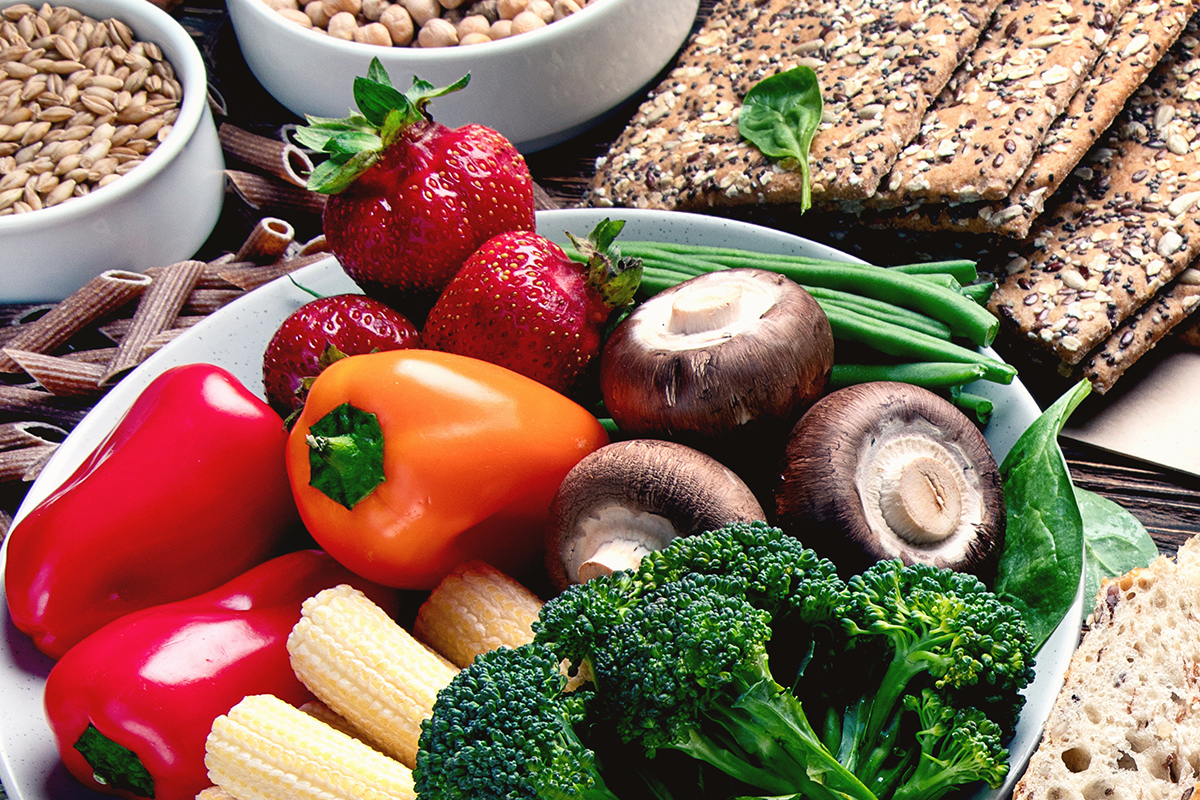
On this episode of the Living Healthy Podcast, Debbie James, RDN, answers some questions about fruits and veggies. Can they lose nutrients if they’re frozen? Is there a difference between organic and non-organic? Listen to find out!

Hydration and Cognition are Linked!

Hydration and Cognition are Linked!

Proper hydration helps your body function, but did you know it can also improve your mood and focus? Read on for some tips on how to give your body the water it needs and how to test if you’re getting enough.

Ask our Dietitian

QA_icon

Have a nutrition question? Our registered dietitian is ready to help!

Email nutrition@lafitness.com or submit your question below and it may be featured in an upcoming article!

11 + 14 =

LA Fitness Living Healthy subscribe button

Want more? SUBSCRIBE to receive the latest Living Healthy articles right in your inbox!

Do I Need to Change My Diet for the Next Phase of Physical Fitness?

Do I Need to Change My Diet for the Next Phase of Physical Fitness?

Question:

I have been a member since May of this year and love the facility in Florence, KY. Over all I have went from 319 to 235 with about 50 lbs lost at LA. I am basically at my goal weight and have begun to lift using free weights and the hoist and hammer equipment. I noticed an immediate change in muscle but then leveled off. I am researching my diet as it is still more geared to weight loss. I am 6’4” male, I have been on a high protein very low carb diet about 2000-2400 cals. I am looking to keep my caloric intake about the same but switch to about 150g of carbs a day 200-230g of protein and 60-70 grams of fat.

What is your opinion on this plan? Thanks for any help. I lift 3-4 days a week for an hour usually followed by 20-30 minutes of cardio on the elliptical or treadmill, I try to do 10 minute miles with a heart rate of 140-150 if that matters. I have also read I should lift and do light cardio and then rest for 48 hours at least on the weights and do more intense cardio on non lifting days.

-Robert M. 

Answer:

Hi Robert – Good to hear of your success at your local LA Fitness club! The plan you describe would provide about 30% carbohydrate, 39% protein at 1.9 gm/kg, and 31% fat in 2030 calories (at lowest protein and highest fat given). This seems a suitable transition from your previous diet.

I am having success losing weight, but could you review my strategy to see if it is my best option?

Since you are more active than you were 5 months ago, you may need more carbohydrates to retain your muscle mass, but can add these in the future. For maximum benefit from the carbs you are eating, shoot for 25 grams of fiber per day. The produce, grains and beans needed to provide that amount won’t leave room for refined sugars anyway. You don’t need more than 200 grams protein daily as that’s about the maximum which is utilized by muscle, while the remainder would be burned for fuel (which is carbohydrate’s job). The amount of fat is ideal for now but could be slightly increased if you end up needing more energy – as long as it’s mostly from unsaturated plant sources.

Keep up the good work!

– Debbie J., MS, RD


This article should not replace any exercise program or restrictions, any dietary supplements or restrictions, or any other medical recommendations from your primary care physician. Before starting any exercise program or diet, make sure it is approved by your doctor.

Suggested Articles

How to Get Your Kids to Eat Right

How to Get Your Kids to Eat Right

If you’re a parent, it’s likely you have some picky eaters on your hands. Our Registered Dietician, Debbie James, gives you the scoop on healthy eating for your kids and teens.

Ask our Dietitian

QA_icon

Have a nutrition question? Our registered dietitian is ready to help!

Email nutrition@lafitness.com or submit your question below and it may be featured in an upcoming article!

15 + 13 =

LA Fitness Living Healthy subscribe button

Want more? SUBSCRIBE to receive the latest Living Healthy articles right in your inbox!
Turn Back Time With an Anti-Aging Diet

Turn Back Time With an Anti-Aging Diet

This article was contributed by – Debbie J., MS, RD

Turn Back the Clock

 If you enjoy gaining an “extra” hour when Daylight Savings Time ends, how about gaining some extra quality years on your life? Slowing the aging process is more than a dream or fictional fountain of youth. Theoretically, it can be done by reducing cell division and promoting cell rejuvenation and regrowth. Beyond the cellular level, aging is also about the health status of your mind and body.

You Are What You Eat

What you eat significantly impacts your body. American diets are generally too high in omega-6 fatty acid sources (pastries, beef, chicken, fried foods) and high refined sugar foods (sodas, candy, cake, doughnuts), while low in omega-3 fatty acid sources (salmon, soybeans, walnuts, flax seeds). This imbalance may trigger inflammation (think irritation, not swelling). Over the years, inflammation negatively impacts nearly all body functions, which can trigger chronic diseases, such as diabetes, obesity, neurodegenerative diseases and autoimmune disorders.1

Brain deterioration may result from insufficient or too much trace minerals. The main causes of brain deterioration are tissue damage, cell death and the influence of certain enzymes. Brain cell DNA is also susceptible to damage by oxidation. This damage to DNA plays a role in Alzheimer’s dementia.2

Additionally, oxidative stress decreases nitric oxide (NO), which normally increases blood flow to skeletal muscle, enhances glucose uptake and impacts insulin action. Increased oxidative damage is a major underlying cause of decreased skeletal muscle strength and mass with age. Furthermore, it is also a contributor to age-accelerated vascular injuries and eye problems.

To summarize, nutritional anti-aging goals are to (1) prevent chronic disease (primarily inflammation), (2) preserve brain function, and (3) maintain muscle tissue.

If your concern with aging is wrinkles, check out these helpful tips.

What Can You Do?

Antioxidants to the rescue! Because of their scavenger activity, some antioxidants are known to be neuroprotective. Eating an ample diet of antioxidant-rich fruits, vegetables, legumes, nuts and seeds, (complemented by whole grains, seafood, lean meats, and milk) will also help protect against other aging effects caused by oxidative damage. To optimize brain function, have adequate but not excessive iron, copper and zinc. To do so, try to eat beans, seeds, mushrooms, dark leafy greens, whole grains, lean meats and oysters.

While you may want to seek out a sole dietary gem, don’t focus on individual foods, but on your overall diet pattern. 

Heart Healthy

It’s suspected that healthy diets help improve cardiovascular health by reducing inflammation3.  The biggest impact on inflammation is from a Mediterranean-style diet with an abundance of fruits, vegetables, legumes, grains, and which includes high monounsaturated fatty acids and omega-3 fats.4  This type of diet has a lower glycemic load, and is higher in fiber, magnesium, carotenoids, and flavonoids, which help reduce inflammation.4 Ginger, curry and other spices also have an anti-inflammatory effect.

Research suggests that replacing meat with legumes several times a week can have a positive impact on longevity, diabetes, cardiovascular disease and weight management. This beneficial impact may be due to the favorable effects on the gut microbiome. Additionally, mild calorie restriction is somehow associated with longer lifespans, though the mechanism is unclear. Perhaps because it slows the rate of cell division by limiting building materials. 5

What About Supplements?

Supplemental fish oil has health benefits for specific age-related diseases, but doesn’t slow aging or impact lifespan. Additionally, supplemental conjugated linoleic acid (CLA) has been shown to prevent the development of atherosclerosis, reduce body fat while improving lean body mass, and regulate immune and/or inflammatory responses. 6

What Types of Food Do You Normally Eat?

Leave a comment below with your favorite types of anti-oxidant or omega-3 rich foods! Or share a favorite lifestyle tip that helps you eat healthy!

subscribe-button

Want to hear more? Subscribe to get Living Healthy right to your inbox!

Disclaimer: This blog post should not be construed as medical advice. Do not attempt to change your diet, fitness routine, or any other activity related to your health without first obtaining the advice of a medical professional.

References:1) Diet and Inflammation: Possible Effects on Immunity, Chronic Disease, and Life Span. C Ricordi, M Garcia-Contreras, S Farnetti. 2015 Journal of the American College of Nutrition. 34 Supple 1:10-13. 2) Repair of oxidative DNA damage, cell-cycle regulation and neuronal death may influence the clinical manifestation of Alzheimer’s disease. AR Silva, et al. 2014 PLoS One. Jun 17: 9(6): e99897.  3) Diet and Inflammation: a Link to Metabolic and Cardiovascular Diseases. K Esposito, D Giugliano. 2006 European Heart Journal 27, 15-20.  4) Diet and Inflammation. L Galland. 2010 Nutrition in Clinical Practice Dec; 25(6): 634-640. 5) Essential Role for Autophagy in Life Span Extension. F Madeo, et al. 2015 The Journal of Clinical Investigation. Jan 2; 125 (1): 85-93.What Are the Roles of Calorie Restriction and Diet Quality in Promoting Healthy Longevity? W Rizza, et al. 2014 Ageing Research Reviews. Jan; 13: 38-45. 6) Conjugated Linoleic Acid: Potential Health Benefits as a Functional Food Ingredient. JH Kim, et al. 2016 Annual Review of Food Science and Technology 7: 221-244.

Is There Such a Thing as Healthier Calories?

Is There Such a Thing as Healthier Calories?


Question:

Is a 450 cal healthy smoothie better for you than 450 cal of some other food item? I’m wondering if there is such a thing as healthier calories.


Answer:

The nutritional value of foods besides energy matters greatly! Beyond the calories derived from carbohydrate, protein and fat, nutrients critical to optimal health include fiber, amino acids, omega-3 fatty acids, phytochemicals, vitamins and minerals. The best prevention for most major chronic diseases is to avoid saturated animal fats, refined flours and added processed sugars. Take all of these together and you have a spectrum of ‘healthfulness’ provided by foods.

Let’s take a simple apple for example:

A medium fresh apple with skin provides 4 gm fiber and 14% Daily Value of Vitamin C.*
Peel and cook that apple into unsweetened applesauce to get 2.6 gm fiber, 2% Daily Value of Vitamin C and less water content.*

Still healthier than the equivalent calories from straight candy, the applesauce isn’t “good” or “bad”. The comparison is relative. I hope you’d agree that a balanced meal of fish, mixed vegetables and brown rice is healthier than the equivalent calories from macaroni & cheese. So to answer your question about a healthy smoothie or other food item, it depends on the alternative.

You might be giving up the liquid bound in the smoothie if you opt for solid foods, but would perhaps gain more protein or fiber. Plus, what is ‘healthy’ for one person or use may not suit another. A smoothie made with mango, coconut milk, protein powder and wheat germ might be your ideal breakfast, but be troublesome for a person with diabetes who needs a slower digesting meal. A large omelet of egg whites, spinach, salsa and feta cheese could be healthy for someone trying to lose weight, but would be a poor choice for an athlete’s pre-race meal.

Whatever you choose, remember that variety is key. You’ll end up with more nutrients at the end of the week by alternating your meal components rather than eating the same thing every day.


– Debbie J., MS, RD


*USDA Household Fact Sheets, 2012.

This article should not replace any exercise program or restrictions, any dietary supplements or restrictions, or any other medical recommendations from your primary care physician. Before starting any exercise program or diet, make sure it is approved by your doctor.


Suggested Articles

Ask our Dietitian

QA_icon

Have a nutrition question? Our registered dietitian is ready to help!

Email nutrition@lafitness.com or submit your question below and it may be featured in an upcoming article!

14 + 11 =

LA Fitness Living Healthy subscribe button

Want more? SUBSCRIBE to receive the latest Living Healthy articles right in your inbox!