Pre-Workout For Females | Q+A

Pre-Workout For Females | Q+A

Question:

As a female looking to build lean muscle, would you recommend pre workout, BCAA’s or neither? If you do what products do you like?

– Brittany H.

Answer:

The basic nutrition approach to gaining lean mass for a female is quite similar to that for a man – increase fuel and building blocks to support the increase in anaerobic work. How can I gain weight in muscle, not fat? 

Suitable easily digestible protein and carb-balanced snacks are discussed in previous articles Is an actual breakfast or a pre-workout drink formula best before a morning workout? and What are the Best Foods to Eat Before & After a Workout? | Q+A to name a couple. 

It seems you’d like to know specifically about supplements to give you an edge. Creatine is known to improve weight-training results and is generally safe. Branched chain amino acids “BCAAs” (though I prefer longer peptides) can be part of a pre-workout formula which also has medium-chain triglycerides (MCTs) and some carbohydrates to give enough energy to support a workout. See Do I need a pre workout drink? answered. I am a big fan of real food, so don’t promote any products by brand. In looking for a pre-workout powder, avoid more than 200mg caffeine, vasodilators like nitrous oxide (NO) and combinations of more than 3 stimulants. 4 Myths and Facts You Need to Know about Dietary Supplements

– Debbie J., MS, RD

This article should not replace any exercise program or restrictions, any dietary supplements or restrictions, or any other medical recommendations from your primary care physician. Before starting any exercise program or diet, make sure it is approved by your doctor.

Some questions have been edited for length and/or clarity.

LA Fitness Living Healthy subscribe button

Want more? SUBSCRIBE to receive the latest Living Healthy articles right in your inbox!

Ask our Dietitian

Have a nutrition question? Our registered dietitian is ready to help!

Email nutrition@lafitness.com or submit your question below and it may be featured in an upcoming article!

14 + 10 =

Recommended Reading

Sweating for the Wedding | Q+A

Sweating for the Wedding | Q+A

Question:

Hi, I’m getting married next April and want to lose 50 lbs. I’m a male 6’4 currently 280 and 53 years young! Is this realistic? By the way, I’m getting married to a fellow LA fitness member I was dating and we are now engaged.

– Gabe R.

Answer:

Woohoo! Congratulations, Gabe. Yes, it’s realistic for someone your age and size to lose 50 pounds in under a year. With regular exercise and significant dietary changes over the next 9 months, it is possible to reach your weight goal of 230 lbs. Check our other LA Fitness members’ weight loss achievements Keely’s Success Story, Footsteps Leading to Success, Mary’s 50 Pound Weight Loss Side-Effect, People Aren’t Recognizing Her! and those posted from the National Weight Control Registry at http://www.nwcr.ws/stories.htm.

You will need to maintain a consistent daily 1,000 calorie deficit and I would recommend you consume about 1800-2000 calories for now, so that means lots of physical activity. Later, if you reach a plateau or are nearing your wedding date, you can reduce to 1500 calories daily.

– Debbie J., MS, RD

This article should not replace any exercise program or restrictions, any dietary supplements or restrictions, or any other medical recommendations from your primary care physician. Before starting any exercise program or diet, make sure it is approved by your doctor.

Some questions have been edited for length and/or clarity.

LA Fitness Living Healthy subscribe button

Want more? SUBSCRIBE to receive the latest Living Healthy articles right in your inbox!

Ask our Dietitian

Have a nutrition question? Our registered dietitian is ready to help!

Email nutrition@lafitness.com or submit your question below and it may be featured in an upcoming article!

15 + 2 =

Recommended Reading

Food Options to Drop Weight & Tone | Q+A

Food Options to Drop Weight & Tone | Q+A

Question:

Good afternoon, my name is Howard G., and I am a member of LA Fitness. I am a 49-year-old male, I weigh 294 lbs., and I am 6’2″.  I have been consistently working out for the past two weeks. I would like to know what would be the ideal calorie intake along with what specific foods should I consume. I am looking to drop weight which is my first goal and then to tone my body. Whatever help you can give me will be much appreciated.

– Howard G.

Answer:

Hello Howard. You really don’t want to count 2000+ calories, do you? I suspect that your interest in “what specific foods” to eat lies more in a desire to follow a plan laid out for you than in constructing one with a large/vague limit like total calories.

In suggesting a sample diet plan for you as an individual, I’d ask you to consider what are the dietary changes you know you need to make and which are the ones you are willing to consistently apply? For example, fried foods may be a problem but unavoidable in your work/social environment yet you only eat sweets because they are there, so could

consciously skip those. Often I observe that one’s diet is reasonable and he just needs to reduce portions across the board. Hint, hint.

That said, IN GENERAL, a 2000-2200 caloric intake that reflects that following meal pattern could be a place to start for the next couple of weeks for someone not used to managing his intake at all.

2 cups FRUIT

1 cup of fruits counts as:

  • 1 cup raw or cooked fruit; 1/2 cup dried fruit; or 1 cup 100% fruit juice

3 cups VEGETABLES

1 cup vegetables counts as:

  • 1 cup raw or cooked vegetables; 2 cups leafy salad greens; or 1 cup 100% vegetable juice

6 ounces GRAINS

1 ounce of grains counts as:

  • 1 slice bread; 1 ounce ready-to-eat cereal; or 1/2 cup cooked rice, pasta, or cereal

6 ounces PROTEIN

1 ounce of protein counts as:

  • 1 ounce lean meat, poultry, or seafood; 1 egg; 1 Tbsp. peanut butter; 1/4 cup cooked beans or peas; or 1/2 ounce nuts or seeds

2-3 cups DAIRY

1 cup of dairy counts as:

  • 1 cup milk; 1 cup yogurt; 1 cup fortified soy beverage; or 1 1/2 ounces natural cheese or 2 ounces processed cheese

Remainder of calories from 3 servings of healthy plant fat.

The above is based on the 2015 Dietary Guidelines which are supported in the ChooseMyPlate.gov recommendations and MyPlate checklists.

Laid out across meals and snacks with examples, it may look something like this:

Breakfast

1 fruit: small 5” banana

2 grain: 2 whole wheat waffles

1 fat: Tbsp. peanut butter

1 dairy: 8 fl. oz. 1% milk

Lunch

2 vegetable: 2 cups raw spinach

3 protein: half roasted chicken breast

1 grain: ½ C. white beans

1 fat: 2 Tbsp. reduced-fat salad dressing

Dinner

1 vegetable: ½ C cooked broccoli

3 protein: 3 oz. salmon

2 grain: 1 cup cooked brown rice

Snacks

1 grain: 3 C. popcorn

1 fat: tsp. oil for popping

1 fruit: 1 cup melon

– Debbie J., MS, RD

This article should not replace any exercise program or restrictions, any dietary supplements or restrictions, or any other medical recommendations from your primary care physician. Before starting any exercise program or diet, make sure it is approved by your doctor.

Some questions have been edited for length and/or clarity.

LA Fitness Living Healthy subscribe button

Want more? SUBSCRIBE to receive the latest Living Healthy articles right in your inbox!

Ask our Dietitian

Have a nutrition question? Our registered dietitian is ready to help!

Email nutrition@lafitness.com or submit your question below and it may be featured in an upcoming article!

10 + 2 =

Recommended Reading

Do You Have Osteoarthritis? | Q+A

Do You Have Osteoarthritis? | Q+A

Question:

My friend suggested that I avoid all the sugary foods for 3 months to heal my osteoarthritis knee. It has been over 5 months and still slightly swell and painful. Can you list everyday sugary foods? Are apples, bananas, oranges, watermelon and blueberries considered sugary foods?

– Harold H.

Answer:

My clinical understanding is that osteoarthritis is not curable but symptoms are manageable. Since you’ve not had success, it seems you need another tactic. Though I agree with eliminating added sugar, you’ll want the antioxidants from fruits and vegetables to decrease inflammation*.

Is it true that I need to limit my fruit consumption because fruits are high in sugar and carbohydrates?

Sugary foods to avoid include regular sodas, lemonade, smoothies, most energy drinks, sweetened dried cranberries or shredded coconut, desserts, confections, sweetened yogurt, granola bars, breakfast bars, cereals with more than 5 grams sugar per serving, prepared coleslaw, French dressing, glazed ham, sauced meats (e.g. orange chicken), barbeque sauce, most pasta sauce and Chinese fast food.

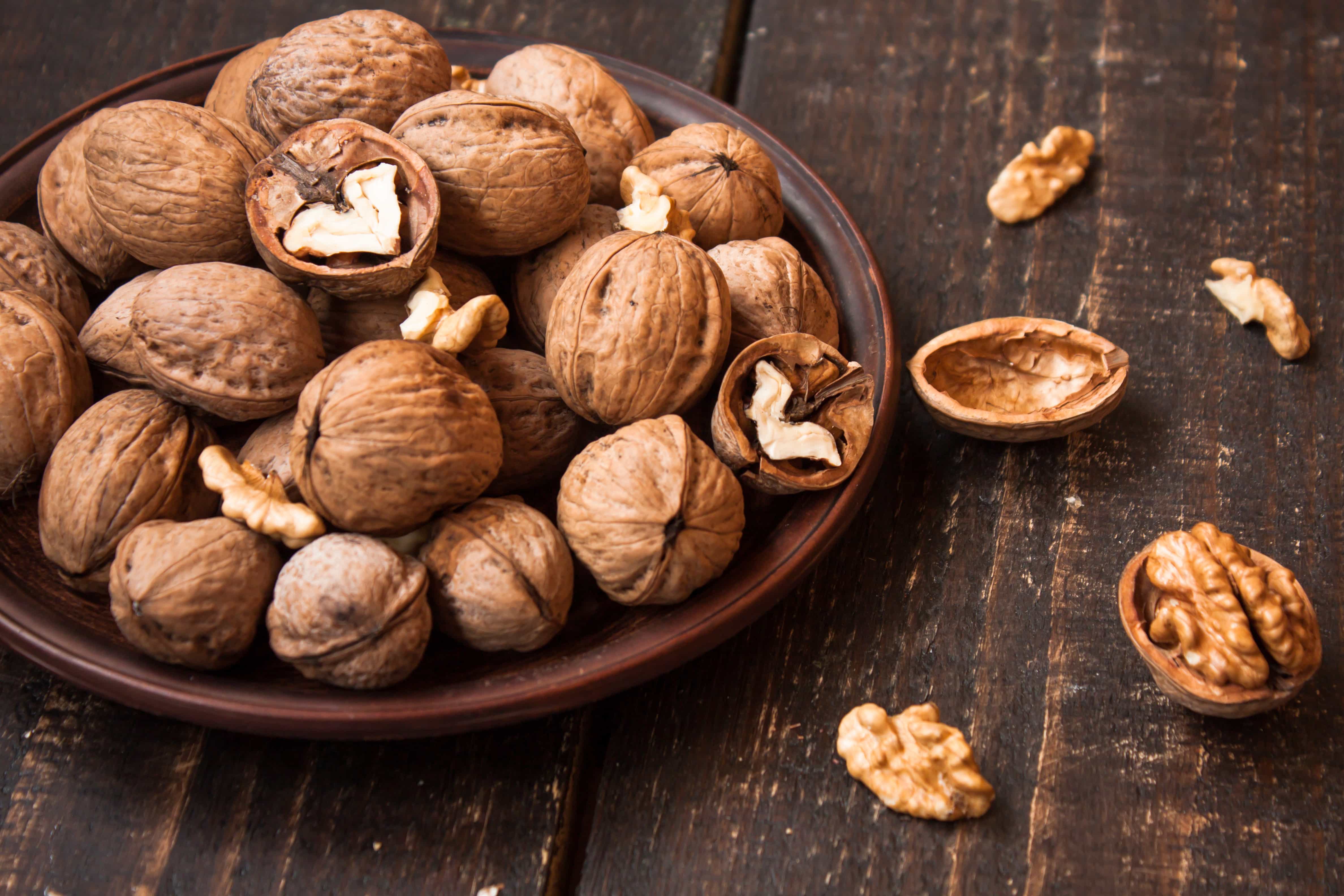
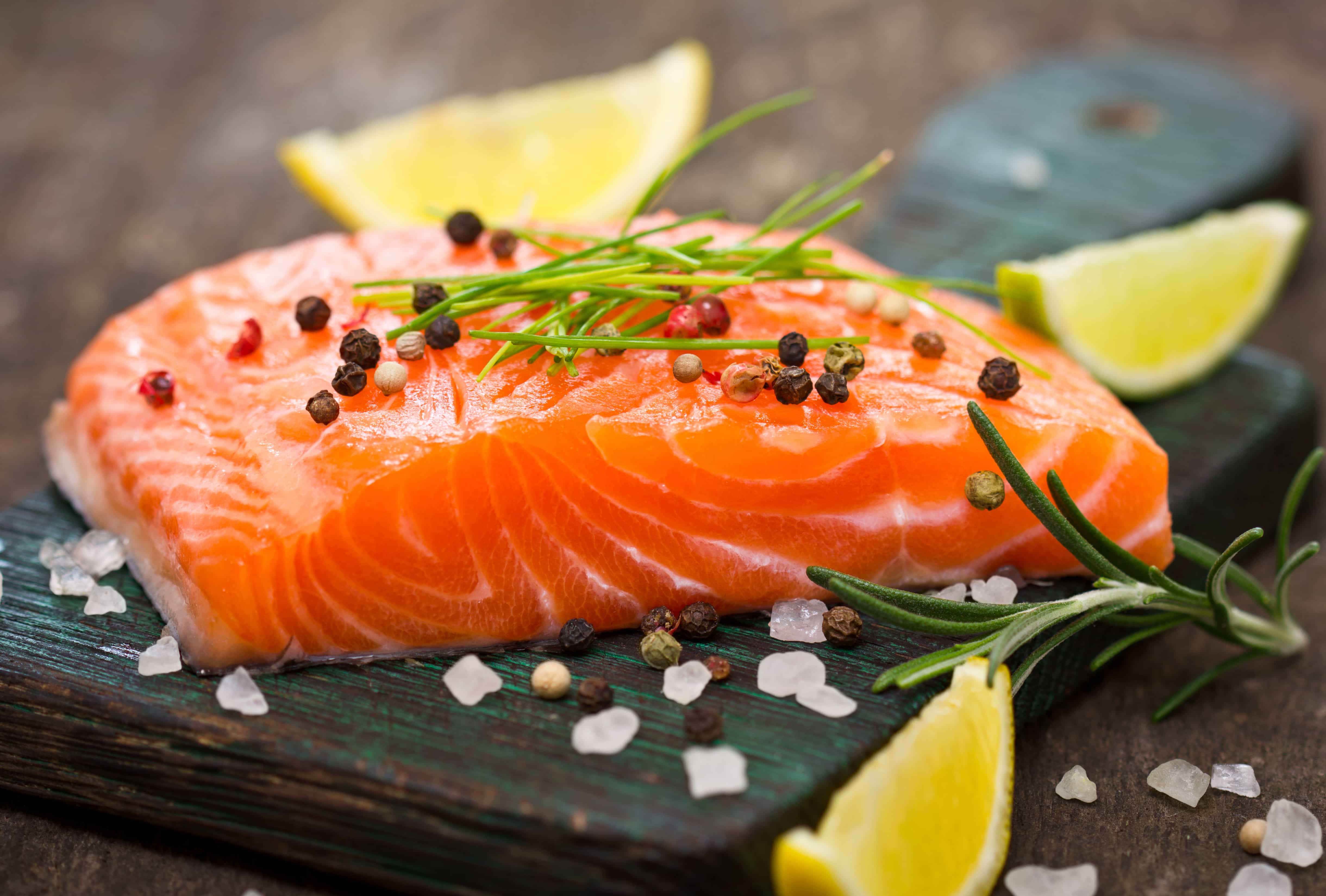
Other recommendations for osteoarthritis include getting daily ginger, turmeric, and omega-3 rich food – such as fatty fish (salmon), walnuts or flax seed. In addition to diet, supplements such as SAM-e, glucosamine w/ chondroitin, and capsaicin are promoted for reducing osteoarthritis pain.

– Debbie J., MS, RD

This article should not replace any exercise program or restrictions, any dietary supplements or restrictions, or any other medical recommendations from your primary care physician. Before starting any exercise program or diet, make sure it is approved by your doctor.

Some questions have been edited for length and/or clarity.

LA Fitness Living Healthy subscribe button

Want more? SUBSCRIBE to receive the latest Living Healthy articles right in your inbox!

Ask our Dietitian

Have a nutrition question? Our registered dietitian is ready to help!

Email nutrition@lafitness.com or submit your question below and it may be featured in an upcoming article!

11 + 14 =

Recommended Reading

Carbs: The Good, The Bad, and The Ugly

Carbs: The Good, The Bad, and The Ugly

An Unrequited Love Story

Shakespeare may have once famously written, ”For never was a story of more woe than this of Juliet and her Romeo.” Clearly,he never knew of the tragic love story between carbs and the waistline.

Carbohydrates. What are they? Why are they so delicious? And why do they get a bad rap?

Let’s break it down. A carbohydrate is defined as “any large group of organic compounds occurring in foods and living tissues and including sugars, starch, and cellulose.”1 An easier way to explain this is that “carbohydrates are the sugars, starches and fibers found in fruits, grains, vegetables and milk products.”2  

These compounds can be grouped into two different categories: simple and complex. 

Simple Carbohydrates (a.k.a. The “Bad” Carbohydrates)

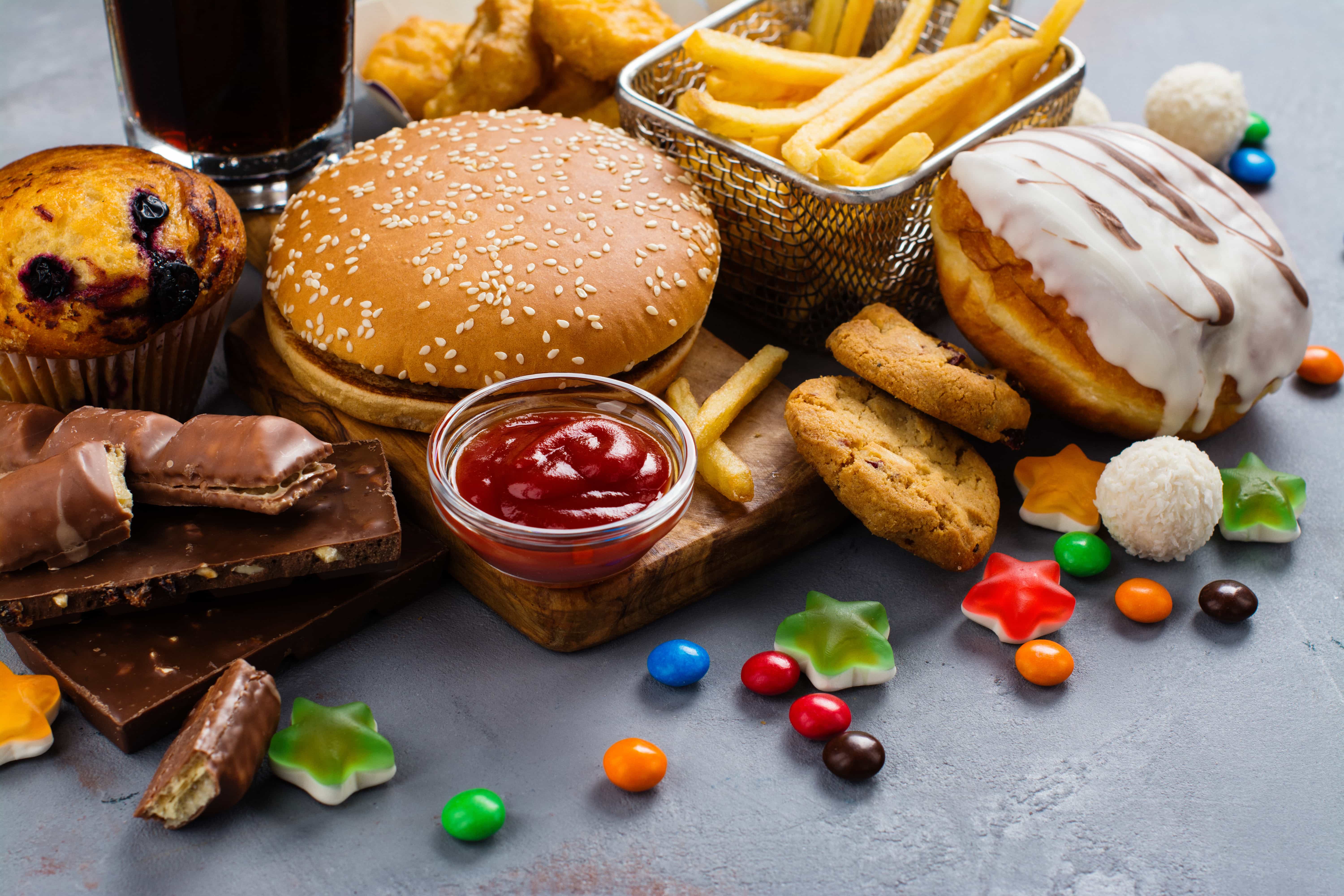
Simple carbohydrates, also known as refined carbs, can be found naturally in milk products, fruits and vegetables. However, they are also found in foods containing processed and refined sugars such as soft drinks, baked goods, and cereal. The latter is what gives carbs a bad reputation, as those type of foods can be unhealthy for your body and lead to disease if too many are consumed. This is because refined and processed sugars are considered “empty calories”, meaning they do not have vitamins, minerals or fiber, which can lead to weight gain.3

Complex Carbohydrates (a.k.a. The “Good” Carbohydrates) 

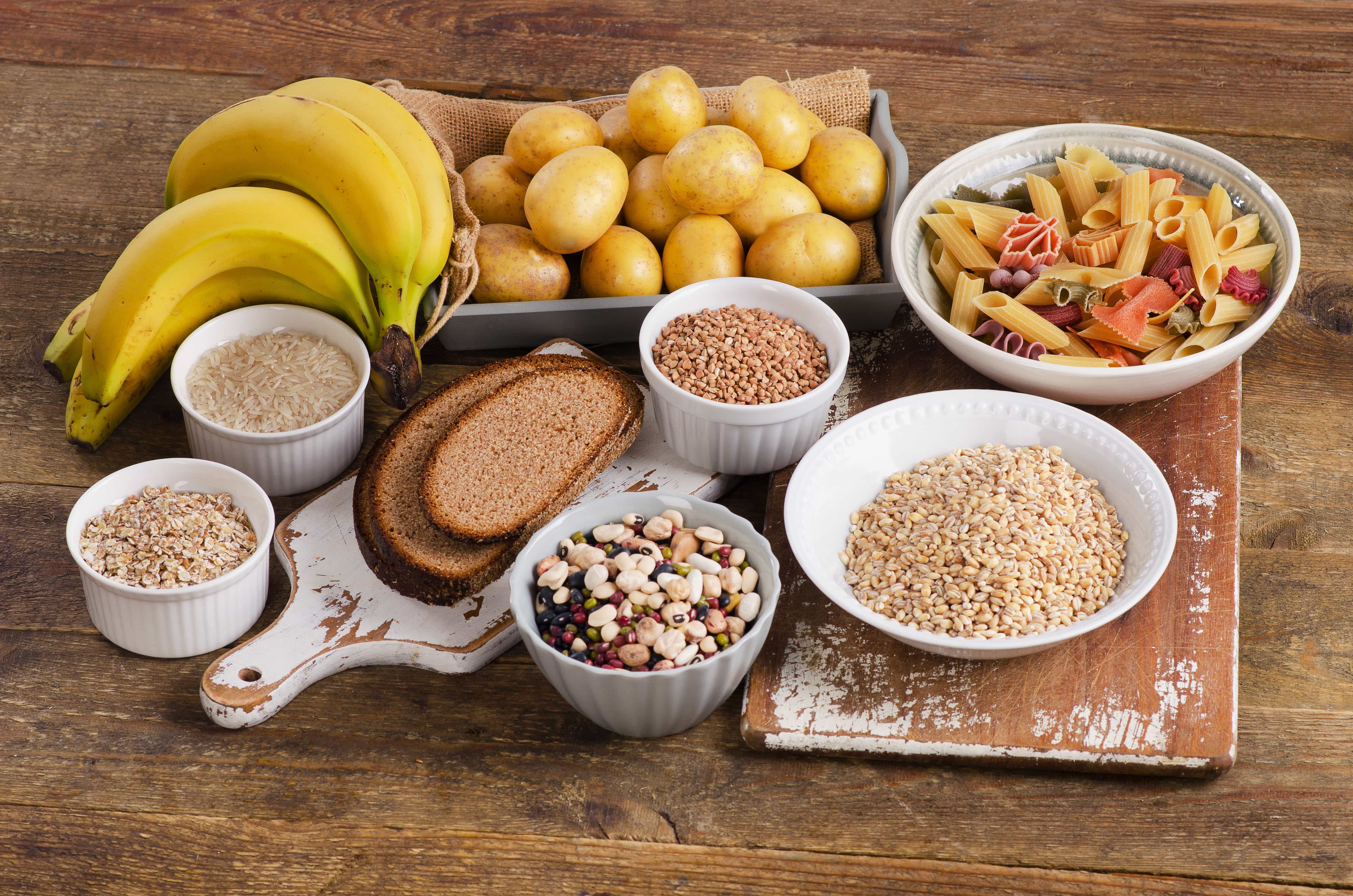
Complex carbohydrates, also known as polysaccharides, are known to digest slower than simple carbs and are packed full of nutrients for your body. That makes these foods more filling, which helps aid in weight control.4 It also helps in providing the body more energy over longer periods of time.5 A few examples of complex carbohydrates are broccoli, grains, and beans.

If you’re still unsure what makes certain carbs “good” versus “bad”, some helpful distinctions are as follows:6

Bad carbs are: 

  • High in calorie density
  • Full of refined sugars, like corn syrup, white sugar, honey and fruit juices
  • High in refined grains like white flour
  • Low in many nutrients
  • Low in fiber
  • High (often very high) in sodium
  • Sometimes high in saturated fat
  • Sometimes high in cholesterol and trans fats

Good carbs are:

  • Low or moderate in calorie density
  • High in nutrients
  • Devoid of refined sugars and refined grains
  • High in naturally occurring fiber
  • Low in sodium
  • Low in saturated fat
  • Very low (often zero) cholesterol, and no trans fats

The Benefits of Carbs on the Body

While not all carbs are created equal, our bodies do need them to function. In fact, the right type of carbs can help benefit our bodies in multiple ways.

1. Heart Health

Carbohydrates high in fiber help lower LDL-cholesterol (low-density lipoprotein) levels7, which  can contribute to a plaque-like deposit that clogs arteries and makes them less flexible.

2. Weight Loss

Again, the right type of carbohydrates can help with weight loss due to fiber. Dietary fiber helps the body feel full8. Therefore, you’re less likely to over eat.

3. Mental Health 

This is tricky because there have been studies showing both positive and negative effects of carbohydrates on the brain. It’s not exactly about carbs in general, but the type of carbs you’re consuming – do you see a trend here? Stick with complex carbohydrates over simple.

The Takeaway 

The important thing to keep in mind is that there are three different types of carbohydrates: starch, sugar and fiber. Furthermore, carbohydrates can be broken down into two categories known as simple and complex. Depending on your own unique body composition and health history, it may be best to consult your doctor before deciding what changes to make in your diet.

Interested in finding out more about carbohydrates and their effect on the body? Check out some other Living Healthy articles on the topic below!

When Cutting Carbs Becomes Extreme | Q+A

‘Healthy’ Carbohydrates for Weight Loss – fact or fiction?

Low Carb Food Choices | Q+A

No Carb Diet? Think Twice, You Need Carbohydrates to Survive!

Is it true that I need to limit my fruit consumption because fruits are high in sugar and carbohydrates?

Sources:

  1. https://en.oxforddictionaries.com/definition/carbohydrate
  2. Szalay, Jessie. “What Are Carbohydrates?” LiveScience. Purch, 25 Aug. 2015. Web. 21 June 2017.
  3. Ibid
  4. Cherney, Kristeen. “Simple Carbohydrates vs. Complex Carbohydrates.” Healthline. Healthline Media, 30 Mar. 2015. Web. 21 June 2017.
  5. Rodriguez, Diana. “Good vs. Bad Carbohydrates.” EverydayHealth.com. Everyday Health, 07 June 2017. Web. 21 June 2017.
  6. Killoran, Eugenia. “Good Carbs vs. Bad Carbs – What Are You Eating?” Pritikin.com. Web. 2017.
  7. Szalay, Jessie. “What Are Carbohydrates?” LiveScience. Purch, 25 Aug. 2015. Web. 21 June 2017.
  8. Ibid

Recommended Reading

Blender with fresh ingredients to making healthy detox smoothie with glass of green prepared drink with a straw. Vegan cooking concept
Healthy Smoothie Recipes

Healthy Smoothie Recipes

Cue the sound of a revving engine… running your blender at home can bring goodness with that whirring noise! Creating your own smoothies is a great way to get in some nutrients and plant phytochemicals you otherwise wouldn’t during the day. It allows you to prepare...

Good carbs vs bad carbs
Debunking Diet Myths

Debunking Diet Myths

With so many sources offering nutrition advice, it’s hard to know what’s true. Even factual information can become distorted by the time it reaches you. Like a game of telephone, the message often changes as it’s passed along. Here, we debunk 5 common diet myths to...