by Rachel Scruggs | Jul 22, 2024 | All, exercise, Exercises, Fitness, LA Fitness, lafitness.com, Workouts
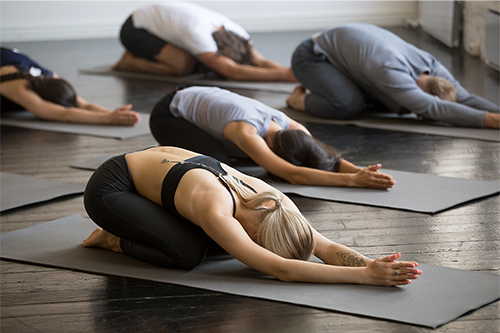
In your quest for “yoga studios near me,” you’ll discover that LA Fitness clubs nationwide provide a tranquil haven for mental and physical well-being. With a variety of yoga classes tailored to meet the needs of every member, from beginners to seasoned yogis, LA Fitness is your go-to destination for yoga.
Embrace the LA Fitness Yoga Experience
A Class for Every Level
Whether you’re just starting out or looking to deepen your practice, LA Fitness has a yoga class for you. Their experienced instructors guide you through sequences that enhance flexibility, build strength, and promote relaxation.
State-of-the-Art Facilities
LA Fitness clubs provide spacious, clean, and serene environments ideal for practicing yoga. You’ll find all the necessary props and mats, ensuring a comfortable and supportive experience.
Convenient Class Schedules
Understanding the busy lives of their members, LA Fitness offers yoga classes at various times throughout the day. This flexibility allows you to incorporate yoga into your routine, regardless of your schedule.
Holistic Health Benefits
Yoga at LA Fitness is more than just a physical workout; it’s a holistic approach to health. Regular practice can lead to improved posture, better breathing, and a more focused mind.
Find Your Nearest Yoga Class
Ready to join a yoga class? Simply visit the LA Fitness website, enter your zip code, and discover the yoga classes available near you. With clubs nationwide, you’re sure to find a convenient location to start or continue your yoga journey. By searching “yoga studios near me”, you can find a variety of classes that suit all levels, from beginners to advanced practitioners. Enjoy the benefits of practicing yoga in a supportive and welcoming environment, and take the first step towards a healthier and more balanced lifestyle today.
Note: This blog post is a general guide and should not replace professional advice. Always consult with a fitness professional or personal trainer at LA Fitness for personalized guidance and support.
by Rachel Scruggs | Jul 15, 2024 | Cardio, exercise, Fitness, fitness club, Group Fitness, Home, Workouts

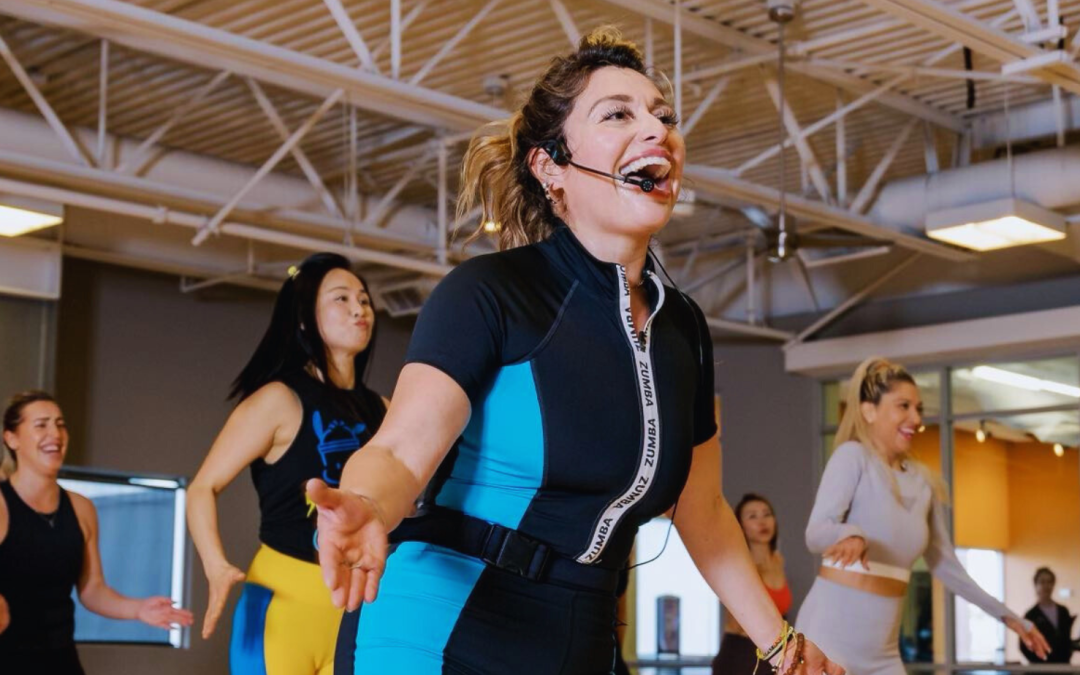
Looking for a fun and energetic way to stay fit? Look no further than Zumba® classes at LA Fitness clubs nationwide. It’s not just a workout; it’s a party that brings people together through dance and music. With classes offered across the country, you’re never too far from joining the Zumba® fitness-party™!
What is Zumba®?
Zumba® is a global lifestyle brand that transforms exercise into a celebration of health, joy, and body positivity. It’s a dance fitness program that combines Latin and international music with easy-to-follow moves to create an exciting and effective workout. The classes at LA Fitness are designed to bring people together to sweat it out and have a blast.
The Benefits Include:
Calorie and Fat Burning
Zumba® classes at LA Fitness provide a large calorie burn through aerobic activity done with interval training in mind. The average person will burn around 600 to 1,000 calories in a Zumba® class.
Full Body Workout
Zumba® is both a dance class and a fitness class. Aside from its heart-health benefits, it provides a workout for the whole body. From head and shoulder rolls that loosen up the neck and warm up the upper body, to footwork that strengthens and stretches calves and ankles, this fitness method touches on nearly every muscle and joint.
Emotional Benefits
Considered a social dance party with a pulsating Latin soundtrack, the classes offer a fun environment that make working out more enjoyable.
Join the Zumba® Class at LA Fitness
Whether you’re a beginner or a seasoned dancer, Zumba® classes at LA Fitness are open to all levels. You can locate a Zumba® class near you by visiting the LA Fitness website. With a variety of class times available, you can easily find a slot that fits your schedule.
Remember, it’s more than just a dance class—it’s a vibrant, energetic community where you can enjoy the physical and emotional benefits of dance. So, put on your dancing shoes and join the fitness-party™ at your local LA Fitness club. Visit LA Fitness and discover how these classes can energize your workout routine. With Zumba® offered nationwide, there’s no excuse not to dive into the fun.
Note: This blog post is a general guide and should not replace professional advice. Always consult with a fitness professional or personal trainer at LA Fitness for personalized guidance and support.
by Rachel Scruggs | Jun 27, 2024 | All, Exercises, Fitness, Home, LA Fitness, lafitness.com, Top Tips, Workouts
Starting your fitness journey at the gym can be both exciting and overwhelming. As a first-time gym user, it’s important to approach your workouts with a plan that is tailored to you. LA Fitness welcomes first-time gym-goers with beginner workouts designed to build confidence and establish a strong fitness foundation.
Getting Started
Before you hit the weights or jump on the treadmill, it’s crucial to understand the basics of gym etiquette and the equipment available to you. LA Fitness offers a variety of machines and free weights that can cater to all of your workout needs. Begin by familiarizing yourself with the gym layout and the functions of different equipment. Don’t hesitate to ask the staff for a tour or explanations on how to use the machines.
The First Beginner Workout
Your initial workouts should be about learning proper form and building a foundation of strength and endurance. Start with a simple routine that includes a mix of cardiovascular exercises and strength training. Here’s a sample workout plan for your first week:
Day 1: Full Body Circuit

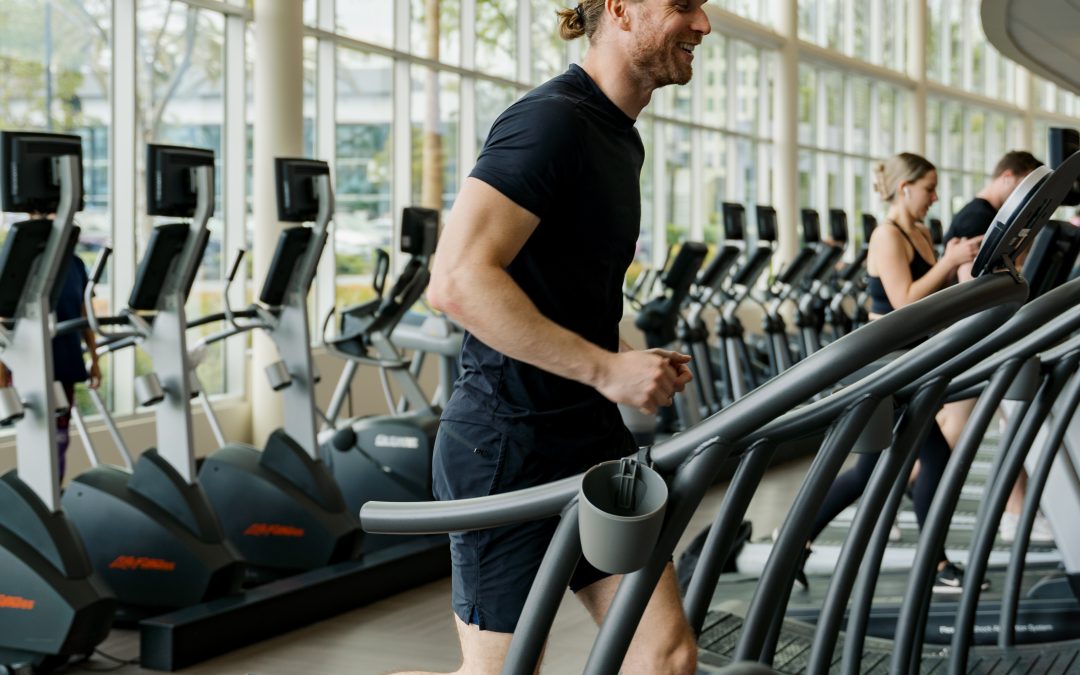
- Treadmill: 10 minutes at a moderate pace to warm up
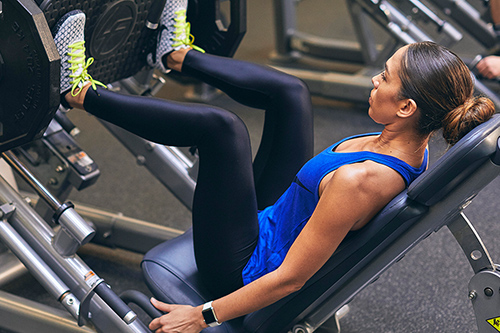
- Leg Press: 3 sets of 12 reps
- Seated Cable Rows: 3 sets of 12 reps
- Chest Press: 3 sets of 12 reps
- Elliptical: 10 minutes at a moderate pace to cool down
Day 2: Rest or Light Activity
Take a day off from the gym to allow your muscles to recover. Engage in light activities like walking or stretching if you feel up to it.
Day 3: Cardio and Core

- Stationary Bike: 15 minutes at a moderate pace
- Planks: 3 sets of 30 seconds
- Russian Twists: 3 sets of 15 reps per side
- Bicycle Crunches: 3 sets of 15 reps per side
- Treadmill: 10 minutes at a moderate pace to cool down
Progressing Safely
As you become more comfortable with the exercises and your fitness level improves, gradually increase the intensity and complexity of your workouts. Add more weight, reps, or sets to your strength exercises and challenge yourself with higher intensity or longer durations on the cardio machines.
Nutrition and Hydration
Remember, exercise is just one part of the equation. Proper nutrition and staying hydrated are key to supporting your new workout routine. Drink plenty of water and fuel your body with balanced meals that include a mix of protein, carbohydrates, and healthy fats.
Keeping Up the Pace: Your Path with LA Fitness
Starting at the gym can be a transformative experience. With the right approach, you can build a solid foundation for a healthier lifestyle. Remember to listen to your body, progress at your own pace, and most importantly, enjoy the journey to fitness at LA Fitness.
Note: This blog post is a general guide and should not replace professional advice. Always consult with a fitness professional or personal trainer at LA Fitness for personalized guidance and support. This blog post should not replace any exercise program or restrictions, any dietary supplements or restrictions, or any other medical recommendations from your primary care physician. Before starting any exercise program or diet, make sure it is approved by your doctor.
For more articles like this one, and to keep up to date on our fitness, nutrition, and wellness articles, subscribe to our monthly newsletter, today!

by Sandra Koury | Mar 20, 2020 | All, Exercises, Fitness, Home, Workouts
Getting Fit for Swimsuit Season
For a solid high-energy workout, you’ve got to put in the work! Even if you’re not keeping up with the class or if you’re running a slow mile compared to someone else, putting in the best that you can do means you’re getting an amazing workout.
Your body is always competing with its own personal best. If you are challenging yourself in a way you haven’t been challenged before, then you’re doing things right! This can mean that you’re doing one more pushup when you thought you were ready to quit or running your mile a couple seconds faster than you did the last time. Strive to outdo yourself in bits and pieces and you’re bound to get more out of your workout!
That being said, we know it’s easier to give that little bit extra when you have a game plan. Here are some options to help keep you moving until the last second of your workout!
Circuit Training tasks your body to perform a series of exercises back to back before a brief period of rest. This workout model is intense, not only because it works multiple muscle groups over the course of the workout, but because it requires you to keeping moving all the way through. If you’re really feeling ambitious you can even throw in some cardio before you start your circuit.
A sample workout could look like this: Complete 8 to 15 reps performing the Leg Press, then the Chest Fly, then the Glute Kickback, and end with Bicep Curls. Rest for 90 seconds and repeat the circuit 2 to 3 times.
View this circuit, and additional samples of this training model, here.
Plyometric exercises can be upper body or lower body focused. It’s all about building up your movement from slow and controlled to explosive and powerful. Plyometrics are great for generating speed, but to accomplish this, your body will need to expend a lot of energy to move the way you’re asking it to.
Lower-Body Plyometrics – These are exercises like box jumps, jump squats, and switch jumps. The sudden explosion of energy required to jump is what makes these exercises plyometric movements. You can even add a medicine ball to increase the intensity. Click to view some medicine ball plyometrics.
Upper-Body Plyometrics – These focus less on jumping and more on generating power from your upper body. An example of this would be a clap push-up or a medicine ball wall throw and catch. You can view these and more upper body plyometric workouts here.
A drop set is several repetitions of the same exercise that you perform until failure. You are essentially pushing a single muscle group as far as it can go. To help pull you through this kind of workout, drop sets are designed to allow you to drop the intensity of your movement with each set. For example, once you’ve done as many as you can do at a certain level of resistance, you allow yourself to continue by decreasing the resistance and performing another set.
The best way to perform these is on machines because you can more easily manipulate how much weight you’re carrying, and you’ll have a safe way to release the weight when your muscles finish their last possible rep.
View some sample drop set workouts here.
For more articles like this one, and to keep up to date on our fitness, nutrition, and wellness articles, subscribe to our monthly newsletter, today!

by DebbieJ MS RDN | Mar 13, 2020 | All, Fitness, Home, Nutrition
Looking into the Potential Strength Benefits of Sodium
Salt has been called the “secret weapon in the gym” and “the newest workout supplement1.” The white granules known as table salt (also sea, kosher, or Himalayan salt) in your kitchen are simply sodium and chloride put together. By itself, sodium is one of several critical electrolytes which are minerals that affect the body’s fluid balance, muscle and nerve impulses, blood pressure and acid–base balance.
Though human requirements are only 300-500 milligrams of sodium daily, the average American consumes ten times that – over 3,400 mg2! It’s well known that athletes have a higher need for sodium, mainly due to sweat losses. However, competitive athletes also train hours a day (and the majority not resistance work) compared to the average person in the weight room. So then, we wondered where the hype about extra sodium came from. Does liberally salting nearly everything you put in your mouth help you pump more iron in the gym?
The Strength Training Community
Reading through three online sources3,4,5 touting the benefits of salt for size and strength it would appear that we’ve missed out on the key to bodybuilding success! Sodium increases blood volume and intracellular water retention. True, but sodium just doing its job for fluid status and muscle contraction doesn’t mean more salt enhances power and strength for greater gains. None of those articles provide evidence-based references or citations to support these supposed enhancements. (Sodium phosphate is a different molecule that is mentioned as an intracellular buffer that can increase aerobic and anaerobic performance when supplemented3.) The authors do agree that although you shouldn’t limit sodium, you don’t need supplemental salt for strength gains, just ample dietary consumption. A fourth bodybuilding source6 advises not to add excessive sodium to meals and shares that it’s more important to have potassium in balance with sodium intake.
We asked Jennifer McDaniel, RDN, a Certified Specialist in Sports Dietetics (CSSD), in the St. Louis, Missouri area if strength athletes and power lifters need additional sodium beyond that in the typical American diet. She informed us that sodium requirements vary significantly based on intensity and time of training session, sweat rate and acclimation to the training environment. “Based on the current research available, strength-based athletes do not need more than the average intake of sodium from the typical Western diet,” McDaniel said. She explained that most athletes’ eating habits far exceed the recommended limit of 2,300 mg sodium* per day making it unlikely that strength trained athletes would need an increase in daily sodium for the average hour–long training bout.
* for the general public, from the 2015-2020 US Dietary Guidelines7.
Also, nationally known, Marie Spano, RD, CSSD and Certified Strength and Conditioning Specialist®, gave us her input regarding athletes’ sodium needs. She shared that dehydration can decrease strength and power. “Your muscles need sodium to hold on to more fluid and for muscular contractions, so consume adequate sodium to cover sodium losses through sweat,” Spano advises. She previously wrote, “To achieve proper hydration, athletes may want to add sodium to their sports drinks or preworkout meals to help retain the fluid they’re consuming.8” The amount depends on total dietary sodium intake and sodium losses through sweat while training in a particular environment.
Professional Organizations
American College of Sports Medicine’s (ACSM) 2016 position stand and The International Society of Sport Nutrition’s (ISSN) 2018 research and recommendation update both addressed sodium. Regarding hydration, the ACSM indicated, “Sodium consumed in pre-exercise fluids and foods may help with fluid retention,” and advised ingesting sodium during exercise when large sweat losses occur9. The ISSN stated that inadequate sodium would impair performance and advised replacing adequate amounts due to sweat losses10. In regard to extra sodium the Society indicated it was beneficial for hydration in the early days of training in the heat10.
Neither ACSM or ISSN directly mentioned sodium involved in strength, power, weight training or muscle mass. In fact, the ISSN didn’t list any sodium compounds as “muscle building supplements” based on available literature but did name sodium bicarbonate and sodium phosphate under the “performance enhancement” category, noting there was strong evidence to support their efficacy10. The Society also indicated limited or mixed evidence to support the efficacy of [sodium] nitrates to improve aerobic work performance and endurance exercise10.
Evidence from Scientific Research
Being that salt is everywhere in our diet, research on supplemental sodium chloride solely for muscle strength or growth is lacking. Sodium bicarbonate, on the other hand, is not easily obtained from food and has evidence as a modestly effective sports nutrition supplement for short-term, high intensity exercise (anaerobic work) performance11,12. Benefits are most likely due to its action as an extracellular (blood) buffer11. Sodium citrate is a potential alternative buffer, but with unknown effectiveness. For endurance work, sodium phosphate may enhance performance12.
So, it seems the hype surrounding salt for strength comes from the importance of sodium for hydration and muscular contraction. Most people generally get enough of it in the form of sodium chloride, more of which doesn’t help strength gains as long as dehydration is prevented, particularly for training sessions that are very long or in the heat. Other sodium molecules consumed as sports nutrition supplements may offer ergogenic effects that can’t be derived from table salt, namely sodium bicarbonate for anaerobic work. The consensus is not to limit salt if you’re intensely resistance training, but you don’t need to intentionally use the saltshaker everywhere either. Consider just drinking a higher sodium fluid electrolyte beverage pre-workout.