
What Foods Can Help Reduce My Cholesterol Levels? | Q+A

What Foods Can Help Reduce My Cholesterol Levels? | Q+A


Question:

My name is Alicia, I just got my results from my blood work and I am not too happy. I go 5 to 6 days to the gym, do cycling, yoga, eat very healthy — no red meat, a lot vegetables and fruit and I just don’t understand why my cholesterol is too high (250). Can you give me any advice what to do to lower it down?

-Alicia B.


Answer:

Here’s what you can eat to help push your high cholesterol down:

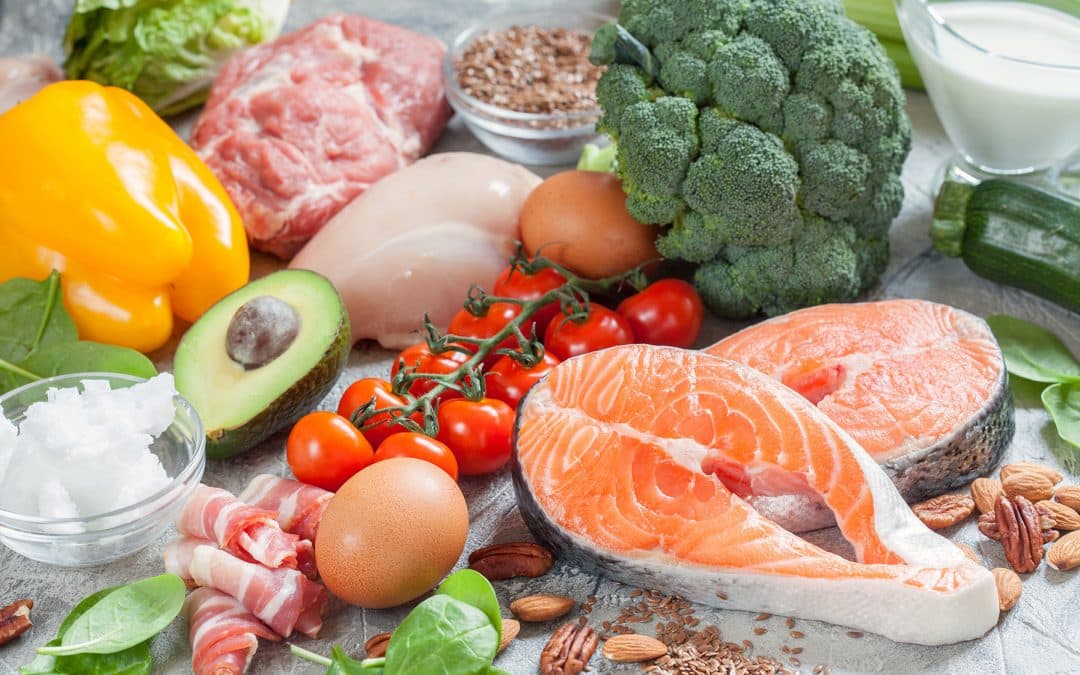
Soluble fiber is known to reduce cholesterol levels. It ‘sticks’ to cholesterol molecules and traps them for removal with other waste from the gut. Oatmeal, beans, Brussel sprouts, flaxseeds and apples are good sources, to name a few. Many fiber-enhanced foods contain inulin, a type of soluble fiber. Eat at least 10 grams of soluble fiber per day to reduce harmful LDL cholesterol.

Soy protein from soybeans, tofu, soy milk and the like may modestly reduce LDL cholesterol, and it will take at least 25 grams per day (from whole foods, not supplements) for an effect.

In some instances, 250 mg/dl total cholesterol is okay. That’s when the beneficial HDL to total cholesterol ratio is 3.5:1 or lower. For you, that would mean at least 72 mg/dl of HDL.

Plant sterols/stanols are components of plants that help block the absorption of cholesterol.

They are found naturally in grains, vegetables, fruits, legumes, nuts and seeds, and added to functional foods, like certain juices and heart-healthy margarine spreads. You’ll need at least 2 grams of plant sterols or stanols for a cholesterol-lowering effect.

Omega-3 fatty acids (found in fish & fish oils, walnuts and chia seeds) reduce triglyceride levels, a free-floating fat not bound to cholesterol in the blood. They are also anti-thrombotic and anti-inflammatory to keep your cardiovascular system healthy. Consume fish at least 3 times per week and eat nuts or seeds daily.

Blood cholesterol reduction may not be achieved though diet and exercise alone. You can thank your genes for that! Some people simply have a greater liver production of cholesterol.

This article should not replace any medication, dietary instructions, or any other medical recommendations from your primary care physician. Before starting any exercise program or diet, make sure it is approved by your doctor.


In some instances, 250 mg/dl total cholesterol is okay. That’s when the beneficial HDL to total cholesterol ratio is 3.5:1 or lower.

For you, that would mean at least 72 mg/dl of HDL.


Plant sterols/stanols are components of plants that help block the absorption of cholesterol.

They are found naturally in grains, vegetables, fruits, legumes, nuts and seeds, and added to functional foods, like certain juices and heart-healthy margarine spreads. You’ll need at least 2 grams of plant sterols or stanols for a cholesterol-lowering effect.

Omega-3 fatty acids (found in fish & fish oils, walnuts and chia seeds) reduce triglyceride levels, a free-floating fat not bound to cholesterol in the blood. They are also anti-thrombotic and anti-inflammatory to keep your cardiovascular system healthy. Consume fish at least 3 times per week and eat nuts or seeds daily.

Blood cholesterol reduction may not be achieved though diet and exercise alone. You can thank your genes for that! Some people simply have a greater liver production of cholesterol.

References:

American Heart Association, National Cholesterol Education Program, National Heart, Lung, and Blood Institute


Ask our Dietitian

QA_icon

Have a nutrition question? Our registered dietitian is ready to help!

Email nutrition@lafitness.com or submit your question below and it may be featured in an upcoming article!

11 + 14 =

LA Fitness Living Healthy subscribe button

Want more? SUBSCRIBE to receive the latest Living Healthy articles right in your inbox!

This article should not replace any exercise program or restrictions, any dietary supplements or restrictions, or any other medical recommendations from your primary care physician. Before starting any exercise program or diet, make sure it is approved by your doctor.

Suggested Articles

How Can I Meet My Fitness Goal with Meal Planning? | Q+A

How Can I Meet My Fitness Goal with Meal Planning? | Q+A


Question:

I am asking for help with calculating my macro goals and with meal planning (when, how much and what to eat)?

Thanks!

-Michelle V.


Answer:

Consistency

After 20 years as a Registered Dietitian it is my humble professional option that you need to tackle consistency in your meals before you attempt to aim for specifics. If cooking isn’t your thing, you need to be a savvy shopper to get healthy prepared foods and stock up on mini-meals and snacks for your alternating schedule. What are you willing to fix? What foods are best suited to bringing to work?

Meal Ideas

Frozen skillet meals can be enhanced with fresh ingredients on hand — only one pan to clean, plus leftovers! For portable meals, consider a cold vegetable/pasta/protein dish from the service deli counter at your grocer. Think outside the box of what’s typical “breakfast” fare. A bowl of chili with a piece of cornbread at 8 am might wrap up your waking/working hours before daytime sleep. Write out some ideas for the week and shop accordingly.

As far as building lean tissue on your lean frame, focus on adding 200-300 calories on the days you work out, divided equally between pre- and post-training. Wrapping your head around this small quantity is simpler and may be more effective than trying to pinpoint each macronutrient gram in an entire day’s worth of eating. 150 calorie snacks to support workouts include:

2 C. kale chips or light microwave popcorn (1/3 bag)

1/2 apple with tablespoon peanut butter

1/4 C. hummus with crudités

1 scrambled egg with diced ham and broccoli

Mini pizza: 1/2 English muffin + tomato sauce + shredded mozzarella

For personalized assistance you can find a nutritional professional near you, use the “Find An Expert” feature from The Academy of Nutrition and Dietetics.

-Debbie J., MS, RD


This article should not replace any exercise program or restrictions, any dietary supplements or restrictions, or any other medical recommendations from your primary care physician. Before starting any exercise program or diet, make sure it is approved by your doctor.

Ask our Dietitian

QA_icon

Have a nutrition question? Our registered dietitian is ready to help!

Email nutrition@lafitness.com or submit your question below and it may be featured in an upcoming article!

5 + 13 =

LA Fitness Living Healthy subscribe button

Want more? SUBSCRIBE to receive the latest Living Healthy articles right in your inbox!

Suggested Articles

Which Fruits Contain the Most Sugar? | Q+A

Which Fruits Contain the Most Sugar? | Q+A


Question:

My doctor said that I was a borderline diabetic, and that I need to cut down on some of the fruit I was eating at breakfast.  The fruits I am eating are: strawberries, red grapes, cantaloupe, watermelon, pineapple, apple, banana, cherries (in season).  I need to know the sugar content of each fruit or which fruit has the most sugar.

-Charlie C.


Answer:

Consider that if the serving is larger, you could get more sugar from any one of the fruits you’ve listed. Even with two amounts of fruit with the same weight, the sugar content varies due to density differences, or the amount of water and fiber contained in each fruit. A typical portion* of each fruit differs, as we’re accustomed to eating a certain amount. While you’re focusing on the sugar, you also need to consider the total carbohydrate as it all contributes to blood sugar.


For an equal volume of 1 cup of sliced fresh fruit, from highest to lowest sugar content:

  • Red grapes – 104 calories, 27 gm Carb, 23 gm sugar
  • Cherries (sweet) – 97 calories, 25 gm Carb, 20 gm sugar
  • Banana – 134 calories, 34 gm Carb, 18 gm sugar
  • Pineapple – 74 calories,   20 gm Carb, 14 gm sugar
  • Cantaloupe – 52 calories,   13 gm Carb, 12 gm sugar
  • Apple (w/skin) – 57 calories,   15 gm Carb, 11 gm sugar
  • Watermelon – 46 calories,   11 gm Carb, 9 gm sugar
  • Strawberries – 53 calories,   13 gm Carb, 8 gm sugar


* By serving size, based on usual consumption patterns:

  • 3” apple – 95 Cals,   25 gm Carb, 19 gm sugar
  • 1/16 watermelon —     86 Cals,  22 gm Carb, 18 gm sugar
  • 15 cherries – 77 Cals,   20 gm Carb, 16 gm sugar
  • 3/4” pineapple ring – 79 Cals,   21 gm Carb, 5 gm sugar
  • 1 medium banana — 105 Cals, 27 gm Carb, 14 gm sugar
  • 15 grapes – 51 Cals,   13 gm Carb, 11 gm sugar
  • 10 large strawberries – 58 Cals, 14 gm Carb, 9 gm sugar
  • 1/8 large cantaloupe – 35 Cals,   8 gm Carb,   8 gm sugar

CHERRIES have the most sugar in them comparatively, as they appear in the top 3 of each list.  And the only fruit in the bottom 2 of each comparison with the lowest sugar — STRAWBERRY!

-Debbie J., MS, RD 


All nutritional values taken from the USDA National Nutrient Database for Standard Reference Release 28

This article should not replace any exercise program or restrictions, any dietary supplements or restrictions, or any other medical recommendations from your primary care physician. Before starting any exercise program or diet, make sure it is approved by your doctor.

Ask our Dietitian

QA_icon

Have a nutrition question? Our registered dietitian is ready to help!

Email nutrition@lafitness.com or submit your question below and it may be featured in an upcoming article!

13 + 7 =

LA Fitness Living Healthy subscribe button

Want more? SUBSCRIBE to receive the latest Living Healthy articles right in your inbox!

Suggested Articles

What are the Best Foods to Eat Before & After a Workout? | Q+A

What are the Best Foods to Eat Before & After a Workout? | Q+A


Question:

I was wondering what are the best foods to eat before and after a workout. Also, is it bad if you work out late at night consistently (10 PM- Midnight)?

-Jesus S.


Answer:

Working out late at night is not a bad way to get your exercise if you get adequate restful sleep. Optimal eating before and after a workout is all relative to the timing, quantity and quality of the rest of your meals. After a complete meal one might not feel ready to work out for 2-3 hours, after the food has mostly emptied the stomach. If one hasn’t eaten in over 4 hours, a quick snack before working out is needed for best performance. Let’s suppose a couple of scenarios to answer your first question…


6 pm evening workout, before 7:30 dinner:

Hitting the gym after work usually means on an empty stomach if lunch was at noon or 1 pm. The fix is a 4-5 pm snack containing protein and complex carbohydrates of approx. 200-300 calories, depending on your goals. There are several options that suit these needs:

Apple + string cheese

2 oz. protein/energy bar (such as Rise®, Builder’s®, Larabar ALT, Macrobar, Detour SimpleTM,  Balance® to name a few)

Half a homemade turkey sandwich

Fruited Greek yogurt cup + 2 graham cracker squares

1 cup cooked soybeans

After this workout you’d need to eat dinner right away (within 30 minutes). If there will be a delay, have a small recovery drink or a single-serve package of chocolate milk before you leave the locker room.


10 pm evening workout, after 7 pm dinner:

Letting your dinner settle before exercise is important not only for gut comfort, but also to allow the nutrients to fully get to your muscles. A pre-workout snack is not needed. If you feel a little depleted, perhaps an energy sports drink will perk you up. After your workout you don’t need much before bed, but enough to encourage muscle repletion and growth. Consider one of these options:

Bowl of hearty soup

1 cup mixed cottage cheese & fruit

Handful of baked pita chips + hummus to dip

1-2 hard boiled eggs + a soft pretzel

Read our previous answer to eating for late night exercise by clicking here.

This article should not replace any exercise program or restrictions, any dietary supplements or restrictions, or any other medical recommendations from your primary care physician. Before starting any exercise program or diet, make sure it is approved by your doctor.

Ask our Dietitian

QA_icon

Have a nutrition question? Our registered dietitian is ready to help!

Email nutrition@lafitness.com or submit your question below and it may be featured in an upcoming article!

6 + 8 =

LA Fitness Living Healthy subscribe button

Want more? SUBSCRIBE to receive the latest Living Healthy articles right in your inbox!

Suggested Articles

What’s the Best Way to Calculate One’s BMR? | Q+A

What’s the Best Way to Calculate One’s BMR? | Q+A


Question:

Is there a more sophisticated equation used to calculate one’s BMR? Or is it only weight/height?

-Matt O. 


Answer:

In fact, there are! Most equations include gender and age in addition to height and weight.

“Basal metabolic rate is the amount of energy that is required to maintain basic body functions such as heartbeat, breathing and maintenance of body heat while you are asleep.”

One of the most popular equations to calculate an adult’s basal metabolic rate is the Harris-Benedict, which is as follows:

  • * Women: 655 + (4.35 x weight in pounds) + (4.7 x height in inches) – (4.68 x age in years)
  • * Men: 66.5 + (6.23 x weight in pounds) + (12.7 x height in inches) – (6.78 x age in years)

Used often in the medical and weight loss fields because of its accuracy, and recommended by the Academy of Nutrition and Dietetics is the Mifflin St. Jeor for resting (awake/alert) metabolic rate:

  • * Women: (10 x weight in kg) + (6.25 x height in cm) – (5 x age in years) – 161
  • * Men: (10 x weight in kg) + (6.25 x height in cm) – (5 x age in years) + 5

As any equation is actually an estimation of your needs, you might want to try both and obtain a range that your true BMR probably falls within. Neither of the above take into consideration lean mass versus fat mass, so they aren’t practical for extremely muscled or morbidly obese individuals. For teens, the Schofield method (previously used by the World Health Organization and the US government to formulate the RDAs) has different equations for various age groups.

Measurements of metabolism are usually only done in research laboratory settings but might be conducted by endocrinology specialists. If you are sustaining your weight by eating fewer than 1200 calories per day, you should see your primary care physician.

– Debbie J., MS, RD

This article should not replace any exercise program or restrictions, any dietary supplements or restrictions, or any other medical recommendations from your primary care physician. Before starting any exercise program or diet, make sure it is approved by your doctor.

Ask our Dietitian

QA_icon

Have a nutrition question? Our registered dietitian is ready to help!

Email nutrition@lafitness.com or submit your question below and it may be featured in an upcoming article!

15 + 10 =

LA Fitness Living Healthy subscribe button

Want more? SUBSCRIBE to receive the latest Living Healthy articles right in your inbox!

Suggested Articles