
How Can I Realistically Count Calories for Weight Loss?

How Can I Realistically Count Calories for Weight Loss?

Question:

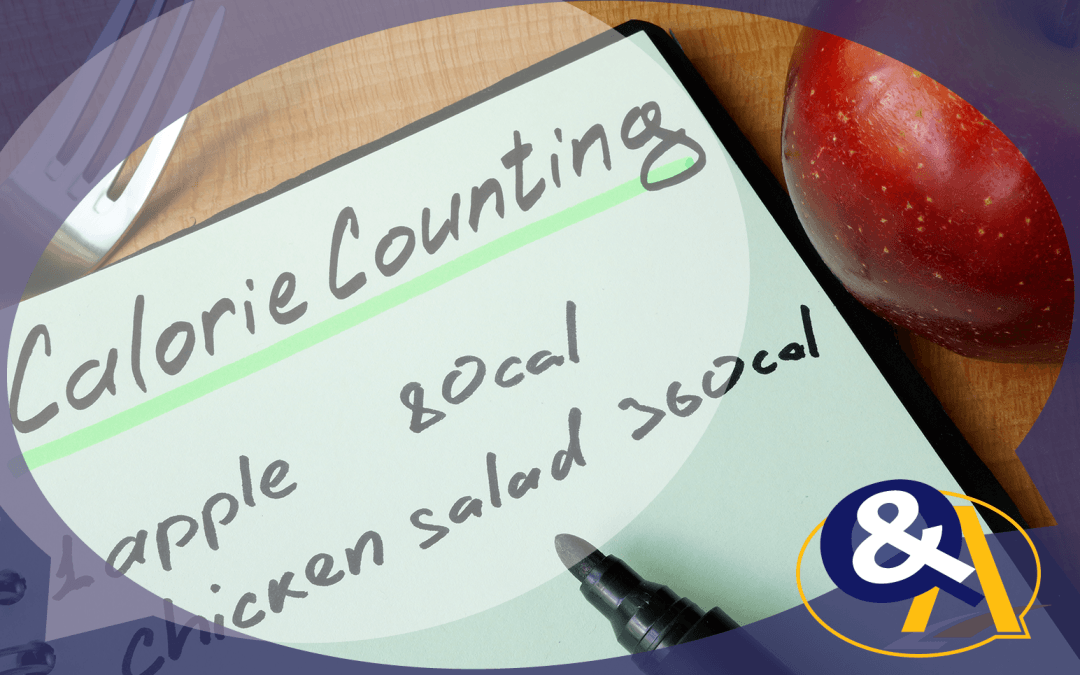
How can I realistically count calories for weight loss?

Hello, My name is Ani, I am a member of L.A. Fitness. I’ve decided to lose weight, I need realistic guidelines from you.  I am 59 years old, Height 5′ 4″, Weight 139 lbs.  Goal: go down to 133 lbs by Dec. 27, 2016 Plan?  To lose 6 lbs in 3 months, how many calories may I ingest per day, and how many calories should I burn per day?  I have not counted calories before; would you have an easy way to count calories?

-Ani K.


Answer:

Ani, as you are not currently counting calories and do not know how much you are consuming, I would first suggest that you determine your current intake.  Use a diet analysis software with a broad range of foods (30K+) based on the USDA National Nutrient Database for Standard Reference* to average at least 3 typical days of your diet – everything you eat and drink, including condiments.

An estimated range of calorie needs to promote weight loss in females based on calculations using your age, height and weight is 1200 to 1600 calories per day.  The actual amount you need depends on your activity level and individual metabolism.  For effective weight loss, your intake should be about 500 calories less than your expenditures per day.  If you increase your activity by 200 calories and trim 300 calories off your intake daily, you’d create the desired 500 calorie deficit.

I wish there was an easy way to accurately count calories!  A simple bean and cheese burrito could be a 300 calorie frozen item or a whopping 800 calorie restaurant half-pounder.  If you could break combination foods down to their base components and approximate the portion of each, you can add up each ingredient using a diet analysis program based on the USDA Food Composition Database.  For example, doing so might provide this information: 10” flour tortilla (211 cals) + ¼ C shredded Colby Jack cheese (108 cals) + ½ C. refried beans in oil (182 cals) = 501 calories.

*as of the writing of this post, the newest version is Release 28.

– Debbie J., MS, RD

This article should not replace any exercise program or restrictions, any dietary supplements or restrictions, or any other medical recommendations from your primary care physician. Before starting any exercise program or diet, make sure it is approved by your doctor.


Suggested Articles

Ask our Dietitian

QA_icon

Have a nutrition question? Our registered dietitian is ready to help!

Email nutrition@lafitness.com or submit your question below and it may be featured in an upcoming article!

1 + 12 =

LA Fitness Living Healthy subscribe button

Want more? SUBSCRIBE to receive the latest Living Healthy articles right in your inbox!

How Can I Manage My Weight Effectively?

How Can I Manage My Weight Effectively?


Question:

Hello!  As I was working out I heard you were soliciting nutrition questions, so decided to throw one your way.  I have been trying to come up with a workable nutrition plan to complement my workout.  I lift weights several times a week and would like help calculating macros to help the muscle growth.

I weigh about 190-195 lbs, 6ft 2 in. tall. Any advice would be greatly appreciated. Especially if you can convert the grams into portions of real food, e.g. 1 medium size fruit/potato, etc., 1 chicken breast/piece of fish, etc.

Sincerely, Alexander Gurfinkel.


Answer:

Depending on your age, you may need 2800-3000 calories for muscle growth.  Protein should be about 1.8 grams per kilogram of body weight, or 158 grams per day.

Here are the basics on protein content of foods:

Meats, Poultry & Fish- 21 grams per 3 ounces (size of a deck of cards, chicken thigh)

  • Jerky- 7 grams per large piece
  • Beans- 8 grams per ½ cup (size of tennis ball)
  • Hummus- 4-5 grams per ¼ cup (size of ½ tennis ball)
  • Nuts- 6-7 grams per ¼ cup (palmful)
  • Cow’s Milk- 8 grams per 8 fluid ounces (cup or 1/2 pint)
  • *soymilk about 6-8 grams; almond or rice milk 1 gram per cup
  • Greek Yogurt- 15 grams per 6 ounce container
  • Cheese- 6-8 grams per ounce (thick slice or string cheese)
  • Eggs- 7 grams each, 3 grams per white only
  • Oatmeal- 6 grams per cup cooked (size of baseball)
  • Starches- 3 grams per ounce (slice bread or 6” tortilla,½ cup cooked pasta/rice, or small 2”potato)
  • Cold cereal- varies based on density – read the labels to determine
  • Vegetables- 2-3 grams per ½ cup serving, 1 cup cooked, or 1 cup raw leafy greens Fruit  0-1 gram
  • pure Fats/Oils 0  grams *other condiments minimal

As I’ve no idea what your style of eating or food preparation is, I’ll give you a sample 3000 calorie day that provides 158 grams of protein using mixed dishes that don’t easily break down into the above separate portions.

  • 3-egg omelet with peppers, onion and tomato
  • Banana with tablespoon peanut butter
  • Chicken, rice and cheese burrito (restaurant size)
  • Small side of chili beans
  • Orange
  • Lasagna with meat (¼ casserole dish)
  • Bag of microwave popcorn
  • Small glass of nonfat milk

– Debbie J., MS, RD


This article should not replace any exercise program or restrictions, any dietary supplements or restrictions, or any other medical recommendations from your primary care physician. Before starting any exercise program or diet, make sure it is approved by your doctor.

Suggested Articles

Your 2020 Fitness Bucket List!

Your 2020 Fitness Bucket List!

Take on the new year with these 20 fitness goals! Get ideas for where to start or challenge yourself to something you never expected.

Skin-Saving Nutrients You Need Now

Skin-Saving Nutrients You Need Now

A diet rich in nutrients and antioxidants shields your skin from wrinkles and preserves its youthfulness. Debbie James, RDN, gives us the details.

Ask our Dietitian

QA_icon

Have a nutrition question? Our registered dietitian is ready to help!

Email nutrition@lafitness.com or submit your question below and it may be featured in an upcoming article!

15 + 7 =

LA Fitness Living Healthy subscribe button

Want more? SUBSCRIBE to receive the latest Living Healthy articles right in your inbox!
What do Macro and Micronutrients Have to do with Weight Loss?

What do Macro and Micronutrients Have to do with Weight Loss?

Question:

So I wanted to know what are macro and micro nutrients and what do they have to do with weigh loss?

-Irving B. 


Answer:

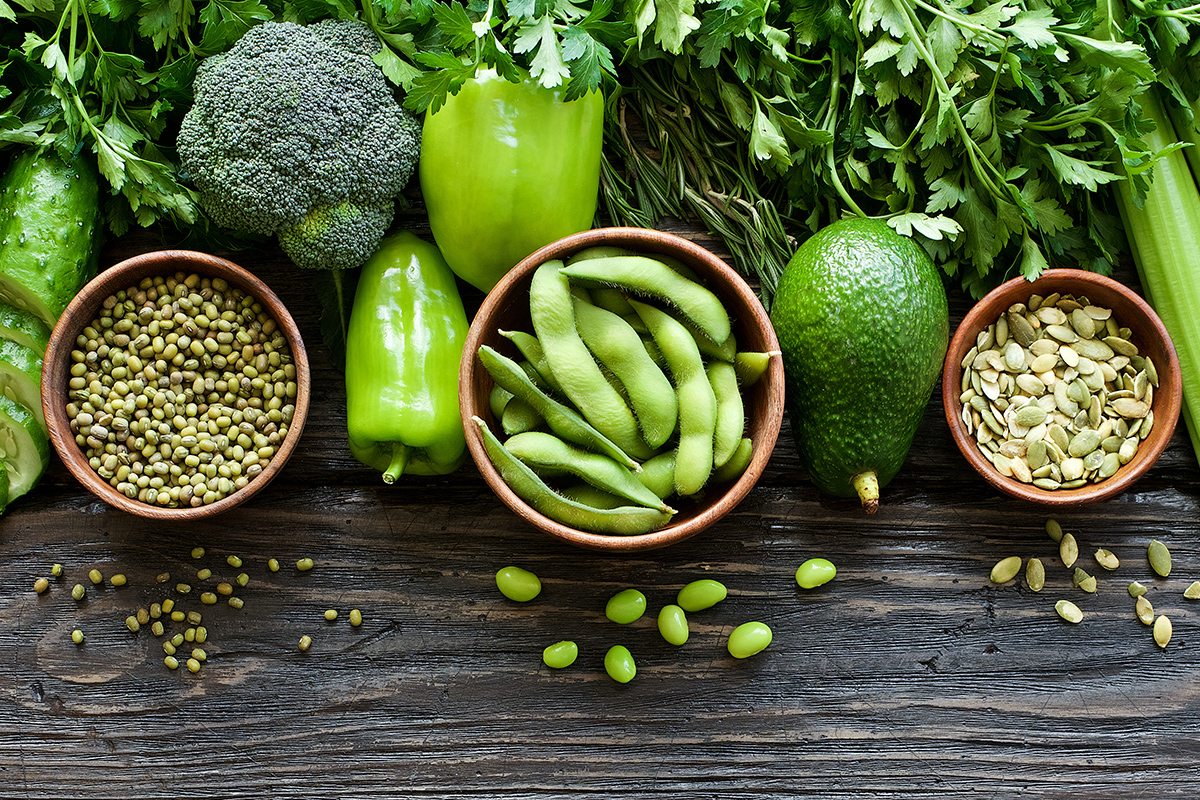
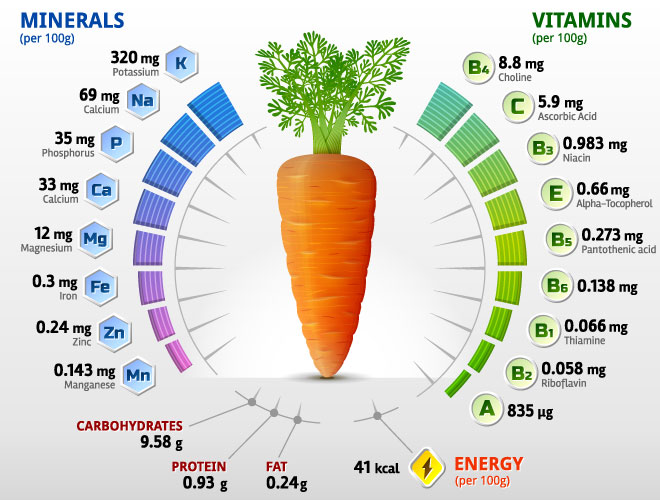
Great question, Irving! Nutrients are the compounds in food that are vital to human life.  Macronutrients are nutrients that are needed in quantities greater than a gram – carbohydrate, protein, fat and water. Micronutrients are nutrients that we need in much smaller milligram or microgram quantities – vitamins and minerals.

micronutrients

It happens that the macronutrients, except water, contain carbon atoms and therefore can provide us energy through our cellular breakdown of these carbon bonds. This energy fuels our nervous system, organs and muscles and can contribute to body fat stores. Water takes part in metabolic reactions and helps cells’ efficiency.  The micronutrients have many functions, several of which are to support metabolism – the body’s chemical processes — including the ability to make energy from food. So to get the most from macronutrients, the proper amount of micronutrients are required.

Weight loss occurs when the body burns more calories than it uptakes into cells after digestion and absorption. Too much energy from carbohydrate, fat, and protein combined can lead to weight gain. Insufficient vitamins and minerals compound the problem, but are unlikely to cause weight gain directly.

– Debbie J., MS, RD

This article should not replace any exercise program or restrictions, any dietary supplements or restrictions, or any other medical recommendations from your primary care physician. Before starting any exercise program or diet, make sure it is approved by your doctor.

Suggested Articles

Ask our Dietitian

QA_icon

Have a nutrition question? Our registered dietitian is ready to help!

Email nutrition@lafitness.com or submit your question below and it may be featured in an upcoming article!

4 + 9 =

LA Fitness Living Healthy subscribe button

Want more? SUBSCRIBE to receive the latest Living Healthy articles right in your inbox!

What’s the Best Way to Eat Healthy With Little Prep Work?

What’s the Best Way to Eat Healthy With Little Prep Work?

Question:

Do you recommend any meal replacement shakes, like invigor8?  How about any home meal delivery services?  I’m trying to reduce shopping time and prepping time since I work 11 hours a day and have an 11 month old.

-Angie A. 


Answer:

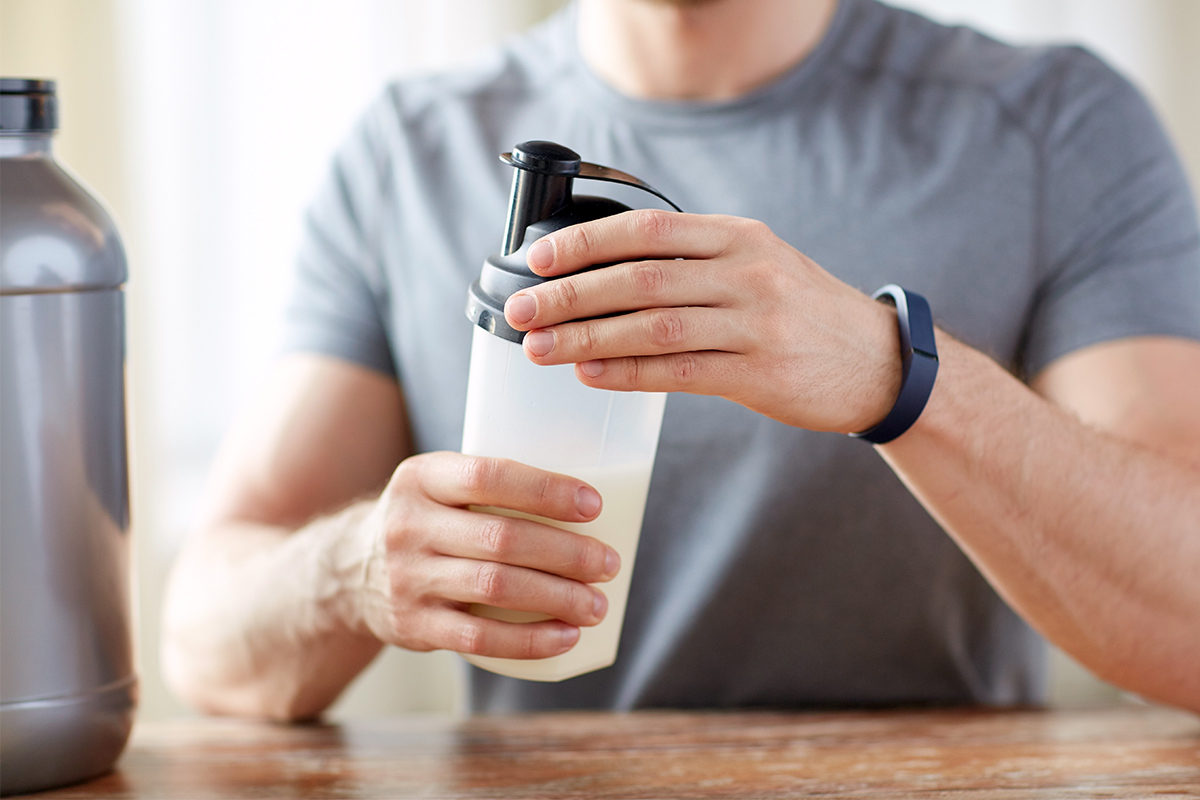
Meal replacement shakes work great as an emergency backup for on-the-go or last minute meal alternatives. Look for ones with 10-15 grams protein, 5-10 grams fat, and 20-30 grams carbohydrate (no more than half sugar) that provide at least 200 calories. Plan on a snack such as peanut butter and celery for more fiber and solids to keep you full longer.

shake

Home meal delivery services are a wonder for those that can afford them.  Most have a heart-healthy or calorie-controlled option. Perhaps a dinner-only delivery twice a week in the ‘family’ quantity will guarantee enough leftovers to reheat so that you’d only need to worry about weekend dinners. For quick lunches, a cold vegetable/pasta/protein dish from the service deli counter at your grocer might fit the bill. Consider, too, utilizing frozen skillet meals for two that can be enhanced with fresh ingredients on hand — only one pan to clean!

– Debbie J., MS, RD

This article should not replace any exercise program or restrictions, any dietary supplements or restrictions, or any other medical recommendations from your primary care physician. Before starting any exercise program or diet, make sure it is approved by your doctor.

Suggested Articles

Ask our Dietitian

QA_icon

Have a nutrition question? Our registered dietitian is ready to help!

Email nutrition@lafitness.com or submit your question below and it may be featured in an upcoming article!

6 + 2 =

LA Fitness Living Healthy subscribe button

Want more? SUBSCRIBE to receive the latest Living Healthy articles right in your inbox!

Do I Need to Change My Diet for the Next Phase of Physical Fitness?

Do I Need to Change My Diet for the Next Phase of Physical Fitness?

Question:

I have been a member since May of this year and love the facility in Florence, KY. Over all I have went from 319 to 235 with about 50 lbs lost at LA. I am basically at my goal weight and have begun to lift using free weights and the hoist and hammer equipment. I noticed an immediate change in muscle but then leveled off. I am researching my diet as it is still more geared to weight loss. I am 6’4” male, I have been on a high protein very low carb diet about 2000-2400 cals. I am looking to keep my caloric intake about the same but switch to about 150g of carbs a day 200-230g of protein and 60-70 grams of fat.

What is your opinion on this plan? Thanks for any help. I lift 3-4 days a week for an hour usually followed by 20-30 minutes of cardio on the elliptical or treadmill, I try to do 10 minute miles with a heart rate of 140-150 if that matters. I have also read I should lift and do light cardio and then rest for 48 hours at least on the weights and do more intense cardio on non lifting days.

-Robert M. 

Answer:

Hi Robert – Good to hear of your success at your local LA Fitness club! The plan you describe would provide about 30% carbohydrate, 39% protein at 1.9 gm/kg, and 31% fat in 2030 calories (at lowest protein and highest fat given). This seems a suitable transition from your previous diet.

I am having success losing weight, but could you review my strategy to see if it is my best option?

Since you are more active than you were 5 months ago, you may need more carbohydrates to retain your muscle mass, but can add these in the future. For maximum benefit from the carbs you are eating, shoot for 25 grams of fiber per day. The produce, grains and beans needed to provide that amount won’t leave room for refined sugars anyway. You don’t need more than 200 grams protein daily as that’s about the maximum which is utilized by muscle, while the remainder would be burned for fuel (which is carbohydrate’s job). The amount of fat is ideal for now but could be slightly increased if you end up needing more energy – as long as it’s mostly from unsaturated plant sources.

Keep up the good work!

– Debbie J., MS, RD


This article should not replace any exercise program or restrictions, any dietary supplements or restrictions, or any other medical recommendations from your primary care physician. Before starting any exercise program or diet, make sure it is approved by your doctor.

Suggested Articles

How to Create the Hourglass Illusion

How to Create the Hourglass Illusion

If your goal is to achieve the hourglass figure, we’re sharing how you can create the illusion of curvy hips even if you weren’t born with them.

Ask our Dietitian

QA_icon

Have a nutrition question? Our registered dietitian is ready to help!

Email nutrition@lafitness.com or submit your question below and it may be featured in an upcoming article!

3 + 2 =

LA Fitness Living Healthy subscribe button

Want more? SUBSCRIBE to receive the latest Living Healthy articles right in your inbox!