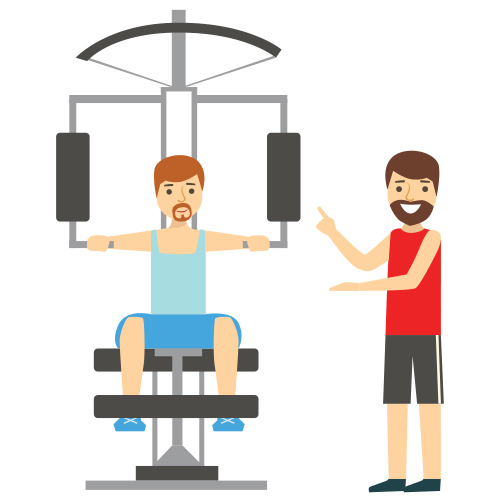
When we say “fasting” we typically mean you’ve gone 8 to 12 hours without food. This would be like waking up in the morning after a good night’s sleep and deciding to work out before you have your first meal. If you participate in Intermittent or Prolonged Fasting, you may be going without (or with very little) food for 12, 16, 48, or even 72 hours.1 Here’s what’s happening in your body when you fast:
By 6-8 Hours – Your body is still burning through its glycogen supply.2 This is the most readily available form of energy.
By 12 Hours – You enter the metabolic state called ketosis in which your body begins to break down fat.1
By 18 Hours – You’re now in “fat-burning mode.” Your body is generating more ketones which tell your body to reduce inflammation and to make repairs to damaged DNA.1
By 24 Hours – Your body starts a process called autophagy. This means your cells work harder to recycle old components and to break down misfolded (damaged) proteins. Misfolded proteins are connected to Alzheimer’s and other diseases.1
If you’re interested in learning what happens once you hit 48, 54, and 72 hours of fasting, check out this article on the 5 Stages of Intermittent Fasting. For the purpose of this article, we don’t need to delve that far.











 Have a nutrition question? Our registered dietitian is ready to help!