Own Your Cold Weather Workout

Own Your Cold Weather Workout

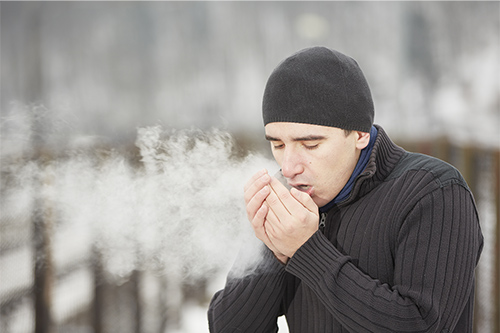
The start of the winter season is on Saturday, December 21st this year and we’re gearing up for a cold season. Many states have already seen record lows! If, like us, you don’t plan to slow down your fitness endeavors, you need to be prepared for working out in the cold.  

 We’ll be covering the warning signs of frostbite and hypothermia and giving you some useful information for your next winter workout! 

Warning Signs  

Frostbite

Frostbite occurs when your skin and the underlying tissue are damaged by freezing. Exposed skin (especially on your nose, ears, and fingers) is most vulnerable, but you can still get it even if you’re covered up. If you plan to be out in cold weather, especially where the wind temperature is below 5° Fahrenheit (or -15° Celsius), these are some important precautions recommended by the Mayo Clinic: 

  1. Limit your time in cold, wet, and windy weather conditions 
  2. Wear loose, warm layers of clothing 
  3. Cover your ears completely 
  4. Wear mittens because they provide better protection than gloves 
  5. Wear insulating socks and sock liners that wick moisture and fit snugly 
  6. Tell others that you’ll be out and give an expected return date 
  7. Avoid alcohol as it can actually cause your body to lose heat more quickly 
  8. Stay hydrated 

Additionally, they identify these symptoms as warning signs of frostbite: 

  1. Cold skin and a prickling sensation 
  2. Numbness in the affected area 
  3. Red skin in milder forms of frostbite, and white, bluish-white or grayish-yellow skin as it becomes more severe 
  4. Hard or waxy-looking skin 
  5. Joint and muscle stiffness 
  6. After rewarming, the appearance of blisters on the skin 

If you go out prepared and know the signs, you can head into your workout with confidence. Frostbite, however, is not the only worrisome condition you have to watch out for in cold weather. While the former can lead to loss of limb, hypothermia can cause death. Here is what you should know about hypothermia: 

Hypothermia

Your body’s normal temperature is 98.6° F (or 37° C). According to the Mayo Clinic, Hypothermia starts when your body loses heat faster than it can produce it; and, will start to show its effects once your temperature falls to 95° F (35° C) or lower. 

In their article on Hypothermia, the Mayo Clinic identifies the following symptoms you should look out for: 

  1. Shivering 
  2. Slurred speech or mumbling 
  3. Slow, shallow breathing 
  4. Weak pulse 
  5. Clumsiness; lack of coordination 
  6. Drowsiness; low energy 
  7. Confusion; memory loss 
  8. Losing consciousness 
  9. In infants, you would notice bright red, cold skin 

Perhaps the easiest way to enter a hypothermic state is if you are wet from rain, snow, or if you fell into a body of water. Wind, on its own, whisks away your body heat. Add the fact that your clothes are wet, and the effect is amplified. It’s extremely important to change out of wet clothes and find a warm dry place when you are caught in cold weather. 

Things to Consider Before Heading Out

Warm the Air Before You Breathe It – Breathing heavily in cold weather can make your lungs feel like they’re about to freeze over. Wearing a face scarf over your nose and mouth can help warm the air you’re breathing and make your workout more comfortable. 

Map Your Route – You should know if you’re likely to encounter flooded areas, frozen patches of water, slick icy roads, or fallen plant life and debris. Stick to areas you’re familiar with so you can re-route if needed and still find your way. Choosing areas with more cover (like buildings, trees, etc.) will also help protect you from wind and other sporadic weather conditions. 

Plan by Time of Day – Leave for your workout when you know the temperature will be at its warmest for the day. Going too early in the morning or too late in the evening will expose you to colder temperatures and, if it’s cold enough, icy roads and frozen slush. 

Keep Hydrated – Hydrate before you leave and bring some with you if you plan to be out for a while. You may not notice that you’re sweating, but you probably are. Putting back what your body loses is important to a safe cold weather workout. 

Protect Your Skin – Sunblock is still important in the wintertime, and the brisk winter air can dry out anything that’s exposed to it. Moisturize your lips, your face, and your hands if you don’t plan to wear gloves. 

You can read up on the calorie burn of cold weather workouts by reading our post on Thermogenesis. For information on how to protect your eyes from the dryness of winter air, check out our blog on Eye Health. To access our monthly blog post highlights, subscribe to our newsletter today! 

Achieving a Calorie Deficit with Hypoglycemia | QA

Achieving a Calorie Deficit with Hypoglycemia | QA

Question:

Hi, I’d like to know some good ways to cut calories for people with low blood sugar issues (hypoglycemia). It can be hard to cut caloric intake with approaches like intermittent fasting and meal replacement shakes because that causes blood sugar levels to drop. So, I’d like to know the best way to obtain a calorie deficit when there are limitations like hypoglycemia in play. Thank you for your help!

– Michael B.

Answer:

When people experience hypoglycemia it’s usually as a drop after elevated blood sugar following a meal (called reactive hypoglycemia), rather than waking up with low blood sugar (fasting hypoglycemia). The best approach to restricting intake while avoiding a hypoglycemic event would be to modestly reduce intake throughout the day, particularly of refined carbohydrate. 

Retaining protein, fiber and fat at an eating session will help slow carbohydrate absorption and blunt the initial spike in blood sugar. The analogy I like to provide is to consider a roller coaster – the greater the incline/peak, the greater the fall. Fun for a ride, but disaster for blood sugar stability. Keeping blood sugar steady is the goal, so consuming foods that minimize a spike to begin with is part of the approach. Stick to complex carbohydrates from starches along with your protein foods, vegetables, fruit, dairy and nuts/seeds. 

Consider cutting down portions slightly at each meal and snack. You’ll hardly notice a difference in satiety from eating three-quarters of your normal volume. And leave the side of bread/rolls/tortillas, only eating those that are the main part of the entrée. For example, no garlic bread necessary if you’re eating pasta and skip the side of toast with your omelet and home fries.  

– Debbie J., MS, RD

This article should not replace any exercise program or restrictions, any dietary supplements or restrictions, or any other medical recommendations from your primary care physician. Before starting any exercise program or diet, make sure it is approved by your doctor.

Some questions have been edited for length and/or clarity.

Ask our Dietitian

Have a nutrition question? Our registered dietitian is ready to help!

Email nutrition@lafitness.com or submit your question below and it may be featured in an upcoming article!

10 + 4 =


Recommended Reading - Q+A

Member Spotlight | Be Your Own Hero

Member Spotlight | Be Your Own Hero

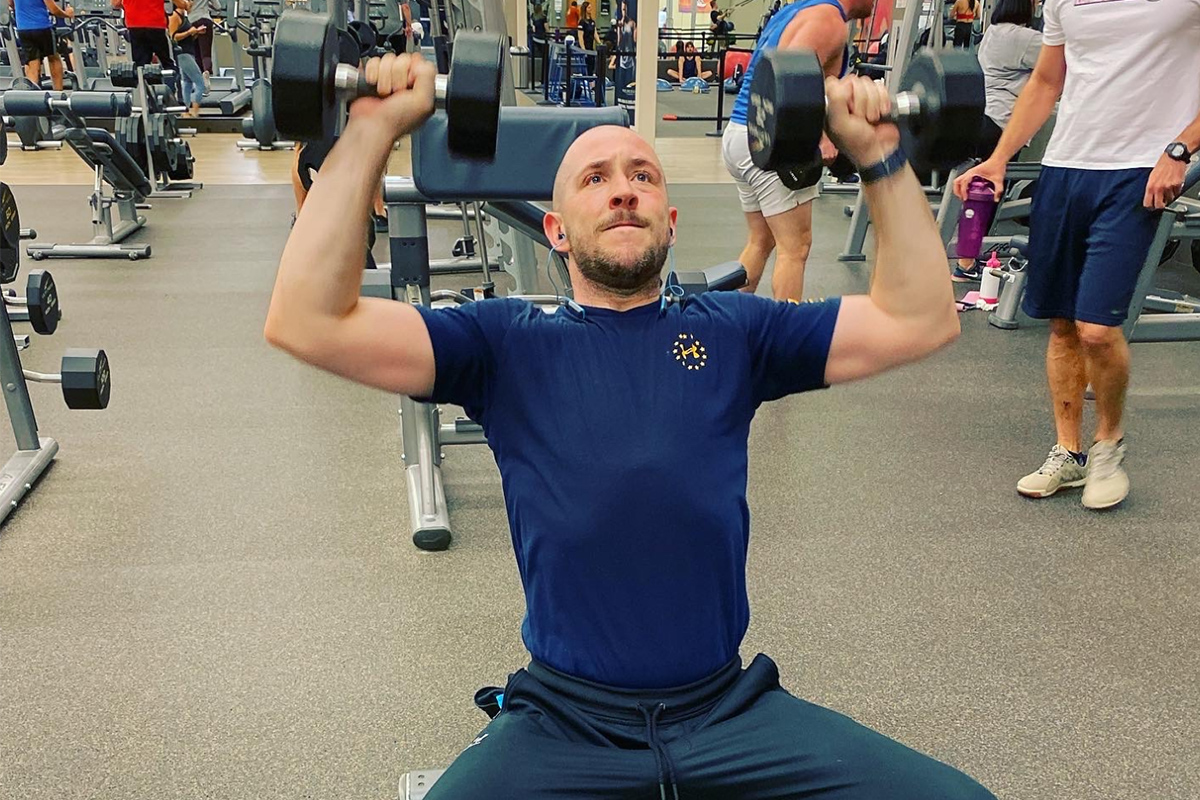
The defining moment for me was definitely when I was chasing around my 15-month-old and realized that I was out of breath after just a couple of minutes. I knew that I could never be a good, active father if I kept up with the unhealthy lifestyle that I was living.

Tyler W.

LAF Member, LA Fitness

Moving Forward

Tyler is an LA Fitness member whose re-introduction to the gym completely changed the direction his life was headed. Having served in the U.S Army, Tyler was committed to training hard and staying in shape. With time, however, his activity levels dropped, and he found himself spending more and more time on the couch. In his interview, Tyler shares an honest admission to where he was before he turned onto a different path:  

“Anyone who knows anything about me knows that I’ve made mistakes in my life. Sure, I know we all have, but I know I’ve made some very big mistakes. My mistakes have cost me everything from my family, friends, finances, career advancements…you name it, really. I’ve screwed it up.

Earlier this year I found myself in an incredibly dark place. I had lost everything and everyone I cared about. I didn’t know what to do. I buried myself in work, and that didn’t help. It made my productivity even worse. I would come home and sleep. I would do nothing but lay on the couch and sleep.” 


Life Changing Moments Can Renew Your Motivation

If you’ve ever been in a dark place, you know how difficult it can be to find the motivation you need to pull yourself out of it. The longer you sit in your discomfort, the more difficult it becomes to find your way out. It becomes a self-perpetuating cycle. Often, you’ll need a wakeup call that strikes a certain chord to help you. This is what happened with Tyler: 
 
“One day I met up with my son and his mom so that he and I could run around and play and so she and I could discuss our options moving forward. As my son and I ran around in front of Starbucks, I noticed that I was literally getting winded from just the small amount of time chasing him around. Now, while I was absolutely no Captain America, I served my time proudly in the US Army. I did ridiculous amounts of PT and kept myself in good shape. Oh, yeah…and then I got old and lazy. I couldn’t believe I was winded chasing around a 15-month-old! 

It was at this moment that I decided to try and get back to the gym. Now, if I’m being completely honest, I used a 5-day free guest pass because I almost knew that it would be just a couple day phase and then I’d be back on the couch. I worked out that first day (and by workout, I mean I did the stair-master at a pace that would have been laughed at by sloths). Before I left, I was approached and taken over to a desk to discuss membership options. In all reality, they were dirt cheap. I didn’t pay any enrollment fee, and it was all month to month, so I figured no harm no foul. 

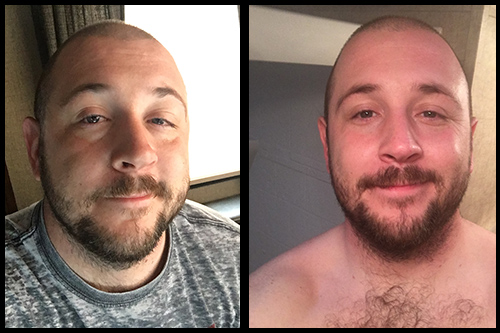
I found myself back the next day. And the next day. And days upon days in a row after that. Every time I’d go, I would re-familiarize myself with a machine or a workout that I hadn’t done in...uh….quite some time. It became a personal challenge to myself to see just how long and hard I could push myself. In three months’ time, I lost 3 inches on my waist. I’ve lost 7% body fat and I’ve lost a total of 35 pounds. Most people would say, that’s awesome! For me, it’s not about what I’ve lost. It’s about what I’ve gained. I have gained an entirely new outlook and perspective on life.  

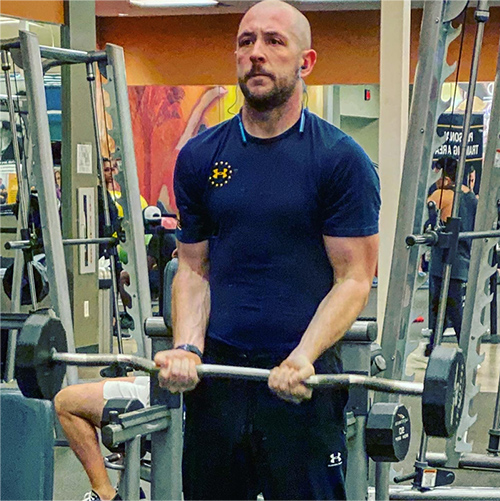
Being at LA Fitness everyday has become my therapy. It’s become my sanctuary. It’s given me more mental strength than physical, and for me, that’s exactly what I need.” 


All You Need is to Take the First Step

This all took place over the course of just a few months! Tyler made the decision to change his physical and mental well-being in late June of this year. It really came down to the fact that he made a choice and was determined to follow-through. He goes on to say: 

“At the end of the day, I say all this, not for a pat on the back or for a “yay me” moment. I’m hoping that if there is anyone who needed to hear these words, that they have heard them by reading this. No matter what you’re facing in life, you can go out there and make it better. You HAVE to keep pushing. Find something that will keep you going. Find your sanctuary.” 

Tyler plans to continue his health and fitness endeavors by studying nutrition and learning how it works for everyone individually. He attributes a lot of his success to his mindfulness of his food choices and hopes to expand his knowledge even further. He has also recently added HIIT by LAF to his routine and happily reports “I am LOVING it!” 

LA Fitness played a role in his motivation too. There’s just something contagious about the energy of others who are also working hard to achieve their personal goals. Tyler explains: 

I love the familiar faces at my gym. Seeing the same people day in and day out, pushing themselves to their limits to reach their goals helps me keep going. 99% of the people, you never meet, but just seeing their drive on a day to day basis helps keep you going.” 


Be Your Own Hero

Tyler has seen his fair share of hard times and knows that other people face similar struggles. His advice? 

“Don’t stop. Whatever you do…don’t stop. There are times it’ll hurt. Keep pushing. Sore? Keep pushing. Tired? Keep pushing. Emotionally drained? Keep pushing. Frustrated? Keep pushing. Never tell yourself that you can’t do something. Get out there and keep pushing. Be your own hero.” 

Do you have an inspirational story you’d like to share with us? Email us at blog@lafitness.com for a chance to be featured in an upcoming post! 


For length and clarity, minor edits – none of which alter the original or intended meaning – have been made to the quotes provided. 

Recommended Reading

5 Winter-Inspired Nice Cream Blends

5 Winter-Inspired Nice Cream Blends

Nice Cream has gained popularity in the health food world over the last few years, and for good reason! As a dairy free, added-sugar free, vegan, and all-natural alternative to ice cream, it’s easy to see why. 

Yes, we know it’s December, but is there ever a wrong time to enjoy nice cream? Besides, there are plenty of holiday foods this time of year that are anything but nice to your healthy eating efforts. It’s not a bad idea to have some healthy sweets in your freezer for the days when baked goods and buttery bread rolls are challenging you to a face-off. 

So, what’s in this magical frozen delight? The answer is fruit! Plain, frozen fruit; typically, with banana as the base ingredient for that craveable creaminess.  

How to Make Your Own Nice Cream 

The one thing better than the taste of fresh fruit in nice cream, is how easy it is to craft your own. There are almost no limitations to what you can create when all you have to do is freeze some fruit and blend it together! Any flavor combination in the world is open to you. 

The How-To Breakdown

  1. Cut up some fresh fruit of your choice into pieces that will easily fit into a standard blender or food processor. We recommend freezing over-ripe bananas whenever possible because adding them is what gets you closer to the creamy texture of real ice cream, but you can leave them out if you prefer.

  2. Pop your fruit pieces into the freezer and wait impatiently for them to freeze. Alternatively, freeze them in advance so they’re ready to go whenever the craving hits.

  3. Toss your frozen fruits into a blender or food processor and hit the magic button. If you like, you can add some sugar-free non-dairy milk for an even smoother texture and an easier blending process.

  4. Scoop your masterpiece into a bowl and top it off with nuts, granola, coconut, dark chocolate crumbles, fresh fruit pieces, or even a drizzle of honey. Don’t forget to freeze the rest (if there’s any left to freeze). 

The process itself is really that simple. Now, depending on how creative you want to get, your flavor profiles can add some extra time and effort.

Here are some fun (and in-season) flavor combinations for you to try with your Nice Cream: 

01.

Pumpkin Pie 

Bananas, pumpkin puree, and some pumpkin spice give you this guilt-free treat. Feel free to add ingredients like Medjool dates for sweetness, and vanilla extract, cinnamon, or nutmeg to add some winter-time flare. Toppings like sunflower seeds or crushed almonds will also go nicely with these warm and spicy flavors. 

02.

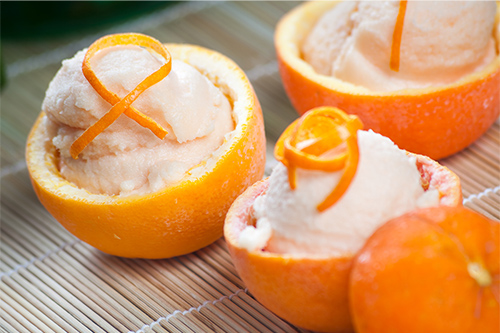
Zesty Orange 

Clementines, Mandarins, and Tangerines are in season during the winter months. You may have heard them called by all these names but Clementines and Tangerines are really just classifications of Mandarin oranges. Match the tart orange flavors with some sweet pineapple or even strawberries, blueberries, and bananas to create a party of fruity flavors. 

03.

Apple Cinnamon 

This is a frosty take on the festive classic: apple pie. You may need some non-dairy milk to help the ingredients blend smoothly for this one. Feel free to experiment with the flavors of Flax milk, soymilk, walnut milk, almond milk, and others. All you need to add is banana, apple, cinnamon, and perhaps some vanilla extract to close in on that apple pie flavor. You can also substitute the apples for blueberries or cherries to achieve a different fruit pie profile. 

04.

Banana Pecan

If we’re going for an apple pie flavor, we can’t leave out pecan pie! You’ll follow the same procedure of blending pecans into your frozen bananas, and you can add some dates to mimic the sweetness of caramelization. If you don’t want crunchy bits of pecan, blend them into a “butter” first, the same way you’d blend peanuts to make peanut butter. This will help them blend more smoothly with the rest of your nice cream. 

05.

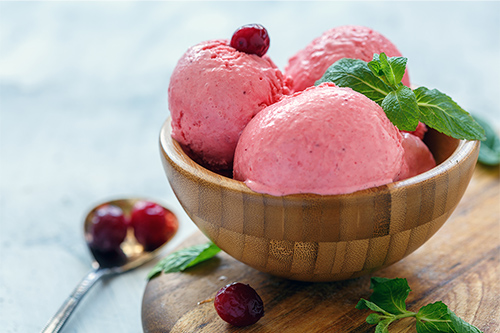
Cranberry Walnut

Cranberries are also very much in season and they can add a lip-smacking tart to your nice cream. Because of their tartness, it would be a good idea to add some sugar substitute to help sweeten this mix. Other fruits that pair well with cranberry include oranges, apples, peaches, and even pears. Again, blend your walnuts into a paste before adding them into your mixture. You can also add cinnamon, nutmeg, and cloves to give it the zing of seasonal spices. 

For more happiness-inducing holiday treats, read our registered dietitian’s article on Nutritious, Mood Boosting Holiday Foods. To learn about fruit, its sugars, and the time of day to eat or avoid it, check out the answer to this reader’s question. To access our monthly blog post highlights, subscribe to our newsletter today! 

Mycotoxins in Food – How to Avoid Exposure | QA

Mycotoxins in Food – How to Avoid Exposure | QA

Question:

I’m hearing a lot about the dangers lurking in certain foods and keep seeing mycotoxins on the list. What are these, where are they, and what’s the risk? I’m going crazy trying to avoid contaminants! It seems nothing is safe.

– Karen H.

Answer:

No foods are truly 100% safe or non-perishable. Although we typically think of spoilage and rotting from visible bacterial growth and pest infestation, contamination of food can also be hiding from the naked eye. It’s said that mycotoxins are present practically everywhere in trace amounts and are unavoidable. 

According to the World Health Organization, “mycotoxins are toxic compounds that are naturally produced by certain types of molds (fungi).” Health effects from these toxins range from acute poisoning to immune deficiency and death. Mycotoxin-producing molds can grow on numerous foods such as cereals, dried fruits, corn, peanuts, coffee beans, nuts and spices. Fox News reported in 2015 that “in the United States aflatoxin contamination is most common is the Southeast in peanuts and corn products.” Aflatoxins are a type of mycotoxin known to cause liver cancer. Other major mycotoxins include citrinin, deoxylnivalenol, fumonisins, ochratoxin, patulin, trichothecenes and zearatenones. 

The good news: Contaminated foodstuffs (either visibly or tested) are not permitted in developed countries’ marketplace. The FDA has set very strict tolerance levels for certain mycotoxins present in crops. 

The bad news: In the U.S., agricultural products kept within state lines and animal feeds are not subject to FDA limits. Additionally, through the food chain, the consumption of even tiny amounts of mycotoxins can have a cumulative effect. This is evident in livestock, eggs and dairy products. 

How to avoid mycotoxins, then? You can reduce mycotoxin exposure by obtaining your raw food (whether conventional or organic) from trusted sources that adhere to federal and state safety testing and from local farmers’ markets (short storage periods). Of course, it could also be that reducing consumption of animal products, corn and peanuts may reduce your chance of exposure. 

Additional sources: 

  1. Alshannaq A, Yu JH. Occurrence, Toxicity, and Analysis of Major Mycotoxins in Food. Int J Environ Res Public Health. 2017;14(6):632. Published 2017 Jun 13. https://www.ncbi.nlm.nih.gov/pmc/articles/PMC5486318/ doi:10.3390/ijerph14060632 
  2. Bennett JW, Klich M. Mycotoxins. Clin Microbiol Rev. 2003;16(3):497–516. https://www.ncbi.nlm.nih.gov/pmc/articles/PMC164220/  doi:10.1128/cmr.16.3.497-516.2003 

– Debbie J., MS, RD

This article should not replace any exercise program or restrictions, any dietary supplements or restrictions, or any other medical recommendations from your primary care physician. Before starting any exercise program or diet, make sure it is approved by your doctor.

Some questions have been edited for length and/or clarity.

Ask our Dietitian

Have a nutrition question? Our registered dietitian is ready to help!


Email nutrition@lafitness.com or submit your question below and it may be featured in an upcoming article!

2 + 12 =


Recommended Reading - Q+A