Heart Healthy Month

Heart Healthy Month

Heart-Healthy Fats for Every Body

Debbie J., MS, RD contributed this article –

We’re on a mission to help Augie Nieto’s nonprofit charity find a cure for ALS (amyotrophic lateral sclerosis), which is a debilitating neurodegenerative disease that can impact anyone. Augie was diagnosed with ALS over 10 years ago and established Augie’s Quest to help find a cure for ALS. For over 5 years, LA Fitness has held an annual fundraiser each February to raise funds for Augie’s Quest. This year’s fundraiser, Action for ALS, will be on Saturday, February 25.

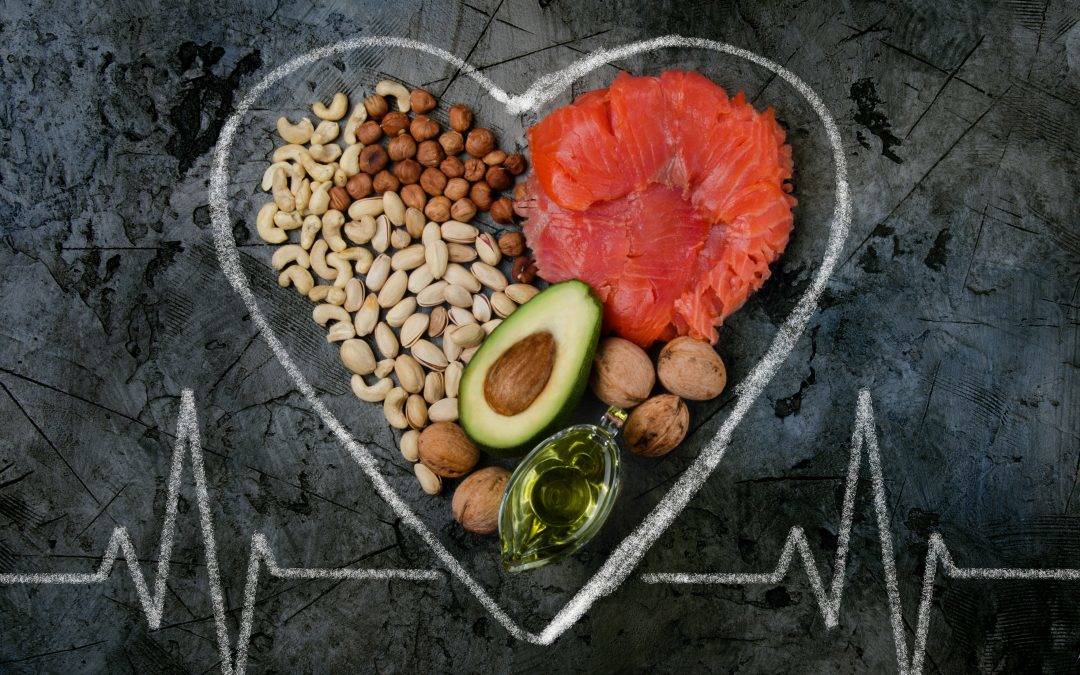
To stay committed to healthy eating & help improve his longevity, Augie focuses on a nutritious diet that includes extra virgin olive oil and good fats. Choosing the best types of fat is indispensable for your heart health and weight management.

You may have heard that a high intake of saturated fat, trans fat and dietary cholesterol raise the risk of cardiovascular disease. But did you know, recent studies show that consuming unsaturated fat as the predominant form of dietary fat, combined with adequate omega-3 fats, actually protects your heart from coronary artery disease1? The impact is even greater in combination with a plant-based diet low in salt and sugar2 and in conjunction with an abundance of fruits, vegetables, and whole grains as the main forms of carbohydrates1.


Augie Nieto, Founder of Augie’s Quest


5 Simple Ways to Improve Your Heart Health

Substituting saturated and trans fats with unsaturated fats lowers LDL (bad) cholesterol production by the liver, meaning less potential for artery-clogging plaque. Keeping the “pipes clear” with healthy fats and adequate fiber is only one piece of the puzzle. Preventing damage to the epithelial cells lining the vascular wall and avoiding high blood pressure are also critical to avoiding stroke and heart attack. Unsaturated fats do both. In particular, olive oil’s polyphenols have anti-inflammatory and anti-oxidant functions3 to protect epithelial cells.

What’s the difference?

Virgin olive oil is result of cold extraction of the fat from olives, resulting in acidity less than 2%. Extra virgin olive oil is a higher quality virgin oil with less than 0.8% acidity.


The Mediterranean diet, of which olive oil is the predominant fat source, is associated with increased longevity3 as well as reduced risk of cardiovascular diseases, improved health, lower mortality, and prevention of cancer and age-related cognitive decline as Parkinson’s and Alzheimer’s. Olive oil has bioactive compounds that alter cells’ gene expression, including those active in pathways of the aging process. In short, cells and tissues live better, longer.

Changing the fat that you eat may also change your body fat. While weight loss is multi-factorial, studies indicate that a high monounsaturated fat diet induces more weight loss compared to one with high saturated fat4. Why so? Olive oil, largely comprised of unsaturated fat, also contains phenolic compounds which have been shown to positively affect insulin sensitivity3 and therefore blood sugar control. These benefits are metabolically beneficial and that translates to better fat burning.

How to maximize your heart-healthy fats without increasing calories:
  • Use virgin olive oil for cooking in place of vegetable oil
  • Replace cream cheese with nut butter on bagels
  • Substitute marinara or pesto for alfredo sauce on pasta
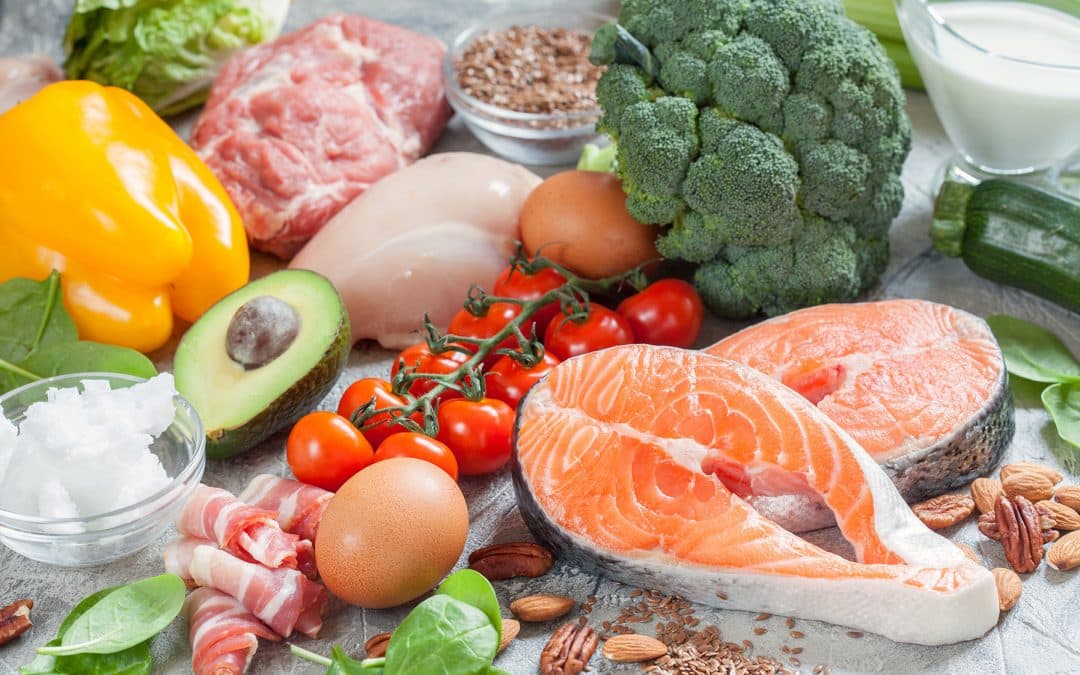
  • Choose fish (omega-3 source) instead of meat three times per week
  • Opt for avocado instead of cheese on sandwiches
  • Try hummus in place of cream-based dips
  • Use an oil-based spread on toast & rolls instead of butter
  • Munch on a handful of nuts instead of a bowlful of chips

Use healthy unsaturated fats to your advantage, and your body will thank you in the long run!

This article should not replace any exercise program or restrictions, any dietary supplements or restrictions, or any other medical recommendations from your primary care physician. Before starting any exercise program or diet, make sure it is approved by your doctor.

References:

  1. Optimal Diets for Prevention of Coronary Heart Disease. Hu, F; Willet, W. Journal of the American Medical Association 2002; 288 (20): 2569-2578.
  2. A Plant-Based Diet, Atherogenesis, and Coronary Artery Disease Prevention. Tuso, P; Stoll, S; Li, W. Permanente Journal 2015 Winter; 19 (1): 62-67.
  3. Olive Oil and the Hallmarks of Aging. Fernández del Río, L.; Gutiérrez-Casado, E.; Varela-López, A.; Villalba, J.M. Molecules2016, 21 (2), 163.
  4. Effect of Dietary Fatty Acid Composition on Substrate Utilization and Body Weight Maintenance in Humans. Krishnan, S and Cooper, J. European Journal of Nutrition 2014 53 (3): 691-710.

Recommended Reading

How Can I Gain Weight? | Q+A

How Can I Gain Weight? | Q+A


Question:

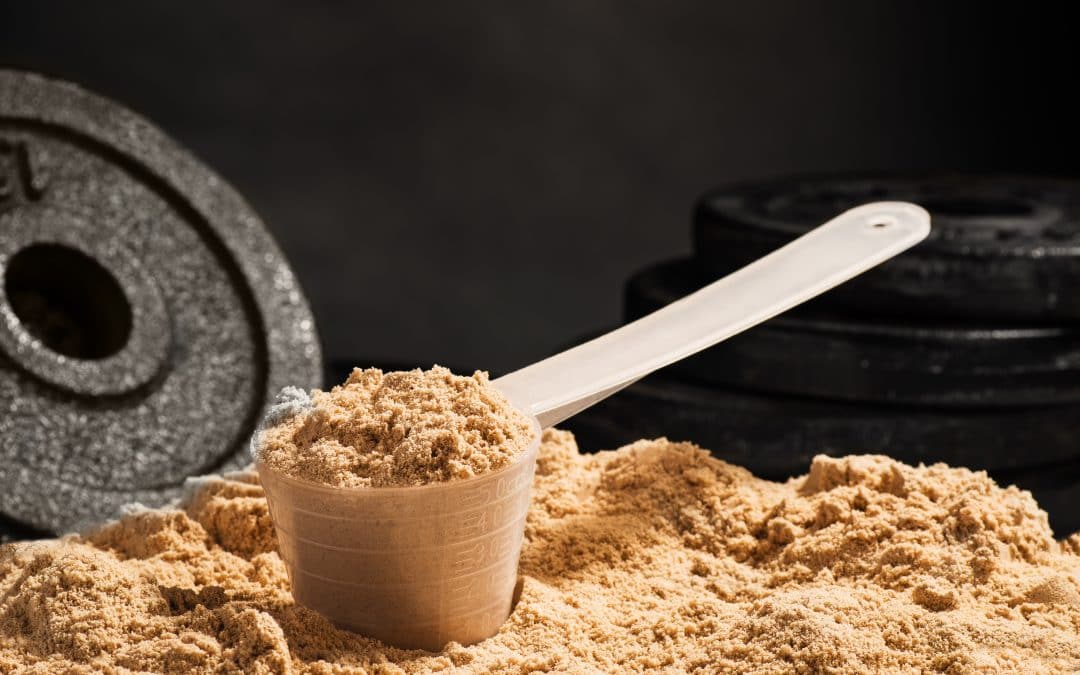
How can I gain weight? I eat a huge breakfast +2 protein shakes every day and 6 meals daily. I’m 6 ft tall. I started at 142 lbs. I’m up to 154 and haven’t been able to add an ounce beyond that. Help, please.

-Anthony G.


Answer:

Good job on gaining some weight! Your weight for your height equates to a BMI of 21, which is within normal weight. If you were underweight, I’d recommend the following:

Focus on energy density, not just volume of food. Simply put, you need to make every bite count. So amp up calories in everything you eat and drink – entrees, snacks, beverages, and desserts.

Choosing the richest options could double your calories. For example, ¼ cup of nuts provides 160 calories compared to the 40 calories from microwave popcorn. A shake made with whole milk, protein powder, peanut butter, and frozen banana slices has 600 calories versus less than 300 calories from the same volume made with low-fat milk, protein powder, fruit and ice.

Meat lasagna made with regular ground beef, whole ricotta and whole mozzarella packs almost double the calories of one made with lean beef, low fat ricotta and part-skim mozzarella cheese.

Adding toppings whenever possible could increase calories significantly. A humble 80 calorie blueberry pancake becomes a powerhouse 150 calories with butter and maple syrup. Laying a slice of cheese on a chicken taco adds 100 calories to each. Spreading a half mashed avocado on a turkey sandwich adds 150 calories. A scoop of 150 calorie ice cream reaches 300 calories when you top it with caramel and nuts. You’ll notice that most of the additions are in the form of fat and sugar. This is no accident, as these happen to be the most energy rich.

Make every sip count by enriching your beverages. One way is to opt for the higher-calorie versions of each drink. Whole milk and nectars are richer versions of milk and juice, respectively. Go for chocolate milk for an even bigger energy load. Smoothies and frappuccinos are calorie-laden alternatives to soft drinks. Another way is to add concentrate to the liquid. For example, add 2 spoonful of dry milk or frozen concentrate to each glass of milk and juice, respectively.

If you were strictly speaking of adding lean tissue, see our article How can I gain weight in muscle, not fat?

This article should not replace any exercise program or restrictions, any dietary supplements or restrictions, or any other medical recommendations from your primary care physician. Before starting any exercise program or diet, make sure it is approved by your doctor.

Ask our Dietitian

QA_icon

Have a nutrition question? Our registered dietitian is ready to help!

Email nutrition@lafitness.com or submit your question below and it may be featured in an upcoming article!

6 + 13 =

LA Fitness Living Healthy subscribe button

Want more? SUBSCRIBE to receive the latest Living Healthy articles right in your inbox!

What Foods Can Help Reduce My Cholesterol Levels? | Q+A

What Foods Can Help Reduce My Cholesterol Levels? | Q+A


Question:

My name is Alicia, I just got my results from my blood work and I am not too happy. I go 5 to 6 days to the gym, do cycling, yoga, eat very healthy — no red meat, a lot vegetables and fruit and I just don’t understand why my cholesterol is too high (250). Can you give me any advice what to do to lower it down?

-Alicia B.


Answer:

Here’s what you can eat to help push your high cholesterol down:

Soluble fiber is known to reduce cholesterol levels. It ‘sticks’ to cholesterol molecules and traps them for removal with other waste from the gut. Oatmeal, beans, Brussel sprouts, flaxseeds and apples are good sources, to name a few. Many fiber-enhanced foods contain inulin, a type of soluble fiber. Eat at least 10 grams of soluble fiber per day to reduce harmful LDL cholesterol.

Soy protein from soybeans, tofu, soy milk and the like may modestly reduce LDL cholesterol, and it will take at least 25 grams per day (from whole foods, not supplements) for an effect.

In some instances, 250 mg/dl total cholesterol is okay. That’s when the beneficial HDL to total cholesterol ratio is 3.5:1 or lower. For you, that would mean at least 72 mg/dl of HDL.

Plant sterols/stanols are components of plants that help block the absorption of cholesterol.

They are found naturally in grains, vegetables, fruits, legumes, nuts and seeds, and added to functional foods, like certain juices and heart-healthy margarine spreads. You’ll need at least 2 grams of plant sterols or stanols for a cholesterol-lowering effect.

Omega-3 fatty acids (found in fish & fish oils, walnuts and chia seeds) reduce triglyceride levels, a free-floating fat not bound to cholesterol in the blood. They are also anti-thrombotic and anti-inflammatory to keep your cardiovascular system healthy. Consume fish at least 3 times per week and eat nuts or seeds daily.

Blood cholesterol reduction may not be achieved though diet and exercise alone. You can thank your genes for that! Some people simply have a greater liver production of cholesterol.

This article should not replace any medication, dietary instructions, or any other medical recommendations from your primary care physician. Before starting any exercise program or diet, make sure it is approved by your doctor.


In some instances, 250 mg/dl total cholesterol is okay. That’s when the beneficial HDL to total cholesterol ratio is 3.5:1 or lower.

For you, that would mean at least 72 mg/dl of HDL.


Plant sterols/stanols are components of plants that help block the absorption of cholesterol.

They are found naturally in grains, vegetables, fruits, legumes, nuts and seeds, and added to functional foods, like certain juices and heart-healthy margarine spreads. You’ll need at least 2 grams of plant sterols or stanols for a cholesterol-lowering effect.

Omega-3 fatty acids (found in fish & fish oils, walnuts and chia seeds) reduce triglyceride levels, a free-floating fat not bound to cholesterol in the blood. They are also anti-thrombotic and anti-inflammatory to keep your cardiovascular system healthy. Consume fish at least 3 times per week and eat nuts or seeds daily.

Blood cholesterol reduction may not be achieved though diet and exercise alone. You can thank your genes for that! Some people simply have a greater liver production of cholesterol.

References:

American Heart Association, National Cholesterol Education Program, National Heart, Lung, and Blood Institute


Ask our Dietitian

QA_icon

Have a nutrition question? Our registered dietitian is ready to help!

Email nutrition@lafitness.com or submit your question below and it may be featured in an upcoming article!

4 + 8 =

LA Fitness Living Healthy subscribe button

Want more? SUBSCRIBE to receive the latest Living Healthy articles right in your inbox!

This article should not replace any exercise program or restrictions, any dietary supplements or restrictions, or any other medical recommendations from your primary care physician. Before starting any exercise program or diet, make sure it is approved by your doctor.

Suggested Articles

How Can I Meet My Fitness Goal with Meal Planning? | Q+A

How Can I Meet My Fitness Goal with Meal Planning? | Q+A


Question:

I am asking for help with calculating my macro goals and with meal planning (when, how much and what to eat)?

Thanks!

-Michelle V.


Answer:

Consistency

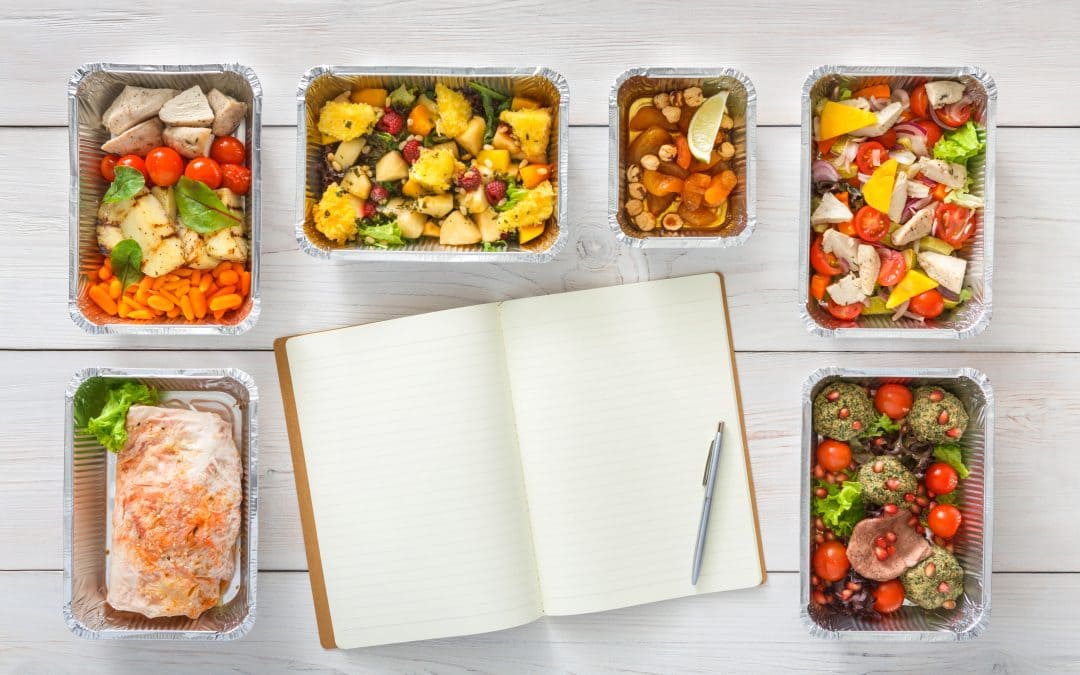
After 20 years as a Registered Dietitian it is my humble professional option that you need to tackle consistency in your meals before you attempt to aim for specifics. If cooking isn’t your thing, you need to be a savvy shopper to get healthy prepared foods and stock up on mini-meals and snacks for your alternating schedule. What are you willing to fix? What foods are best suited to bringing to work?

Meal Ideas

Frozen skillet meals can be enhanced with fresh ingredients on hand — only one pan to clean, plus leftovers! For portable meals, consider a cold vegetable/pasta/protein dish from the service deli counter at your grocer. Think outside the box of what’s typical “breakfast” fare. A bowl of chili with a piece of cornbread at 8 am might wrap up your waking/working hours before daytime sleep. Write out some ideas for the week and shop accordingly.

As far as building lean tissue on your lean frame, focus on adding 200-300 calories on the days you work out, divided equally between pre- and post-training. Wrapping your head around this small quantity is simpler and may be more effective than trying to pinpoint each macronutrient gram in an entire day’s worth of eating. 150 calorie snacks to support workouts include:

2 C. kale chips or light microwave popcorn (1/3 bag)

1/2 apple with tablespoon peanut butter

1/4 C. hummus with crudités

1 scrambled egg with diced ham and broccoli

Mini pizza: 1/2 English muffin + tomato sauce + shredded mozzarella

For personalized assistance you can find a nutritional professional near you, use the “Find An Expert” feature from The Academy of Nutrition and Dietetics.

-Debbie J., MS, RD


This article should not replace any exercise program or restrictions, any dietary supplements or restrictions, or any other medical recommendations from your primary care physician. Before starting any exercise program or diet, make sure it is approved by your doctor.

Ask our Dietitian

QA_icon

Have a nutrition question? Our registered dietitian is ready to help!

Email nutrition@lafitness.com or submit your question below and it may be featured in an upcoming article!

1 + 4 =

LA Fitness Living Healthy subscribe button

Want more? SUBSCRIBE to receive the latest Living Healthy articles right in your inbox!

Suggested Articles

Which Fruits Contain the Most Sugar? | Q+A

Which Fruits Contain the Most Sugar? | Q+A


Question:

My doctor said that I was a borderline diabetic, and that I need to cut down on some of the fruit I was eating at breakfast.  The fruits I am eating are: strawberries, red grapes, cantaloupe, watermelon, pineapple, apple, banana, cherries (in season).  I need to know the sugar content of each fruit or which fruit has the most sugar.

-Charlie C.


Answer:

Consider that if the serving is larger, you could get more sugar from any one of the fruits you’ve listed. Even with two amounts of fruit with the same weight, the sugar content varies due to density differences, or the amount of water and fiber contained in each fruit. A typical portion* of each fruit differs, as we’re accustomed to eating a certain amount. While you’re focusing on the sugar, you also need to consider the total carbohydrate as it all contributes to blood sugar.


For an equal volume of 1 cup of sliced fresh fruit, from highest to lowest sugar content:

  • Red grapes – 104 calories, 27 gm Carb, 23 gm sugar
  • Cherries (sweet) – 97 calories, 25 gm Carb, 20 gm sugar
  • Banana – 134 calories, 34 gm Carb, 18 gm sugar
  • Pineapple – 74 calories,   20 gm Carb, 14 gm sugar
  • Cantaloupe – 52 calories,   13 gm Carb, 12 gm sugar
  • Apple (w/skin) – 57 calories,   15 gm Carb, 11 gm sugar
  • Watermelon – 46 calories,   11 gm Carb, 9 gm sugar
  • Strawberries – 53 calories,   13 gm Carb, 8 gm sugar


* By serving size, based on usual consumption patterns:

  • 3” apple – 95 Cals,   25 gm Carb, 19 gm sugar
  • 1/16 watermelon —     86 Cals,  22 gm Carb, 18 gm sugar
  • 15 cherries – 77 Cals,   20 gm Carb, 16 gm sugar
  • 3/4” pineapple ring – 79 Cals,   21 gm Carb, 5 gm sugar
  • 1 medium banana — 105 Cals, 27 gm Carb, 14 gm sugar
  • 15 grapes – 51 Cals,   13 gm Carb, 11 gm sugar
  • 10 large strawberries – 58 Cals, 14 gm Carb, 9 gm sugar
  • 1/8 large cantaloupe – 35 Cals,   8 gm Carb,   8 gm sugar

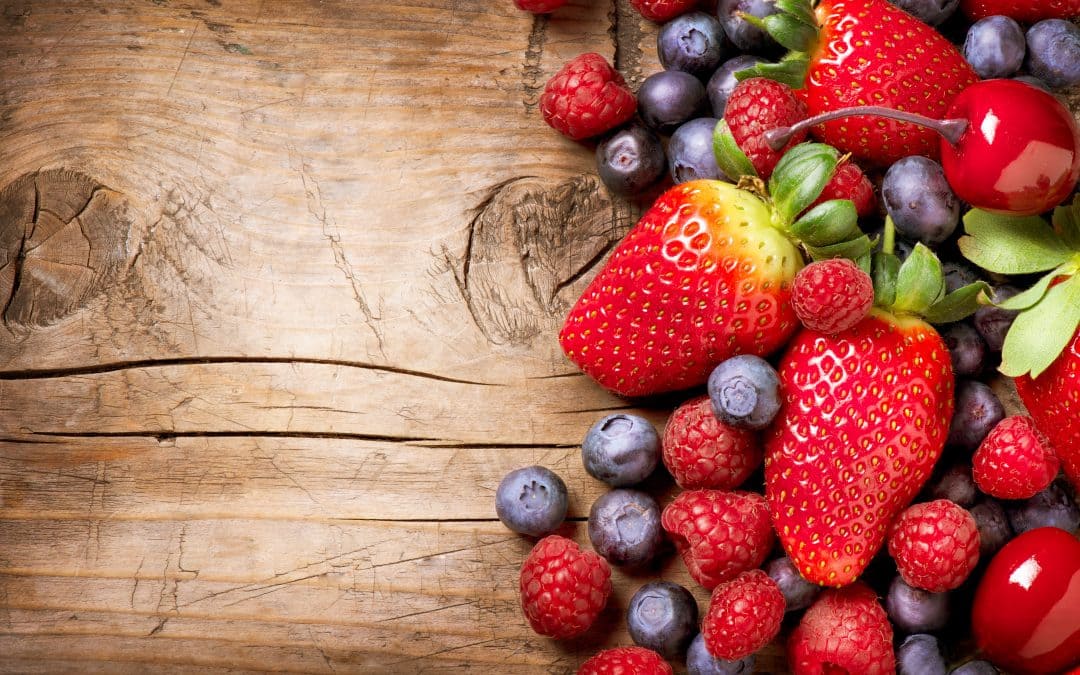
CHERRIES have the most sugar in them comparatively, as they appear in the top 3 of each list.  And the only fruit in the bottom 2 of each comparison with the lowest sugar — STRAWBERRY!

-Debbie J., MS, RD 


All nutritional values taken from the USDA National Nutrient Database for Standard Reference Release 28

This article should not replace any exercise program or restrictions, any dietary supplements or restrictions, or any other medical recommendations from your primary care physician. Before starting any exercise program or diet, make sure it is approved by your doctor.
Ask our Dietitian

QA_icon

Have a nutrition question? Our registered dietitian is ready to help!

Email nutrition@lafitness.com or submit your question below and it may be featured in an upcoming article!

10 + 1 =

LA Fitness Living Healthy subscribe button

Want more? SUBSCRIBE to receive the latest Living Healthy articles right in your inbox!

Suggested Articles