
Commit to Fit | Mother’s Day Edition

Commit to Fit | Mother’s Day Edition


Goals, Commitments, Community

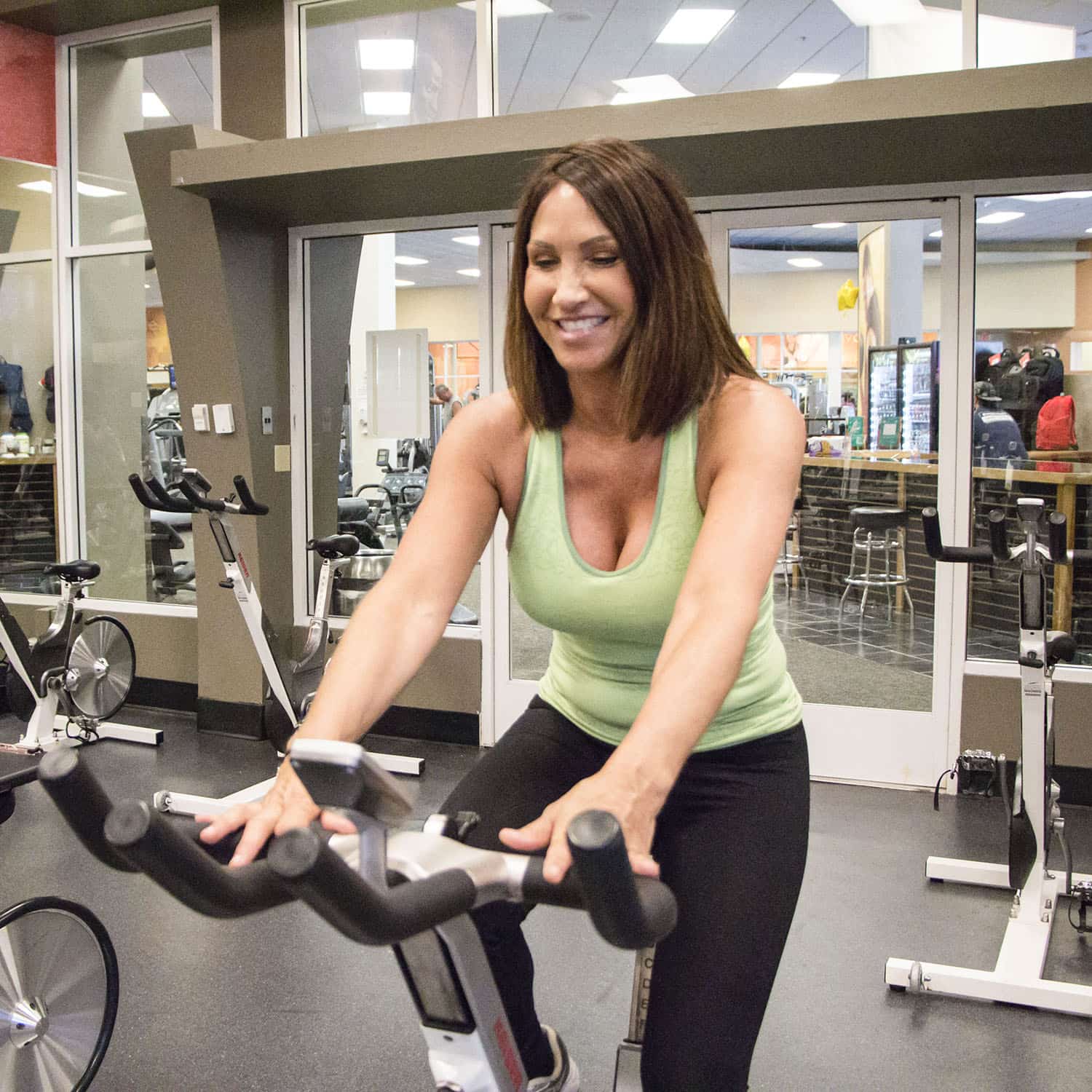
Welcome to a very special edition of our Commit to Fit – Mom Edition! These incredible moms manage to make the time to get to the gym & stay dedicated to maintaining a healthy lifestyle!

Mother’s Day Club Hours will remain the same.

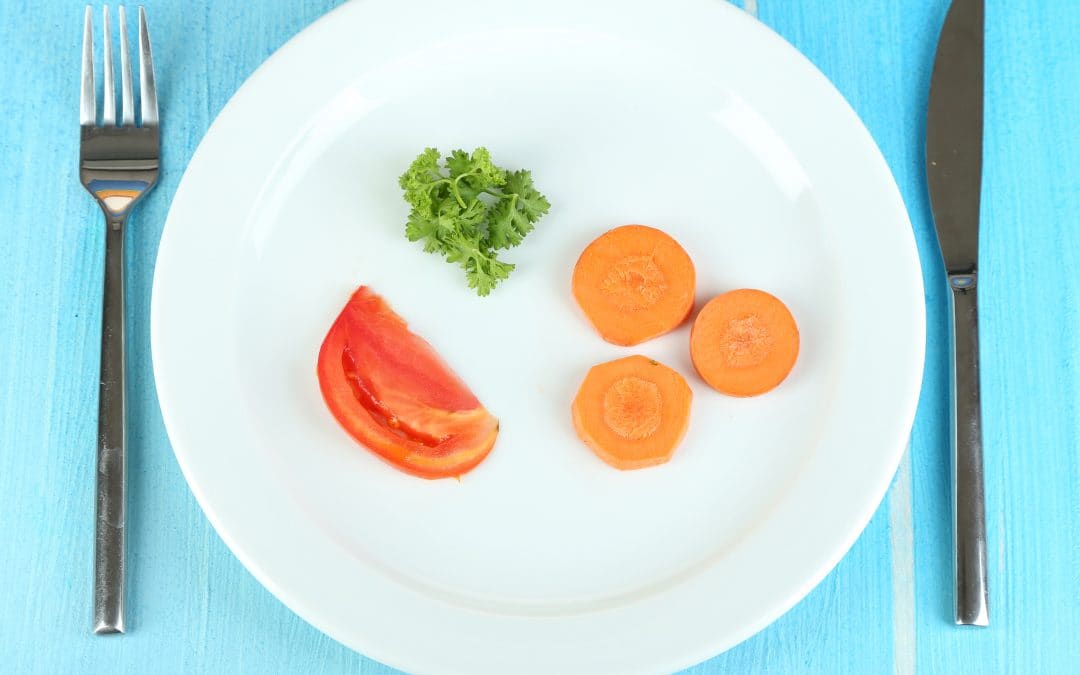
Am I Eating Too Little? | Q+A

Am I Eating Too Little? | Q+A

Question:

I am a 40 year old male, I currently weigh 260lbs. I have a desk job but I am very active otherwise outdoors and I have started going back to the gym for weight training M-F during my lunch hours and also do 30-40 minutes of cardio 3x a week, in addition to a 6 mile hike and a 10 mile bike ride the other 2 days. On the weekends I am very active usually backpacking or hiking. My goal is to get back down to a healthy 225. I am currently 31% body fat. I use MyFitnessPal to track my calories. My typical day is usually under 1800 calories; I eat pretty healthy consisting of an average of 35% carbs, 25% fat and 40% protein. My goal isn’t necessary to gain huge mass, I would like to maintain my muscle (and get stronger, not necessarily bigger), and drop my fat. My question is, am I eating too little? Since I put myself on an eating schedule, I don’t feel like I am starving myself. I have only been at this routine for the last 10 days or so, and I don’t really expect to see immediate results, but my goal is around 2 lbs. per week. Any help would be greatly appreciated.

– Jason N.

Answer:

At first glance, your caloric intake does seem a bit low for the amount of activity you’re engaged in. However, if you are satiated after meals and aren’t lacking energy as the day progresses, you may be eating enough. Losing 2 pounds per week does take quite a caloric deficit — approximately 7000 calories per week! By eating smart, not more/less, you can maintain your muscle mass while you lose fat weight.

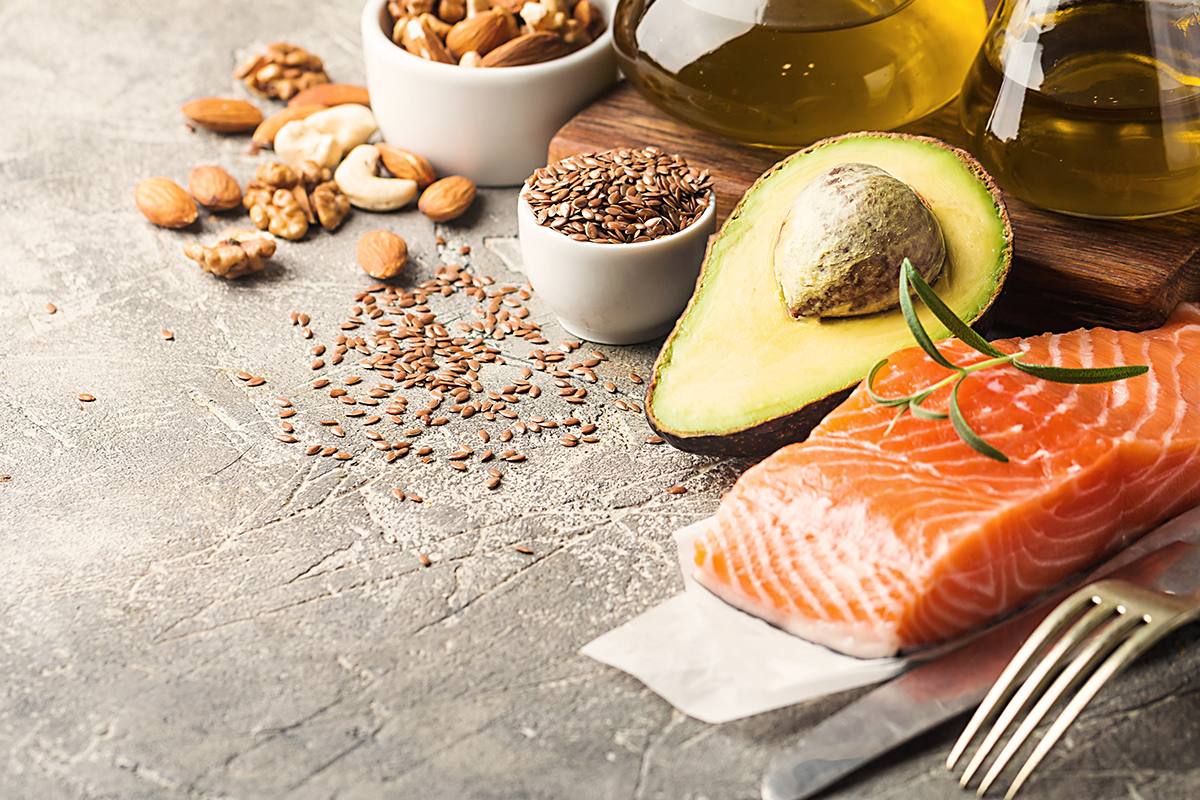
By my calculation, you’re getting at least 150 gm carbohydrate, so you’re meeting your base need there. Your protein intake equates to about 1 gram per pound of fat-free mass, the maximum you’re likely to put to use. Fat provides 450 of your daily calories (50 grams), which is not ample but sufficient. You should be able to maintain your described caloric breakdown as long as you see progress.

Additionally, I’d recommend that you support those workouts by consuming the bulk of your intake in the hours surrounding your physical activity. So if you’re exercising in the morning, eat more then and less at night. Keep up your fiber and fluid intake, as these help you to feel full when volume is down.

– Debbie J., MS, RD

This article should not replace any exercise program or restrictions, any dietary supplements or restrictions, or any other medical recommendations from your primary care physician. Before starting any exercise program or diet, make sure it is approved by your doctor.

LA Fitness Living Healthy subscribe button

Want more? SUBSCRIBE to receive the latest Living Healthy articles right in your inbox!

Ask our Dietitian

Have a nutrition question? Our registered dietitian is ready to help!
Email nutrition@lafitness.com or submit your question below and it may be featured in an upcoming article!

5 + 10 =

Recommended Reading

Your Guide to Mindful Eating

Your Guide to Mindful Eating

With over 62 million tons of wasted food in the U.S. each year, minimizing our impact is more important than ever. Read on to learn what you can do to help reduce food waste.

Low Carb Food Choices | Q+A

Low Carb Food Choices | Q+A

Question:

My doctor has me on a pre-surgery low carb diet. Do you have any recipes for low carb cooking or low carb eating out ideas?

– Steve G.

First, always follow your doctor’s orders regarding your prescribed allowance for carbohydrates. My trusted recipe sources are Cooking Light, Eating Well, Epicurious and Harvard’s The Nutrition Source. Recipes should have the nutrients per serving and specify how many servings the recipe yields. Suggested ones to try:

  • Vegetable omelet
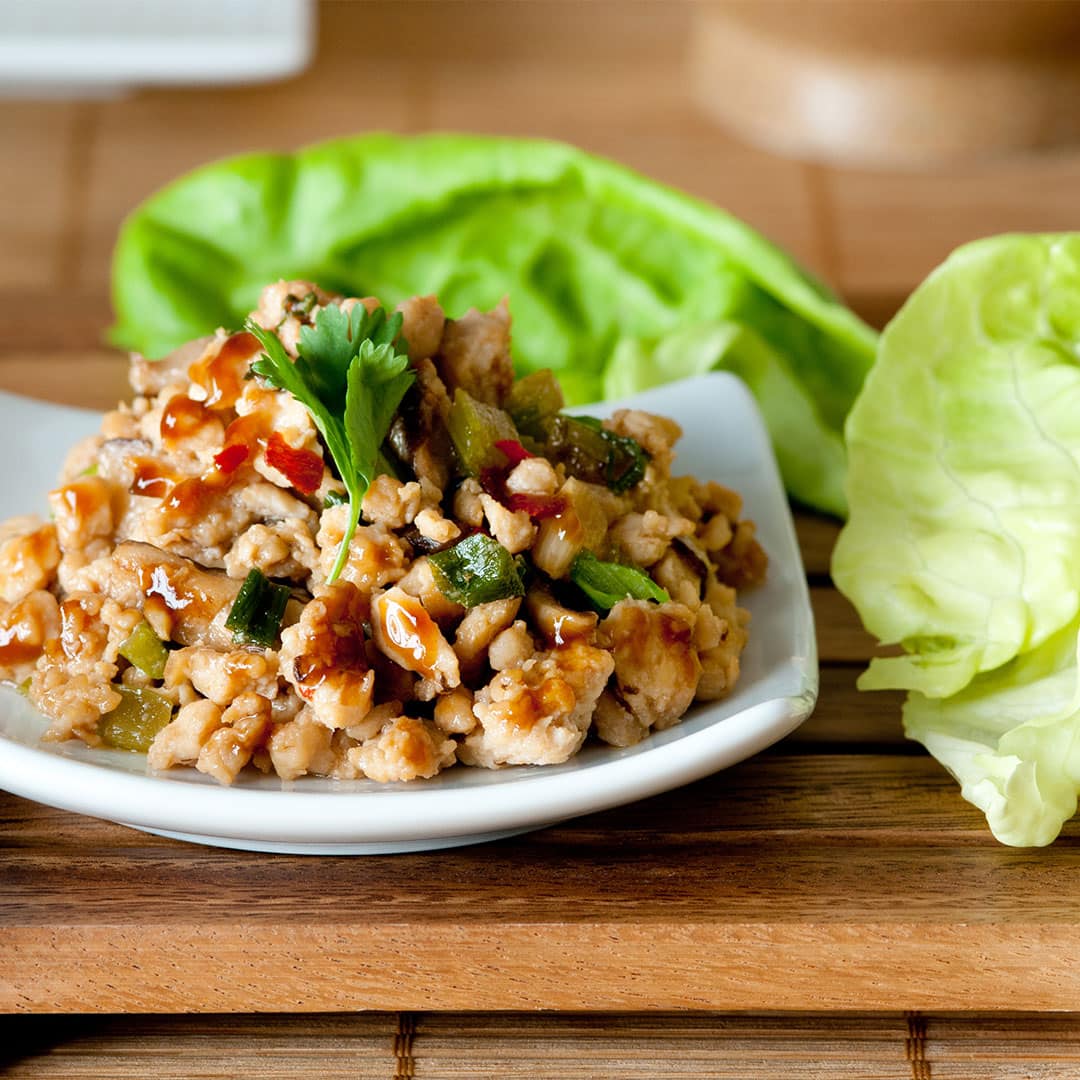
  • Chicken lettuce wraps
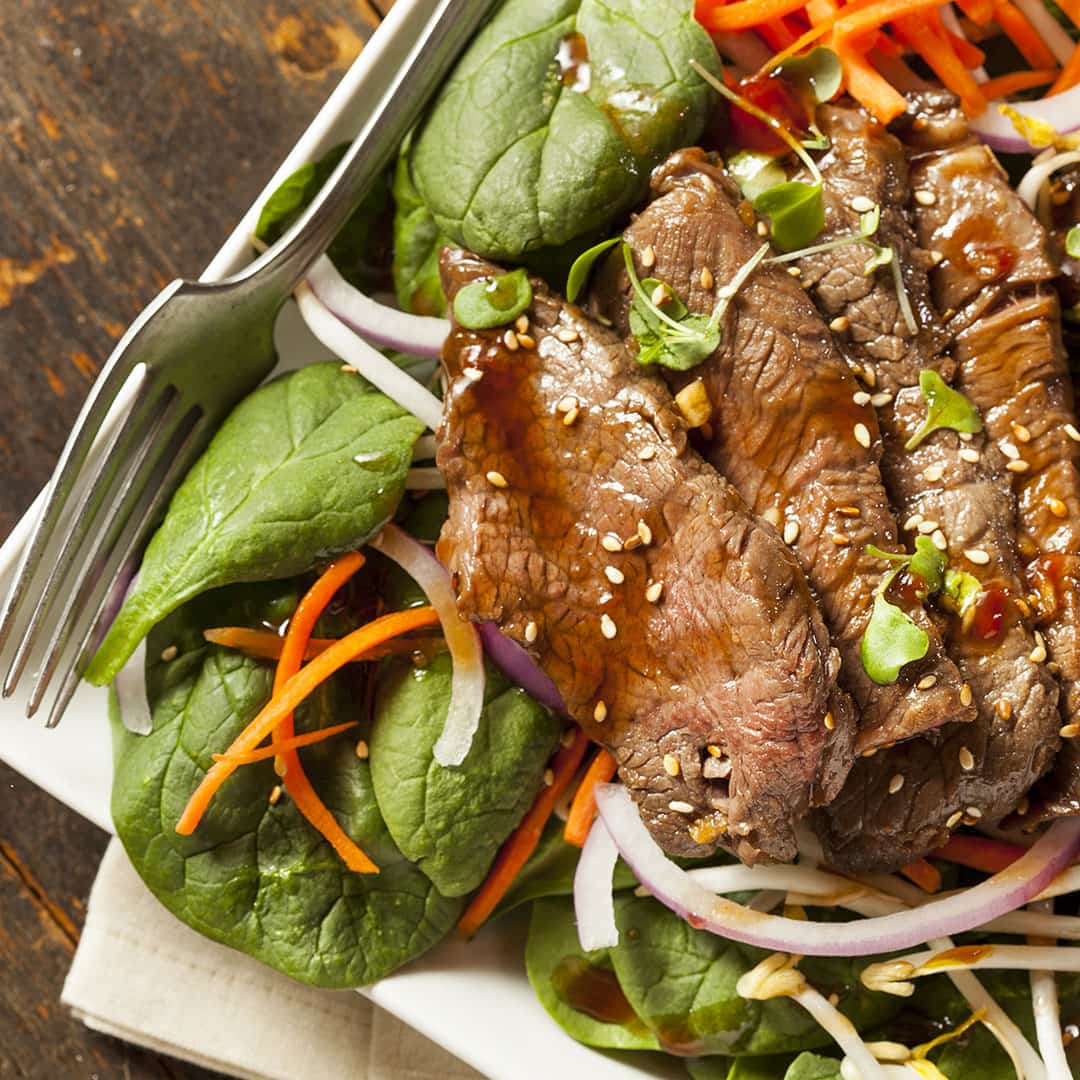
  • Thai pork salad (no noodles)
  • Tofu & vegetable stir fry
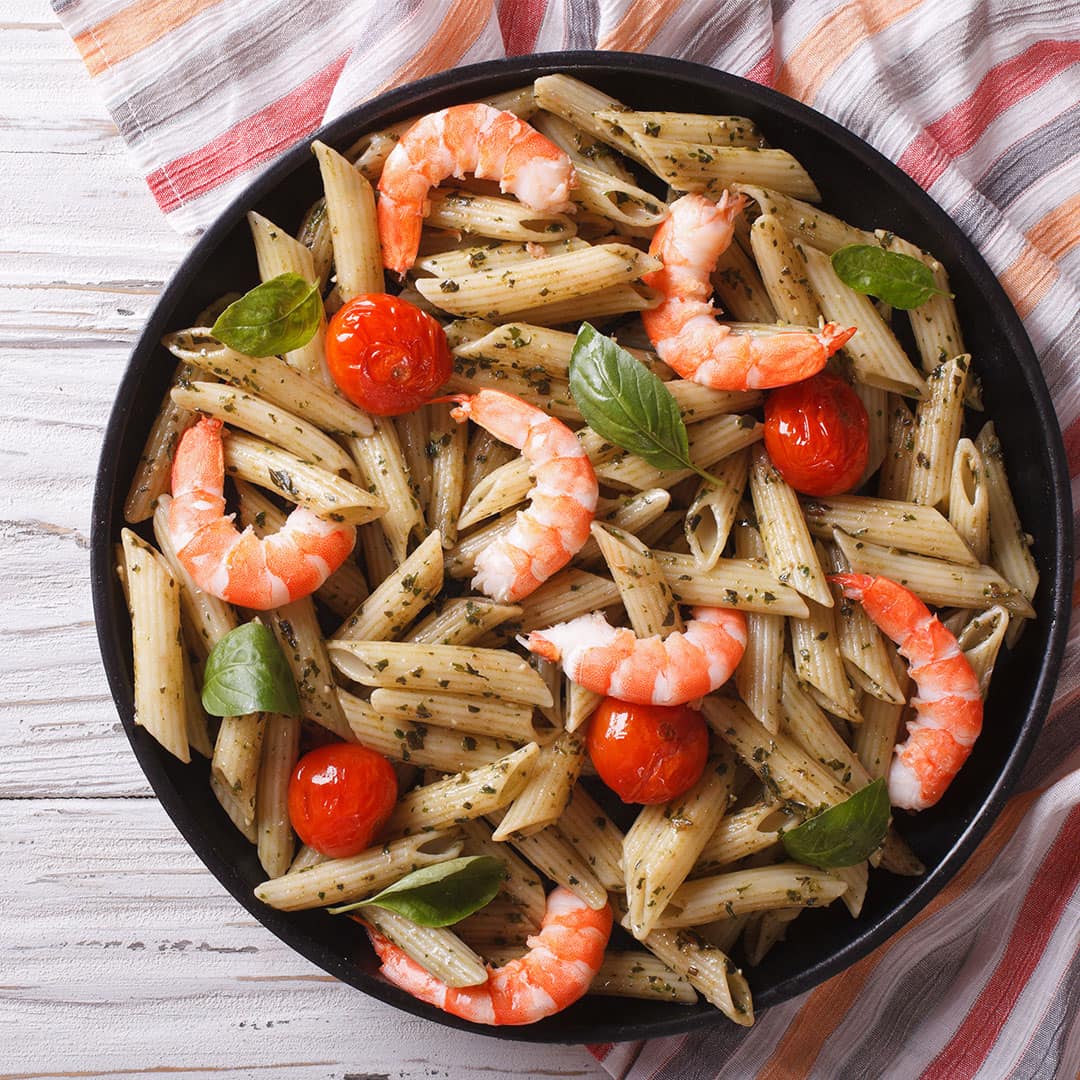
  • Shrimp vegetable pesto
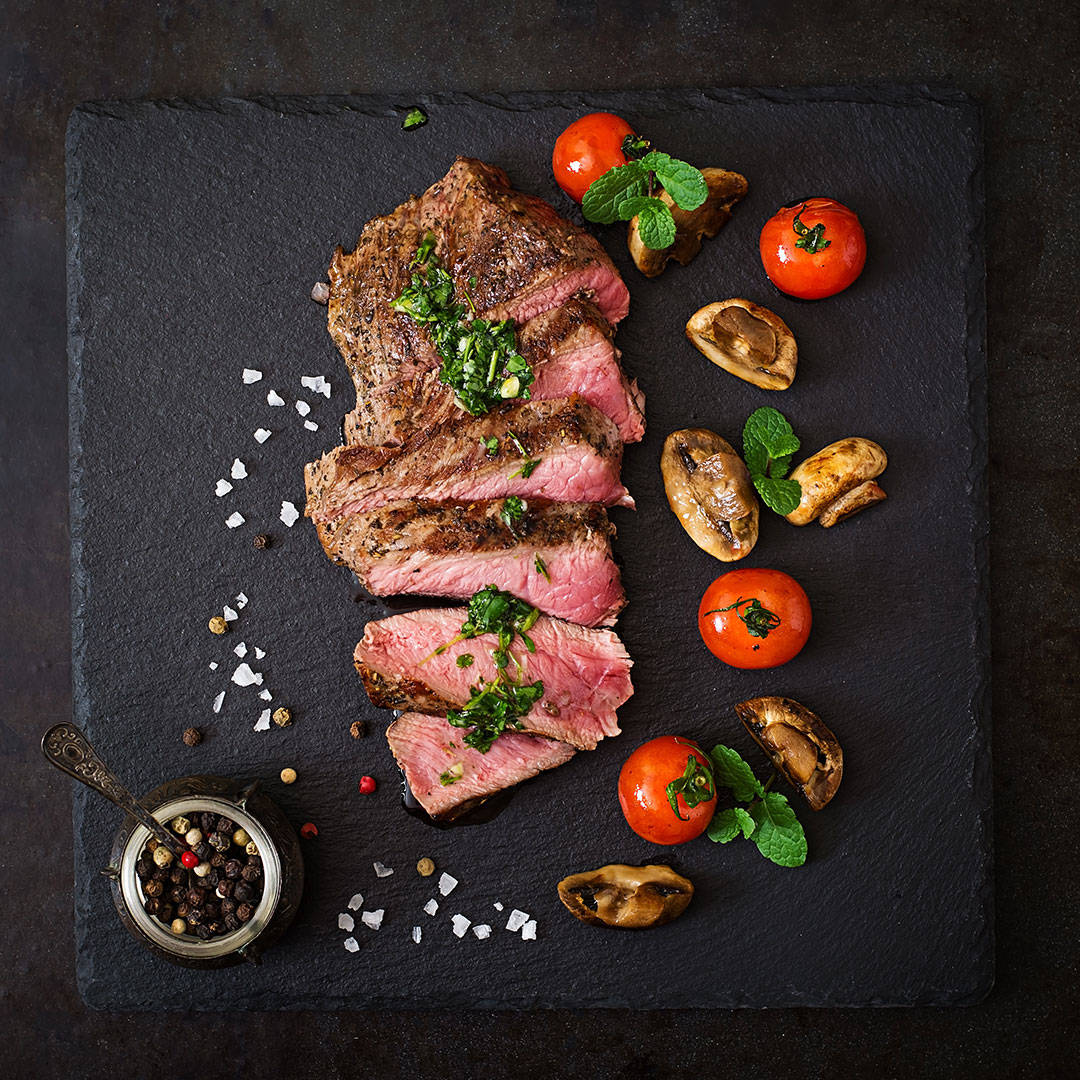
  • Steak Diane & mushrooms
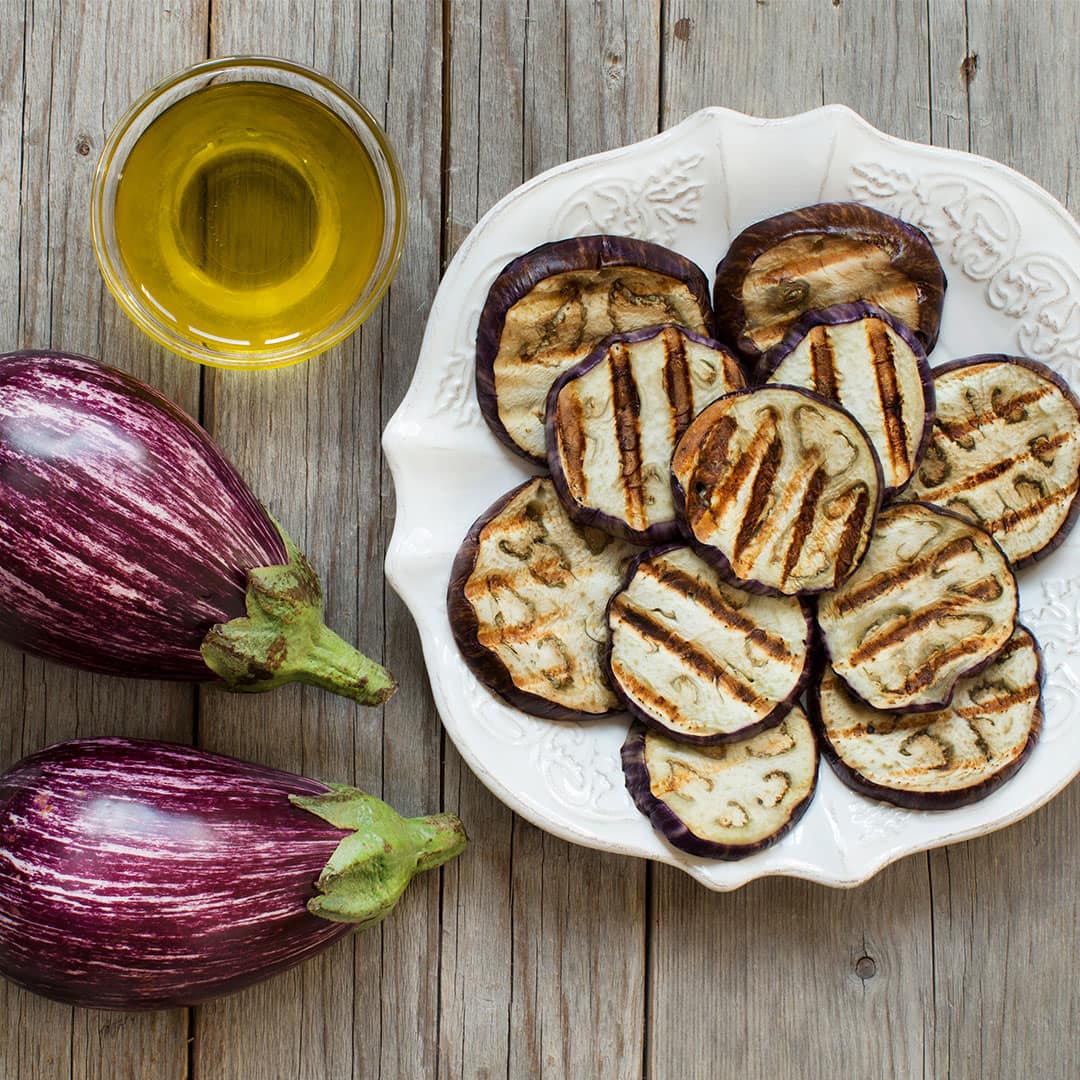
  • Roasted eggplant & peppers
  • Spaghetti squash lasagna
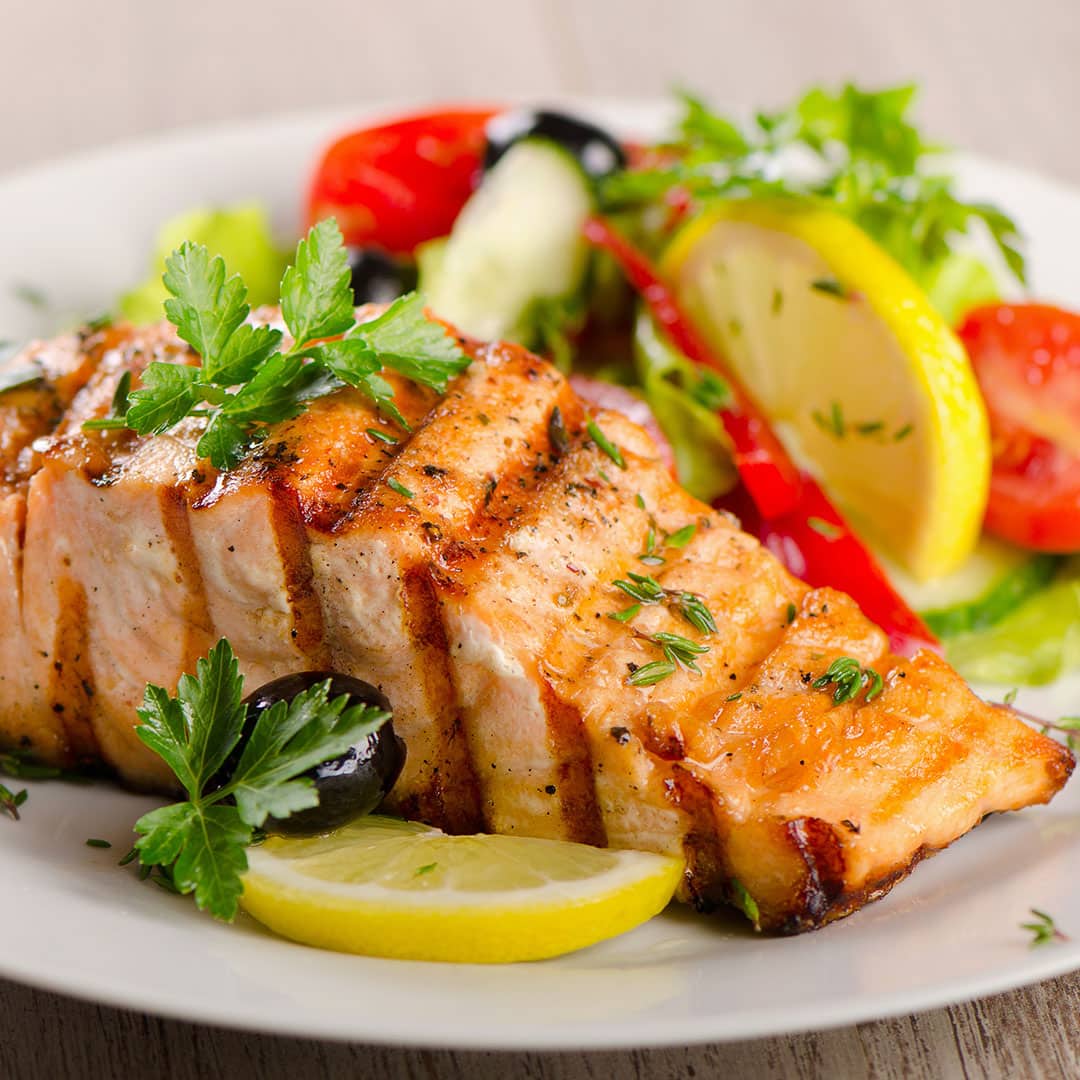
  • Miso-ginger grilled salmon

When eating out, look for the vegetable or protein to be listed in the entrée title, not potato/pasta/rice, etc. Ask for vegetable substitutions in place of the starch side dish, such as salad or steamed broccoli. Avoid anything breaded. Inquire about sauces and dressings to determine if they’re made with concentrated sugars. A garnish of high-fiber beans such as lentils on a dish is fine, but skip any croutons or tortilla strips on salad.

– Debbie J., MS, RD

This article should not replace any exercise program or restrictions, any dietary supplements or restrictions, or any other medical recommendations from your primary care physician. Before starting any exercise program or diet, make sure it is approved by your doctor.

LA Fitness Living Healthy subscribe button

Want more? SUBSCRIBE to receive the latest Living Healthy articles right in your inbox!

Ask our Dietitian

Have a nutrition question? Our registered dietitian is ready to help!

Email nutrition@lafitness.com or submit your question below and it may be featured in an upcoming article!

10 + 12 =

Recommended Reading

Your Guide to Mindful Eating

Your Guide to Mindful Eating

With over 62 million tons of wasted food in the U.S. each year, minimizing our impact is more important than ever. Read on to learn what you can do to help reduce food waste.

Tips to Help Quit Unhealthy Snacking Habits

Tips to Help Quit Unhealthy Snacking Habits

Having trouble breaking that midday unhealthy snacking routine? Find out some tricks that may help break the vicious cycle!

Uh oh… it’s that time of day again. You know, that hour when you are suddenly feeling tired, unfocused, and ready for that afternoon pick-me-up. I refer to it as the Midday Monster; that little hunger feeling that creeps up and causes us to crave something tasty. The trouble is, usually that midday snack is an unhealthy one. We tend to gravitate towards something sweet, caffeinated, or carb-loaded. This is because those “feel-good” foods and drinks, typically do just that – they make us feel good. Food and drinks high in sugar can cause the dopamine levels, or the “feel-good” hormones, in our brains to rise.1 Unfortunately, the old idiom too much of a good thing, rings all too true.

Overindulgence, whether it be a midday snack or a late night one, can be harmful to our bodies. Nevertheless, quitting cold turkey is easier said than done. Old habits are hard to kick, but the key to remember is that there are ways to change poor snacking habits. It’s a process that begins with baby steps. Before reaching for that bag of chips, or sweets, take a moment to ask yourself, ”Am I really hungry?“ A lot of the time we snack out of boredom or stress. Try drinking some water and see if that helps. Oftentimes, hunger can be confused with dehydration.2 Save yourself the unneeded calories and drink some refreshing H20.

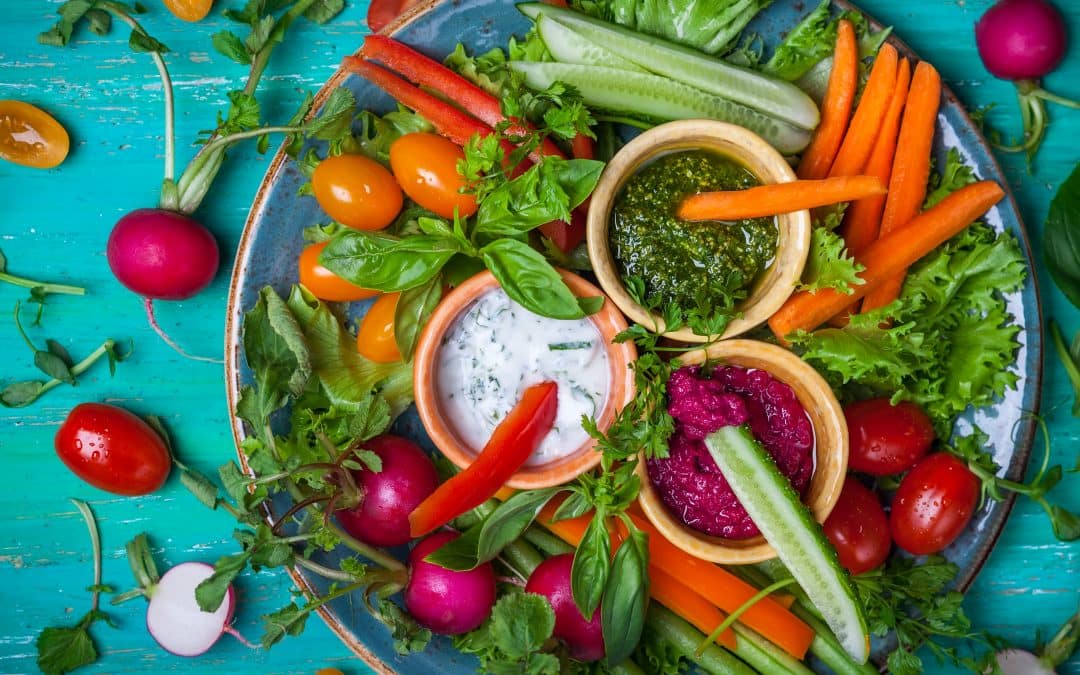
Still feeling hungry? Rid yourself of unhealthy temptations by keeping only healthy snacks close by. The key is to find foods to snack on that are high in fiber, which may keep you feeling fuller, longer.3 A few of these healthier options include: hummus and veggies, almonds, cereal bars, and raspberries. Or, grab a snack that helps boost metabolism and burn fat. Some examples of these fat-burning foods include: apples, avocados and cottage cheese, or canned tuna on whole-wheat crackers.4 If you’re looking for a healthy alternative for your go-to calorie-filled lattes, try some minty green iced tea.

Another source of unhealthy snacking can be caused from skipping your morning breakfast.5 If you starve yourself in the morning, you typically have greater odds of overindulging later on in the day. Make sure you make time for breakfast, and save yourself later on.

Another interesting tactic to consider is brushing and/or flossing your teeth after eating, which helps reduce the temptation to eat.6  Once your teeth are clean, you’ll be less likely to grab something to snack on, in order to avoid brushing again.

In addition, it is helpful to meal plan. LA Fitness registered dietitian, Debbie J., RDN says, “Having a blueprint to follow for your week’s meals will help keep you eating regularly and on track, thus prevent you from skipping meals, so you’ll be less likely to snack.” Make things easier on yourself by preparing a few healthy snacks the night before. This way, you’re not tempted to grab for something unhealthy when you’re feeling stressed, tired, or on-the-go.

Check out one of our more recent Q+A’s from LA Fitness’ registered dietitian, Debbie J., MS, RDN, where she helps answer What Are Good Substitutions for Sugary and Salty Snacks? If you have a nutrition question of your own, please share it with us by submitting a question here, and your answer may be featured in a future post.

Sources:

  1. Pirisi, Angela. “A Real Sugar High?” Psychology Today. Sussex Publishers, LLC, 1 Jan. 2003. Web. 12 Apr. 2017.
  2. POPSUGAR Fitness. “7 Tips to Curb Your Appetite.” Shape Magazine. N.p., 14 Feb. 2014. Web. 12 Apr. 2017.
  3. Goldman, Alison. “15 Healthy High-Fiber Foods That Make You Feel Full and Satisfied.” Women’s Health. N.p., 11 Feb. 2016. Web. 12 Apr. 2017.
  4. MacMillan, Amanda. “20 Snacks That Burn Fat.” Health.com. N.p., n.d. Web. 12 Apr. 2017.
  5. Cymbalista-Clapp, Julian. “10 Bad Habits and the Best Ways to Quit Them | Reader’s Digest.” Reader’s Digest. N.p., 20 June 2012. Web. 12 Apr. 2017.
  6. “Avoid Unhealthy Eating Habits.” WebMD. WebMD, n.d. Web. 12 Apr. 2017.

Recommended Reading

How to Eat Healthy When Dining Out

How to Eat Healthy When Dining Out

Whether you’re traveling or simply going out for the night, plan to stick to your diet routine at restaurants. Since you have less control when someone else is preparing your food, you’ll need to be diligent about selecting the right items and controlling portions.

Here are some tips to keep you on track:

1. Select a suitable restaurant. Casual or full service, you’ll want to make sure your destination has options that fit your eating plan. Unless it’s a salad bar, skip all-you-can-eat buffets which prompt guests to fill up and take more than they need. Shared plates or tapas style restaurants are fine with a group so long as you order a couple of vegetable dishes.

See our article Dietitian Suggestions for Healthy Fast Food Options for drive-thru advice.

2. Peruse the menu ahead of time. Look at menu options online and make a decision before going to a restaurant where the atmosphere and aroma might lead you astray. Perhaps keep your favorite restaurants’ to-go menus at the ready to browse at a moment’s notice. If you can’t see the choices ahead of time before arriving, pause and take a moment to really look at the full menu.

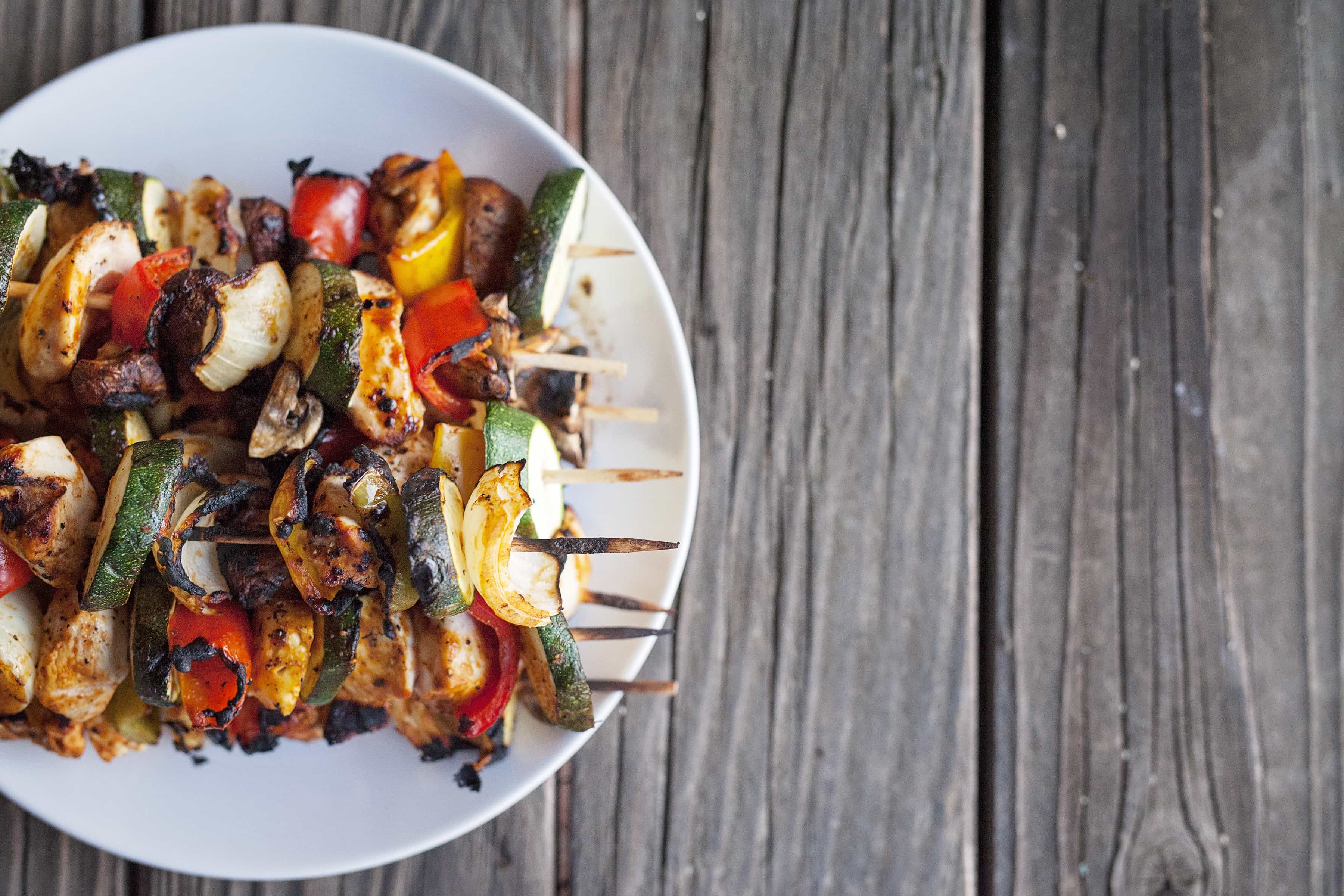
3. Notice key descriptors. Look for clues that less fat was used in cooking such as grilled, poached baked or roasted proteins. Avoid crispy or breaded items that are probably fried. Savory listings may be higher in sodium. And it goes without saying that rich, decadent and indulgent descriptors are red flags for high calories!

4. Order carefully. You have a better chance to stick to your plans if you aren’t influenced by what others are having, so order first. Take note of side dishes offered elsewhere on the menu, so you can ask for healthier substitutions.

5. Skip the extras. You’ve been eating well up to this point, right? So you don’t need the bread, rolls or tortilla chips brought to the table. You can even ask the server not to leave any. If your table mates want you to indulge in appetizers and desserts, politely decline, unless it’s strictly fruit or vegetables.

6. Limit portions. One strategy is to ask for take-home box to be brought when your meal is served. Place half your food inside and put it aside. Skip the free refills, which make it tempting to ‘get your money’s worth,’ or you might pay a far higher price in extra calories and have difficulty maintaining your weight. Savor your food by chewing slowly, and you’ll find it’s easier to eat less.

LA Fitness Living Healthy subscribe button

Want more? SUBSCRIBE to receive the latest Living Healthy articles right in your inbox!

This article should not replace any exercise program or restrictions, any dietary supplements or restrictions, or any other medical recommendations from your primary care physician. Before starting any exercise program or diet, make sure it is approved by your doctor.