
Have you ever wondered what happens to your body when you stop working out? The effects can be seen in your heart, your muscles, and even your brain.

Energy Needs & Caloric Intake | Q+A

Question:
I am asking about approximate caloric intake. I am a 5’3″ female and weigh about 150, highly active with workouts (5-6 times per week, 45 minute workouts. Cardio + strength training). I do not think I am currently eating enough, which is hindering my progress. My goal is to lose weight. What is your recommendation according to the information above?
– Amy

Answer:
Your body size and described workouts would predict that your energy needs are in the range of 1800 – 2000 calories per day for weight loss. Remember that what those calories are comprised of is as important as the amount of calories you consume. Be sure that the bulk of what you eat during the day will support your activity and exercise, meaning fuel up earlier and not at night.
Rather than just counting calories, you should consider how to distribute those calories between carbohydrates, fats, and protein. These macronutrients could be the difference between being hungry or satisfied and retaining muscle or losing it as you lose weight. The goal would be to get enough lean protein, complemented with healthy fat, then the remainder as complex carbohydrates. For you, about 75-85 grams protein, 65-75 grams fat, and 210-230 grams carbohydrate should suffice.
Here’s what a sample day might look like for the above nutrient values:
Breakfast – 1 Cup bran cereal, 1/2 Cup low-fat milk, 1 grapefruit and 1 fried egg
Lunch – 4 oz. tuna salad, 4 rye crisp crackers, large dark green salad, 2 Tbsp. of oil-based dressing
Dinner – 1 small skinless chicken breast, 1 Cup of broccoli, 1 Cup of corn, 1 tsp margarine



3 Snacks –
1 large apple with 2 Tbsp. of peanut butter
1 carrot + 1 celery with 2 Tbsp. of hummus
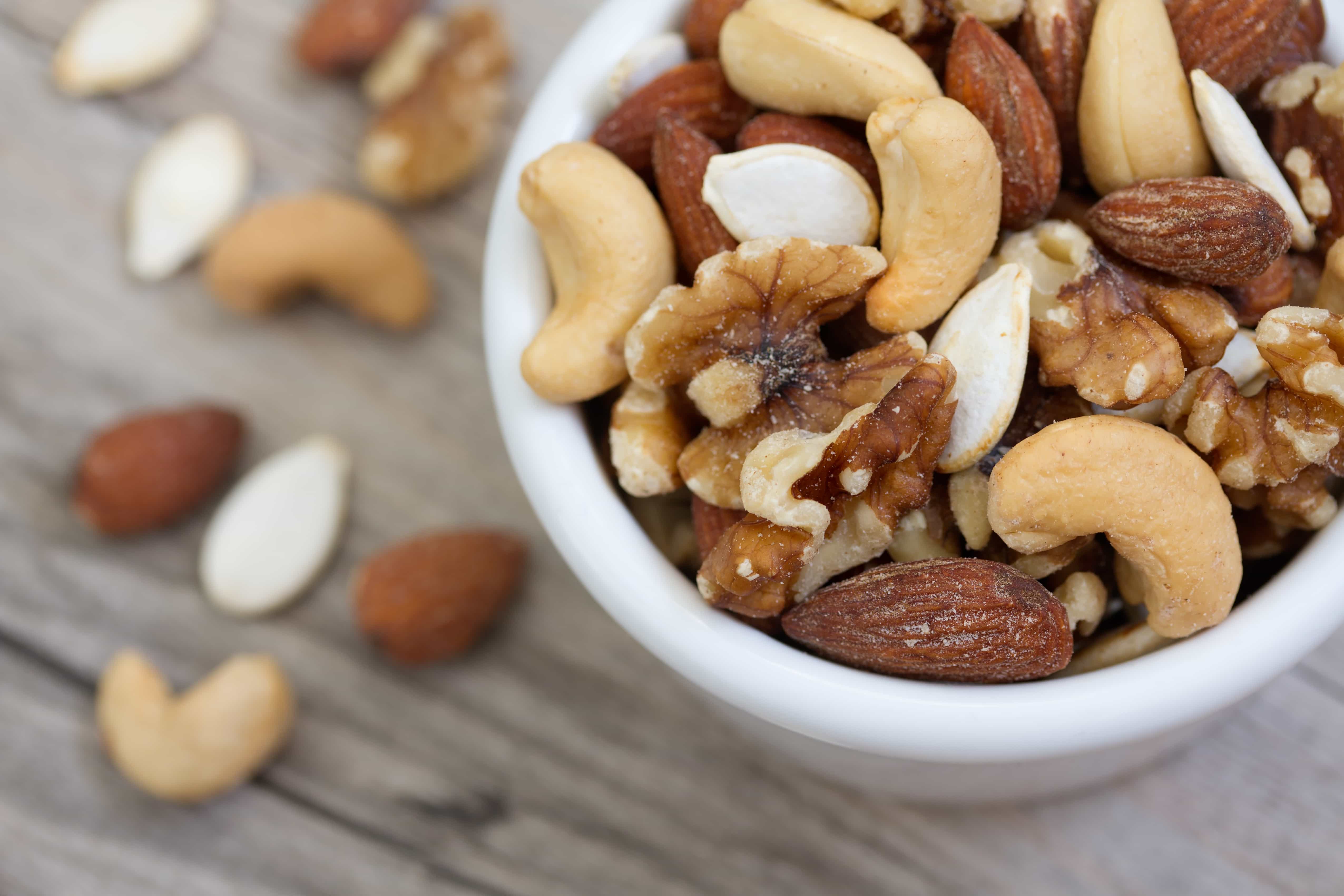
6 oz. plain low-fat yogurt with 1 C berries + 1 Tbsp. crushed almonds



– Debbie J., MS, RD
This article should not replace any exercise program or restrictions, any dietary supplements or restrictions, or any other medical recommendations from your primary care physician. Before starting any exercise program or diet, make sure it is approved by your doctor.
Some questions have been edited for length and/or clarity.

Want more? SUBSCRIBE to receive the latest Living Healthy articles right in your inbox!
Ask our Dietitian
 Have a nutrition question? Our registered dietitian is ready to help!
Email nutrition@lafitness.com or submit your question below and it may be featured in an upcoming article!
Recommended Reading
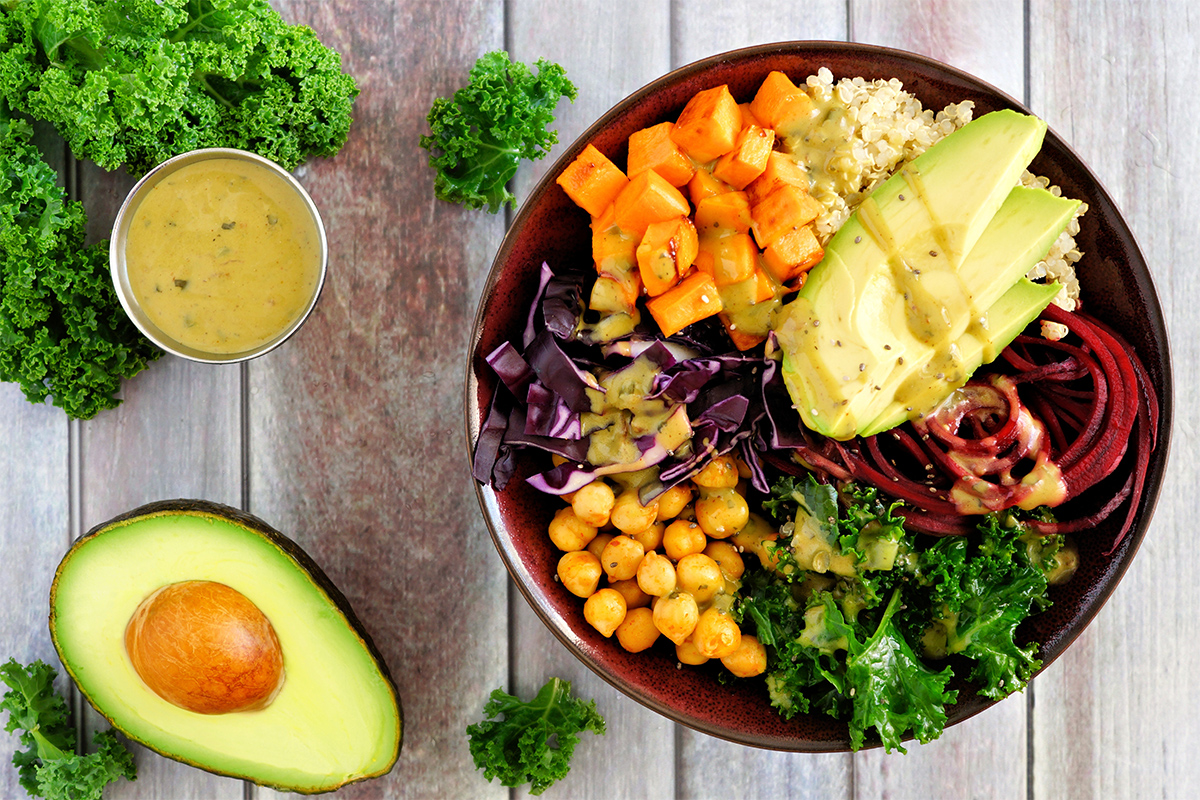
How to Gain Weight Healthily on a Vegetarian Diet | QA
Debbie James, RDN, helps answer a reader’s question about how to gain weight healthily while living a vegetarian lifestyle.

The Importance of Sleep – Podcast Ep. 33
On this episode of the Living Healthy Podcast, we speak with Dr. Bob Davari to discuss the importance of sleep and what happens when you don’t get enough.