Plateau on the Paleo Diet
When a successful diet approach no longer works there might be a few possibilities as to why. Our registered dietitian weighs in on possible plateau reasons.



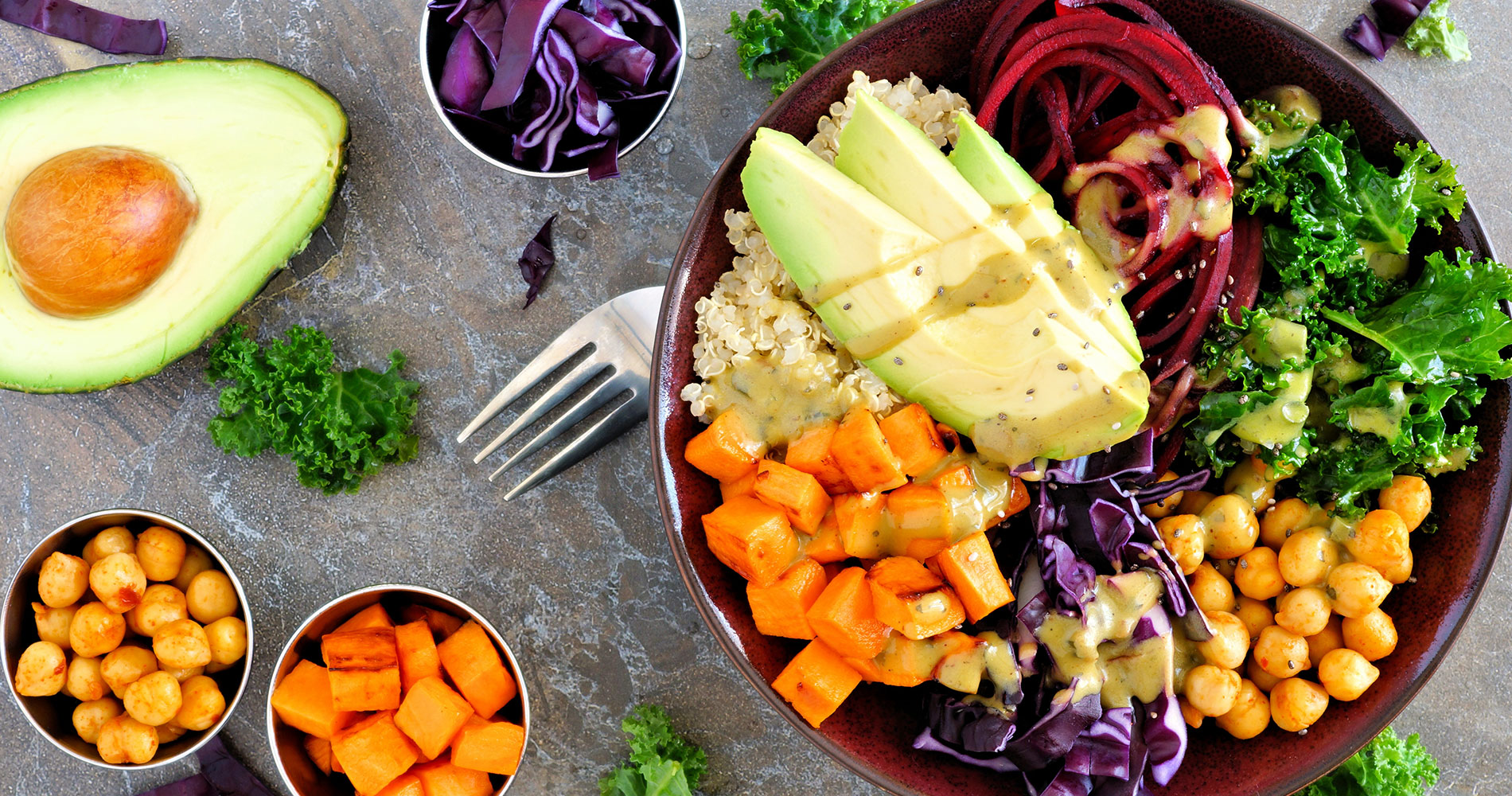
I’m hoping to get dietary advice for fat loss. I’m currently eating a Paleo diet with a smoothie for breakfast and salads with protein and maybe a sweet potato for lunch and dinner with no added sugar and plenty of healthy fats. This type of diet used to yield results for me, but now my weight and body fat percentage seem to stay the same no matter what I do. Any advice is much appreciated.
– Heather C.

When a successful diet approach no longer works, there might be a few possibilities as to why. Depending on how long ago your last attempt was, the age-related effects on metabolism could be slowing things down. You could be close to your ideal body weight range, so your body may be trying to hold onto its fat. It could be that while you’re adhering to the same restrictions, your portions or between-meal snacking have crept up. Also, your activity level and lifestyle may not be as they were when you got results in the past.
A person can still be micronutrient-deficient in areas on any diet1, especially if your day-to-day meal plan is repetitive. One of the pitfalls to a Paleo diet could be iodine deficiency2 which can affect metabolism (via the thyroid gland). To avoid undernutrition, rely on whole foods not packaged Paleo foods, double vegetable intake beyond salad (like calcium sources: kale, spinach, cauliflower, broccoli, collard greens, Brussel sprouts), incorporate eggs and mushrooms for vitamin D, and vary your intake daily.
You may be surprised that when you’re meeting your full nutritional needs with adequate sleep and exercise, your body responds with easier weight loss!
References:
– Debbie J., MS, RD
This article should not replace any exercise program or restrictions, any dietary supplements or restrictions, or any other medical recommendations from your primary care physician. Before starting any exercise program or diet, make sure it is approved by your doctor.
Some questions have been edited for length and/or clarity.
 Have a nutrition question? Our registered dietitian is ready to help!
Email nutrition@lafitness.com or submit your question below and it may be featured in an upcoming article!
When a successful diet approach no longer works there might be a few possibilities as to why. Our registered dietitian weighs in on possible plateau reasons.
Are you feeling stuck? You're not alone. A lot of people get to a point in their fitness routine where they suddenly hit a plateau. The good news is, it doesn't last forever! Some simple changes can help you overcome the fitness hump.
I have a few questions about eating that everyone has answered differently on the internet so I can't decide what to do. Firstly, what you recommend as a snack before a workout? Also would you recommend eating dinner before or after the workout? I normally do...
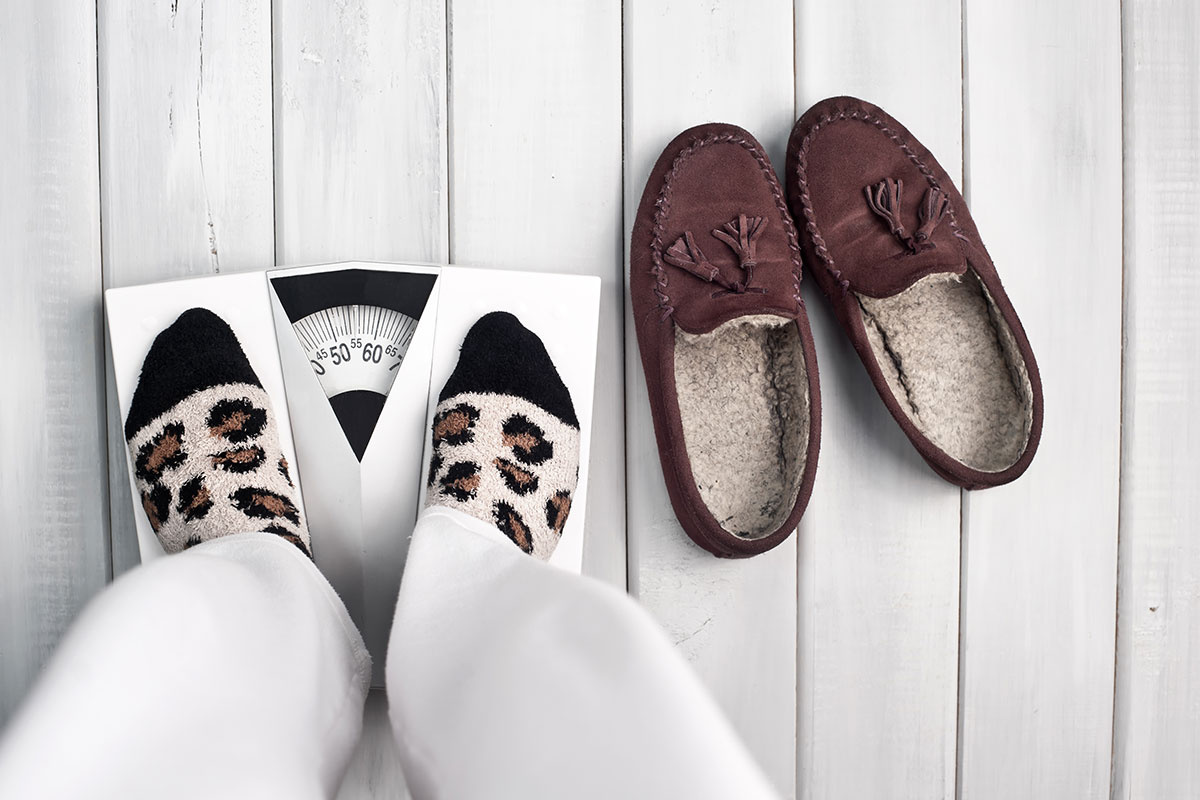
I have been working out for two weeks now. I have not been eating a lot. I have gained a pound, and I don’t understand why. I started out at 216 lbs. and when I got on the scale last night I was actually 217.8 lbs. I am trying really hard and need some advice.
– Monica R.
Bravo at how much effort you are putting in! The scale is a guide but the true marker of how your body’s responding to curbing calories while increasing exercise is how your clothes are fitting. Scale weight can fluctuate with hydration status, time of day and changes in clothing. For the most accurate and consistent result when weighing yourself use the same scale dressed in lightest clothing possible at the same time of day each time, and never post-exercise. A digital scale is more accurate than a dial-type scale. A manual balance (physician’s beam) scale is the kind most often found in our sports clubs’ locker rooms as it stands up to heavy use – this type is very precise if it’s calibrated regularly.
Reference:
Accuracy and consistency of weights provided by home bathroom scales. M. Yorkin, et al. BMC Public Health 2013, vol. 13, article 1194.
– Debbie J., MS, RD
This article should not replace any exercise program or restrictions, any dietary supplements or restrictions, or any other medical recommendations from your primary care physician. Before starting any exercise program or diet, make sure it is approved by your doctor.
Some questions have been edited for length and/or clarity.
Have a nutrition question? Our registered dietitian is ready to help!
Email nutrition@lafitness.com or submit your question below and it may be featured in an upcoming article!
When a successful diet approach no longer works there might be a few possibilities as to why. Our registered dietitian weighs in on possible plateau reasons.
Are you feeling stuck? You're not alone. A lot of people get to a point in their fitness routine where they suddenly hit a plateau. The good news is, it doesn't last forever! Some simple changes can help you overcome the fitness hump.
I have a few questions about eating that everyone has answered differently on the internet so I can't decide what to do. Firstly, what you recommend as a snack before a workout? Also would you recommend eating dinner before or after the workout? I normally do...
About 7 months ago, I weighed about 200 pounds with little to muscle at all. I decided to start working out heavily and I completely revamped my diet, cutting out most fats and carbs, and keeping my protein intake very high. It is important to mention that I am a vegetarian, so most of my protein comes from dairy products such as Greek yogurt and eggs. I kept my calorie count below 1,700 and saw some immediate effects for about 3 months. After the 3 months, I decided I wanted to put on some muscle as well as lose body fat. I started to eat a bit more increasing my daily protein intake to 180 grams, and eating about 2,000 calories. I also gained a good bit of muscle in the beginning but after 4 months, I am in a stalemate. My body fat percentage won’t seem to decrease, and I am gaining muscle at a very slow rate. However, I am increasing my strength as I consistently add more weights to my workouts. Should I try a new diet plan, or just stick with my current one and eventually get over my plateau?
– Krishna
As you have discovered, plateaus are tricky, Krishna. Perhaps your current diet has run its course, as your stalemate has lasted 4 months. You describe your recent intake as about 2000 calories with 180 grams protein, mostly from dairy. The missing details may offer opportunity for improvement.
If your main goal is strength and muscle development, stay the course. But if you primarily want to lose weight, consider focusing on some details other than protein & calorie quantity.
– Debbie J., MS, RD
This article should not replace any exercise program or restrictions, any dietary supplements or restrictions, or any other medical recommendations from your primary care physician. Before starting any exercise program or diet, make sure it is approved by your doctor.
Some questions have been edited for length and/or clarity.
Have a nutrition question? Our registered dietitian is ready to help!
Email nutrition@lafitness.com or submit your question below and it may be featured in an upcoming article!
When a successful diet approach no longer works there might be a few possibilities as to why. Our registered dietitian weighs in on possible plateau reasons.
Are you feeling stuck? You're not alone. A lot of people get to a point in their fitness routine where they suddenly hit a plateau. The good news is, it doesn't last forever! Some simple changes can help you overcome the fitness hump.
I have a few questions about eating that everyone has answered differently on the internet so I can't decide what to do. Firstly, what you recommend as a snack before a workout? Also would you recommend eating dinner before or after the workout? I normally do...
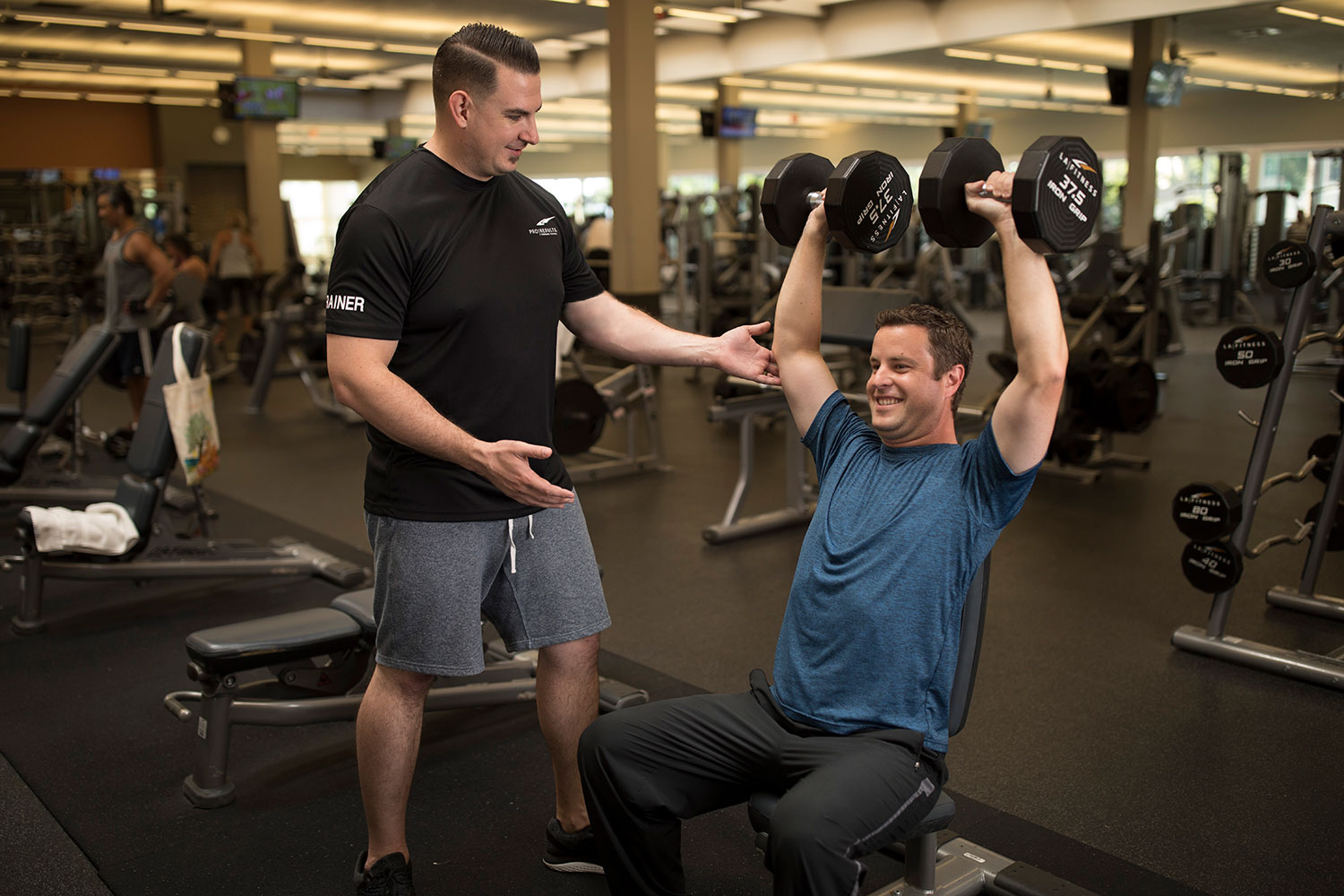
You’re exercising and you’re eating right, so why have you hit a weight loss wall? It’s frustrating and easy to start sliding back into old bad habits when it seems like your progress has come to a screeching halt, but don’t be discouraged. Weight loss plateaus are normal, but what causes them? Well, a few factors can play into this:
The main factor to remember is NOT TO SLIP BACK INTO BAD HABITS. Remind yourself daily that you’ve become healthier and stronger than before. A number on a scale does not define success. Some tips that may help you overcome the fitness funk can be found below:


Still not seeing results? If you feel like your weight loss plateau is lasting a lot longer than expected, check with your physician to make sure there are no underlying medical issues.
Sources:
When a successful diet approach no longer works there might be a few possibilities as to why. Our registered dietitian weighs in on possible plateau reasons.
What do you do when your exercise routine is consistent, your diet is healthy, but suddenly the scale starts tipping in the opposite direction of what you want? LA Fitness registered dietitian, Debbie J., helps answer.
Are you feeling stuck? You're not alone. A lot of people get to a point in their fitness routine where they suddenly hit a plateau. The good news is, it doesn't last forever! Some simple changes can help you overcome the fitness hump.
