Recommendations for Dietitians and Dietary Books
LA Fitness registered dietitian, Debbie James, gives her recommendation on where to find resourceful and helpful dietitians and dietary books.



I have trouble staying full between meals and while in class and at work. I usually reach for a lot of protein. I know I am consuming more than I need, but how much is too much? And what are some food ideas that can help me stay satisfied without a ton of protein? I would especially like some recipes with a lot of fiber. I am a 19-year-old woman and working with a trainer to build muscle and lose weight.
– Patricia C.

The US RDA for protein is only 46 grams for a 19-year-old woman of reference bodyweight (approx. 126 lbs.), based on 0.8 gm protein per kg, though individual requirements can vary from 0.5 gm/kg/d to 1.0 gm/kg/d. In an energy-balanced diet for weight maintenance, the recommended limit for protein is 35% of calories to reduce the risk of chronic disease. To allow caloric room for phytonutrients from plants, one should consider limiting animal protein to 6-8 oz. daily plus 1 cup cow’s milk product, depending on energy needs. Of course, you could meet all your protein needs from plant sources, too.
For higher fiber filling snacks without ‘a ton’ of protein try these portable suggestions: air-popped popcorn and cashews; freeze-dried corn, peas & carrots; soynuts; sugar snap peas; individual hummus tub, celery & carrot sticks; veggie chips; apple and peanut butter;
Don’t forget to start your day with a decent breakfast to stave off hunger throughout the day! If you base your first repast on oatmeal with nuts + dried fruit or home-fried potatoes with onions + peppers, then add a protein like eggs on the side, you’ll have a complete robust and balanced meal.
Resource:
– Debbie J., MS, RD
This article should not replace any exercise program or restrictions, any dietary supplements or restrictions, or any other medical recommendations from your primary care physician. Before starting any exercise program or diet, make sure it is approved by your doctor.
Some questions have been edited for length and/or clarity.
 Have a nutrition question? Our registered dietitian is ready to help!
Email nutrition@lafitness.com or submit your question below and it may be featured in an upcoming article!

LA Fitness registered dietitian, Debbie James, gives her recommendation on where to find resourceful and helpful dietitians and dietary books.
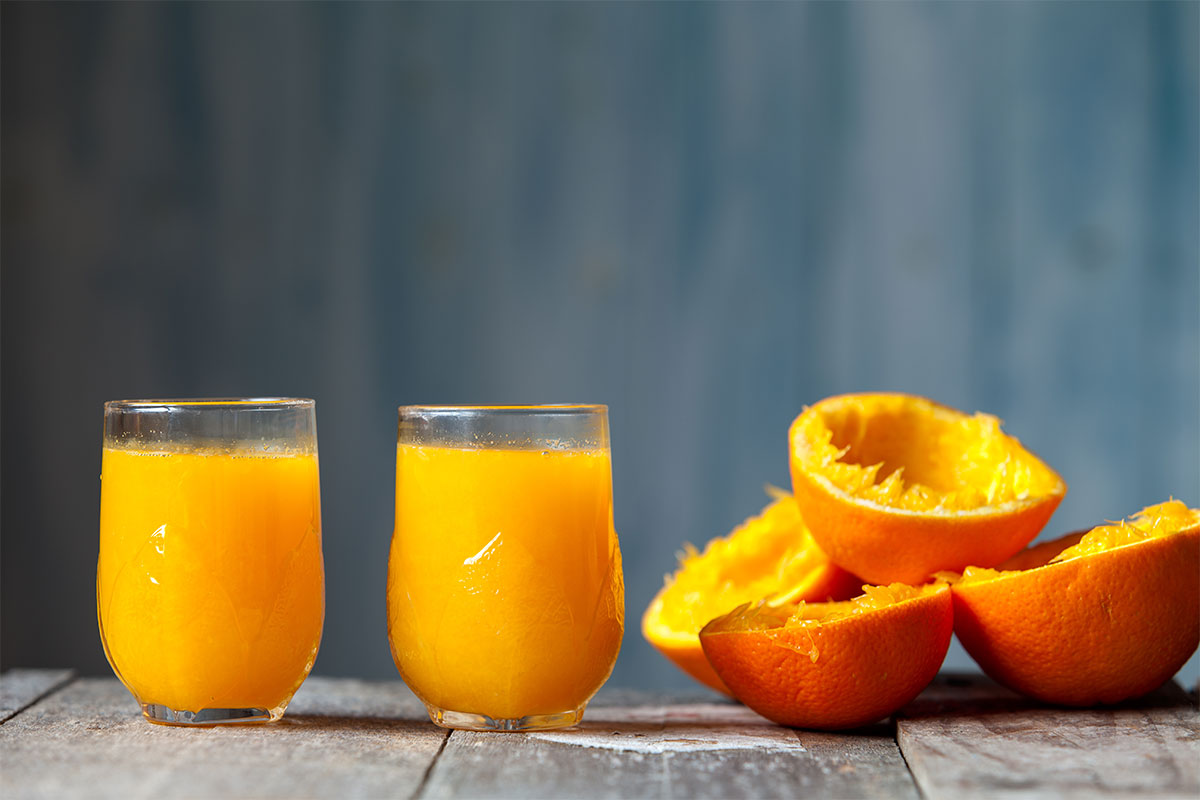
We often think that pulp retains its fiber, while the expressed juice does not. However, it may be time to reconsider. Debbie James, RDN weighs in.

Protein quality matters when it comes to distance athletes sustaining themselves on a vegetarian diet. LA Fitness registered dietitian, Debbie James, gives examples.
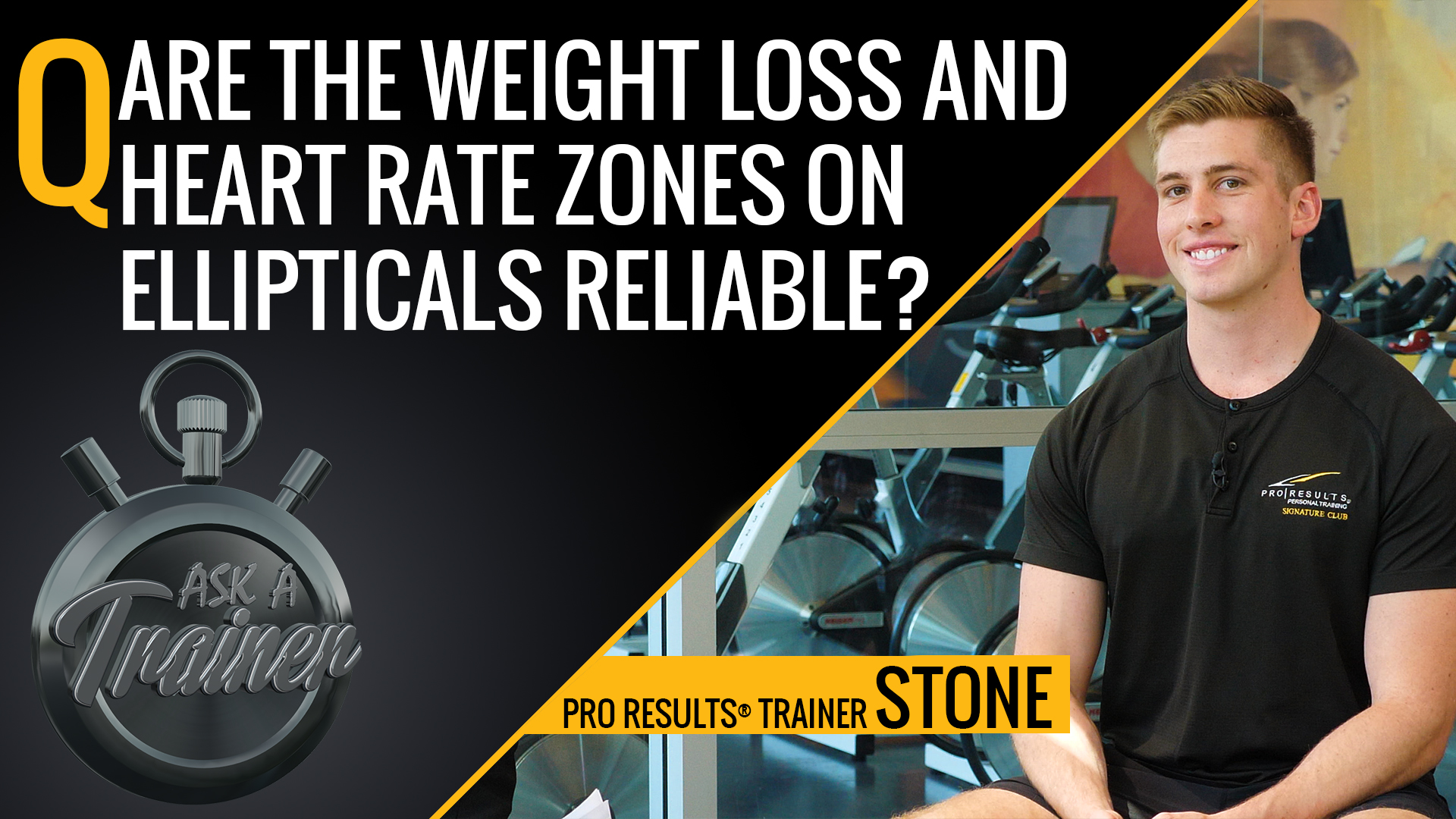
LA Fitness Pro Results® Master Trainer, Stone T., and get his expert advice on whether or not heart rate training zones on fitness equipment are an accurate way to monitor your workout.

Do you have a fitness question? Ask one of our certified Pro Results® trainers here! Your question may be featured in an upcoming Ask Our Trainer video.**
**Selected submissions will be featured on the LA Fitness blog and possibly other LA Fitness digital media entities & websites. By making a submission, you hereby grant LA Fitness a non-exclusive, perpetual, worldwide, irrevocable license to use and make copies of the contents of such submission for any purpose and in any medium whatsoever, and you hereby waive and relinquish any copyright or other intellectual property right you may have in the contents of such submission and your right to pursue any claim for LA Fitness’s violation of those intellectual property rights.
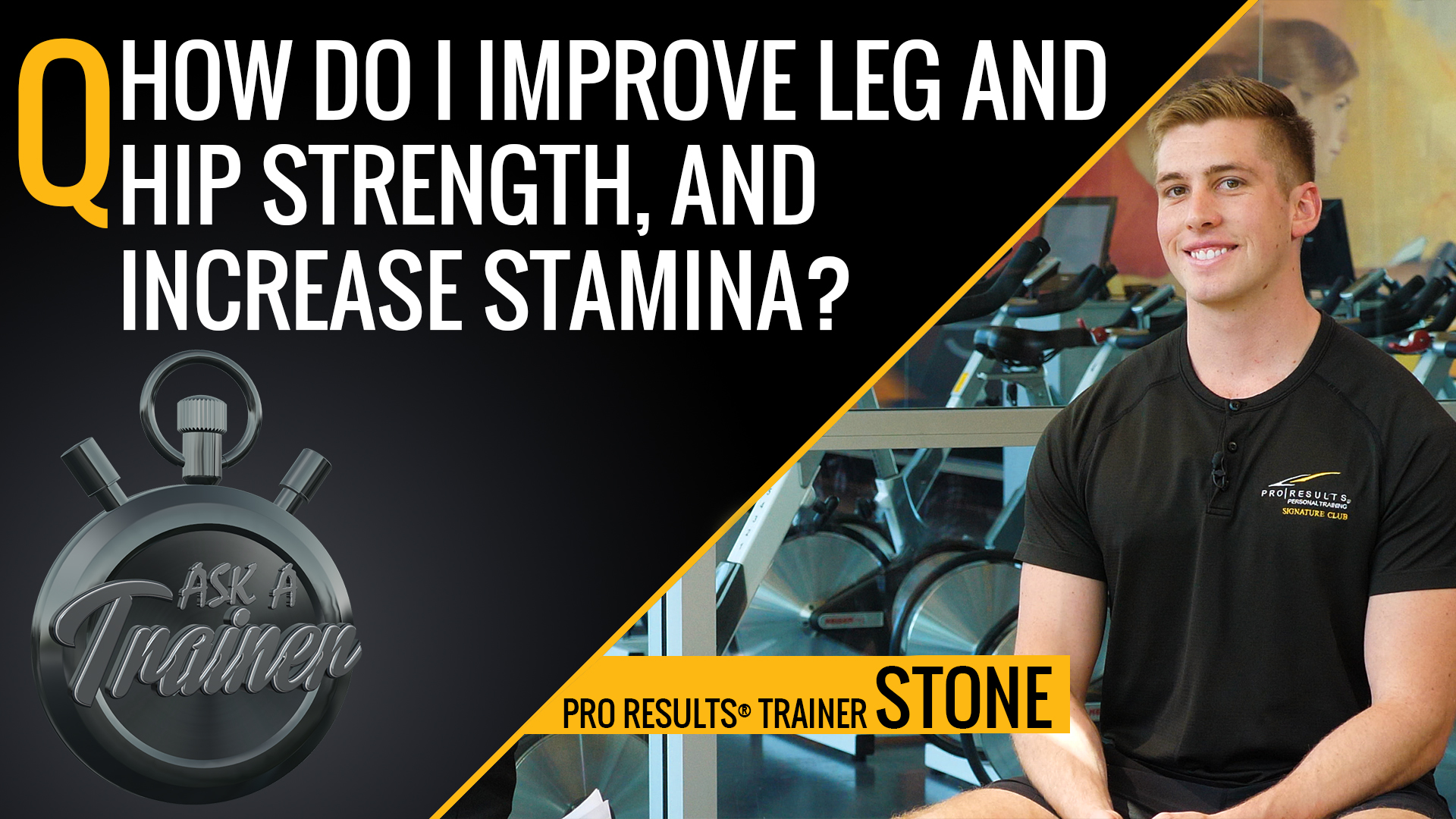
On this episode of ‘Ask A Trainer’ we speak with LA Fitness Pro Results® trainer Stone T. and get his expert advice on increasing stamina, and improving leg and hip strength – it’s a double question, bringing double the amount of advice.

On this episode of ‘Ask A Trainer’ we speak with LA Fitness Pro Results® trainer Stone T. and get his expert advice on exercises that are best recommended for those with knee issues.
On this episode of ‘Ask A Trainer’ we speak with LA Fitness Pro Results® trainer Stone T. and get his expert advice on whether or not heart rate training zones on fitness equipment are an accurate way to monitor your workout.

I am a 29-year-old male, I’m fairly active, and would like to lose 5% of my body fat. I decided to start tracking my daily calories and set a goal of creating a 500-1,000 calorie-per-day deficit. I know that my resting metabolic rate is 1,850 calories and I’ve been tracking all my steps, exercises, and time spent at the gym to sum into my total calories OUT. Typically, I burn ~2,000+ to 2,500+ calories depending on the day. The problem has been that a 1,500 to 2,000 calorie diet usually leaves me feeling very hungry, and sometimes low on energy. I cut out dairy, bread, and sugar but I still eat lean meats, rice, quinoa, and veggies. Is my 1,500 to 2,000 calorie intake too low, or do I just need to find different low-cal foods to fill me up?
– Bill Z.
Bill, your question seems to already have answered itself in the description of your situation. You state you are usually hungry and low on energy, which would imply you’re eating less than normal, which you are trying to do. You’ve determined how many calories you’re expending but did not seem to track your previous energy intake to get your average baseline consumption. You’re working under the assumption that your personal body chemistry was following an equation* to begin with (rarely the case). Thus, your self-determined deficit appears to be from an expenditure calculation and not from analysis of your original diet intake.
What I’m trying to say is that it’s very likely that you were maintaining weight before on a much higher calorie intake, thus 2,500 Cals/day could be reduced enough from your true metabolic rate to assist with weight loss. By eating 2,000-2,500 calories/day for a while you will soon find out a) if satiety and energy improve, and b) whether weight loss is achievable at that level.
“To achieve weight loss while also maintaining RMR, calorie intake should be reduced by no more than 500 calories per day…” – Mark P. Kelly, PHD of the American Council on Exercise
* Whether your stated 1,850 RMR was calculated or extrapolated from a brief indirect calorimetry measurement, it may not reflect your actual physiological energy balance over 24 hours as it doesn’t take into account personal factors like digestion/absorption efficiency, level of stress, and sleep quality.
Resources:
– Debbie J., MS, RD
This article should not replace any exercise program or restrictions, any dietary supplements or restrictions, or any other medical recommendations from your primary care physician. Before starting any exercise program or diet, make sure it is approved by your doctor.
Some questions have been edited for length and/or clarity.
Have a nutrition question? Our registered dietitian is ready to help!
Email nutrition@lafitness.com or submit your question below and it may be featured in an upcoming article!
LA Fitness registered dietitian, Debbie James, gives her recommendation on where to find resourceful and helpful dietitians and dietary books.
We often think that pulp retains its fiber, while the expressed juice does not. However, it may be time to reconsider. Debbie James, RDN weighs in.
Protein quality matters when it comes to distance athletes sustaining themselves on a vegetarian diet. LA Fitness registered dietitian, Debbie James, gives examples.
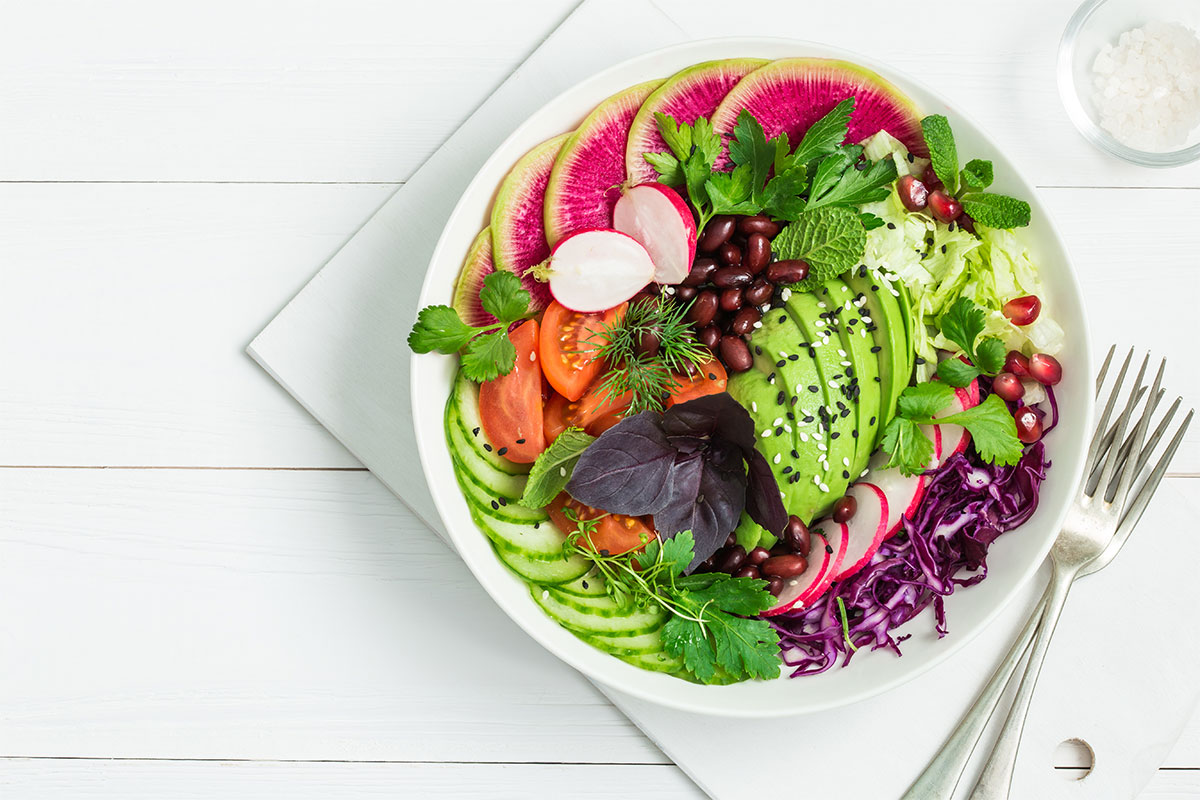
I am a vegetarian and I’m finding it very hard to lose weight and gain muscle as much of the food that is available to me is either very high in carbs or made of some sort of soy protein (which I know isn’t the best for weight loss). Do you have any pointers or tips to help me eat cleaner and lose weight?
– Sophia K.
As plants are mostly carbohydrate-based, you’re bound to eat a greater proportion of your calories from carbs as a vegetarian. There are plenty of higher protein and higher fat grains, legumes, and vegetables, though! Use quinoa, lentils, chickpeas, and cannellini beans in place of pasta and rice. Try a variety of nuts and raw or toasted seeds to complement an assortment of vegetables and seasonings. Incorporate avocado, olives, and coconut to fill out your meals and provide healthy fats and promote satiety.
If you’re looking for items premade with an alternative protein but are not finding non-soy options locally, you can always order such products online. To eat cleaner, you’ll need to prepare more of your own food from raw ingredients rather than shop for products. In the greater Toronto area there are some good health food stores in which you can find seeds, nuts and bulk grains and legumes.
Here are a couple of my favorite moderate carbohydrate vegetarian meals:
Read our answers to similar questions here: Gaining Muscle, Losing Belly Fat: Vegetarian Edition | Q+A and My Weight Loss Has Plateaued… Any Advice?
– Debbie J., MS, RD
This article should not replace any exercise program or restrictions, any dietary supplements or restrictions, or any other medical recommendations from your primary care physician. Before starting any exercise program or diet, make sure it is approved by your doctor.
Some questions have been edited for length and/or clarity.
Have a nutrition question? Our registered dietitian is ready to help!
Email nutrition@lafitness.com or submit your question below and it may be featured in an upcoming article!
LA Fitness registered dietitian, Debbie James, gives her recommendation on where to find resourceful and helpful dietitians and dietary books.
We often think that pulp retains its fiber, while the expressed juice does not. However, it may be time to reconsider. Debbie James, RDN weighs in.
Protein quality matters when it comes to distance athletes sustaining themselves on a vegetarian diet. LA Fitness registered dietitian, Debbie James, gives examples.
Is there a supplement recommended for weight loss?
– Christian H.
Speaking only of pills, tablets or individual ingredients (not enhanced protein powders) there are a few items that show promise for weight reduction. Do not take these as my recommendation or endorsement — I am just trying to answer your question. Because there is a lack of strong evidence of efficacy, none can be recommended specifically for weight loss. Most physicians agree that no weight-loss supplements meet criteria for recommended use.
GREATEST research / LARGE number of participants
FEW studies / SMALL sample sizes
References:
– Debbie J., MS, RD
This article should not replace any exercise program or restrictions, any dietary supplements or restrictions, or any other medical recommendations from your primary care physician. Before starting any exercise program or diet, make sure it is approved by your doctor.
Some questions have been edited for length and/or clarity.
Have a nutrition question? Our registered dietitian is ready to help!
Email nutrition@lafitness.com or submit your question below and it may be featured in an upcoming article!
LA Fitness registered dietitian, Debbie James, gives her recommendation on where to find resourceful and helpful dietitians and dietary books.
We often think that pulp retains its fiber, while the expressed juice does not. However, it may be time to reconsider. Debbie James, RDN weighs in.
Protein quality matters when it comes to distance athletes sustaining themselves on a vegetarian diet. LA Fitness registered dietitian, Debbie James, gives examples.