Spices to Help Boost Immunity and Fight Inflammation

Spices to Help Boost Immunity and Fight Inflammation

Spices are known for imparting flavor, but they are also an integral part of maintaining health and preventing disease! The medicinal value of spices has been recognized for thousands of years by the ancient Indian medical system known as Ayurveda.1 Since many diseases are a result of weak immune systems or chronic inflammation, preventing these two states can make a big difference in your health.

The immune response is a built-in defense system, protecting the body from foreign invaders and infection by communicating between cells and their chemical signals. While our skin is the outer shield of our bodies, our gut mucosa serves as the internal barrier. What we eat (especially nutrients, alcohol, coffee, spices, and salted food) affects this barrier, which is the starting point of most immune responses. It’s true that a healthy immune system can ward off infection from cold-causing germs. However, our immune systems are also activated by the longer-term stimuli of physical stress, psychosocial stress or malnutrition.2

Chronic low-grade inflammation is a prolonged and abnormal immune response of altered cell communication that does not resolve itself, leading to ill health and a variety of life-threatening conditions.2,3 This “silent inflammation” is connected to several diseases of advanced age such as heart disease, diabetes, arthritis, Alzheimer’s and certain cancers.4 Persistent inflammation is also involved in the development of obesity (and associated metabolic complications), inflammatory bowel disease, asthma, and rheumatoid arthritis.2,3,5 Inflammation of the nervous system plays a key part in neurodegenerative diseases, mood disorders (including depression and anxiety), and pain.2

Beneficial Spices

Spices come from the roots, bark, and seeds of the plant, while herbs* are the leaves. Essentially, any part of the plant that is not a leaf and can be used for seasoning may be considered a spice. 

Spices and other medicinal plants have many bio-active compounds. Some have antibiotic properties (boosting our innate immunity against infections) and others are anti-inflammatory agents.5,6,7 Nutraceuticals present in several spices have shown potential to inhibit or reverse inflammatory responses and help prevent many chronic diseases related to sustained inflammation:

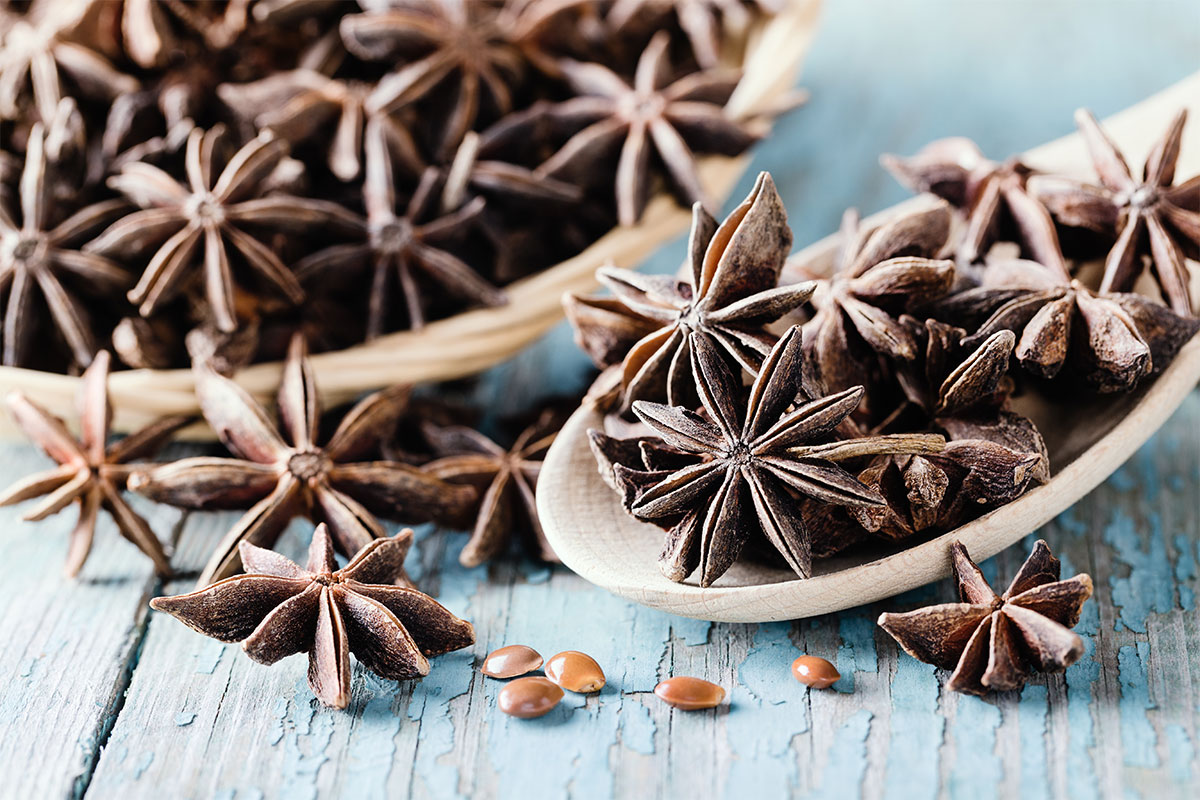
  • Anise (spice fennel) – Its chief compound, anethole, is anti-inflammatory and acts as an antiviral (against a certain herpes virus) and oral antibacterial agent.7
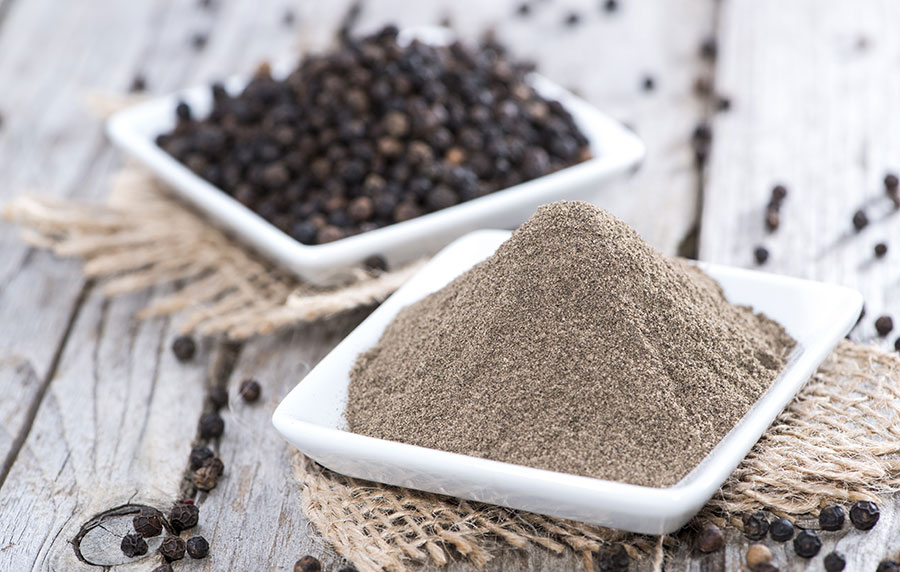
  • Black pepper – Its active constituent, piperine, fights inflammation by altering inflammatory pathways.5,6
  • Black seed or black cumin – Its immunomodulatory and anti-inflammatory properties come from the compound thymoquinone (TQ). Experimental evidence suggests extracts containing TQ can potentially regulate immune reactions implicated in various infectious and non-infectious conditions.
  • Cinnamon – This global spice has multiple inflammation-reducing compounds (benzyl cinnamide, cinnamic acid, and cinnamaldehyde) and modifies inflammatory pathways.5,6
  • Coriander – It’s the anti-inflammatory gallic acid in coriander which regulates signaling pathways related to inflammation.5,6
  • Cumin – Its compounds cuminaldehyde and oleorestin have anti-inflammatory action.5 Cumin is helpful for immunity.
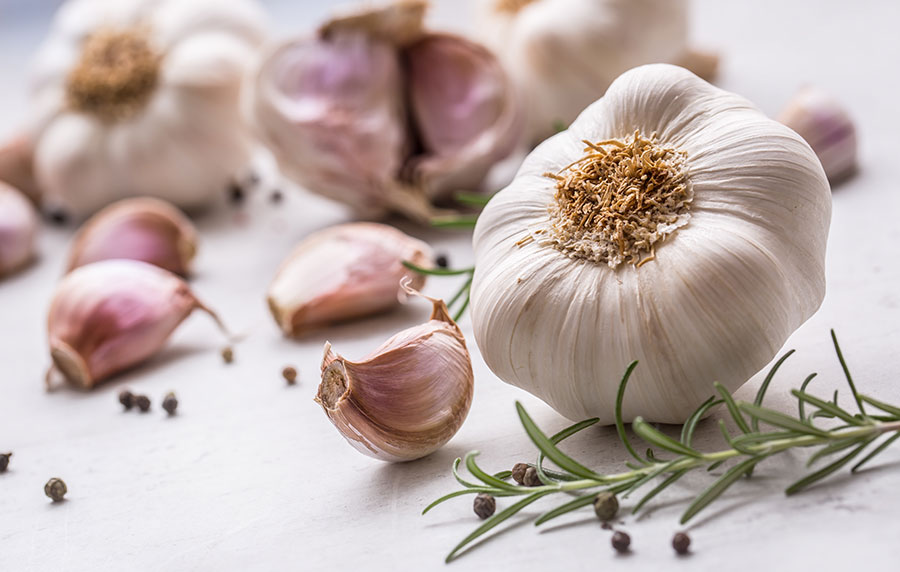
  • Garlic – This aromatic bulb’s organosulphur compounds (namely allicin) have immunomodulatory bioactivity.6 While it may not kill vampires, garlic is a potent antimicrobial, antiviral, antifungal and antibacterial7
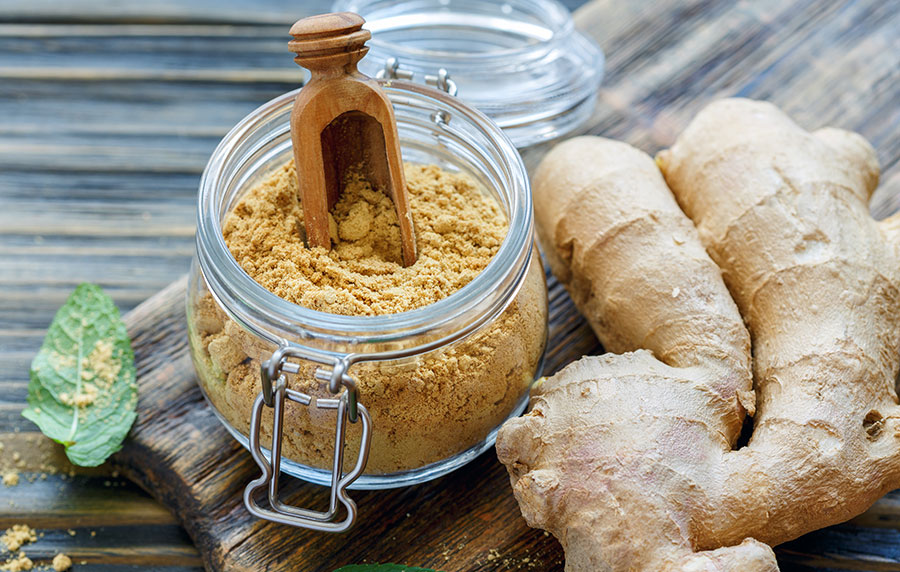
  • Ginger – Its major compounds (6-gingerol, 10-gingerol and shogaol) exert important antioxidant and anti-inflammatory properties.5,6,7,8 Some research has proved that gingerdiones and shogaols can act similar to non-steroidal anti-inflammatory drugs (NSAIDs).9 Ginger is an effective agent against the inflammation response from immune cells.7
  • Turmeric – This yellow spice’s curcuminoids (namely curcumin) have anti-inflammatory properties.3,6,7,8 Curcumin is able to scavenge free radicals and other inflammatory mediators, thus regulating oxidative stress.3 Since curcumin is so potent, supplemental forms of it have been researched in the fight against neurodegenerative diseases arthritis, obesity, and diabetes mellitus.
  • Did you know? Curcumin gives turmeric its characteristic yellow color, a signature of many curries. Since it has poor bioavailability, consume turmeric with meals containing healthy plant fats to increase its absorption.

Make your own spicy blend without salt! The Academy of Nutrition and Dietetics recommends the combination below for Mexican-style dishes. Just store in a tightly covered jar.

  • ¼ Cup chili powder
  • 1 Tablespoon each of ground cumin and onion powder
  • 1 teaspoon each of oregano, garlic powder, and ground red pepper; and ½ teaspoon cinnamon.

Source: Eat Right: Eating Right With Less Salt (tip sheet). Academy of Nutrition and Dietetics, 2017.

Many other spices are beneficial in alleviating inflammation including allspice, caraway extract, chili pepper, cloves, cocoa and fenugreek.5 *Herbs with anti-inflammatory activity include bay leaf, marjoram, oregano, rosemary, sage, and thyme.5

Beneficial Diet

A diet rich in spices that decreases inflammation and oxidative stress can promote healthy immune balance. Around the world, the basic concepts for following an anti-inflammatory diet include adding a variety of spices, especially ginger and curry.So what about the rest of your diet? An overall anti-inflammatory, antioxidant eating plan augments immune function, fights inflammation and hampers disease development.2,10  An anti-inflammatory Mediterranean eating plan includes spices daily.

A Mediterranean diet pattern, in particular, has an anti-inflammatory effect.11 This type of diet is rich in fruits, vegetables, legumes, grains, red wine, seafood as well as monounsaturated fatty acids and omega-3 fats.8 These components provide a lot of fiber, magnesium, carotenoids, and flavonoids which help reduce inflammation.8

No matter your taste preference or diet plan, there are immune boosting and anti-inflammatory spices you can include regularly. Use them often and in greater amounts to get the most benefit!

References:

  1. Bioactive phytochemicals in Indian foods and their potential in health promotion and disease prevention. Rao BN. Asia Pacific Journal of Clinical Nutrition 2003; 12(1): 9-22.
  2. An Integrative Approach to Neuroinflammation in Psychiatric disorders and Neuropathic Pain. Lurie DI. Journal of Experimental Neuroscience 2018 Aug 13; 12: 1-11. doi: 10.1177/1179069518793639. eCollection 2018.
  3. Curcumin and Inflammatory Diseases: Learn About Its Potential Role in Prevention and Treatment. Sharon Collison. Today’s Dietitian 2014 Sept; 16(9): 56
  4. What is the Anti-Inflammatory Diet? Wendy Marcason. Journal of the American Dietetic Association 2010 Nov.; 110 (11): 1780.
  5. Spice up your life: adipose tissue and inflammation. Agarwal AK. Journal of Lipids 2014; article ID 182575: 8 pages. doi: 10.1155/2014/182575. Epub 2014 Feb 20.
  6. Neuroprotection by spice-derived nutraceuticals: you are what you eat! Kannappan R, et al. Molecular Neurobiology 2011; 44: 142–159.
  7. Anti-carcinogenic and Anti-bacterial Properties of Selected Spices: Implications in Oral Health. Ganjre A, et al. Clinical Nutrition Research 2015 Oct; 4(4): 209-215. doi: 10.7762/cnr.2015.4.4.209. Epub 2015 Oct 31.
  8. Diet and Inflammation. L Galland. Nutrition in Clinical Practice 2010 Dec; 25(6): 634-640.
  9. Some phytochemical, pharmacological and toxicological properties of ginger (Zingiber officinale Roscoe): a review of recent research. Ali BH, et al. Food and Chemical Toxicology 2008; 46: 40920.
  10. Diet and Inflammation: A Link to Metabolic and Cardiovascular Diseases. K Esposito, D Giugliano. European Heart Journal 2006; 27, 15-20.
  11. Microbiome-mediated effects of the Mediterranean diet on inflammation. Bailey MA, Holscher HD. Advances in Nutrition 2018; 9: 193–206.

Recommended Reading

Homemade Salad Dressings 101

Homemade Salad Dressings 101

When you’re looking for fresh flavors to dress up your salad, make your own dressing with one of these easy (dietitian approved) recipes!
Your Guide to Mindful Eating

Your Guide to Mindful Eating

With over 62 million tons of wasted food in the U.S. each year, minimizing our impact is more important than ever. Read on to learn what you can do to help reduce food waste.

How to Get Your Kids to Eat Right

How to Get Your Kids to Eat Right

If you’re a parent, it’s likely you have some picky eaters on your hands. Our Registered Dietician, Debbie James, gives you the scoop on healthy eating for your kids and teens.
Lose 50 lbs. the Safe Way

Lose 50 lbs. the Safe Way

Question:

What type of foods should I eat, and exercises should I do? I want to lose 50 lbs. safely. I’m 5’7″ and weigh 203 lbs. and I want to reduce my BMI. How can I stay motivated to workout consistently and hard?

– Kristy M.

Answer:

Since your height and weight don’t tell me anything about who you are, it’s difficult to say what foods you should eat. There are several approaches to weight loss. One is to start with what you already eat and reduce portions, say by 25%. Another is to calorie count and track your intake. You could also go vegetarian. But realistically, the plan you choose should match up with how you live and what you believe about food. I mean, telling you to cook steel cut oats if you dash out the door in 10 minutes each morning is a set-up for failure! I can say that nearly everyone could stand to eat more wholesome, unprocessed ‘clean’ plant-based foods and avoid fried food, candy, junk food, and soda.

I’d encourage you to work through our 90 Day Nutrition Plan to a Leaner You, laid out over three parts. #MoveMoreBurnMore

Motivation comes from within, but a repeating few mantras or sayings can help keep you focused:

  • Don’t shoot for perfection, just better or more than current.
  • “The only bad workout is the one that didn’t happen.”
  • Each bout of exercise brings you closer to your goal – sooner.

As far as working out hard, know that it takes a change to create a change – push yourself out of your comfort zone so your body is forced to adapt.

– Debbie J., MS, RD

This article should not replace any exercise program or restrictions, any dietary supplements or restrictions, or any other medical recommendations from your primary care physician. Before starting any exercise program or diet, make sure it is approved by your doctor.

Some questions have been edited for length and/or clarity.

Ask our Dietitian

Have a nutrition question? Our registered dietitian is ready to help!

Email nutrition@lafitness.com or submit your question below and it may be featured in an upcoming article!

10 + 4 =


Recommended Reading - Q+A

HIIT Results in Weight Loss

HIIT Results in Weight Loss

Watch out because we’re about to HIIT you with some facts (that’s the only pun, I swear).

HIIT, otherwise known as high-intensity interval training, is a fast yet challenging way to get your workout in and continue burning calories afterward your workout as well. This is due to the Afterburn Effect” caused by EPOC, or post-exercise oxygen consumption. EPOC can help HIIT enthusiasts burn calories for up to 36 hrs. after their workout!*

Shorter workout periods and longer calorie-burning times? It sounds too good to be true.

(But it’s not.)

HIIT incorporates functional exercises, core training, cardio interval training, and strength training. The key is focusing on different heart rate training zones. Each zone uses a different percentage of max heart rate, allowing for different types of burns. While there are different types of HIIT workouts ranging from 10 minutes, all the way to an hour, HIIT by LAF uses the full hour so you get the best workout to help maximize your endurance, calorie burn, and fat loss.

In order to achieve the “Afterburn Effect”, you should maintain staying within 80% to 89% of your max heart rate for 15-25 minutes throughout your workout. This is when carbohydrates and fats go through supply variances and help contribute to the burn. Due to HIIT being based around heart rate, a heart rate monitor is suggested in order to properly monitor your workout.

In a HIIT by LAF class, MYZONE Heart Rate monitors are worn. MYZONE uses the HUNT formula to calculate max HR.

HUNT Formula

Max HR = 211 – (0.64 x age)

For example, a 28-year-old female would calculate her max HR like this –

Step 1: Multiple 0.64 x 28 (person’s age), which equals 17.92.

Step 2: Subtract that number (17.92) from 211, which equals a maximum heart rate of 193.08.

0.64 x 28 = 17.92

211 – 17.92 = 193.08

HIIT and Weight Loss

The whole purpose of interval training is to help increase calorie burn and build more lean muscle mass. With HIIT, the body may be burning through more calories than it’s used to, depending on your old routine. Because of this, it’s super important that you’re giving your body the nutrition it needs in order to sustain a high-intensity workout – and that means plenty of protein.

Check out our list of protein suggestions you may want to add to your diet!

Try HIIT by LAF

Thinking about giving HIIT by LAF a try? Find out more by checking out some FAQs here.

The Living Healthy Podcast recently published an episode that dives further into what HIIT training encompasses, who HIIT training benefits the most, and why it may be worth adding to your exercise routine. LA Fitness Master Trainer, Geoff F., is our expert on the matter. Listen to the full episode, here.

Visit one of the following LA Fitness locations and try out a HIIT by LAF class today!*

Illinois

Tinley Park (Signature Club)

Coming Soon!

Arizona

PHOENIX BELL RD, AZ

California

AGOURA HILLS (SIG), CA
NORWALK IMPERIAL HWY, CA
MISSION VIEJO – ALICIA PKWY, CA
SANTA ANA – 17TH STREET, CA

Texas

DALLAS MOCKINGBIRD @ LEMON (DALLAS), TX
FRISCO MARKETPLACE/ PARKWAY (DALLAS), TX
MCKINNEY CUSTER (DALLAS), TX
SACHSE (DALLAS), TX
SPRING-KUYKENDAHL (SIG), TX

Canada

NORTH YORK-YONGE ST (SIG), ONT

*Results may vary. HIIT by LAF is available to LA Fitness members 16 years of age or older (or at least 13 years of age and accompanied by a parent or legal guardian) who have purchased Spectrum-branded programming, as indicated on such members’ membership agreements. A parent or legal guardian must sign membership agreement on behalf of members under 18 years of age. Non-LA Fitness members must provide valid I.D. and sign a waiver of liability to use HIIT by LAF studios. Please visit a HIIT by LAF studio for more information, including membership options and pricing.


Recommended Reading

Hungry Post Workout Tips

Hungry Post Workout Tips

Question:

I recently started doing the boot camp class at LA Fitness and I noticed that I get very hungry after class. Any recommendations? I need to lose like 30 lbs., please help.

– Adela C.

Answer:

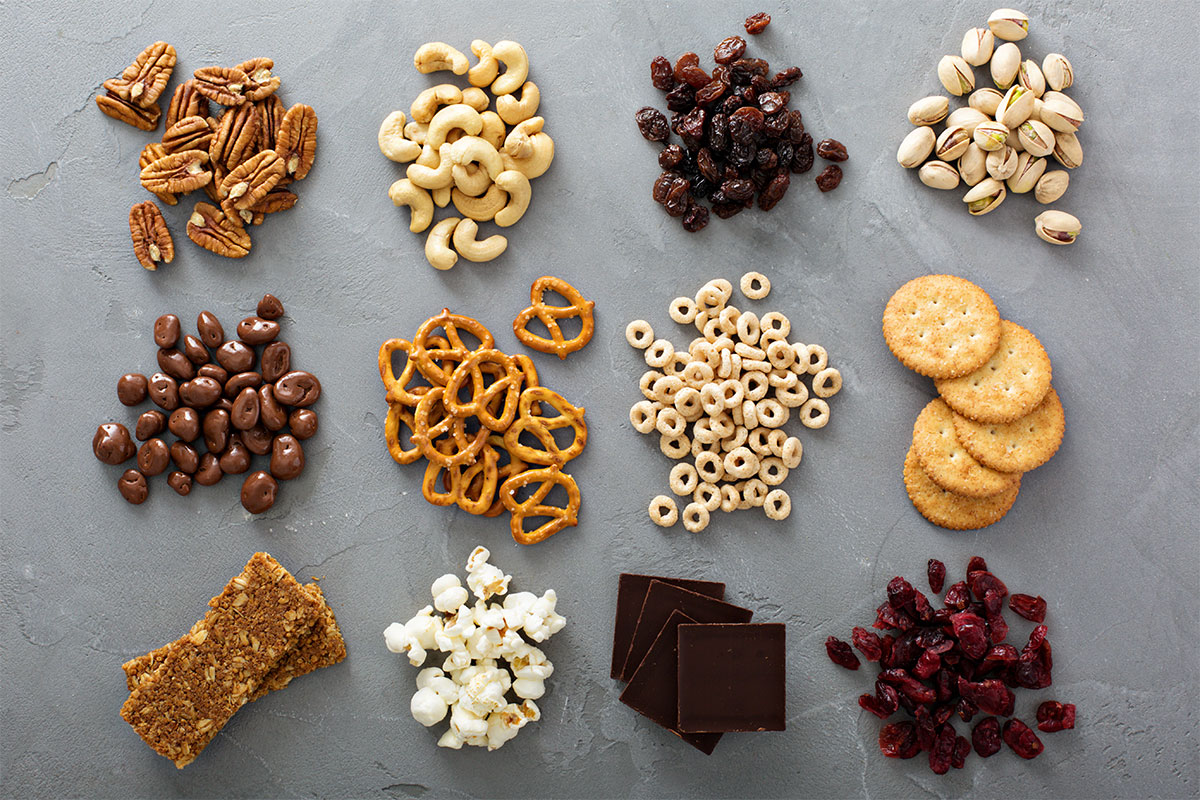
When your body tells you to EAT (now!) post-exercise, it certainly gets your attention! That hunger may be normal, though disruptive to weight loss efforts if you eat the energy equivalent of what you just burned. A small recovery snack such as a two-inch apple and tablespoon of peanut butter may do the trick. Base it on carbohydrates to replace spent fuel. A cup of dry cereal to munch on travels well. A single ounce granola bar is another convenient option. But if you’re planning on a meal in an hour or so, try to fill up on light fare such as air-popped popcorn, celery, rice cakes, and melon to stave off hunger until then.

Other tips include:

  • Depending on when you work out, consider boosting up your previous meal to give you the fuel you need for vigorous exercise.
  • If you’re exercising over an hour, switch from water to a simple sports drink during your exercise to keep blood sugar up.
  • Include some protein and healthy fat at the previous meal to promote satiety and help keep energy levels stable.

– Debbie J., MS, RD

This article should not replace any exercise program or restrictions, any dietary supplements or restrictions, or any other medical recommendations from your primary care physician. Before starting any exercise program or diet, make sure it is approved by your doctor.

Some questions have been edited for length and/or clarity.

Ask our Dietitian

Have a nutrition question? Our registered dietitian is ready to help!

Email nutrition@lafitness.com or submit your question below and it may be featured in an upcoming article!

8 + 4 =


Recommended Reading - Q+A

Our 12 Month Guide to Keeping Your Resolutions This Year! 

Our 12 Month Guide to Keeping Your Resolutions This Year! 

JANUARY 

Make a plan – You’re more likely to get things done if you know how, when, and where you’ll do them. Just saying you’ll do something isn’t enough. Identify the days, times and location of the activity. Make a contingency plan for when you’re short on time or money. 

FEBRUARY 

Go back to basics – Rely on the tried-and-true changes that make for success. Use what’s worked in the past rather than reinventing the wheel. Ask experts and professionals for their advice and read up on how most people accomplished the same goal. 

MARCH 

Make a list – Write out all the benefits to accomplishing your goal. Focus on the “pros” instead of the “cons.” Use these to push you when you don’t feel up to the taskKnowing what you’ll get out of it helps draw you to action. 

APRIL 

Track your progress – Log, chart or graph to keep the quantitative (intake, reps, weight, etc.) measures of your journey visual. Reference it daily as motivation and a reminder of your achievements. Remember that most advancements aren’t linear, so look at overall progress. 

MAY 

Get happy – Focus on the positive by identifying a small accomplishment each day. Believing in yourself may be the most important factor to success.* Recognizing small feats can give you the drive to accomplish larger ones. 

JUNE 

Recommit yourself – Pick yourself back up after a fall. Not everything goes according to plan (sigh). Having the resilience to get back to routine after a misstep is more important than not making any mistakes to begin with. 

JULY 

Avoid temptations  Be sure you’re not in a situation that could lead you astray. Ahem, not next to the buffet or on a comfy sofa. Choose environments in line with your goals so you can avoid the “Should I or shouldn’t I?” internal battle.  

AUGUST 

Reward yourself – When you hit a milestone, celebrate! (But not with something that will lead you to go in reverse ?) Give yourself a pat on the back and something tangible, too. Perhaps make smaller weekly goals for a small pay-out, such as a magazine or video game. 

SEPTEMBER 

Reflect on your journey – How great did it feel to overcome the last challenge? Look at how far you’ve improved since starting. Like autumn, you are in a season of change that doesn’t happen all at once. Enjoy each step along your path. 

OCTOBER 

Call on friends for support – There is truly strength in numbers! Enlist a workout buddy or lunch pal to keep you on track. Even the verbal support of those close to you who aren’t physically nearby can lift you up and spur you to continue onward. 

NOVEMBER 

Try something new – Now is the time to break up your routine and keep things interesting. Let your curiosity get the better of you. Attempt a new class, sample a different product, taste a new cuisine or give an innovative method a shot, providing it’s in line with your goals. 

DECEMBER 

Remember why you started – Bring those reasons to the forefront of your priorities. Think of this month as the last sprint to the finish line! If you’re behind don’t throw in the towel but double-down on your efforts to surge ahead. 

Resource: 

  1. “How to Keep Your New Year’s Resolutions: Research explains what works best.” The Bronfenbrenner Center for Translational Learning. Psychology Today. Dec. 26, 2017. Accessed Dec. 10, 2018. 

Recommended Reading