Warm Comfort Foods Made Healthy(ish)
Most comfort foods we turn to are heavily laden with fat, starch and calories. There are healthier ways to enjoy down-home classics by making a few tweaks.



I’m a type 1 diabetic. I need to work on my stomach. Should I eat a meal before attempting this or wait till I finish then eat my meal?
– rgates2940

I will have to rely on the famous phrase, “It depends.” When you’ve eaten last, what you ate, your last insulin dose and type, your current blood glucose level, and the expected walk/gym exercise intensity and duration will all dictate the best timing of your meal. Adding exercise to an otherwise presently stable day will draw energy, increase insulin sensitivity and promote blood sugar uptake into cells. Because diabetes mellitus type 1 responses to exercise include blood sugar lows, you should take proper precautions and be prepared to treat hypoglycemia.
Start recording your blood sugars before, during and after exercise so that you can better predict when you need a snack. Share your record with your endocrinologist (or healthcare professional) whose guidance regarding blood sugar management you should follow. You can also receive personalized medical nutrition therapy from a Dietitian who’s also a Certified Diabetes Educator for the exact volume and timing of your pre/post workout meals.
Sources:
– Debbie J., MS, RD
This article should not replace any exercise program or restrictions, any dietary supplements or restrictions, or any other medical recommendations from your primary care physician. Before starting any exercise program or diet, make sure it is approved by your doctor.
Some questions have been edited for length and/or clarity.
 Have a nutrition question? Our registered dietitian is ready to help!
Email nutrition@lafitness.com or submit your question below and it may be featured in an upcoming article!
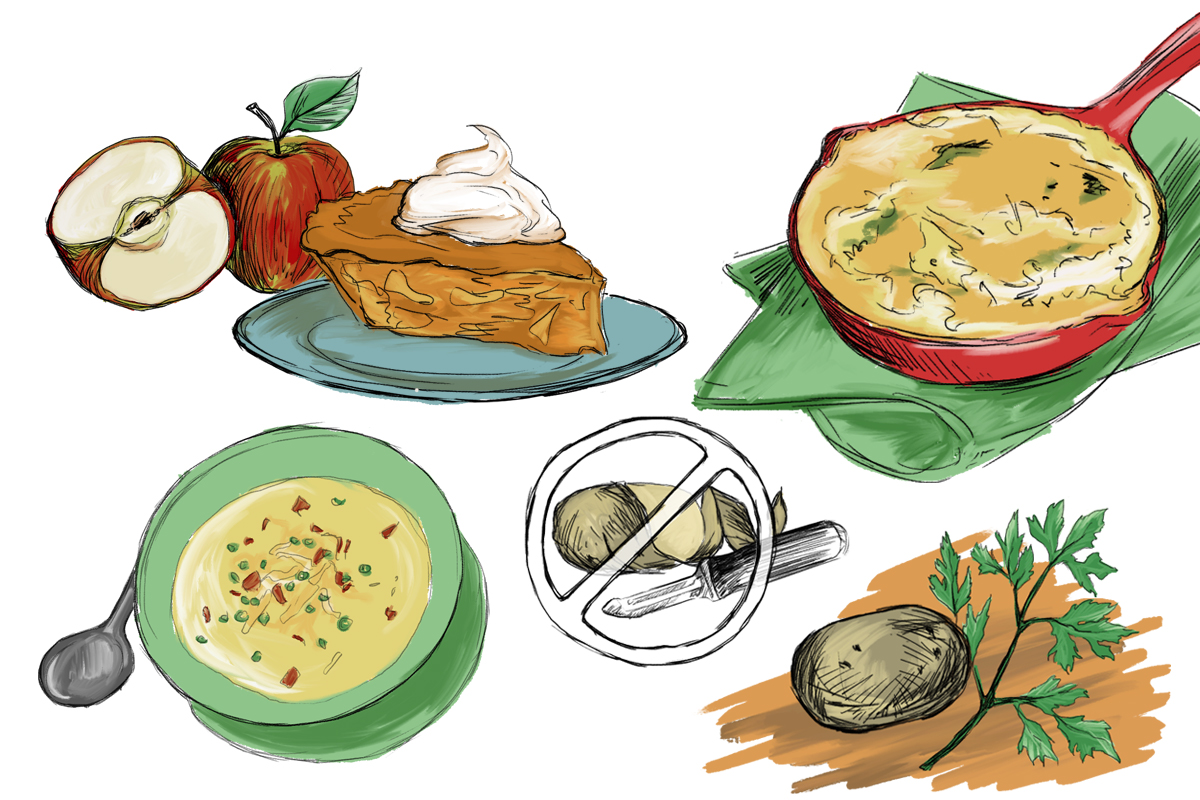
Most comfort foods we turn to are heavily laden with fat, starch and calories. There are healthier ways to enjoy down-home classics by making a few tweaks.

Debbie James, RDN, helps answer a question about energizing snack options to pull athletes through the second half of a high energy workout.
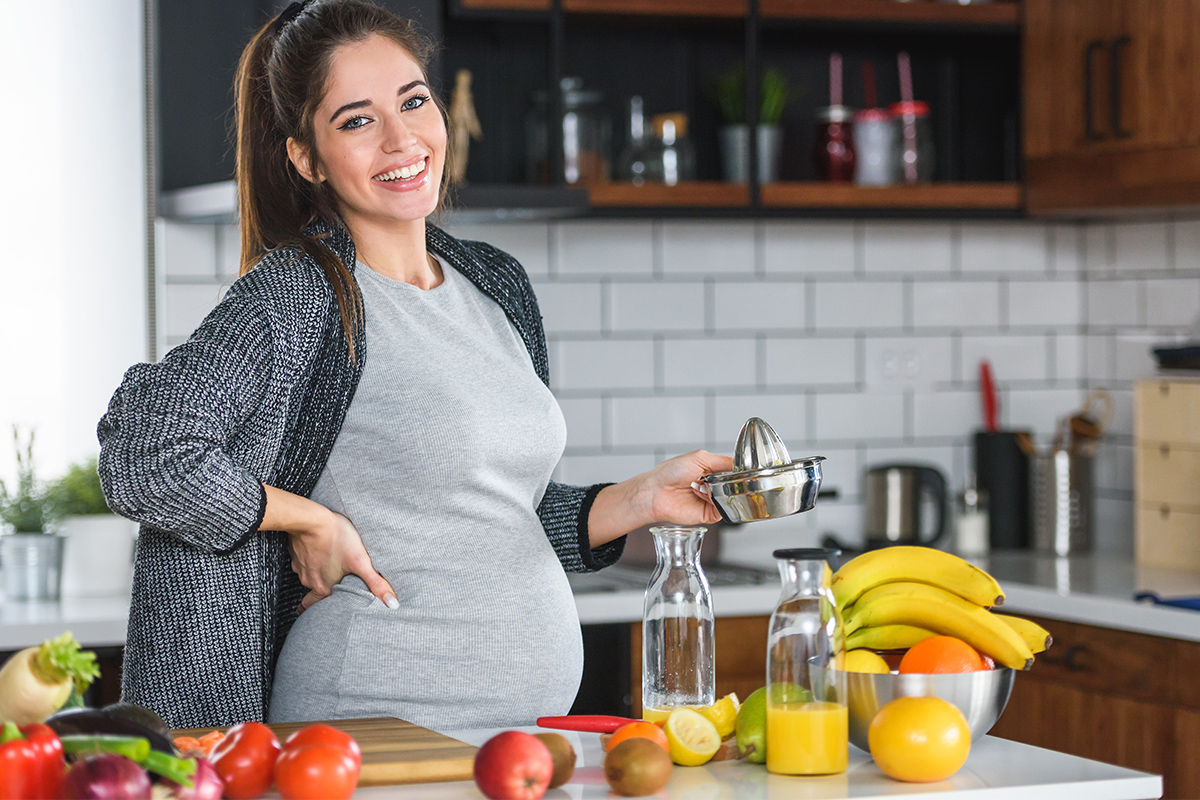
Registered Dietitian, Debbie James, helps answer a reader’s question about a good nutrition guide for a healthy pregnancy.
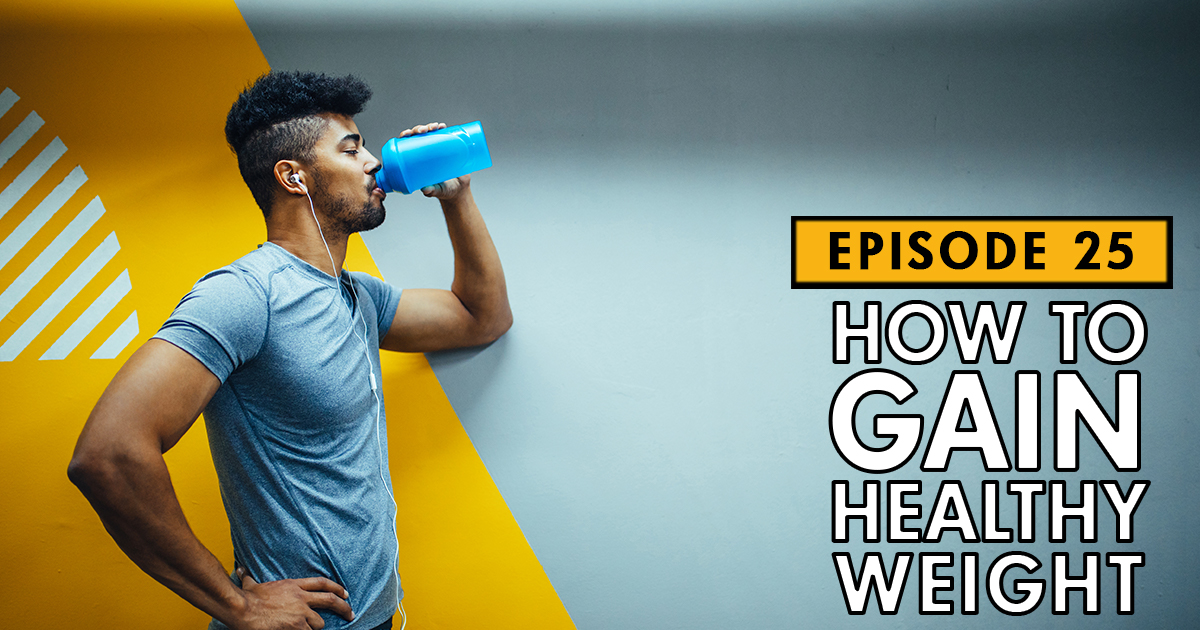
Welcome to the 25th episode of the Living Healthy Podcast, presented by LA Fitness.
On this episode of the Living Healthy Podcast, we speak with LAF Personal Training Director, Tristen Alleman, and LAF Registered Dietitian, Debbie James, as they share their expert advice on how to gain weight the healthy way. This episode is for anyone that’s ever been curious about how they can add lean muscle, and increase body mass, without adding the unhealthy type of body weight. We approach this from both the fitness side of things and nutritional side, to help those struggling with weight gain, find a healthy and balanced way to do so with their training and nutritional routines.
How Are We Doing?
This podcast should not replace any exercise program or restrictions, any dietary supplements or restrictions, or any other medical recommendations from your primary care physician. Before starting any exercise program or diet, make sure it is approved by your doctor.
Introduction
Begins at 0:01
Introduction of LAF Personal Training Director, Tristen Alleman, and LAF Registered Dietitian, Debbie James
0:22
What Would Someone Want to Add on Weight or Muscle?
0:32
Do You Have to Increase Your Caloric Intake to Gain Weight?
2:36
How Does Strength Training Help Build Muscles?
4:50
What Foods Are Good to Eat on Cardio-Focused Work Out Days?
4:16
How Many Days Per Week Should You Strength Train?
7:02
Austin, Our Skinny Colleague, Joins the Show (and Talks Food and Lack of Weight Gain)
8:43
Can Everyone Benefit from Adding Muscle onto Their Body? Or Only Bodybuilders?
14:42
Are Supplements Good or Bad When It Comes to Bulking?
16:36
How Much Protein is Too Much Protein?
19:00
Can You Gain Weight and Bulk as a Vegetarian or Vegan?
20:01
Are Full-Fat Products Always the Best Option for Weight Gain and Bulking?
20:40
Why Are Women Afraid of Gaining Muscle?
22:23
Actionable Advice
24:38
Outro
26:06
On this episode of the LHP we speak with LAF PTD, Tristen Alleman, and LAF RDN, Debbie James, as they share their expert advice on how to gain weight the healthy way.
May is Mental Health Month and we've partnered for the second year with Kaiser Permanente to help bring awareness to the importance of mental health.
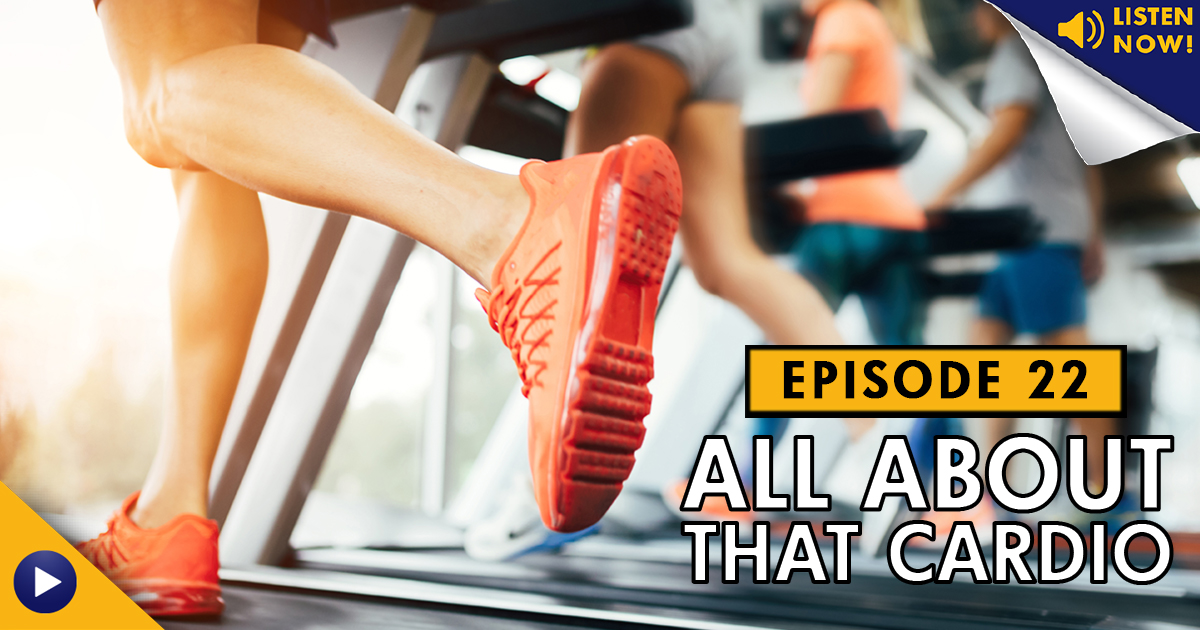
On this episode of the LHP, we bring back to the show LAF, PTD, Tristen Alleman, and, listener favorite Dietitian Debbie! And we talk all about cardio!
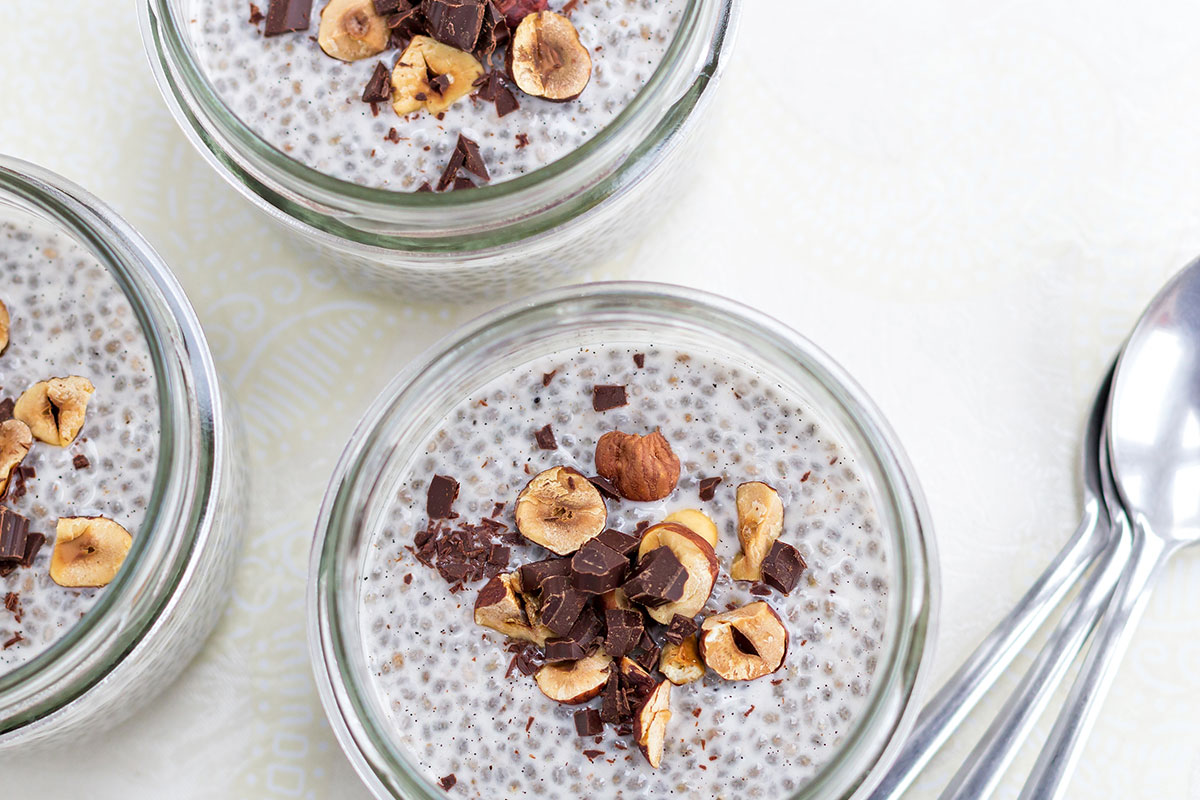
I’m a snacker, consistently snacking throughout the day. What are some snacks that would help boost my energy and that are actually good for me?
– Anjelica V.
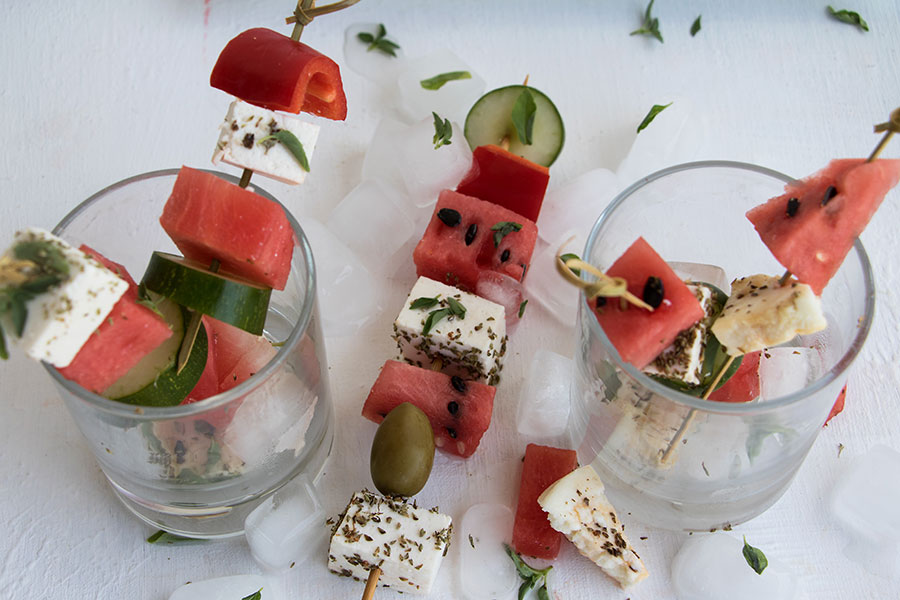
Snacking and grazing are suitable ways to consume your daily intake, providing the choices are good ones and you compensate with smaller meals. I’d suggest snacks in the 100-200 calorie range based on whole foods, with an occasional small energy/protein bar as backup. Good energy-boosting snack choices are:
Leftovers of any balanced meal can serve as a good snack, too! Remember to keep portions in check and keep your total day’s intake in mind for variety and nutrient adequacy.
– Debbie J., MS, RD


This article should not replace any exercise program or restrictions, any dietary supplements or restrictions, or any other medical recommendations from your primary care physician. Before starting any exercise program or diet, make sure it is approved by your doctor.
Some questions have been edited for length and/or clarity.
Have a nutrition question? Our registered dietitian is ready to help!
Email nutrition@lafitness.com or submit your question below and it may be featured in an upcoming article!
Most comfort foods we turn to are heavily laden with fat, starch and calories. There are healthier ways to enjoy down-home classics by making a few tweaks.
Debbie James, RDN, helps answer a question about energizing snack options to pull athletes through the second half of a high energy workout.
Registered Dietitian, Debbie James, helps answer a reader’s question about a good nutrition guide for a healthy pregnancy.
I am a male, 46 years old, 192 lbs., 5 11″. I exercise regularly and I’m looking for a healthy diet to help keep in good shape and keep my cholesterol, sugar levels, blood pressure, and other levels in check. What would you recommend for me?
– Jorge M.
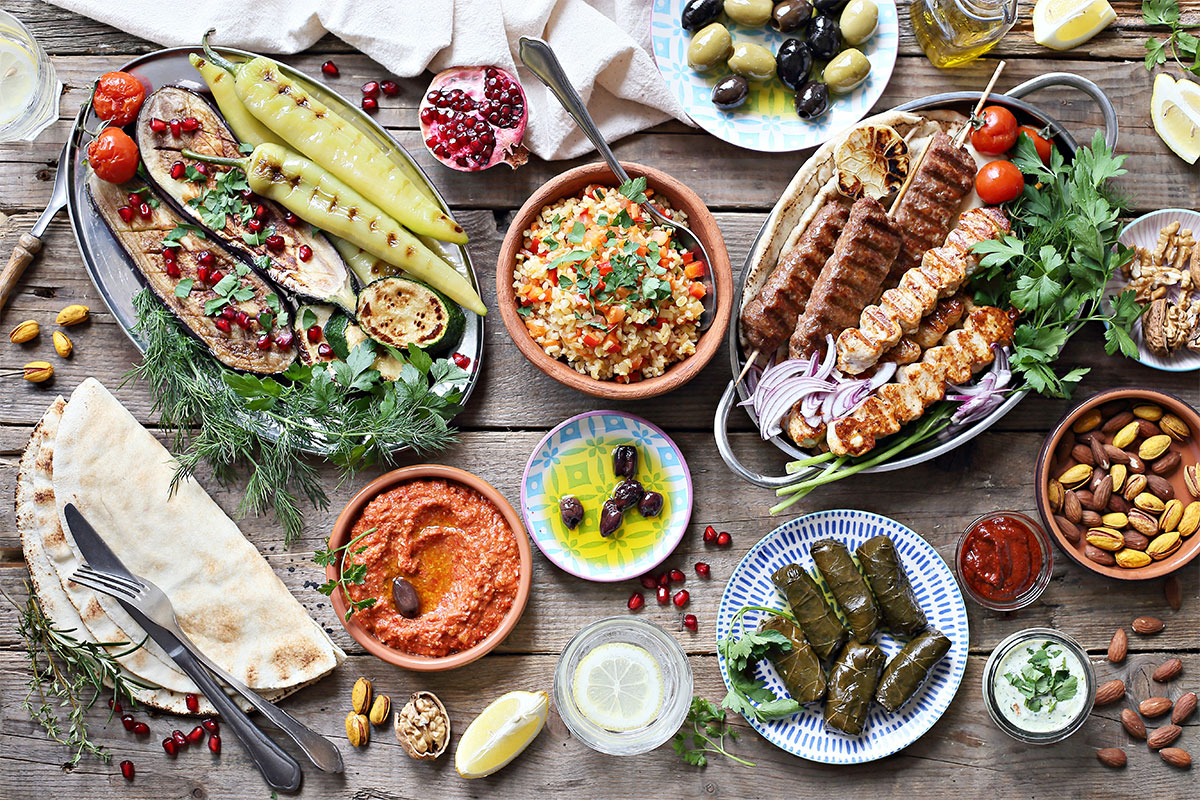
Great job exercising daily and being proactive to keep chronic disease markers in check! A Mediterranean or DASH (Dietary Approaches to Stop Hypertension) eating plan seems suitable for your goals. Really, a blend of these is ideal.
The Mediterranean style diet emphasizes whole grains, fruits, vegetables, beans, herbs, spices, nuts, and healthy fats as core foods. Fish and seafood are eaten twice weekly while dairy foods, eggs, and poultry are eaten moderate portions. Red meat and sweets are rarely eaten.
The American Heart Association’s DASH diet focuses on fruits, vegetables, whole grains, poultry, fish, nuts, legumes, and low-fat dairy to provide potassium, calcium, and magnesium. It is high in fiber, moderate in sodium, and low in fat, saturated fat, cholesterol, and sugar with little red meat. See table below.
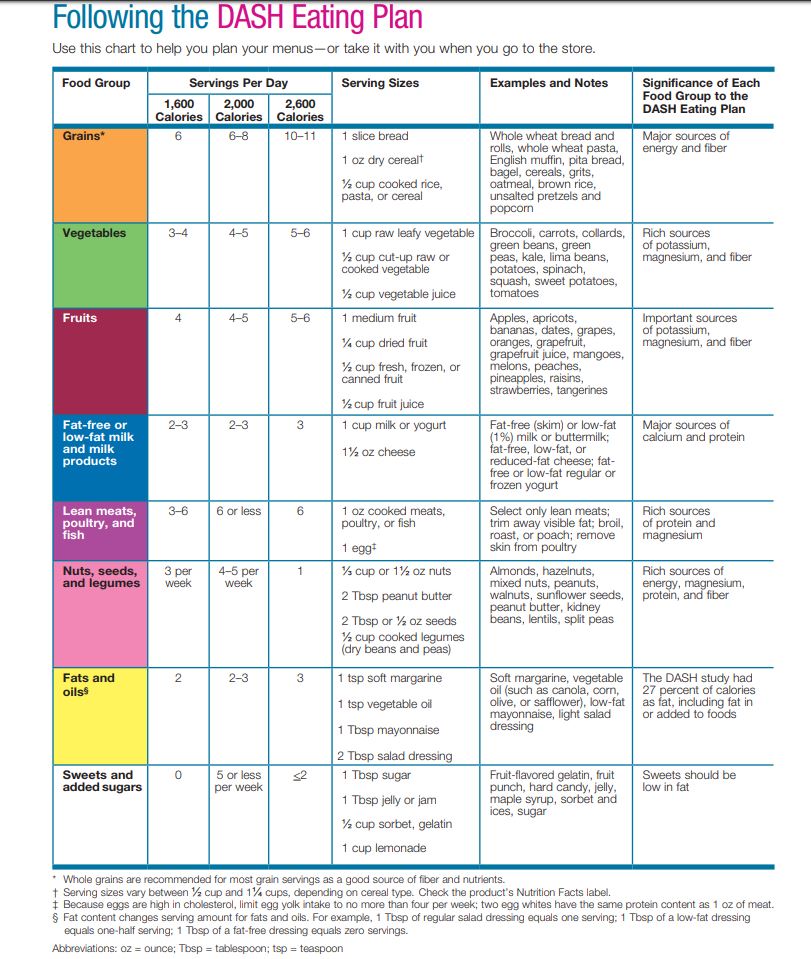
Your anthropometrics and activity level suggests an estimated daily energy need of 2,700 calories. Combining the two plans, you should base meals on a foundation of vegetables, legumes, whole grains, fruit, and nuts. Fish, seafood, low-fat dairy and healthy plant fats (e.g. olive oil, avocado) should round-out your diet. Also, spread your food intake throughout the day to support energy levels, proper digestion, and metabolism.
– Debbie J., MS, RD
This article should not replace any exercise program or restrictions, any dietary supplements or restrictions, or any other medical recommendations from your primary care physician. Before starting any exercise program or diet, make sure it is approved by your doctor.
Some questions have been edited for length and/or clarity.
Have a nutrition question? Our registered dietitian is ready to help!
Email nutrition@lafitness.com or submit your question below and it may be featured in an upcoming article!
Most comfort foods we turn to are heavily laden with fat, starch and calories. There are healthier ways to enjoy down-home classics by making a few tweaks.
Debbie James, RDN, helps answer a question about energizing snack options to pull athletes through the second half of a high energy workout.
Registered Dietitian, Debbie James, helps answer a reader’s question about a good nutrition guide for a healthy pregnancy.

I am in the process of cutting down my body fat, but nothing seems to work. My metabolism is not very good, but I’m doing cardio 3 times a week. I also not eating as many calories to cut down. What and how many times should I eat if I want a six-pack?
– Arib C.
First and foremost, I hope you’re incorporating some resistance training into your workout routine! Cardio is great for reducing body fat around the belly, but six-pack abs are made from strength training to develop those abdominal muscles. See a ProResults® trainer for assistance and listen to one’s advice for best ab machines on our Ask a Trainer series.
That said, you should eat three to six times per day, schedule and appetite permitting. If you choose to eat more frequent meals and snacks, pay attention to portions so you’re redistributing the calories you eat, not adding more. Meals and snacks should be based on vegetables – lots of them!, lean protein, and complex carbohydrates with fresh fruit and low-fat dairy to complement. Avoiding alcohol and added sugars is essential if you aren’t getting results.
– Debbie J., MS, RD
This article should not replace any exercise program or restrictions, any dietary supplements or restrictions, or any other medical recommendations from your primary care physician. Before starting any exercise program or diet, make sure it is approved by your doctor.
Some questions have been edited for length and/or clarity.
Have a nutrition question? Our registered dietitian is ready to help!
Email nutrition@lafitness.com or submit your question below and it may be featured in an upcoming article!
Most comfort foods we turn to are heavily laden with fat, starch and calories. There are healthier ways to enjoy down-home classics by making a few tweaks.
Debbie James, RDN, helps answer a question about energizing snack options to pull athletes through the second half of a high energy workout.
Registered Dietitian, Debbie James, helps answer a reader’s question about a good nutrition guide for a healthy pregnancy.