Nutritious Green Foods You Didn’t Know About
Good nutrition is all about variety! Browse through our list of unusual fruits and veggies and give yourself a chance to try something new.

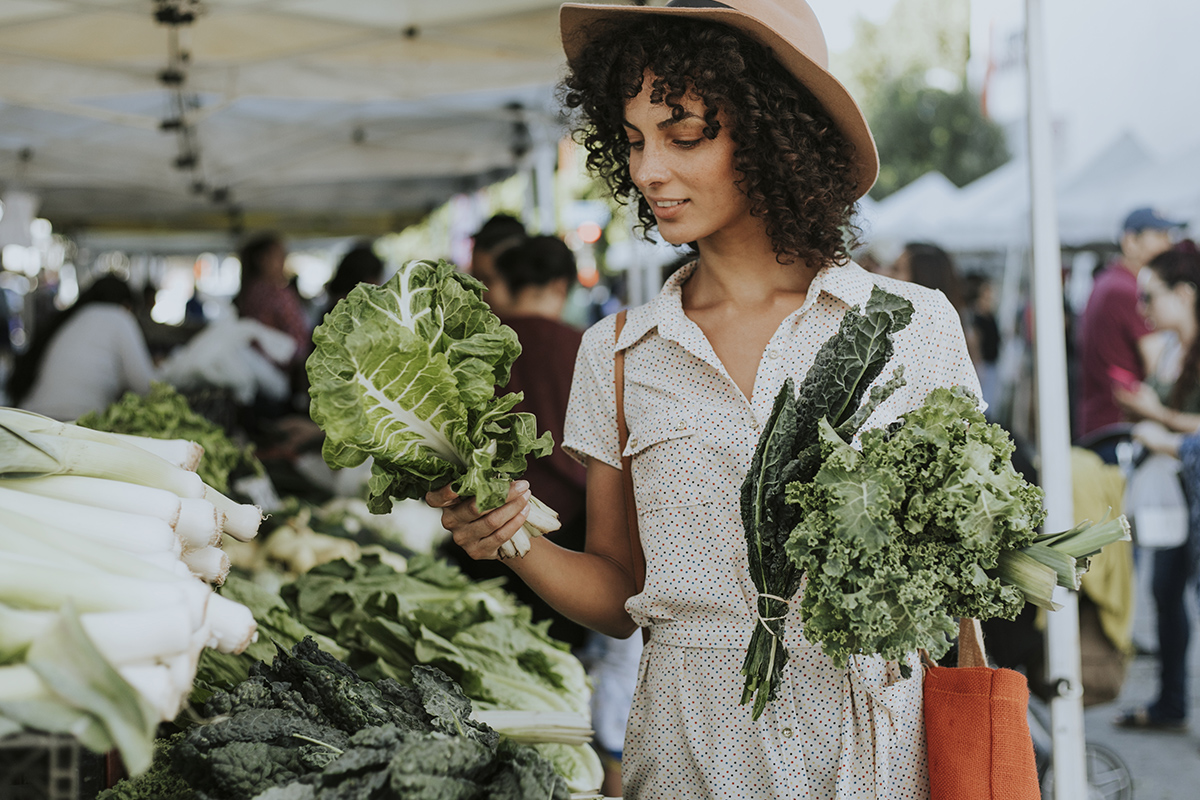

I would like to increase my bone density. Do you have any suggestions for me regarding the best vegan foods to eat?
Very respectfully,
– Brenda H.

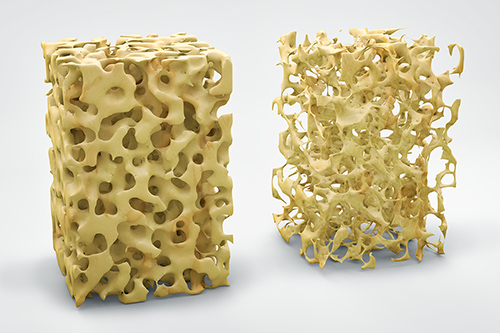
Congratulations on providing the first bone density inquiry to Living Healthy! Your answer follows. First, here’s a brief primer on bone mineralization for the rest of our audience: Bone is actually a living tissue with blood supply to the marrow and cells that are adding tissue (osteoblasts) while others remove it (osteoclasts). The main structural compound is hydroxyapatite, made from the minerals calcium and phosphorus. Bone also contains small amounts of magnesium, sodium and bicarbonate. Density refers to the mass of the bone mineral material in a certain volume. Peak bone mass occurs around age thirty years. Keeping bones strong and avoiding loss of the matrix helps to prevent a porous condition later in life called osteoporosis.
Diet and physical activity are controllable lifestyle factors that account for 10–50% of bone mass and structure. Physical activity stresses the bone to adapt and strengthen. Maintaining an adequate weight allows optimal pressure from gravity against the ground. Not smoking and avoiding heavy alcohol use prevents mineral loss due to tobacco products and drinking.
A well-balanced diet is important for bone health throughout the lifespan though notably significant are calcium and vitamin D. As mentioned previously, calcium is a major mineral component of bone structure while vitamin D assists in calcium absorption and utilization. The majority of the body’s phosphorus and magnesium are found in the skeleton. Other micronutrients that appear to play a positive role in bone health include vitamins B12, C and K, and minerals copper, manganese, zinc, potassium and iron.
Vegan diets abundant in whole grains, legumes, fruits, vegetables, nuts and seeds that are not excessive in sodium or caffeine can promote optimal bone density, but may need to be supplemented in certain areas. The strongest plant sources of the aforementioned nutrients are dark green leafy vegetables, cabbage, broccoli, beans, mushrooms exposed to light, almonds, blackstrap molasses, okra, calcium-set tofu, fortified nut milks, nut butters, brown rice, dried figs, chia seeds, potatoes, citrus fruit, strawberries, tomatoes, dried coconut and cocoa. Supplements of vitamin B12 are advised for vegans since it is not found in plant foods.
Sources:
– Debbie J., MS, RD
This article should not replace any exercise program or restrictions, any dietary supplements or restrictions, or any other medical recommendations from your primary care physician. Before starting any exercise program or diet, make sure it is approved by your doctor.
Some questions have been edited for length and/or clarity.
 Have a nutrition question? Our registered dietitian is ready to help!
Email nutrition@lafitness.com or submit your question below and it may be featured in an upcoming article!

Good nutrition is all about variety! Browse through our list of unusual fruits and veggies and give yourself a chance to try something new.

Debbie James, RDN, helps answer a question about energizing snack options to pull athletes through the second half of a high energy workout.

Registered Dietitian, Debbie James, helps answer a reader’s question about a good nutrition guide for a healthy pregnancy.

Hi, I’d like to know some good ways to cut calories for people with low blood sugar issues (hypoglycemia). It can be hard to cut caloric intake with approaches like intermittent fasting and meal replacement shakes because that causes blood sugar levels to drop. So, I’d like to know the best way to obtain a calorie deficit when there are limitations like hypoglycemia in play. Thank you for your help!
– Michael B.
When people experience hypoglycemia it’s usually as a drop after elevated blood sugar following a meal (called reactive hypoglycemia), rather than waking up with low blood sugar (fasting hypoglycemia). The best approach to restricting intake while avoiding a hypoglycemic event would be to modestly reduce intake throughout the day, particularly of refined carbohydrate.
Retaining protein, fiber and fat at an eating session will help slow carbohydrate absorption and blunt the initial spike in blood sugar. The analogy I like to provide is to consider a roller coaster – the greater the incline/peak, the greater the fall. Fun for a ride, but disaster for blood sugar stability. Keeping blood sugar steady is the goal, so consuming foods that minimize a spike to begin with is part of the approach. Stick to complex carbohydrates from starches along with your protein foods, vegetables, fruit, dairy and nuts/seeds.
Consider cutting down portions slightly at each meal and snack. You’ll hardly notice a difference in satiety from eating three-quarters of your normal volume. And leave the side of bread/rolls/tortillas, only eating those that are the main part of the entrée. For example, no garlic bread necessary if you’re eating pasta and skip the side of toast with your omelet and home fries.
– Debbie J., MS, RD
This article should not replace any exercise program or restrictions, any dietary supplements or restrictions, or any other medical recommendations from your primary care physician. Before starting any exercise program or diet, make sure it is approved by your doctor.
Some questions have been edited for length and/or clarity.
Have a nutrition question? Our registered dietitian is ready to help!
Email nutrition@lafitness.com or submit your question below and it may be featured in an upcoming article!
Good nutrition is all about variety! Browse through our list of unusual fruits and veggies and give yourself a chance to try something new.
Debbie James, RDN, helps answer a question about energizing snack options to pull athletes through the second half of a high energy workout.
Registered Dietitian, Debbie James, helps answer a reader’s question about a good nutrition guide for a healthy pregnancy.
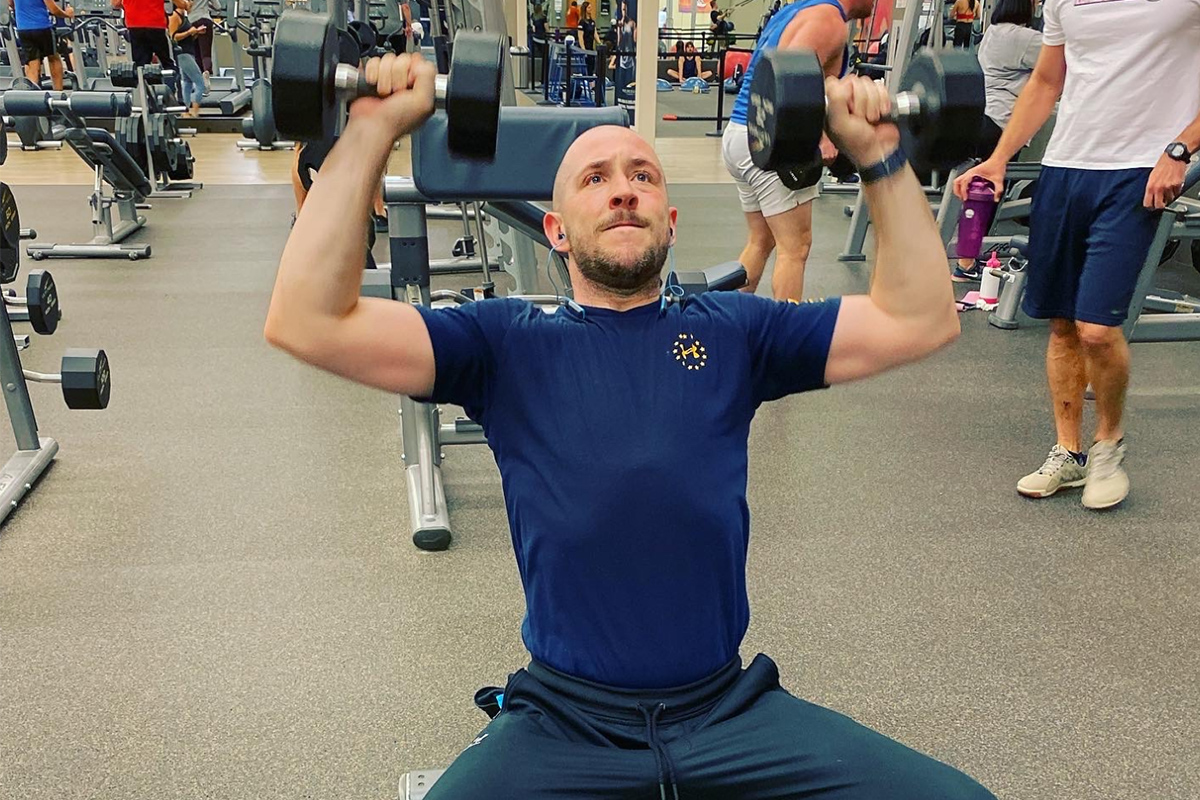
“The defining moment for me was definitely when I was chasing around my 15-month-old and realized that I was out of breath after just a couple of minutes. I knew that I could never be a good, active father if I kept up with the unhealthy lifestyle that I was living.”
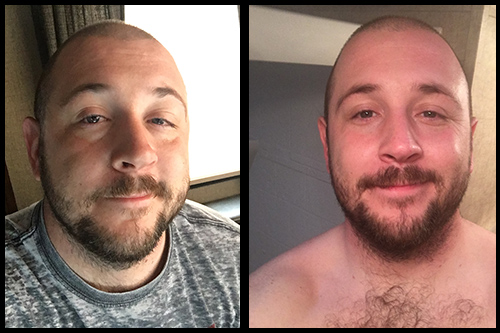
Tyler is an LA Fitness member whose re-introduction to the gym completely changed the direction his life was headed. Having served in the U.S Army, Tyler was committed to training hard and staying in shape. With time, however, his activity levels dropped, and he found himself spending more and more time on the couch. In his interview, Tyler shares an honest admission to where he was before he turned onto a different path:
“Anyone who knows anything about me knows that I’ve made mistakes in my life. Sure, I know we all have, but I know I’ve made some very big mistakes. My mistakes have cost me everything from my family, friends, finances, career advancements…you name it, really. I’ve screwed it up.
Earlier this year I found myself in an incredibly dark place. I had lost everything and everyone I cared about. I didn’t know what to do. I buried myself in work, and that didn’t help. It made my productivity even worse. I would come home and sleep. I would do nothing but lay on the couch and sleep.”
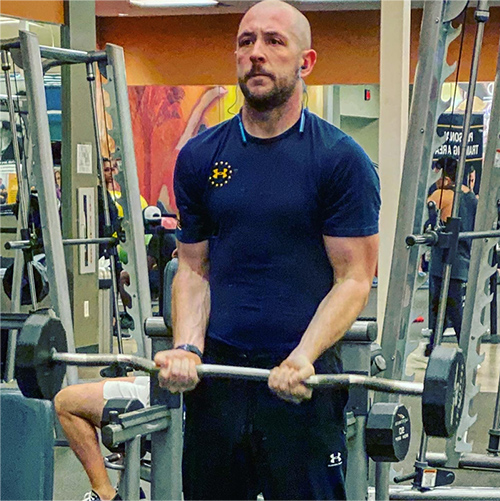
If you’ve ever been in a dark place, you know how difficult it can be to find the motivation you need to pull yourself out of it. The longer you sit in your discomfort, the more difficult it becomes to find your way out. It becomes a self-perpetuating cycle. Often, you’ll need a wakeup call that strikes a certain chord to help you. This is what happened with Tyler:
“One day I met up with my son and his mom so that he and I could run around and play and so she and I could discuss our options moving forward. As my son and I ran around in front of Starbucks, I noticed that I was literally getting winded from just the small amount of time chasing him around. Now, while I was absolutely no Captain America, I served my time proudly in the US Army. I did ridiculous amounts of PT and kept myself in good shape. Oh, yeah…and then I got old and lazy. I couldn’t believe I was winded chasing around a 15-month-old!
It was at this moment that I decided to try and get back to the gym. Now, if I’m being completely honest, I used a 5-day free guest pass because I almost knew that it would be just a couple day phase and then I’d be back on the couch. I worked out that first day (and by workout, I mean I did the stair-master at a pace that would have been laughed at by sloths). Before I left, I was approached and taken over to a desk to discuss membership options. In all reality, they were dirt cheap. I didn’t pay any enrollment fee, and it was all month to month, so I figured no harm no foul.
I found myself back the next day. And the next day. And days upon days in a row after that. Every time I’d go, I would re-familiarize myself with a machine or a workout that I hadn’t done in...uh….quite some time. It became a personal challenge to myself to see just how long and hard I could push myself. In three months’ time, I lost 3 inches on my waist. I’ve lost 7% body fat and I’ve lost a total of 35 pounds. Most people would say, that’s awesome! For me, it’s not about what I’ve lost. It’s about what I’ve gained. I have gained an entirely new outlook and perspective on life.
Being at LA Fitness everyday has become my therapy. It’s become my sanctuary. It’s given me more mental strength than physical, and for me, that’s exactly what I need.”
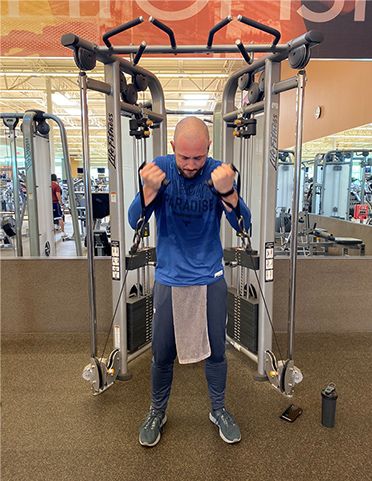
This all took place over the course of just a few months! Tyler made the decision to change his physical and mental well-being in late June of this year. It really came down to the fact that he made a choice and was determined to follow-through. He goes on to say:
“At the end of the day, I say all this, not for a pat on the back or for a “yay me” moment. I’m hoping that if there is anyone who needed to hear these words, that they have heard them by reading this. No matter what you’re facing in life, you can go out there and make it better. You HAVE to keep pushing. Find something that will keep you going. Find your sanctuary.”
Tyler plans to continue his health and fitness endeavors by studying nutrition and learning how it works for everyone individually. He attributes a lot of his success to his mindfulness of his food choices and hopes to expand his knowledge even further. He has also recently added HIIT by LAF to his routine and happily reports “I am LOVING it!”
LA Fitness played a role in his motivation too. There’s just something contagious about the energy of others who are also working hard to achieve their personal goals. Tyler explains:
“I love the familiar faces at my gym. Seeing the same people day in and day out, pushing themselves to their limits to reach their goals helps me keep going. 99% of the people, you never meet, but just seeing their drive on a day to day basis helps keep you going.”
Tyler has seen his fair share of hard times and knows that other people face similar struggles. His advice?
“Don’t stop. Whatever you do…don’t stop. There are times it’ll hurt. Keep pushing. Sore? Keep pushing. Tired? Keep pushing. Emotionally drained? Keep pushing. Frustrated? Keep pushing. Never tell yourself that you can’t do something. Get out there and keep pushing. Be your own hero.”
Do you have an inspirational story you’d like to share with us? Email us at blog@lafitness.com for a chance to be featured in an upcoming post!
For length and clarity, minor edits – none of which alter the original or intended meaning – have been made to the quotes provided.
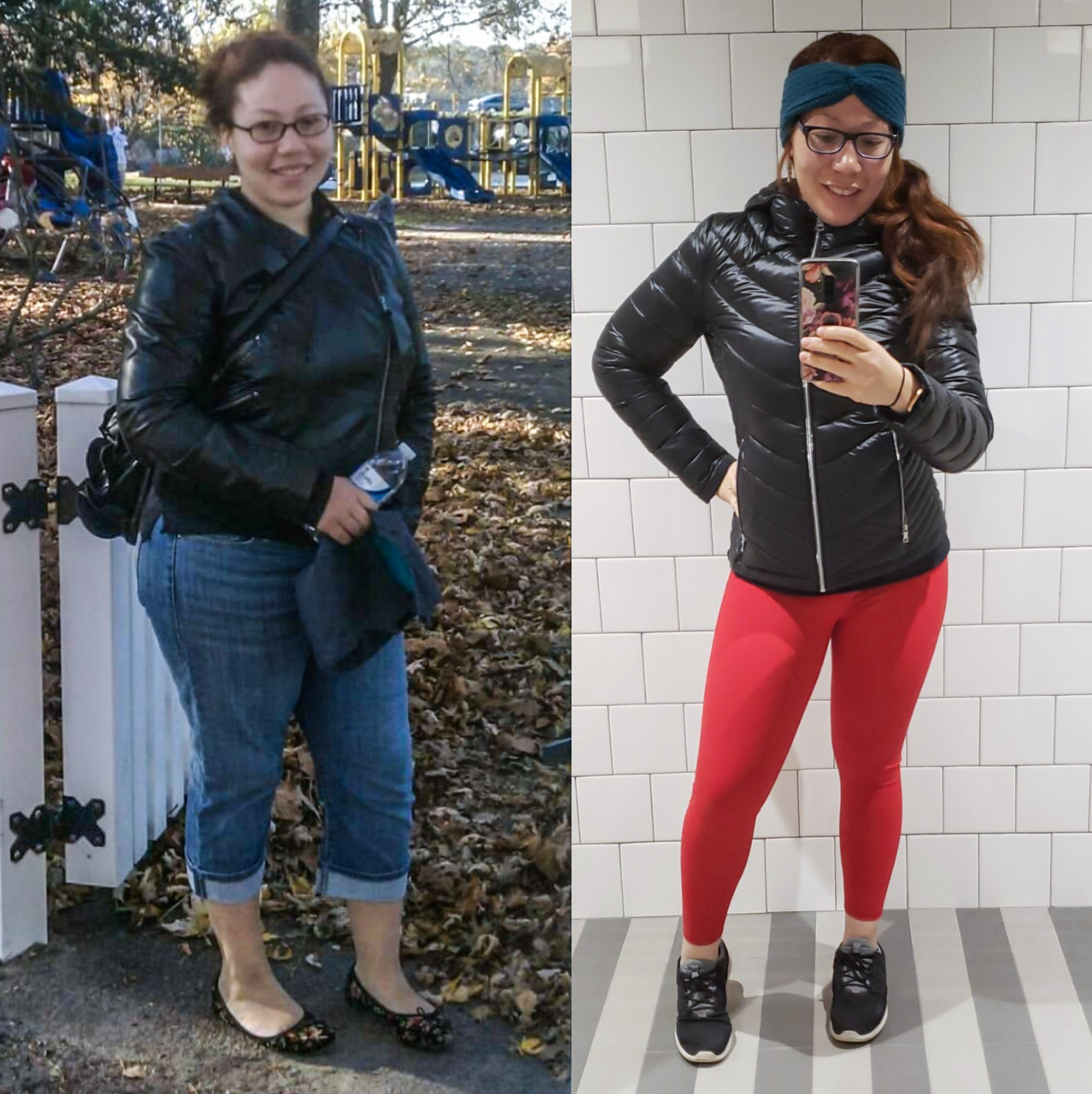
Waleska is a mom with 2 part-time jobs who had a love for chocolate. Despite the time constraints and sweet temptations, she lost over 60 pounds!
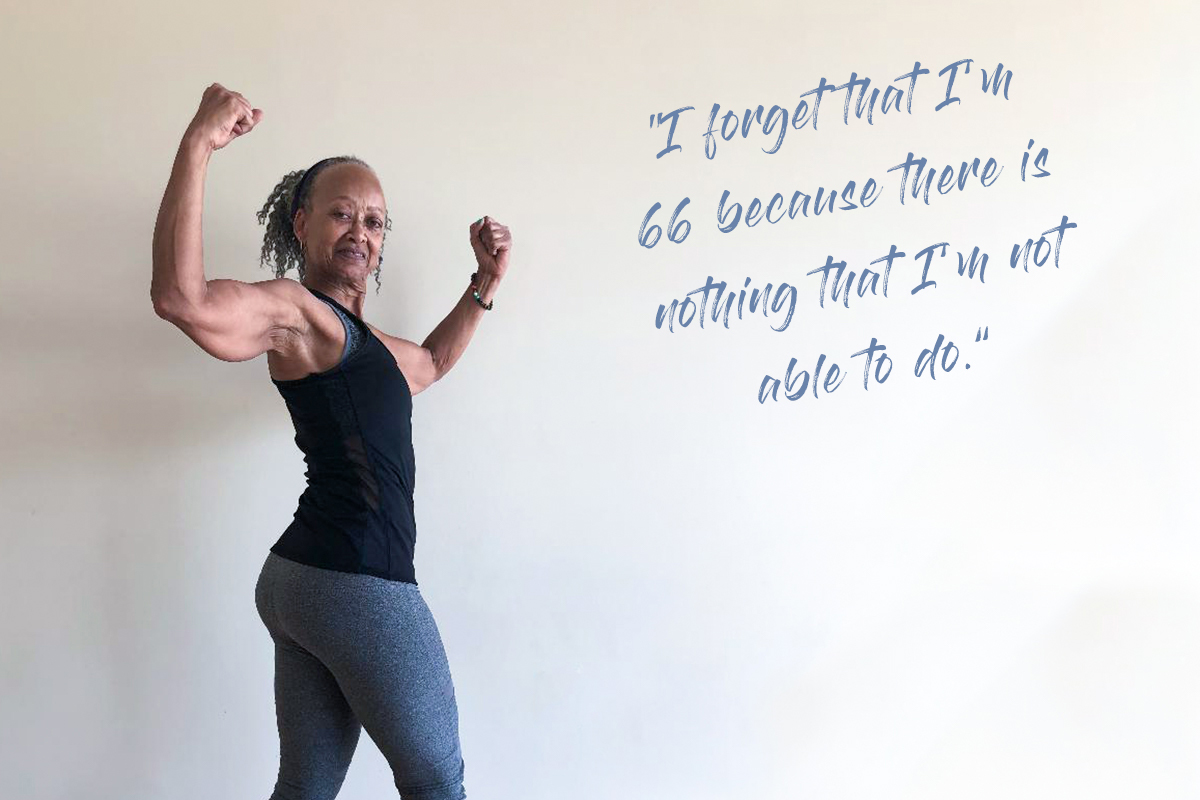
Many of us pair the idea of aging with decreased mobility and various aches. Yet, Patricia’s story shows us just how wrong that notion can be.

Ann shares how, despite back problems, strokes, and surgeries, she is well on her way to achieving her goal of losing 90 to 100 pounds!
I’m hearing a lot about the dangers lurking in certain foods and keep seeing mycotoxins on the list. What are these, where are they, and what’s the risk? I’m going crazy trying to avoid contaminants! It seems nothing is safe.
– Karen H.
No foods are truly 100% safe or non-perishable. Although we typically think of spoilage and rotting from visible bacterial growth and pest infestation, contamination of food can also be hiding from the naked eye. It’s said that mycotoxins are present practically everywhere in trace amounts and are unavoidable.
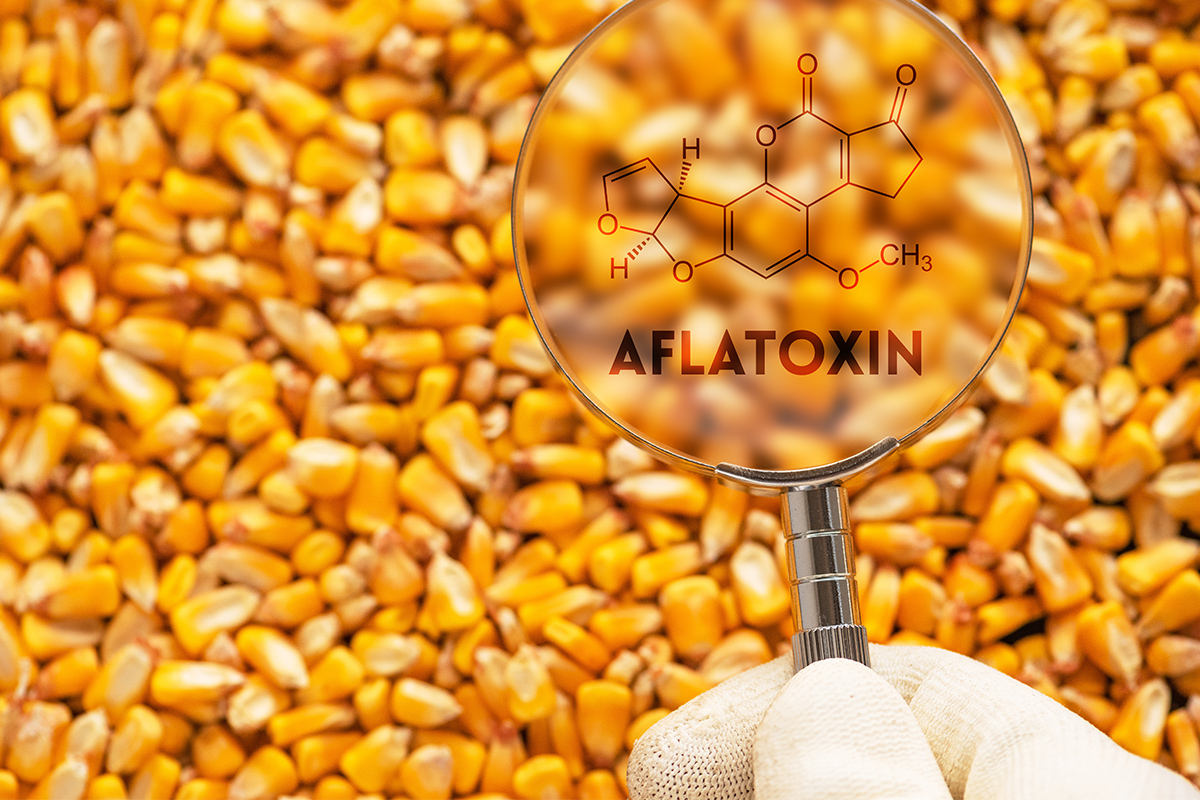
According to the World Health Organization, “mycotoxins are toxic compounds that are naturally produced by certain types of molds (fungi).” Health effects from these toxins range from acute poisoning to immune deficiency and death. Mycotoxin-producing molds can grow on numerous foods such as cereals, dried fruits, corn, peanuts, coffee beans, nuts and spices. Fox News reported in 2015 that “in the United States aflatoxin contamination is most common is the Southeast in peanuts and corn products.” Aflatoxins are a type of mycotoxin known to cause liver cancer. Other major mycotoxins include citrinin, deoxylnivalenol, fumonisins, ochratoxin, patulin, trichothecenes and zearatenones.
The good news: Contaminated foodstuffs (either visibly or tested) are not permitted in developed countries’ marketplace. The FDA has set very strict tolerance levels for certain mycotoxins present in crops.
The bad news: In the U.S., agricultural products kept within state lines and animal feeds are not subject to FDA limits. Additionally, through the food chain, the consumption of even tiny amounts of mycotoxins can have a cumulative effect. This is evident in livestock, eggs and dairy products.
How to avoid mycotoxins, then? You can reduce mycotoxin exposure by obtaining your raw food (whether conventional or organic) from trusted sources that adhere to federal and state safety testing and from local farmers’ markets (short storage periods). Of course, it could also be that reducing consumption of animal products, corn and peanuts may reduce your chance of exposure.
Additional sources:
– Debbie J., MS, RD
This article should not replace any exercise program or restrictions, any dietary supplements or restrictions, or any other medical recommendations from your primary care physician. Before starting any exercise program or diet, make sure it is approved by your doctor.
Some questions have been edited for length and/or clarity.
Have a nutrition question? Our registered dietitian is ready to help!
Email nutrition@lafitness.com or submit your question below and it may be featured in an upcoming article!
Good nutrition is all about variety! Browse through our list of unusual fruits and veggies and give yourself a chance to try something new.
Debbie James, RDN, helps answer a question about energizing snack options to pull athletes through the second half of a high energy workout.
Registered Dietitian, Debbie James, helps answer a reader’s question about a good nutrition guide for a healthy pregnancy.

Hello! I would really like to know what I can do to keep my hair from falling out. I seem to have had thinning hair that falls out easily for as long as I can remember. What is the best nutrient for hair regrowth, and how can I prevent it from falling out in the first place? Thank you!
-Melanie K.
There are several nutrients necessary for healthy hair, the fastest growing tissue in the body. What action to take for re–growing hair would depend on the cause of the hair loss. Rarely due to a nutritional deficiency, alopecia often results from stress, medications, hormonal changes, and certain medical conditions. Thinning of head hair is associated with genetics and aging. The American Academy of Dermatology recommends seeing a clinician to determine the cause of hair loss and offers tips on preventing loss.1
If a nutritional balance is to blame, the likely culprits are a deficiency of iron, zinc, or protein. Additionally, niacin deficiency, sudden weight loss, over supplementation, and essential fatty acid deficiency may be suspect.2 The best sources of problem nutrients include beef, pork, lamb, shellfish, fatty fish, poultry, eggs, beans/legumes, oatmeal and avocados. See our previous Healthy Living Blog article on targeting certain foods for hair growth.
Providing adequate essential nutrients will help stimulate hair follicles but focus on food first.3 Don’t supplement without first knowing that you need to. Toxicity of minerals and fat-soluble vitamins more readily occurs via supplements than from food. You can actually promote hair loss with too much vitamin A!
References:
1) “Hair Loss: Tips for Managing” https://www.aad.org/managing-tips
2) Guo EL, Katta R. Diet and hair loss: effects of nutrient deficiency and supplement use. Dermatology Practical & Conceptual. 2017;7(1):1–10. Published 2017 Jan 31. doi:10.5826/dpc.0701a01
3) Jessica Levings. Hair Growth Supplements. Today’s Dietitian. Sept, 2017; 19 (9): 40
– Debbie J., MS, RD
This article should not replace any exercise program or restrictions, any dietary supplements or restrictions, or any other medical recommendations from your primary care physician. Before starting any exercise program or diet, make sure it is approved by your doctor.
Some questions have been edited for length and/or clarity.
Have a nutrition question? Our registered dietitian is ready to help!
Email nutrition@lafitness.com or submit your question below and it may be featured in an upcoming article!
Good nutrition is all about variety! Browse through our list of unusual fruits and veggies and give yourself a chance to try something new.
Debbie James, RDN, helps answer a question about energizing snack options to pull athletes through the second half of a high energy workout.
Registered Dietitian, Debbie James, helps answer a reader’s question about a good nutrition guide for a healthy pregnancy.