What’s Good for Gut Health? | QA

What’s Good for Gut Health? | QA

Question:

I have a question about gut health. How good are probiotics and is it safe to take Acidophilus every day? How does it help the body? Is it better than taking a laxative? Thanks!

– Myra

Answer:

I count lots of questions, so we’ll tackle them one at a time! 

1. Probiotics’ benefit: True probiotic microorganisms are very beneficial, provided that they are in adequate amounts of verified strains shown to have effect. That means certain probiotic sources/foods are good1, while others might be duds whose bacterial colonies simply don’t form significantly stable populations in the human gut2. The term “probiotic” is often misapplied to products.  

Positive effects on health may include immune stimulation, prevention of infection, promotion of regularity, relief of inflammatory bowel disease, cancer suppression, and modulation of brain activity, promoting mental wellness2,3. See www.USProbioticGuide.com for a list of commercial products and the level of evidence for their probiotic strains’ application in certain conditions. 

2. Acidophilus safety: Lactobacillus acidophilus is a type of bacteria found in your intestines and in several fermented foods such as yogurt, keifer, sauerkraut and tempeh. As a supplement, daily consumption is considered generally safe1,4, but may contribute to constipation4 and other digestive complaints, so monitor for side effects. 

3. Acidophilus effectiveness: L. acidophilus supplementation may protect against traveler’s diarrhea, have anti-fungal activity, and prevent bacterial UTI and vaginal infections3,4. Those wishing to take this probiotic in supplement form should find one with at least one billion CFUs per serving 

References: 

  1. National Center for Complementary and Integrative Health. “Probiotics: What You Need to Know.” https://nccih.nih.gov/health/probiotics/introduction.htm August 22, 2019. Accessed 10.25.2019
  2. Fijan S. Microorganisms with claimed probiotic properties: an overview of recent literature. Int J Environ Res Public Health. 2014;11(5):4745–4767. Published 2014 May 5. doi:10.3390/ijerph110504745 
  3. Zawn Villines. “Is Lactobacillus acidophilus good for health?” https://www.medicalnewstoday.com/articles/324194.php January 12, 2019. Accessed 10.25.2019  
  4. Mayo Clinic. “Acidophilus” www.mayoclinic.org/drugs-supplements-acidophilus/art-20361967 October 13, 2017. Accessed 10.25.2019

– Debbie J., MS, RD

This article should not replace any exercise program or restrictions, any dietary supplements or restrictions, or any other medical recommendations from your primary care physician. Before starting any exercise program or diet, make sure it is approved by your doctor.

Some questions have been edited for length and/or clarity.

Ask our Dietitian

Have a nutrition question? Our registered dietitian is ready to help!

Email nutrition@lafitness.com or submit your question below and it may be featured in an upcoming article!

6 + 10 =


Recommended Reading - Q+A

What is Body Mass Index and How Should I Use It?

What is Body Mass Index and How Should I Use It?

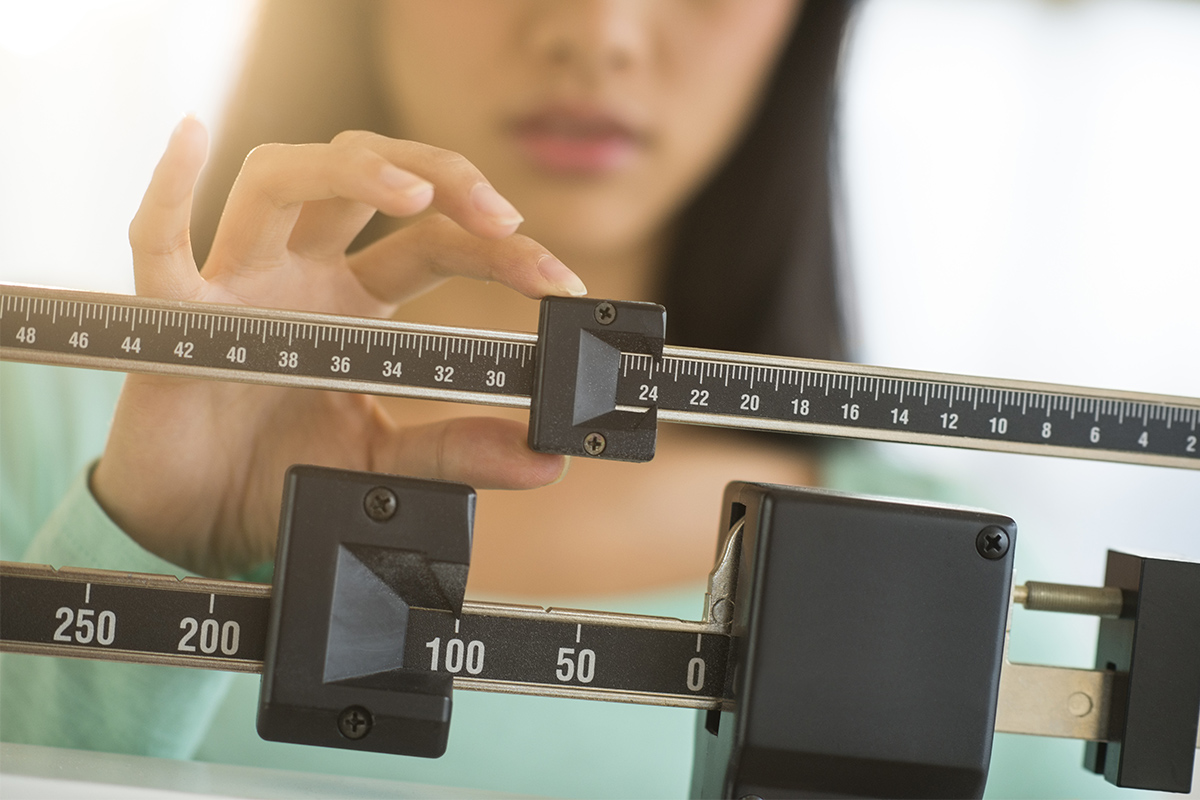
What is Body Mass Index?

Body Mass Index (BMI) is an indicator of the amount of body fat for the average person. It’s used as a tool to identify if an adult is at a healthy weight and healthy body fat level.

Before we dive into BMI, let’s first review the benefits of maintaining a healthy weight: 

  • More Energy 
  • Less Joint Pain 
  • Better Sleep  
  • Better regulation of blood pressure (better heart health) 
  • Decreased Risk of Diabetes 
  • Longevity 

These are just a few of the benefits of maintaining a healthy weight, but what does BMI have to do with your weight and what does it mean?

For years, BMI has been used by healthcare providers as a measurement to define if a person has too much body fat, and if so, whether it “presents a risk to health.1 

How to Calculate Your BMI

Since we know maintaining a healthy weight is beneficial for your health, let’s take a look at how to calculate body fat by just using your weight and height.

Calculation: Divide a person’s weight in pounds, by their height in inches. Divide the answer by height in inches. Multiply the answer by 703 (703 is the conversion factor to change units from metrics (meters and kilograms) to imperial (inches and pounds).  

Example: Weight is 140lbs and Height is 5’7” or 67in 

140lbs / 67in = 2.089  

2.089 / 67in = .0311 

.0311 x 703 = 21.9 

BMI = 21.9 

Accuracy

BMI is not a perfect measure and everyone’s body composition is different. BMI is a simple tool of weight-for-height and everyone’s height and weight varies. Therefore, this means BMI is not directly measuring body fat.  

Muscle and bone are denser than fat, which means BMI is not accurately addressing body fat. If an athlete or a muscular person calculated their BMI, their BMI might be high because they have more muscle.

According to BMI calculations they would be considered overweight, however, they don’t have too much fat on their body. Since most people are not athletes, BMI might be a good gauge for body fat.  

Healthy BMI Range 

So, what does this mean for you? The World Health Organization states that a healthy BMI range for adults is between 18 and 24.9. Overweight range for BMI is between 25 and 29.9, and obesity range for BMI is 30 or higher.1 These BMI ranges in adults are the same for men and women, regardless of their age. 

How to Use Your BMI

How should you use BMI? Use it as a gauge or a measure. Our very own LA Fitness Registered Dietitian has some helpful tips on lowering BMI; read about it here.   

If you would like to take your health and body composition to the next level, let us help you achieve your goals with our Pro Results® certified personal trainers. Pro Results® trainers can help identify your personal fitness goals and design a customized workout plan to reach those goals.  

When you make an appointment to start your fitness assessment, it will cover:  

  1. Your current fitness levels 
  2. A body composition test (if desired) 
  3. A personalized timeline to achieve your goals 
  4. An overview of cardio and weight equipment 
  5. And, a quick one-on-one workout 

SOURCES 

  1. World Health Organization. Obesity and Overweight Fact sheet detail. February 2018 
Eliminating Violence Against Women

Eliminating Violence Against Women

It Takes All of Us

November 25th is the International Day for the Elimination of Violence Against Women.  

As a health and fitness blog, our usual focus is on physical health, giving you the resources to feed your body in healthy ways and engage in heart and brain-healthy work outs. To a lesser but equally important extent, we also break into mental, social, and emotional health. 

Today we touch each of these elements of total wellbeing by talking about what happens when women are exposed to violence. Not only is it a matter of physical safety, but a matter of psychological, emotional, and social welfare.  

Observing this day affords us the opportunity to recognize a problem that affects an alarming number of women worldwide, and to express our solidarity with all victims of violence. 

How Real Is The Issue?

  1. According to a National Crime Victimization Survey, approximately 500 women in the U.S. were raped every day in 2008.1 That’s 182,500 women over the course of the year.


  2. In 2016, there were 1,809 women in the U.S. who were murdered in single victim/single offender incidents reported to the FBI and 85% of them were, or had been, romantically linked to their killer.


  3. According to a Global report, 51% of all detected trafficking victims are women and 20% are young girls.3


  4. Worldwide, around 15 million adolescent girls aged 15 to 19 have experienced forced sex in their lifetime.4 Based on data from 30 countries, only 1% of adolescent girls who have experienced forced sex reached out for professional help.4


  5. Child marriage still exists. Approximately 650 million girls and women alive today were married before their 18th birthday.5  

Violence Against Women Affects Everyone

Child peeking from the stairs

Consider that women who experience violence may need medical care and/or mental health services. Now consider that they may have children who witnessed or were affected in other ways by this violence who are now also in need of care to address trauma, behavior issues, and other potential concerns. This builds a harmful cycle of violence and trauma that can continue for generations.  

In addition to perpetuating this cycle, violence against women is significant enough to have an impact on systems like healthcare and social services. 

Looking strictly at the economic side of things, the impact on health and social services amounted to over $8.3 billion as a result of domestic violence in 2003.6 

What are Some Signs Your Situation is Not Normal?

Worried woman

To help focus our discussion, we will narrow our attention down to domestic violence. It is not strictly violence within an intimate relationship but can also refer to violence within families.  

Additionally, because it is not just women who are on the receiving end of domestic violence, we would like to offer information than can benefit everyone by looking into the signs and symptoms of a potentially toxic relationship.

According to PsychCentral, these are some of the potential indicators of psychological abuse within a relationship: 

  1. Gaslighting: False information is presented to you with the intention of making you doubt your own memory, perception, or sanity. 
    • Example: Complete denial from the abuser that previous abusive incidents ever occurred 
  2. Following abusive behaviors with apologies, gifts, and seemingly loving behaviors, only to repeat the abusive behaviors later on. 
  3. Making you believe that everything (even their anger or poor behavior) is your fault 
  4. Constant put-downs and excessive criticism 
  5. Refusing to communicate 
  6. Mean jokes or constantly making fun of you 
  7. Saying “I love you but…”
    • This statement indicates, “I love you now, but if you don’t stop this or that, my love will be taken away.” It is both a criticism and a threat that slowly strips away your self-esteem. 
  8. Saying things like “If you don’t _____, I will_____.” 
  9. Domination and control, especially using money or fear to impose that control 
  10. Withdrawal of affection 
  11. Guilt trips 
  12. Isolating you from friends and family 
  13. Constant calling or texting when you are not with him/her 
  14. Threatening to commit suicide if you leave 

Accessible Resources

If you, or someone you know, needs help, you can browse through resources by state, here. 

The National Coalition Against Domestic Violence offers more diverse resources, including information about the National Domestic Violence Hotline the National Dating Abuse Hotline, the National Sexual Assault Hotline, and the National Suicide Prevention Hotline, to name just a few. 

Other Ways to Help

Man supporting crying woman

Don’t blame the victim, even if they flat out say “It was all my fault.” Remember that signs of abuse often include feelings of guilt or responsibility for the situation. Instead, make sure they know it’s not their fault. 

Be a safe space for them. Leave your judgement at the door and simply listen 

Offer to call a helpline with them. 

Create a safety plan. A safety plan can consist of a meeting place, agreeing on a safe word, a specific number of phone calls to alert you that something is wrong, and more.

For more thought provoking posts, look for topics like our article on Mental Health Stigma or, help calm anxiety and ease stress by reading our 5-Minute Guided Relaxation post. To access our monthly blog post highlights, subscribe to our newsletter today. 

SOURCES

  1. “Violence Against Women Is A U.S. Problem, Too.” Amnesty International USA, 11 June 2011, www.amnestyusa.org/violence-against-women-is-a-u-s-problem-too/. 
  2. “When Men Murder Women: An Analysis of 2016 Homicide Data.” Www.vpc.org, Violence Policy Center, 2018, vpc.org/studies/wmmw2018.pdf. 
  3. “Global Report on Trafficking in Persons 2016.” Unodc.org, United Nations Office on Drugs and Crime, 2016, www.unodc.org/documents/data-and-analysis/glotip/2016_Global_Report_on_Trafficking_in_Persons.pdf. 
  4. “A Familiar Face: Violence in the Lives of Children and Adolescents.” UNICEF DATA, UNICEF, 17 Jan. 2019, data.unicef.org/resources/a-familiar-face/. 
  5. “Child Marriage: Latest Trends and Future Prospects.” UNICEF DATA, 12 Jan. 2019, https://data.unicef.org/resources/child-marriage-latest-trends-and-future-prospects/ 
  6. “Violence Against Women in the United States: Statistics.” National Organization for Women, 2019, now.org/resource/violence-against-women-in-the-united-states-statistic/#endref14. 

Dry Weather and Eye Health

Dry Weather and Eye Health

There are a lot of reasons for dry eyes at this time of year. Dry outside air, your heater at home or in your car, the dry circulated air in nearly every public building, and windy days kicking irritants into your eyes. Add to that the dry air of airplanes, trains, and other modes of transportation for your holiday travels, and your eyes will be screaming for moisture.  

Our eyes are irreplaceable, so we should care for and protect them as best as we can. The same way you’d use lotion on your skin, conditioner on your hair, and Chapstick on your lips, you should give the same attention to the health of your eyes. 

Here are some ways you can help care for your vision: 

01. Adjust and Limit Screen Use

Have you ever noticed that we tend to blink less when watching T.V, when using a computer, and when using our phones? Blinking helps our eyes distribute their natural moisture. The less we blink, the dryer our eyes will feel.  

The remedy we’ve heard that is our least favorite, is the suggestion to remind yourself to blink more. It feels so unnatural to consciously blink and it’s not likely to be the most effective solution if you can’t remember to do it.  

A more reasonable option would be to instill one or two eye drops into your eyes on television commercial breaks, to wear blue light glasses to filter the emissions from your phone or computer screen, or to place a protective screen on your device that blocks harmful light from getting to your eyes. 

You can also simply take more breaks from screen-time to limit the amount of eye strain and dryness you feel.  

02. If Possible, Limit Antihistamines

While they combat allergy symptoms, they can actually cause additional dryness to your eyes. They work by blocking your body’s response to allergens. Unfortunately, a typical response to allergens is watery eyes, so antihistamines can cause more discomfort if you tend to suffer from eye dryness. 

Other Medications Cause Dry Eyes 

According to an article by WebMD, other medications, that you may not be able to limit, can also cause dry eyes. Some of these include: 

  • Antidepressants 
  • Parkinson’s Medications 
  • Sleeping Pills 
  • Acne Medication 
  • Birth Control Pills and Other Hormones 
  • Blood Pressure Medications 
  • Nasal Decongestants 
  • Common NSAIDs, like Ibuprofen 

03. Do Eye Exercises

How often do we use the full range of motion our eyes are capable of? Probably not as often as we should. You can increase your exposure to bad puns and dad jokes to get some eye rolling in, or you can do some intentional eye exercises.  

Eye exercises can help comfort your eyes when they have been focused on a single object (like a computer) for a long time. Here are just a few simple ones that you can commit to memory for later use: 

Exercise 1: Pick out the farthest object in the room (or out the window) that you can see. Focus on it briefly, then move your eyes to something about half as far away. Focus on that for a few seconds before you shift your focus to something close to you. Do this exercise a few times. 

Exercise 2: Use the 20-20-20 rule. Every 20 minutes of eye-straining work should be paused for 20 seconds so you can look at something 20 feet away.  

Exercise 3: Without turning your head, use only yours eyes to look to your far left, then look to your far right. Then look all the way up and then all the way down. Repeat this a few times. Follow this with rolling your eyes 3 times to the left then 3 times to right.  

Some free smartphone apps can send you notifications after a certain amount of phone use, or according to a timer if you want to monitor your computer or television time. This will help remind you that it’s time to rest your eyes and do some exercises. Some will even walk you through various eye muscle movements. 

04. Turn Off Your Heater & Bundle Up

Running the heater creates a toasty and comfortable space in these cooler months, but it can wreak havoc on your hair, skin, hydration, and of course your eyes! Save your body and save on your electric bill by bundling up in blankets or warmer clothes instead of running the heater. 

Another option is to run the heater before going to bed to warm up your space, and then turning it off so it doesn’t run all night. 

If it’s just too cold to do without your heater, or perhaps you’re a “fan” of running the fan year-round, consider investing in a humidifier. You can also wear an eye mask to bed to help keep air flow from making direct contact with your eyes and drying them out during the night. 

05. Keep Eye Drops Handy

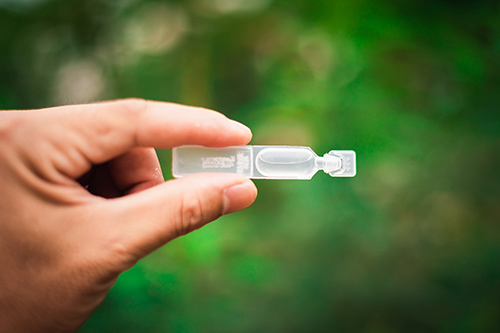
Artificial tears or lubricating eye drops are a life saver for people with dry eyes. You can choose between the individually packaged vials that are usually preservative-free and disposable, or you can buy small bottles for extended use. There are also gel-like drops that can provide longer-lasting relief, but because they’re thicker, they may blur your vision temporarily. It may be preferable to reserve these for nighttime before you go to sleep.  

Pro Tip: Try refrigerating your eye drops for an extra refreshing burst of relief.  

06. Eat a Balanced Diet

Nutrients in your food can help give your eyes what they need to create tears and keep your eyes feeling fresh.  

Vitamin A, which is known for being good for your eyes, can be found in carrots, eggs, and dairy.  

Vitamin C is great for the blood vessels in your eyes.1 Increase your intake by eating oranges, kale, lemons, and broccoli.2  

Omega-3’s are fatty acids that aid in your visual development and support your retina health. They also combat dry eyes.1 Find Omega-3’s in fish, avocado, flax seeds, chia seeds, walnuts, and soybeans.3 

Vitamin E is an antioxidant that can help protect your eyes by fighting off free radicals. You can find Vitamin E in almonds, sunflower seeds, hazelnuts, and peanuts.1 

07. Avoid Rubbing Your Eyes

It can be tempting to rub your eyes when they feel itchy and dry, but the best thing you can do is to avoid doing exactly that. Try to find relief in some of these other ways and keep hydrated to give your body the moisture it needs from the inside out. 

For information on how to care for your eyes and your sinuses this season, read our article on How to Manage Autumn Allergens at Home. To learn more about the nutrients in your produce and whether freezing them strips their nutritional value, listen to our Podcast on Fruits and Veggies. To access our monthly blog post highlights, subscribe to our newsletter today! 

Sources: 

  1. Silver, Natalie. “7 Best Foods for Healthy Eyes.” Healthline, 9 Feb. 2017, 7 Best Foods for Healthy Eyes. 
  2. Hill, Caroline. “20 Foods That Are High in Vitamin C.” Healthline, 8 June 2018, www.healthline.com/nutrition/vitamin-c-foods#section1. 
  3. Hjalmarsdottir, Freydis. “12 Foods That Are Very High in Omega-3.” Healthline, 30 Sept. 2019, www.healthline.com/nutrition/12-omega-3-rich-foods#1. 

Is it Healthy to Replace a Meal with a Shake? | QA

Is it Healthy to Replace a Meal with a Shake? | QA

Question:

Hello, I have breakfast (almond milk, walnuts, pecans, almonds, banana and oats) and dinner (salad of tomato, onion, potatoes, pepper, cilantro, rice puffs). Can I replace my everyday lunch with meal replacement shakes? I work out in the gym 3 times a week and run twice a week. I have been in good shape but can’t get a 6-pack. I would like to get there in 3 months before my vacation. Thanks in advance for your help. 

-Dean

Answer:

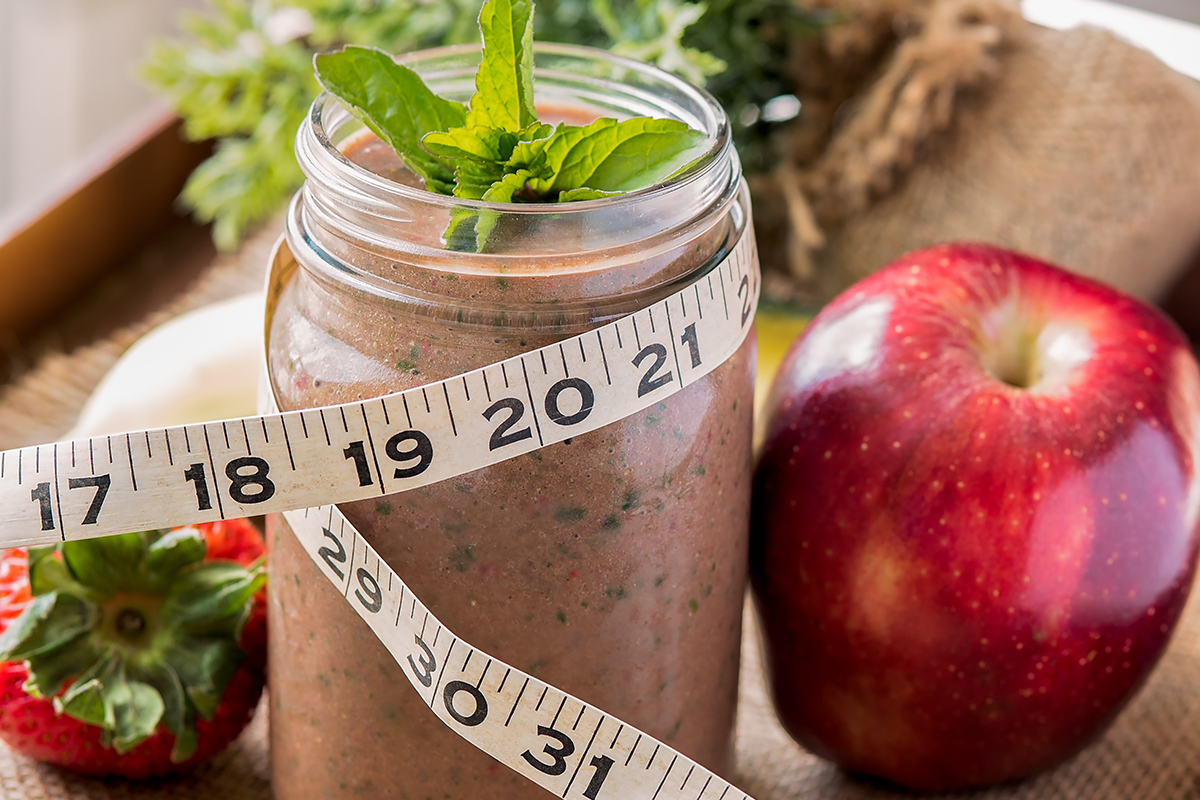
You certainly can replace your lunch with a meal replacement shake, although I don’t know if that would help you with your goal. Dinner already sounds super light and you’ve not described your current lunch so it’s hard to tell what’s missing from your day. The items you described are all plant-based so I’ll stick with like foods in recommending quinoa, cabbage, broccoli, asparagus, berries, flax & chia seeds, spinach, lentils, and green tea for your mid-day meal. It’s best to chew your calories, allowing your digestive system to do its job over time, thus allowing a slower uptake of energy than from a shake. 

Be sure your workouts include lots of ab-defining exercises as highlighted elsewhere on our Living Healthy Blog. 

Resources: 

  1. Brazier, Brendan. “Best Foods for Building Abs, Six-Packs.” Men’s Journal, 5 Apr. 2018,
    www.mensjournal.com/health-fitness/best-foods-for-building-your-abs-20130910/green-tea/.
  2. Willitts, Chris. “Build Muscle with Whole Food, Plant Based Diet.” Muscle and Fitness,
    www.muscleandfitness.com/nutrition/gain-mass/build-muscle-whole-food-plant-based-diet.
  3. Says:, Moonlit. “Vegan Foods That Can Help Give You Great Abs in No Time!” One Green Planet, 31 Mar. 2015,
    www.onegreenplanet.org/natural-health/vegan-foods-that-help-give-you-great-abs-in-no-time/%C2%A0.
  4. Willitts, Chris. “How to Get Abs Fast – Just Eat These 10 Fat-Burning Plant Foods.” Vegetarian Bodybuilding, 18 Sept. 2017,
    www.vegetarianbodybuilding.com/how-to-get-abs-fast/%C2%A0.

– Debbie J., MS, RD

This article should not replace any exercise program or restrictions, any dietary supplements or restrictions, or any other medical recommendations from your primary care physician. Before starting any exercise program or diet, make sure it is approved by your doctor.

Some questions have been edited for length and/or clarity.

Ask our Dietitian

Have a nutrition question? Our registered dietitian is ready to help!

Email nutrition@lafitness.com or submit your question below and it may be featured in an upcoming article!

2 + 10 =


Recommended Reading - Q+A