by Rachel Scruggs | Sep 16, 2024 | All, Fitness, Home, Workouts


 September is Yoga Awareness Month, a perfect time to explore the incredible benefits of yoga and how it can enhance your life. Whether you’re a seasoned yogi or a beginner, this month is all about embracing the practice and discovering its transformative power.
The Benefits of Yoga
- Improves Flexibility: Yoga stretches your muscles and increases your range of motion. Over time, you’ll notice a significant improvement in your flexibility, which can help prevent injuries and improve your overall physical performance.
- Builds Strength: Many yoga poses require you to support your body weight in new ways, including balancing on one leg or supporting yourself with your arms. This helps build muscle strength and endurance.
- Enhances Mental Clarity: Yoga encourages you to focus on your breath and be present in the moment. This mindfulness practice can reduce stress, improve concentration, and enhance your mental clarity.
- Boosts Emotional Health: Regular yoga practice can help reduce symptoms of anxiety and depression. The combination of physical movement, breathwork, and meditation promotes a sense of calm and well-being.
- Supports Heart Health: Yoga can lower blood pressure, reduce cholesterol levels, and improve circulation. These benefits contribute to a healthier heart and a reduced risk of cardiovascular disease.
- Promotes Better Sleep: Yoga can help you relax and unwind, making it easier to fall asleep and stay asleep. Poses that focus on deep breathing and relaxation are particularly beneficial for improving sleep quality.
Join a Yoga Class at LA Fitness
If you’re looking to start or deepen your yoga practice, consider joining a yoga class at LA Fitness. Their experienced instructors offer a variety of classes suitable for all levels, from beginners to advanced practitioners. You’ll find a supportive community and a welcoming environment to explore the many benefits of yoga.
Yoga Awareness Month is a wonderful opportunity to prioritize your health and well-being. By incorporating yoga into your routine, you can enjoy improved flexibility, strength, mental clarity, and emotional health. Plus, with options like LA Fitness offering yoga classes, it’s easier than ever to get started. Embrace the journey and discover the transformative power of yoga this September!
Note: This blog post is a general guide and should not replace professional advice. Always consult with a fitness professional or personal trainer at LA Fitness for personalized guidance and support.
by DebbieJ MS RDN | Sep 12, 2024 | All, Home, Nutrition
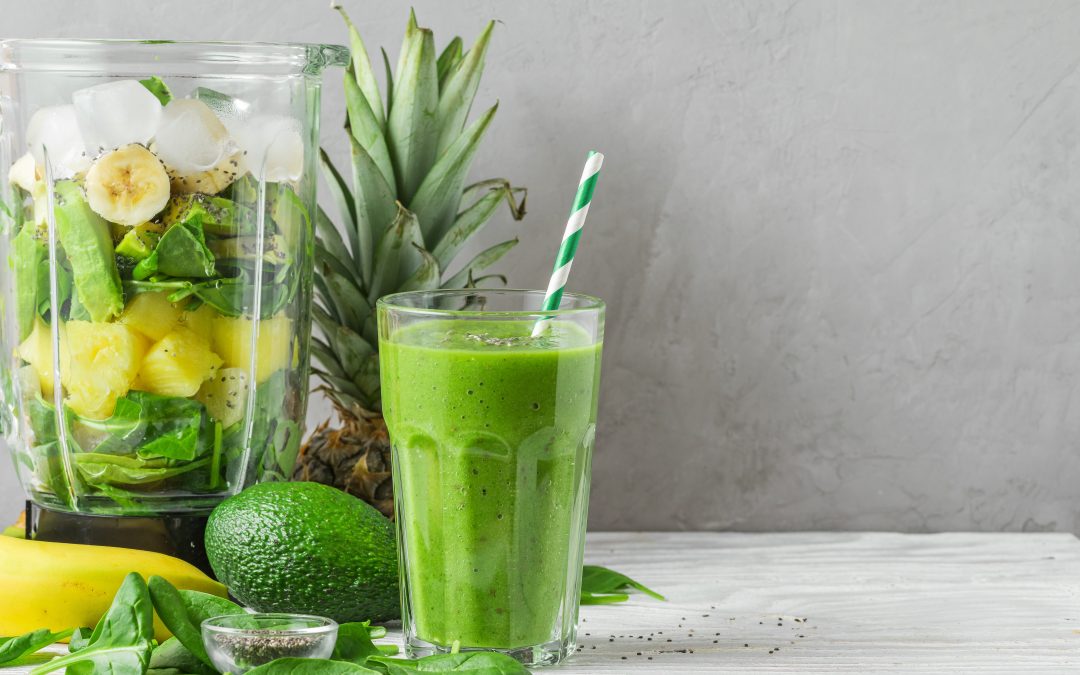
Cue the sound of a revving engine… running your blender at home can bring goodness with that whirring noise! Creating your own smoothies is a great way to get in some nutrients and plant phytochemicals you otherwise wouldn’t during the day. It allows you to prepare multiple servings at one time (if you wish) and save money in the process.
Smoothies can be a good use of leftover fruit. Almost any will do! Bananas provide creaminess. Citrus and pineapple boost vitamin C content. Fruits with edible skin and seeds (like berries) offer more fiber. For vegetables, the best ones for blending are soft, sweet or high in moisture such as avocado, beet root, carrot, cucumber, pumpkin, spinach and tomato. These offer a range of minerals to up your micronutrient intake. For the smoothest texture avoid thick skins and stringy parts of celery and snap peas.
You can get more essential fatty acids by adding chia seeds, ground flax seed, hemp seeds or wheat germ. Use up to a tablespoon per serving for such enhancers. For a boost of B vitamins mix in a teaspoon of nutritional yeast or spirulina. Not sure where to start? Try these four basic single-serving smoothie recipes, substituting for any ingredients you’re allergic to:
GREEN MACHINE

½ Cup apple juice
½ Cup seedless green grapes
1 peeled kiwi, quartered (may cut out seeds if desired)
1 Cup spinach leaves
1/3 cucumber, cut into chunks (may peel if desired)
Optional: wedge of lime; sprig of cilantro or parsley
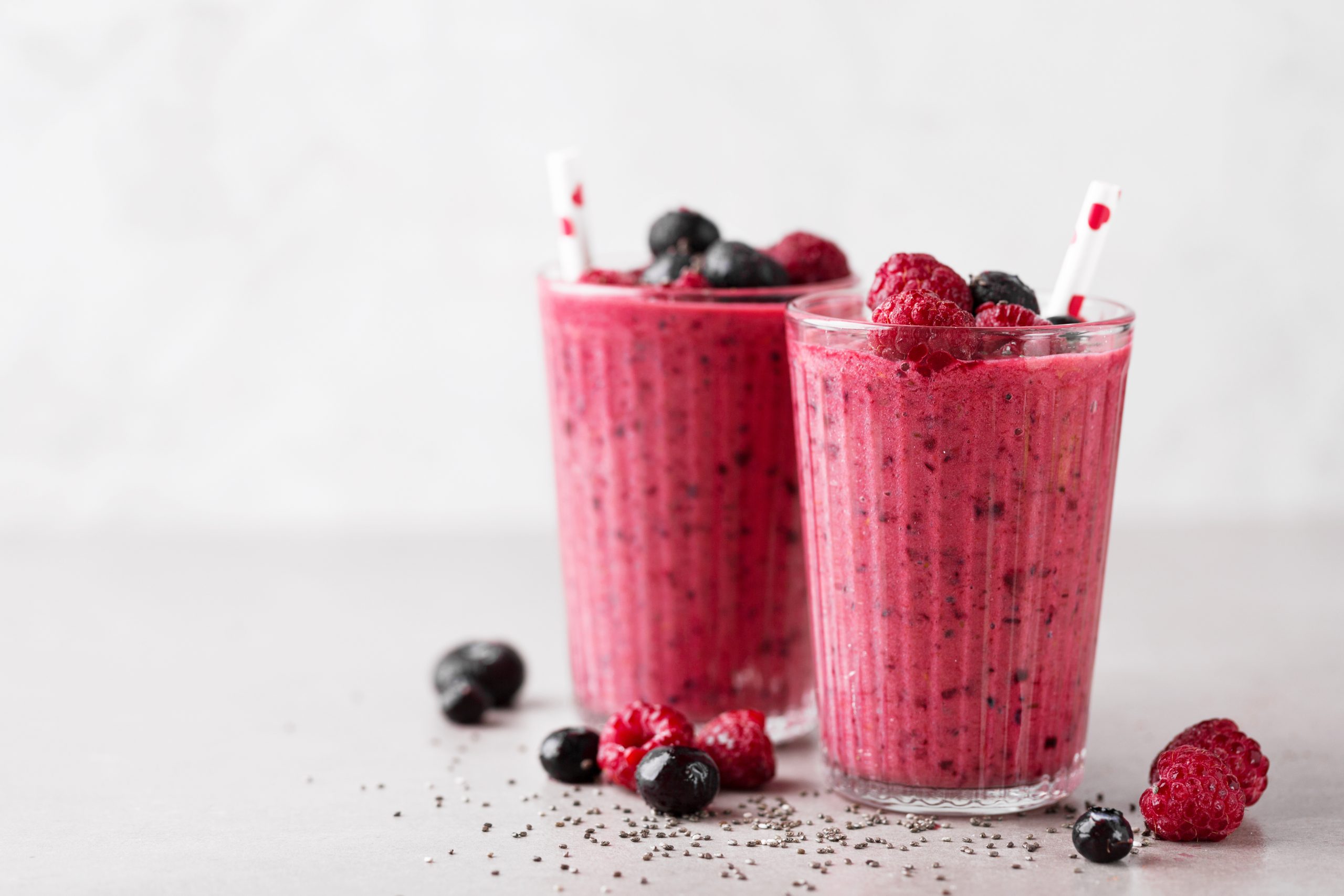
BERRY ZINGER
½ Cup pomegranate juice
½ Cup berries (any – raspberry, strawberry, blackberry, blueberry)
1 tomato, quartered
1 cooked beet, peeled & cut into chunks
Optional: 1/8 teaspoon ginger or turmeric; ½ Cup strawberry yogurt
SUNRISE

½ Cup orange juice
½ Cup pineapple, cut in chunks
½ Cup peach or mango
1 cooked carrot, cooled
Optional: lemon wedge
POWER BOOST

½ Cup vanilla nut milk
1 small banana, quartered
½ avocado, pit and skin removed
½ Cup vanilla high-protein yogurt
Optional: ½ teaspoon powdered green tea
Here are the best tips for blending healthy smoothies like a pro:
- Use a high-power blender. Ones with both single (16 fl oz) serving and pitcher (48-64 fl oz) size with multiple blades will serve you well.
- Dice and freeze the fruit ahead of time for a colder blend. Alternatively, use ice to dilute caloric density by increasing volume.
- For high-volume batch blending when extra servings are stored for later:
- Only add chia seeds or oats just prior to consumption to avoid pudding-like consistency.
- Skip citrus peels and heavy greens like mustard and dandelion to avoid bitterness.
- To manage consistency, adjust liquid as needed, adding a little at a time.
- Juice is preferable over agave nectar, corn syrup or honey.
- Water will dilute caloric density, but flavor too.
- Soy milk or pea milk are the best non-dairy options (rice, almond and coconut milk are lower protein).
- Don’t rush it! Process until smooth.
Feel free to play around with combinations to your taste and texture preferences. Add a scoop of protein powder if you wish. Punch up the flavor with cinnamon or vanilla extract. Make as much or as little as you would like. The options are limitless!
Resources:
Insiders Viewpoint – How to Blend a Smoothie
Veggie Packed Smoothies That Actually Taste Good

by DebbieJ MS RDN | Sep 6, 2024 | All, Ask Our Dietitian, Home, Nutrition
 With so many sources offering nutrition advice, it’s hard to know what’s true. Even factual information can become distorted by the time it reaches you. Like a game of telephone, the message often changes as it’s passed along. Here, we debunk 5 common diet myths to guide you toward the truth.
Gluten/wheat is fattening
People with celiac disease are allergic to gluten, a protein found in wheat, and should avoid gluten in their diet. Otherwise, wheat and wheat protein are no more inherently fattening or harmful to metabolism than any other grain or component. The problem is all the flour products (bread/rolls, buns, crackers, muffins/cupcakes, pancakes/waffles, pasta, pretzels) made from wheat—those products are refined and lack the fiber and full nutrients that wheat kernels have. We can thrive perfectly well without the flour products (from any grain)!
The verdict – only those with an allergy need to avoid gluten. Whole grains of various kinds are better for everyone.
Cut out fat to lose weight
Too much of any macronutrient can provide excess calories and lead to obesity and metabolic disorder. Fat is high in calories (providing twice as many calories as carbohydrates or proteins per gram), however, it is an essential nutrient. You need some dietary fat for basic survival and body processes like hormone production and digestion. Several fat sources provide other nutrients such as fat-soluble vitamins (A, D, E, K) or essential fatty acids. Enough fat in a meal satisfies so you feel fuller longer, helping to stave off hunger. It also slows digestion a little to limit spikes in blood sugar.
The verdict – you shouldn’t cut out fat completely but could stand to reduce if your intake is high.
Don’t eat after 8pm
An external clock shouldn’t dictate eating if you are hungry. Absolutely, shift your calorie intake to the morning to fuel your daily activities. If you’re up until midnight, a healthy 9pm snack (around 150 calories) is fine. However, most late-night eating involves unhealthy options like ice cream and chips, rather than grilled fish and salad. Extra calories at any time can hinder weight loss efforts. Large volumes before reclining in bed can exacerbate heartburn.
The verdict – it’s not the clock but the choice of food in context of your day’s intake and activity pattern that matters.
It takes a lot of protein to build muscle
Individual muscle fibers are made of contractile proteins, namely actin and myosin. Making new cells does take some additional protein, but only to the tune of 10-15 additional grams per day. In comparison, a tall glass of milk (1.5 Cups) provides 12 grams of protein and two eggs provide 14 grams. Research shows that there is no anabolic benefit to increasing protein beyond 35% calories when energy is adequate for growth. You really need an increase in overall fuel to support muscle growth with increased resistance training. As your total caloric consumption rises, so should your protein as a normal proportion of that intake.
The truth is that muscle growth requires carbohydrate and fat, too. Here’s why: Whether it’s for your skin, liver or muscle, each cell is made up of the elements carbon, nitrogen, oxygen, and hydrogen. Only amino acids from protein provide all four components, but carbohydrate and fat contribute three of them and act as fuel allowing the physical work that’s required for growth.
The verdict – it’s a very small raise in protein necessary to provide a critical building block for muscle growth.
Stimulant drinks give you energy
Energy to supply our cells and muscles with fuel only comes from the macronutrient sources carbohydrate, fat, protein, (as well as the non-nutrient alcohol) which may get converted to ATP if not stored as reserves. ATP stands for Adenosine Tri Phosphate and is the compound that ultimately allows muscles to contract.
‘Energy drinks’ that are low-calorie and sugar-free don’t have significant macronutrients to turn into fuel. Instead, they have compounds like caffeine and taurine which trigger the nervous system, making one feel more alert or awake. Really, they are BUZZ drinks that hype you up, like when your body produces the neurotransmitter adrenaline when you are in danger.
The verdict – energy drinks do provide stimulation, but not necessarily fuel.
Sugar causes Type 2 Diabetes
Adult onset diabetes is a condition with several factors contributing to its development, namely an excess of calories which leads to obesity and insulin resistance. A calorie surplus can come from too little physical activity as well as too much of any energy-contributing compound (carbohydrate, protein, fat, alcohol). Most sugary foods come with a lot of fat and therefore calories, and added sugars usually mean the food lacks fiber, protein and other nutrients.
Natural sugars in fruit and milk don’t increase the risk for Type 2 Diabetes. It’s a lot easier to drink a 16-ounce soft drink than to eat its sugar equivalent of 3 oranges! The American Diabetes Association notes that research points to sugary drinks being linked to Type 2 Diabetes risk and recommends people avoid drinking sugar-sweetened beverages.
The verdict – sugars, especially in liquid form, do contribute to extra calories and fat production which influence insulin resistance but don’t directly cause adult onset diabetes.
Note: This blog post is a general guide and should not replace professional advice. Always consult with a healthcare professional for personalized guidance and support.

by Rachel Scruggs | Sep 6, 2024 | All, Fitness, Home
Labor Day is the perfect time to relax and recharge, but why not also take a moment to energize your body with a quick and effective workout? Here’s a simple routine you can do at home or in a park to make the most of your holiday.

Warm-Up (5 minutes)
- Jumping Jacks: 2 minutes
- Arm Circles: 1 minute (30 seconds each direction)
- Leg Swings: 1 minute (30 seconds each leg)
- High Knees: 1 minute
Main Workout (20 minutes)
Circuit 1 (Repeat 3 times)
- Push-Ups: 10-15 reps
- Bodyweight Squats: 15-20 reps
- Plank: 30 seconds
- Mountain Climbers: 20 reps (10 each leg)
Circuit 2 (Repeat 3 times)
- Lunges: 10 reps each leg
- Tricep Dips: 10-15 reps (use a sturdy chair or bench)
- Bicycle Crunches: 20 reps (10 each side)
- Burpees: 10 reps
Cool Down (5 minutes)
- Forward Fold Stretch: 1 minute
- Quad Stretch: 1 minute each leg
- Child’s Pose: 1 minute
- Deep Breathing: 1 minute
Tips for a Great Workout
- Stay Hydrated: Drink plenty of water before, during, and after your workout.
- Listen to Your Body: Modify exercises as needed to fit your fitness level.
- Have Fun: Put on your favorite music and enjoy the process!
This workout is designed to be quick yet effective, allowing you to enjoy the rest of your Labor Day festivities feeling refreshed and accomplished. Happy Labor Day! 🎉
Note: This blog post is a general guide and should not replace professional advice. Always consult with a fitness professional or personal trainer at LA Fitness for personalized guidance and support.

by Rachel Scruggs | Aug 27, 2024 | All, Home, Nutrition
In today’s fast-paced world, developing a healthier relationship with food is essential for overall well-being. Mindless eating, often done while multitasking, can lead to overeating, poor digestion, and a strained connection with food. By practicing mindful eating, we can slow down, pay attention to our eating experiences, and foster a positive relationship with food that contributes to better health. Here are some strategies to help you achieve this.
Serve in Modest Portions
Serving yourself modest portions can help prevent overeating and reduce food waste. Use a smaller plate and fill it only once. This can help you become more aware of your hunger and fullness cues, making it easier to stop eating when you’re satisfied.
Savor Small Bites and Chew Thoroughly
Take small bites and chew your food thoroughly. This practice can slow down your eating pace, allowing you to fully experience the flavors and textures of your food. It also aids digestion and helps you recognize when you’re full.
Eat Slowly to Avoid Overeating
Eating slowly gives your body time to signal when it’s full, reducing the likelihood of overeating. Aim to spend at least 20 minutes on each meal, and put your fork down between bites to pace yourself.
Avoid Distractions
Try to eat without distractions such as TV, smartphones, or computers. When you focus solely on your meal, you’re more likely to notice your body’s hunger and fullness signals, leading to a more mindful eating experience.
Don’t Skip Meals
Skipping meals can lead to extreme hunger, making it harder to make mindful food choices. Aim to eat at regular intervals throughout the day to maintain steady energy levels and prevent overeating.
Reflect on Your Eating Habits
Take time to reflect on your eating habits and how they make you feel. Notice any patterns or triggers that lead to mindless eating, and consider how you can make changes to promote a healthier relationship with food.
Listen to Your Body
Pay attention to your body’s hunger and fullness cues. Eat when you’re hungry and stop when you’re satisfied. This can help you develop a more intuitive and balanced approach to eating. By incorporating these mindful eating strategies into your daily routine, you can foster a healthier relationship with food, leading to better overall health. Enjoy a more satisfying eating experience and remember that mindful eating is a practice that requires time and patience. Be gentle with yourself as you make these positive changes.
Note: This blog post is a general guide and should not replace professional advice. Always consult with a fitness professional or personal trainer at LA Fitness for personalized guidance and support.



 September is Yoga Awareness Month, a perfect time to explore the incredible benefits of yoga and how it can enhance your life. Whether you’re a seasoned yogi or a beginner, this month is all about embracing the practice and discovering its transformative power.