by DebbieJ MS RDN | Sep 20, 2024 | All, Home, Nutrition, Recipes
 Navigating the world of protein powders and supplements can indeed feel daunting, with countless options lining store shelves and online marketplaces. As you consider adding a scoop to your post-workout smoothie or exploring new ways to boost your nutrition, it’s easy to feel overwhelmed by the choices. However, fear not! Our guide to protein powders and supplements will help you make informed decisions on what to buy –or skip.
Are They Necessary?
You can achieve your physical goals without extra protein, just as you can get in a good workout without ever lifting a free weight or stepping on a treadmill. Here’s the caveat… If you are restricting calories then you may need a little more protein than usual to replace other fuel sources. Protein powders are also useful in situations of maldigestion/malabsorption or when the alternative is to miss out entirely when you have no other viable choice. Most lean protein sources are animal-based and need to be kept refrigerated which is difficult (but not impossible!) on the run.
Are They Beneficial?
The highest quality protein powder still won’t make up for a poor diet or eating habits! But for the three indications mentioned above, a protein supplement can prove a useful tool in one’s exercise arsenal. Depending on the protein source and other ingredients, a supplement can complement the rest of one’s nutrition.
While the quantity of protein you consume each day is important, the quality and timing of your meals can have just as much, if not more, impact than simply hitting your gram targets. Taking a supplement after a morning workout won’t necessarily help if you’ve already had a full breakfast. However, it can be beneficial with a low-protein lunch prior to an afternoon workout. Additionally, post-workout recovery is another chance to support your efforts, especially if it’s been hours since your last meal.
What Are My Choices?
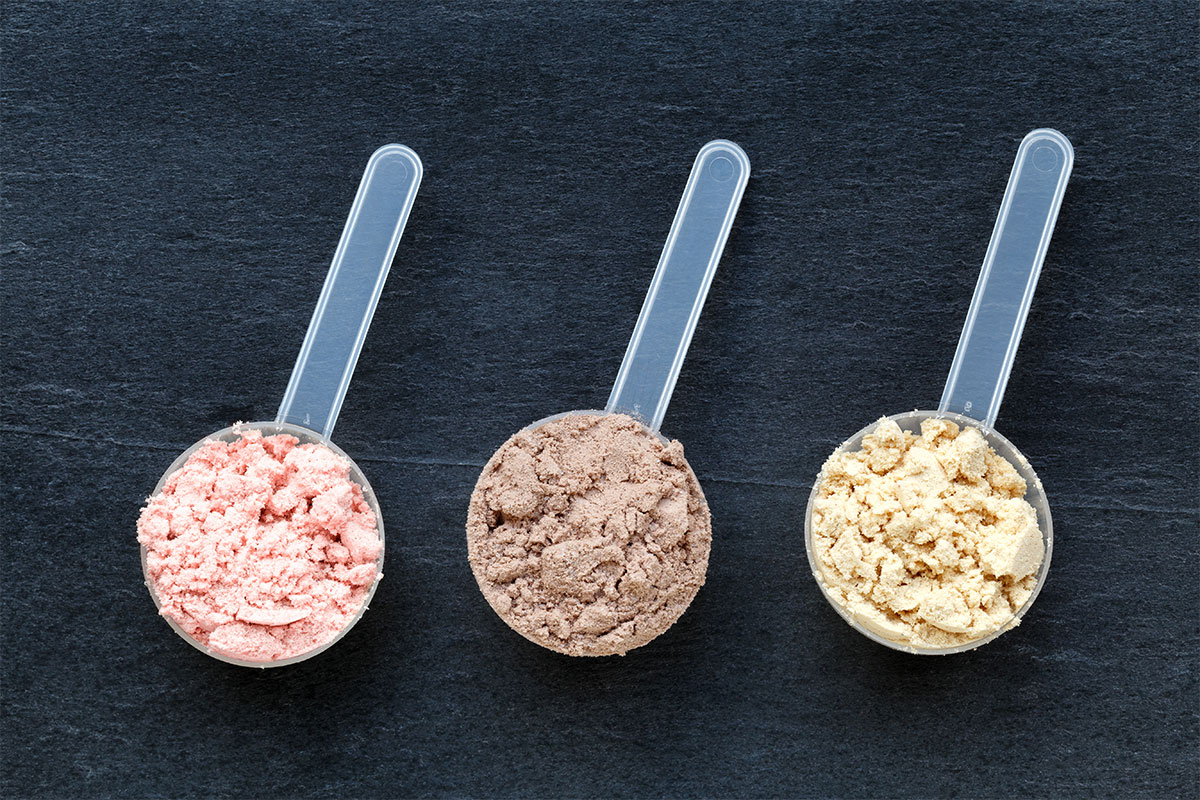
Pure protein by itself is quite bland (think egg whites). So, protein as the main ingredient is usually offered in combination with a little carbs or fat …or a lot in the case of meal replacement shakes. Here’s a run-down of the top protein sources in powder form:
- Cow’s milk – provides casein and whey (heard of curds & whey?) which are high quality proteins providing all 20 amino acids. Casein is slower-digesting (good to tide you over between meals) and whey is quicker for immediate muscle use.
- Peas – a non-allergenic (soy, dairy and egg-free) vegetarian choice
- Soy – a plant-based complete protein providing all essential amino acids (can’t be made by your body and need to be obtained through diet)
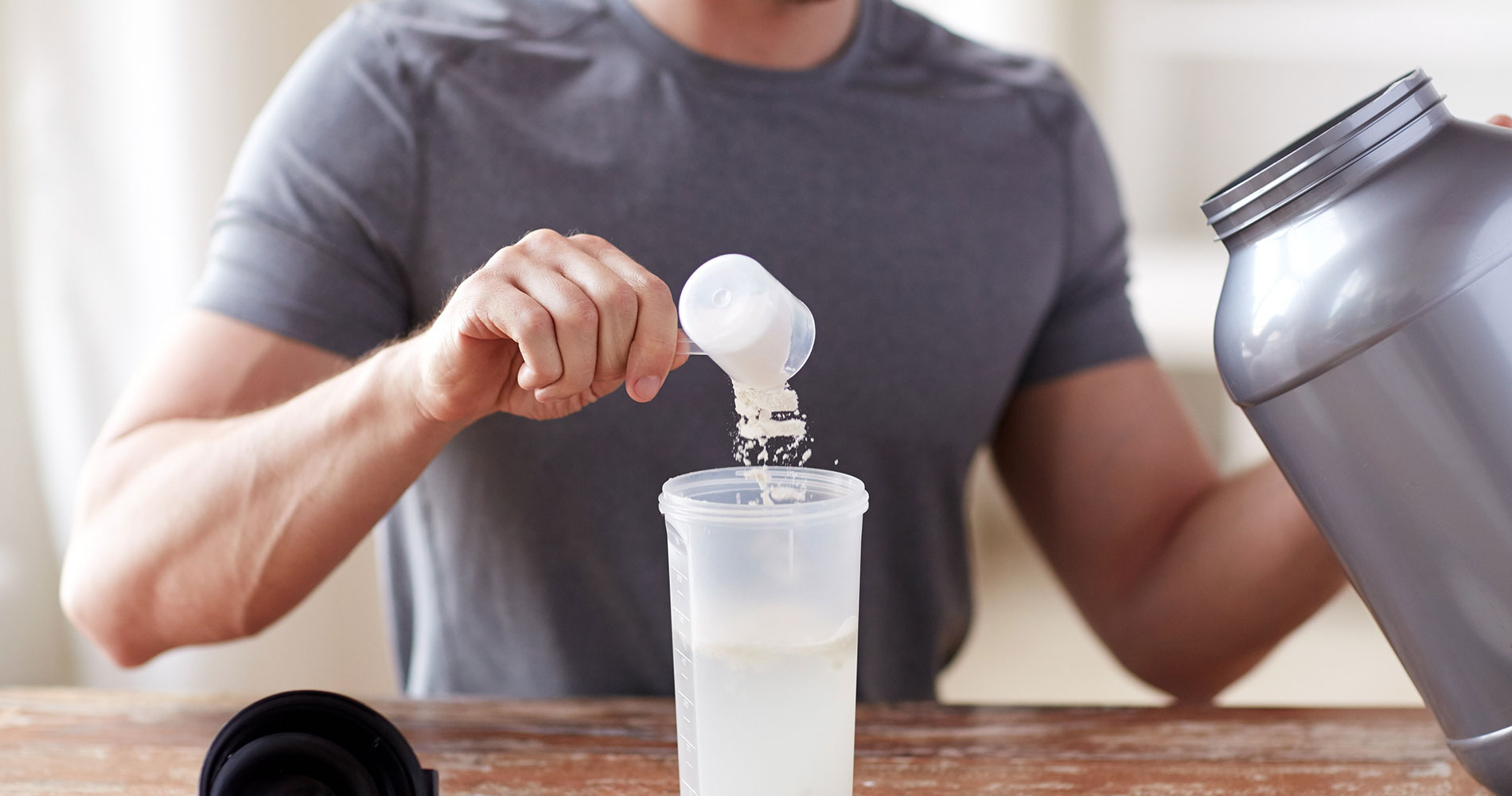
Powders offer a convenient, portable option to mix with your fluid of choice just prior to consumption. The cost should be about $1.50 per serving for a standard protein powder and a little more for specialty products. That price is comparable to plain cooked chicken breast which is more cost-efficient per gram than filet mignon …but not eggs or beans!
Ready-to-drink packaged shakes are usually shelf-stable but taste best cold. They may be upwards of $3-6 each but often provide more protein and/or calories with that convenience.
How Much Should I Have?
Considering that protein powder shouldn’t be a full replacement for protein in the diet, look for about 20-25 grams per serving (2 scoops). Many people will mix that into a glass of milk which already provides 8 grams protein per Cup. Using more powder means a thicker end result, unless you also use more liquid. Some products are clear or formulated to mix with water or juice.
Other Protein-Based Supplements
Now other protein-based supplements include amino acids (the building blocks of protein) and peptides (small protein fragments). Both are naturally formed during protein digestion, so taking them in supplement form is an expensive way to bypass that digestive process. While they may be indicated for malabsorptive conditions due to their higher bioavailability compared to solid protein, they are not beneficial for most people.
Certain essential amino acids, known as branched chains [BCAAs], are used more in cell growth. These BCAAs are also a fuel source for skeletal muscle so may preserve muscle glycogen stores and help reduce muscle breakdown induced by exercise. Read the Supplement Facts panel carefully – it may show a large number like 5000 mg but that’s only 5 grams of protein.
The Take-Away
Protein powders are convenient when ready-to-eat solid proteins, refrigeration and/or cooking are unavailable, but can be expensive. They won’t enhance your exercise routine unless you’re already optimizing your training and nutrition. Focus on a balanced diet and effective training to achieve your fitness goals.
Note: This blog post is a general guide and should not replace professional advice. Always consult with a fitness professional or personal trainer at LA Fitness for personalized guidance and support.
by DebbieJ MS RDN | Sep 12, 2024 | All, Home, Nutrition
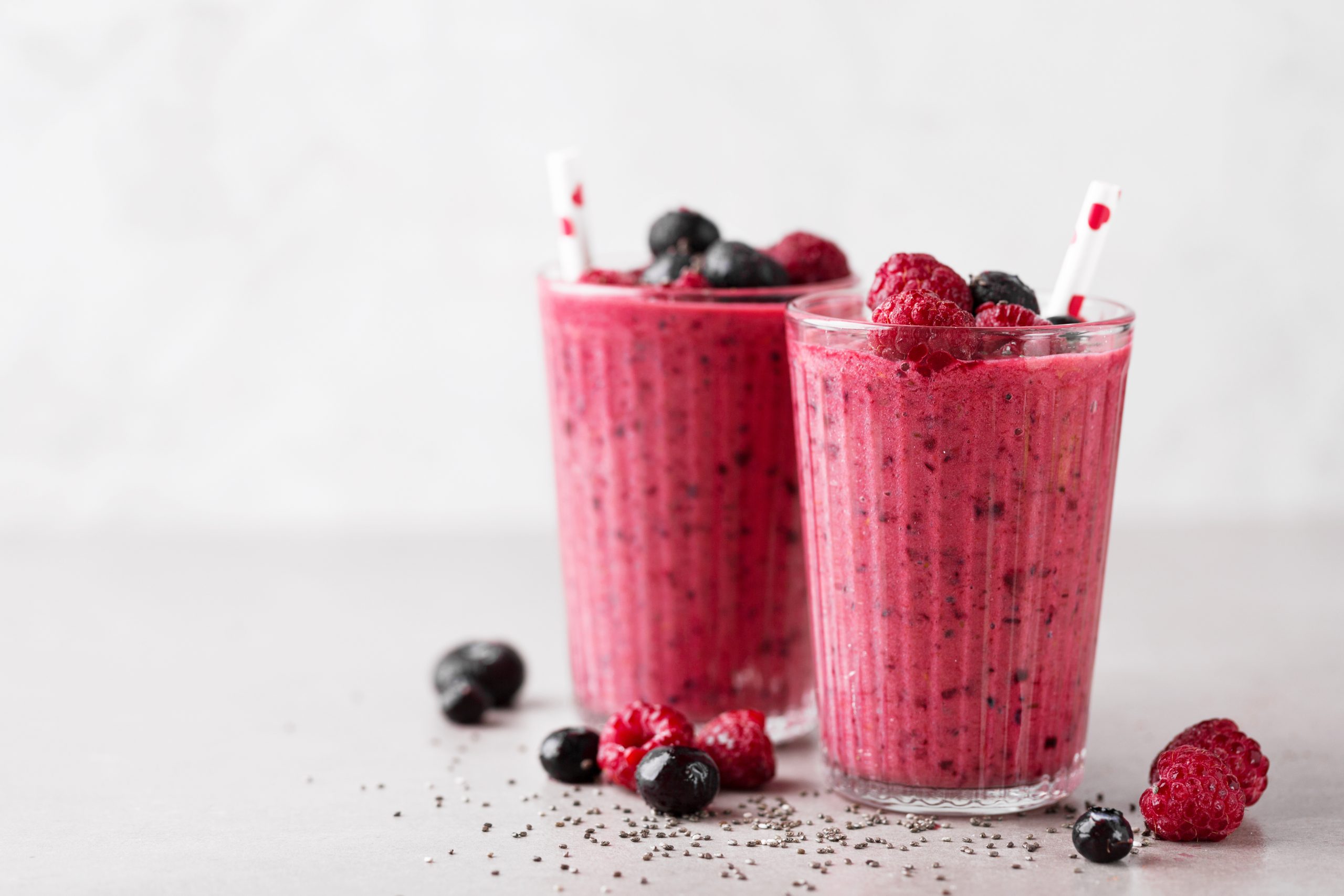
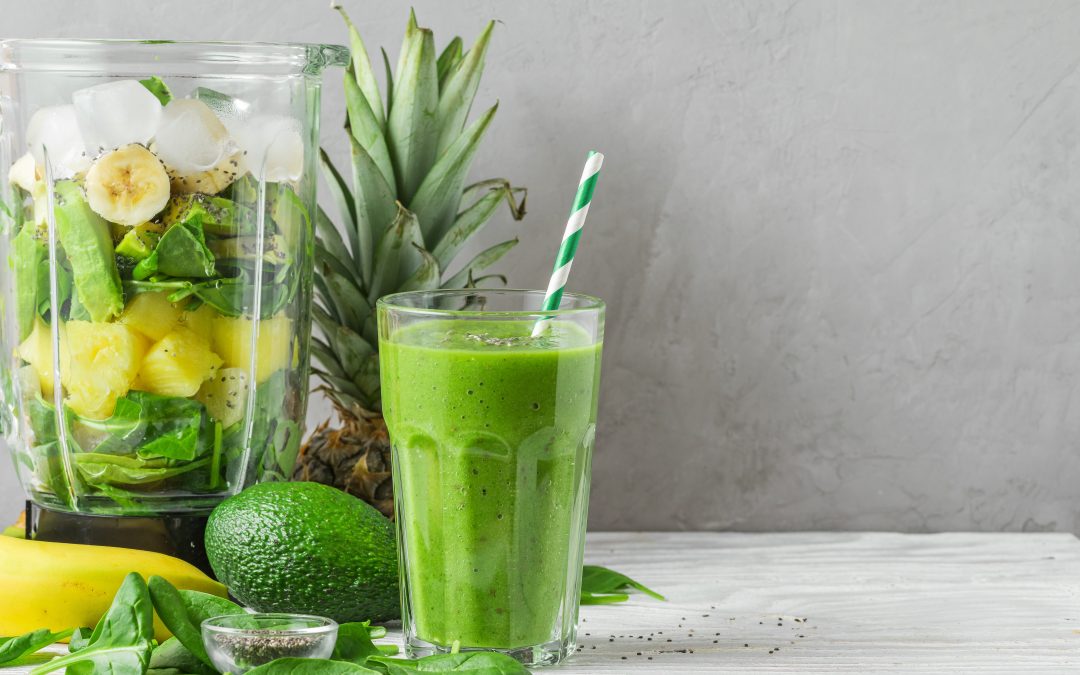
Cue the sound of a revving engine… running your blender at home can bring goodness with that whirring noise! Creating your own smoothies is a great way to get in some nutrients and plant phytochemicals you otherwise wouldn’t during the day. It allows you to prepare multiple servings at one time (if you wish) and save money in the process.
Smoothies can be a good use of leftover fruit. Almost any will do! Bananas provide creaminess. Citrus and pineapple boost vitamin C content. Fruits with edible skin and seeds (like berries) offer more fiber. For vegetables, the best ones for blending are soft, sweet or high in moisture such as avocado, beet root, carrot, cucumber, pumpkin, spinach and tomato. These offer a range of minerals to up your micronutrient intake. For the smoothest texture avoid thick skins and stringy parts of celery and snap peas.
You can get more essential fatty acids by adding chia seeds, ground flax seed, hemp seeds or wheat germ. Use up to a tablespoon per serving for such enhancers. For a boost of B vitamins mix in a teaspoon of nutritional yeast or spirulina. Not sure where to start? Try these four basic single-serving smoothie recipes, substituting for any ingredients you’re allergic to:
GREEN MACHINE

½ Cup apple juice
½ Cup seedless green grapes
1 peeled kiwi, quartered (may cut out seeds if desired)
1 Cup spinach leaves
1/3 cucumber, cut into chunks (may peel if desired)
Optional: wedge of lime; sprig of cilantro or parsley
BERRY ZINGER
½ Cup pomegranate juice
½ Cup berries (any – raspberry, strawberry, blackberry, blueberry)
1 tomato, quartered
1 cooked beet, peeled & cut into chunks
Optional: 1/8 teaspoon ginger or turmeric; ½ Cup strawberry yogurt
SUNRISE

½ Cup orange juice
½ Cup pineapple, cut in chunks
½ Cup peach or mango
1 cooked carrot, cooled
Optional: lemon wedge
POWER BOOST

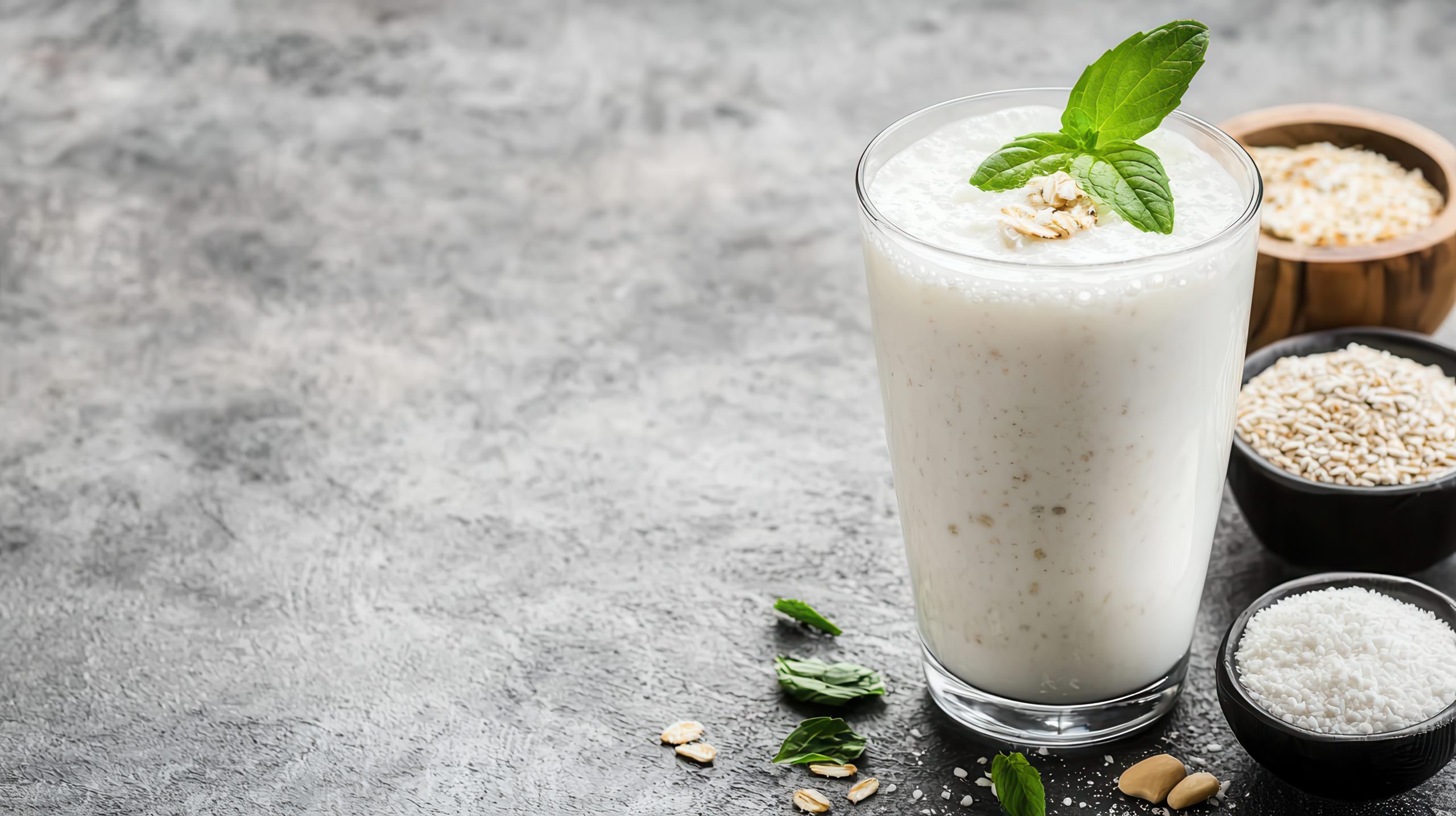
½ Cup vanilla nut milk
1 small banana, quartered
½ avocado, pit and skin removed
½ Cup vanilla high-protein yogurt
Optional: ½ teaspoon powdered green tea
Here are the best tips for blending healthy smoothies like a pro:
- Use a high-power blender. Ones with both single (16 fl oz) serving and pitcher (48-64 fl oz) size with multiple blades will serve you well.
- Dice and freeze the fruit ahead of time for a colder blend. Alternatively, use ice to dilute caloric density by increasing volume.
- For high-volume batch blending when extra servings are stored for later:
- Only add chia seeds or oats just prior to consumption to avoid pudding-like consistency.
- Skip citrus peels and heavy greens like mustard and dandelion to avoid bitterness.
- To manage consistency, adjust liquid as needed, adding a little at a time.
- Juice is preferable over agave nectar, corn syrup or honey.
- Water will dilute caloric density, but flavor too.
- Soy milk or pea milk are the best non-dairy options (rice, almond and coconut milk are lower protein).
- Don’t rush it! Process until smooth.
Feel free to play around with combinations to your taste and texture preferences. Add a scoop of protein powder if you wish. Punch up the flavor with cinnamon or vanilla extract. Make as much or as little as you would like. The options are limitless!
Resources:
Insiders Viewpoint – How to Blend a Smoothie
Veggie Packed Smoothies That Actually Taste Good

by DebbieJ MS RDN | Sep 6, 2024 | All, Ask Our Dietitian, Home, Nutrition
 With so many sources offering nutrition advice, it’s hard to know what’s true. Even factual information can become distorted by the time it reaches you. Like a game of telephone, the message often changes as it’s passed along. Here, we debunk 5 common diet myths to guide you toward the truth.
Gluten/wheat is fattening
People with celiac disease are allergic to gluten, a protein found in wheat, and should avoid gluten in their diet. Otherwise, wheat and wheat protein are no more inherently fattening or harmful to metabolism than any other grain or component. The problem is all the flour products (bread/rolls, buns, crackers, muffins/cupcakes, pancakes/waffles, pasta, pretzels) made from wheat—those products are refined and lack the fiber and full nutrients that wheat kernels have. We can thrive perfectly well without the flour products (from any grain)!
The verdict – only those with an allergy need to avoid gluten. Whole grains of various kinds are better for everyone.
Cut out fat to lose weight
Too much of any macronutrient can provide excess calories and lead to obesity and metabolic disorder. Fat is high in calories (providing twice as many calories as carbohydrates or proteins per gram), however, it is an essential nutrient. You need some dietary fat for basic survival and body processes like hormone production and digestion. Several fat sources provide other nutrients such as fat-soluble vitamins (A, D, E, K) or essential fatty acids. Enough fat in a meal satisfies so you feel fuller longer, helping to stave off hunger. It also slows digestion a little to limit spikes in blood sugar.
The verdict – you shouldn’t cut out fat completely but could stand to reduce if your intake is high.
Don’t eat after 8pm
An external clock shouldn’t dictate eating if you are hungry. Absolutely, shift your calorie intake to the morning to fuel your daily activities. If you’re up until midnight, a healthy 9pm snack (around 150 calories) is fine. However, most late-night eating involves unhealthy options like ice cream and chips, rather than grilled fish and salad. Extra calories at any time can hinder weight loss efforts. Large volumes before reclining in bed can exacerbate heartburn.
The verdict – it’s not the clock but the choice of food in context of your day’s intake and activity pattern that matters.
It takes a lot of protein to build muscle
Individual muscle fibers are made of contractile proteins, namely actin and myosin. Making new cells does take some additional protein, but only to the tune of 10-15 additional grams per day. In comparison, a tall glass of milk (1.5 Cups) provides 12 grams of protein and two eggs provide 14 grams. Research shows that there is no anabolic benefit to increasing protein beyond 35% calories when energy is adequate for growth. You really need an increase in overall fuel to support muscle growth with increased resistance training. As your total caloric consumption rises, so should your protein as a normal proportion of that intake.
The truth is that muscle growth requires carbohydrate and fat, too. Here’s why: Whether it’s for your skin, liver or muscle, each cell is made up of the elements carbon, nitrogen, oxygen, and hydrogen. Only amino acids from protein provide all four components, but carbohydrate and fat contribute three of them and act as fuel allowing the physical work that’s required for growth.
The verdict – it’s a very small raise in protein necessary to provide a critical building block for muscle growth.
Stimulant drinks give you energy
Energy to supply our cells and muscles with fuel only comes from the macronutrient sources carbohydrate, fat, protein, (as well as the non-nutrient alcohol) which may get converted to ATP if not stored as reserves. ATP stands for Adenosine Tri Phosphate and is the compound that ultimately allows muscles to contract.
‘Energy drinks’ that are low-calorie and sugar-free don’t have significant macronutrients to turn into fuel. Instead, they have compounds like caffeine and taurine which trigger the nervous system, making one feel more alert or awake. Really, they are BUZZ drinks that hype you up, like when your body produces the neurotransmitter adrenaline when you are in danger.
The verdict – energy drinks do provide stimulation, but not necessarily fuel.
Sugar causes Type 2 Diabetes
Adult onset diabetes is a condition with several factors contributing to its development, namely an excess of calories which leads to obesity and insulin resistance. A calorie surplus can come from too little physical activity as well as too much of any energy-contributing compound (carbohydrate, protein, fat, alcohol). Most sugary foods come with a lot of fat and therefore calories, and added sugars usually mean the food lacks fiber, protein and other nutrients.
Natural sugars in fruit and milk don’t increase the risk for Type 2 Diabetes. It’s a lot easier to drink a 16-ounce soft drink than to eat its sugar equivalent of 3 oranges! The American Diabetes Association notes that research points to sugary drinks being linked to Type 2 Diabetes risk and recommends people avoid drinking sugar-sweetened beverages.
The verdict – sugars, especially in liquid form, do contribute to extra calories and fat production which influence insulin resistance but don’t directly cause adult onset diabetes.
Note: This blog post is a general guide and should not replace professional advice. Always consult with a healthcare professional for personalized guidance and support.

by Rachel Scruggs | Aug 27, 2024 | All, Home, Nutrition
In today’s fast-paced world, developing a healthier relationship with food is essential for overall well-being. Mindless eating, often done while multitasking, can lead to overeating, poor digestion, and a strained connection with food. By practicing mindful eating, we can slow down, pay attention to our eating experiences, and foster a positive relationship with food that contributes to better health. Here are some strategies to help you achieve this.
Serve in Modest Portions
Serving yourself modest portions can help prevent overeating and reduce food waste. Use a smaller plate and fill it only once. This can help you become more aware of your hunger and fullness cues, making it easier to stop eating when you’re satisfied.
Savor Small Bites and Chew Thoroughly
Take small bites and chew your food thoroughly. This practice can slow down your eating pace, allowing you to fully experience the flavors and textures of your food. It also aids digestion and helps you recognize when you’re full.
Eat Slowly to Avoid Overeating
Eating slowly gives your body time to signal when it’s full, reducing the likelihood of overeating. Aim to spend at least 20 minutes on each meal, and put your fork down between bites to pace yourself.
Avoid Distractions
Try to eat without distractions such as TV, smartphones, or computers. When you focus solely on your meal, you’re more likely to notice your body’s hunger and fullness signals, leading to a more mindful eating experience.
Don’t Skip Meals
Skipping meals can lead to extreme hunger, making it harder to make mindful food choices. Aim to eat at regular intervals throughout the day to maintain steady energy levels and prevent overeating.
Reflect on Your Eating Habits
Take time to reflect on your eating habits and how they make you feel. Notice any patterns or triggers that lead to mindless eating, and consider how you can make changes to promote a healthier relationship with food.
Listen to Your Body
Pay attention to your body’s hunger and fullness cues. Eat when you’re hungry and stop when you’re satisfied. This can help you develop a more intuitive and balanced approach to eating. By incorporating these mindful eating strategies into your daily routine, you can foster a healthier relationship with food, leading to better overall health. Enjoy a more satisfying eating experience and remember that mindful eating is a practice that requires time and patience. Be gentle with yourself as you make these positive changes.
Note: This blog post is a general guide and should not replace professional advice. Always consult with a fitness professional or personal trainer at LA Fitness for personalized guidance and support.

by Rachel Scruggs | Aug 12, 2024 | Ask Our Dietitian, Home, Nutrition
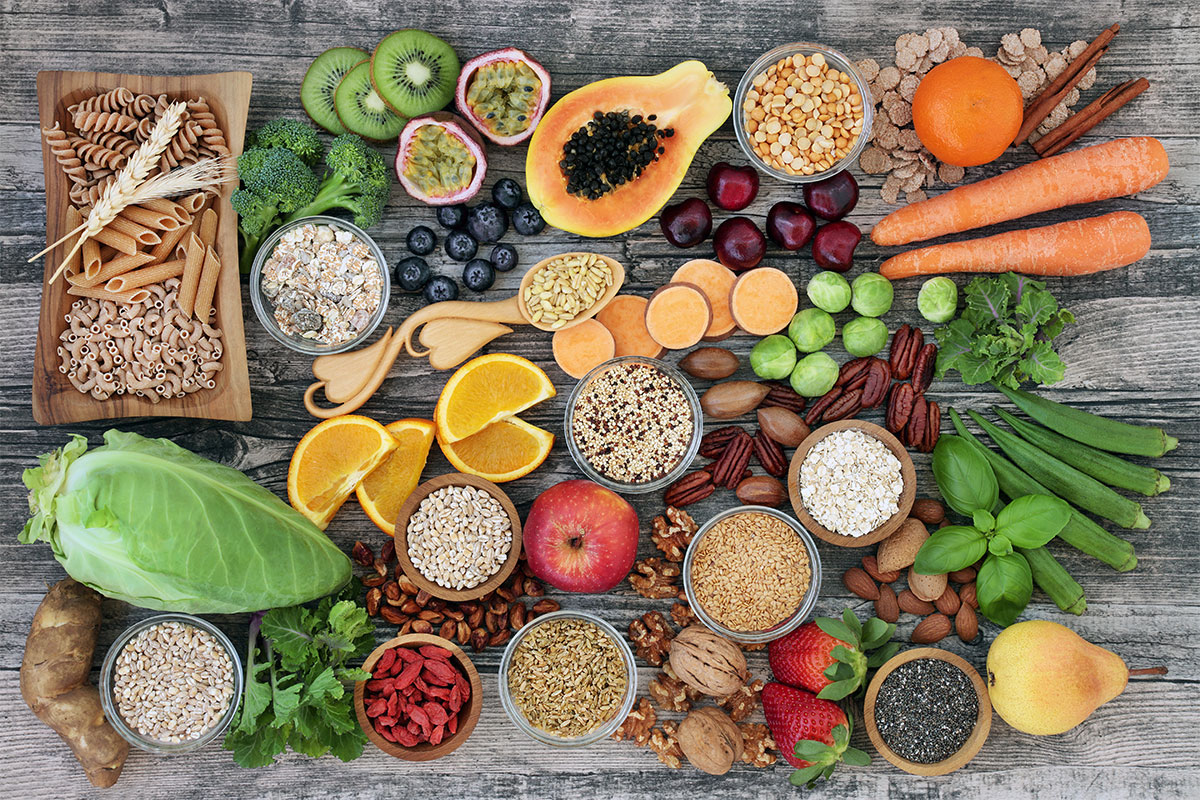 Eating the right foods before a workout can make a significant difference in your performance and recovery. The goal is to provide your body with the energy it needs to perform at its best while minimizing muscle damage. Here’s a guide on what to eat before a workout:
Carbohydrates: Your Primary Fuel Source
Carbohydrates are the body’s preferred source of energy, especially for high-intensity workouts. They help maintain blood glucose levels during exercise and replenish muscle glycogen stores. Here are some great carbohydrate-rich options:
Protein: Building and Repairing Muscles
Consuming protein before a workout can help improve muscle protein synthesis, increase muscle mass, and enhance recovery. Here are some protein-rich options:
Fats: Sustained Energy for Longer Workouts
While fats are not the primary fuel for high-intensity workouts, they are essential for longer, moderate-to-low intensity exercises. Healthy fat options include:
- Nuts and Seeds: A good source of healthy fats and protein.
Hydration
Staying hydrated is crucial for optimal performance. Dehydration can lead to decreased performance and increased risk of injury. Drink water throughout the day and consider having a glass of water 30 minutes before your workout.
Timing Your Pre-Workout Meal
The timing of your pre-workout meal can impact your performance. Ideally, you should eat a balanced meal containing carbs, protein, and fats 2-3 hours before exercising. If you’re short on time, a smaller snack 30-60 minutes before your workout can also be effective.
Foods to Avoid
Avoid foods high in fat or fiber right before a workout, as they take longer to digest and may cause stomach discomfort during exercise. Also, steer clear of sugary snacks that can cause a rapid spike and subsequent crash in blood sugar levels. Eating the right foods before a workout can help you perform better and recover faster. Focus on a balanced intake of carbohydrates, protein, and fats, and stay hydrated. By fueling your body properly, you’ll be able to maximize your workout and achieve your fitness goals.
Note: This blog post is a general guide and should not replace professional advice. Always consult with a fitness professional or personal trainer at LA Fitness for personalized guidance and support.
Page 1 of 13812345...102030...»Last »