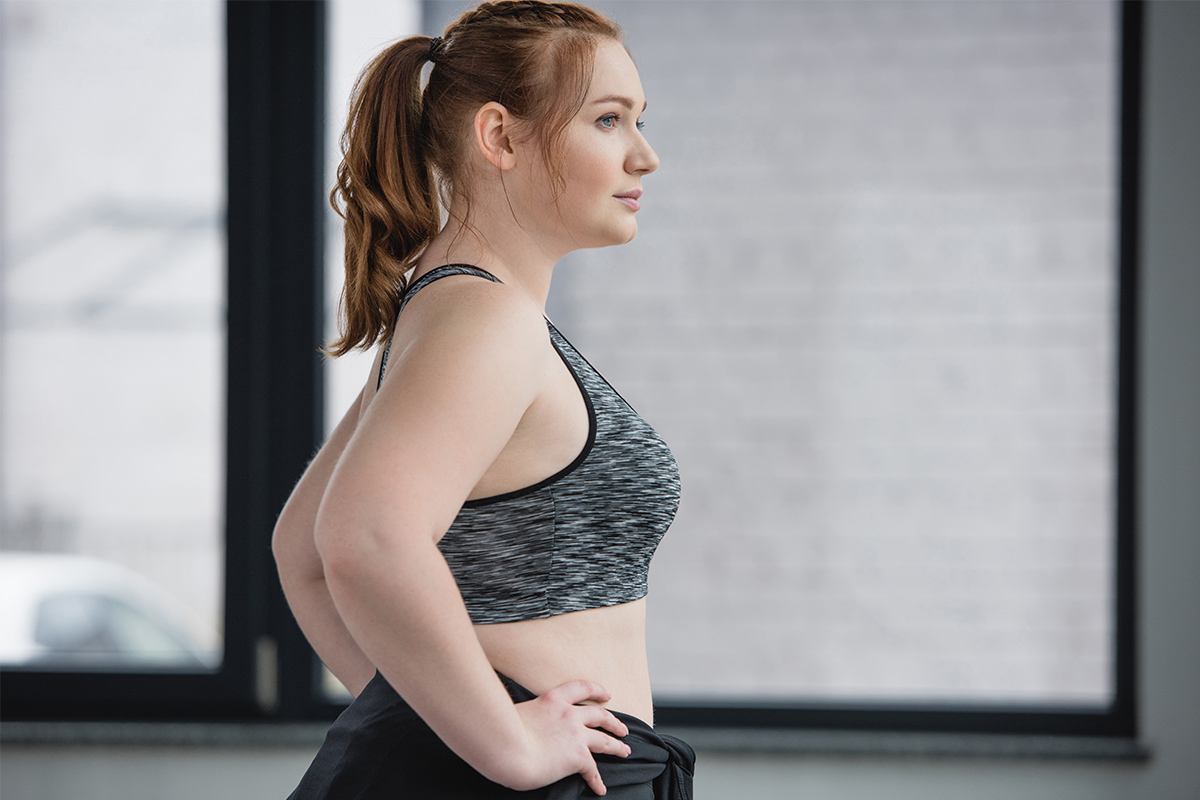
A Guide for the First Time Gym-Goer

A Guide for the First Time Gym-Goer

In the coming weeks, people everywhere will take the first steps towards their new commitments. Whether it’s a commitment to acts of kindness, to visit your parents more, to do your laundry every week, or to take better care of your health, the start of a new year acts as a perceptible starting point.

It’s kind of like the most celebrated Monday of the year. “I’ll start Monday” simply becomes “In the new year, I will…” Except there is usually a lot more motivation in the new year because you are not alone. Everyone else is talking about their own goals and the energy can be contagious.

For many, hitting the gym is on the resolution list. If you’re doing so for the first time ever or getting back to the gym after a long time away, this guide is for you. We’ll tackle some real concerns like “It’s going to be too crowded,” “I don’t want to be judged,” “I don’t know how to use the equipment,” and “I don’t want to get sucked into a sales pitch.”

We understand. This is your personal guide for how to navigate your first visit to the gym.

What to Expect

At the Front Desk

When you first walk into your local LA Fitness, this is what you can expect:

If you already have a membership, simply check-in at the front desk using your mobile app. They will scan your digital Member ID for you, and you can proceed inside.

If you don’t have a membership, you can visit our website here to sign up for a Complimentary 5-Day Pass. You will need to provide your name, email address, phone number, and zip code, and will need to sign a waiver. Your Complimentary Pass will then be emailed to you.

Your first visit activates your free pass and it will stay active for 5 consecutive days. Be sure to check out this list of Gym Bag Essentials so you are prepared for your workout.

Once You’ve Been Checked In

If you check-in with a Membership, you may not be asked if you would like a tour because it’s likely you’ve already had one. If you need a refresher, feel free to ask! Then, head down to the locker room to pack your items in a locker (don’t forget your padlock) and get ready to workout.

If you check-in with a Complimentary Pass, you’re in good hands. You will be taken care of by a member of our team who will give you a tour of the facility and chat with you about your fitness goals. Yes, you may be asked if you’d like to sign up for a membership, but there is no obligation to do so. You can simply decline and choose to stick to your Complimentary Pass. Once you’re done with that, you’re free to head in and enjoy your workout!

The General Layout

Each LA Fitness location has the same general layout, but according to the size and structure of the building, the equipment may be located in different areas. One thing you can always expect to be the same, is that the equipment is grouped by type. The cardio equipment (the treadmills, ellipticals, etc.), the weight training equipment (bench press, shoulder press, etc.), will always be grouped together.

If your club has a pool, it will usually be located by the locker rooms. This makes getting to the showers a lot more direct.

If your club has a juice bar, it’s usually located near the entrance. This makes grabbing your pre- or post-workout shake easy and accessible.

The Kids Club is also typically located near the entrance.

But I’m Intimidated

It can be easy to let your mind run off with worries about what other people see in your workout. Are they judging you for your routine or for how much or how little time you spend on a machine? Are they impatiently waiting on you to figure out a machine they already know how to use and are waiting for?

Every single person in that gym was once a “first-time gym goer.” No one has ever walked into a brand-new environment and instantly understood everything about it. Bear that in mind and let the fear that someone is watching you melt away. This is your space too.

But I Won’t Know What to Do Once I’m There
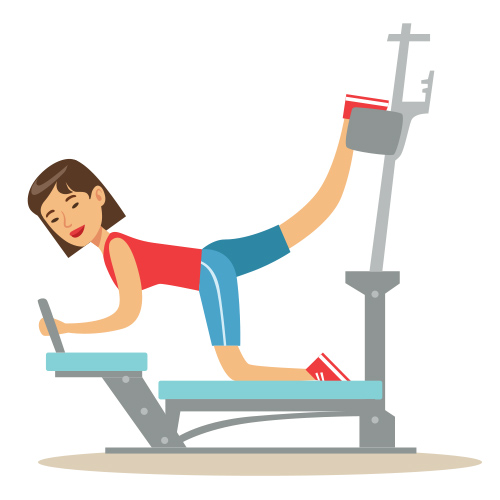
All the options can be overwhelming. Narrow things down by choosing which muscle group you’d like to work on and then finding the workout space that will help you meet that need. Take a look at some of these articles for help deciding on some workouts:

  1. For Sculpted Shoulders
  2. For Strong Legs and Glutes
  3. For a Defined Chest: Part 1 and Part 2
  4. For A Shredded Six Pack
  5. Top 10 Most Popular Exercises and How to Do Them Properly

You can also browse through our LA Fitness YouTube Channel to watch how-to videos and get a better feel for what the gym offers.

Quick Tips

  1. Work out one muscle group to start. Don’t do a full body workout on your first ever gym day or the resulting soreness will be a huge deterrent.
  2. Go at a comfortable pace. We promise, no one is watching you. You don’t need to “blend in” by working at a pace or level that isn’t right for you.
  3. Weight train before cardio. Trust us, you don’t want to try lifting weights over your head when your body is already tired from your cardio. You can warm up with light cardio but save the intense stuff for the end.

Don’t Forget That People are a Resource Too

Go with a friend who can show you the ropes or ask any of our Pro Results® Personal Trainers how to use the machine you want to work on. If they are not currently in a training session with someone, they will be glad to assist!

You can also ask someone on a machine nearby. Not everyone is actively working out at the same time. Some will be taking a brief rest period in between sets. Some are just arriving to set themselves up on a piece of equipment. Others are moving on from one machine to the next. There tends to be at least one available person who can help answer your question. However, try not to ask someone who will need to stop mid-workout to help you.

But the Gym Will Be Crowded

“I’ll stick to the treadmill. It’s familiar and at least I know how to use it.” That’s exactly what everyone else thought. So, the cardio section is probably going to be the most crowded area in the gym.

It’s also this kind of thinking that will get you stuck. Adhering to the familiar means you’re more likely to get bored, and more likely to miss out on everything else the gym makes available to you. Take advantage of your access to a fully stocked gym!

Lastly, Some Thoughts on Gym Etiquette:
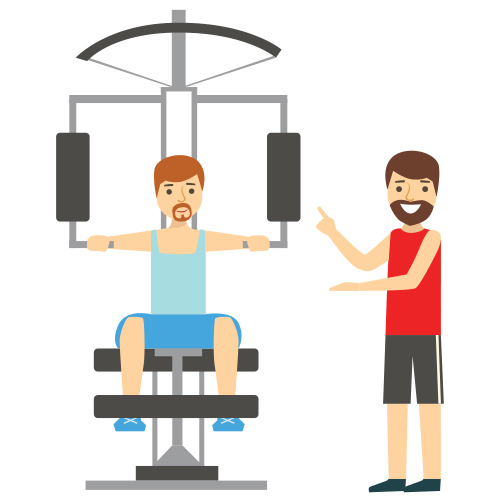
Just like there are Do’s and Don’ts in nearly every public space, there are Do’s and Don’ts at the gym. Here are a few:

Do wipe down equipment if your workout left it sweaty.

Don’t ignore time limits especially during peak hours. Signs are usually posted asking guests to limit their usage of certain machines when others are waiting.

Do allow others to “work-in” (to share the equipment with you) if you plan to take long breaks between your sets. Don’t feel obligated to say yes. It’s nice if you are able to share the space, but if you don’t want to share someone else’s sweat, you don’t have to. Decline politely and let them know approximately how much time you still need.

Do communicate your interest in a machine that you’re waiting for. Doing so kindly lets the current user know that someone is waiting. Don’t hover over the person or make them feel rushed.

Do return movable gym equipment (like free weights and resistance bands) so others may easily find and use them. Don’t use movable equipment in walkways or in front of doors where you may risk your safety or someone else’s.

Any new environment can be a little bit intimidating, but don’t let that keep you from using the resources you have available to you. For more helpful information and to access our monthly blog post highlights, subscribe to our newsletter. See you in the gym!
Should You Exercise on an Empty Stomach?

Should You Exercise on an Empty Stomach?

The Truth About Fasting and Exercise

Evidence Based 

There are a lot of reasons a person would consider exercising on an empty stomach. Many people simply like to exercise first thing in the morning. Then we have trending diet plans like Intermittent Fasting that make it difficult to schedule exercise around food consumption. Others incorporate fasting into their lifestyle for faith-based reasons. All the while, our exercise routines continue according to or despite our nutritional timing.  

So, what happens when you exercise on an empty stomach? Is it good or bad for weight loss? Does it help you burn more fat or does fasting negatively impact your workout? 

Let’s tackle these questions one by one. Here’s what you need to know if you’re considering working out while fasting: 

What Happens to Your Body When You Fast? 

When we say “fasting” we typically mean you’ve gone 8 to 12 hours without food. This would be like waking up in the morning after a good night’s sleep and deciding to work out before you have your first meal. If you participate in Intermittent or Prolonged Fasting, you may be going without (or with very little) food for 12, 16, 48, or even 72 hours.1 Here’s what’s happening in your body when you fast: 

By 6-8 Hours –  Your body is still  burning through its glycogen supply. This is the most readily available form of energy. 

By 12 Hours – You enter the metabolic state called ketosis in which your body begins to break down fat.1  

By 18 Hours – You’re now in “fat-burning mode.” Your body is generating more ketones which tell your body to reduce inflammation and to make repairs to damaged DNA.1  

By 24 Hours – Your body starts a process called autophagy. This means your cells work harder to recycle old components and to break down misfolded (damaged) proteins. Misfolded proteins are connected to Alzheimer’s and other diseases.1 

If you’re interested in learning what happens once you hit 48, 54, and 72 hours of fasting, check out this article on the 5 Stages of Intermittent Fasting. For the purpose of this article, we don’t need to delve that far. 

What Happens if You Exercise While Fasting? 


Now that we know what’s happening on a biological level while fasting, let’s take a look at what happens when exercise is added to the equation.  

As you exercise, your body starts by using glycogen for energy. You typically have enough stored up to last you about 24 hours.3 If you manage to deplete your glycogen stores (say you’re an endurance athlete running a triathlon and you haven’t been replenishing your energy as you go), you’ll hit exhaustion. Your body still has plenty of energy stored as fat, why doesn’t it use it when glycogen levels are low? 

The body is not adapted to this. However, it can be trained! Following a low-carb diet or exercising while fasting can teach your body to draw energy from your fat-stores.3 Before this all starts to sound too good to be true, let’s define what we mean by “drawing energy from your fat-stores.”   

A terrific example by Dr. Jason Fung in his article on Fasting and Exercise, starts to illustrate this concept pretty well: Imagine that your glycogen supply is like energy stored in the refrigerator. It is ready to use but the supply is limited. Your fat is like energy stored in the freezer; it takes a greater process to make it usable but you can store a larger supply.  

Over time, exercising while fasting increases the production of fat-metabolizing proteins.3 Our muscles essentially become more efficient at breaking down fat in order to use the energy. It’s all part of how the body adapts to its circumstances.

What Other Studies Say


So, what does other research have to say about this? An article from the Strength and Conditioning Journal reviewed the results of multiple studies on the subject.  

The review found that endurance trained individuals who performed moderate to high-intensity cardio (while fasting) break down significantly more fat than the body can actually use.4 So, yes, the body does break down that fat, but what isn’t immediately used goes back to its original form.4 The ultimate conclusion was that the net effect of exercising while fasting was negligible and may even have negative effects on muscle strength and growth.4 

Another study examined body composition changes between a group that fasted before exercise and a group that did not. Their findings showed no difference between the two groups! They both lost significant amounts of weight and fat mass but fasting seemed to have no implication on the results.5 

So, the evidence seems to lean in two directions. The body is clearly responding to the need for energy but there are split conclusions on whether this response is beneficial. Until more research is done, fasting before exercise may come down to a matter of preference. If you’re still seeking some answers and still interested in giving it a try for yourself, let’s find out a little bit more. 

Will Fasting Before Exercise Cause You to Eat More? 


A study on exercising in the fasted state hypothesized that exercising on an empty stomach would increase calorie intake throughout the day. They were surprised to find that not only did their participants eat less, they were also more motivated to work out.6 These results are promising if you’re worried about your hunger causing you to overeat on days you both fast and exercise.  

Does Fasting Decrease Your Ability to Effectively Work Out? 


Well, it depends what you’re doing. If you’re working out on an empty stomach, keep in mind that your body has been running on its glycogen stores while you fasted. It will pull from those same stores when you exercise, at least until you run out. If you’re doing steady cardio, you’re likely to be just fine.

High-intensity exercises, however, rely on glucose for muscle contraction.7 If your energy stores are low because you’ve been fasting, your body might break down your lean muscle to get you through your workout.7 If you recall, this was the same concern that came up in the article from the Strength and Conditioning Journal. 

Closing Thoughts 

Clearly, this subject merits further research before any definitive conclusions can be drawn. Evidence can be found to back both sides of the argument. Some athletes swear by it, and there is science to prove that something is in fact happening to release and utilize your fat stores, but is it all enough to make a difference and are there significant adverse effects?  

With the research at your fingertips, it remains up to you to decide whether you want to fast or feast before your workout. Which do you prefer? Let us know in the comments below! 

For more thought provoking posts, check out What Happens to Your Body When You Stop Working Out, or, read this post to debunk some big Muscle Building and Fat Burning Myths. To access our monthly blog post highlights, subscribe to our newsletter, today! 

Sources

  1. Jarreau, Paige. “The 5 Stages of Intermittent Fasting – LIFE Apps: LIVE and LEARN.” LIFE Apps | LIVE and LEARN, 22 May 2019, https://lifeapps.io/fasting/the-5-stages-of-intermittent-fasting/ 
  2. “4 BIG Health Benefits of 12 Hour Intermittent Fasting.” Clean Cuisine, 5 Dec. 2019, https://cleancuisine.com/12-hour-intermittent-fasting/ 
  3. Fung, Jason. “Fasting and Exercise.” Diet Doctor, 14 Sept. 2018, https://www.dietdoctor.com/fasting-and-exercise 
  4. Schoenfeld, Brad. “Does Cardio After an Overnight Fast Maximize Fat Loss? : Strength & Conditioning Journal.” LWW, Strength and Conditioning Journal, 2011, https://journals.lww.com/nsca-scj/Fulltext/2011/02000/Does_Cardio_After_an_Overnight_Fast_Maximize_Fat.3. 
  5. Schoenfeld, Brad Jon, et al. “Body Composition Changes Associated with Fasted versus Non-Fasted Aerobic Exercise.” Journal of the International Society of Sports Nutrition, BioMed Central, 18 Nov. 2014, https://jissn.biomedcentral.com/articles/10.1186/s12970-014-0054-7 
  6. Bachman, Jessica L, et al. “Exercising in the Fasted State Reduced 24-Hour Energy Intake in Active Male Adults.” Journal of Nutrition and Metabolism, Hindawi Publishing Corporation, 2016, https://www.ncbi.nlm.nih.gov/pmc/articles/PMC5050386/
  7. Niedziocha, Laura. “What Happens If I Workout Without Eating?” LIVESTRONG.COM, Leaf Group, 24 Mar. 2019, https://www.livestrong.com/article/501975-what-happens-if-i-workout-without-eating/ 

Own Your Cold Weather Workout

Own Your Cold Weather Workout

The start of the winter season is on Saturday, December 21st this year and we’re gearing up for a cold season. Many states have already seen record lows! If, like us, you don’t plan to slow down your fitness endeavors, you need to be prepared for working out in the cold.  

 We’ll be covering the warning signs of frostbite and hypothermia and giving you some useful information for your next winter workout! 

Warning Signs  

Frostbite

Frostbite occurs when your skin and the underlying tissue are damaged by freezing. Exposed skin (especially on your nose, ears, and fingers) is most vulnerable, but you can still get it even if you’re covered up. If you plan to be out in cold weather, especially where the wind temperature is below 5° Fahrenheit (or -15° Celsius), these are some important precautions recommended by the Mayo Clinic: 

  1. Limit your time in cold, wet, and windy weather conditions 
  2. Wear loose, warm layers of clothing 
  3. Cover your ears completely 
  4. Wear mittens because they provide better protection than gloves 
  5. Wear insulating socks and sock liners that wick moisture and fit snugly 
  6. Tell others that you’ll be out and give an expected return date 
  7. Avoid alcohol as it can actually cause your body to lose heat more quickly 
  8. Stay hydrated 

Additionally, they identify these symptoms as warning signs of frostbite: 

  1. Cold skin and a prickling sensation 
  2. Numbness in the affected area 
  3. Red skin in milder forms of frostbite, and white, bluish-white or grayish-yellow skin as it becomes more severe 
  4. Hard or waxy-looking skin 
  5. Joint and muscle stiffness 
  6. After rewarming, the appearance of blisters on the skin 

If you go out prepared and know the signs, you can head into your workout with confidence. Frostbite, however, is not the only worrisome condition you have to watch out for in cold weather. While the former can lead to loss of limb, hypothermia can cause death. Here is what you should know about hypothermia: 

Hypothermia

Your body’s normal temperature is 98.6° F (or 37° C). According to the Mayo Clinic, Hypothermia starts when your body loses heat faster than it can produce it; and, will start to show its effects once your temperature falls to 95° F (35° C) or lower. 

In their article on Hypothermia, the Mayo Clinic identifies the following symptoms you should look out for: 

  1. Shivering 
  2. Slurred speech or mumbling 
  3. Slow, shallow breathing 
  4. Weak pulse 
  5. Clumsiness; lack of coordination 
  6. Drowsiness; low energy 
  7. Confusion; memory loss 
  8. Losing consciousness 
  9. In infants, you would notice bright red, cold skin 

Perhaps the easiest way to enter a hypothermic state is if you are wet from rain, snow, or if you fell into a body of water. Wind, on its own, whisks away your body heat. Add the fact that your clothes are wet, and the effect is amplified. It’s extremely important to change out of wet clothes and find a warm dry place when you are caught in cold weather. 

Things to Consider Before Heading Out

Warm the Air Before You Breathe It – Breathing heavily in cold weather can make your lungs feel like they’re about to freeze over. Wearing a face scarf over your nose and mouth can help warm the air you’re breathing and make your workout more comfortable. 

Map Your Route – You should know if you’re likely to encounter flooded areas, frozen patches of water, slick icy roads, or fallen plant life and debris. Stick to areas you’re familiar with so you can re-route if needed and still find your way. Choosing areas with more cover (like buildings, trees, etc.) will also help protect you from wind and other sporadic weather conditions. 

Plan by Time of Day – Leave for your workout when you know the temperature will be at its warmest for the day. Going too early in the morning or too late in the evening will expose you to colder temperatures and, if it’s cold enough, icy roads and frozen slush. 

Keep Hydrated – Hydrate before you leave and bring some with you if you plan to be out for a while. You may not notice that you’re sweating, but you probably are. Putting back what your body loses is important to a safe cold weather workout. 

Protect Your Skin – Sunblock is still important in the wintertime, and the brisk winter air can dry out anything that’s exposed to it. Moisturize your lips, your face, and your hands if you don’t plan to wear gloves. 

You can read up on the calorie burn of cold weather workouts by reading our post on Thermogenesis. For information on how to protect your eyes from the dryness of winter air, check out our blog on Eye Health. To access our monthly blog post highlights, subscribe to our newsletter today! 

Your Resting Heart Rate and Why It’s Important

Your Resting Heart Rate and Why It’s Important

Your resting heart rate is the number of times your heart beats per minute (BPM) while at rest.  

Why is Heart Rate Important?

Considering your heart is the most important muscle in your body, it is important to know that it’s functioning properly. You want your heart to beat in a rhythm; not too fast, not too slow, and not too erratic.  

Typically, an adult’s resting heart rate is between 60-100 beats per minute1. Monitoring your heart rate from time to time is a good idea to know your normal heart rate and to take measures if it becomes abnormal.  

Resting heart rate is an indicator of physical fitness. When you first start a training program, it’s likely that you will want to know your resting heart rate. A lower resting heart rate may indicate a sign of good health and a higher degree of being physically fit.  

Depending on your age, gender, or medications you are taking, your resting heart rate changes. People who are physically fit generally have a lower resting rate than those who do not exercise regularly. Resting heart rate will typically increase as you age and will be much faster in infants. 

The best time to find your resting heart rate is in the morning after a good night’s sleep and before you get out of bed1 

  • The best places to find your pulse are the wrists, inside of your elbow, the side of your neck or the top of your foot. 
  • To get the most accurate reading, put your finger over your pulse and count the number of beats in 60 seconds. 

If your range is outside the typical resting heart rate, consult a doctor. Although there is a wide range of normal, an unusually high or low resting heart rate may indicate an underlying problem.  

How to Improve Heart Rate

Make Time for Regular Exercise

  • Make time for exercising every day, even if it’s just walking. Getting regular exercise stimulates your heart and lowers your heart rate. Aim for aerobic activities like; swimming, cycling, or dancing.

Avoid Sitting for Long Periods of Time

  • Studies have found that sitting too long is just as harmful to your body as smoking2. Take more breaks, get up and walk around, stretch your legs, just move your body. Keep yourself active as much as possible to stimulate your heart. 

Avoid Smoking

  • First of all, we know that smoking is bad and can potentially lead to lung cancer and other diseases, but it also increases the resting heart rate. Quitting can lower your blood pressure and heart rate almost immediately3. 

Reduce Stress

  • This is the one that is sometimes out of our control, but if you have a lot on your mind, such as work, family, money, you’re probably stressed. If you are mindful of the stress in your life it’s a good idea to do things for yourself that reduce stress like; meditation, yoga, exercise, massage, and deep breathing. Find ways to calm yourself down to reduce stress and your heart rate.

Take measures to improve your heart rate by exercising or leading an active healthy lifestyle. Keep your heart happy! 

For more on heart health, listen to our podcast on 5 Simple Ways to Improve Your Heart Health. To access our monthly blog post highlights, subscribe to our newsletter today! 

SOURCES 

1. American Heart Association. Getting Active How do I calculate my heart rate? October 2016 

2. The Active Times. Sitting is the New Smoking – 7 Ways a Sedentary Lifestyle is Killing you The research on the sitting epidemic and the results aren’t good. September 2014  

3. Smokefree.gov Benefits of Quitting The health benefits of quitting smoking can help most of the major parts of your body: from you brain to your DNA 

Dancing and Its Health Benefits

Dancing and Its Health Benefits

Evidence Based

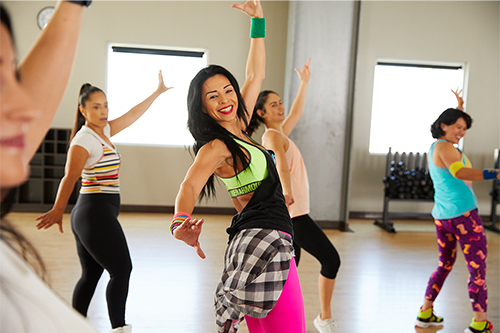
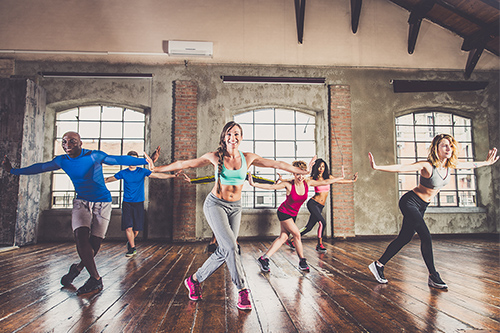
Dancing is not just a form of expression, not just reserved for the artistically inclined, and not as difficult to start as you might think. We invite you to challenge your thoughts of “I can’t do it” or “it’s not for me,” so you too can enjoy the benefits of this versatile form of exercise.  

Dancing extends across the boundaries of physical movement. You can dance for your fitness, for physical therapy, for cognitive therapy, to enjoy a social activity, or to take time alone. Today we will focus on the physical and cognitive benefits of dancing.  

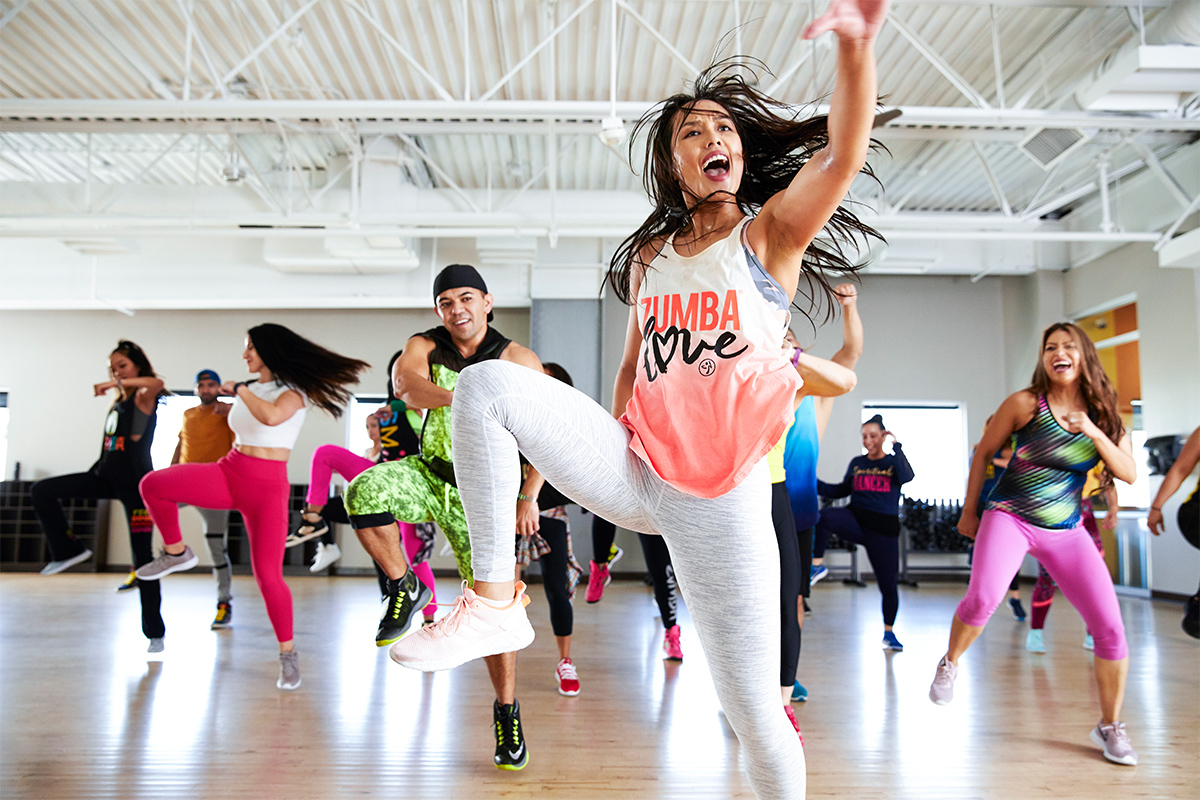
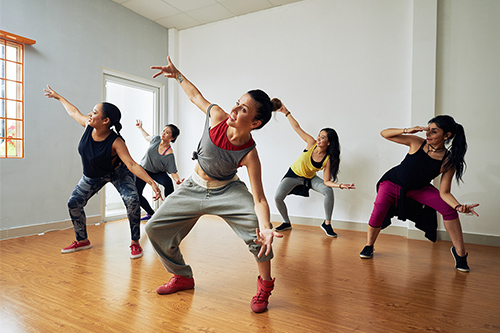
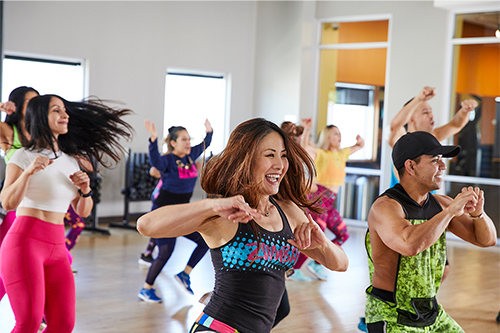
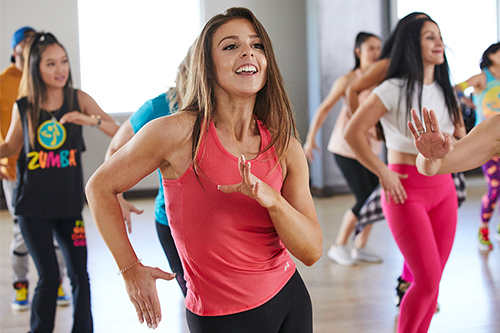
If you already have the dance bug and just want to dive in, browse our website to learn about our many dance style Group Fitness Classes. We host a variety of classes like Belly Dancing, Cardio Jam, Hip Hop, Latin Heat, Zumba, and Yogabeat. Be sure to search by zip code to learn which classes are available at the LA Fitness clubs closest to you.  

Without further ado, let’s take a look at some of the physical and cognitive benefits of dancing! 

Physical Health Benefits

Muscle Strength

Every move you make as you dance is deliberate; there’s no laziness here. You need to engage your legs and core to keep your body stable, and your back and shoulders to carry your posture. As your muscles learn to move your weight in new ways as you step, lift, drag, kick, and flick to the beat, they will get stronger. This functional strengthening is what promotes better balance and overall posture.1

Bone Strength

You may still be thinking of dance as just another cardio type exercise, and it can be excellent for your heart, but did you know dancing also benefits your bone strength? Think about it this way: your muscles are attached to your bones; and when you strengthen your muscles, it’s like you’re reinforcing the bones.  

One article on The Health Benefits of Dance states that “the side-to-side movements of most dance steps help to strengthen the weight-bearing bones such as the femur, tibia, and fibula.”2 That sounds a lot like the steps you would see in Latin dances like the Cha-Cha-Cha, Merengue, or Salsa. If you’re looking to add some focus on your lower body, our Latin Heat or Zumba classes might be just what you’re looking for! 

Lower Blood Pressure

When it comes to heart health, “dance can be as beneficial as jogging around a track, biking, swimming, or running on the treadmill.”2 We know that cardio is excellent for exercising your heart, and that when you exercise your heart you benefit your whole body. One study confirmed that Zumba participants who had high blood pressure, effectively and significantly lowered their blood pressure after only 2 months of Zumba!3 

Weight Loss

Not only are you benefiting your heart and improving your blood pressure, you are burning calories with every step. Burning calories can help you shed the pounds, especially if you are also mindful of your nutrition.  

Depending on the level of intensity, your range of motion, your physical condition, and more, “the continuous motion of dance… [will allow you to] burn anywhere from 200 to 500 calories during a 1-hr session.”2 

All-Over Toning

Because dancing is a total body exercise, you can expect some total body toning. “Some dance forms,” like Belly Dancing and Hip Hop, “have repetitive movements such as hip drips, figure eights, circles, and shimmies, which can put the lower back and hip joints and ligaments through full range of motion that increases muscle tone and improves posture.”2 Strengthening these particular parts of your body can aid in the prevention of lower back problems.2 

Now that you know about the physical benefits, let’s get into how great dancing is for your brain.  

Cognitive Health Benefits

Neuroplasticity

Neuroplasticity is your brain’s ability to form and optimize synaptic connections. This basically means that it is capable of growing, adapting, and changing. This is a very good thing because it means your brain can adapt to new situations and recover from old ones. 

Consider that most dancing requires you to learn a specific series of movements in a specific order for a specific amount of time. This prompts your brain to develop new neural pathways to allow this complex learning to take place.  

In fact, research has found that expert dancers have structural differences in their sensorimotor networks and in physical parts of the brain like the hippocampus (the part of brain responsible for emotion, memory, and your autonomic nervous system).1 

Aging and Memory

In general, physical exercise, especially aerobic exercise, has been shown to decrease the risk for neurological disorders, especially for cognitive decline, dementia and Alzheimer’s.1 To a lesser extent, there is also evidence to support that physical exercise can reduce your risk for Parkinson’s Disease and Strokes.1,4,5  

Dancing, however, has more benefits for the brain than repetitive physical exercise.6 A study on neuroplasticity in older adults found that, because dance requires constant cognitive and motor learning, it can counteract age-related cognitive decline.4 When it comes to brain health and function, the complexity of dance beats plain physical exercise. 

Coordination

Never get called a clutz again. Dancing can improve your coordination because it, itself, requires a great deal of coordination. Have you ever tried to rub your belly with one hand and tap the top of your head with the other hand? It takes a certain amount of concentration, doesn’t it? 

With dancing, not only do you need to coordinate between the different limbs of your body, but you must do the same between other dancers on the floor, and hone-in on your timing and spatial awareness.7 

Coordination exercises have actually been shown to improve attention and concentration, even more so than simple aerobic exercises.1

Final Thoughts

We know there’s a lot of research here so let us leave you with some simple takeaways: 

  1. Dance is a sustainable form of exercise partly because it’s enjoyable 
  2. It can benefit your body by strengthening your bones and muscles, improve your blood pressure, and help you lose weight 
  3. Learning steps/choreography, and then randomizing those steps, can help your mental acuity 
  4. Dance can decrease your risk for neurological disorders like dementia, Alzheimer’s, and to a lesser extent reduce your risk for Parkinson’s Disease and stroke 
  5. Dancing can help improve your ability to learn, memorize, concentrate, and multitask 

For more on brain health, read our registered dietitian’s article on These 7 Foods That Promote Brain Health. Or, check out her article on The 8 Best Foods for Your Heart. To access our monthly blog post highlights, subscribe to our newsletter today! 

Sources

  1. Dhami, Prabhjot, et al. “New Framework for Rehabilitation – Fusion of Cognitive and Physical Rehabilitation: the Hope for Dancing.” Frontiers, Frontiers, 1 Dec. 2014, www.frontiersin.org/articles/10.3389/fpsyg.2014.01478/full. 
  2. Alpert, Patricia T. “The Health Benefits of Dance – Patricia T. Alpert, 2011.” SAGE Journals, 2 Dec. 2010, journals.sagepub.com/doi/10.1177/1084822310384689. 
  3. Jitesh, S., and Devi Gayatri. “Effect of Zumba Dance on Blood Pressure.” ProQuest, Journal of Pharmaceutical Sciences and Research, 2016, search.proquest.com/openview/9cf7f1ff907efe2b63e8cf458735228d/1?pq-origsite=gscholar&cbl=54977. 
  4. Lossing, Anna, et al. “Dance as a Treatment for Neurological Disorders.” Taylor & Francis, Taylor & Francis Online, 2016, www.tandfonline.com/doi/full/10.1080/17432979.2016.1260055?scroll=top&needAccess=true. 
  5. Earhart, G M. “Dance as Therapy for Individuals with Parkinson Disease.” European Journal of Physical and Rehabilitation Medicine, U.S. National Library of Medicine, June 2009, www.ncbi.nlm.nih.gov/pmc/articles/PMC2780534/. 
  6. Muller, Patrick, et al. “Evolution of Neuroplasticity in Response to Physical Activity in Old Age: The Case for Dancing.” Frontiers, Frontiers, 27 Feb. 2017, doi.org/10.3389/fnagi.2017.00056. 
  7. Cross, Emily S., and Luca F. Ticini. “Neuroaesthetics and beyond: New Horizons in Applying the Science of the Brain to the Art of Dance.” SpringerLink, Springer Netherlands, 5 Jan. 2011, link.springer.com/article/10.1007/s11097-010-9190-y.