Nutrition is Sprouting this Spring!

Nutrition is Sprouting this Spring!

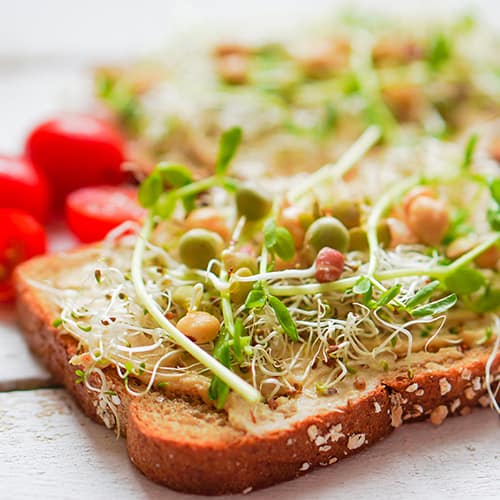
Alfalfa sprouts were the rage in the U.S. in the 1970’s, but with a new millennium comes new options for nutritious early leaves and shoots. Sprouts are the first growth from the seeds of vegetables, grains and beans and are higher in protein per ounce than their full-grown counterparts. While these tiny whole-food powerhouses may be in the back row of your grocer’s produce section, they are at the forefront of nutrition. Here is a guide to what they are, what nutrients they contain, and how to use them.

Sprout: Alfafa

  • Nutrients: 35% protein, 1.3 g Protein/Cup, Vitamins A, B, C, E, K, Calcium, Magnesium, Potassium, Iron, Zinc
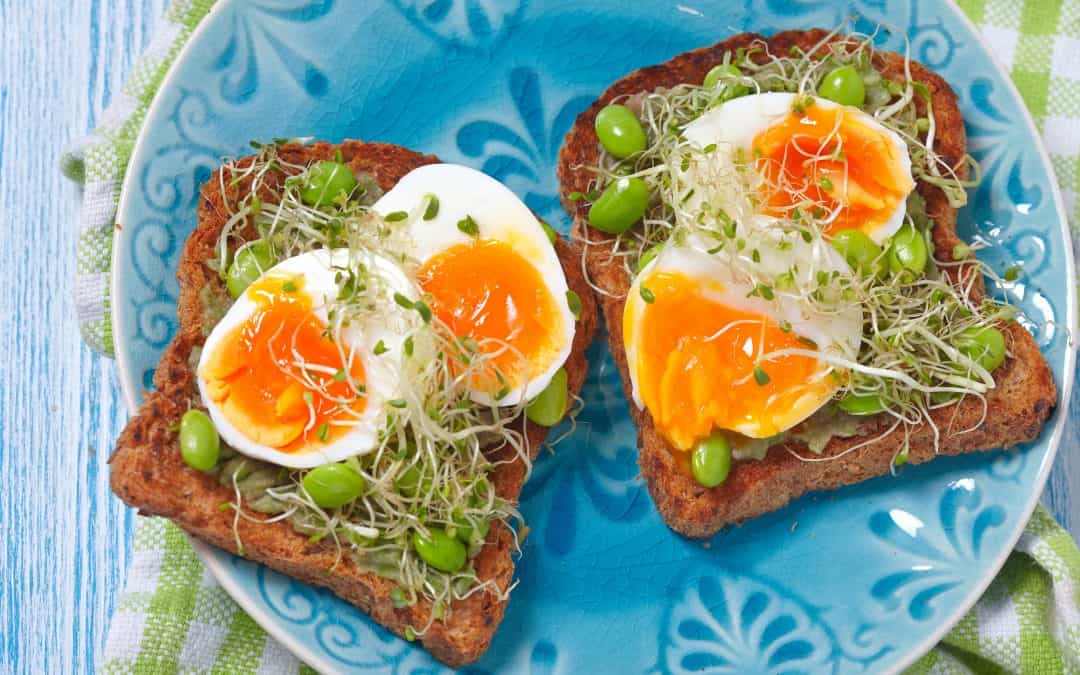
  • Comments: Delicate flavor. Great with egg dishes.

Sprout: Adzuki

  • Nutrients: 25% protein, Vitamins A, C, E, Iron, Niacin, Calcium
  • Comments:Use in wraps and salads, or slightly heated in soups or casseroles.

Sprout: Broccoli

  • Nutrients: anti-cancer Sulphorophane
  • Comments: Mild peppery flavor. Include in green juices and smoothies.

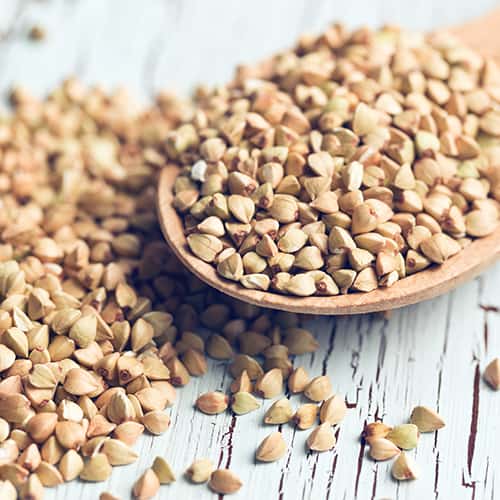
Sprout: Buckwheat

  • Nutrients: Carbohydrates, 15% protein, Vitamins A, C, E, Calcium, Lecithin
  • Comments: Fold into pancake and waffle batter. Use to make energy bars with dates, coconut oil, cocoa and ground nuts.

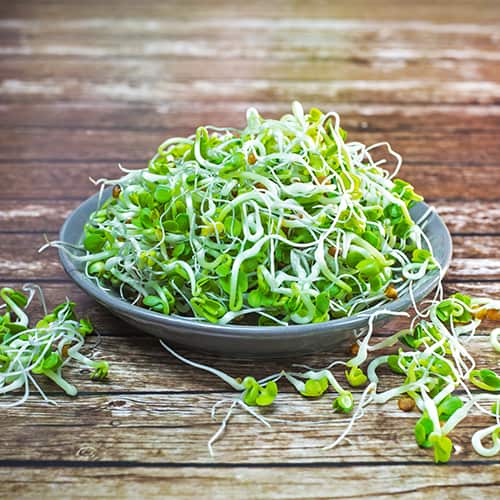
Sprout: Clover

  • Nutrients: 30% protein, Vitamins A, B, C, E, Calcium, Magnesium, Potassium, Iron, Zinc, anti-cancer Isoflavones
  • Comments: Top grilled cheese sandwiches. Add to coleslaw.

Sprout: Fenugreek

  • Nutrients: 30% protein, Vitamin A, Iron, Niacin, Calcium, Digestive aid
  • Comments: Compliments rice dishes.

Sprout: Garbanzo (chickpea)

  • Nutrients: Carbohydrates, 20% protein, Vitamins A, C, E, Iron, Calcium, Magnesium
  • Comments: Use in Mediterranean salads or to extend burger patties. Roast and season for a snack.

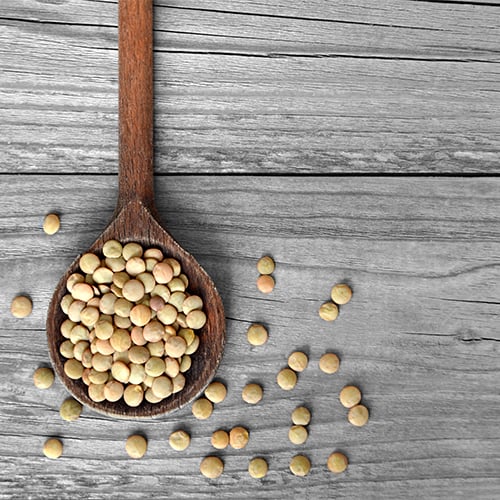
Sprout: Lentil

  • Nutrients: 25% protein, 6.9 g protein/Cup, Vitamins A, B, C, E, Iron, Calcium, Phosphorus
  • Comments: Peppery flavor. Enjoy in baked beans, potato salad, soups or with steamed veggies. Can be eaten raw.

Sprout: Mung Bean

  • Nutrients: 20% protein, 3.2 g protein/Cup, Vitamins A, C, E, Iron, Potassium, Fiber
  • Comments: Hardy for light cooking and stir-fry. Great with Asian dishes.

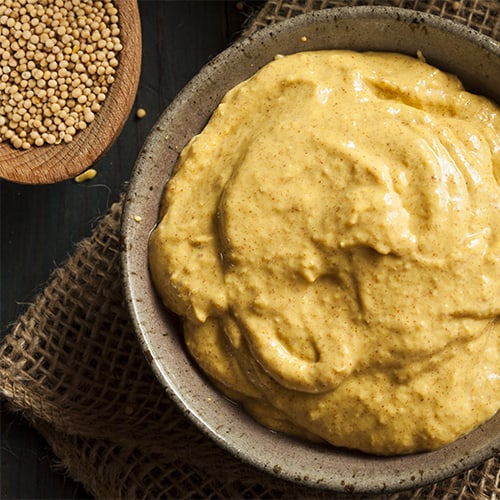
Sprout: Mustard

  • Nutrients: 2.5 g protein/Cup
  • Comments: Spicy flavor similar to horseradish. Delicate sprout. Nice on eggs.

Sprout: Onion

  • Nutrients: Vitamins A, C, D
  • Comments: Spicy flavor.

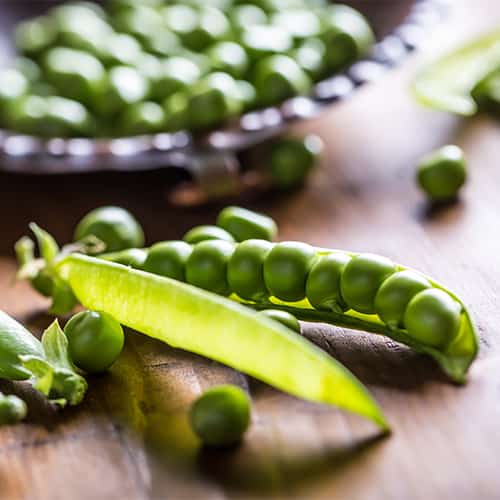
Sprout: Pea

  • Nutrients: 20% protein, Vitamins A, B, C
  • Comments: Great sautéed with garlic.

Sprout: Radish

  • Nutrients: 1.4 g protein/Cup, Vitamin C, Potassium
  • Comments: Spicy flavor. Add to coleslaw. Use with soft cheese dips.

Sprout: Soybean

  • Nutrients: 9.0 g protein/Cup, Vitamin C, folate Fiber
  • Comments: Complements casseroles and stews.

Sprout: Sunflower

  • Nutrients: Vitamins B complex, D, E, Calcium, Iron, Phosphorus, Potassium, Magnesium, Lecithin
  • Comments: Use in green juices and smoothies. Add to wraps and sushi.

Sprout: Wheat

  • Nutrients: Carbohydrates, 15% protein, 8 g protein/Cup, Vitamins B complex, C, E, Pantothenic acid, Magnesium, Phosphorus
  • Comments: (seed = sprouted wheat, long green shoots = wheatgrass) Use wheatgrass in green juices and smoothies. Cook sprouted wheat and use in place of rice or eat as porridge.

TIPS:

  • Use in sandwiches and salads to add texture and moistness.
  • Buy only fresh sprouts – those that are crisp with moist white roots.
  • Farmers markets typically have more varieties of sprouts than supermarkets.
  • Sprouts last from 3-7 days if kept in a plastic bag in the refrigerator’s crisper drawer.
  • Grown your own sprouts, with or without soil, and harvest in less than 2 weeks!

– Debbie J., MS, RD

LA Fitness Living Healthy subscribe button

Want more? SUBSCRIBE to receive the latest Living Healthy articles right in your inbox!

This article should not replace any exercise program or restrictions, any dietary supplements or restrictions, or any other medical recommendations from your primary care physician. Before starting any exercise program or diet, make sure it is approved by your doctor.

Sources: 

  • International Sprout Growers Association
  • USDA National Nutrient Database for Standard Reference, release 28
  • Vegetarian Nutrition dietetic practice group of the Academy of Nutrition and Dietetics

Bananas or Sweet Potatoes – Which are Healthiest? | Q+A

Bananas or Sweet Potatoes – Which are Healthiest? | Q+A

Question:

Does eating two bananas a day make my tummy bigger?  Which one is healthier to snack on at night – a banana or a sweet potato?

– Christina Y.

Answer:

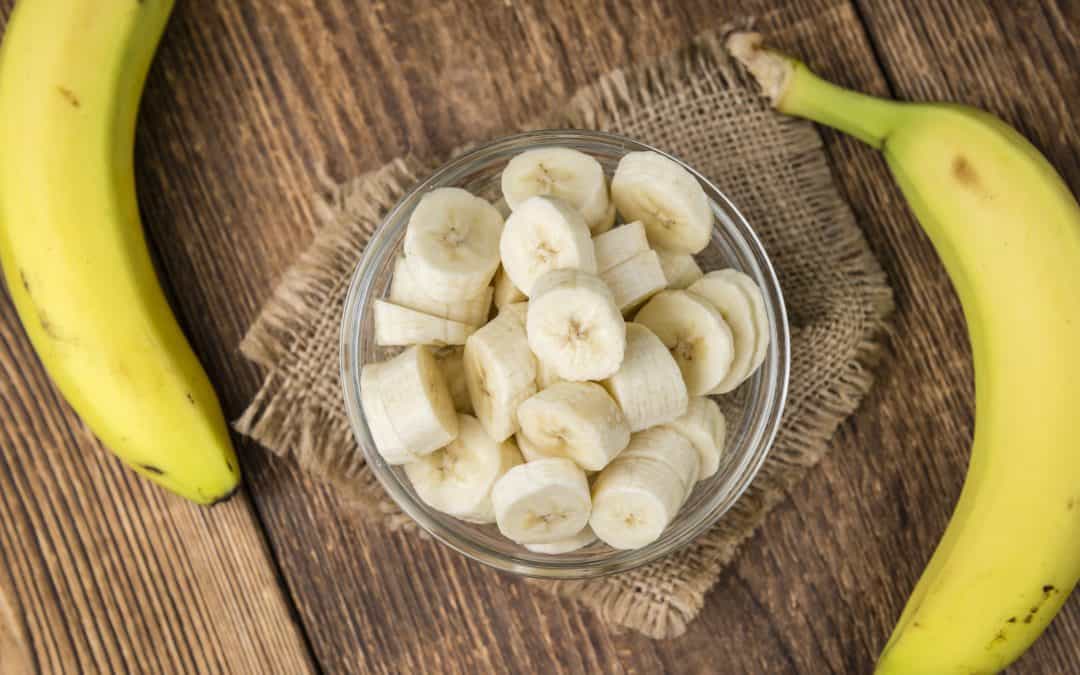
It’s doubtful that a single food is causing an increase in your middle. It’s true that bananas are somewhat more concentrated in sugar (14 grams in a medium banana) than some other fruits, but the effect is insignificant relative to a daily caloric input consisting of 1800-2000 calories. Bananas are such a nutritious food! They have much-needed potassium (12% Recommended Daily Allowance or “RDA”) that helps to counter the negative effects of sodium intake. Bananas also have a good amount of fiber (3 grams), vitamins B6 (22% for men, 32% for women) and C (17% RDA), as well as the minerals manganese, biotin, and copper. The issue may be the extra calories if you’re consuming two very large bananas, as they will have about 135 calories each. If you don’t burn off the second banana, it would add 135 calories to your consumption daily.

Which Fruits Contain the Most Sugar?

In a nutrition battle between a banana and sweet potato, the sweet potato would come out ahead. A baked sweet potato has the same calories per gram as a banana, yet has one gram more fiber and five grams less sugar per medium serving. A sweet potato has more calcium, iron, magnesium, phosphorus, potassium, zinc, vitamins C and E than a banana; however, a sweet potato does have more sodium. Also notable is a sweet potato’s vitamin A content, which is nearly three times that of banana and meets your RDA in one serving! The banana leads the sweet potato only in folate and vitamin K.

– Debbie J., MS, RD

Source: USDA National Nutrient Database for Standard Reference Release 28

This article should not replace any exercise program or restrictions, any dietary supplements or restrictions, or any other medical recommendations from your primary care physician. Before starting any exercise program or diet, make sure it is approved by your doctor.

Ask our Dietitian

QA_icon

Have a nutrition question? Our registered dietitian is ready to help!

Email nutrition@lafitness.com or submit your question below and it may be featured in an upcoming article!

9 + 10 =

LA Fitness Living Healthy subscribe button

Want more? SUBSCRIBE to receive the latest Living Healthy articles right in your inbox!

Where to Start With Nutrition | Q+A

Where to Start With Nutrition | Q+A

Question:

Hello, I’m a new member. I’m a 360 lb. and 5’8” female. I don’t know where to start with my nutrition. What do I eat? What serving size should I eat? How many meals a day and when do I eat? What should I shop for when buying food and drinks? Thank you.

– Sherland B.

Answer:

Hello Sherland and welcome! Getting started on a new eating plan can be overwhelming. I’m guessing you have some idea of what healthier choices look like, though. Key points on choosing good foods are to:

  • Focus on complex carbohydrates
  • Eat plenty of vegetables
  • Choose lean protein and low-fat dairy
  • Opt for plant sources of fat
  • Avoid fried food, candy, junk food, alcohol and soda

Most often people don’t need nutrition information which you can get from a book but rather, they could use guidance on lifestyle and behavior. Your best bet may be to meet with a Registered Dietitian Nutritionist who can work with you to create a personalized plan based on your lifestyle and goals.

Without the level of detail necessary to give personalized advice, my initial nutrition advice would be to follow the 2015 Dietary Guidelines for Americans which are supported in the ChooseMyPlate.gov recommendations and MyPlate checklists. For an estimated 1800 calories that would be daily intake of:

1 ½ cups FRUIT

  • 1 cup of fruits counts as:
  • 1 cup raw or cooked fruit; 1/2 cup dried fruit; or 1 cup 100% fruit juice

2 ½ cups VEGETABLES

  • 1 cup vegetables counts as:
  • 1 cup raw or cooked vegetables; 2 cups leafy salad greens; or 1 cup 100% vegetable juice

6 ounces GRAINS

  • 1 ounce of grains counts as:
  • 1 slice bread; ounce ready-to-eat cereal; or 1/2 cup cooked rice, pasta, or cereal

5 ounces PROTEIN

  • 1 ounce of protein counts as:
  • 1 ounce lean meat, poultry, or seafood; 1 egg; 1 Tbsp peanut butter; 1/4 cup cooked beans or peas; or 1/2 ounce nuts or seeds

3 cups DAIRY

  • 1 cup of dairy counts as:
  • 1 cup milk; 1 cup yogurt; 1 cup fortified soy beverage; or 1 1/2 ounces natural cheese or 2 ounces processed cheese For a sample menu, see our answer to another member’s question by clicking here: How many calories a day should I eat and what should I be eating to lose weight?  The daily pattern above, combined with good food choices, can be helpful in creating a new routine to jump-start change.

– Debbie J., MS, RD

This article should not replace any exercise program or restrictions, any dietary supplements or restrictions, or any other medical recommendations from your primary care physician. Before starting any exercise program or diet, make sure it is approved by your doctor.

Ask our Dietitian

QA_icon

Have a nutrition question? Our registered dietitian is ready to help!

Email nutrition@lafitness.com or submit your question below and it may be featured in an upcoming article!

3 + 5 =

LA Fitness Living Healthy subscribe button

Want more? SUBSCRIBE to receive the latest Living Healthy articles right in your inbox!

Heart Healthy Month

Heart Healthy Month

Heart-Healthy Fats for Every Body

Debbie J., MS, RD contributed this article –

We’re on a mission to help Augie Nieto’s nonprofit charity find a cure for ALS (amyotrophic lateral sclerosis), which is a debilitating neurodegenerative disease that can impact anyone. Augie was diagnosed with ALS over 10 years ago and established Augie’s Quest to help find a cure for ALS. For over 5 years, LA Fitness has held an annual fundraiser each February to raise funds for Augie’s Quest. This year’s fundraiser, Action for ALS, will be on Saturday, February 25.

To stay committed to healthy eating & help improve his longevity, Augie focuses on a nutritious diet that includes extra virgin olive oil and good fats. Choosing the best types of fat is indispensable for your heart health and weight management.

You may have heard that a high intake of saturated fat, trans fat and dietary cholesterol raise the risk of cardiovascular disease. But did you know, recent studies show that consuming unsaturated fat as the predominant form of dietary fat, combined with adequate omega-3 fats, actually protects your heart from coronary artery disease1? The impact is even greater in combination with a plant-based diet low in salt and sugar2 and in conjunction with an abundance of fruits, vegetables, and whole grains as the main forms of carbohydrates1.

 

Augie Nieto, Founder of Augie’s Quest


5 Simple Ways to Improve Your Heart Health

Substituting saturated and trans fats with unsaturated fats lowers LDL (bad) cholesterol production by the liver, meaning less potential for artery-clogging plaque. Keeping the “pipes clear” with healthy fats and adequate fiber is only one piece of the puzzle. Preventing damage to the epithelial cells lining the vascular wall and avoiding high blood pressure are also critical to avoiding stroke and heart attack. Unsaturated fats do both. In particular, olive oil’s polyphenols have anti-inflammatory and anti-oxidant functions3 to protect epithelial cells.

What’s the difference?

Virgin olive oil is result of cold extraction of the fat from olives, resulting in acidity less than 2%. Extra virgin olive oil is a higher quality virgin oil with less than 0.8% acidity.


The Mediterranean diet, of which olive oil is the predominant fat source, is associated with increased longevity3 as well as reduced risk of cardiovascular diseases, improved health, lower mortality, and prevention of cancer and age-related cognitive decline as Parkinson’s and Alzheimer’s. Olive oil has bioactive compounds that alter cells’ gene expression, including those active in pathways of the aging process. In short, cells and tissues live better, longer.

Changing the fat that you eat may also change your body fat. While weight loss is multi-factorial, studies indicate that a high monounsaturated fat diet induces more weight loss compared to one with high saturated fat4. Why so? Olive oil, largely comprised of unsaturated fat, also contains phenolic compounds which have been shown to positively affect insulin sensitivity3 and therefore blood sugar control. These benefits are metabolically beneficial and that translates to better fat burning.

How to maximize your heart-healthy fats without increasing calories:
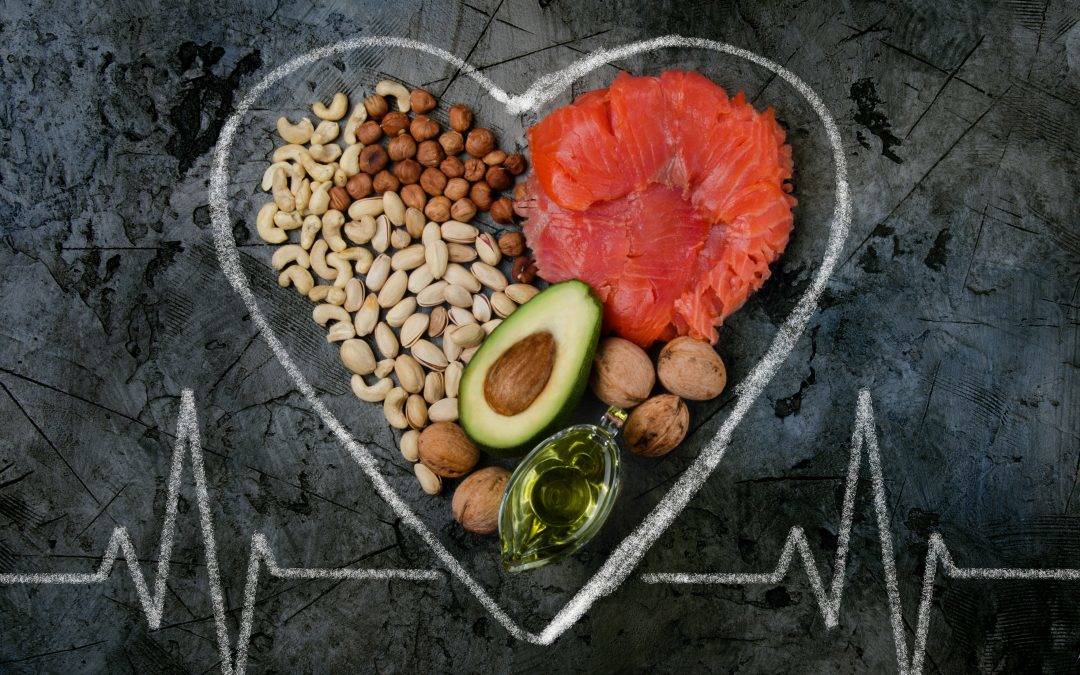
  • Use virgin olive oil for cooking in place of vegetable oil
  • Replace cream cheese with nut butter on bagels
  • Substitute marinara or pesto for alfredo sauce on pasta
  • Choose fish (omega-3 source) instead of meat three times per week
  • Opt for avocado instead of cheese on sandwiches
  • Try hummus in place of cream-based dips
  • Use an oil-based spread on toast & rolls instead of butter
  • Munch on a handful of nuts instead of a bowlful of chips

Use healthy unsaturated fats to your advantage, and your body will thank you in the long run!

This article should not replace any exercise program or restrictions, any dietary supplements or restrictions, or any other medical recommendations from your primary care physician. Before starting any exercise program or diet, make sure it is approved by your doctor.

References:

  1. Optimal Diets for Prevention of Coronary Heart Disease. Hu, F; Willet, W. Journal of the American Medical Association 2002; 288 (20): 2569-2578.
  2. A Plant-Based Diet, Atherogenesis, and Coronary Artery Disease Prevention. Tuso, P; Stoll, S; Li, W. Permanente Journal 2015 Winter; 19 (1): 62-67.
  3. Olive Oil and the Hallmarks of Aging. Fernández del Río, L.; Gutiérrez-Casado, E.; Varela-López, A.; Villalba, J.M. Molecules2016, 21 (2), 163.
  4. Effect of Dietary Fatty Acid Composition on Substrate Utilization and Body Weight Maintenance in Humans. Krishnan, S and Cooper, J. European Journal of Nutrition 2014 53 (3): 691-710.

Recommended Reading

Good carbs vs bad carbs
Debunking Diet Myths

Debunking Diet Myths

With so many sources offering nutrition advice, it’s hard to know what’s true. Even factual information can become distorted by the time it reaches you. Like a game of telephone, the message often changes as it’s passed along. Here, we debunk 5 common diet myths to...

How Can I Gain Weight? | Q+A

How Can I Gain Weight? | Q+A


Question:

How can I gain weight? I eat a huge breakfast +2 protein shakes every day and 6 meals daily. I’m 6 ft tall. I started at 142 lbs. I’m up to 154 and haven’t been able to add an ounce beyond that. Help, please.

-Anthony G.


Answer:

Good job on gaining some weight! Your weight for your height equates to a BMI of 21, which is within normal weight. If you were underweight, I’d recommend the following:

Focus on energy density, not just volume of food. Simply put, you need to make every bite count. So amp up calories in everything you eat and drink – entrees, snacks, beverages, and desserts.

Choosing the richest options could double your calories. For example, ¼ cup of nuts provides 160 calories compared to the 40 calories from microwave popcorn. A shake made with whole milk, protein powder, peanut butter, and frozen banana slices has 600 calories versus less than 300 calories from the same volume made with low-fat milk, protein powder, fruit and ice.

Meat lasagna made with regular ground beef, whole ricotta and whole mozzarella packs almost double the calories of one made with lean beef, low fat ricotta and part-skim mozzarella cheese.

Adding toppings whenever possible could increase calories significantly. A humble 80 calorie blueberry pancake becomes a powerhouse 150 calories with butter and maple syrup. Laying a slice of cheese on a chicken taco adds 100 calories to each. Spreading a half mashed avocado on a turkey sandwich adds 150 calories. A scoop of 150 calorie ice cream reaches 300 calories when you top it with caramel and nuts. You’ll notice that most of the additions are in the form of fat and sugar. This is no accident, as these happen to be the most energy rich.

Make every sip count by enriching your beverages. One way is to opt for the higher-calorie versions of each drink. Whole milk and nectars are richer versions of milk and juice, respectively. Go for chocolate milk for an even bigger energy load. Smoothies and frappuccinos are calorie-laden alternatives to soft drinks. Another way is to add concentrate to the liquid. For example, add 2 spoonful of dry milk or frozen concentrate to each glass of milk and juice, respectively.

If you were strictly speaking of adding lean tissue, see our article How can I gain weight in muscle, not fat?

This article should not replace any exercise program or restrictions, any dietary supplements or restrictions, or any other medical recommendations from your primary care physician. Before starting any exercise program or diet, make sure it is approved by your doctor.

Ask our Dietitian

QA_icon

Have a nutrition question? Our registered dietitian is ready to help!

Email nutrition@lafitness.com or submit your question below and it may be featured in an upcoming article!

10 + 9 =

LA Fitness Living Healthy subscribe button

Want more? SUBSCRIBE to receive the latest Living Healthy articles right in your inbox!