
Having Trouble With Body Definition? | Q+A

Having Trouble With Body Definition? | Q+A

Question:

When I work out, my body feels pumped and shows definition. On my off days, my body looks flat and undefined. I want my body to show definition all the time, it’s like two different bodies. Please help.

– Joey

Answer:

Your personal experience intrigues us, Joey. We wondered how that could be. Lean and fat mass don’t make rapid shifts, leaving water fluctuations as the possible culprit. The cause of a temporary “cut” look may be the shift of water from outside the cells to inside. Potassium helps to do this, as do carbohydrates.  Big enough changes in carbohydrate consumption can affect muscle glycogen stores. Water is bound with glycogen. So when you’re in a deficit, you lose the plumpness. During a subsequent carbo boost when glycogen and water refill, your muscles may seem to perk up.

It’s not uncommon for eating habits to change on workout days, not to mention any supplements you might be taking on those days, many of which may contain diuretic components like caffeine. For the most consistent physique, I’d recommend a very routine diet with stable sodium intake and to only increase fluids on workout days.

– Debbie J., MS, RD

This article should not replace any exercise program or restrictions, any dietary supplements or restrictions, or any other medical recommendations from your primary care physician. Before starting any exercise program or diet, make sure it is approved by your doctor.

Some questions have been edited for length and/or clarity.

LA Fitness Living Healthy subscribe button

Want more? SUBSCRIBE to receive the latest Living Healthy articles right in your inbox!

Ask our Dietitian

Have a nutrition question? Our registered dietitian is ready to help!

Email nutrition@lafitness.com or submit your question below and it may be featured in an upcoming article!

6 + 13 =

Recommended Reading

Bulking on a Clean Diet | QA

Bulking on a Clean Diet | QA

Registered Dietitian, Debbie James, helps answer a reader’s question about how to put on muscle while eating a clean diet.

Elimination Diets – Podcast Ep. 38

Elimination Diets – Podcast Ep. 38

The Elimination Diet is not what it sounds like! We’re sitting down with Debbie James, RDN, to bring you what you need to know about this interesting diet!

When Cutting Carbs Becomes Extreme | Q+A

When Cutting Carbs Becomes Extreme | Q+A

Question:

I have a question regarding cutting carbs. I have attempted to drastically cut carbs and as a result, went through a rough period just not feeling well. I suspect it’s because I went too extreme.  What is the proper way to cut carbs and what is the best way to reduce body fat?

– Gary K.

Answer:

It’s important to maintain your calories when you omit a large portion of your normal diet! Replacing the missing items with equivalent energy from protein and fat sources is key. Often a shift from starches such as bread, pasta and potatoes also means you’re also missing what normally goes on them – butter, jelly, oil, marinara sauce, sour cream, etc.

If you take away 2-3 slices of pizza, for example, and replace it with a couple of roasted chicken breasts, you’re losing hundreds of calories. You could obtain the equivalent calories without the carbs by having the chicken (light and dark meat) with cream sauce or mushroom gravy.

Your brain and nervous system prefer blood sugar as their source of energy. Be sure to consume at least the recommended minimum of carbohydrates to fuel your body properly. The United States Institute of Medicine recommends 130 grams of carbohydrates per day for adults, which is reflected in the 2015 U.S. Dietary Guidelines. (That equates to only 520 calories, typically less than 25% of actual energy consumed.)

– Debbie J., MS, RD

This article should not replace any exercise program or restrictions, any dietary supplements or restrictions, or any other medical recommendations from your primary care physician. Before starting any exercise program or diet, make sure it is approved by your doctor.

Some questions have been edited for length and/or clarity.

LA Fitness Living Healthy subscribe button

Want more? SUBSCRIBE to receive the latest Living Healthy articles right in your inbox!

Ask our Dietitian

Have a nutrition question? Our registered dietitian is ready to help!

Email nutrition@lafitness.com or submit your question below and it may be featured in an upcoming article!

10 + 15 =

Recommended Reading - Q+A

Good carbs vs bad carbs
Debunking Diet Myths

Debunking Diet Myths

With so many sources offering nutrition advice, it’s hard to know what’s true. Even factual information can become distorted by the time it reaches you. Like a game of telephone, the message often changes as it’s passed along. Here, we debunk 5 common diet myths to...

Energy Needs & Caloric Intake | Q+A

Energy Needs & Caloric Intake | Q+A

Question:

I am asking about approximate caloric intake. I am a 5’3″ female and weigh about 150, highly active with workouts (5-6 times per week, 45 minute workouts. Cardio + strength training). I do not think I am currently eating enough, which is hindering my progress. My goal is to lose weight. What is your recommendation according to the information above?

– Amy

Answer:

Your body size and described workouts would predict that your energy needs are in the range of 1800 – 2000 calories per day for weight loss. Remember that what those calories are comprised of is as important as the amount of calories you consume. Be sure that the bulk of what you eat during the day will support your activity and exercise, meaning fuel up earlier and not at night.

Rather than just counting calories, you should consider how to distribute those calories between carbohydrates, fats, and protein. These macronutrients could be the difference between being hungry or satisfied and retaining muscle or losing it as you lose weight. The goal would be to get enough lean protein, complemented with healthy fat, then the remainder as complex carbohydrates. For you, about 75-85 grams protein, 65-75 grams fat, and 210-230 grams carbohydrate should suffice.

Here’s what a sample day might look like for the above nutrient values:

Breakfast – 1 Cup bran cereal, 1/2 Cup low-fat milk, 1 grapefruit and 1 fried egg

Lunch – 4 oz. tuna salad, 4 rye crisp crackers, large dark green salad, 2 Tbsp. of oil-based dressing

Dinner – 1 small skinless chicken breast, 1 Cup of broccoli, 1 Cup of corn, 1 tsp margarine

3 Snacks –

1 large apple with 2 Tbsp. of peanut butter

1 carrot + 1 celery with 2 Tbsp. of hummus

6 oz. plain low-fat yogurt with 1 C berries + 1 Tbsp. crushed almonds

– Debbie J., MS, RD

This article should not replace any exercise program or restrictions, any dietary supplements or restrictions, or any other medical recommendations from your primary care physician. Before starting any exercise program or diet, make sure it is approved by your doctor.

Some questions have been edited for length and/or clarity.

LA Fitness Living Healthy subscribe button

Want more? SUBSCRIBE to receive the latest Living Healthy articles right in your inbox!

Ask our Dietitian

Have a nutrition question? Our registered dietitian is ready to help!

Email nutrition@lafitness.com or submit your question below and it may be featured in an upcoming article!

7 + 6 =

Recommended Reading

Bulking on a Clean Diet | QA

Bulking on a Clean Diet | QA

Registered Dietitian, Debbie James, helps answer a reader’s question about how to put on muscle while eating a clean diet.

Elimination Diets – Podcast Ep. 38

Elimination Diets – Podcast Ep. 38

The Elimination Diet is not what it sounds like! We’re sitting down with Debbie James, RDN, to bring you what you need to know about this interesting diet!

Nutrition Advice For A Post-Cholecystectomy Diet | Q+A

Nutrition Advice For A Post-Cholecystectomy Diet | Q+A

Question:

I’m a long time member in Arizona. I was wondering if you have some tips for after gallbladder removal. Things tend to run right through me. It seems perhaps I’m not absorbing nutrients like I should. Plus, I tend to not get enough protein. Not a big meat fan. I’d like to bulk up a bit. I work out 4-5 times a week.

– Sherry H.

Answer:

If you don’t have advice from your surgeon/physician regarding an appropriate post-cholecystectomy diet, ask for one! Generally speaking, without a gallbladder to hold bile until it’s needed to break down fat globules, bile just constantly drips into the gut (like a leaky faucet) and fat digestion may be impaired. You do have pancreatic enzymes to digest fat, but they work best when ingested fat globules are first broken down by the bile.

My recommendations for after gallbladder removal: Consume small meals. Avoid more than 10-12 grams of fat per sitting. Chew slowly and thoroughly. Stay hydrated. Ask your doctor about taking supplemental lipase enzymes.

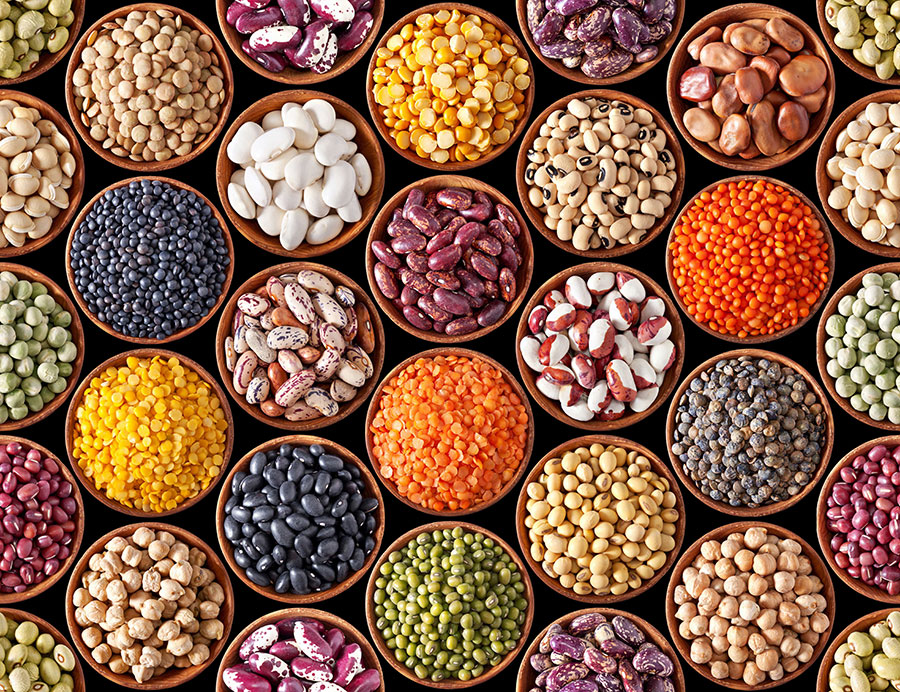
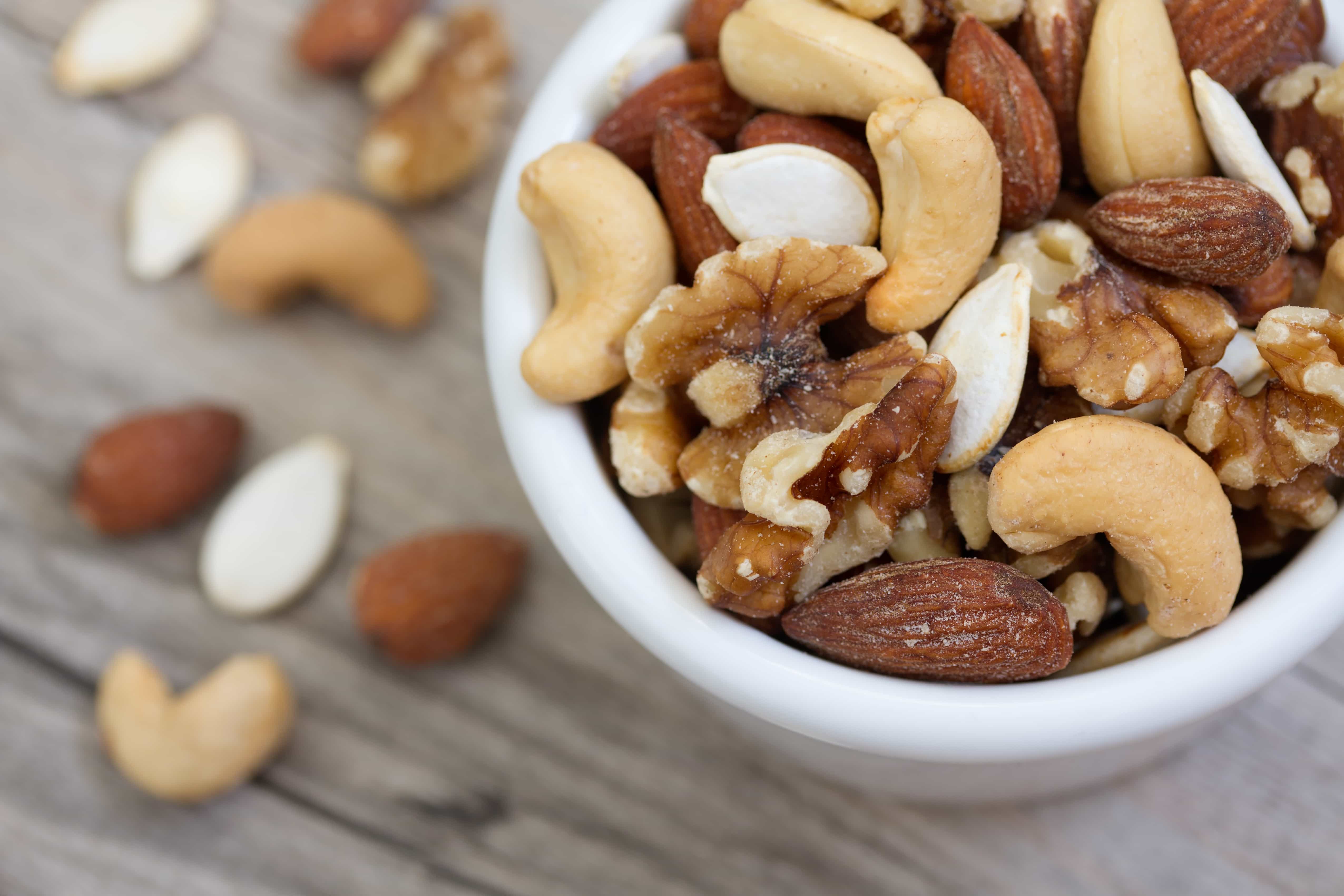
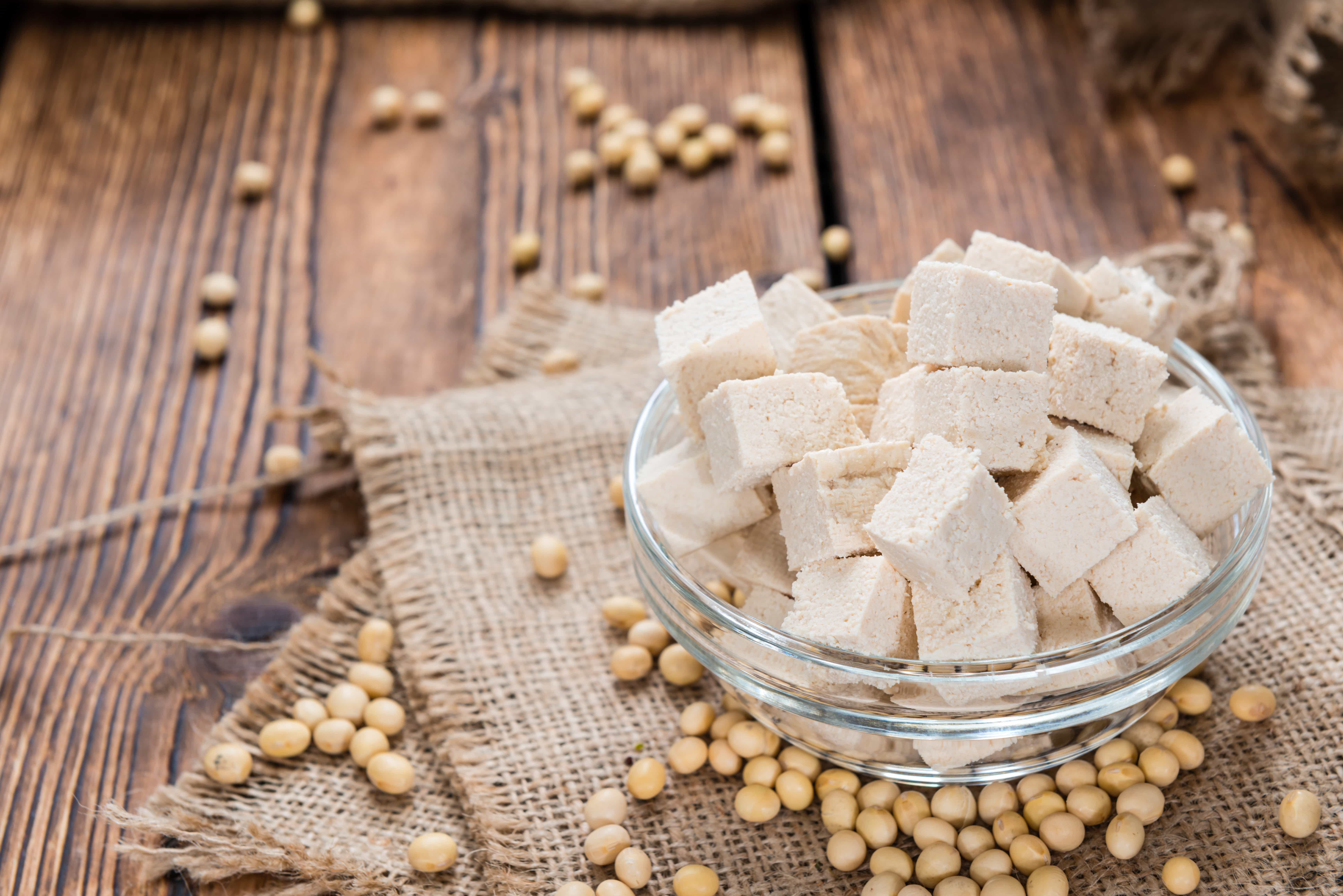
In regards to not getting enough protein, you can add non-meat sources such as eggs, beans, nuts, tofu, reduced-fat cheese, milk and yogurt. Vegetables are essential for consuming enough nutrients, plus they give modest amounts of protein with negligible fat (except avocados and olives).

– Debbie J., MS, RD

This article should not replace any exercise program or restrictions, any dietary supplements or restrictions, or any other medical recommendations from your primary care physician. Before starting any exercise program or diet, make sure it is approved by your doctor.

Some questions have been edited for length and/or clarity.

LA Fitness Living Healthy subscribe button

Want more? SUBSCRIBE to receive the latest Living Healthy articles right in your inbox!

Ask our Dietitian

Have a nutrition question? Our registered dietitian is ready to help!

Email nutrition@lafitness.com or submit your question below and it may be featured in an upcoming article!

12 + 1 =

Recommended Reading - Q+A

Good carbs vs bad carbs
Debunking Diet Myths

Debunking Diet Myths

With so many sources offering nutrition advice, it’s hard to know what’s true. Even factual information can become distorted by the time it reaches you. Like a game of telephone, the message often changes as it’s passed along. Here, we debunk 5 common diet myths to...

Baby & Me: Staying Healthy for Two | Q+A

Baby & Me: Staying Healthy for Two | Q+A

Question:

I work out 4-7 times a week and have been going consistently for the last 8 months. I just found out I am pregnant. I would like to continue working out and keeping my body strong and fit for the baby and myself. What do I need to do differently than I did when I was not pregnant, regarding eating and working out, to make sure I am getting proper nutrients for baby and me?

– Melinda

Answer:

Congratulations, Melinda!

As a Registered Dietitian Nutritionist, I will address the eating side of your question. For initial advice on working out during pregnancy, see our previous article Can you Exercise While You’re Pregnant? and this and this link to tips from the U.S. National Institute of Health. Of course, these suggestions shouldn’t replace the guidance of your obstetrician.

You’ll need extra fluids, nutrients and calories as your pregnancy progresses. See details from the U.S. Office on Women’s Health by clicking here. In the first trimester, folate and other vitamins and minerals are crucial for proper neural tube development, so a good prenatal vitamin is key. Strictly avoid alcohol during this time. The second trimester is when you start to expand blood volume and increase maternal stores while your baby grows rapidly from the size of a nut (3”, 1 oz.) to a football (12”, 1 lb.) while developing all of its organs and features. About 2 additional cups of fluids are needed per day. Adding around 300 extra calories from healthy foods with adequate calcium and iron will support this growth. In the last trimester, your baby is filling out to full-term weight. This is when you are truly “eating for two, ” although in terms of energy, you really only need an additional 200 calories on top of your 2nd trimester needs.

For weight gain recommendations, click  and be sure to ask your obstetrician for guidelines tailored to your specific needs.

– Debbie J., MS, RD

This article should not replace any exercise program or restrictions, any dietary supplements or restrictions, or any other medical recommendations from your primary care physician. Before starting any exercise program or diet, make sure it is approved by your doctor.

Ask our Dietitian

Have a nutrition question? Our registered dietitian is ready to help!

Email nutrition@lafitness.com or submit your question below and it may be featured in an upcoming article!

13 + 9 =

Recommended Reading

Bulking on a Clean Diet | QA

Bulking on a Clean Diet | QA

Registered Dietitian, Debbie James, helps answer a reader’s question about how to put on muscle while eating a clean diet.

Elimination Diets – Podcast Ep. 38

Elimination Diets – Podcast Ep. 38

The Elimination Diet is not what it sounds like! We’re sitting down with Debbie James, RDN, to bring you what you need to know about this interesting diet!

LA Fitness Living Healthy subscribe button

Want more? SUBSCRIBE to receive the latest Living Healthy articles right in your inbox!