What You Should Know About Women’s Depression

What You Should Know About Women’s Depression

International Women’s Day

This Sunday is International Women’s Day. The day is dedicated to women’s rights, to recognizing key achievements, and to acknowledging all that still needs to be done. We’d like to contribute to the day’s spotlight on women by discussing an important piece of women’s health: mental health. 

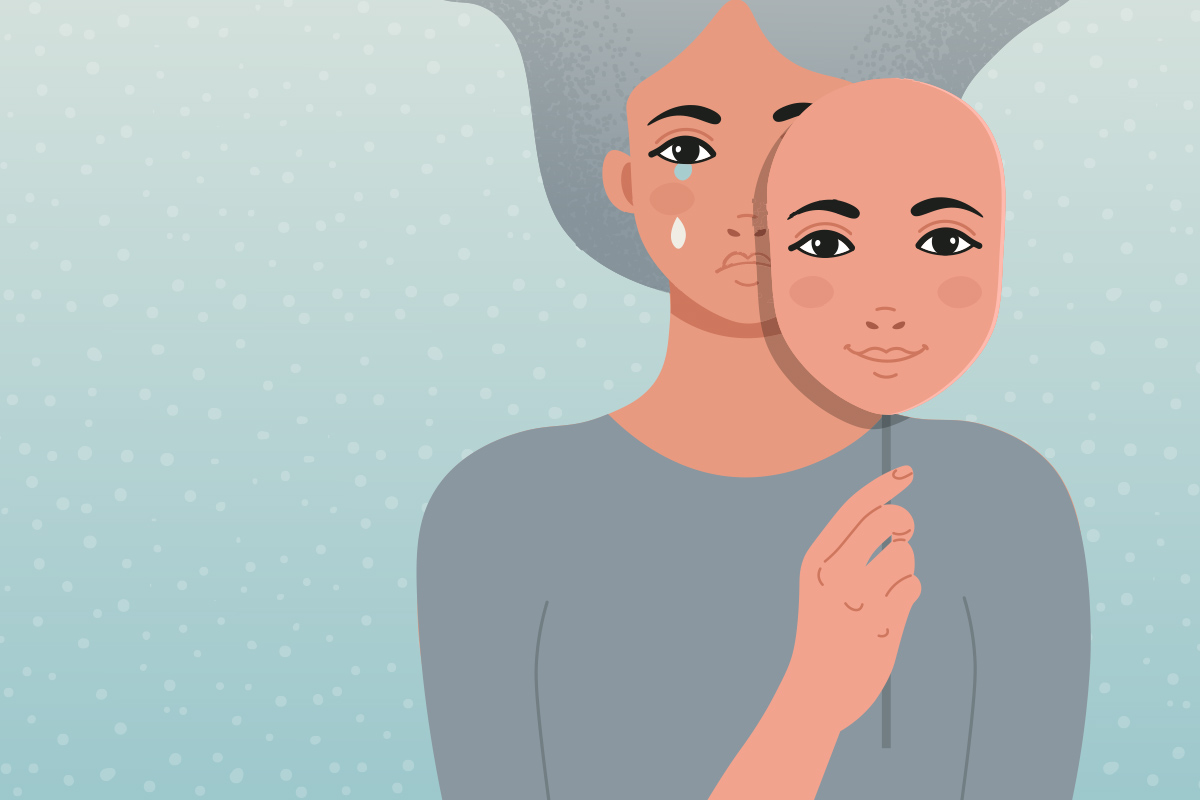
Depression affects both men and women, and it’s not just a bad case of sadness. It doesn’t always have a reason and isn’t gender, age, or lifestyle exclusive; it happens to everyone.  

Our focus is on depression today because of its prevalence. We hope that all readers can benefit from today’s article but would also like to note that this issue is more present among women than it is among men. This is likely due to certain biological, hormonal, and social factors that are unique to women.1 It’s an appropriate time to bring the discussion to the table and to offer up some helpful information. 

Is Depression Normal?

No. Depression is not just a part of life or something you have to live with. It’s a medical condition with many models of treatment. Yes, depression is common, but it’s also serious. It’s important to remember that sadness and grief are normal and healthy parts of the human experience. Only your healthcare provider can help you determine whether your symptoms indicate depression, but if you would like to reference a description of potential symptoms, you can find one here 

Will it Go Away on Its Own?

Depression typically requires treatment, either in the form of therapy (which isn’t scary or something to be ashamed of by the way), medication, or sometimes a combination of both. A statement from an article by the National Institute of Mental Health deserves to be reiterated here:You can’t just ‘snap out’ of depression. Well-meaning friends or family members may try to tell someone with depression to “snap out of it,” [or to] “just be positive,” but depression is not a sign of a person’s weakness or a character flaw.” Often, the reason a person is depressed stems from something that’s out of their control (like a biological, psychological, or environmental factor)1. 

Why Do Women Experience Depression More Than Men?

The Mayo Clinic offers a nice breakdown of the various elements that make depression more commonplace among women. It demonstrates exactly what it means to have biological, psychological, and environmental factors in play. We will briefly describe them here, but if you would like to read about them in greater detail, you can read the Mayo Clinic’s article on Depression in Women.

Puberty

Certain factors that emerge during puberty, like sexuality and identity issues, conflicts with parents, and increasing pressure to achieve in various areas of life, contribute to the emergence of depression. These factors apply to boys as well, but because girls typically reach puberty earlier, they are likely to develop depression earlier; this depression gender gap may continue throughout life.2 

Premenstrual Problems

Most of the time, premenstrual syndrome (PMS) symptoms are minor and short-lived. Some women, however, experience severe symptoms that are significantly disruptive to their lives. This increased severity turns PMS into a type of depression that generally requires treatment.2 

Pregnancy

Dramatic hormonal changes during pregnancy or during attempts to become pregnant can contribute to depression. There are also many other lifestyle, relationship, work, and social factors associated with pregnancy that play a role.2

Post-Partum Depression

Many new moms experience sadness, anger, and irritability after giving birth, but serious and long-lasting depressive symptoms may point to post-partum depression. This occurs in about 10-15% of women.2 

Peri-Menopause and Menopause

The erratic fluctuation of hormone levels can increase the risk of developing depression. Other factors like poor sleep and weight gain also play a part.2

Life Circumstances and Cultural Stressors

Unequal power and status, work overload, and sexual or physical abuse, also contribute to depression in women. These factors occur in men too, but usually at a lower rate.2 

What to Do if You or Someone You Know is Exhibiting Signs of Depression

For the person experiencing depression, the most difficult part of treatment is recognizing the need for it and seeking help. A good first step is to talk to your doctor. They can help assess your symptoms and point you in the right direction. 

If you would like to help someone who is struggling with depression, the best thing you can do is to be present. Show your support by listening and asking how you can help. Sometimes the preferred help is simply that you sit with them for a while. Avoid giving unsolicited advice, minimizing the problem, or trying to “fix” how the person is feeling.  

Depression is not to be taken lightly, and the risk of suicide is very real. If you believe your loved one is at risk for suicide, do not leave them alone. In the U.S., call 911 or the National Suicide Hotline at 1 (800) 273 – 8255. The new 3-digit national crisis hotline (988) is not yet active. In Canada, call the Canada Suicide Prevention Service at 1 (833) 456 – 4566. For anywhere else in the world, visit the International Association for Suicide Prevention to find resources and helplines for wherever you are. 

For more articles like this one, read our article on the Elimination of Violence Against Women. To stay in-the-know on important health and nutrition topics, subscribe to our newsletter to receive monthly highlights from the Living Healthy Blog! 

Sources  

  1. “Depression in Women: 5 Things You Should Know.” National Institute of Mental Health, U.S. Department of Health and Human Services, https://www.nimh.nih.gov/health/publications/depression-in-women/index.shtml  
  2. “Women’s Increased Risk of Depression.” Mayo Clinic, Mayo Foundation for Medical Education and Research, 29 Jan. 2019, https://www.mayoclinic.org/diseases-conditions/depression/in-depth/depression/art-20047725  

Eggs and Cholesterol: How Much is Too Much? | QA

Eggs and Cholesterol: How Much is Too Much? | QA

Question:

How many egg yolks are allowed per week when trying to lower my LDL cholesterol?

– Theresa D. 

Based on my friend’s advice, I’m eating one boiled egg at each meal, that’s three times a day for me. But now I fear about the effects on cholesterol. So far, I’m good. But what is your advice about eating three eggs each day, every day. I do work out on the treadmill for 30 minutes and weight lift for 30 minutes every day. Regards,

– Abdu K. 

Answer:

Egg consumption in relation to high cholesterol levels was a much debated topic 30 years ago, but confusion still remains. On the whole, eggs are healthy – they contain many nutrients and are good sources of vitamins A and D. One egg yolk contains 5 grams of fat, including 1.5 grams of saturated fat, and approximately 186 mg of cholesterol. Though eggs are high in cholesterol, it’s the saturated fat that has greater impact on your blood cholesterol.  

Eating foods that contain saturated fats raises the level of cholesterol in your blood.” – American Heart Association 

Prominent dietary sources of saturated fat are bacon, sausage, meat, eggs, butter, cheese and processed foods containing palm, palm kernel and coconut oils. It’s often how eggs are prepared (in butter) or served (with bacon, sausage, cheese, muffins, or scones) that’s the culprit in affecting dietary cholesterol. 

Most people can eat an egg daily without increasing their risk for heart disease. If you have diabetes, are at high risk for heart disease, or already have heart disease then it’s wise to limit egg consumption to no more than three per week. Remember that only the yolk contains the egg’s saturated fat, so these guidelines refer to whole eggs, not egg whites or egg substitute. 

Sources: 

  1. American Heart Association (n.d.) “Saturated Fat” https://www.heart.org/en/healthy-living/healthy-eating/eat-smart/fats/saturated-fats  Accessed 2.7.2020 
  2. Komaroff, Anthony, MD. (2019, June 24) “Are Eggs Risky for Heart Health?” Harvard Health Letter.  https://www.health.harvard.edu/heart-health/are-eggs-risky-for-heart-health  Accessed 2.7.2020 
  3. Lopez-Jimenez, Francisco, MD. (2020, Jan. 9) “Eggs: Are They Good or Bad for My Cholesterol?” Mayo Clinic. https://www.mayoclinic.org/diseases-conditions/high-blood-cholesterol/expert-answers/cholesterol/faq-20058468  Accessed 2.7.2020 
  4. Vannice, G and Rasmussen, H. (2014, Jan.) Position of the Academy of Nutrition and Dietetics: Dietary Fatty Acids for Healthy Adults. Journal of the Academy of Nutrition and Dietetics, 114(1): 136-153. Doi: https://doi.org/10.1016/j.jand.2013.11.001 

– Debbie J., MS, RD

This article should not replace any exercise program or restrictions, any dietary supplements or restrictions, or any other medical recommendations from your primary care physician. Before starting any exercise program or diet, make sure it is approved by your doctor.

Some questions have been edited for length and/or clarity.

Ask our Dietitian

Have a nutrition question? Our registered dietitian is ready to help!

Email nutrition@lafitness.com or submit your question below and it may be featured in an upcoming article!

15 + 11 =


Recommended Reading - Q+A

10 Ways to Take Advantage of the Increasing Daylight

10 Ways to Take Advantage of the Increasing Daylight

Spring is rapidly approaching and, with it, those longer days of sunshine! With the exception of Hawaii, a large majority of Arizona, and a handful of U.S. territories like Puerto Rico and Guam, the clock will shift forward by one hour this Sunday, March 8th 

With more daylight, you can do a lot more with your evening hours. To enjoy that benefit, you’ll have to exchange your crisp blue morning for a darker one. Here are some tips for how to adjust to the darker morning, and how to make the most of your longer evening. 

Your Sleep Schedule

Your sleep schedule is getting thrown off again, when it seems you’ve only just gotten used to the new routine. Your circadian rhythm regulates your alertness or sleepiness, and it accomplishes this by assessing the light levels in your environment. Because your mornings will now be darker, you may notice greater difficulty with waking up. You might also have more trouble getting sleepy as your usual bedtime approaches because it won’t get dark until later.  

Turn on some lights when your alarm goes off in the morning to help you feel more awake and be mindful of the time in the evening so you can give yourself time to wind down before bed. 

Take Advantage of the Extra Evening Light 

The best thing about extra light in the evening, is that you can actually tackle your to-do list. With the extra daylight, these items no longer have to wait for the weekend. 

  1. Clean Out the Rain Gutters: If you have your own house, you’ve probably needed to clean these out at some point. You probably also know how dangerous it can be to do this job while it’s dark. Use your judgment to determine whether it’s best do this before or after the April showers.
  2. Do Some Gardening: Unless you really love nighttime critters, it’s a good idea to do your gardening in the daytime. You’ll have a better sense of the bigger picture you’re creating and also better gauge color and plant sizes.   
  3. Food Prep: Sometimes we just can’t get to this on the weekends. A little extra daylight can help give you that boost of energy you need to tackle this one on a weeknight! 
  4. Laundry: Mid-week laundry sessions can help you make up for the times you’ve let things pile up. Just like with food prep, the extra light can keep you energized during this monotonous chore.  
  5. Get Dusting: Natural light can help you see where the dust has been collecting. Take the opportunity to wipe off dusty surfaces and sweep or mop the floors. With allergy season looming, you’ll be glad you did! 

Add More Fresh Air to Your Week 

Your to-do list isn’t the only thing that can benefit from extra daylight. You can finally enjoy the outdoors again as the weather warms. Here are some ways to add a little more fresh air to your week. 

  1. Go for a Jog, a Walk, or a Cycling Session: Not only is it safer to do this in daylight, it’s also a perfect time for evening exercise. Once summer weather arrives, the day’s heat can make evening workouts far less enjoyable. If you’re accustomed to early morning exercise, make sure you wear bright, reflective clothing because the darker morning will make you less visible. 
  2. Go Out to Watch the Sunset: After a long day, you’ll actually have time to make it out to a good spot to catch the sunset. Don’t waste that opportunity! 
  3. Enjoy Your Dinner Outside: If you live in a part of the country that’s already serving up picnic weather, take your dinner outdoors and banish those wintertime blues. 
  4. Build Something: It’s not fun when you’re sanding, painting, or staining your project in artificial light and later realize it looks nothing like what you expected. Use your precious daylight to work on projects that need a bit of extra care.  
  5. Pause for Playtime: Take your pet to the park or give them some much deserved love and attention at home! Or, enjoy some time with friends or family that isn’t focused on homework or chores. 

How will you use your extra daylight? Share your thoughts in the comments below! Stay in-the-know on trending health and nutrition topics and subscribe to our newsletter to receive monthly highlights from the Living Healthy Blog! 

Calculating Macros on a Plant-Based Diet | QA

Calculating Macros on a Plant-Based Diet | QA

Question:

Hi my name is Alex, I am a 22yearold male, about 5’5 in height, and I weigh about 123 pounds. I recently have changed my diet from regular eating to plantbased food which seems to give me more energy and better sleep. I was curious about how many macronutrients I should be getting and how many calories I should eat. I work out about 5-6 times a week, do cardio first for about 20-30 minutes, and then do about 45-60 minutes of intense cardio and weightlifting.   

Thank you, 

– Alex 

Answer:

Using a predictive energy calculation* it seems your total energy expenditure (TEE) falls in the range of 2600-2800 calories per day based on resting energy need + physical activity where the PA factor is 1.27 for active men. To determine macronutrient amounts, you could allocate 50-60% of energy to carbohydrates, 15-20% to protein and the remaining 20-35% to fat given your exercise level and reliance on plant foods. From 2700 calories and the midpoint of each macro range, this would calculate to about 370 gm Carb., 122 gm Prot., and 81 gm Fat daily. 

Your macronutrient needs and goals shouldn’t really change much based on the source of your food. However, switching to eating all plants (strictly vegan) may mean getting fewer micronutrients if not done properly. So amping up your consumption of iron, zinc, magnesium and calcium may necessitate an adjustment in diet to increase plant sources of those minerals. Please see the Institute of Medicine’s Dietary Reference Intake tables of vitamins and minerals for your micronutrient intake targets. 

*TEE for men = 864 − 9.72 × age (years) + PA × [(14.2 x weight (kg) + 503 × height (meters)] 

Equation source: 

Gerrior S, Juan W, Basiotis P. An easy approach to calculating estimated energy requirements. Prev Chronic Dis [serial online] 2006 Oct [date cited]. Available from: http://www.cdc.gov/pcd/issues/2006/ 
oct/06_0034.htm
. Accessed 1.24.2020 

– Debbie J., MS, RD

This article should not replace any exercise program or restrictions, any dietary supplements or restrictions, or any other medical recommendations from your primary care physician. Before starting any exercise program or diet, make sure it is approved by your doctor.

Some questions have been edited for length and/or clarity.

Ask our Dietitian

Have a nutrition question? Our registered dietitian is ready to help!

Email nutrition@lafitness.com or submit your question below and it may be featured in an upcoming article!

5 + 2 =


Recommended Reading - Q+A

I’m Not Seeing Progress! What Am I Doing Wrong?

I’m Not Seeing Progress! What Am I Doing Wrong?

When You’re Stuck in Your Weight Loss or Stuck in Your Muscle Gain

Whether you’re hitting a plateau after weeks of steady progress, or you’ve been working hard from day one and have hardly seen a dent of change, something is happening when your body is seemingly stuck.

Is it something you’re doing wrong? Has your body simply adjusted to your routine? Let’s break down some of the reasons why your weight loss or muscle gain progress has hit a standstill. 

Weight Loss Plateau

1. You’re Gaining Muscle 

It’s possible that the scale isn’t moving because your body composition is changing. You may still be losing fat, but the scale may not be reflecting it because you’re gaining muscle at the same time. Author of our Body Composition article, Deanna Mercurio, explains that a more accurate way to track your progress is not with the scale but with body measurements and pictures. 

2. You’re Consuming Too Many Calories 

If you haven’t felt the need to track your calories, it might be a good time to start. Too many calories could be the culprit behind your plateau. Your body is smart, and it knows you’ve been depleting those precious fat stores. A study on weight gain found that the body’s internal protection against starvation encourages eating just so you will regain lost weight! Keeping track of what you’ve eaten can help you outsmart this natural response to weight loss. 

3. You’re Eating Too Many Processed Foods 

You might be hitting the right calorie count but turning a blind eye to the nutritional content of your food. Your body needs a variety of macro- and micro-nutrients to keep functioning at its best. Our dietitian recommends that you focus on real, whole foods and that you avoid processed food products.1  

4. Your Sugar Intake is Too High 

Sugar is the enemy in the battle with weight loss, partly because it’s easy to consume too much. The World Health Organization recommends that sugars comprise no more than 10% of your daily calories; that’s about 50 grams per day.2 A single beverage can easily contain more than that. Yes, that also means cutting back on healthier beverages like fruit juice. Our dietitian also warns against seemingly healthy smoothies that contain sherbet or fruit syrups. Those sweet additions, she explains, contain refined sugars that are easily absorbed and metabolized into fat.3 

5. Your Metabolism Has Adapted 

Switching things up can help kickstart your weight loss again. Again, we’ll lean on our dietitian’s recommendation. To switch things up, she suggests adding to or intensifying your existing fitness routine with weight training/resistance, cardio, or HIIT workouts, while adding some nutritious calories to those workout days. Those calories can take the form of vegetables, legumes, and pre-workout shakes or recovery drinks.4  

Muscle Gain Plateau 

1. You’re Not Eating Enough 

As you gain muscle, your energy needs change as well. You’ll need more nutritious calories (from lean proteins, vegetables, whole grains and healthy plant fats)5 and more protein than the average person because your body needs them to repair and build the muscles you’re working. Read our Protein article to learn how to calculate what your body needs (based on your weight and activity level) to help you bulk. 

2. Your Muscles Have Adapted 

Just like your metabolism, your muscles can adapt to your routine. This is why workout routines should be anything but “routine.” You’ll need to do things differently to break your body out of its comfort zone. Remember when you first started a certain type of workout and you really had to push yourself through your sets? If you no longer feel challenged by your workout, your body has adjusted. Try increasing your working weight or incorporating some more intense training, like drop sets, to get your muscles back into build-mode. Sticking to the same routine may help you maintain muscle, but progressive overload is crucial to building muscle. 

3. You’re Not Drinking Enough Water 

When your body doesn’t have enough water, your muscles must compete with other organs that are also demanding it. As you lose water through sweat, your blood volume is reduced. This slows oxygen delivery to and carbon dioxide removal from your muscle tissue.6 Essentially, you won’t be able to work as hard during training if you’re not giving your body enough water to cope with the physical exertion. It’s important to hydrate before, during, and after exercise.5 

4. You’re Inconsistent 

As we mentioned earlier, progressive overload and variety in your workout is very important to building muscle. Now you have to make sure you’re consistent about how you train. Your body needs to know that this type of exertion isn’t a once-in-a-while thing; that your muscles need to do this job often! Consistency, paired with progressive overload, prompts your body to build muscle because the physical tasks your body is being asked to do are not going away and they’re getting more difficult. 

5. You’re Doing Too Much Cardio 

The right amount of cardio can help you build muscle. Too much can do the opposite. Go back to the first item on this list for a second. To build muscle, you need to eat more calories! Regular cardio can help you consume those extra calories without gaining a lot of fat.7 Cardio also increases your blood flow, which if you remember for item 3, is important for oxygen delivery to and waste removal from your muscle tissue. The increased blood flow also helps deliver fresh nutrients (which your muscles obviously need for recovery and growth)7 

Too much intense cardio, on the other hand, can pull resources away from your muscle tissue. Now instead of those resources going towards building muscle, they’re fueling your cardio. If you’re trying to bulk, keep your cardio at low intensity and low volume.8  

Let us know in the comments below if you’ve learned something new! Will you be adjusting your workout or nutrition regimen? Stay in-the-know on trending health and nutrition topics and subscribe to our newsletter to receive monthly highlights from the Living Healthy Blog! 

Sources  

  1. James, Debbie. “How to Handle a Weight Loss Plateau: QA.” Living Healthy, 25 Jan. 2020, http://bloglafitness.azurewebsites.net/2019/09/19/how-to-handle-a-weight-loss-plateau/ 
  2. “Daily Sugar Intake – How Many Grams of Sugar a Day?” Food Pyramid, http://www.foodpyramid.com/daily-sugar-intake/ 
  3. James, Debbie. “My Weight Loss Has Plateaued… Any Advice?” Living Healthy, 20 Apr. 2018, http://bloglafitness.azurewebsites.net/2018/03/29/weight-loss-plateaued-advice/ 
  4. James, Debbie. “What to Do When Weight Loss Stalls: QA.” Living Healthy, 25 Jan. 2020, http://bloglafitness.azurewebsites.net/2020/01/28/what-to-do-when-weight-loss-stalls/ 
  5. James, Debbie. “How Much Protein Should I Be Eating?: QA.” Living Healthy, 25 Jan. 2020, http://bloglafitness.azurewebsites.net/2020/01/09/how-much-protein-should-i-be-eating/  
  6. Muñoz, Colleen X., and Evan C. Johnson. “Hydration for Athletic Performance.” Nutrition and Enhanced Sports Performance (Second Edition), Academic Press, 12 Oct. 2018, https://www.sciencedirect.com/science/article/pii/B978012813922600045X 
  7. Hitchcock, Heather. “How Much Cardio Should I Do When Bulking?” LIVESTRONG.COM, Leaf Group, 2 Sept. 2019, https://www.livestrong.com/article/437460-how-much-cardio-should-i-do-when-bulking/  
  8. Hartman, Bill. “Will Cardio Keep Me from Gaining Muscle?” Men’s Health, Men’s Health, 25 May 2018, https://www.menshealth.com/fitness/a19540296/will-cardio-keep-me-from-gaining-muscle/