Do You Have Osteoarthritis? | Q+A

Do You Have Osteoarthritis? | Q+A

Question:

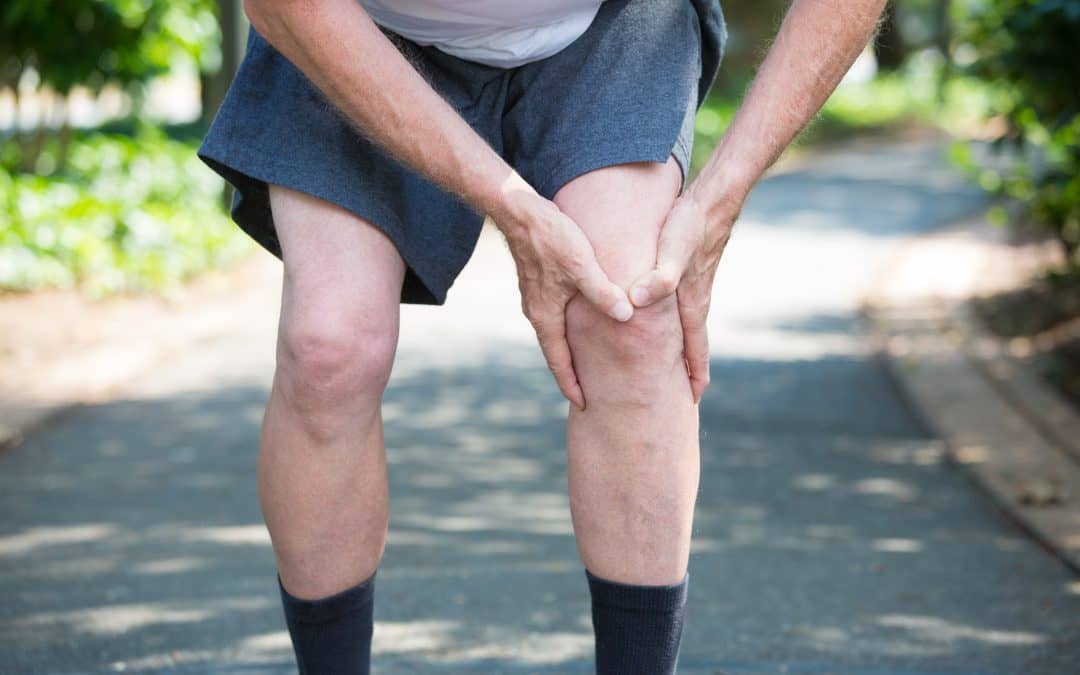
My friend suggested that I avoid all the sugary foods for 3 months to heal my osteoarthritis knee. It has been over 5 months and still slightly swell and painful. Can you list everyday sugary foods? Are apples, bananas, oranges, watermelon and blueberries considered sugary foods?

– Harold H.

Answer:

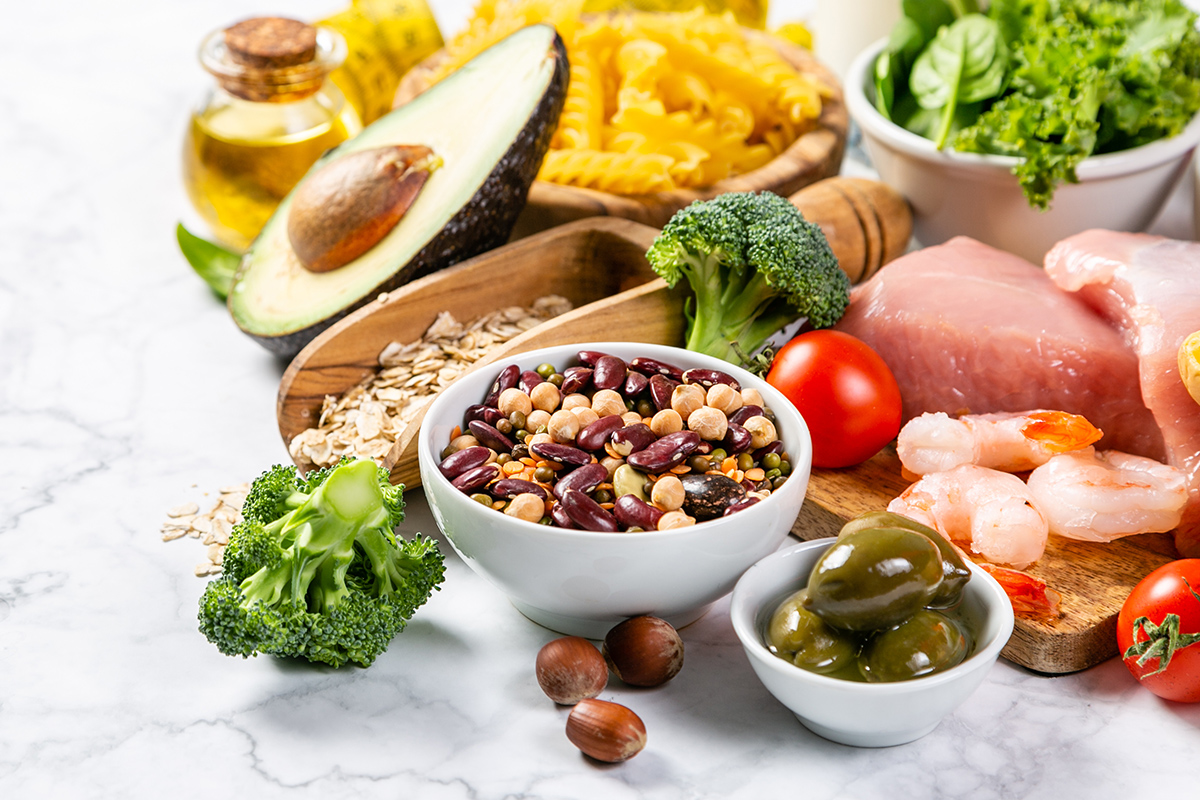
My clinical understanding is that osteoarthritis is not curable but symptoms are manageable. Since you’ve not had success, it seems you need another tactic. Though I agree with eliminating added sugar, you’ll want the antioxidants from fruits and vegetables to decrease inflammation*.

Is it true that I need to limit my fruit consumption because fruits are high in sugar and carbohydrates?

Sugary foods to avoid include regular sodas, lemonade, smoothies, most energy drinks, sweetened dried cranberries or shredded coconut, desserts, confections, sweetened yogurt, granola bars, breakfast bars, cereals with more than 5 grams sugar per serving, prepared coleslaw, French dressing, glazed ham, sauced meats (e.g. orange chicken), barbeque sauce, most pasta sauce and Chinese fast food.

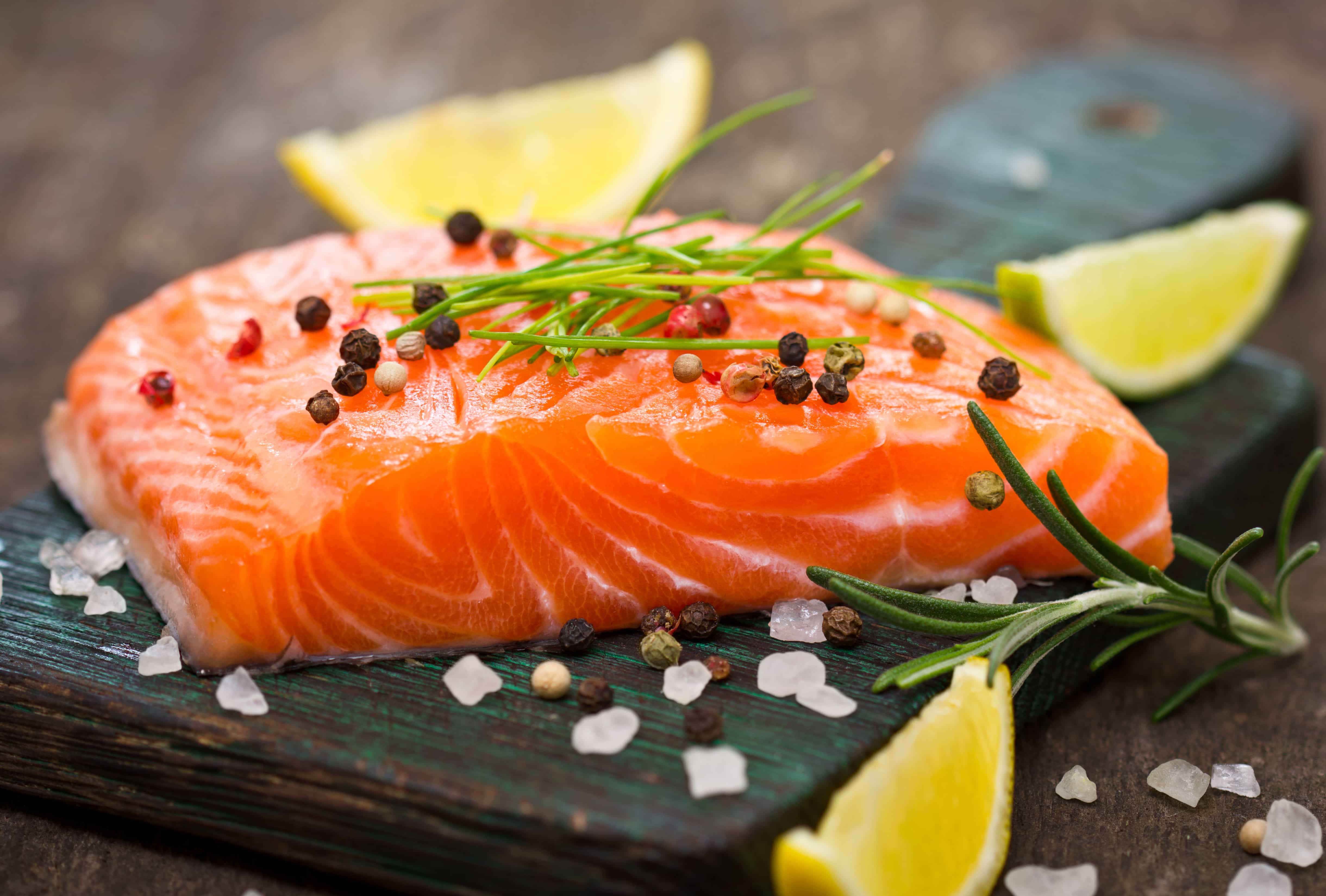
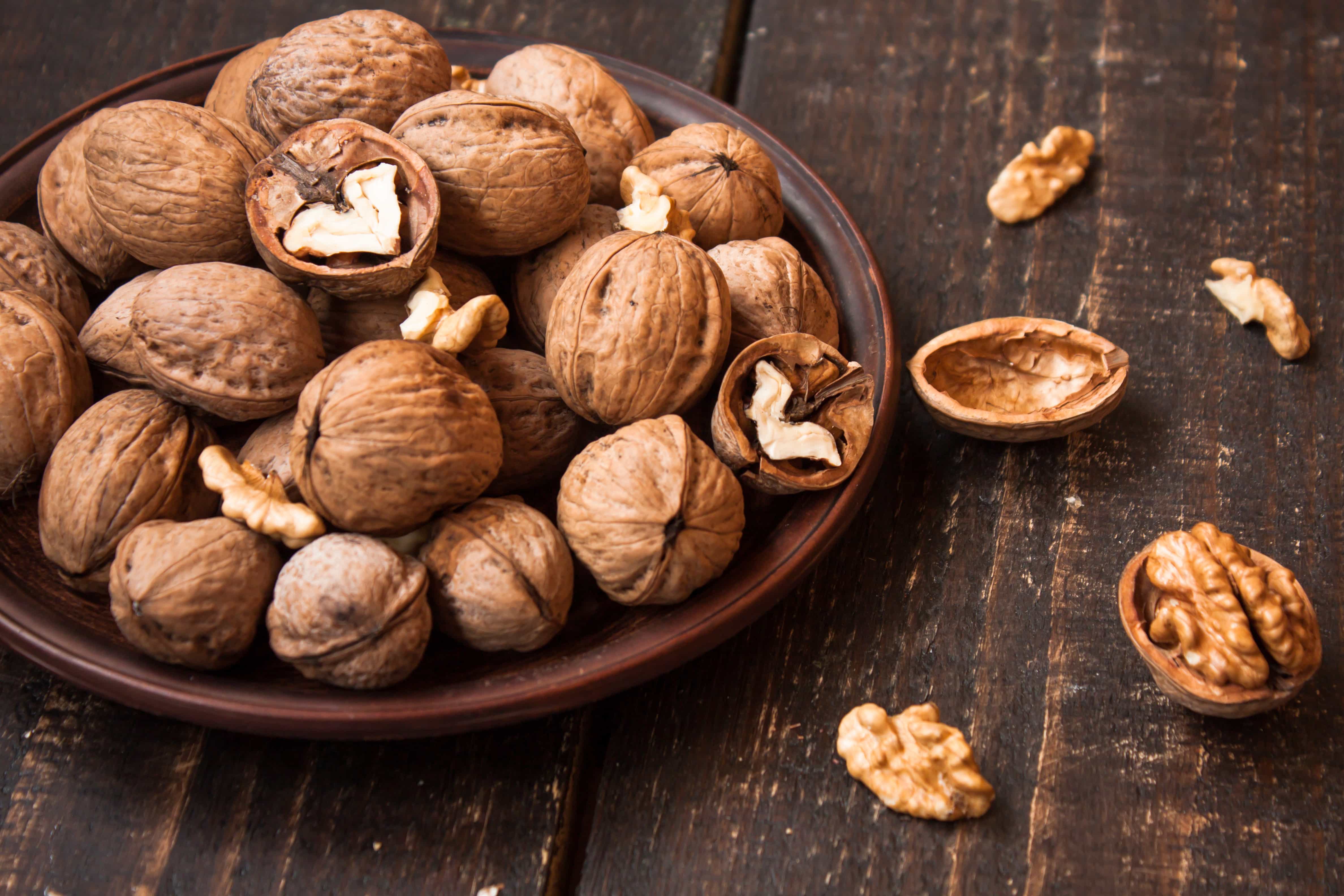
Other recommendations for osteoarthritis include getting daily ginger, turmeric, and omega-3 rich food – such as fatty fish (salmon), walnuts or flax seed. In addition to diet, supplements such as SAM-e, glucosamine w/ chondroitin, and capsaicin are promoted for reducing osteoarthritis pain.

– Debbie J., MS, RD
This article should not replace any exercise program or restrictions, any dietary supplements or restrictions, or any other medical recommendations from your primary care physician. Before starting any exercise program or diet, make sure it is approved by your doctor.

Some questions have been edited for length and/or clarity.

LA Fitness Living Healthy subscribe button

Want more? SUBSCRIBE to receive the latest Living Healthy articles right in your inbox!

Ask our Dietitian

Have a nutrition question? Our registered dietitian is ready to help!

Email nutrition@lafitness.com or submit your question below and it may be featured in an upcoming article!

10 + 3 =

Recommended Reading

Carbs: The Good, The Bad, and The Ugly

Carbs: The Good, The Bad, and The Ugly

An Unrequited Love Story

Shakespeare may have once famously written, ”For never was a story of more woe than this of Juliet and her Romeo.” Clearly,he never knew of the tragic love story between carbs and the waistline.

Carbohydrates. What are they? Why are they so delicious? And why do they get a bad rap?

Let’s break it down. A carbohydrate is defined as “any large group of organic compounds occurring in foods and living tissues and including sugars, starch, and cellulose.”1 An easier way to explain this is that “carbohydrates are the sugars, starches and fibers found in fruits, grains, vegetables and milk products.”2  

These compounds can be grouped into two different categories: simple and complex. 

Simple Carbohydrates (a.k.a. The “Bad” Carbohydrates)

Simple carbohydrates, also known as refined carbs, can be found naturally in milk products, fruits and vegetables. However, they are also found in foods containing processed and refined sugars such as soft drinks, baked goods, and cereal. The latter is what gives carbs a bad reputation, as those type of foods can be unhealthy for your body and lead to disease if too many are consumed. This is because refined and processed sugars are considered “empty calories”, meaning they do not have vitamins, minerals or fiber, which can lead to weight gain.3

Complex Carbohydrates (a.k.a. The “Good” Carbohydrates) 

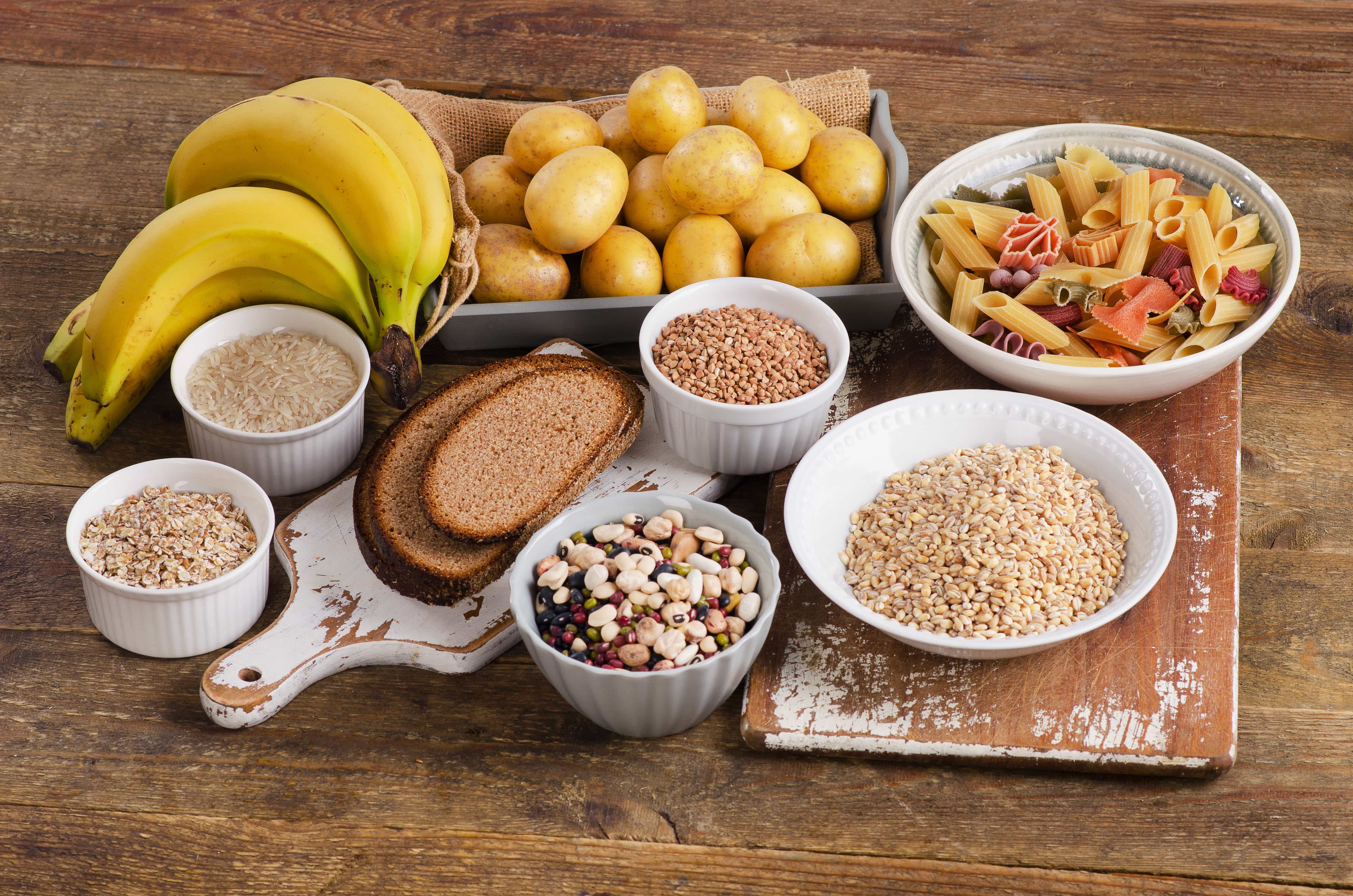
Complex carbohydrates, also known as polysaccharides, are known to digest slower than simple carbs and are packed full of nutrients for your body. That makes these foods more filling, which helps aid in weight control.4 It also helps in providing the body more energy over longer periods of time.5 A few examples of complex carbohydrates are broccoli, grains, and beans.

If you’re still unsure what makes certain carbs “good” versus “bad”, some helpful distinctions are as follows:6

Bad carbs are: 

  • High in calorie density
  • Full of refined sugars, like corn syrup, white sugar, honey and fruit juices
  • High in refined grains like white flour
  • Low in many nutrients
  • Low in fiber
  • High (often very high) in sodium
  • Sometimes high in saturated fat
  • Sometimes high in cholesterol and trans fats

Good carbs are:

  • Low or moderate in calorie density
  • High in nutrients
  • Devoid of refined sugars and refined grains
  • High in naturally occurring fiber
  • Low in sodium
  • Low in saturated fat
  • Very low (often zero) cholesterol, and no trans fats

The Benefits of Carbs on the Body

While not all carbs are created equal, our bodies do need them to function. In fact, the right type of carbs can help benefit our bodies in multiple ways.

1. Heart Health

Carbohydrates high in fiber help lower LDL-cholesterol (low-density lipoprotein) levels7, which  can contribute to a plaque-like deposit that clogs arteries and makes them less flexible.

2. Weight Loss

Again, the right type of carbohydrates can help with weight loss due to fiber. Dietary fiber helps the body feel full8. Therefore, you’re less likely to over eat.

3. Mental Health 

This is tricky because there have been studies showing both positive and negative effects of carbohydrates on the brain. It’s not exactly about carbs in general, but the type of carbs you’re consuming – do you see a trend here? Stick with complex carbohydrates over simple.

The Takeaway 

The important thing to keep in mind is that there are three different types of carbohydrates: starch, sugar and fiber. Furthermore, carbohydrates can be broken down into two categories known as simple and complex. Depending on your own unique body composition and health history, it may be best to consult your doctor before deciding what changes to make in your diet.

Interested in finding out more about carbohydrates and their effect on the body? Check out some other Living Healthy articles on the topic below!

When Cutting Carbs Becomes Extreme | Q+A

‘Healthy’ Carbohydrates for Weight Loss – fact or fiction?

Low Carb Food Choices | Q+A

No Carb Diet? Think Twice, You Need Carbohydrates to Survive!

Is it true that I need to limit my fruit consumption because fruits are high in sugar and carbohydrates?

Sources:

  1. https://en.oxforddictionaries.com/definition/carbohydrate
  2. Szalay, Jessie. “What Are Carbohydrates?” LiveScience. Purch, 25 Aug. 2015. Web. 21 June 2017.
  3. Ibid
  4. Cherney, Kristeen. “Simple Carbohydrates vs. Complex Carbohydrates.” Healthline. Healthline Media, 30 Mar. 2015. Web. 21 June 2017.
  5. Rodriguez, Diana. “Good vs. Bad Carbohydrates.” EverydayHealth.com. Everyday Health, 07 June 2017. Web. 21 June 2017.
  6. Killoran, Eugenia. “Good Carbs vs. Bad Carbs – What Are You Eating?” Pritikin.com. Web. 2017.
  7. Szalay, Jessie. “What Are Carbohydrates?” LiveScience. Purch, 25 Aug. 2015. Web. 21 June 2017.
  8. Ibid

Recommended Reading

How to Lose Fat as a Vegan | Q+A

How to Lose Fat as a Vegan | Q+A

Question:

I’d like to shed about 8 to 10 pounds of fat quickly. I’m about 5’9, 179lbs., 43 years old. I was told if I work out 3-5 times per week and eliminate all carbs and sugar for a month I should be okay. I’m vegan, so I’m guessing I should just eat vegetables, nuts and protein supplement?

– Antonio T.

Answer:

To have energy for your workouts, it may not be the best plan to forgo all carbs. Plus, so many vegan foods do have carbohydrates. Your estimated energy needs for losing 2 pounds per week quickly are about 1500-1800 calories daily with your current level of exercise. Dividing that up, you should eat 400-500 calories per meal x3 and 150 calories per snack x 2. Here are some possible meal and snack combinations for more variety than just veggies and nuts…

Breakfast options:

  • pecans, blueberries, veggie sausage patty and unsweetened soymilk
  • potatoes O’Brien and low sugar vegan yogurt

Lunch ideas:

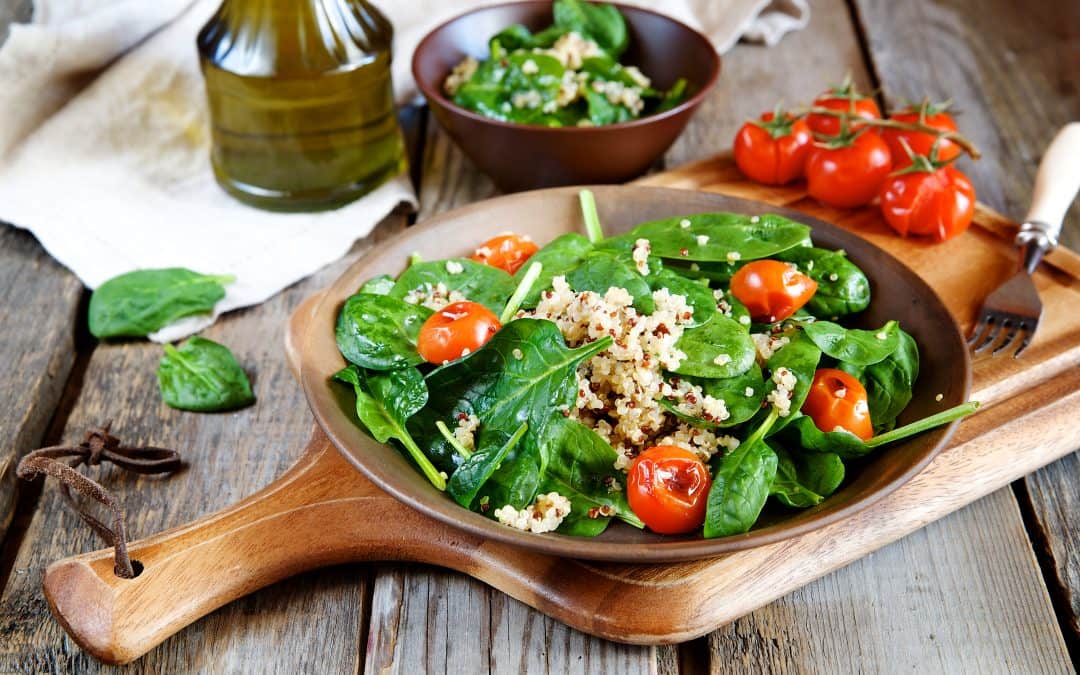
  • spinach salad with pine nuts, cherry tomatoes, red onion, olives (couscous opt.)
  • mushroom burger patty, arugula, sundried tomato, avocado (sandwich thins opt.)

Sample dinners:

  • pinto or black beans with sautéed peppers and onions, salsa (fresh corn opt.)
  • butter beans with asparagus, roma tomato, basil and garlic (orzo opt.)

Snack suggestions:

  • hummus with carrot and celery
  • small apple with peanut or almond butter
  • pea protein shake

– Debbie J., MS, RD

This article should not replace any exercise program or restrictions, any dietary supplements or restrictions, or any other medical recommendations from your primary care physician. Before starting any exercise program or diet, make sure it is approved by your doctor.

Some questions have been edited for length and/or clarity.

LA Fitness Living Healthy subscribe button

Want more? SUBSCRIBE to receive the latest Living Healthy articles right in your inbox!

Ask our Dietitian

Have a nutrition question? Our registered dietitian is ready to help!

Email nutrition@lafitness.com or submit your question below and it may be featured in an upcoming article!

2 + 5 =

Recommended Reading

Is Running Negatively Affecting Your Knees?

Is Running Negatively Affecting Your Knees?

Fun runs, 5ks, half marathons, and full marathons usually spark either excitement or dread into the hearts of those who love running or those who despise it. Whether you’re a seasoned runner, or you enjoy quick 30 minute jogs on the treadmill, the warning that running can be harmful or your knees is something most everyone has heard.

A Closer Look at Running Assumptions

1. Does running cause osteoporosis?

Osteoporosis occurs when your bones becomes brittle and frail, due to loss of tissue. While  some have argued that running increases the risk of developing osteoporosis further down the  line, it is not entirely true.  Many other outside factors like genetics, weight, diet & previous  injuries may all have an effect, and play into whether or not a runner will develop the disease.1

2. Is running unhealthy for pregnant women?

Not necessarily and here’s why: running “can help ease delivery and encourage the flow of blood, oxygen and nutrients to the developing fetus.”2 Most women can walk, jog, and run up until the third trimester; some can even run through it.3 However, since everyone’s body type is different, always consult your doctor before engaging in a new fitness routine, especially if you are pregnant.

3. Does running cause joint inflammation?

According to a study done by co-author Matt Seeley, an associate professor of exercise at  Brigham Young University, in Provo, Utah, he and fellow BYU colleagues, as well as Dr. Eric   Robinson of Intermountain Healthcare, measured the typical knee joint fluid found in selected  healthy men and women aged 18-35, both before running and after. They found that two  markers they were looking for,  two cytokines named GM-CSF and IL-15, actually decreased  in the subjects after 30 minutes of running.4 This study indicates that for young and healthy  individuals, running may help create an anti-inflammatory environment that may benefit joint health long-term. Of course, everyone’s body handles things differently. If you feel like running is  causing inflammation in your knees, speak with your physician.

Fun Fact!

Did you know? You don’t necessarily have to carb load before a race. Sorry to break the news to pasta lovers out there, but carb-loading really only helps if you’re running a half marathon or longer.5 This is because carbs are stored as glycogen in our muscles and liver, where they act as energy. Running a 5k or 10k will not cause your body to need the extra glycogen. For most of us, our bodies already have enough carbs stored up to get us through the smaller races.

!! Tips for Runners

  • Concrete can be hard on the knees, try running on asphalt or a rubberized running track. Softer surfaces can help absorb a bit of the impact.6 An indoor treadmill may help too.
  • If you want to decrease your chances of hurting yourself from running, add strength training to your routine to help build up your muscles.7
  • Don’t push your body too hard too soon. Make sure you allow yourself enough time to build up strength and endurance before increasing your speed or distance to prevent injuries that may be avoided.

Sources:

  1. Karp, Ph.D. Jason R. “Running Is Bad for Your Knees and Other Top Running Myths.” ACTIVE.com. N.p., 05 Feb. 2016. Web. 15 June 2017.
  2. Ibid
  3. Ibid
  4. Hollingshead, Todd. “Study: Running Actually Lowers Inflammation in Knee Joints.” Brigham Young University. N.p., 09 May 2017. Web. 15 June 2017.
  5. Karp, Ph.D. Jason R. “Running Is Bad for Your Knees and Other Top Running Myths.” ACTIVE.com. N.p., 05 Feb. 2016. Web. 15 June 2017.
  6. Strong, Debbie. “What 6 Joint Docs Say About Running.” EverydayHealth.com. Everyday Health, 28 May 2015. Web. 15 June 2017.
  7. Keprotica. “Strength Training For Runners: How To Do It Right.” Bodybuilding.com. N.p., 05 Apr. 2016. Web. 15 June 2017.

This article should not replace any exercise program or restrictions, any dietary supplements or restrictions, or any other medical recommendations from your primary care physician. Before starting any exercise program or diet, make sure it is approved by your doctor.


Recommended Reading

Natural Electrolyte Drinks | Q+A

Natural Electrolyte Drinks | Q+A

Question:

I am looking for a more natural electrolyte drink than Gatorade. Lately I have been squeezing lemon juice into a water bottle and mixing with water. Is there anything you suggest either adding to this drink or even a completely different drink you can suggest?

– Brian W.

Answer:

Hello Brian. Kudos on making your own drink. To mimic a prepared carbohydrate electrolyte solution, you’ll need a source of energy (sugar). I’d recommend adding one tablespoon of agave syrup per 16 fl. oz. of your drink. Alternatively, you can replace a half-cup of water with orange juice or coconut water*. To improve the electrolytes, I’d suggest adding a couple shakes of salt (sodium chloride). With the fruit juices you shouldn’t need to add more potassium. Taste and cost preference for ingredients is up to you.

You may find oral rehydration solution recipes online, but keep in mind that they are targeted at reversing dehydration (due to vomiting & diarrhea) instead of preventing it, as they are saltier and less sweet. During exercise, people tend to drink cooler, slightly sweet beverages.

10 Surprising Facts About Water and Staying Hydrated

*I don’t recommend 100% coconut water as a sports beverage. A recently released study1 indicated no benefit to coconut water over regular water for hydration or time trial performance for a small group of men, consistent with a previous similar study2 on rehydration following exercise:

  1. Coconut Water Does Not Improve Markers of Hydration During Sub-maximal Exercise and Performance in a Subsequent Time Trial Compared with Water Alone. Peart DJ, Hensby A, Shaw MP. International Journal of Sport Nutrition and Exercise Metabolism. 2017 Jun; 27(3):179-184.
  2. Comparison of coconut water and a carbohydrate-electrolyte sport drink on measures of hydration and physical performance in exercise-trained men. Kalman DS, Feldman S, Krieger DR, Bloomer RJ. Journal of the International Society of Sports Nutrition. 2012 Jan 18; 9(1):1.

– Debbie J., MS, RD

This article should not replace any exercise program or restrictions, any dietary supplements or restrictions, or any other medical recommendations from your primary care physician. Before starting any exercise program or diet, make sure it is approved by your doctor.

Some questions have been edited for length and/or clarity.

LA Fitness Living Healthy subscribe button

Want more? SUBSCRIBE to receive the latest Living Healthy articles right in your inbox!

Ask our Dietitian

Have a nutrition question? Our registered dietitian is ready to help!

Email nutrition@lafitness.com or submit your question below and it may be featured in an upcoming article!

4 + 7 =

Recommended Reading