What’s Up with Delayed Onset Muscle Soreness?
DOMS are a common result of physical strain put on the muscles and the microscopic tears, or damage, done to the muscle fibers. Here’s how to help prevent them.



While no one likes to be in pain, the slight aches are a good indication that your body is benefiting from the new workout routine. When your body adjusts to the exercise, you’ll experience less pain, but this may be a sign it’s time to switch to a new exercise routine in order to keep your muscles guessing and not getting used to doing the same movements. A shock to the system will help increase muscle awareness and help contribute to continued muscle growth.
Minor discomfort is considered normal, but if your aches and pains are preventing you from doing everyday tasks, this could be an indicator that you’ve strained a muscle too far. In that case, focus on another muscle group in order to give your sore muscles enough time to heal. A good way to help prevent muscle soreness (or at least minimize it) is to properly stretch after each workout session. Some articles on the benefits of stretching can be found here and here.
Additional ways to help the body recover from DOMS is ice, rest, pain medication, massage, heat, and of course, stretching.1 Some people may even benefit from a post-workout cooldown, which would be about 10 minutes of light cardio, followed by stretching. This works because “when muscle temperature is increased, blood flow increases, bringing fresh oxygen and healing nutrients to the injured site.”2 It’s also important that you switch up the muscle groups you’re targeting at the gym, in order to build overall muscle and avoid over trained muscles. This is where injury can occur.
What if you don’t experience soreness after a workout? Well, that doesn’t necessarily mean that you’re not working out hard enough. Different body types handle pain and exercise differently. It could just mean that you’re one of the lucky ones not experiencing as much inflammation as others might. Another way to help decrease DOMS is staying properly hydrated.3 Drinking enough water helps prevent dehydration and assists with circulation.

Sources:
DOMS are a common result of physical strain put on the muscles and the microscopic tears, or damage, done to the muscle fibers. Here’s how to help prevent them.

Welcome to the “everyman’s” way to train for everyday tasks. We dive into the world of functional fitness and offer suggestions of how you can train this way at the gym.
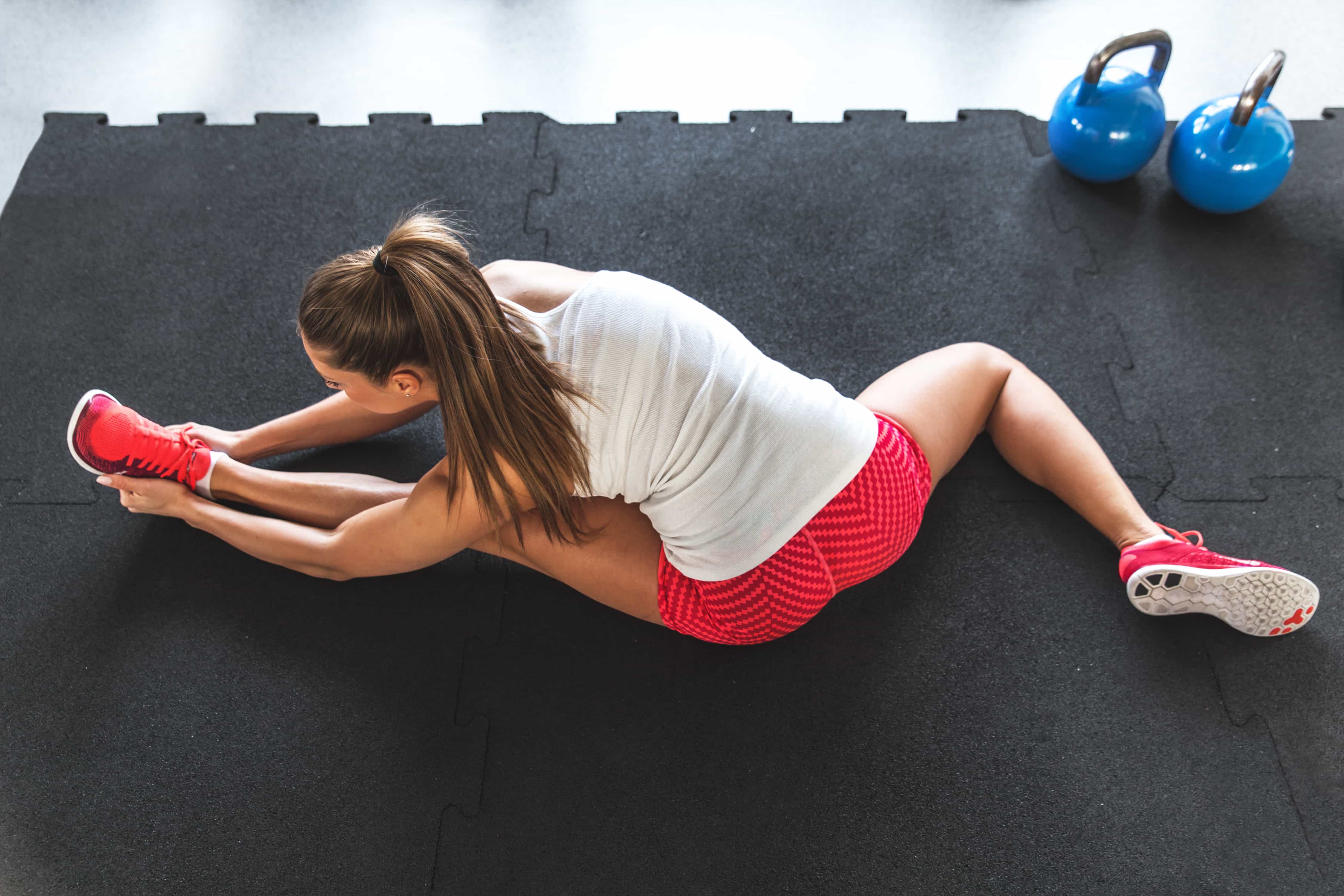
Fitness success and stretching go hand-in-hand. In order to help prevent muscle pulls and achy bodies, incorporate stretching into your routine.
What is Functional Fitness?
Cardio and strength training usually dominate fitness talk, but what about the often-overlooked concept of functional fitness? At its core, functional fitness is really about focusing on building your body so that it can better handle everyday tasks such as bending over to tie your shoes, playing catch with your dog, or chasing after your kids without the added exhaustion, aches or pains.

Real Life Samples
Let’s think about this from a practical standpoint. Our daily habits cause us to turn, twist, bend, climb and lean to get things done. We’re using our whole bodies, so why not focus on exercises that use multiple muscle groups? Isolated weight training is great, but it doesn’t always help prevent strained backs or pulled muscles.
Exercises like kettlebell squats are a great way to stimulate a real-life scenario – you’re bending down (squatting) using your lower body, and at the same time picking something up (great with the added weight of the kettlebell) using your upper body. Try forward lunges with a twist to help work the lower body, upper body and help stabilize the core. Bent over rows can also help with upper and lower body strength. Bosu balls can also help aid in stability training!
Think about which muscle groups are actively being engaged when performing your desired exercise. If it feels like a move that mirrors real life movements, most likely you’re engaging in functional fitness.

The Benefits
To put it simply – fewer aches and pains! Less strain on your body, less worries about not being able to perform day-to-day activities and more confidence in moving around with a stronger body. If this all sounds like what regular or “normal” exercise does to improve the body, you’re right… sort of.
Functional fitness focuses on movements, rather than muscles.1 In your ordinary day-to-day routine, chances are you’re not doing an activity that focuses on the same muscle repeatedly. Think of lifting a semi-heavy grocery bag, similar to a bicep curl. Sure, you may do this a few times, but realistically you’re not going to be standing in your kitchen doing biceps curls with your grocery bags.
Depending on age and activity level of your life, the functional fitness exercises you’ll want to focus on will vary. If you’re uncertain what’s right for you or where to begin with this type of training, reach out to a representative in the personal training department.
Another alternative is sending your fitness related question to us for a chance for it to be one of our featured ‘Ask A Trainer’ questions on our LA Fitness YouTube channel or Living Healthy blog!
A better life starts with a decision that you deserve more for yourself. LA Fitness is here to help, and functional fitness is a great way to begin your training for the everyday!
Sources:
DOMS are a common result of physical strain put on the muscles and the microscopic tears, or damage, done to the muscle fibers. Here’s how to help prevent them.
Welcome to the “everyman’s” way to train for everyday tasks. We dive into the world of functional fitness and offer suggestions of how you can train this way at the gym.
Fitness success and stretching go hand-in-hand. In order to help prevent muscle pulls and achy bodies, incorporate stretching into your routine.
There’s a lot of talk out there about the importance of exercise and maintaining a proper diet to develop good health and fitness – but what about stretching? It may seem like a simple concept, which is why it tends to be overlooked; however, stretching can play an important role in your body’s overall wellness and performance.
Dynamic stretching – This type of stretching involves a full range of motion to engage all your muscles.
Suggested: Pre-Workout
Some examples include:
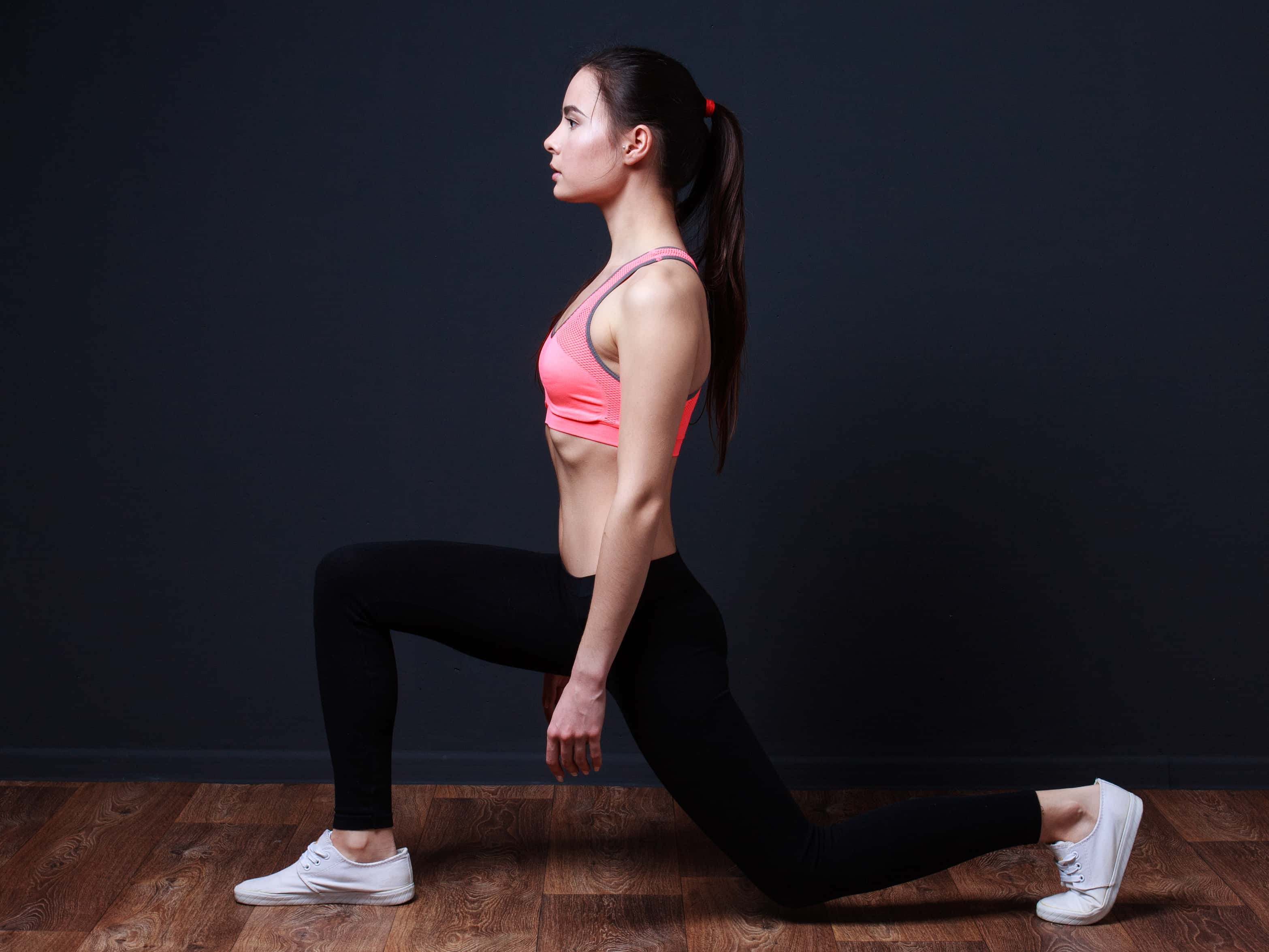
Static stretching – This type of stretching involves holding the muscle in a position to induce lengthening.
Suggested: Post-Workout
A few static stretches include:

It is suggested that dynamic stretching should be done before any workout or performance because it may help “increase muscle temperature and decrease muscle injury.”1 This specific type of stretching could help improve speed, agility and acceleration, and get the body where is needs to be before engaging in a workout. Granted, each person’s body is different, so if you find yourself questioning whether dynamic stretching before an athletic event is right for you, consult your physician.
Static stretching can be good for you post-workout because it can help “dull the nervous system,”2 calm the muscles down and give them a good cool-down. Plus, static stretching usually feels good! You may find yourself doing it midday, just to help loosen up tight muscles.
Stretching can help benefit the body in the following ways3:
Ballistic stretching has become a popular topic of conversation as a new form of stretching to add to your routine – but is it safe? While it remains popular among athletes, The American Academy of Orthopedic Surgeons advises against it for most people. Ballistic stretching consists of “bouncing movements to push your body beyond its normal range of motion.”5 It is not recommended because there is risk of straining or pulling a muscle. This type of stretching can also can damage the soft tissue around the joints, which could potentially develop into tendonitis.6
Want more? Check out our article Stretch Your Potential, Stretch Your Muscles for some added stretching info and tips!
Sources:
DOMS are a common result of physical strain put on the muscles and the microscopic tears, or damage, done to the muscle fibers. Here’s how to help prevent them.
Welcome to the “everyman’s” way to train for everyday tasks. We dive into the world of functional fitness and offer suggestions of how you can train this way at the gym.
Fitness success and stretching go hand-in-hand. In order to help prevent muscle pulls and achy bodies, incorporate stretching into your routine.
This stretch is designed to relax your hip muscles, similar to the pigeon stretch.
Begin in a kneeling position, and bring one foot forward while making sure that your front knee is directly over your ankle and bent at about 90 degrees. Next, place both hands gently on your front thigh, and lean forward. Take gentle, relaxed breaths and lean into the stretch a bit deeper. Switch legs and perform the stretch on the opposite side.
Do you want to effortlessly follow our blog? CLICK HERE and we will show you how to have each new workout sent right to you!
Interested in Joining LA Fitness, sign up ONLINE today? CLICK HERE for membership information!
This stretch is designed to release tension in your gluteal and hip muscles.
Begin on all fours (in a table position) and bring one knee into your body, keeping it bent while your other leg is outstretched behind you. The outer side of your front leg should be facing the ground. Keep your hands on the floor on either side of your front knee. Then, turn your front foot so that the top of it is facing the floor and in line with your opposite hip. Sink into your hips while keeping them square to the floor. Walk your hands out in front of you to stretch your back and relax into the stretch.
Advanced Variation: If you can, bring your upper-body down all the way to the floor. This variation is called the sleeping pigeon stretch, and while it may be a bit tougher, it can be additionally advantageous because it is a deeper stretch.
Top Tips
Do you want to effortlessly follow our blog? CLICK HERE and we will show you how to have each new workout sent right to you!
Interested in Joining LA Fitness, sign up ONLINE today? CLICK HERE for membership information!