Warm Comfort Foods Made Healthy(ish)
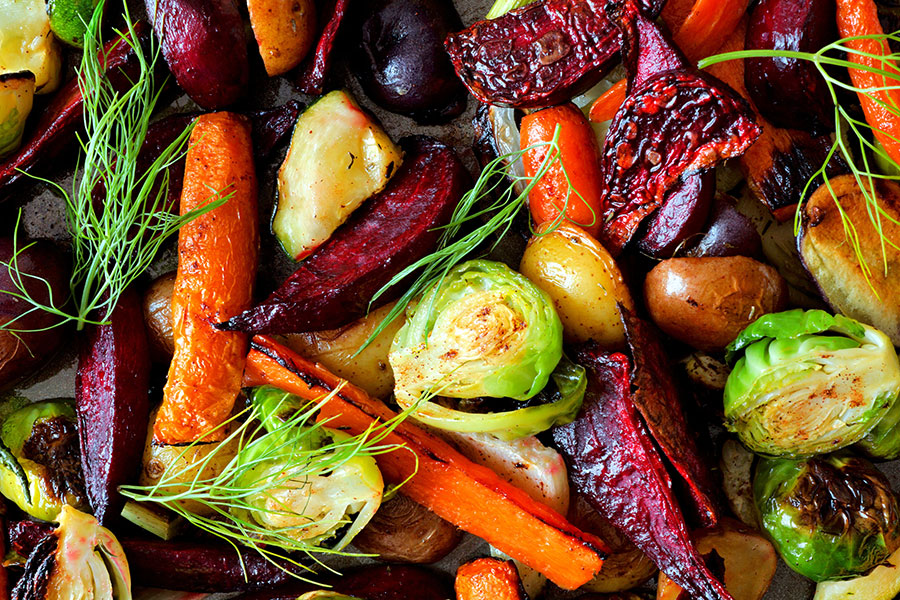
Most comfort foods we turn to are heavily laden with fat, starch and calories. There are healthier ways to enjoy down-home classics by making a few tweaks.

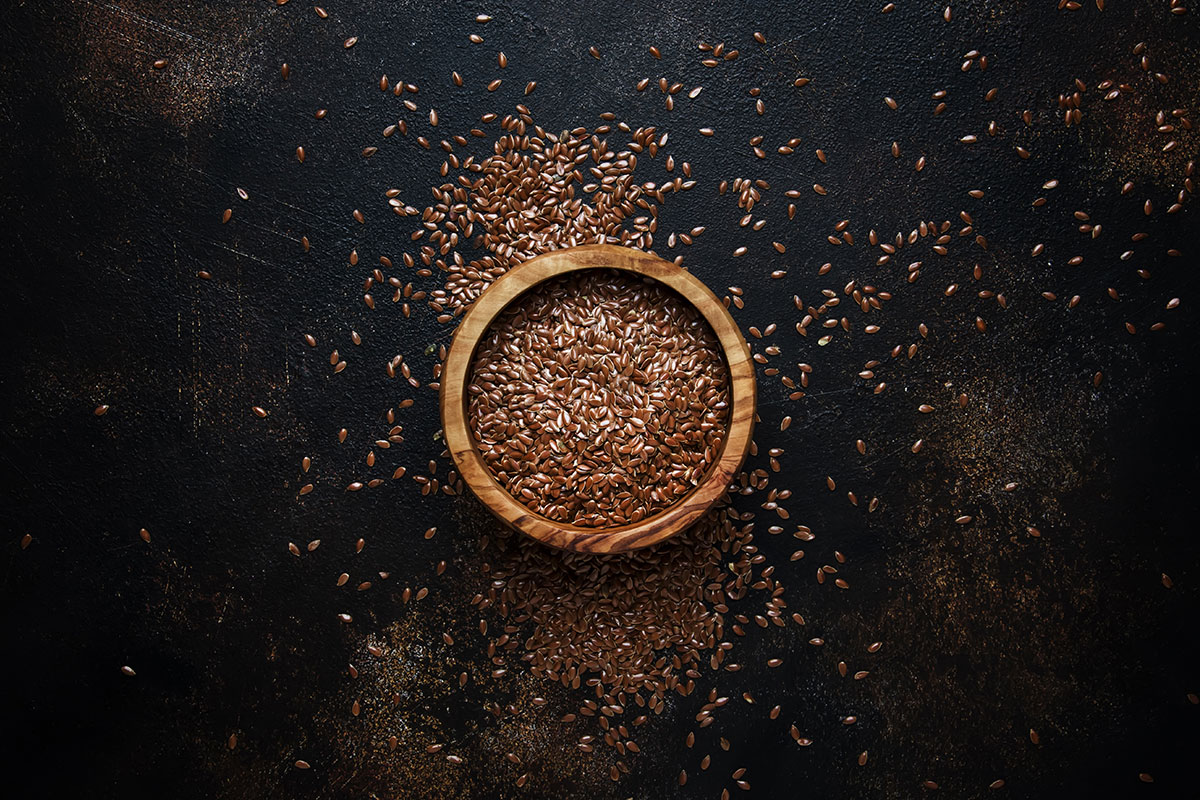

Does flaxseed help in increasing fertility and weight loss?
– Shamily BM

There has been a lot of chatter in the media regarding flaxseeds and fertility. Looking at the research, I found evidence to support its effect on menstrual cycle and hot flashes, but nothing conclusive regarding conception in humans. So, flaxseed may have an insignificant effect.
Flaxseeds are high in fiber which helps promote satiety so that appetite is dampened and fewer calories are consumed. Theoretically, this would translate into weight loss if people didn’t compensate elsewhere in their diets. Again, there’s a lack of studies showing an isolated effect on body weight from flaxseed consumption alone.
No matter the physiological effect, it would take a lot of flaxseed to make an apparent isolated difference. My advice is that cracked or crushed flaxseeds* should be included to complement an overall healthy diet, similar to the addition of chia seeds, garlic, or ginger. Start with a teaspoon here and there to see in which foods it’s most acceptable. I like it on yogurt, in smoothies, oatmeal, grain breads, mustard, soups, and meatballs. If you’re committed you can work up to 2-4 tablespoons of flaxseed a day, as recommended by health experts.
*Why cracked or crushed flaxseed is best – Whole flaxseed is a good source of soluble fiber and lignans (phytoestrogen precursor) but isn’t fully digested to get the full nutritional benefit. Freshly cracked or crushed flaxseeds offer fiber and lignans plus thiamin, magnesium, and omega-3 fatty acids including alpha-linolenic acid. Ground flaxseed, milled flaxseed, and flax meal can also be used but spoil more readily than the whole flaxseed, so keep them in the freezer. Flaxseed oil doesn’t contain the fiber, lignans or micronutrients; it only has the fat.
– Debbie J., MS, RD
This article should not replace any exercise program or restrictions, any dietary supplements or restrictions, or any other medical recommendations from your primary care physician. Before starting any exercise program or diet, make sure it is approved by your doctor.
Some questions have been edited for length and/or clarity.
 Have a nutrition question? Our registered dietitian is ready to help!
Email nutrition@lafitness.com or submit your question below and it may be featured in an upcoming article!

Most comfort foods we turn to are heavily laden with fat, starch and calories. There are healthier ways to enjoy down-home classics by making a few tweaks.
Debbie James, RDN, helps answer a reader’s question about how much protein is too much for the body to process.
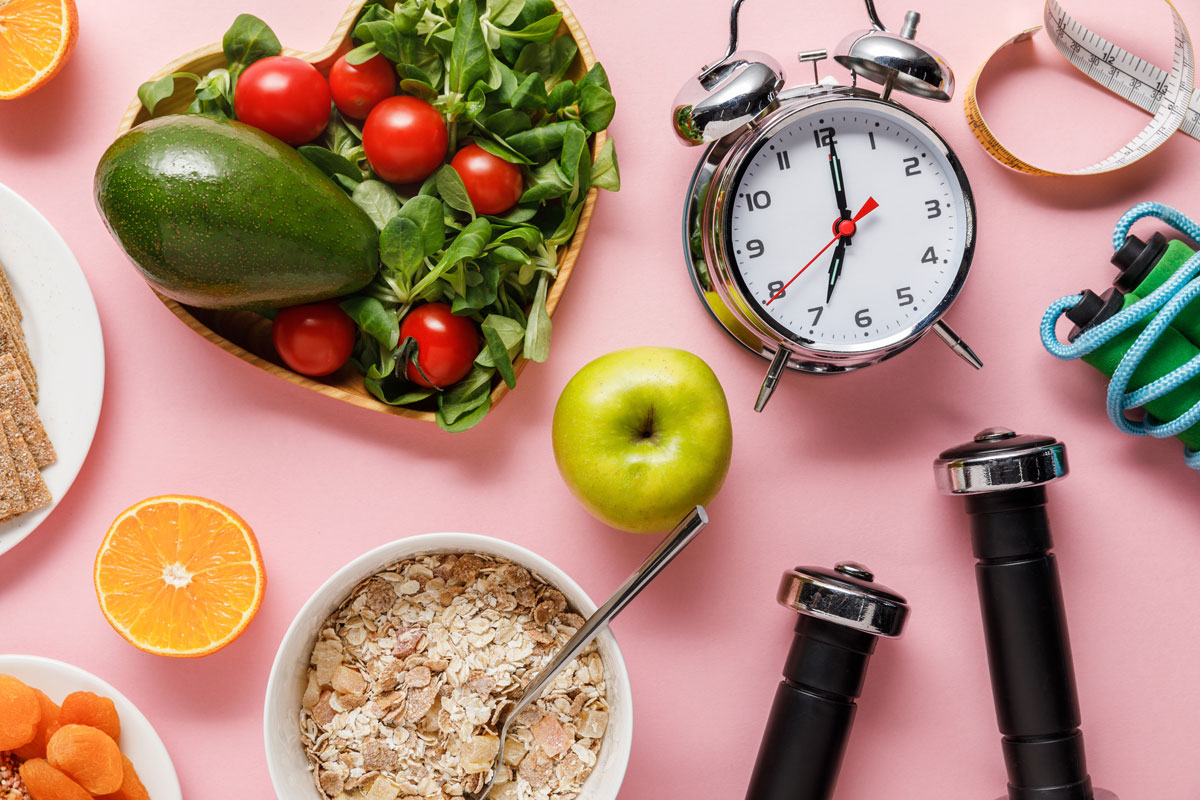
Debbie James, RDN, helps answer a reader’s question on breakfast and working out.

I have been swimming for 30 minutes, 4 days a week, at 6AM. Is it best to not eat a sensible breakfast until after I swim? My son is a varsity state swimmer and says not to eat until mid or late morning so that my fat is burned as fuel first.
– Lorin and Diana S.
Tristen Alleman, one of our Pro Results® Personal Training Directors, shared that it’s best to do your morning aerobic work while fasted in order to burn more fat. Theoretically, since the body has been using glycogen overnight (fasted) while insulin levels drop, it shifts toward greater fat utilization in subsequent exercise. Most research supports this notion, though it may not be the case during energy restriction. There is also a lack of evidence showing resultant changes in body composition.
I’d advise eating your breakfast just after your morning workout and not waiting until mid-morning, both for your muscle recovery as well as for convenience – it’s easier to eat your sensible meal before getting to early work.
Resources:
– Debbie J., MS, RD
This article should not replace any exercise program or restrictions, any dietary supplements or restrictions, or any other medical recommendations from your primary care physician. Before starting any exercise program or diet, make sure it is approved by your doctor.
Some questions have been edited for length and/or clarity.
Have a nutrition question? Our registered dietitian is ready to help!
Email nutrition@lafitness.com or submit your question below and it may be featured in an upcoming article!
Most comfort foods we turn to are heavily laden with fat, starch and calories. There are healthier ways to enjoy down-home classics by making a few tweaks.
Debbie James, RDN, helps answer a reader’s question about how much protein is too much for the body to process.
Debbie James, RDN, helps answer a reader’s question on breakfast and working out.
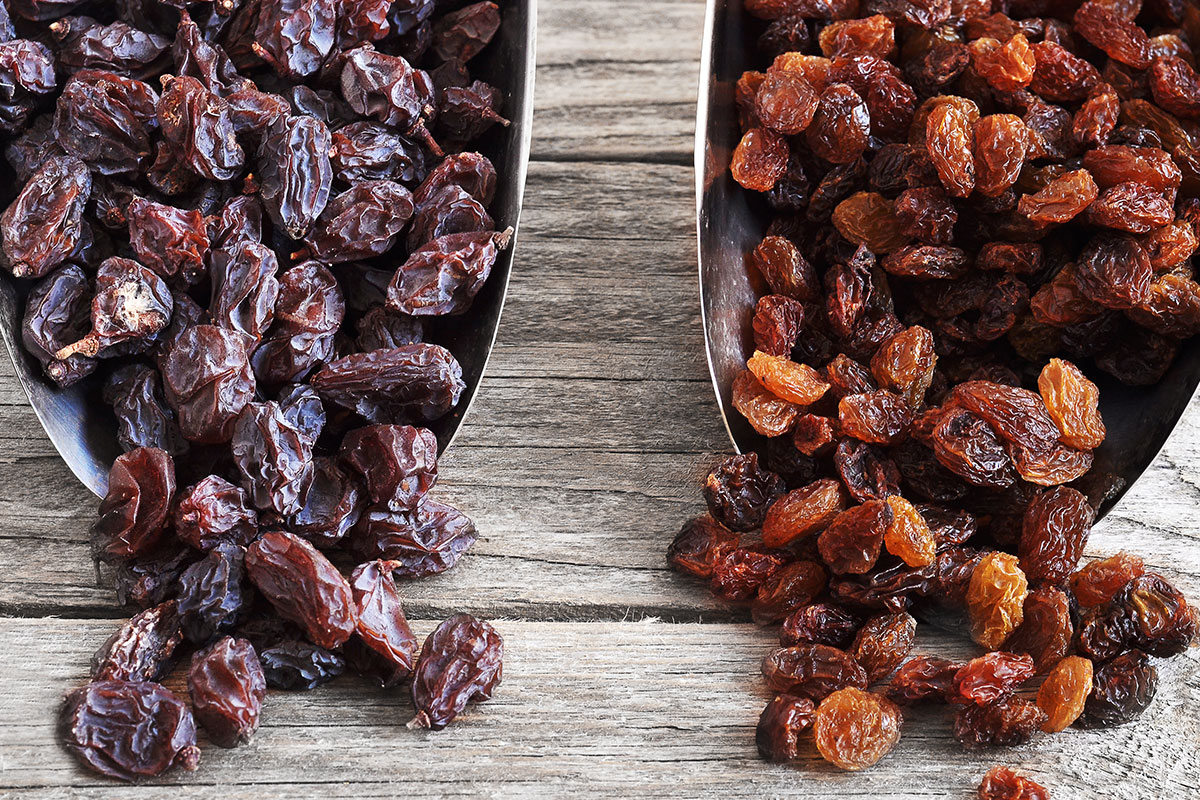
What are the good and bad points of sun-dried raisins?
– Anthony A.
Raisins are typically from Thompson Seedless Grapes in California that have been sun-dried (on vine or on paper trays), shade-dried or mechanically dehydrated. Regardless of the drying method, raisins usually undergo additional processing such as rinsing, stem removal and in the case of golden raisins, the addition of sulfur dioxide (to retain color). The benefit of sun-drying to a dark brown color is that the raisins are not chemically treated.
A ¼ Cup serving of raisins provide approximately 120 calories, 2 gm fiber, 310 mg potassium, 6% DV iron, 2% DV calcium, and antioxidants known as catechins. Depending on your perspective or weight goals, the energy density of raisins could be a good or bad point. Though they are more sugar-rich (by weight) than grapes, their vitamins and minerals are more concentrated, too. This is true of all dried fruits versus fresh.
Resources:
– Debbie J., MS, RD
This article should not replace any exercise program or restrictions, any dietary supplements or restrictions, or any other medical recommendations from your primary care physician. Before starting any exercise program or diet, make sure it is approved by your doctor.
Some questions have been edited for length and/or clarity.
Have a nutrition question? Our registered dietitian is ready to help!
Email nutrition@lafitness.com or submit your question below and it may be featured in an upcoming article!
Most comfort foods we turn to are heavily laden with fat, starch and calories. There are healthier ways to enjoy down-home classics by making a few tweaks.
Debbie James, RDN, helps answer a reader’s question about how much protein is too much for the body to process.
Debbie James, RDN, helps answer a reader’s question on breakfast and working out.

The last two months of the year tend to be full of holiday parties, family gatherings, cozy evenings indoors and an abundance of tasty treats. All this can greatly derail the health strides we’ve made throughout the year. While we all know how challenging it is to maintain our healthy habits during the holiday season, with a little determination, planning, and commitment, we can survive the holidays and start the New Year off right.
Select your beverages wisely: Between the bubbly, the eggnog, the gingerbread lattes and the peppermint flavored mochas, a person can easily consume up to a third of their recommended caloric intake with just one drink! Instead, opt for fruit-infused sparkling water, cinnamon or fresh peppermint tea, a wine seltzer (half wine, half seltzer water, half the calories), and if you really want to satisfy the craving, a smaller and lighter version of your favorite holiday drink!
Practice portion control and be selective! You don’t have to stay away from all holiday foods! Treat yourself to one serving of your favorite dish and pair with fresh or steamed fruits and vegetables.
If you’re attending a party or a potluck, take a healthy dish. This guarantees that you’ll have access to at least one nutritious option.
Beware of those lunch room snacks! Yes…those cookies, cakes, and breads that magically appear by the coffee pot. Partake in the conversation with your colleagues and bring along your own healthy snack.
Satisfy a craving with a bite-size treat. You don’t need a full serving. Plus, if you don’t love it, don’t eat it.


Lack of exercise and unhealthy eating lead to weight gain. They also increase our risk of disease and make it more difficult to manage chronic illness.

Content contributed by Dr. Sean Hashmi, an Obesity Medicine Specialist and the Adult Weight Management Lead for Kaiser Permanente Southern California.
Most comfort foods we turn to are heavily laden with fat, starch and calories. There are healthier ways to enjoy down-home classics by making a few tweaks.

Debbie James, RDN, helps answer a reader’s question about how to eat healthily on vacation while still enjoying the local flavors.
Debbie James, RDN, helps answer a reader’s question about nutrition advice for muscle gain and healthy body weight.

I am interested in lowering my blood sugar. Does taking cinnamon help?
– Marc W.
Just taking a supplement of an herb or spice is not a recommended treatment for lowering blood sugar.
In 2013, the American Diabetes Association indicated a lack of evidence to support the use of cinnamon for the treatment of diabetes.1 An article in Medical News Today noted that research is mixed yet suggests “cinnamon may help fight some symptoms of diabetes.2” The Diabetes Council indicates that the evidence to support the use of cinnamon to lower blood sugar levels is currently not strong.3
Overall, cinnamon may be a useful adjunct therapy tool for some people but is not a replacement for traditional diabetes treatments. Consult with your healthcare provider before trying any unprescribed diabetes remedies.
Sources:
– Debbie J., MS, RD
This article should not replace any exercise program or restrictions, any dietary supplements or restrictions, or any other medical recommendations from your primary care physician. Before starting any exercise program or diet, make sure it is approved by your doctor.
Some questions have been edited for length and/or clarity.
Have a nutrition question? Our registered dietitian is ready to help!
Email nutrition@lafitness.com or submit your question below and it may be featured in an upcoming article!
Most comfort foods we turn to are heavily laden with fat, starch and calories. There are healthier ways to enjoy down-home classics by making a few tweaks.
Debbie James, RDN, helps answer a reader’s question about how much protein is too much for the body to process.
Debbie James, RDN, helps answer a reader’s question on breakfast and working out.