Warm Comfort Foods Made Healthy(ish)
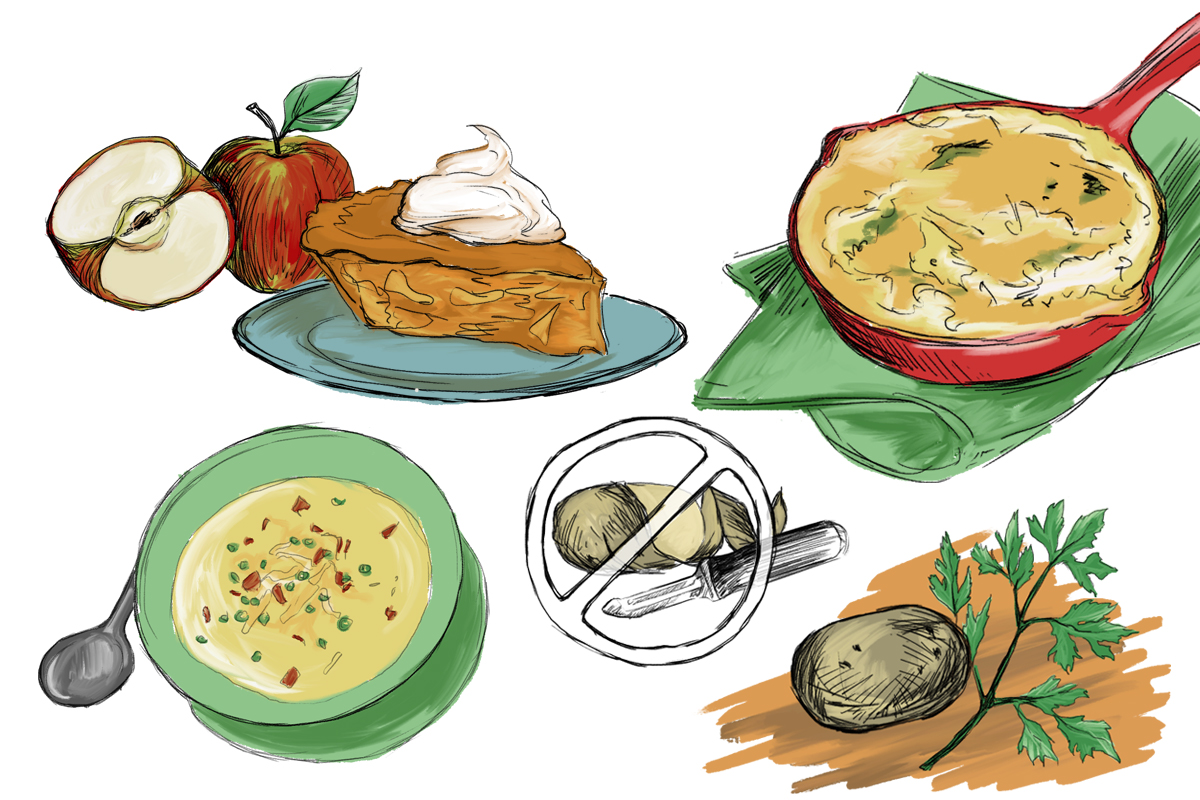
Most comfort foods we turn to are heavily laden with fat, starch and calories. There are healthier ways to enjoy down-home classics by making a few tweaks.


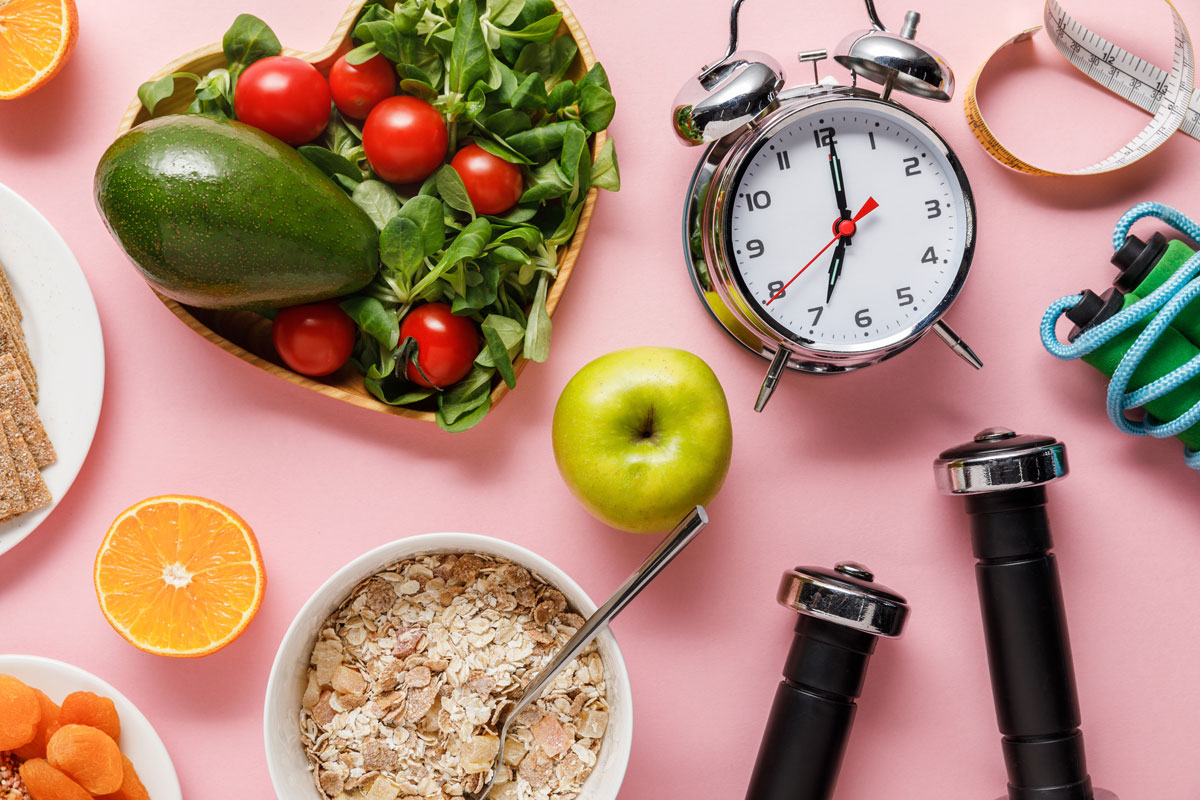
I am 54 and I am 6’3″ and weigh 365 pounds. I have been strength training for 4 months with the help of a trainer. I need some guidance as to what to eat to lose weight. My training has been building muscle and strength but not much weight loss. I don’t always have much flexibility for dinner in what my wife cooks but I do control breakfast and lunch. I wonder if I am eating too many carbs and not enough protein. I could use suggestions for healthy breakfast, lunch, and snacks.
– Tom O.

Given your anthropometrics, age and an assumed exercise routine of 2-3x per week, your anticipated energy needs for weight loss are in the range of 3,500-4,000 calories per day. That may seem like a lot, but it’s just as possible you are maintaining with more as it is you’re maintaining with fewer calories. Your calculated resting metabolic rate (RMR) is close to 2,600 calories and you should consume that amount at minimum daily. To start, I’d take the mid-point of about 3,000 calories (half way between RMR and lower range of total energy needs) to work with.
Saving 1/3 of that figure for your evening eating gives us 2,000 calories to work with. I’d suggest dividing that between 2 meals of 750 calories each and 2 snacks of 250 calories each. Your goal isn’t to count calories exactly, but to eat a volume of healthy foods that represent those amounts.
Here are some meals and snack suggestions for you:
750 Calories
Option #1
Option #2
Option #3
Option #4
250 Calories
Option #1
Option #2
Option #3
Option #4
– Debbie J., MS, RD
This article should not replace any exercise program or restrictions, any dietary supplements or restrictions, or any other medical recommendations from your primary care physician. Before starting any exercise program or diet, make sure it is approved by your doctor.
Some questions have been edited for length and/or clarity.
 Have a nutrition question? Our registered dietitian is ready to help!
Email nutrition@lafitness.com or submit your question below and it may be featured in an upcoming article!
Most comfort foods we turn to are heavily laden with fat, starch and calories. There are healthier ways to enjoy down-home classics by making a few tweaks.
Debbie James, RDN, helps answer a reader’s question about how much protein is too much for the body to process.
Debbie James, RDN, helps answer a reader’s question on breakfast and working out.

I have trouble with overeating. I find it difficult to control myself when other people are eating unhealthy foods such as chips, pastries, pizza and fast food. My brother invites me to potlucks and there are foods there that I know I cannot control myself with. Also, my mom invites me to eat at fast food restaurants. Whenever I eat those foods, at the moment I feel good, but then 20 minutes later (or when I find out that I gained weight), I feel guilty and frustrated. I’m tired of going through the same cycle over and over again. I want to be free from that cycle and gain new healthy habits that I can manage myself, such as having willpower and control. Anything that would be helpful.
– Gema N.V.
Kudos to you for acknowledging a weakness and reaching out for help. You should have the health and nutrition your body deserves. All of the advice and education I could provide here would not in itself lead you to healthier habits, however. Willpower and self-control regarding food are really about your relationship and beliefs about food. You need to examine those (the “why”) before you can move forward (the “how”).
Keep in mind that if you have been dieting or restricting yourself, it is common to over-consume when given the opportunity. You mentioned accepting invitations from a couple of family members, so I understand the difficulty in separating yourself from those environments. However, you are responsible for what goes in your mouth and how much. Bringing your own food (even to share) may be a solution to join them while maintaining a healthy intake.
A support group or self-help guide are good options for delving into how you think about food, your body, and your nutrition, and what certain foods or eating situations may represent to you. If you are feeling trapped in a cycle of binging and guilt, consider finding an eating disorder specialist who can help you reduce feelings of shame, increase self-acceptance and steer you to a better path.
“As I began to love myself I freed myself of anything that is no good for my health – food, people, things, situations, and everything that drew me down and away from myself. At first I called this attitude a healthy egoism. Today I know it is ‘Love of Oneself’.“ — Charlie Chaplin, 1959
– Debbie J., MS, RD
This article should not replace any exercise program or restrictions, any dietary supplements or restrictions, or any other medical recommendations from your primary care physician. Before starting any exercise program or diet, make sure it is approved by your doctor.
Some questions have been edited for length and/or clarity.
Have a nutrition question? Our registered dietitian is ready to help!
Email nutrition@lafitness.com or submit your question below and it may be featured in an upcoming article!
Most comfort foods we turn to are heavily laden with fat, starch and calories. There are healthier ways to enjoy down-home classics by making a few tweaks.
Debbie James, RDN, helps answer a reader’s question about how much protein is too much for the body to process.
Debbie James, RDN, helps answer a reader’s question on breakfast and working out.
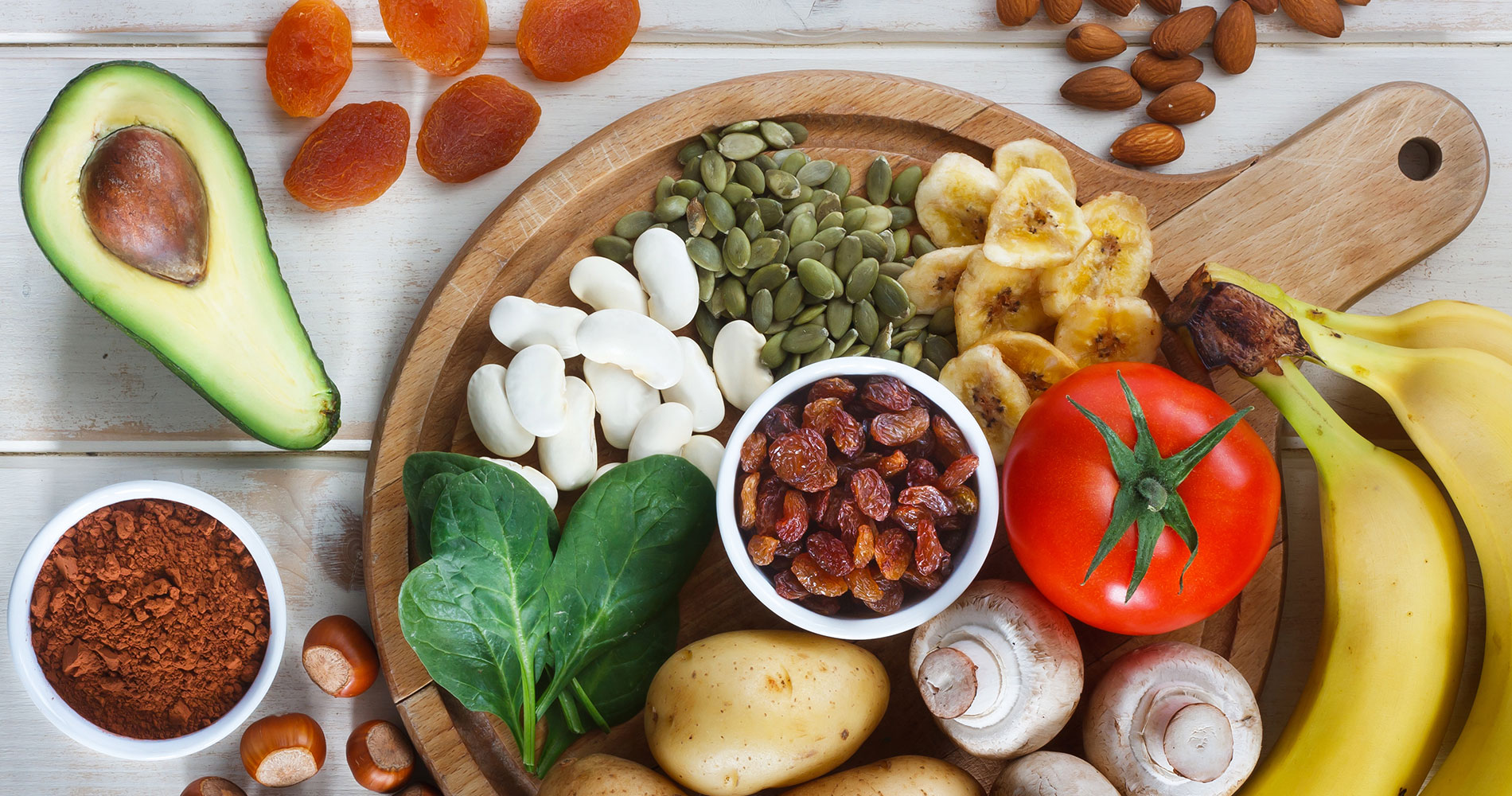
I have a potassium level of 6.0 and my doctor says I need to consult a nutritionist to fix my diet. I have a pretty simple diet day in and day out, coffee and a bagel with the cream cheese and lox for breakfast, a fresh salad with tomatoes, cucumber, radish, green onions and sour cream early afternoon, and a sandwich either with tuna salad or pastrami and V8 juice in the late afternoon. I don’t see how that can affect potassium level. I would appreciate your professional opinion on the subject. Thank you very much in advance.
– Leonard G.
While I can’t provide you individualized treatment recommendations through this forum, I will address a low-potassium diet for hyperkalemia in general. Always follow the advice of your physician. For personalized medical nutrition therapy, please visit a registered dietitian nutritionist. Find one through the Academy of Nutrition and Dietetics here.
The potential potassium content of a day’s intake with only 12 fl oz black coffee, 3 oz bagel, 2 oz lox, 2 tbsp cream cheese, salad (w/ tomato, cucumber, radish, green onion & 2 tbsp sour cream), tuna salad sandwich on wheat bread, and 12 fl oz V8 juice would be in the range of 1,500-2,000 milligrams, which is compatible with a low-potassium diet. Of course, your intake would be greater if your portions are greater.
Lists of high and low potassium foods are offered by the National Kidney Foundation. Look for areas you can reduce your intake further. Vegetable juice is listed as high potassium, whereas apple, kale, and celery are listed as low potassium. You could juice those three together for a lower potassium late afternoon drink.
– Debbie J., MS, RD
This article should not replace any exercise program or restrictions, any dietary supplements or restrictions, or any other medical recommendations from your primary care physician. Before starting any exercise program or diet, make sure it is approved by your doctor.
Some questions have been edited for length and/or clarity.
Have a nutrition question? Our registered dietitian is ready to help!
Email nutrition@lafitness.com or submit your question below and it may be featured in an upcoming article!
Most comfort foods we turn to are heavily laden with fat, starch and calories. There are healthier ways to enjoy down-home classics by making a few tweaks.
Debbie James, RDN, helps answer a reader’s question about how much protein is too much for the body to process.
Debbie James, RDN, helps answer a reader’s question on breakfast and working out.
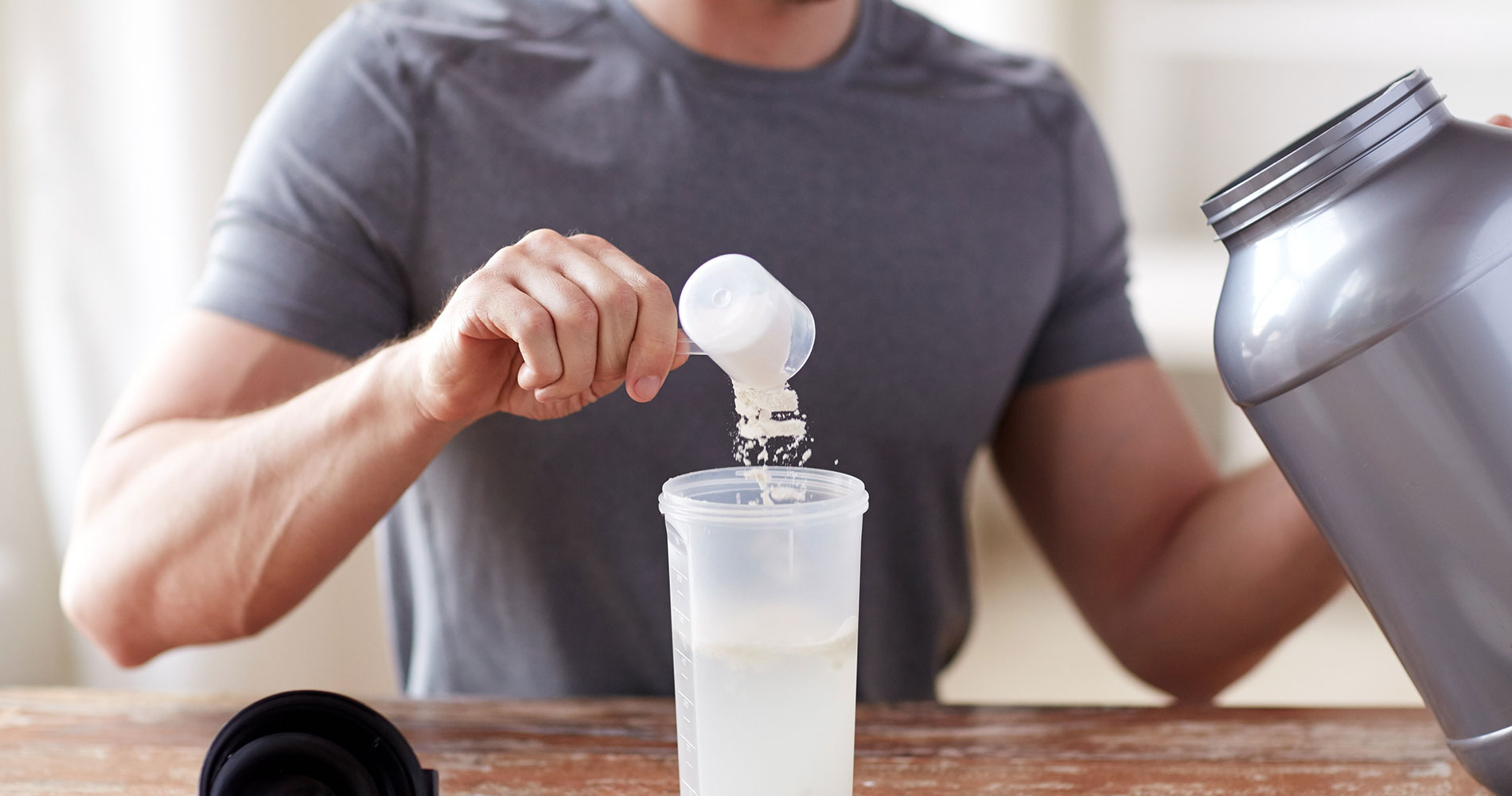
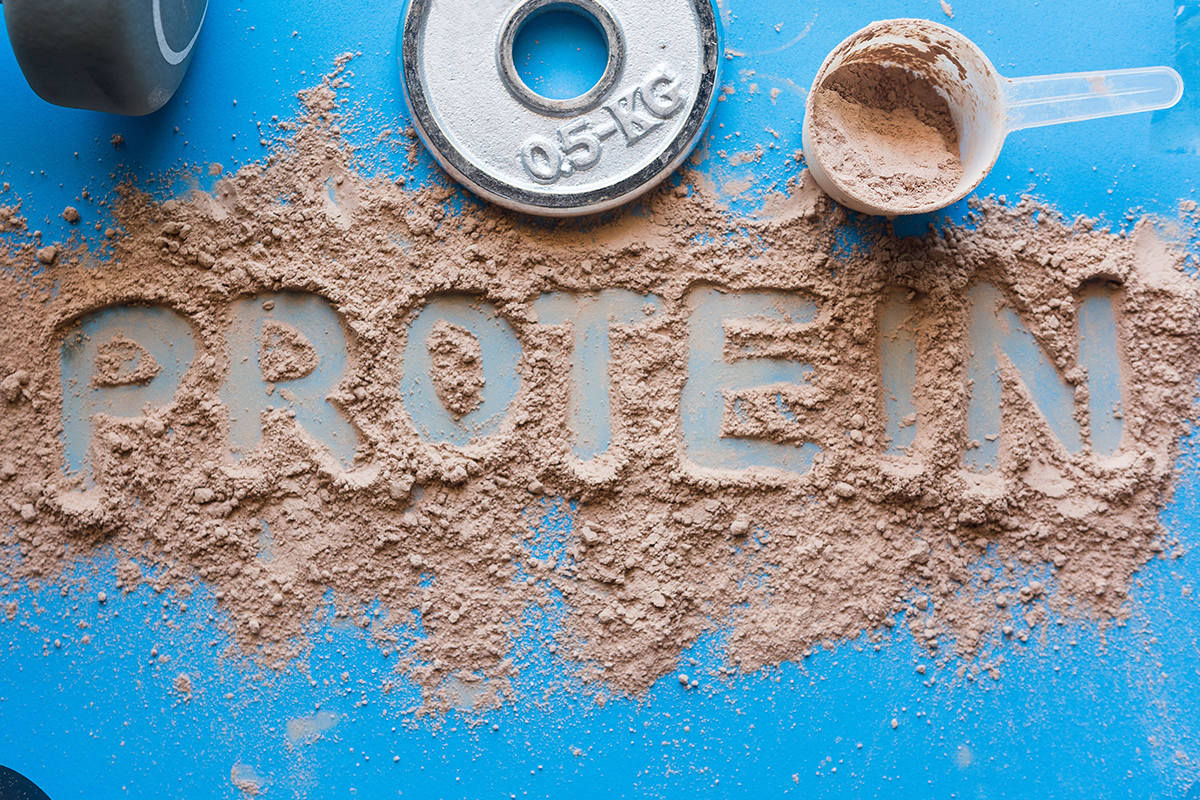
I am trying to gain mass. If I like doing post-workout protein shakes, what is an effective way to get carbs into the shake? Also, what is a good ratio of carbs to protein?
– Joe O.
If your protein shake choice doesn’t include carbohydrates, you have a few options. Sugar is easy to dissolve and table sugar is cheap. Agave nectar or honey won’t be gritty. Non-fat milk powder or fruit juice both provide naturally occurring sugars. If using a blender, a banana or ground oats will work fine.
Trying to avoid sugar and go for a more complex carbohydrate may result in a pasty, bland shake if using household ingredients like a couple tablespoons of fine sifted flour or boiled mashed potato. If not using a blender, you’d best find a supplement carbohydrate that mixes in well. I’d suggest a simple maltodextrin that costs less than $5 per pound.
Of course, if you want to skip the hassle, just switch to a recovery shake with carbohydrates included. Ideally in the ratio of 2-3 grams carbohydrate for each gram of protein for strength training and mass gain. The National Strength and Conditioning Association recommends a general 4:1 carbohydrate to protein ratio, which is supported by endurance exercise. Of course, as caloric nutrients, the absolute amount of carbohydrate and protein should be bodyweight dependent.
– Debbie J., MS, RD
This article should not replace any exercise program or restrictions, any dietary supplements or restrictions, or any other medical recommendations from your primary care physician. Before starting any exercise program or diet, make sure it is approved by your doctor.
Some questions have been edited for length and/or clarity.
Have a nutrition question? Our registered dietitian is ready to help!
Email nutrition@lafitness.com or submit your question below and it may be featured in an upcoming article!
Most comfort foods we turn to are heavily laden with fat, starch and calories. There are healthier ways to enjoy down-home classics by making a few tweaks.
Debbie James, RDN, helps answer a reader’s question about how much protein is too much for the body to process.
Debbie James, RDN, helps answer a reader’s question on breakfast and working out.

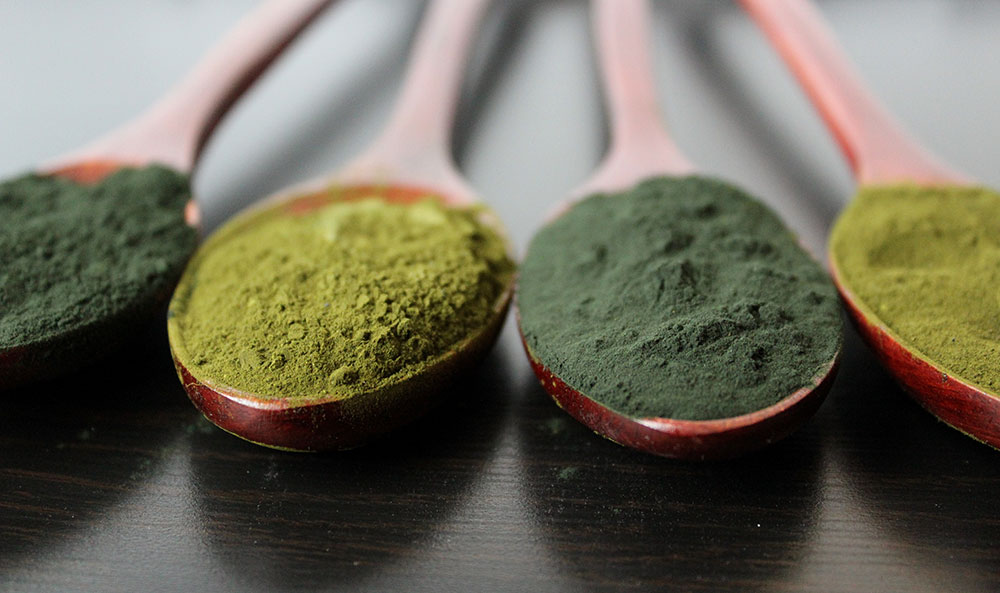
Move over tofu and soymilk! Vegetarian foods have long been on specialty shelves but now more conventional foods are incorporating plant proteins, in all things from egg substitute and yogurt, to bratwurst and sausage. Ingredients like seitan, tempeh, lentils, pea protein, rice protein, mung bean, fava bean, and vegan protein powders are making their way into mainstream foods. It is no secret that replacing animal protein with plant protein can improve blood sugar control in diabetes1, lower cardiovascular disease risk2, and reduce the risk of various cancers3,4. Plus, vegetarian and plant-based diets are associated with lower body weight5.
As an alternative to conventional frying in oil, these countertop convection (fan-powered circulated hot air) ovens can produce a similar crispy texture, color and flavor with substantially lower fat content6. French fries and chicken nuggets that are deep fried do rate higher in crispness, mouth feel and acceptance, though6,7. Air-fryer outcome is good if instructions are followed properly for lightly breaded foods cooked in small batches, but the process is slower than deep frying6. If you’re really craving a fried food taste, you can still lightly brush food with oil before cooking. If you need to crisp wet battered items or prepare party-size quantities, an air-fryer won’t do the job.

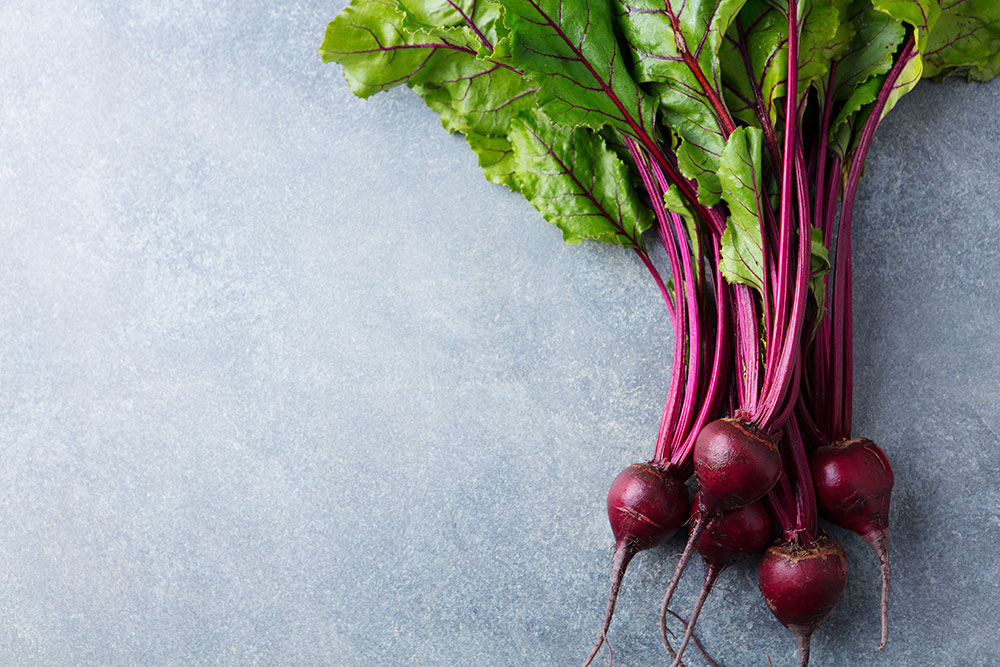
This no waste, whole food approach is not new, but restaurants and chefs are offering more culinary guidance to consuming fully edible plant parts. By utilizing all the parts of your produce – the leaves, stems, rinds, stalks, and skins – you get a boost of nutrition and flavor. Plus, it’s cost-effective and environmentally conscious. Here are some tips to embrace more of your produce:
!! Recommended to avoid
Unlike flavor extracts, essential oils are not intended for ingestion. Though the FDA indicates they are generally recognized as safe in commonly used amounts (approx. doses in the range of 1 to 3 drops, 1 to 3 times per day), you should only use food grade essential oils orally with the expertise of a professional. They are highly concentrated and can cause damage internally if administered without expert dilution, even those based on culinary ingredients (cinnamon, ginger, oregano, wintergreen). The International Federation of Aromatherapists doesn’t recommend the ingestion of essential oils. The Alliance of International Aromatherapists (AIA) also doesn’t endorse oral therapeutic use of essential oils “unless recommended by a healthcare practitioner trained at an appropriate clinical level.8”

This article should not replace any exercise program or restrictions, any dietary supplements or restrictions, or any other medical recommendations from your primary care physician. Before starting any exercise program or diet, make sure it is approved by your doctor.
Sources:
Most comfort foods we turn to are heavily laden with fat, starch and calories. There are healthier ways to enjoy down-home classics by making a few tweaks.

Debbie James, RDN, helps answer a reader’s question about how to eat healthily on vacation while still enjoying the local flavors.
Debbie James, RDN, helps answer a reader’s question about nutrition advice for muscle gain and healthy body weight.