


Warm Comfort Foods Made Healthy(ish)
Most comfort foods we turn to are heavily laden with fat, starch and calories. There are healthier ways to enjoy down-home classics by making a few tweaks.


Over the course of a year, the average American spends about 293 hours behind the wheel and about 4,380 hours sitting down. That’s a lot of sedentary time! While it’s not always avoidable, leaving your car behind is one great way to get more active. Read on to learn how you can take opportunities today, and every day, to spend less time in the car and more time moving your body.

Some places, you simply can’t walk to. Not unless you’re planning on an extended backpacking trip. However, if you’re taking the kids to the park or making a run to the store for an item or two, going by foot may be perfect! Grab the sunscreen (rain or shine), put on some comfortable shoes, and bring a hat or umbrella if you think you might need it.
Remember that bike you bought a while back? The one gathering dust in storage or slowly becoming one with the grass in the yard? It’s time to find your helmet. Wherever is too far to travel on foot, is probably accessible by bicycling!


If you already spend a lot of time driving, when it’s time to do something fun for yourself or with the family, see if you can find some local events to attend. Maybe there’s a farmer’s market, a carnival, or a music festival nearby. If you know you’re going to drive anyway, choose something close to home so you can spend less time on the road and more time enjoying what you want!
You might live in a state with some serious weather, or because of some other factors, being without your car is nearly impossible. We have some tips for you too! If your health and ability permit, incorporating any amount of activity into your day will always be better than doing nothing at all. Take a look at some of these options for adding movement to your day:
Take the time you spend waiting – waiting in line at the coffee shop, waiting to use the copy machine, waiting for your lunch order – to do some simple exercises. Done right, calf raises can set your legs on fire (in a good way), and they are subtle enough to do while standing in one place.


Every so often, take a moment to stretch. Stretching will increase your blood circulation and give your muscles a break from whatever position you’ve been holding them in during the day. If your responsibilities require you to sit, hunch over, stand, or type all day, your body will thank you when you give it the opportunity to do something different.
Set an alarm on your watch, phone, or computer to remind you to move. You can go up and down the stairs a few times, walk around the block, or even around your desk a few times. If none of those are good options, do some exercises from your seat. You can try some seated crunches, arm or ankle rotations, or simply tighten and release your muscles to improve blood flow.

To learn more about how activity enhances your health, read our post on the Benefits of Living an Active Lifestyle, or get some nutrition tips by listening to our podcast on Fast Food and Your Body. To access our monthly blog post highlights, subscribe to our newsletter today!
Want new articles before they get published?
Subscribe to our Awesome Newsletter.
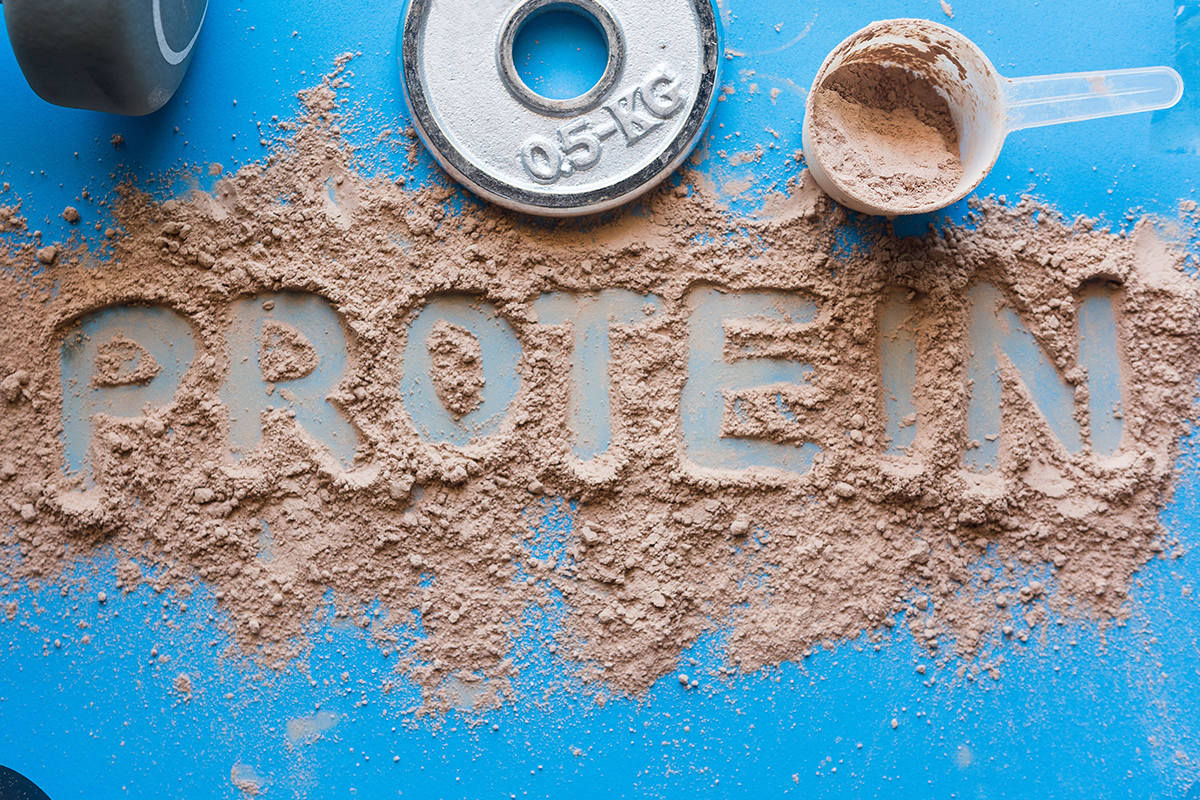

Hello LA Fitness! It seems a lot of people are mentioning Chronic Kidney Disease. I hear that this can be from a number of reasons, including consuming too much protein. If you’re on a renal diet, or have kidney disease, or want to avoid getting CKD, how much protein is too much?
– Darque O.

Whether you need to restrict protein or not should be determined by your nephrologist, depending on the stage of your renal disease. Note that the National Kidney Foundation (NKF) states “Low protein and calorie intake is an important cause of malnutrition in chronic kidney disease1” and “There is insufficient evidence to recommend for or against routine prescription of dietary protein restriction to slow progression of chronic kidney disease.1”
The Centers for Disease Control and Prevention indicate that protein in the urine is a risk factor for developing kidney disease2. While one might assume that dietary protein load is the culprit, it’s more likely from impaired kidney filtration due to diabetes. The CDC recommends two dietary improvements: eating more fruits and vegetables while eating foods lower in salt2.
According to the National Institute of Diabetes and Digestive and Kidney Diseases, preventing diabetes and high blood pressure helps to protect your kidneys from chronic kidney disease (CKD)3. The organization advises cutting back on salt and added sugars and suggests a DASH eating plan3. Protein is not mentioned.
References:
1) National Kidney Foundation. K/DOQI clinical practice guidelines for chronic kidney disease: evaluation, classification, and stratification. American Journal of Kidney Diseases. 2002; 39(2 suppl 1):S1–266. https://www.kidney.org/sites/default/files/docs/ckd_evaluation_classification_stratification.pdf Accessed 9.3.2019
2) Prevention and Risk Management. Centers for Disease Control and Prevention. https://www.cdc.gov/kidneydisease/prevention-risk.html December 21, 2017. Accessed 9.3.2019
3) Preventing Chronic Kidney Disease. National Institute of Diabetes and Digestive and Kidney Diseases. https://www.niddk.nih.gov/health-information/kidney-disease/chronic-kidney-disease-ckd/prevention October 2016. Accessed 9.3.2019
– Debbie J., MS, RD
This article should not replace any exercise program or restrictions, any dietary supplements or restrictions, or any other medical recommendations from your primary care physician. Before starting any exercise program or diet, make sure it is approved by your doctor.
Some questions have been edited for length and/or clarity.
 Have a nutrition question? Our registered dietitian is ready to help!
Email nutrition@lafitness.com or submit your question below and it may be featured in an upcoming article!
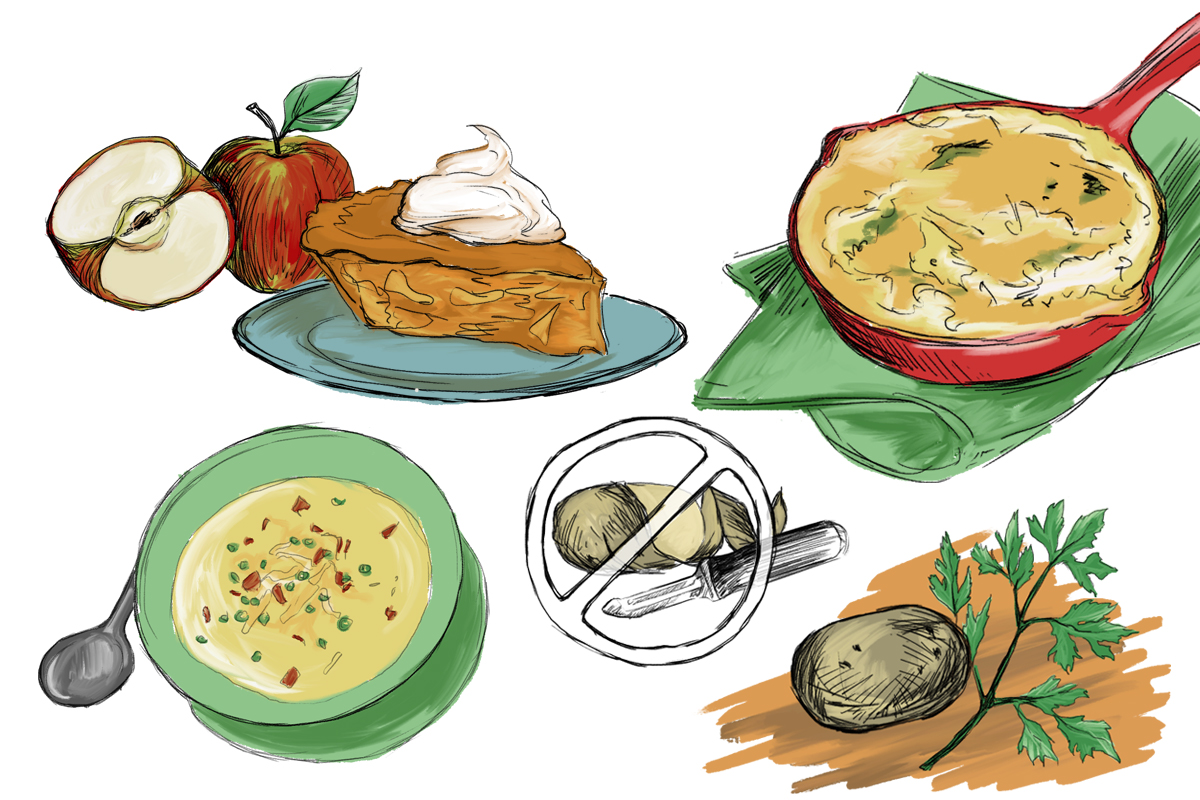
Most comfort foods we turn to are heavily laden with fat, starch and calories. There are healthier ways to enjoy down-home classics by making a few tweaks.

Debbie James, RDN, helps answer a question about energizing snack options to pull athletes through the second half of a high energy workout.

Registered Dietitian, Debbie James, helps answer a reader’s question about a good nutrition guide for a healthy pregnancy.

I have begun Menopause and have been gaining weight and having bad hot flashes. Is there anything you can suggest I do?
Thanks,
– Lisa D.
Every woman will eventually reach the stage of menopause and the ovaries cease production of estrogen. (sigh) The transitional time, termed perimenopause, may take several years. Nutritionally, managing these stages involves responding to changing hormones and influencing energy balance.
The Physicians Committee for Responsible Medicine recommends a low-fat, vegetarian diet for women who are experiencing hot flashes. EndocrineWeb encourages “filling your meals with plenty of whole grains, fruits and vegetables.” Adequate protein is needed to support muscle-protein synthesis, with intake spread across the day. In regards to supplements, WebMD indicates that black cohosh, St John’s wort and flaxseed may help manage menopause symptoms.
Creating an energy deficit is necessary for weight loss, which can come from curbing caloric intake or boosting output. Regular exercise to the tune of 60 minutes daily also helps, particularly if it includes strength training to retain lean body mass.
Resources:
M Jacobsen. Midlife Nutrition — Helping Women Over 40 Overcome Nutrition Challenges, Today’s Dietitian March 2014 Issue Vol. 16 No. 3 P. 30
Pinkerton, JoAnn. “MenoPause Blog.” MenoPause, 2018, www.menopause.org/for-women/menopause-take-time-to-think-about-it. Accessed 8/27/2019.
– Debbie J., MS, RD
This article should not replace any exercise program or restrictions, any dietary supplements or restrictions, or any other medical recommendations from your primary care physician. Before starting any exercise program or diet, make sure it is approved by your doctor.
Some questions have been edited for length and/or clarity.
Have a nutrition question? Our registered dietitian is ready to help!
Email nutrition@lafitness.com or submit your question below and it may be featured in an upcoming article!
Most comfort foods we turn to are heavily laden with fat, starch and calories. There are healthier ways to enjoy down-home classics by making a few tweaks.
Debbie James, RDN, helps answer a question about energizing snack options to pull athletes through the second half of a high energy workout.
Registered Dietitian, Debbie James, helps answer a reader’s question about a good nutrition guide for a healthy pregnancy.
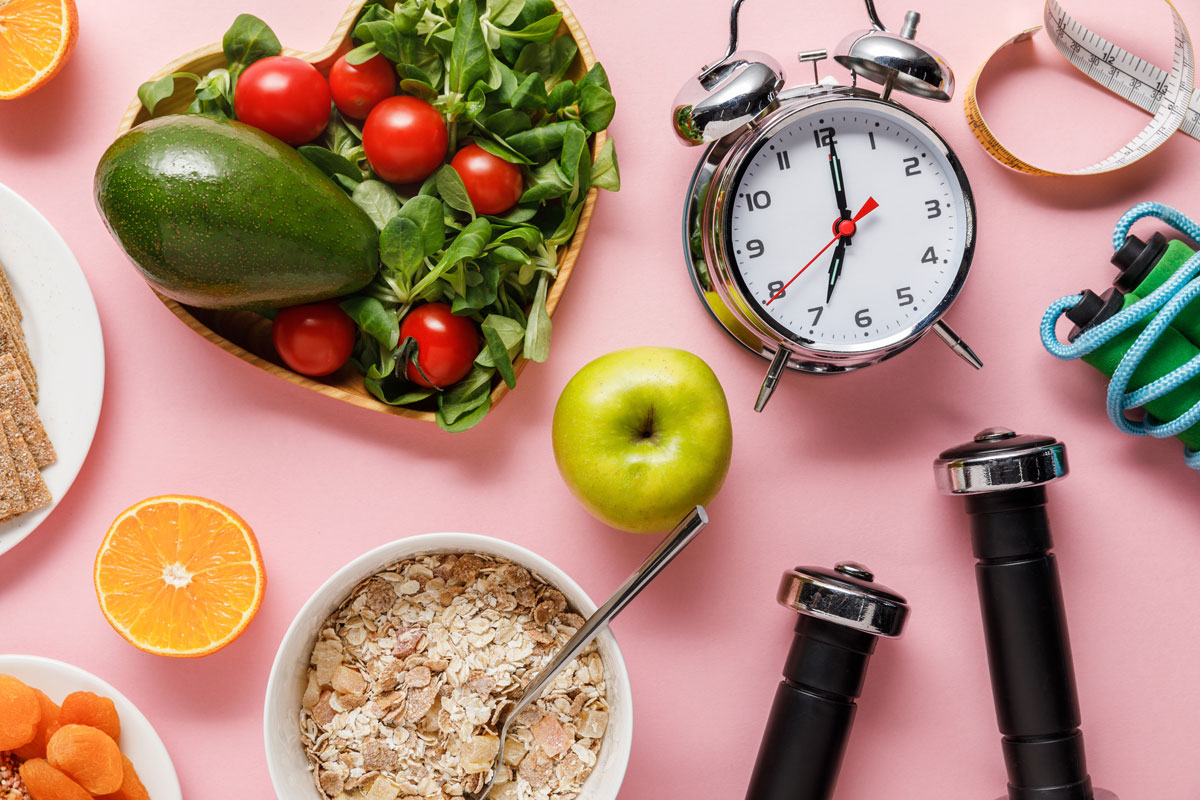
I usually work out at 6 or 7 am and I want to know if it’s better to eat breakfast before or after working out. If it’s after what should I eat before working out? Thank you for your help
– Santiago C.
Optimal eating before and after a workout is all relative to the type and extent of your morning training. Some research points to greater fat burning performing cardio in a fasted state. Yet everyone seems to have a different eating schedule that works for them. Do you feel energized by a light breakfast ahead before working out or does it leave you feeling dull? Are you ravenous after working out or do you not register any hunger then?
BEFORE (approx. 30 minutes prior)
Since you don’t have the 3-4 hours ahead of time for a full meal, you can focus on a quick energy boost to restore glycogen and prime blood sugar for working muscles. If you don’t tolerate food well first thing in the morning, choose a simple carbohydrate source such as a cup of applesauce or single serving of graham crackers/pretzels with a cup of water. Move up to a mini meal of one egg plus a slice of bread and glass of milk if you feel better with solids in your system. You can also blend up a breakfast smoothie with Greek or skyr yogurt, cracked flaxseed, berries and banana.
DURING
Don’t forget about the opportunity to consume some nutrition during physical activity. For an intense exercise bout that lasts at least an hour you may consider sipping on a glucose-electrolyte beverage, aka traditional sports drink. These provide simple sugars for energy and potassium and sodium for muscle contractions and nerve impulse stimulation, as well as hydration for temperature regulation and nutrient processing.
AFTER (within 30 minutes following)
Immediately you can eat a granola-type bar you’ve packed in your locker bag or grab a protein shake from the juice bar to start off your recovery. This time is critical to nourishing your body for the whole day. Now’s the time for a heartier meal (e.g. oatmeal, lean turkey sausage and grapefruit) or a healthy breakfast wrap of eggs, spinach, feta, salsa and wheat tortilla. Choose foods with some protein and complex carbohydrate – a little fat is okay, too!
– Debbie J., MS, RD
This article should not replace any exercise program or restrictions, any dietary supplements or restrictions, or any other medical recommendations from your primary care physician. Before starting any exercise program or diet, make sure it is approved by your doctor.
Some questions have been edited for length and/or clarity.
Have a nutrition question? Our registered dietitian is ready to help!
Email nutrition@lafitness.com or submit your question below and it may be featured in an upcoming article!
Most comfort foods we turn to are heavily laden with fat, starch and calories. There are healthier ways to enjoy down-home classics by making a few tweaks.
Debbie James, RDN, helps answer a question about energizing snack options to pull athletes through the second half of a high energy workout.
Registered Dietitian, Debbie James, helps answer a reader’s question about a good nutrition guide for a healthy pregnancy.
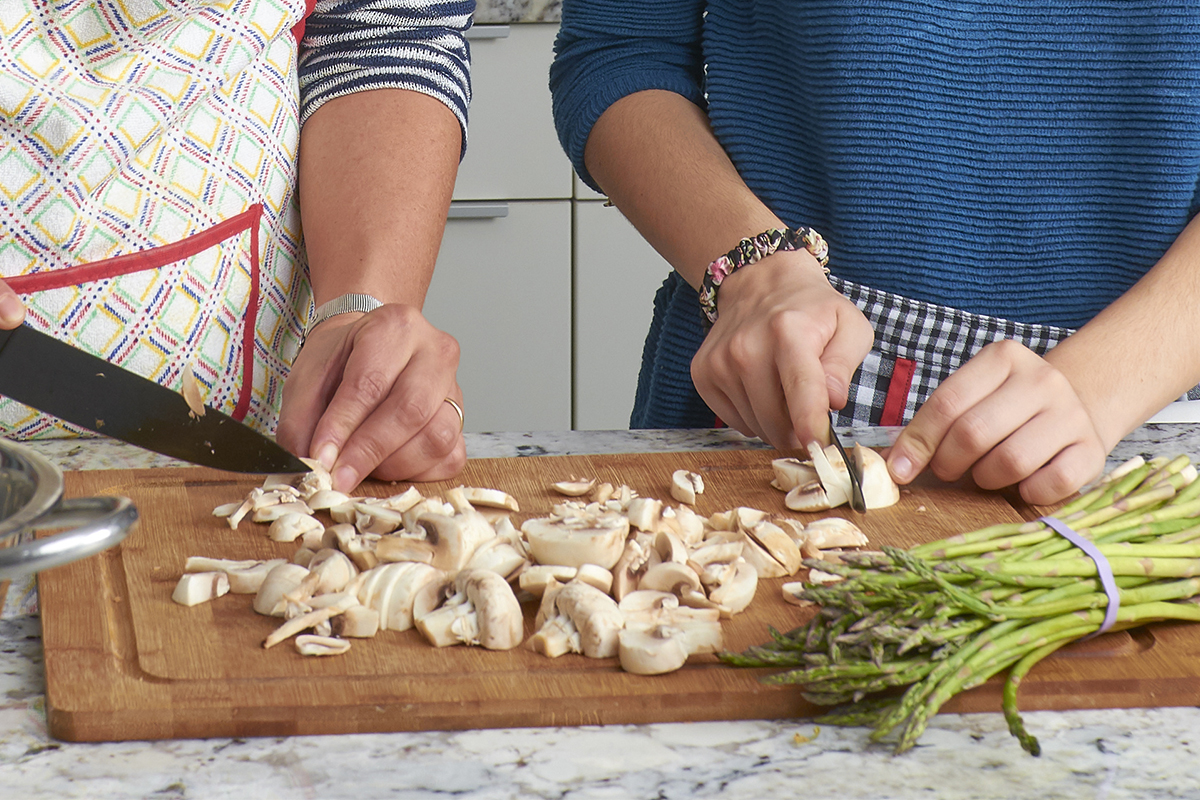
Good morning,
I have a question about how to introduce my daughter to a better way to eat. She is 17 but loves to eat junk food, no veggies. I think the way she eats is affecting her ability to concentrate and perform in school.
Please help.
– María G.
I’m glad you said ‘introduce’ instead of lecture, tell, instruct, etc. Teenagers seem to hardly listen to their parents, let alone experts, regarding self-care choices. Communication experts suggest giving praise for good decisions. Another approach is to discuss how food industry marketing overtly influences their food choices. Perhaps start a conversation by asking her what factors she thinks are impacting her school performance – then listen and act on those first.
Although I’ve a handful of websites* to suggest she visit (assuming she bothers to read them), most teens are influenced by their peers and social media. Sigh. Role modeling a healthy lifestyle is one of the best things you can do as a parent, letting you “teach by example.” Behaviors and choices surrounding a nutritious diet, adequate sleep and routine exercise should be a family undertaking. That includes siblings and other adults in the home too!
Tips
Recommended Sites:
– Debbie J., MS, RD
This article should not replace any exercise program or restrictions, any dietary supplements or restrictions, or any other medical recommendations from your primary care physician. Before starting any exercise program or diet, make sure it is approved by your doctor.
Some questions have been edited for length and/or clarity.
Have a nutrition question? Our registered dietitian is ready to help!
Email nutrition@lafitness.com or submit your question below and it may be featured in an upcoming article!
Most comfort foods we turn to are heavily laden with fat, starch and calories. There are healthier ways to enjoy down-home classics by making a few tweaks.
Debbie James, RDN, helps answer a question about energizing snack options to pull athletes through the second half of a high energy workout.
Registered Dietitian, Debbie James, helps answer a reader’s question about a good nutrition guide for a healthy pregnancy.