Member Spotlight | Having a Ball On and Off the Court
For the past three decades, Jerry and Marilyn Hoagland have been playing racquetball together. This LA Fitness couple shares what's helped keep them young.


(Evidence Based)
Typically, we might hear that changing our dietary habits is the key to reducing bad cholesterol and to increasing good cholesterol. However, studies have shown that exercise also plays an important role in cholesterol management.
Combining proper nutrition and regular exercise is the key to healthy cholesterol numbers.
The research appears to disagree on whether the frequency or intensity of the exercise is important to improving cholesterol. However, the consensus lies in the duration of exercise.
From Kodama and colleagues’ review of over 25 studies, all seem to agree that regular aerobic exercise, performed for a longer amount of time per session, is what will lead to improvement in overall cholesterol levels.
Before we dive in, let’s take a moment to talk about some of the key terms we’ll be using.
LDL – Low-Density Lipoprotein is what’s commonly termed “bad cholesterol.” High levels of this stuff are what put you at risk for cardiovascular complications.
HDL – High-Density Lipoprotein is what we like to call “good cholesterol.” This is what carries bad cholesterol and triglycerides to the liver in order to get rid of them.
Triglyceride – These come from the fats you consume. Like LDL, a high amount of triglyceride is also linked to cardiovascular disease.

A study on activity and cholesterol found that physically active individuals had lower levels of LDL and Triglyceride, and higher levels of HDL, than individuals who lived a sedentary (non-active) lifestyle.
The levels of activity among the participants were mixed. This means that low, moderate, and high intensity exercises all made a difference. This is great news for people who are afraid to start exercising for fear they aren’t “fit enough” to exercise. If this is you, read our post on The Common Misconception of Getting Fit Before Joining a Gym.
Regardless of our suggestions, you should choose an exercise that you can comfortably do for extended periods of time. It may also be necessary to have your doctor monitor how your heart responds to any new exercise routine.
The American Heart Association recommends about 150 minutes of moderate aerobic activity per week (that’s about 30 minutes a day if you’re working out 5 days a week), or 75 minutes of vigorous activity each week.
You can mix and match different amounts of moderate and vigorous exercise. The idea is to aim for some amount of time in the AHA’s general ballpark and work your way to a level that feels good for you.
Aerobic exercises include activities like jogging, running, swimming, bicycling, dancing, and others that elevate your heart rate.
To effect cholesterol, one study suggests that an effective level of weekly exercise is approximately 17 to 18 miles of jogging at a moderate pace. If that’s too much, 11 miles is still effective but to a lesser degree.
If 30 minutes a day sounds a bit vague, this jogging recommendation may give you a more focused perspective on how much exercise you should aim for.


Resistance training may involve the use of objects, like dumbbells, or your own body weight to improve your muscle strength, tone, mass, or endurance. Examples include lifting free weights, bench press, deadlift, squats, lunges, and more.
A review conducted by Mann and colleagues investigates the effects of resistance training on cholesterol. Their findings suggested that low to moderate intensity workouts were just as effective as high-intensity workouts! More good news!
This type of exercise can be done independently to improve cholesterol or be paired with aerobic exercise.
Long story short:
To learn from our Registered Dietician, Debbie James, about how to lower cholesterol with the right food choices, read the answers to her Q&As on low carb and low fat diets and cholesterol friendly foods. To access our monthly blog post highlights, subscribe to our newsletter today!
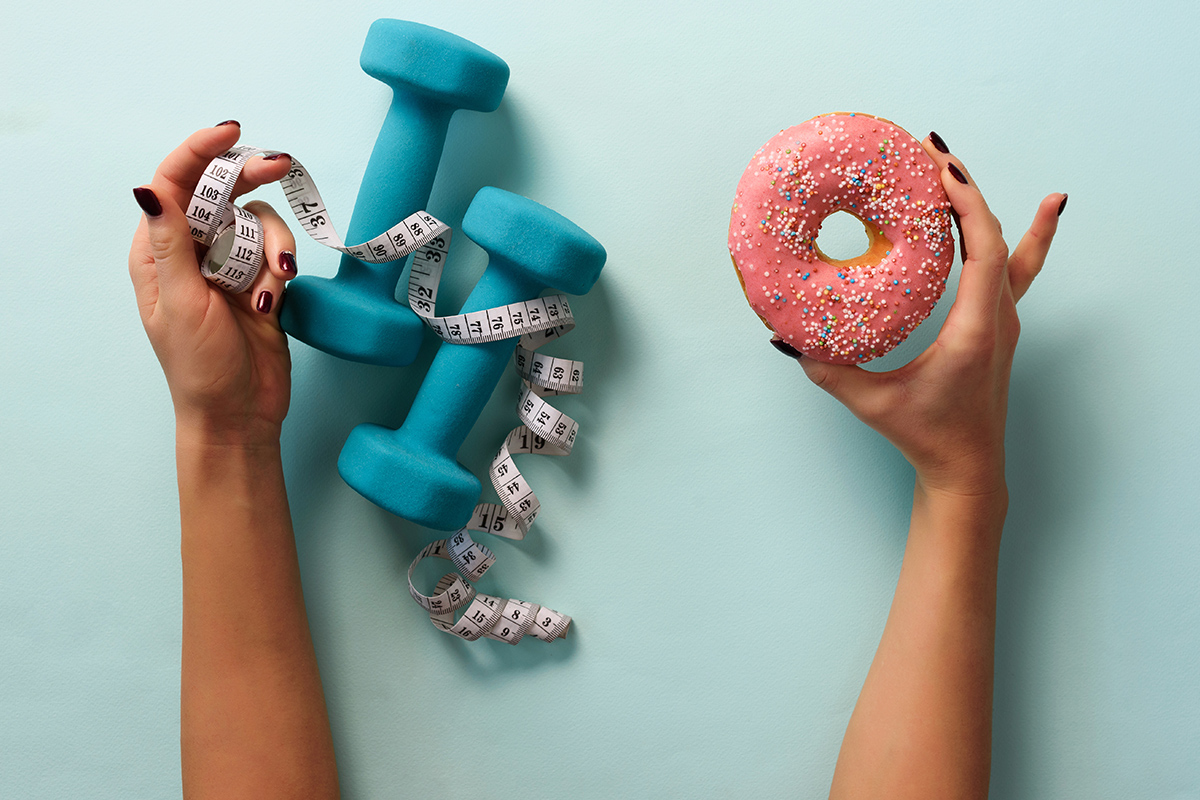
Getting motivated to hit the gym isn’t always as easy as it looks. Even if you manage to get through the doors, you might find yourself reasoning your way out of your least favorite exercises.
We’re here to talk about what you can do to pull yourself out of that funk and either start working out for the first time or reignite the motivation that’s slipping away.

01.
Adjust Your Goals and Make Them Achievable
Your goals can make or break you. If you set unattainable goals, you will find a lot of frustration along the way. Break down your larger goals into small steps. The completion of each step will be a victory in itself because it means you are progressing towards your major goal.
Suppose your major goal is to lose an inch off your waist before your cousin’s wedding in a few months. With the guidance of your doctor, trainer, or nutritionist, you will know to what extent you can task your body while still losing weight healthily.
For example, you might add 20 minutes of a new exercise to your weekly routine or adjust your diet by choosing water over soda. Making micro-changes is much more achievable than attempting to adopt multiple changes at once. For more helpful tips, listen to our Goals vs. Resolutions Podcast to hear from Personal Training Director, Tristen Alleman, who shares his thoughts on how members can successfully achieve their goals.
02.
Make It Easy to Get Started
Depending on the other responsibilities in your schedule, you may not have much control over the time of day you have available to work out. What you can control, is how easily you can get started when the time comes.
Make sure your workout clothes are clean and accessible. Have your duffel bag equipped with everything you might need to work out already inside. Make it as easy as possible to start your routine and you’ll find that, with fewer obstacles between you and the gym, you may actually make it through those doors.


03.
Change How Often You Track Your Progress
Tracking your progress can mean logging changes in your weight, taking your measurements, evaluating changes in your overall cardiac health, assessing changes in your strength or flexibility, and more. Taking note of these different stats can sometimes be a huge motivation killer if we are looking for consistent improvement but getting fluctuating numbers instead.
The key to staying motivated as you track your progress is to space out how often you measure change. For example, try measuring your weight weekly or even monthly instead of daily. Because of the way weight naturally fluctuates from day to day, you’ll get a more accurate (and less anxiety inducing) picture of your overall progress.
04.
Stay Future Focused
Keep your eyes on the prize! If you can focus on how amazing you know you’re going to feel once you’ve accomplished what you started, you can help push away the feelings of doubt that eat away at your motivation.
We know how hard it can be to keep focused on the future. It’s unpredictable, it’s always changing, and it’s nearly impossible to know how each choice we make will impact tomorrow. There may even be a complete shift in what your goals are.
The main idea here is to be open to all the uncertainties. You might hit a plateau and need to switch up your routine or find that an exercise is too hard on your body and need to scale things back. The more comfortable you are with change, the easier it will be to focus on your goal rather than on the setbacks or difficulties you encounter along the way.


05.
Remember That the Gym Is a Supportive Community
Having the support of others is a huge game-changer, and here at LA Fitness we crave your success! You can join our Online Community and connect with other members who are also working towards their fitness goals, and even track your workout schedule. We are so excited for your success that we want you to tell your story to motivate others and share your achievement. You can read about members who have changed their lives on our Member Spotlight feature.
For more motivation boosts, read our blog on Muscle Building and Fat Burning Myths or our Meal Prepping Guide for tips and tricks to get you through your meal preps. To access our monthly blog post highlights, subscribe to our newsletter today!
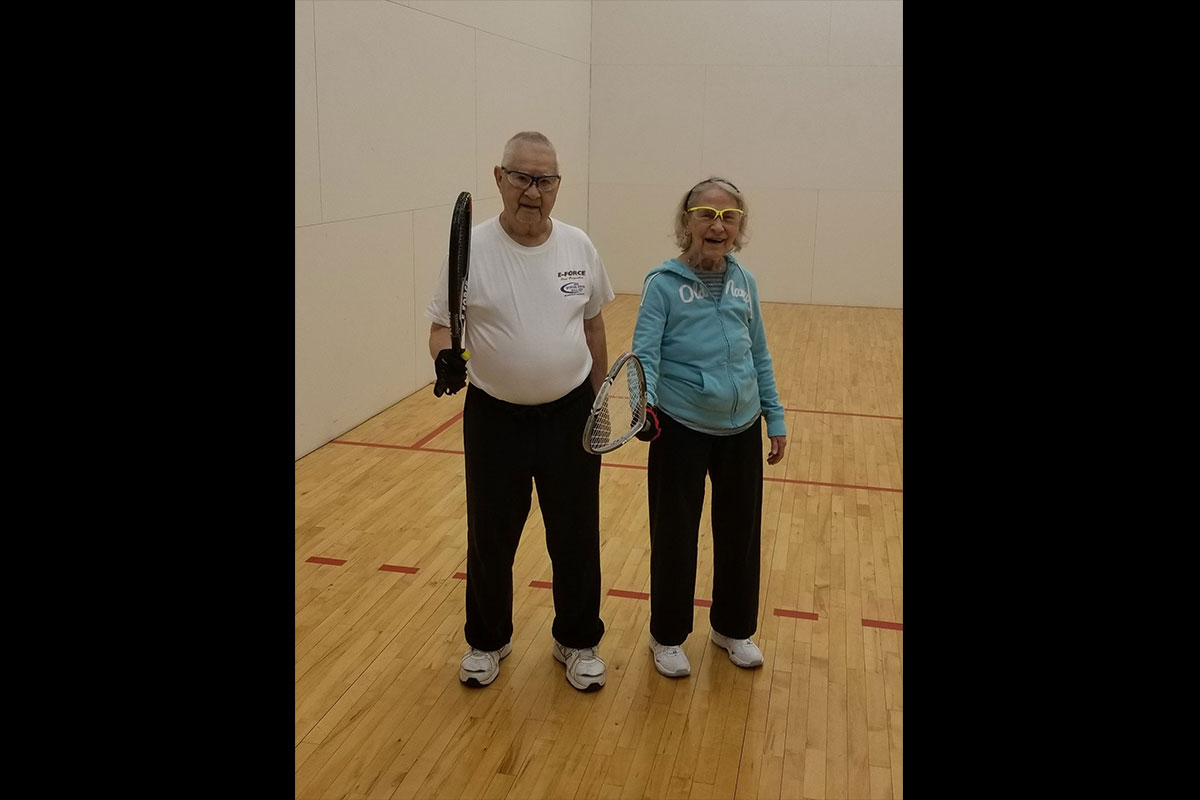
APPLE VALLEY, Minn. — For the past three decades, Jerry and Marilyn Hoagland have been playing racquetball together.
“Sometimes we get on the court when we haven’t been having a very good time at home,” Marilyn said. “Then we get here, and it’s all gone.”
Every Tuesday night, you can find the pair at the LA Fitness in Apple Valley, a place where they have become revered.
“They’re inspiring,” LA Fitness racquetball coordinator Scott Rosenburg said. “They run hard every single Tuesday.”
At 88 and 87 years young, the Hoaglands haven’t shown any signs of slowing down.
“I wanted to play until I was 100,” Jerry said. “Maybe I will.”
When Jerry and Marilyn aren’t facing each other, you can find them beating opponents more than half of their age.
“Guys don’t like to be beat by an old lady,” Marilyn said.
It started just for fun, but it’s now become a necessity for this couple of 58 years.
“It’s a lifesaver for me right now,” Marilyn said. “This is what keeps me alive. The exercise and doing it on a regular basis.”
But it’s more than just exercise or even fun for that matter.
Racquetball for the Hoaglands, is proof that couples who play together really do stay together.
“We shake hands afterward,” Jerry said. “Sometimes she doesn’t shake my hand, but usually she does.”
Reposted with permission by KARE 11 NBC. Original story written by Ryan Shaver.
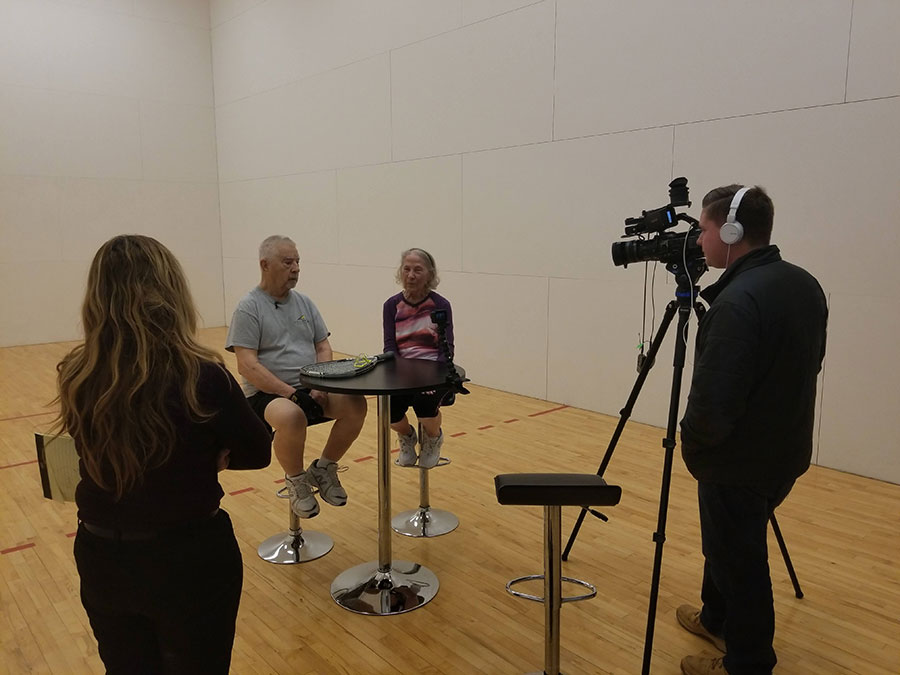

For the past three decades, Jerry and Marilyn Hoagland have been playing racquetball together. This LA Fitness couple shares what's helped keep them young.

Whether you’re traveling or simply going out for the night, plan to stick to your diet routine at restaurants. Since you have less control when someone else is preparing your food, you’ll need to be diligent about selecting the right items and controlling portions.
Here are some tips to keep you on track:
1. Select a suitable restaurant. Casual or full service, you’ll want to make sure your destination has options that fit your eating plan. Unless it’s a salad bar, skip all-you-can-eat buffets which prompt guests to fill up and take more than they need. Shared plates or tapas style restaurants are fine with a group so long as you order a couple of vegetable dishes.
See our article Dietitian Suggestions for Healthy Fast Food Options for drive-thru advice.
2. Peruse the menu ahead of time. Look at menu options online and make a decision before going to a restaurant where the atmosphere and aroma might lead you astray. Perhaps keep your favorite restaurants’ to-go menus at the ready to browse at a moment’s notice. If you can’t see the choices ahead of time before arriving, pause and take a moment to really look at the full menu.
3. Notice key descriptors. Look for clues that less fat was used in cooking such as grilled, poached baked or roasted proteins. Avoid crispy or breaded items that are probably fried. Savory listings may be higher in sodium. And it goes without saying that rich, decadent and indulgent descriptors are red flags for high calories!
4. Order carefully. You have a better chance to stick to your plans if you aren’t influenced by what others are having, so order first. Take note of side dishes offered elsewhere on the menu, so you can ask for healthier substitutions.
5. Skip the extras. You’ve been eating well up to this point, right? So you don’t need the bread, rolls or tortilla chips brought to the table. You can even ask the server not to leave any. If your table mates want you to indulge in appetizers and desserts, politely decline, unless it’s strictly fruit or vegetables.
6. Limit portions. One strategy is to ask for take-home box to be brought when your meal is served. Place half your food inside and put it aside. Skip the free refills, which make it tempting to ‘get your money’s worth,’ or you might pay a far higher price in extra calories and have difficulty maintaining your weight. Savor your food by chewing slowly, and you’ll find it’s easier to eat less.




Want more? SUBSCRIBE to receive the latest Living Healthy articles right in your inbox!
This article should not replace any exercise program or restrictions, any dietary supplements or restrictions, or any other medical recommendations from your primary care physician. Before starting any exercise program or diet, make sure it is approved by your doctor.


How many hours before and after working out until I can eat?
– Nino

Of course, you CAN eat anytime. The optimal time to eat around working out depends on what else is going on, what exercise you are doing, and what you intend to eat. It’s a matter of getting fuel to the muscles (but not an excess) and clearing your gut for comfort. Simple carbohydrates and lean proteins are more easily digested so they are good choices close to working out, within 30-60 minutes beforehand. On the other hand, solid fats and fibrous starches take a while to break down in your GI system, so you’ll need to allow multiple hours for those to digest.
If you sprint out of bed for a 6 am run, I’d suggest a sports drink to sip during the run and a breakfast immediately following. If you hit the gym an hour after rising, perhaps you should drink a smoothie as soon as you wake up and eat a small breakfast afterward. For a quick weight training workout during a lunch break, you’ll want a little easily-digested energy first (e.g. applesauce or soft pretzel) followed by a simple meal afterward, like a sandwich. You may not need a snack prior to an afternoon workout unless it’s been more than 3 hours since your mid-day meal. So if you finished lunch at 1 pm and plan to workout at 5 pm, then I’d suggest a protein drink an hour before at 4 pm. On the contrary, a 4-5 pm workout after a late 2 pm lunch should be fine.
For evening workouts, an afternoon snack is a must if dinner is pushed to after exercise. Suitable mini-meals in the afternoon include tuna salad and crackers, a bowl of soup, Greek yogurt & granola, or hummus with pita and carrots. If your workout is at the tail-end of your day, be sure to have your last meal 2-3 hours prior to the workout and a simple recovery option like chocolate milk afterward.
Examples:
1) whopping lunch, 5 pm workout.
It may take several hours to fully digest and absorb all those calories, so your tank would still be over half full in 4-5 hours. Just have a sports drink handy during your workout in case you feel a dip in energy, and plan for a small dinner afterward.
2) balanced lunch, late 8 pm workout.
You may want to snack twice in between, or opt for a small meal at 5 pm. For the former snack option, stash at-work options like trail mix in your desk, a pre-made wrap in the fridge, or buy an apple and peanut butter crackers from the vending machine. If you choose the latter small meal option, a pre-made chicken pasta primavera salad, a whole wheat wrap with turkey and avocado, or mini English muffins pizzas will provide a few hour’s energy.
– Debbie J., MS, RD
This article should not replace any exercise program or restrictions, any dietary supplements or restrictions, or any other medical recommendations from your primary care physician. Before starting any exercise program or diet, make sure it is approved by your doctor.

In your quest for “yoga studios near me,” you’ll discover that LA Fitness clubs nationwide provide a tranquil haven for mental and physical well-being. With a variety of yoga classes tailored to meet the needs of every member, from beginners to seasoned yogis, LA...

Committing to a workout routine can be challenging, but with the right approach and resources, it’s achievable. Whether you’re a beginner or looking to enhance your current fitness regimen, LA Fitness offers a range of options to help you stay on track. Booking a...

Starting your fitness journey at the gym can be both exciting and overwhelming. As a first-time gym user, it's important to approach your workouts with a plan that is tailored to you. LA Fitness welcomes first-time gym-goers with beginner workouts designed to build...
Want more? SUBSCRIBE to receive the latest Living Healthy articles right in your inbox!
 Have a nutrition question? Our registered dietitian is ready to help!
Email nutrition@lafitness.com or submit your question below and it may be featured in an upcoming article!