
How Do I Add More Protein Into My Diet? | Q+A

How Do I Add More Protein Into My Diet? | Q+A

Question:

I’m on a low-carb, high protein diet but I’m having trouble eating enough protein and too many carbs. How do I get more protein into my diet without adding any more carbs?

– Emma P.

Answer:

For fewer carbs, you may need to adjust traditional starchy meals that are typically carbohydrate rich and shift intake to typically animal or vegetable -based foods. For example, skip all traditional pizza, pastas, and sandwiches and instead substitute cauliflower crust pizza, meat/vegetable primavera, and lettuce wraps with healthier ingredients as toppings/filling.

These have negligible carbohydrate, and offer 5-8 gms protein per ounce:

  • Boneless, skinless chicken and turkey
  • Trimmed beef and pork
  • Eggs
  • Skinless fish
  • Scallops, shrimp, real crabmeat, lobster
  • Lamb
  • Brie, cheddar, mozzarella and Monterey Jack cheese

These offer at least 1 gram of protein for every gram of carbohydrate:

  • Almonds
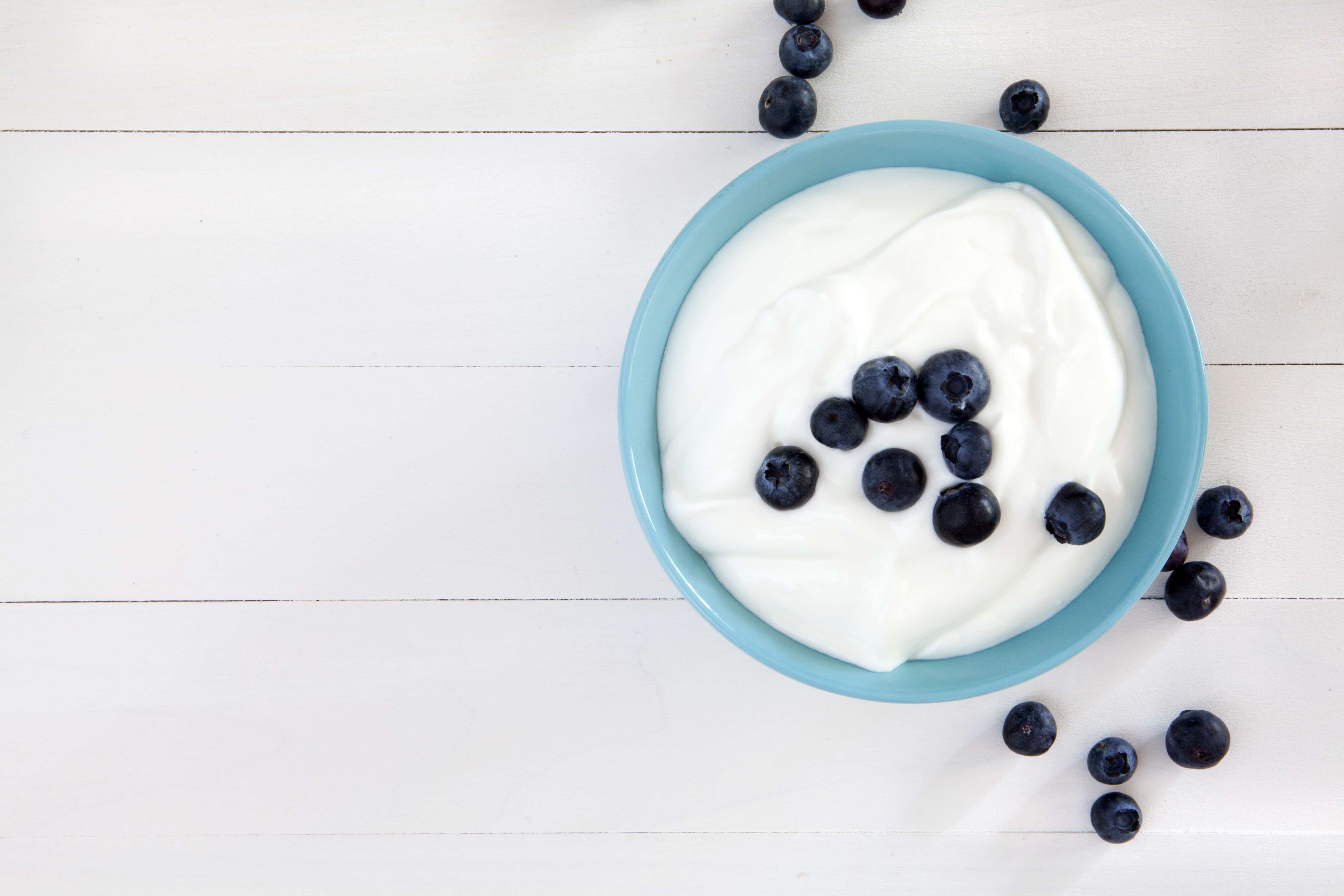
  • Greek yogurt
  • Hazelnuts
  • Soybeans
  • Sunflower seeds
  • Walnuts
  • Ultra-filtered milk

These have 3-5 grams carbohydrate, yet offer 2-6 grams protein per serving:

  • Asparagus (½ C)
  • Broccoli (½ C)
  • Macadamia nuts (1 oz.)
  • Mushrooms (½ C)
  • Peanuts (1 oz.)
  • Pecans (1 oz.)
  • Spinach (½ C)

These provide 3-5 grams carbohydrate with about 1 gram protein per ½ C serving:

  • Lettuce
  • Cabbage
  • Carrot
  • Cauliflower
  • Celery
  • Cucumber
  • Green Beans
  • Tomatoes
  • Zucchini


By focusing on the above foods as the base of your diet, you should have enough wiggle room to work in a daily serving of nutrient-rich carbohydrates like beans and fruit, which are both good fiber sources.

– Debbie J., MS, RD

This article should not replace any exercise program or restrictions, any dietary supplements or restrictions, or any other medical recommendations from your primary care physician. Before starting any exercise program or diet, make sure it is approved by your doctor.

LA Fitness Living Healthy subscribe button

Want more? SUBSCRIBE to receive the latest Living Healthy articles right in your inbox!

Recommended Reading

Labor Day Workout: Energize Your Holiday!

Labor Day Workout: Energize Your Holiday!

Labor Day is the perfect time to relax and recharge, but why not also take a moment to energize your body with a quick and effective workout? Here’s a simple routine you can do at home or in a park to make the most of your holiday. Warm-Up (5 minutes) Jumping Jacks: 2...
Nurturing a Healthier Relationship with Food

Nurturing a Healthier Relationship with Food

In today’s fast-paced world, developing a healthier relationship with food is essential for overall well-being. Mindless eating, often done while multitasking, can lead to overeating, poor digestion, and a strained connection with food. By practicing mindful eating,...

Quick Fitness for Professionals

Quick Fitness for Professionals

In today’s fast-paced world, finding quick fitness for professionals can be a challenge. However, maintaining a healthy lifestyle is crucial for both physical and mental well-being. Here are some time-saving strategies to help you stay fit without compromising your...

Ask our Dietitian

Have a nutrition question? Our registered dietitian is ready to help!

Email nutrition@lafitness.com or submit your question below and it may be featured in an upcoming article!

6 + 14 =

Meal Planning for Adolescents | Q+A

Meal Planning for Adolescents | Q+A

Question:

Hi. I’m a teacher in the city and for an upcoming “project” I want my 7th grade students to create a healthy eating plan. I’m into fitness and eating healthy and want my students to learn about it. Seeing a kid eat a bag of Doritos for breakfast drives me nuts haha. I follow my own eating plan based on my weight and lifting 6 days a week. Mine focuses on the amount of protein, carbs, calories, and fat I consume based on my weight. I consume .5 g of fat per lb. of my body fat, 17 calories per lb., .5 g of carbs per lb., and 1.5 g protein per lb. I want something similar to use with my 7th grade students based on what they should do per lb. if they are not active, moderately active, and very active. I want them to be able to do math based on this so don’t want to use one of the calculators they have online. Would you have any ideas or recommendations for this?

– Drew

Answer:

Hello Drew, the recommendation is to use a range of nutrient values, especially for adolescents, as there is not one “ideal.” Here are the nutrients you identified and the general goals for youth in the age range of 7th grade for sustaining a healthy body weight*.

Calories for 11-14 y.o. – sedentary 1600-2000 calories, moderately active 1800-2400 calories, active 2000-2800 calories. Girls at lower end of ranges, boys at upper end.

Fat – 25-35% of calories

Carbohydrate grams – 130 grams minimum, 1.4-2.3 gm/lb very light intensity training, 2.5-3.6 gm/lb moderate or heavy training. (45-65% calories)

Protein grams – base need 0.5 gm/lb, 0.5-0.7 gm/lb early training, [DJ3] 0.6-0.7 gm/lb endurance sports or restricting calories. (10-30% calories)

Target nutrient values are only meaningful if there is a way to measure intake against them.  Otherwise, “X  grams” is meaningless. A nutrition analysis program or tables (e.g. USDA Food Composition Database https://ndb.nal.usda.gov/ndb/) to determine each and every food can be cumbersome.  It would be more practical to have students create a plan using known food group serving values. Standardized exchanges for meal planning have the following basic nutrient values:

·         Vegetables – 25 calories, 0 gm Fat, 5 gm carbohydrate, 2-3 gm protein

·         Fruit – 60 calories, 0 gm Fat, 15 gm carbohydrate, 1 gm protein

·         Non-Fat or Low Fat Cow’s Milk/Yogurt – 90-110 calories, 0-3 gm fat, 12 gm carbohydrate, 8 gm protein

·         Reduced Fat or Regular Cow’s Milk/Yogurt – 120-150 calories, 5-8 gm fat, 12 gm carbohydrate, 8 gm protein

·         Very Lean or Lean Protein – 35-55 calories, 1-3 gm fat, 0 carbohydrate, 7 gm protein

·         Regular Protein – 75 calories, 5 gm fat, 0 carbohydrate, 7 gm protein

·         Starches – 80 calories, 0 gm Fat, 15 gm carbohydrate, 2 gm protein

·         Beans (1/2 cup) – 100 calories, 0 gm fat, 20 gm carbohydrate, 8 gm protein

·         Nuts/Seeds (1 oz) – 150 calories, 10-15 gm fat, 4 gm carbohydrate, 3-6 gm protein

·         Fat – 45 calories, 5 gm fat, 0 gm carbohydrate, 0-1 gm protein

Serving sizes and descriptions can be found at https://www.nhlbi.nih.gov/health/educational/lose_wt/eat/fd_exch.htm.

For example, the target of 2200 calories, 50 gm fat, 275 gm carbohydrate and 100 gm protein,  could be met with 5 vegetables, 3 fruit, 2 low fat milk/yogurt, 1 regular milk/yogurt, 3 lean protein, 3 regular protein, 8 starches, 2 beans, 2 nuts/seeds, and 3 fat, with calorie distribution of 25% fat, 52% carbohydrate and 23% protein. For an extra credit exercise, you can have students check my work!

– Debbie J., MS, RD

This article should not replace any exercise program or restrictions, any dietary supplements or restrictions, or any other medical recommendations from your primary care physician. Before starting any exercise program or diet, make sure it is approved by your doctor.

Sources:

*from the 2003 Academy of Nutrition and Dietetics recommendations for young athletes; Dietary Reference Intakes: The Essential Guide to Nutrient Requirements (2006); 2015 Dietary Guidelines for Americans

Recommended Reading

Debunking Diet Myths

Debunking Diet Myths

With so many sources offering nutrition advice, it’s hard to know what’s true. Even factual information can become distorted by the time it reaches you. Like a game of telephone, the message often changes as it’s passed along. Here, we debunk 5 common diet myths to...

Labor Day Workout: Energize Your Holiday!

Labor Day Workout: Energize Your Holiday!

Labor Day is the perfect time to relax and recharge, but why not also take a moment to energize your body with a quick and effective workout? Here’s a simple routine you can do at home or in a park to make the most of your holiday. Warm-Up (5 minutes) Jumping Jacks: 2...

Nurturing a Healthier Relationship with Food

Nurturing a Healthier Relationship with Food

In today’s fast-paced world, developing a healthier relationship with food is essential for overall well-being. Mindless eating, often done while multitasking, can lead to overeating, poor digestion, and a strained connection with food. By practicing mindful eating,...

Ask our Dietitian

QA_icon

Have a nutrition question? Our registered dietitian is ready to help!

Email nutrition@lafitness.com or submit your question below and it may be featured in an upcoming article!

12 + 8 =

LA Fitness Living Healthy subscribe button

Want more? SUBSCRIBE to receive the latest Living Healthy articles right in your inbox!

Where to Start With Nutrition | Q+A

Where to Start With Nutrition | Q+A

Question:

Hello, I’m a new member. I’m a 360 lb. and 5’8” female. I don’t know where to start with my nutrition. What do I eat? What serving size should I eat? How many meals a day and when do I eat? What should I shop for when buying food and drinks? Thank you.

– Sherland B.

Answer:

Hello Sherland and welcome! Getting started on a new eating plan can be overwhelming. I’m guessing you have some idea of what healthier choices look like, though. Key points on choosing good foods are to:

  • Focus on complex carbohydrates
  • Eat plenty of vegetables
  • Choose lean protein and low-fat dairy
  • Opt for plant sources of fat
  • Avoid fried food, candy, junk food, alcohol and soda

Most often people don’t need nutrition information which you can get from a book but rather, they could use guidance on lifestyle and behavior. Your best bet may be to meet with a Registered Dietitian Nutritionist who can work with you to create a personalized plan based on your lifestyle and goals.

Without the level of detail necessary to give personalized advice, my initial nutrition advice would be to follow the 2015 Dietary Guidelines for Americans which are supported in the ChooseMyPlate.gov recommendations and MyPlate checklists. For an estimated 1800 calories that would be daily intake of:

1 ½ cups FRUIT

  • 1 cup of fruits counts as:
  • 1 cup raw or cooked fruit; 1/2 cup dried fruit; or 1 cup 100% fruit juice

2 ½ cups VEGETABLES

  • 1 cup vegetables counts as:
  • 1 cup raw or cooked vegetables; 2 cups leafy salad greens; or 1 cup 100% vegetable juice

6 ounces GRAINS

  • 1 ounce of grains counts as:
  • 1 slice bread; ounce ready-to-eat cereal; or 1/2 cup cooked rice, pasta, or cereal

5 ounces PROTEIN

  • 1 ounce of protein counts as:
  • 1 ounce lean meat, poultry, or seafood; 1 egg; 1 Tbsp peanut butter; 1/4 cup cooked beans or peas; or 1/2 ounce nuts or seeds

3 cups DAIRY

  • 1 cup of dairy counts as:
  • 1 cup milk; 1 cup yogurt; 1 cup fortified soy beverage; or 1 1/2 ounces natural cheese or 2 ounces processed cheese For a sample menu, see our answer to another member’s question by clicking here: How many calories a day should I eat and what should I be eating to lose weight?  The daily pattern above, combined with good food choices, can be helpful in creating a new routine to jump-start change.

– Debbie J., MS, RD

This article should not replace any exercise program or restrictions, any dietary supplements or restrictions, or any other medical recommendations from your primary care physician. Before starting any exercise program or diet, make sure it is approved by your doctor.

Ask our Dietitian

QA_icon

Have a nutrition question? Our registered dietitian is ready to help!

Email nutrition@lafitness.com or submit your question below and it may be featured in an upcoming article!

3 + 14 =

LA Fitness Living Healthy subscribe button

Want more? SUBSCRIBE to receive the latest Living Healthy articles right in your inbox!