The Fact and Fiction of Gluten-Free
Many sufferers of Celiac Disease need to live a gluten-free life, but countless others are also adopting a gluten-free diet. Is there an advantage? Let’s find out.


Gluten is a common term for the proteins found in wheat, rye, barley, triticale, malt, and brewer’s yeast.1 It is what helps maintain the shape and texture of foods made with these grains. The list looks simple enough, but we have not yet considered the various products made from these grains that are then used in various foods. This can make it difficult to really know which consumables contain gluten.
For example, products like semolina, farina, spelt, farro, bulgar, emmer, and more, are all products made from wheat. If you see one on a food item’s ingredient list, you may not immediately know that it contains gluten.
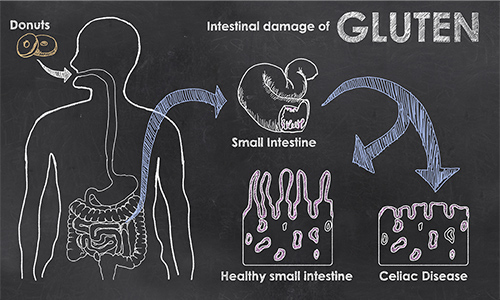
Consuming gluten typically isn’t a problem unless you have a sensitivity to or intolerance for it. People diagnosed with Celiac Disease experience the more serious side-effects because the intake of gluten actually causes damage to the small intestine. Not only does this hinder nutrient absorption, it can also result in symptoms like weight loss and diarrhea.2 For these reasons, malnutrition is a serious concern for individuals with this condition.
Non-celiac gluten sensitivity essentially means that, even though a person tests negative for Celiac Disease and negative for a wheat allergy, they still experience some of the milder side-effects. Typically, this means they may experience some intestinal symptoms, headaches, fatigue, and joint pain if they consume gluten.2

How surprised would you be to learn that the opposite can actually be true? Gluten-free foods can contribute to weight gain because food manufacturers will often add fat and sugar to help recreate the qualities that gluten gives to food.3 In fact, there is no evidence that supports the idea that gluten-free foods can help someone lose weight.3
The reason gluten-free diets are perceived as beneficial for weight loss probably comes from the fact that going “gluten free” can simply mean sticking to unprocessed foods. For example, avoiding glutinous foods (like cake, pasta, etc.) can mean a lower daily calorie count which is potentially what helps gluten free dieters lose weight.

Research has determined that there is a safe threshold in terms of gluten consumption. So, if a food is labeled as “gluten free,” what that really means is that it contains less than 20 parts per million of gluten.4 Okay, but what does that even mean? We rarely quantify things this way. Parts per million refers to how much gluten there is in relation to all the other ingredients. This is not a fixed number. Some foods have a little more and some have a little less.
Each low-gluten food item adds to your overall daily intake. This means that if you consume too many “gluten-free” foods, you can accidentally consume more than the safe amount. Individuals with Celiac Disease are advised to consume no more than 10-50 milligrams per day.4
Following a gluten-free diet is actually pretty tough to adhere to, and if you don’t pay attention to what you’re eating (or if you stick to the same foods every single day), you may put yourself at risk for nutrient deficiencies. Not to mention that gluten-free foods typically aren’t enriched with the nutrients you’re already missing by avoiding gluten-containing foods.3
According to an article by the Gluten Intolerance Group, some of the most common nutrients that are difficult to obtain on a gluten-free diet include:
If you need to go gluten-free, Healthline explains that the easiest way to avoid gluten is to eat unprocessed, single-ingredient foods. This means you should avoid foods like bread, pasta, cereal, cookies, muffins, pizza, crackers, and certain beverages like beer. You should also avoid foods made or topped with soy sauce, teriyaki sauce, hoisin sauce, certain broths or marinades, and even some salad dressings.1
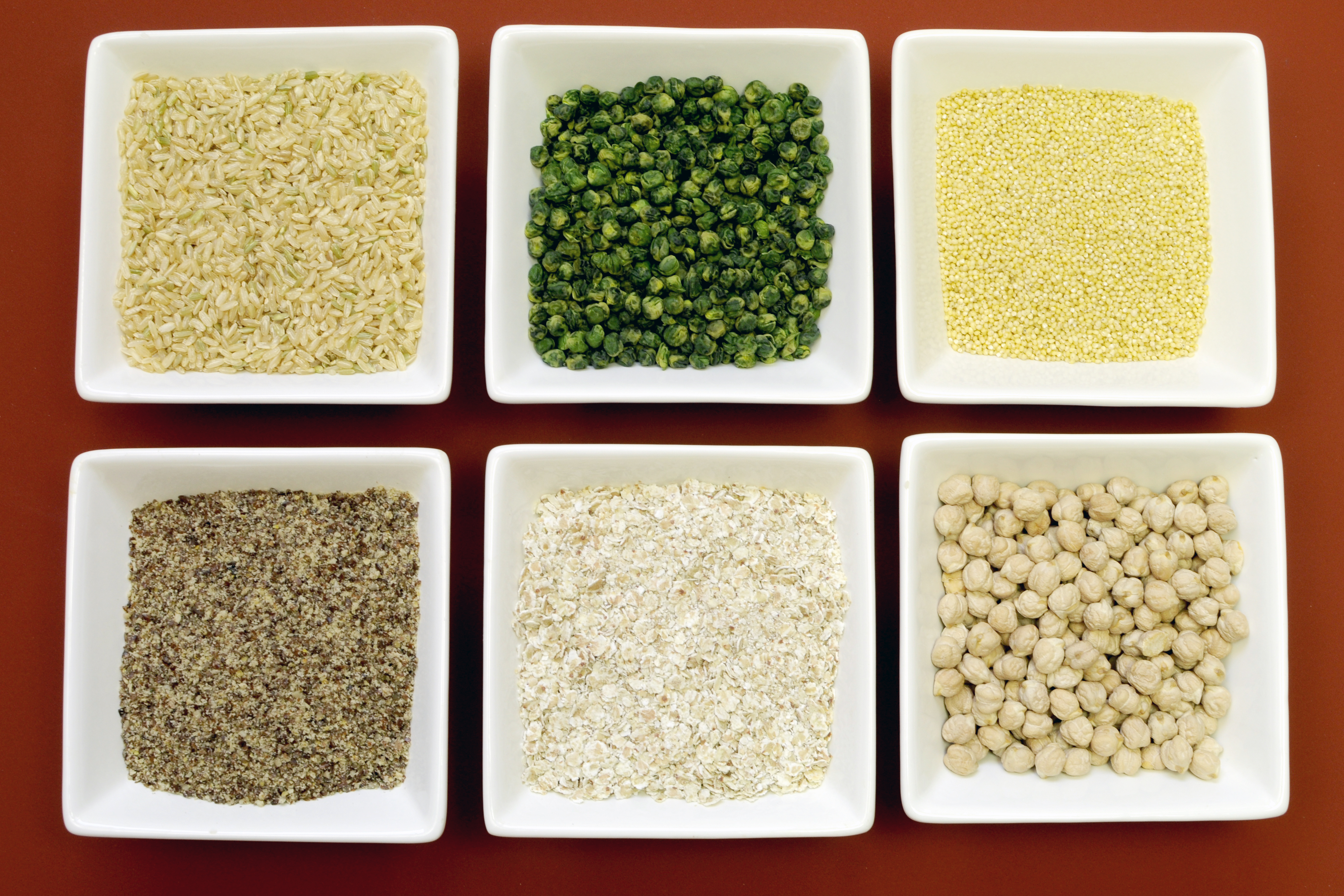
If you are going to consume grains, you are encouraged to stick to foods like quinoa, rice, buckwheat, tapioca, corn, and gluten-free oats.1 To be extra-safe, check the packaging for a “gluten-free” label on these items because many foods that are naturally gluten-free (like oats) may still be contaminated with gluten because they are processed or packaged in the same facility as gluten-containing products.
The lists go on for both the do’s and don’ts of gluten-friendly dieting, so be sure to check with a reputable source for a more complete list of foods.
Do you have any tips or tricks for gluten-free dieters? Share your thoughts in the comments below! For more articles like this one, subscribe to our newsletter to receive monthly highlights from the Living Healthy Blog.

Counting calories during the holidays may as well be a task for only the mightiest among us. The effort either requires enormous willpower or a serious dislike for holiday dishes. Aside from the calories, however, the holidays are often a time when cooking and baking together is part of the joy of the season.
That is why we’ve scoured the internet to compile a list of holiday cookie recipes that are more merciful on your waistline than their classic counterparts. You’ll find that it is possible to enjoy the tastes of the season without succumbing to the siren call of comfy sweatpants.
01.
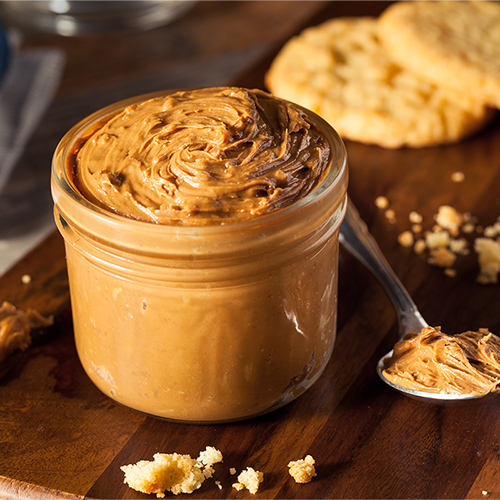
Recipe #1 – Vegan Peanut Butter Protein Cookies
This recipe by Chocolate Covered Katie is a no-bake take on classic peanut butter cookies! This version tosses the flour and substitutes it with protein powder! The addition of applesauce is a surprising twist, but, including it in the cookie “dough” ensures your cookies are moist and still sweet despite the reduced sugar content.
02.
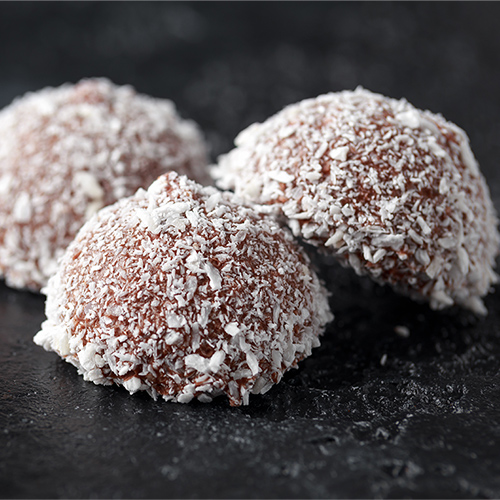
Recipe #2 – Paleo Chocolate Snowball Cookies
Nothing says December like cold weather and snow-capped mountains. So, a natural season favorite would have to be Snowball Cookies! Arman Liew shares his festive recipe on The Big Man’s World. With only 4 ingredients, and no baking involved, you can see why this recipe is hailed as a simple yet delicious treat. No kitchen savviness required.
03.
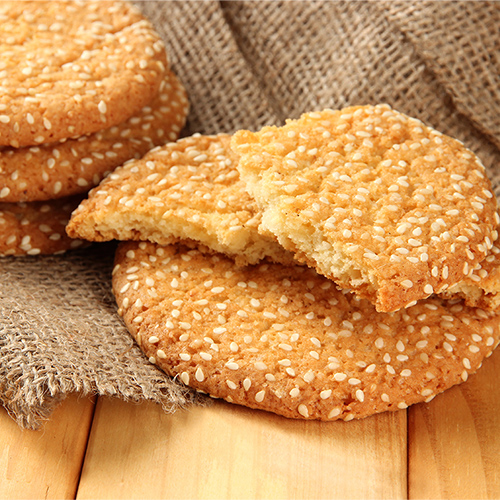
Recipe #3 – Flourless Tahini Cookies
If you’re unfamiliar with Tahini, it’s a sauce or paste made from toasted sesame seeds. On its own, it can be somewhat bitter, though some people will eat it by the spoonful as a cough suppressant. Does it work? We’re not sure, but does it make some great cookies? Yes, yes it does. Try out this recipe by Jyothi on The Curry Trail and let us know what you think of this nutty, low-fat cookie!

04.
Recipe #4 – Low Carb and Sugar Free “Oatmeal” Cookies
With sliced almonds stepping in for oats, these “oatmeal” cookies are a low carb alternative to the real thing. The only actual oat component is some oat fiber which is added to give these cookies their texture. Recipe creator, Kim Hardesty, suggests substituting this ingredient for coconut flour if you want to go completely oat free. Check out her instructions on Low Carb Maven.

05.
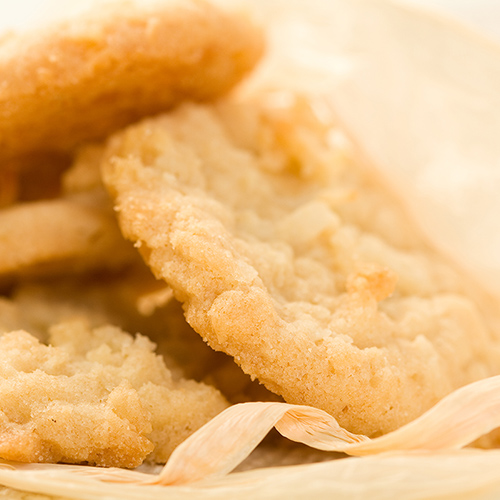
Recipe #5 – Healthy Gingerbread Cookies
The holidays are not complete without the spicy snap of gingerbread cookies. Easy to make, fun to decorate, and delicious to share, this seasonal favorite now comes in a healthier recipe. You won’t find a trace of refined flour or sugar, or any butter (if you choose coconut oil) in these wintertime treats. You’ll also get some tips on how to get that perfect gingerbread man shape. The details are all here, on Amy’s Healthy Baking website.
06.
Recipe #6 – Gluten Free Paleo Coconut Cookies
These Coconut Cookies are Paleo friendly, vegan, gluten-free, and even dairy-free. This recipe calls for only 4 ingredients, but the secret to this baked good is in the technique, not in any secret ingredients or special substitutions. Demeter breaks down her process in a detailed step by step guide on Beaming Baker. Take a look!
07.
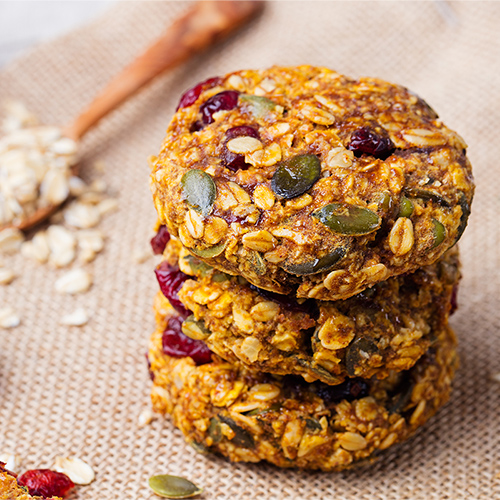
Recipe #3 – Flourless Tahini Cookies
We had to include a recipe that plays on the classic oatmeal raisin cookie. Naturally sweetened with honey and made with nutritious ingredients like oats, flaxseed, pumpkin seeds, and cranberries, these energy-packed cookies deserve more time in the day than just breakfast. Regina’s popular recipe can be found on Leelalicious.
08.
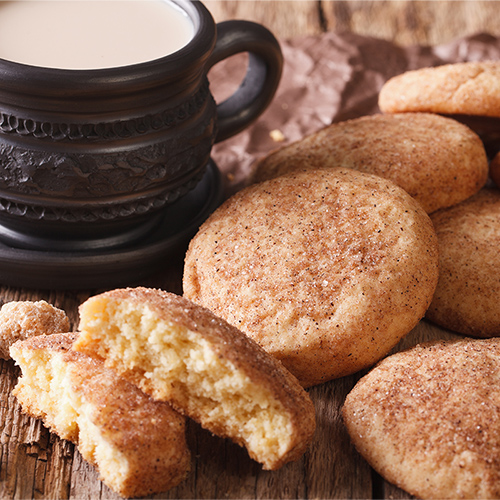
Recipe #8 – Skinny Snickerdoodles
We close off our list with another recipe by Chocolate Covered Katie because making snickerdoodles healthy looks like a tough undertaking, and this recipe looks just right. With different options for your flour and sweetener, and only a quarter cup of butter, skinny snickerdoodles look like a great addition to our holiday cookie list. Fill your kitchen with the smells of warm cinnamon and watch everyone within sniffing distance come by to investigate.
It’s okay to indulge in a few healthier snacks this season, and of course, moderation is key. Some treats, like dark chocolate and almonds, even have some health benefits. To keep from over-indulging, read our registered dietitian’s Super Snacking Guide for ideas on how to keep your snacking on the healthy side. To access our monthly blog post highlights, subscribe to our newsletter today!
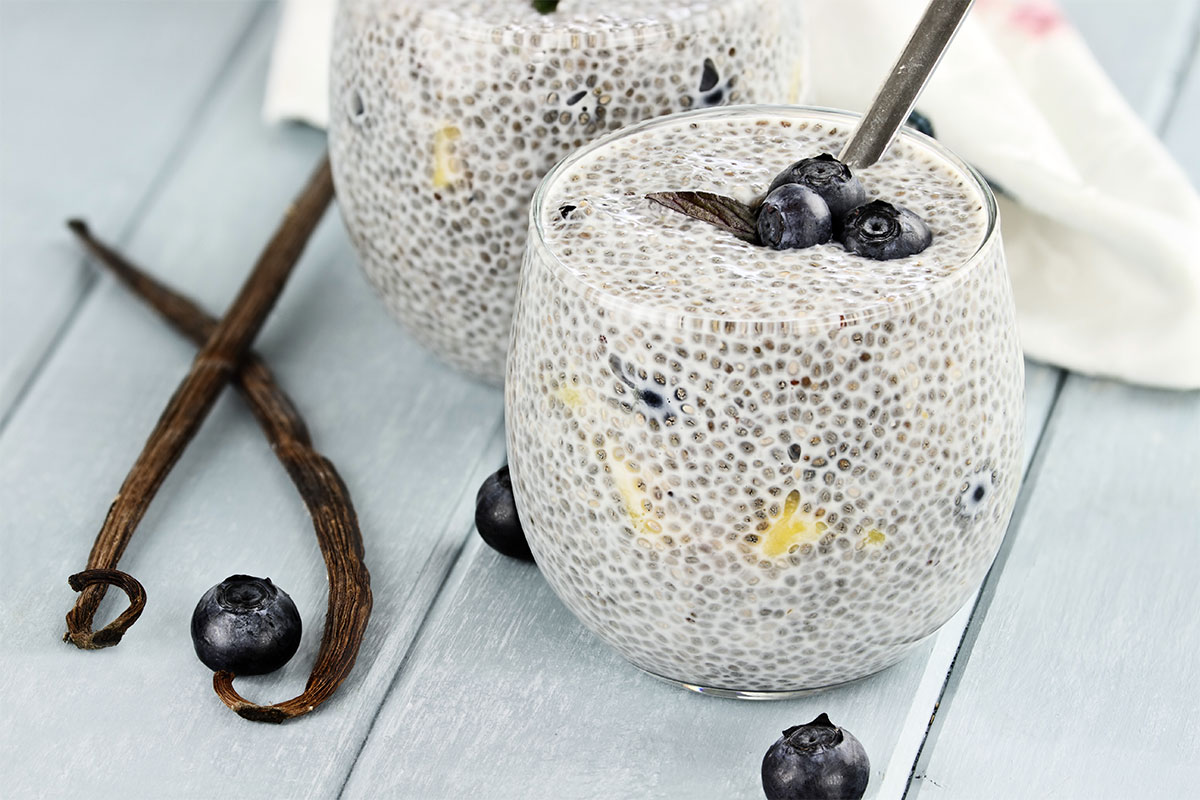

My question is about breakfast for vegans. I’m avoiding carbs, grains, gluten. I don’t eat bread, pasta, grains. What would you recommend for breakfast?
– Siposs V.

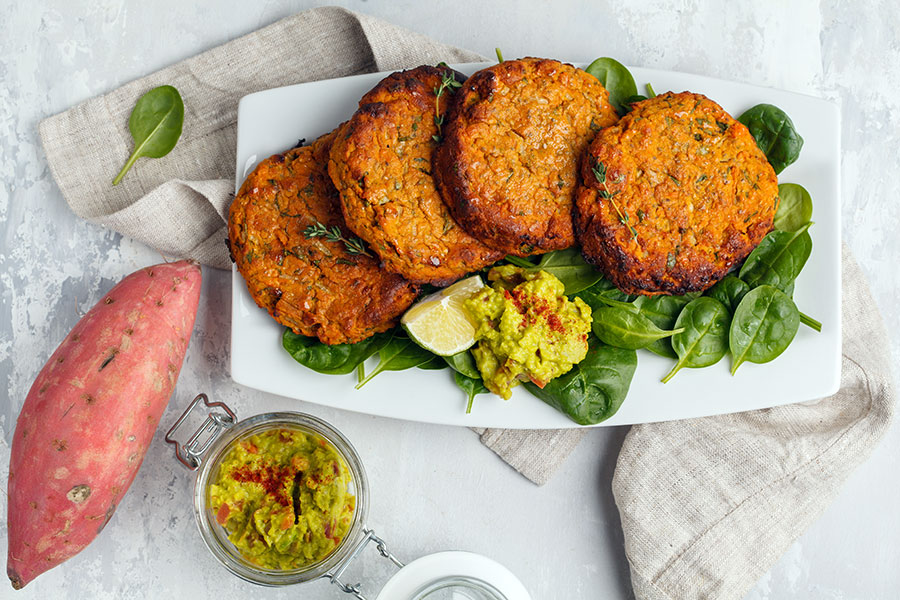
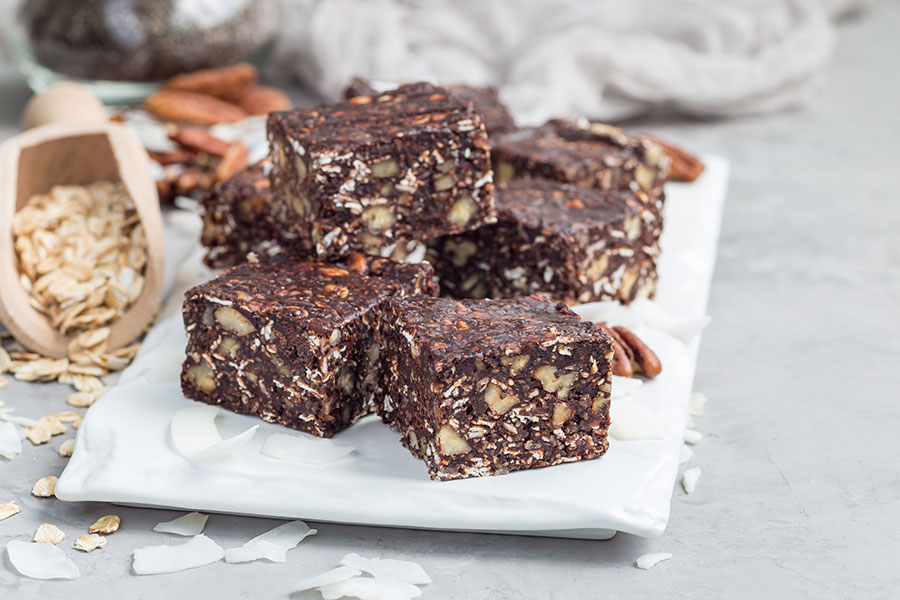
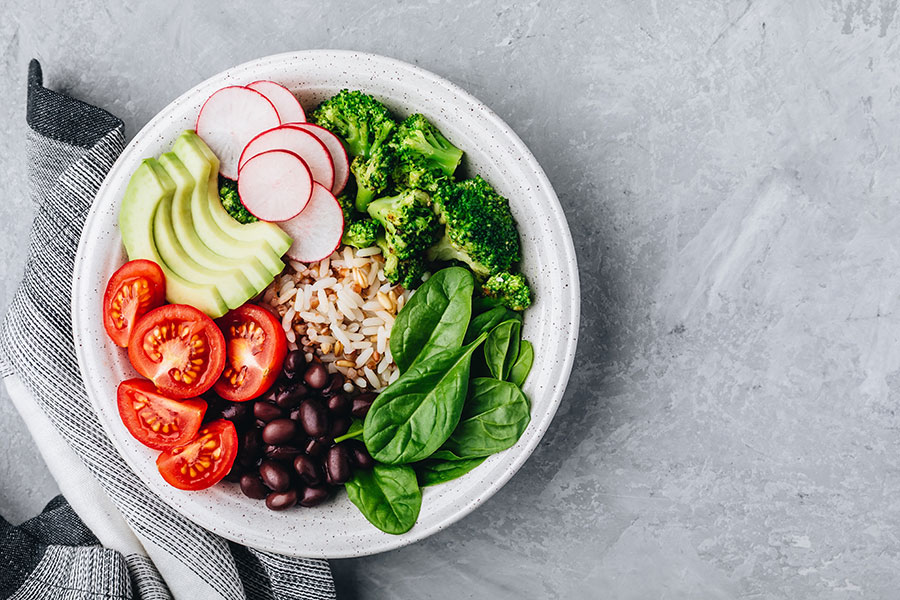
Think outside the breakfast box when it comes to morning meals with selective ingredients! You can adapt traditional breakfast foods by substituting for the grains or transform meals otherwise considered for lunch/dinner.
Some tasty options for a vegan grain-free breakfast include:
– Debbie J., MS, RD



This article should not replace any exercise program or restrictions, any dietary supplements or restrictions, or any other medical recommendations from your primary care physician. Before starting any exercise program or diet, make sure it is approved by your doctor.
Some questions have been edited for length and/or clarity.
 Have a nutrition question? Our registered dietitian is ready to help!
Email nutrition@lafitness.com or submit your question below and it may be featured in an upcoming article!
Many sufferers of Celiac Disease need to live a gluten-free life, but countless others are also adopting a gluten-free diet. Is there an advantage? Let’s find out.
Counting calories during the holidays is tough! These healthier cookies are not, and they’ll please your palate without sabotaging your health goals.
Think outside the breakfast box when it comes to morning meals with selective ingredients! You can adapt traditional breakfast foods by using these substitutes.

I just found out I have Celiac Disease and must become gluten-free. Do you have any suggestions on gluten-free snacks? Is it unhealthy to be having more intakes of corn and rice based products? – Dena O.

Snacks based on fruit, nuts, seeds, milk, eggs or meats are no-brainers. Examples include good old-fashioned celery with natural peanut butter, cheese and apples, or hard-cooked egg and grapes. If you want something sweet or savory from a box or bag (think crackers or chips) then it’s trickier to avoid gluten, but many suitable products now line the shelves. You just have to look carefully at the ingredients list if the package doesn’t indicate “gluten-free” or GF.
Some favorite GF snacks of mine include yogurt, edamame (soybeans), sweet potato chips, trail mix, guacamole or salsa with corn tortilla chips, snap peas and carrots with hummus, and GF bars such as Larabar or KIND. I’d recommend you explore options for home and on-the-go that you can stock up on so you won’t be without suitable snacks when you need them.
Corn and rice are fine when replacing wheat as a main carbohydrate source in the diet. Many populations live off these (or potatoes) as their staple food. Your concern should be for how processed your selections are, as products based on these can be wholesome or refined. Popcorn is fine, whereas cheese flavored corn puffs are not. Brown rice cakes or GF wild rice soup are fine, but crisped rice treats are not.
Other readers: Interested in a gluten-free diet for weight loss? CLICK HERE to read our article on the facts.
– Debbie J., MS, RD
Do you have a question about your diet or nutrition?
Ask our dietitian by submitting your question to nutrition@lafitness.com or simply ask it in the COMMENTS section below. To learn how to follow the “Ask Our Dietitian” Q&A CLICK HERE!