High Energy Workouts for a Head Start on Swimsuit Season
It's easier to work hard when you’ve got a game plan. Here are some options to help keep you moving until the last second of your workout!



For a solid high-energy workout, you’ve got to put in the work! Even if you’re not keeping up with the class or if you’re running a slow mile compared to someone else, putting in the best that you can do means you’re getting an amazing workout.
Your body is always competing with its own personal best. If you are challenging yourself in a way you haven’t been challenged before, then you’re doing things right! This can mean that you’re doing one more pushup when you thought you were ready to quit or running your mile a couple seconds faster than you did the last time. Strive to outdo yourself in bits and pieces and you’re bound to get more out of your workout!
That being said, we know it’s easier to give that little bit extra when you have a game plan. Here are some options to help keep you moving until the last second of your workout!
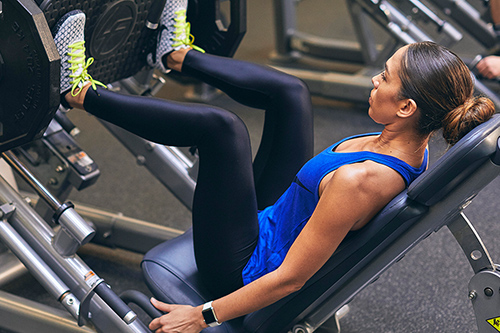
Circuit Training tasks your body to perform a series of exercises back to back before a brief period of rest. This workout model is intense, not only because it works multiple muscle groups over the course of the workout, but because it requires you to keeping moving all the way through. If you’re really feeling ambitious you can even throw in some cardio before you start your circuit.
A sample workout could look like this: Complete 8 to 15 reps performing the Leg Press, then the Chest Fly, then the Glute Kickback, and end with Bicep Curls. Rest for 90 seconds and repeat the circuit 2 to 3 times.
View this circuit, and additional samples of this training model, here.

Plyometric exercises can be upper body or lower body focused. It’s all about building up your movement from slow and controlled to explosive and powerful. Plyometrics are great for generating speed, but to accomplish this, your body will need to expend a lot of energy to move the way you’re asking it to.
Lower-Body Plyometrics – These are exercises like box jumps, jump squats, and switch jumps. The sudden explosion of energy required to jump is what makes these exercises plyometric movements. You can even add a medicine ball to increase the intensity. Click to view some medicine ball plyometrics.
Upper-Body Plyometrics – These focus less on jumping and more on generating power from your upper body. An example of this would be a clap push-up or a medicine ball wall throw and catch. You can view these and more upper body plyometric workouts here.

A drop set is several repetitions of the same exercise that you perform until failure. You are essentially pushing a single muscle group as far as it can go. To help pull you through this kind of workout, drop sets are designed to allow you to drop the intensity of your movement with each set. For example, once you’ve done as many as you can do at a certain level of resistance, you allow yourself to continue by decreasing the resistance and performing another set.
The best way to perform these is on machines because you can more easily manipulate how much weight you’re carrying, and you’ll have a safe way to release the weight when your muscles finish their last possible rep.
View some sample drop set workouts here.
For more articles like this one, and to keep up to date on our fitness, nutrition, and wellness articles, subscribe to our monthly newsletter, today!

Multiple Sclerosis (MS) is a disease of the central nervous system. This system is comprised of the brain and spinal cord and, when it is compromised, it can be disabling. Essentially what happens is that the immune system attacks the protective covering on nerve fibers which disrupts the communication between the brain and the rest of the body. The affected nerves will vary from person to person, so not all people with MS will exhibit all of the same symptoms.1
The most impacted function with Multiple Sclerosis is movement. Numbness or weakness in the limbs, tremors, and an unsteady gait are among the most recognizable symptoms. Vision, speech, sexual, bowel, and bladder problems are also known to occur.1
Muscle weakness, balance and coordination problems, dizziness, and difficulty breathing can make exercise a significant chore for people with Multiple Sclerosis. However, activity is still very important. Common MS treatments and inactivity can render people with this disease more susceptible to developing osteoporosis, which can make balance and coordination issues an even greater concern. This can be prevented or slowed, however, through physical activity and proper nutrition.2
A 2004 study found that, even though cases of MS vary across patients, exercise programs designed to increase cardiorespiratory fitness, muscle strength, and mobility can enhance a patient’s quality of life while also reducing the risk of secondary disorders.3 However, it’s important to adhere to exercises that are safe.
A publication by BMC Neurology identifies a number of practical and beneficial exercises for patients with MS. An important preface to their findings is that each exercise program should be designed to address a patient’s specific goal and should take into account a person’s baseline impairments and capabilities. Only a healthcare professional can provide the appropriate fitness routine for your needs, but generally, these aspects of training are known to hold benefits for patients with MS:
As with all new exercise routines, it’s important to know when to stop. You can help protect yourself from injury if you are attentive to how your body is feeling with each movement. When it comes to Multiple Sclerosis, there are a few more things to keep in mind.
What is your approach to exercise with MS? Share your thoughts in the comments below! For more articles like this one, and to stay in-the-know on important health and nutrition topics, subscribe to our newsletter to receive monthly highlights from the Living Healthy Blog.
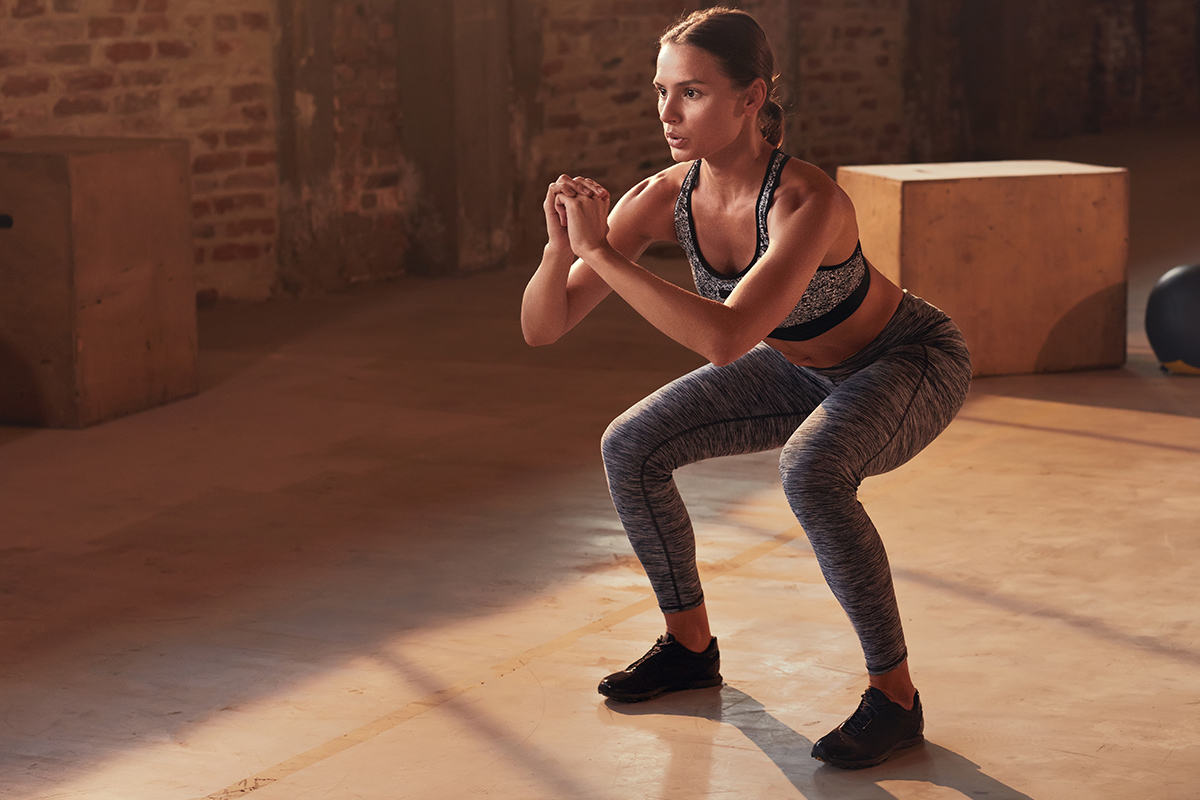
Strong legs and glutes shape your entire figure. This is partly because your lower body is made up of the largest muscle groups, which means you’ll burn more calories and sweat more quickly when you exercise your lower body. In addition to that, you can build a more proportional figure when you build muscle in your butt and hips!
The hourglass shape coveted by many women comes from the ratio of the bust, waist, and hips. With this body shape, the bust and hips will typically be the same size, or within a few inches of the same size, while the waist is about 25% smaller than the bust and hips.
Now, obviously we can’t change the bone structure we’re born with, but we can trick the eye into seeing the hourglass shape. As we mentioned in our post on How to Build the Illusion of Broad Shoulders, we believe healthy bodies are the best bodies! However, many women strive to achieve the hourglass ratio. If this is your goal, we’re sharing how you can create the illusion of curvy hips even if you weren’t born with them.
If you read our Broad Shoulders article, you will have learned that building specific upper body muscles will help give the illusion of a larger frame. The opposite is true for a woman’s body; accentuating the hips is the primary target! Building strong glutes gives you a natural butt lift and the toned curves can make your waist look smaller. Not to mention, all the new muscle is certainly no illusion, which means you’ll also be training for strength with these exercises.
Our Pro Results® Trainer, Kayla V., specifies these 5 exercises for stronger hips and glutes:

The hip bridge activates your glutes and is one of the easiest moves to start with. You start by lying on your back with your knees bent and your feet flat on the ground. Without letting your hips rock or sway with the movement, raise your hips up and lower them back down. Squeeze your glutes at the top of each move. When you’re ready, you can add weights by holding dumbbells or a barbell across your hips.

Abductor muscles are the ones that help you push outwards while the adductors help you pull inwards. When using a machine that targets your inner thighs, you’re using an adductor machine. A machine that works the outside of the thighs and hips is an abductor machine.
The equipment itself is pretty simple. You just sit down, position your legs on the inside or the outside of the pads (depending on which muscle group you want to work on) and slowly open and close your knees.

Despite how it may look, this one is not an arm workout. The movement of the weight comes from the power in your hips. Always start with a light weight when trying out new exercises until you get the hang of it.
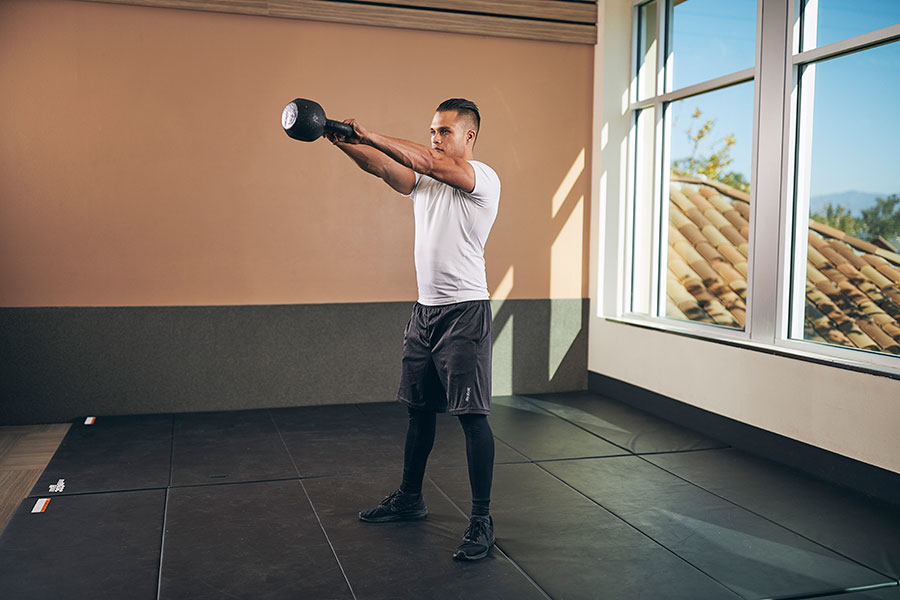
Hold the kettle bell while standing tall and with your feet shoulder-width apart. Your knees will naturally bend as you prepare to swing the weight upwards, but you’ll also want to intentionally squat to aid your momentum. Keep your body weight over your heels and use your hips to send the weight swinging upwards to eye level. Allow the kettlebell to come back down to the starting position between your legs.
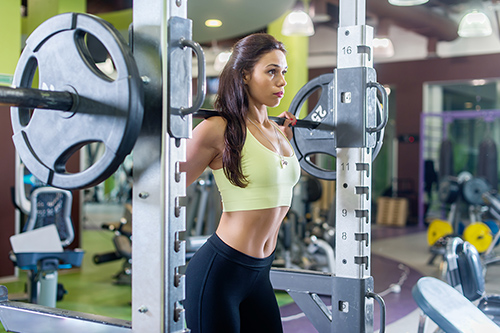
Weighted squats can be done with a barbell, dumbbells, or an assisted squat machine. You can also choose to carry a medicine ball or kettle bell. Before doing a weighted squat, make sure you can execute bodyweight squats with perfect form.
Once you’ve mastered the bodyweight squat, you’ll be able to tell if you are compromising your form while carrying weights. Noticing poor form should tell you that you may need to decrease the amount of weight you’re holding.
A good squat should look like you’re sitting in an imaginary chair. Your back should remain straight, and your knees should never come forward past your toes.

If you’re not ready to lift larger amounts of weight, dumbbell deadlifts are a great way to progress into heavier weightlifting.
To do a deadlift with a barbell, stand behind a barbell you’ve placed on the ground. Keep a straight back as you bend to grip the barbell. Push your hips forward to come to a standing position and keep the barbell at arm’s length. Return the bar to the ground by squatting, but make sure you keep your back straight for the whole movement.
To create the hourglass physique, you must also build strength. Gone are the days when women feared strength training because they were afraid to get bulky. We’ve crushed those myths and now know that You Won’t Get Bulky Unless You Want To. For more information, listen to more strength training tips and QA’s on Episode 19 of our Podcast: Give Me Strength Training.
As always, pay attention to pain or discomfort when working out, and use your best judgment when moving weights.
To stay up to date with our content, click to subscribe to our newsletter and receive monthly highlights from the LA Fitness blog!

November 5th was American Football Day. This year, the regular football season runs from September 5th to December 29th. Your favorite players have been training hard, and whether you’re a die-hard fan or you watch only for the half-time show in February, it’s easy to appreciate the feats of athleticism that take place in every game.
Football players need an impressive amount of strength, cardiovascular endurance, stamina, speed, and agility. If you want the physique and athleticism of a football pro, you’ll need to train like one!
Here are 5 exercises that will work your muscles hard and test your physical limits.
5 Workouts That Test Your Limits
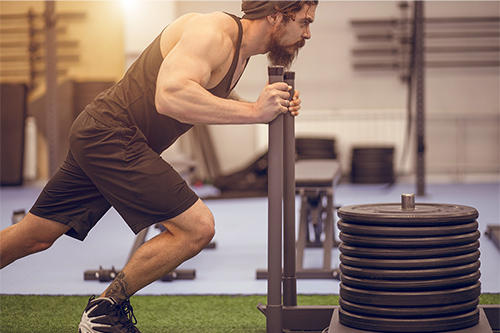
The most recognizable exercise we see football players do in training is the sled tackle. You may not need to be tackling anyone, but the principle of the movement is to learn how to dig deep and use your legs to drive your body forward. A Prowler Sled can be loaded up with weights to intensify your workout and focus your energy without the impact of a tackle.
Alternatively, you can pull the sled with a rope attachment, much like you would pull on a rope in tug-of-war. This flips the focus from your lower body to your upper body and helps you develop a killer grip-strength. For catching a football, rock climbing, scaling a ladder, or opening a jar, having a solid grip is an indicator of good, overall strength.
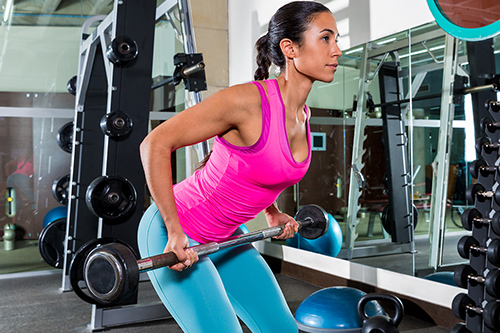
The Golden Rule of Equation Solving, and what should be the golden rule for exercise: What you do to one side, you must do to the other. Many people will focus only on ab workouts thinking that’s how they’ll get a shredded six-pack. Your back muscles, however, are very much a part of your core strength and stability. Having a strong back enables you to perform other exercises more safely and with more strength and power.
Rows are pretty versatile and can be done with a rowing machine for cardio, or with a barbell or TRX cables for strength building. For total-body fitness, make sure to focus on all the muscles in your body instead of just the ones that receive a lot of hype (like abs, biceps, and glutes). Football athletes don’t want to have any weak points so they can take a fall or a tackle and get back up to go again. Your weekly training regimen should aim for the same comprehensiveness.
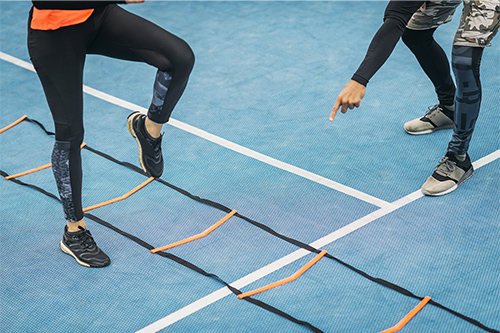
Put your speed and agility to the test with agility ladders and do a lot of great things for your ankle strength as well. This is another easily recognizable drill. You may have seen it in training sessions for football, soccer, rugby, and other sports that require quick and precise maneuvering.
An agility ladder is a flat ladder with evenly spaced rungs. You essentially use it to mark the space on the ground where you will step in, out, and around the lines as quickly and as accurately as possible.
To zero in on the agility component, you’ll need to make a point of targeting your ability to stop, start, and change direction with a high response time. This can make for an interesting and focused workout if you have someone calling out direction changes and various instructions to keep you literally “on your toes.”

If you can do a pull-up with added weight, doing a pull-up without it is a whole lot easier, right? Athletes practice under the same principle. In training, they put their bodies through the toughest conditions so that game day feels like child’s play.
One of their most important assets is their cardiovascular and respiratory endurance. The ability to run up and down that field with the added weight of all the padding and gear, takes a lot of serious conditioning!
Suicide Sprints involve sprinting to and from a series of spaced markers. The idea is to sprint to the first marker, touch it, and then sprint back to your starting point. You’ll immediately, sprint to touch the second marker, and then back again to your starting point. You continue doing this until you’ve run to and from all the markers. You can increase the difficulty by adding more markers or setting them farther apart. After giving this exercise a try, you’ll understand the reason for its grim naming.
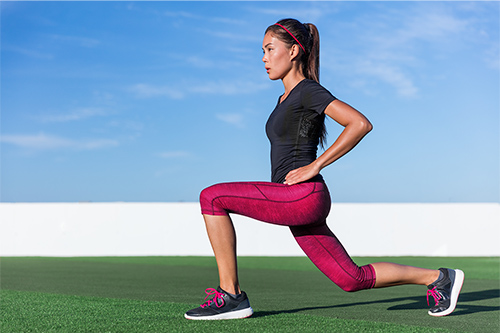
Another great cardio exercise is walking lunges. With your legs doing most of the work, the work of this large muscle group will have you sweating in no time. This exercise hones-in on your quads and glutes and will teach them to endure prolonged use.
To focus more on strengthening your leg muscles, you’ll need to progressively increase the amount of weight they need to move. You can do this by holding dumbbells or wearing a weighted vest as you go.
For tips on getting your mentality into gear for your workout, read about how you can Approach Your Workout Like an Athlete at Practice. Or, hear from Matt Harrison, LA Fitness member and an elite athlete, on Episode 12 of our Podcast. He shares what changes he made to his lifestyle to go from ordinary to extraordinary. To access our monthly blog post highlights, subscribe to our newsletter today!
Instead of thinking of this as your one-stop-shop gym guide, think of it as an intro to some of the top most popular exercises, and how to perform them properly. Once you have a handle on the basic exercises below, try out some of the advanced alternatives to step up your exercise game!
#1 Burpee
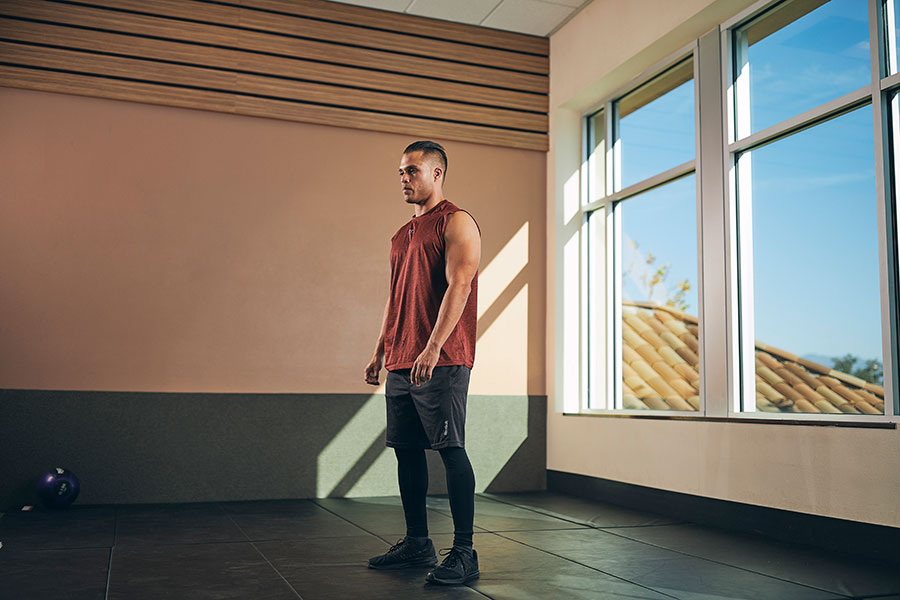


#2 Bodyweight Squat
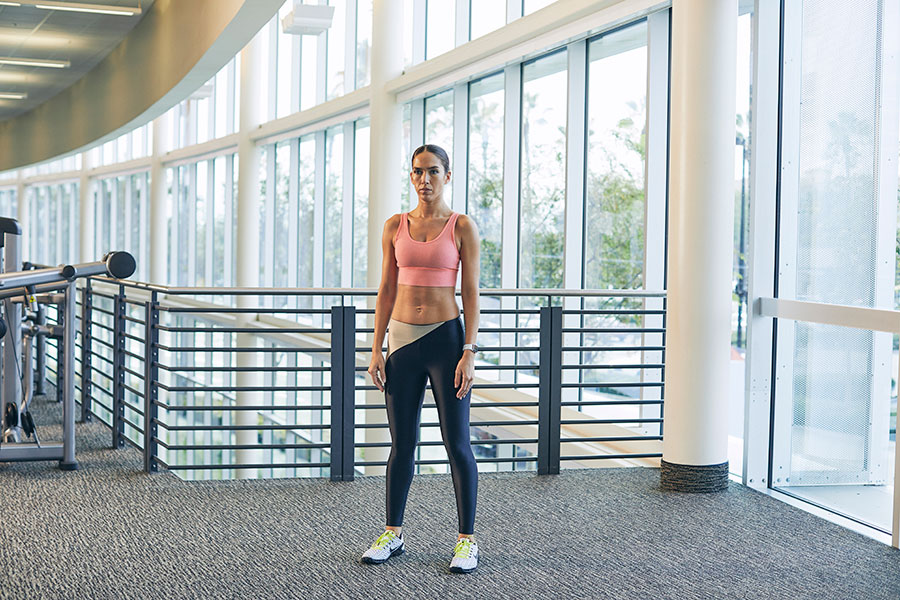

#3 Lunges
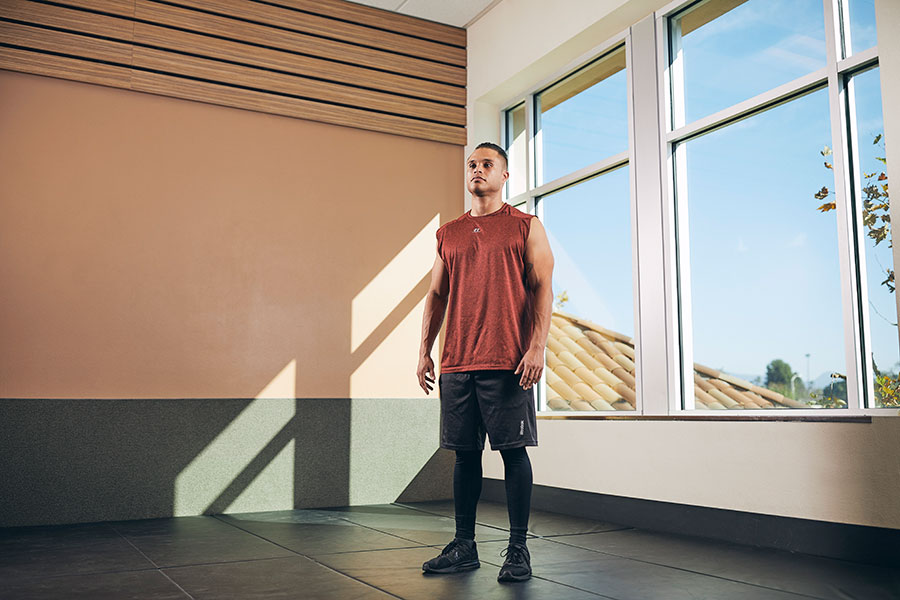

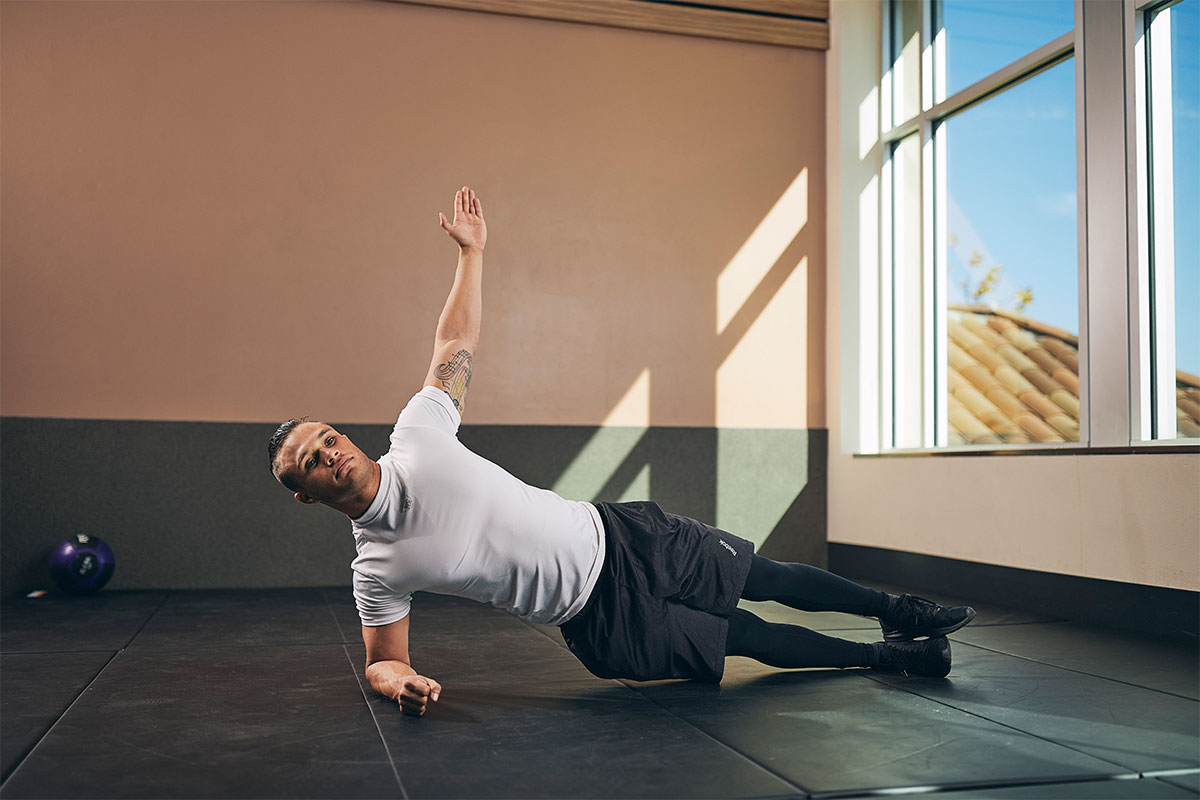
#4 Plank


Shown: Advanced movement. Side plank.
#5 Bench Press


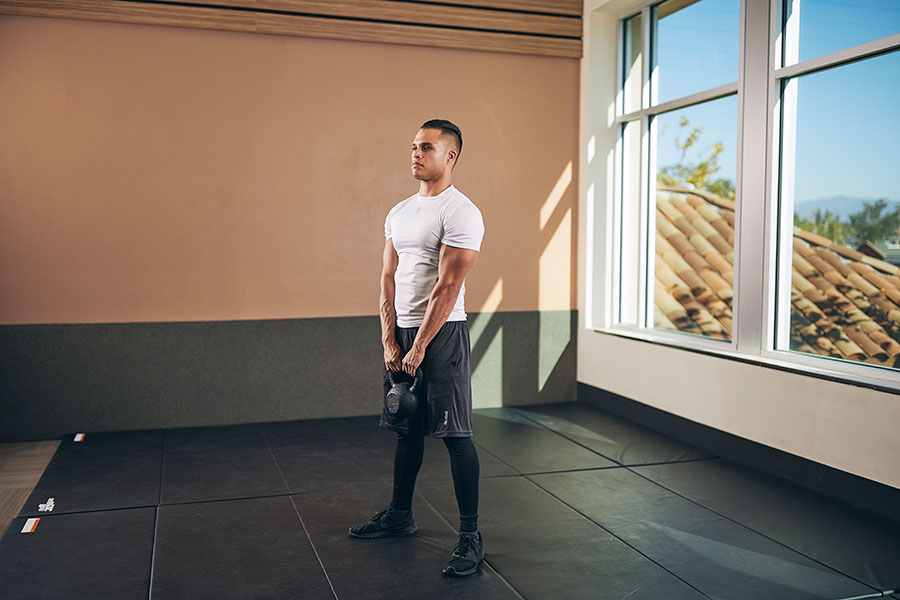
#6 Kettlebell Swing*
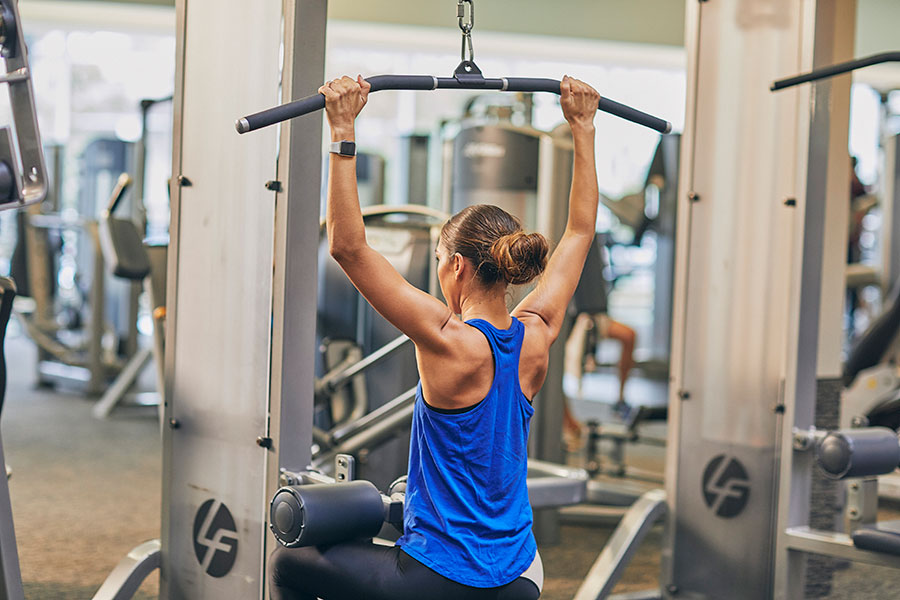
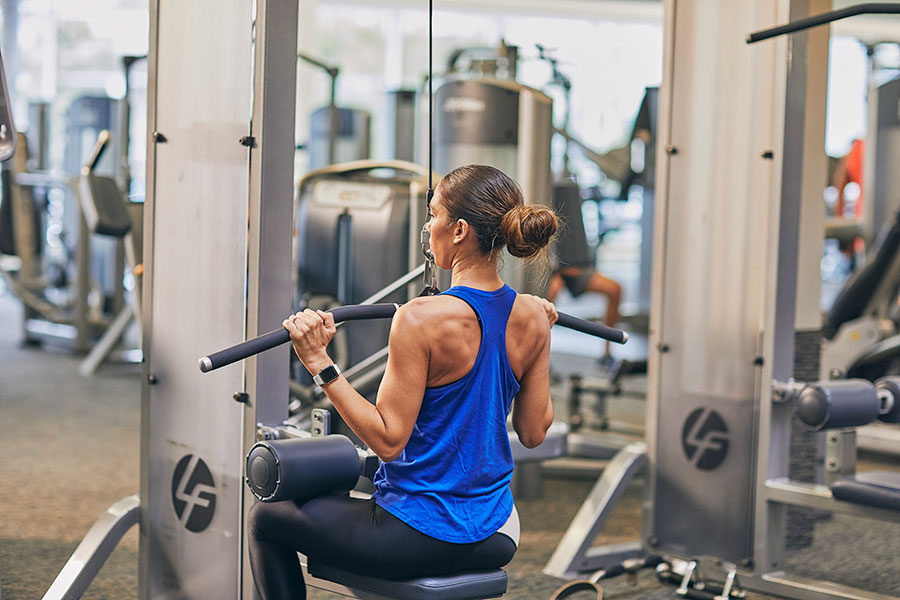
#7 Lat Pulldown
#8 Russian Twist


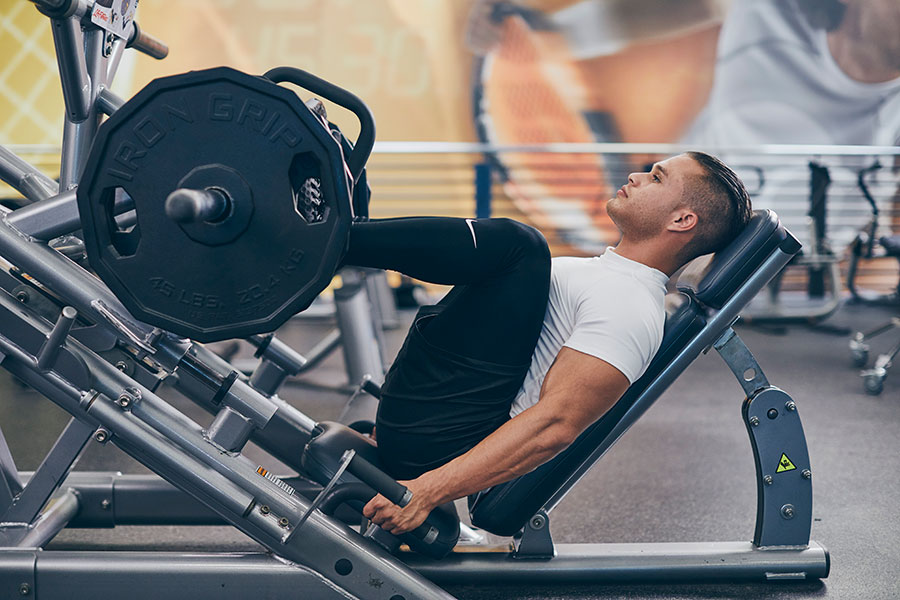
#9 Leg Press

#10 Curl


Sources:
It's easier to work hard when you’ve got a game plan. Here are some options to help keep you moving until the last second of your workout!
It’s Multiple Sclerosis Awareness Month! Here is what you need to know about exercise safety with MS.
If your goal is to achieve the hourglass figure, we’re sharing how you can create the illusion of curvy hips even if you weren’t born with them.