Inexpensive Meal Prep | Q+A

Inexpensive Meal Prep | Q+A

Question:

For as long as I can remember, I struggle with the food portion of getting low body fat. I feel like I have the workout part down but my problem is I always seem hungry. This isn’t a huge problem because if I’m constant with my workout I can usually overcome my calorie intake. Unfortunately, lately I seem to have less and less time and money. Any suggestions of things I could get that aren’t that expensive and or good recipes to meal prep for the week?

– Caleb Z.

Answer:

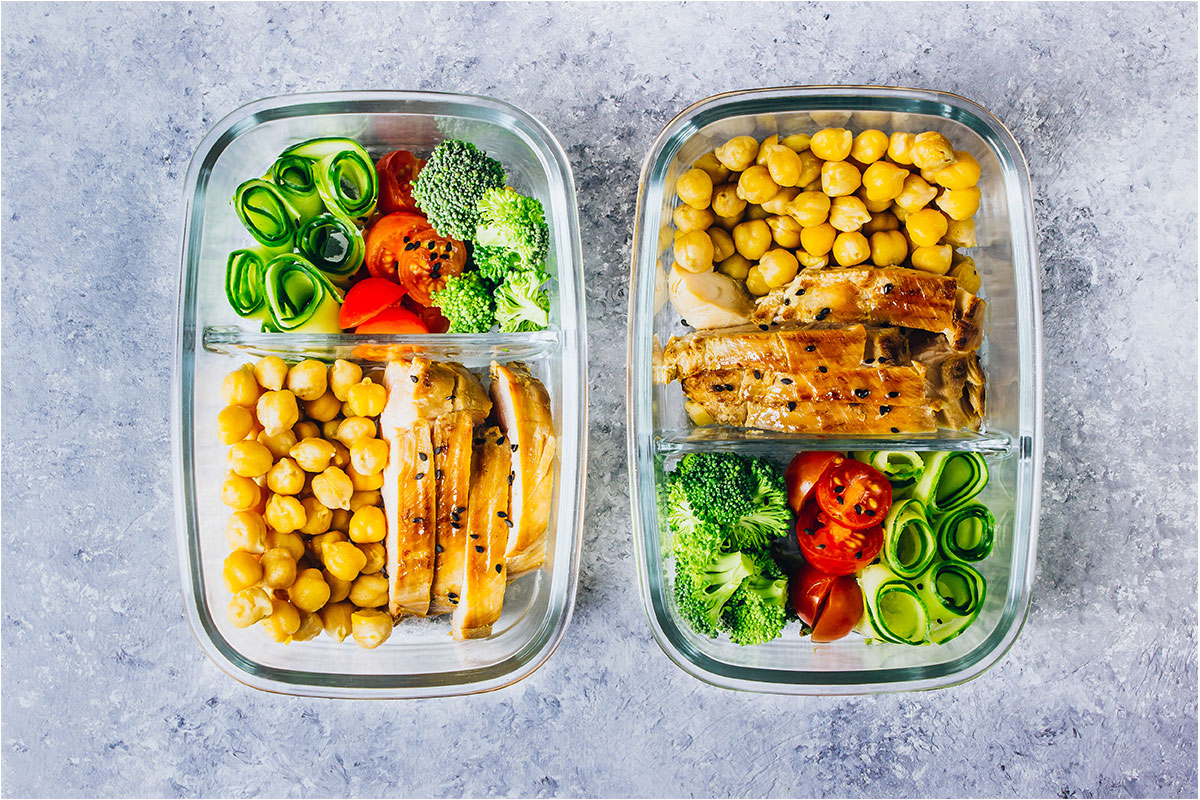
Hi Caleb, my advice is to think like a grandma – be resourceful and use a slow cooker! You can combine just about any land animal protein and vegetables with a starch in a Crock-Pot® to cook for the day, anywhere from 6-10 hours depending on the recipe. This is not only economical time-wise, but in reducing dishes to clean afterward as well. You can easily achieve high quality meals for less than $5 each by cooking in batches. Invest 30 bucks in a slow-cooker and it will pay for itself in under 5 uses.

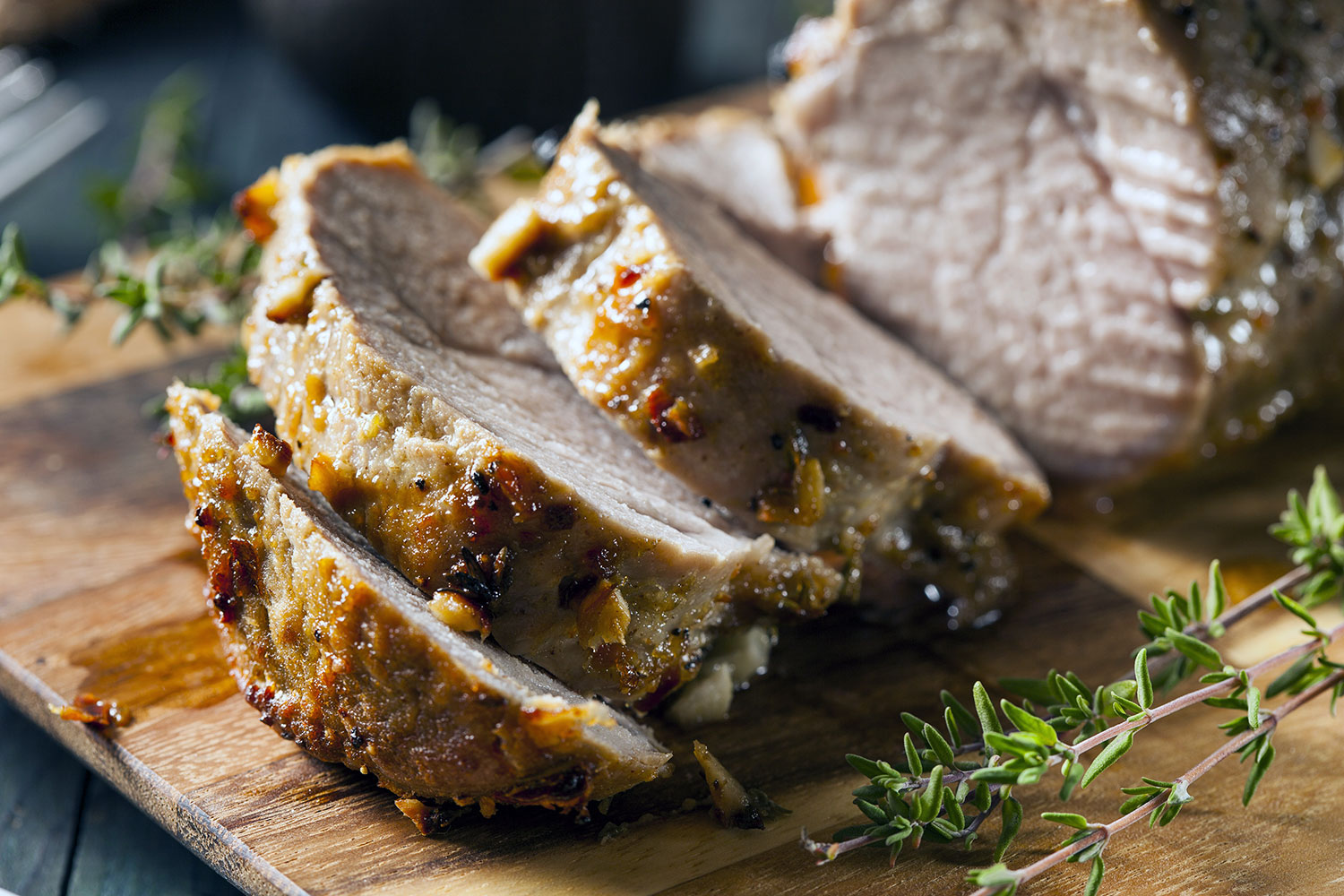
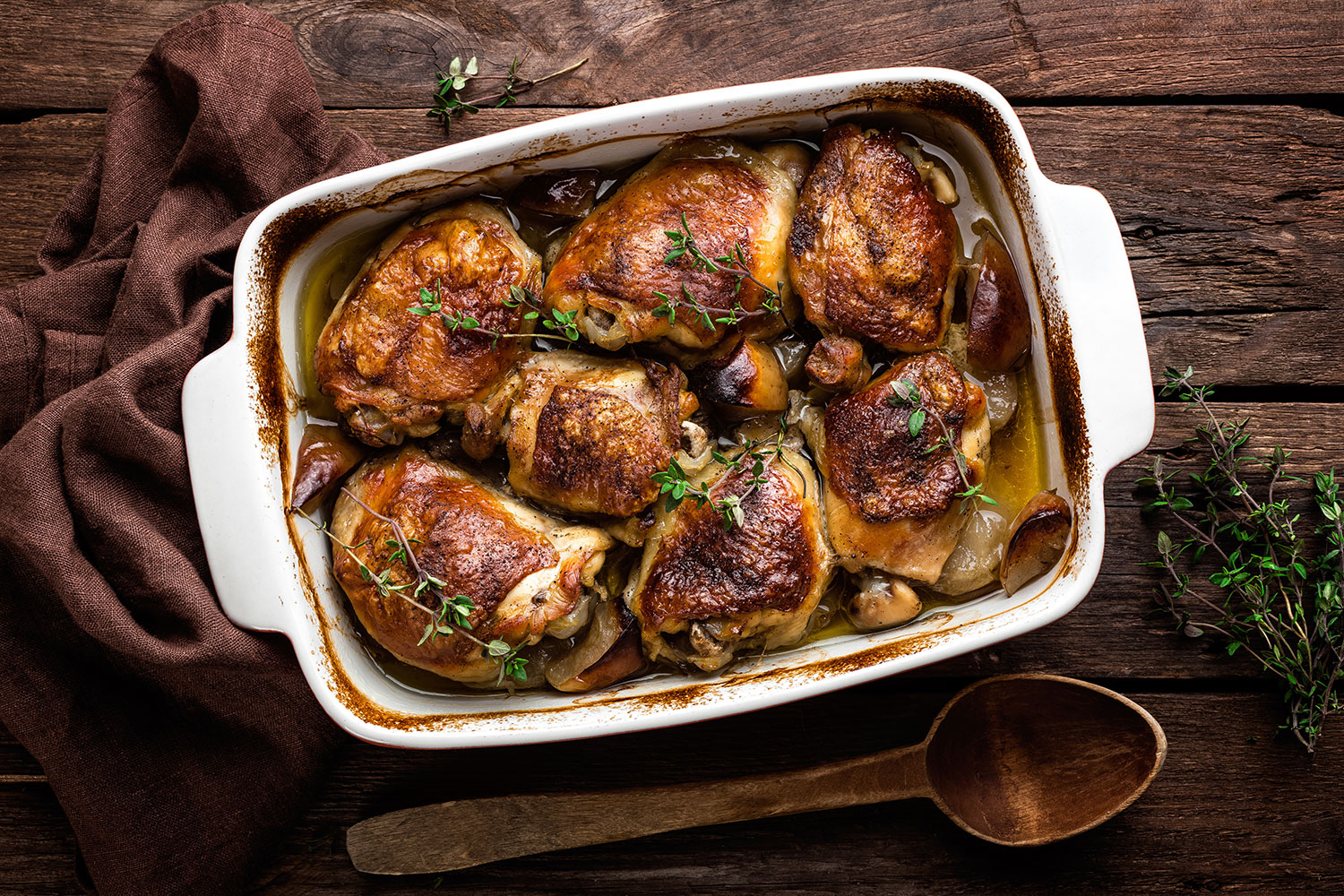
My personal healthy favorites are herb-rubbed pork tenderloin with root vegetables, chicken thighs in chile verde sauce (makes great pulled chicken), Thai tofu curry, and sweet potato black bean chili.

Consider cook time and liquid in your choice of protein source. Half-pound chicken breasts will take longer to cook than broken up ground beef. Leaner meats like flank steak need a little extra liquid, but only use enough to just cover the meat. If leaving everything all day, I’d suggest wild rice, corn or beans as your complex carbohydrate over pasta or white rice that will dissolve and turn your dish mushy.

Use whatever vegetables you have or like – just prepare/add them based on the type of vegetable. Starchy vegetables like carrots, baby potatoes, and cubed turnips can be added first at the bottom of the pot. Crisp watery vegetables like onion, celery and bell pepper have flavors that disperse, so chop or dice based on your texture preference. Watery and leafy vegetables like cherry tomatoes, zucchini and kale and should be added in the last hour or so. Everything in between like green beans, asparagus and mushrooms can go in whole at the start or diced toward the end of cooking.

Don’t be intimidated, Caleb!  Anything new takes practice, just like with working out.

– Debbie J., MS, RD

This article should not replace any exercise program or restrictions, any dietary supplements or restrictions, or any other medical recommendations from your primary care physician. Before starting any exercise program or diet, make sure it is approved by your doctor.

Some questions have been edited for length and/or clarity.


Ask our Dietitian

Have a nutrition question? Our registered dietitian is ready to help!
Email nutrition@lafitness.com or submit your question below and it may be featured in an upcoming article!

2 + 12 =


Recommended Reading - Q+A

Blender with fresh ingredients to making healthy detox smoothie with glass of green prepared drink with a straw. Vegan cooking concept
Healthy Smoothie Recipes

Healthy Smoothie Recipes

Cue the sound of a revving engine… running your blender at home can bring goodness with that whirring noise! Creating your own smoothies is a great way to get in some nutrients and plant phytochemicals you otherwise wouldn’t during the day. It allows you to prepare...

Good carbs vs bad carbs
Debunking Diet Myths

Debunking Diet Myths

With so many sources offering nutrition advice, it’s hard to know what’s true. Even factual information can become distorted by the time it reaches you. Like a game of telephone, the message often changes as it’s passed along. Here, we debunk 5 common diet myths to...

The Baby Boomer Diet | Q+A

The Baby Boomer Diet | Q+A

Question:

I am a 75-year old female in excellent physical condition – take no drugs, now about 5′ 2 1/2″ 132 pounds. I would like some advice on what would be an ideal diet for me. I work out with weights for 1 hour and/or walk 3 miles about 5 days per week, otherwise am mostly sedentary.

Current diet is: Breakfast with supplements – one slice bread or equivalent, a handful of strawberries and blueberries and 4 ounces of sugar-free yogurt and a cup of tea with milk. Lunch: one poached egg, equivalent of a slice of cheese such as one stick and meat such as two slices of roast beef or 2-inch piece of sausage – shoot for 20 grams of protein. Snack: about 1/3 bag of microwave popcorn with a handful of nuts and about 6 small chips. Dinner a large bowl of mixed multi-color raw vegetables and 4 -6 ounces of chicken or fish or white lean pork. End of day a good-sized bowl of low calorie ice cream – about 300-400 calories.

My concern is I am not consuming protein – I cannot digest most protein drinks. Any suggestions? (Please do not tell me to cut out the ice cream!)

– Dana M.

Answer:

Wow – your diet is great! Thanks for sharing. I can tell you are very regimented in your diet. I’d estimate your protein intake to be about 95 grams total, giving you nearly 1.6 gm/kg body weight, which is above the recommended range of 1-1.2 gm/kg for your age*. Quite adequate!

But you asked about an “ideal” diet. Your described intake may fall short in vitamin D, vitamin E, calcium, iron, thiamin and fiber. Perhaps your supplements cover the micro-nutrients. Fiber is one you may want to increase from foods. Be sure your bread provides at least 2 grams per slice; 5 grams is considered “high fiber”. Perhaps sprinkle some flax seed on your morning yogurt and swap the chips for rye crisps at snack. These changes should keep calories consistent.

Keep up the good work and incorporate lots of variety to round-out your micro-nutrient intake.

* Protein for Fitness: Age Demands Greater Protein Needs. Densie Webb, PhD, RD. Today’s Dietitian April 2015, Vol. 17, No. 4, P. 16.

– Debbie J., MS, RD

This article should not replace any exercise program or restrictions, any dietary supplements or restrictions, or any other medical recommendations from your primary care physician. Before starting any exercise program or diet, make sure it is approved by your doctor.

Some questions have been edited for length and/or clarity.


Ask our Dietitian

Have a nutrition question? Our registered dietitian is ready to help!

Email nutrition@lafitness.com or submit your question below and it may be featured in an upcoming article!

1 + 5 =


Recommended Reading - Q+A

Blender with fresh ingredients to making healthy detox smoothie with glass of green prepared drink with a straw. Vegan cooking concept
Healthy Smoothie Recipes

Healthy Smoothie Recipes

Cue the sound of a revving engine… running your blender at home can bring goodness with that whirring noise! Creating your own smoothies is a great way to get in some nutrients and plant phytochemicals you otherwise wouldn’t during the day. It allows you to prepare...

Good carbs vs bad carbs
Debunking Diet Myths

Debunking Diet Myths

With so many sources offering nutrition advice, it’s hard to know what’s true. Even factual information can become distorted by the time it reaches you. Like a game of telephone, the message often changes as it’s passed along. Here, we debunk 5 common diet myths to...

Improving Poor Eating Habits | Q+A

Improving Poor Eating Habits | Q+A

Question:

I am about 5’5 and weigh 160. I’m trying to start my very first diet as I have been noticing that I have been having trouble getting around as easily as before (not too bad). Also I really want to start eating healthy and want to get fit. My stomach is bulgy and I have been having digestive problems which I believe are a result of my poor eating habits. Please help. I really want to start living healthier and fitter. Any advice will help. Thank you.

– Sabrina

Answer:

Not knowing your current eating habits, Sabrina, I’ll point you towards our key recommendations for gut health and weight loss. Read our article on Yoga for Digestion for exercise tips to deal with digestive problems. Here we’ll address nutrition:

First, get rid of added sugars and extra fat. This means to forgo sweetened coffee drinks, sherbet in smoothies, fried foods and limit cheese and sweet/creamy/oily condiments and sauces. Next, curb alcohol intake to no more than 1 drink per day. Then choose complex carbohydrates like whole grains balanced with lean proteins as the basis for meals and snacks. Vegetables should comprise more of your plate than starches (e.g. potatoes, rice, corn). Portions matter so only eat as much as you need to not feel hungry. Add fresh fruit and low-fat dairy as dessert alternatives. Finally, drink ample water and tea to facilitate digestion, support metabolism and promote satiety.

By acknowledging your current situation and being open to change, you are off to a great start toward new eating habits that should become permanent, not a “first diet.”

– Debbie J., MS, RD

This article should not replace any exercise program or restrictions, any dietary supplements or restrictions, or any other medical recommendations from your primary care physician. Before starting any exercise program or diet, make sure it is approved by your doctor.

Some questions have been edited for length and/or clarity.


Ask our Dietitian

Have a nutrition question? Our registered dietitian is ready to help!

Email nutrition@lafitness.com or submit your question below and it may be featured in an upcoming article!

13 + 6 =


Recommended Reading - Q+A

Blender with fresh ingredients to making healthy detox smoothie with glass of green prepared drink with a straw. Vegan cooking concept
Healthy Smoothie Recipes

Healthy Smoothie Recipes

Cue the sound of a revving engine… running your blender at home can bring goodness with that whirring noise! Creating your own smoothies is a great way to get in some nutrients and plant phytochemicals you otherwise wouldn’t during the day. It allows you to prepare...

Good carbs vs bad carbs
Debunking Diet Myths

Debunking Diet Myths

With so many sources offering nutrition advice, it’s hard to know what’s true. Even factual information can become distorted by the time it reaches you. Like a game of telephone, the message often changes as it’s passed along. Here, we debunk 5 common diet myths to...

Macro-nutrients & Bodybuilding | Q+A

Macro-nutrients & Bodybuilding | Q+A

Question:

I have done body building in the past and know that the perfect combination of protein/carbs/fats produce results with respect to giving the body what it needs to develop lean muscle and lose fat. This is done in part by measuring body fat and weight. How would you calculate this because I had someone do it for me in the past and don’t know how to do it myself. It was broken down into total protein, carbs and fats for the  whole day and further broken down per meal. Can you duplicate this process?

– Alisa O.

Answer:

I will admit that I am not sure what “perfect combination” of macro-nutrients you are referring to. One’s individual body composition can be used to help create personal nutritional goals. Actual nutrient needs are much more complex and depend on protein turnover, nitrogen loss and metabolism. Also, nutrient quality, timing and frequency have an impact on developing lean muscle and losing fat.

That said, I like the summary bodybuilding recommendations from an article in the Journal of the International Society of Sports Nutrition*:

Diet component                                     Recommendation

Protein (g/kg of lean body mass)           2.3-3.1

Fat (% of total calories)                          15-30%

Carbohydrate (% of total calories)          remaining

Let’s work through these with a sample 2,000 calorie diet for a 160-pound person with 15% body fat.

  • His or her lean body mass is 62 kg (from 72.73 kg x 0.85).
  • Protein: Recommended range is 142-192 grams (from 62 kg x 2.3-3.1 g/kg). Energy-wise, this amount of protein provides 568-768 calories.
  • Fat: Recommended range is 300-600 calories (from 2,000 x .15-0.3). This equates to 33-67 grams of fat.
  • Carbohydrate energy would be the remainder; we’ll use the range midpoints to get 882 calories (from 2,000 – 668 protein – 450 fat). By grams, this would be 220 grams of carbohydrate.

Apply the recommendations to your own anthropometrics and total energy need to get a possible ideal combination of macro-nutrients for your goals.

*Evidence-based recommendations for natural bodybuilding contest preparation: nutrition and supplementation.  Helms, ER, Aragon AA, Fitschen PJ. Journal of the International Society of Sports Nutrition 201411:20

– Debbie J., MS, RD

This article should not replace any exercise program or restrictions, any dietary supplements or restrictions, or any other medical recommendations from your primary care physician. Before starting any exercise program or diet, make sure it is approved by your doctor.

Some questions have been edited for length and/or clarity.


Ask our Dietitian

Have a nutrition question? Our registered dietitian is ready to help!

Email nutrition@lafitness.com or submit your question below and it may be featured in an upcoming article!

13 + 12 =


Recommended Reading - Q+A

Blender with fresh ingredients to making healthy detox smoothie with glass of green prepared drink with a straw. Vegan cooking concept
Healthy Smoothie Recipes

Healthy Smoothie Recipes

Cue the sound of a revving engine… running your blender at home can bring goodness with that whirring noise! Creating your own smoothies is a great way to get in some nutrients and plant phytochemicals you otherwise wouldn’t during the day. It allows you to prepare...

Good carbs vs bad carbs
Debunking Diet Myths

Debunking Diet Myths

With so many sources offering nutrition advice, it’s hard to know what’s true. Even factual information can become distorted by the time it reaches you. Like a game of telephone, the message often changes as it’s passed along. Here, we debunk 5 common diet myths to...

Which Apple is Better For You, Red or Green?

Which Apple is Better For You, Red or Green?

Aristotle questioned human behavior, Einstein questioned the rules of relativity, and Edison questioned electricity. Today, we are questioning nutrition – fruit, to be specific. Are red or green apples healthier for you? Is there a difference? Does having an apple a day really keep the doctor away? We dive headfirst into this important debate.

The apple is a fruit that is often taken for granted. Offered in almost all grocery stores and farmers’ markets year-round, these tasty nutritious treats provide a host of health benefits. Let’s take a closer look.

In general, apples can help with:

  • Weight loss – Apples are high in fiber and water, which can help you feel more full. In a study of obese mice, those that were given a supplement of ground apples and apple juice concentrate not only lost more weight but also had lower levels of “bad” cholesterol, triglycerides and total cholesterol than the control group.1
  • Heart Health – There is a link between consuming apples and a lowered risk of heart disease. Not only are they “high in soluble fiber, which helps lower cholesterol, [but] they also have polyphenols, which are linked to lower blood pressure and stroke risk.”2
  • Lowered Risk of Type 2 Diabetes – Due to the polyphenol antioxidant content of apples, they’re thought to help prevent tissue damage to beta cells in the pancreas.3 These cells produce insulin for the body, and oftentimes they are damaged in people with type 2 diabetes. A deeper look into the study can be found here.
  • Good Tummy Bacteria – The type of fiber found in apples (pectin) acts as a prebiotic, helping to promote good bacteria in the belly.4
  • Better Cognitive Function – Multiple studies conducted have shown that apple juice may help prevent the deterioration of neurotransmitters involved in the memory. This is especially important because low levels of acetylcholine, a type of neurotransmitter, have been linked to Alzheimer’s disease, so drink up that apple juice!


The Great Debate: Red vs. Green

  • Red apples tend to have more antioxidants than green, but the difference is small.5
  • Red apples offer anti-inflammatory benefits.
  • On the other hand, “green apples may contain slightly more fiber and fewer carbohydrates and sugar than red apples.”6
  • Green apples have more of a tart taste. Red apples tend to taste sweeter.

The fact is both red and green apples are a good nutritious option. The differences are very slight, so red apple fans and green apple fans rejoice! The overall health benefits of apples, regardless of color, are many. The age-old saying, “an apple a day,” really may keep the doctor away.

What are your nutrition-related questions? Submit your best by clicking here!

Leave us a comment in the box below with your apple preference! Which will come out on top – red or green?

This article should not replace any exercise program or restrictions, any dietary supplements or restrictions, or any other medical recommendations from your primary care physician. Before starting any exercise program or diet, make sure it is approved by your doctor.


Recommended Reading

 Our Meal Prepping 101 Guide

 Our Meal Prepping 101 Guide

If you’ve ever been too afraid to meal prep or just haven’t known where to begin, look no further than our meal prepping 101 beginner’s guide!