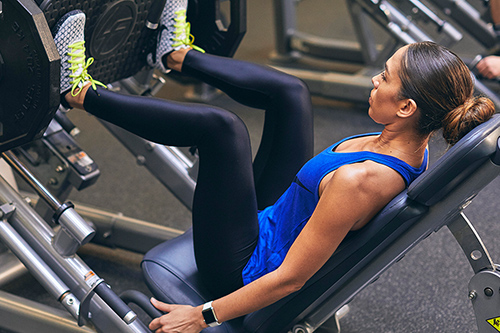
by Rachel Scruggs | Jul 15, 2024 | Cardio, exercise, Fitness, fitness club, Group Fitness, Home, Workouts

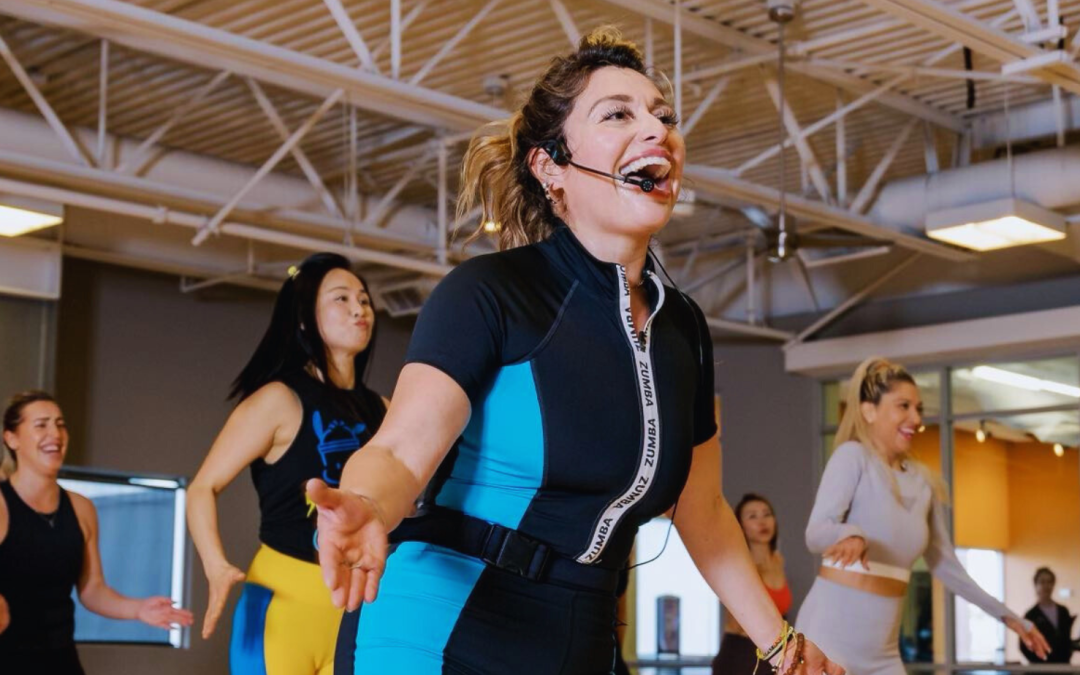
Looking for a fun and energetic way to stay fit? Look no further than Zumba® classes at LA Fitness clubs nationwide. It’s not just a workout; it’s a party that brings people together through dance and music. With classes offered across the country, you’re never too far from joining the Zumba® fitness-party™!
What is Zumba®?
Zumba® is a global lifestyle brand that transforms exercise into a celebration of health, joy, and body positivity. It’s a dance fitness program that combines Latin and international music with easy-to-follow moves to create an exciting and effective workout. The classes at LA Fitness are designed to bring people together to sweat it out and have a blast.
The Benefits Include:
Calorie and Fat Burning
Zumba® classes at LA Fitness provide a large calorie burn through aerobic activity done with interval training in mind. The average person will burn around 600 to 1,000 calories in a Zumba® class.
Full Body Workout
Zumba® is both a dance class and a fitness class. Aside from its heart-health benefits, it provides a workout for the whole body. From head and shoulder rolls that loosen up the neck and warm up the upper body, to footwork that strengthens and stretches calves and ankles, this fitness method touches on nearly every muscle and joint.
Emotional Benefits
Considered a social dance party with a pulsating Latin soundtrack, the classes offer a fun environment that make working out more enjoyable.
Join the Zumba® Class at LA Fitness
Whether you’re a beginner or a seasoned dancer, Zumba® classes at LA Fitness are open to all levels. You can locate a Zumba® class near you by visiting the LA Fitness website. With a variety of class times available, you can easily find a slot that fits your schedule.
Remember, it’s more than just a dance class—it’s a vibrant, energetic community where you can enjoy the physical and emotional benefits of dance. So, put on your dancing shoes and join the fitness-party™ at your local LA Fitness club. Visit LA Fitness and discover how these classes can energize your workout routine. With Zumba® offered nationwide, there’s no excuse not to dive into the fun.
Note: This blog post is a general guide and should not replace professional advice. Always consult with a fitness professional or personal trainer at LA Fitness for personalized guidance and support.
by Rachel Scruggs | Jun 27, 2024 | All, Exercises, Fitness, Home, LA Fitness, lafitness.com, Top Tips, Workouts
Starting your fitness journey at the gym can be both exciting and overwhelming. As a first-time gym user, it’s important to approach your workouts with a plan that is tailored to you. LA Fitness welcomes first-time gym-goers with beginner workouts designed to build confidence and establish a strong fitness foundation.
Getting Started
Before you hit the weights or jump on the treadmill, it’s crucial to understand the basics of gym etiquette and the equipment available to you. LA Fitness offers a variety of machines and free weights that can cater to all of your workout needs. Begin by familiarizing yourself with the gym layout and the functions of different equipment. Don’t hesitate to ask the staff for a tour or explanations on how to use the machines.
The First Beginner Workout
Your initial workouts should be about learning proper form and building a foundation of strength and endurance. Start with a simple routine that includes a mix of cardiovascular exercises and strength training. Here’s a sample workout plan for your first week:
Day 1: Full Body Circuit

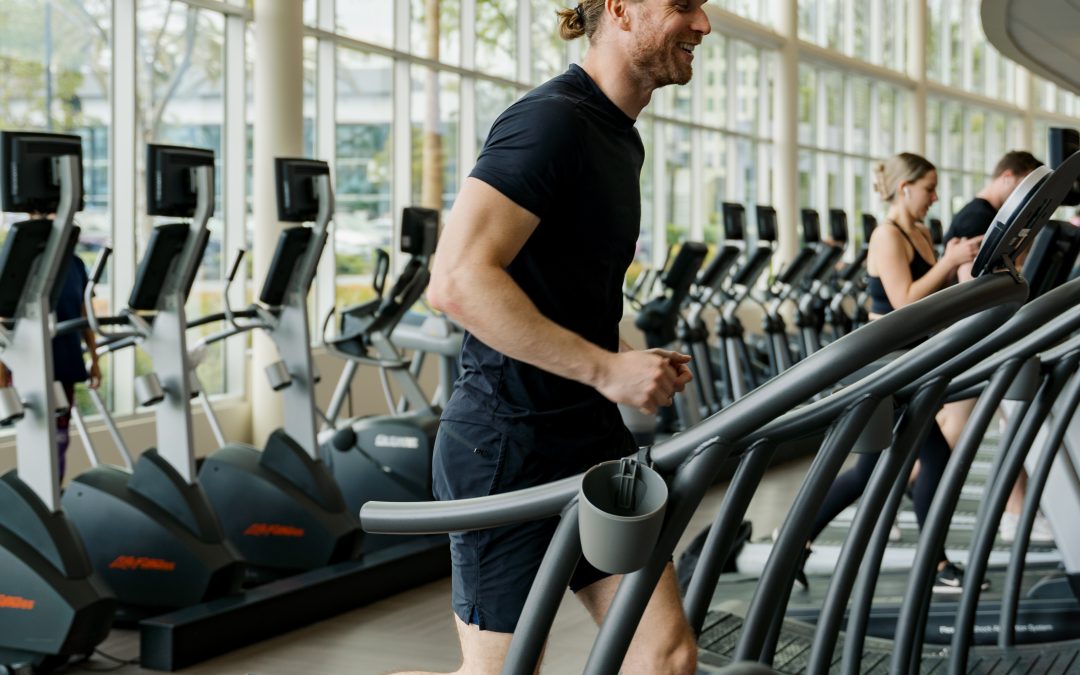
- Treadmill: 10 minutes at a moderate pace to warm up
- Leg Press: 3 sets of 12 reps
- Seated Cable Rows: 3 sets of 12 reps
- Chest Press: 3 sets of 12 reps
- Elliptical: 10 minutes at a moderate pace to cool down
Day 2: Rest or Light Activity
Take a day off from the gym to allow your muscles to recover. Engage in light activities like walking or stretching if you feel up to it.
Day 3: Cardio and Core

- Stationary Bike: 15 minutes at a moderate pace
- Planks: 3 sets of 30 seconds
- Russian Twists: 3 sets of 15 reps per side
- Bicycle Crunches: 3 sets of 15 reps per side
- Treadmill: 10 minutes at a moderate pace to cool down
Progressing Safely
As you become more comfortable with the exercises and your fitness level improves, gradually increase the intensity and complexity of your workouts. Add more weight, reps, or sets to your strength exercises and challenge yourself with higher intensity or longer durations on the cardio machines.
Nutrition and Hydration
Remember, exercise is just one part of the equation. Proper nutrition and staying hydrated are key to supporting your new workout routine. Drink plenty of water and fuel your body with balanced meals that include a mix of protein, carbohydrates, and healthy fats.
Keeping Up the Pace: Your Path with LA Fitness
Starting at the gym can be a transformative experience. With the right approach, you can build a solid foundation for a healthier lifestyle. Remember to listen to your body, progress at your own pace, and most importantly, enjoy the journey to fitness at LA Fitness.
Note: This blog post is a general guide and should not replace professional advice. Always consult with a fitness professional or personal trainer at LA Fitness for personalized guidance and support. This blog post should not replace any exercise program or restrictions, any dietary supplements or restrictions, or any other medical recommendations from your primary care physician. Before starting any exercise program or diet, make sure it is approved by your doctor.
For more articles like this one, and to keep up to date on our fitness, nutrition, and wellness articles, subscribe to our monthly newsletter, today!

by Sandra Koury | Mar 20, 2020 | All, Exercises, Fitness, Home, Workouts
Getting Fit for Swimsuit Season
For a solid high-energy workout, you’ve got to put in the work! Even if you’re not keeping up with the class or if you’re running a slow mile compared to someone else, putting in the best that you can do means you’re getting an amazing workout.
Your body is always competing with its own personal best. If you are challenging yourself in a way you haven’t been challenged before, then you’re doing things right! This can mean that you’re doing one more pushup when you thought you were ready to quit or running your mile a couple seconds faster than you did the last time. Strive to outdo yourself in bits and pieces and you’re bound to get more out of your workout!
That being said, we know it’s easier to give that little bit extra when you have a game plan. Here are some options to help keep you moving until the last second of your workout!
Circuit Training tasks your body to perform a series of exercises back to back before a brief period of rest. This workout model is intense, not only because it works multiple muscle groups over the course of the workout, but because it requires you to keeping moving all the way through. If you’re really feeling ambitious you can even throw in some cardio before you start your circuit.
A sample workout could look like this: Complete 8 to 15 reps performing the Leg Press, then the Chest Fly, then the Glute Kickback, and end with Bicep Curls. Rest for 90 seconds and repeat the circuit 2 to 3 times.
View this circuit, and additional samples of this training model, here.
Plyometric exercises can be upper body or lower body focused. It’s all about building up your movement from slow and controlled to explosive and powerful. Plyometrics are great for generating speed, but to accomplish this, your body will need to expend a lot of energy to move the way you’re asking it to.
Lower-Body Plyometrics – These are exercises like box jumps, jump squats, and switch jumps. The sudden explosion of energy required to jump is what makes these exercises plyometric movements. You can even add a medicine ball to increase the intensity. Click to view some medicine ball plyometrics.
Upper-Body Plyometrics – These focus less on jumping and more on generating power from your upper body. An example of this would be a clap push-up or a medicine ball wall throw and catch. You can view these and more upper body plyometric workouts here.
A drop set is several repetitions of the same exercise that you perform until failure. You are essentially pushing a single muscle group as far as it can go. To help pull you through this kind of workout, drop sets are designed to allow you to drop the intensity of your movement with each set. For example, once you’ve done as many as you can do at a certain level of resistance, you allow yourself to continue by decreasing the resistance and performing another set.
The best way to perform these is on machines because you can more easily manipulate how much weight you’re carrying, and you’ll have a safe way to release the weight when your muscles finish their last possible rep.
View some sample drop set workouts here.
For more articles like this one, and to keep up to date on our fitness, nutrition, and wellness articles, subscribe to our monthly newsletter, today!

by Sandra Koury | Mar 11, 2020 | All, Exercises, Fitness, Home, Workouts
What is Multiple Sclerosis?
Multiple Sclerosis (MS) is a disease of the central nervous system. This system is comprised of the brain and spinal cord and, when it is compromised, it can be disabling. Essentially what happens is that the immune system attacks the protective covering on nerve fibers which disrupts the communication between the brain and the rest of the body. The affected nerves will vary from person to person, so not all people with MS will exhibit all of the same symptoms.1
What Do Symptoms Look Like?
The most impacted function with Multiple Sclerosis is movement. Numbness or weakness in the limbs, tremors, and an unsteady gait are among the most recognizable symptoms. Vision, speech, sexual, bowel, and bladder problems are also known to occur.1
Muscle weakness, balance and coordination problems, dizziness, and difficulty breathing can make exercise a significant chore for people with Multiple Sclerosis. However, activity is still very important. Common MS treatments and inactivity can render people with this disease more susceptible to developing osteoporosis, which can make balance and coordination issues an even greater concern. This can be prevented or slowed, however, through physical activity and proper nutrition.2
A 2004 study found that, even though cases of MS vary across patients, exercise programs designed to increase cardiorespiratory fitness, muscle strength, and mobility can enhance a patient’s quality of life while also reducing the risk of secondary disorders.3 However, it’s important to adhere to exercises that are safe.
A publication by BMC Neurology identifies a number of practical and beneficial exercises for patients with MS. An important preface to their findings is that each exercise program should be designed to address a patient’s specific goal and should take into account a person’s baseline impairments and capabilities. Only a healthcare professional can provide the appropriate fitness routine for your needs, but generally, these aspects of training are known to hold benefits for patients with MS:
- Aerobic Training: Low to moderate intensity aerobic training is effective on cardiovascular fitness, mood, reduction of fatigue, and overall quality of life. Examples include bicycling, aquatic exercise, and treadmill walking. Rowing and running are also potential options but only for patients with proper functioning.4
- Strength Exercises: For MS patients, supervised resistance training is safer than unsupervised training, and the use of weight-machines is safer than the use of free-weights. It is also important to prioritize the lower body because that is where the strength deficit is usually greater. Examples of strength exercises include the seated leg press, seated hamstring curls, knee extensions, shoulder press, chest press, and lat pull-downs. As a note, seated exercises are the safer option when compared to standing exercises.4
- Flexibility Exercises: These types of exercises are important to enhance mobility and improve balance and posture. Slow, gentle, and prolonged stretching is recommended before and after exercise with a particular focus on spastic muscles (tight or stiff muscles). Yoga and tai chi classes may be options for patients with higher functioning.4
- Balance and Coordination Exercises: Exercises that challenge balance can be very helpful. It is important that a stable support is available or that patients exercise in water. Water exercises provide support that help protect participants from dangerous falls.4
As with all new exercise routines, it’s important to know when to stop. You can help protect yourself from injury if you are attentive to how your body is feeling with each movement. When it comes to Multiple Sclerosis, there are a few more things to keep in mind.
- Heat Intolerance: Heat stress caused by exercise can exacerbate the symptoms of MS. For this reason, heat-sensitive patients are encouraged to exercise in air-conditioned rooms, to perform water-based exercises, and to avoid exercising during the hottest part of the day.4
- Fatigue: Exercise can make symptoms of fatigue worse in MS patients.4 This is part of why it’s important that you don’t push yourself to exhaustion. It can be dangerous to do so, especially if you are using free-weights. In the grand scheme of things, exercise can actually help improve symptoms of fatigue,4 but it is important be aware of your limits during exercise.
- Risk of Falling: It is advised that patients who are at risk of falling be monitored during exercise.4 A fall is a risk not worth taking, so it is important to have non-slip surfaces in areas of aquatic activities and to take precautions during any form of exercise.
What is your approach to exercise with MS? Share your thoughts in the comments below! For more articles like this one, and to stay in-the-know on important health and nutrition topics, subscribe to our newsletter to receive monthly highlights from the Living Healthy Blog.
SOURCES
- “Multiple Sclerosis.” Mayo Clinic, Mayo Foundation for Medical Education and Research, 19 Apr. 2019, https://www.mayoclinic.org/diseases-conditions/multiple-sclerosis/symptoms-causes/syc-20350269.
- Pietrangelo, Ann, and Kristeen Cherney. “The Effects of Multiple Sclerosis on Your Body.” Healthline, 2018, https://www.healthline.com/health/multiple-sclerosis/effects-on-the-body#7.
- White, L.J. & Dressendorfer, R.H. Sports Med (2004) 34: 1077. https://doi.org/10.2165/00007256-200434150-00005
- Halabchi, F., Alizadeh, Z., Sahraian, M. A., & Abolhasani, M. (2017). Exercise prescription for patients with multiple sclerosis; potential benefits and practical recommendations. BMC Neurology, 17(1), 185. https://doi.org/10.1186/s12883-017-0960-9

by Sandra Koury | Mar 2, 2020 | All, Fitness, Home, Workouts
When You’re Stuck in Your Weight Loss or Stuck in Your Muscle Gain
Whether you’re hitting a plateau after weeks of steady progress, or you’ve been working hard from day one and have hardly seen a dent of change, something is happening when your body is seemingly stuck.
Is it something you’re doing wrong? Has your body simply adjusted to your routine? Let’s break down some of the reasons why your weight loss or muscle gain progress has hit a standstill.
1. You’re Gaining Muscle
It’s possible that the scale isn’t moving because your body composition is changing. You may still be losing fat, but the scale may not be reflecting it because you’re gaining muscle at the same time. Author of our Body Composition article, Deanna Mercurio, explains that a more accurate way to track your progress is not with the scale but with body measurements and pictures.
2. You’re Consuming Too Many Calories
If you haven’t felt the need to track your calories, it might be a good time to start. Too many calories could be the culprit behind your plateau. Your body is smart, and it knows you’ve been depleting those precious fat stores. A study on weight gain found that the body’s internal protection against starvation encourages eating just so you will regain lost weight! Keeping track of what you’ve eaten can help you outsmart this natural response to weight loss.
3. You’re Eating Too Many Processed Foods
You might be hitting the right calorie count but turning a blind eye to the nutritional content of your food. Your body needs a variety of macro- and micro-nutrients to keep functioning at its best. Our dietitian recommends that you focus on real, whole foods and that you avoid processed food products.1
4. Your Sugar Intake is Too High
Sugar is the enemy in the battle with weight loss, partly because it’s easy to consume too much. The World Health Organization recommends that sugars comprise no more than 10% of your daily calories; that’s about 50 grams per day.2 A single beverage can easily contain more than that. Yes, that also means cutting back on healthier beverages like fruit juice. Our dietitian also warns against seemingly healthy smoothies that contain sherbet or fruit syrups. Those sweet additions, she explains, contain refined sugars that are easily absorbed and metabolized into fat.3
5. Your Metabolism Has Adapted
Switching things up can help kickstart your weight loss again. Again, we’ll lean on our dietitian’s recommendation. To switch things up, she suggests adding to or intensifying your existing fitness routine with weight training/resistance, cardio, or HIIT workouts, while adding some nutritious calories to those workout days. Those calories can take the form of vegetables, legumes, and pre-workout shakes or recovery drinks.4
1. You’re Not Eating Enough
As you gain muscle, your energy needs change as well. You’ll need more nutritious calories (from lean proteins, vegetables, whole grains and healthy plant fats)5 and more protein than the average person because your body needs them to repair and build the muscles you’re working. Read our Protein article to learn how to calculate what your body needs (based on your weight and activity level) to help you bulk.
2. Your Muscles Have Adapted
Just like your metabolism, your muscles can adapt to your routine. This is why workout routines should be anything but “routine.” You’ll need to do things differently to break your body out of its comfort zone. Remember when you first started a certain type of workout and you really had to push yourself through your sets? If you no longer feel challenged by your workout, your body has adjusted. Try increasing your working weight or incorporating some more intense training, like drop sets, to get your muscles back into build-mode. Sticking to the same routine may help you maintain muscle, but progressive overload is crucial to building muscle.
3. You’re Not Drinking Enough Water
When your body doesn’t have enough water, your muscles must compete with other organs that are also demanding it. As you lose water through sweat, your blood volume is reduced. This slows oxygen delivery to and carbon dioxide removal from your muscle tissue.6 Essentially, you won’t be able to work as hard during training if you’re not giving your body enough water to cope with the physical exertion. It’s important to hydrate before, during, and after exercise.5
4. You’re Inconsistent
As we mentioned earlier, progressive overload and variety in your workout is very important to building muscle. Now you have to make sure you’re consistent about how you train. Your body needs to know that this type of exertion isn’t a once-in-a-while thing; that your muscles need to do this job often! Consistency, paired with progressive overload, prompts your body to build muscle because the physical tasks your body is being asked to do are not going away and they’re getting more difficult.
5. You’re Doing Too Much Cardio
The right amount of cardio can help you build muscle. Too much can do the opposite. Go back to the first item on this list for a second. To build muscle, you need to eat more calories! Regular cardio can help you consume those extra calories without gaining a lot of fat.7 Cardio also increases your blood flow, which if you remember for item 3, is important for oxygen delivery to and waste removal from your muscle tissue. The increased blood flow also helps deliver fresh nutrients (which your muscles obviously need for recovery and growth)7.
Too much intense cardio, on the other hand, can pull resources away from your muscle tissue. Now instead of those resources going towards building muscle, they’re fueling your cardio. If you’re trying to bulk, keep your cardio at low intensity and low volume.8
Let us know in the comments below if you’ve learned something new! Will you be adjusting your workout or nutrition regimen? Stay in-the-know on trending health and nutrition topics and subscribe to our newsletter to receive monthly highlights from the Living Healthy Blog!
- James, Debbie. “How to Handle a Weight Loss Plateau: QA.” Living Healthy, 25 Jan. 2020, http://bloglafitness.azurewebsites.net/2019/09/19/how-to-handle-a-weight-loss-plateau/
- “Daily Sugar Intake – How Many Grams of Sugar a Day?” Food Pyramid, http://www.foodpyramid.com/daily-sugar-intake/
- James, Debbie. “My Weight Loss Has Plateaued… Any Advice?” Living Healthy, 20 Apr. 2018, http://bloglafitness.azurewebsites.net/2018/03/29/weight-loss-plateaued-advice/
- James, Debbie. “What to Do When Weight Loss Stalls: QA.” Living Healthy, 25 Jan. 2020, http://bloglafitness.azurewebsites.net/2020/01/28/what-to-do-when-weight-loss-stalls/
- James, Debbie. “How Much Protein Should I Be Eating?: QA.” Living Healthy, 25 Jan. 2020, http://bloglafitness.azurewebsites.net/2020/01/09/how-much-protein-should-i-be-eating/
- Muñoz, Colleen X., and Evan C. Johnson. “Hydration for Athletic Performance.” Nutrition and Enhanced Sports Performance (Second Edition), Academic Press, 12 Oct. 2018, https://www.sciencedirect.com/science/article/pii/B978012813922600045X
- Hitchcock, Heather. “How Much Cardio Should I Do When Bulking?” LIVESTRONG.COM, Leaf Group, 2 Sept. 2019, https://www.livestrong.com/article/437460-how-much-cardio-should-i-do-when-bulking/
- Hartman, Bill. “Will Cardio Keep Me from Gaining Muscle?” Men’s Health, Men’s Health, 25 May 2018, https://www.menshealth.com/fitness/a19540296/will-cardio-keep-me-from-gaining-muscle/