Ways to Ward Off Catabolism of the Body | Q+A

Ways to Ward Off Catabolism of the Body | Q+A

Question:

I have heard much talk on the internet about the need for serious bodybuilders to take in nutrition steadily, especially protein. It is claimed that muscle growth slows and reverses at night after digestion completes and the body starts catabolizing for energy. Many suggest using a slow-digesting protein such as casein at night to feed muscles protein constantly and ward off catabolism. Is this shown to be effective? If so, are there any other ways to reduce catabolism at night?

– David G.

Answer:

You posed a unique question, David! The body’s skeletal muscle not only dictates much of our circadian rhythm but also follows a day/night routine for repair and building. Research shows that muscle impacts the gene activity that regulates the utilization and storage of substrates (the macronutrients carbohydrate, fat, and protein)1. In other words, the skeletal muscle itself affects catabolic and anabolic processes over a 24-hour period, though this effect is not well understood.

Regardless of the time on the clock, you need to consume macronutrients post-exercise to promote positive muscle-protein balance. For evening exercisers, a recovery meal or shake becomes key before fasting overnight during sleep2. Over 6-8 hours, slower-digesting proteins have a similar effect on muscle protein synthesis as fast-digesting proteins do in the first 3 hours. So grandma was right about having a glass of warm milk before bed, as milk is 80% casein.

What about supplements/amino acids? Though certain essential amino acids stimulate muscle protein synthesis more than others, intact protein may result in a greater positive balance. This is partly because whole foods result in a greater insulin secretion. Muscles are highly insulin-sensitive for nutrient uptake and storage3. In summary, a meal containing protein is better than a straight supplement in the evening.

References

  1. The endogenous molecular clock orchestrates the temporal separation of substrate metabolism in skeletal muscle. Brian A Hodge et al. Skeletal Muscle. 2015; 5: 17.
  2. Influence of Amino Acids, Dietary Protein, and Physical Activity on Muscle Mass Development in Humans. Kasper Dideriksen, Søren Reitelseder, and Lars Holm. Nutrients. 2013 Mar; 5(3): 852–876.
  3. The Role of Circadian Rhythms in Muscular and Osseous Physiology and Their Regulation by Nutrition and Exercise. Shinya Aoyama and Shigenobu Shibata. Frontiers in Neuroscience. 2017; 11: 63.

.

– Debbie J., MS, RD

This article should not replace any exercise program or restrictions, any dietary supplements or restrictions, or any other medical recommendations from your primary care physician. Before starting any exercise program or diet, make sure it is approved by your doctor.

Some questions have been edited for length and/or clarity.


Ask our Dietitian

Have a nutrition question? Our registered dietitian is ready to help!

Email nutrition@lafitness.com or submit your question below and it may be featured in an upcoming article!

7 + 15 =


Recommended Reading - Q+A

Good carbs vs bad carbs
Debunking Diet Myths

Debunking Diet Myths

With so many sources offering nutrition advice, it’s hard to know what’s true. Even factual information can become distorted by the time it reaches you. Like a game of telephone, the message often changes as it’s passed along. Here, we debunk 5 common diet myths to...

Multivitamin Recommendations | Q+A

Multivitamin Recommendations | Q+A

Question:

I am so confused about reading so much information on which multivitamin to take or not to take. Is there a multivitamin that you would recommend for a woman 50+ years older? I am in menopause and did look at a vitamin for women 50+ and older.

– Mary F.

Answer:

I agree – there are so many brands for so many concerns! Age is one factor to consider. Diseases you’re at risk for are another aspect. What micronutrients* might be lacking in your diet is another. Menopausal women should focus on adequate B-complex vitamins, Vitamin D3, and magnesium. If you eat well, it’s possible you get enough of these from natural sources and fortified foods daily. But if you just want to cover the bases as an insurance, then a multivitamin/mineral that includes these would be fine. If your diet is all over the place with no consistency and poor nutrient quality, I’d go for a higher potency multivitamin/mineral. And if you’re taking other supplements that include vitamins or minerals (such as a calcium-enriched protein drink), you may want to adjust how much of those nutrients to target from your multi.

No matter the brand, I’d recommend splitting the tablets between morning and night for optimal utilization. More constant delivery best mimics how your body uses micronutrients throughout the day. It would also be the most cost-effectiven use of your supplement so you’re not losing (in urine) what you’ve paid for. I’d choose one with a USP Verified mark, which indicates the company has followed good manufacturing processes to ensure their product contains the micronutrient levels stated on the package.

*Phytonutrients, probiotics, coenzyme Q10 and omega-3s are not vitamins or minerals, and can be supplemented separately.

– Debbie J., MS, RD

This article should not replace any exercise program or restrictions, any dietary supplements or restrictions, or any other medical recommendations from your primary care physician. Before starting any exercise program or diet, make sure it is approved by your doctor.

Some questions have been edited for length and/or clarity.


Ask our Dietitian

Have a nutrition question? Our registered dietitian is ready to help!

Email nutrition@lafitness.com or submit your question below and it may be featured in an upcoming article!

13 + 1 =


Recommended Reading - Q+A

Good carbs vs bad carbs
Debunking Diet Myths

Debunking Diet Myths

With so many sources offering nutrition advice, it’s hard to know what’s true. Even factual information can become distorted by the time it reaches you. Like a game of telephone, the message often changes as it’s passed along. Here, we debunk 5 common diet myths to...
Help With Yo-Yo Dieting | Q+A

Help With Yo-Yo Dieting | Q+A

Question:

I am struggling to achieve any kind of weight loss. I have yo-yoed with any diet I have been on, losing a few pounds and then gaining it completely back and then some. I just need some sort of guidance on what’s an achievable weight loss plan for a young 25 year old male. I am tired of the poor sleep, lack of motivation, breathing difficulties and overall fatigue I am facing because of my weight. BMI is 29 and as a medical student who is 2 years from becoming a doctor, a total embarrassment for my patients. I feel like a hypocrite educating patients on the importance of losing weight when I myself struggle. Any help would be appreciated.

– Kazi

Answer:

I applaud your resolve to improve your health both for yourself and as a role model for patients. Any specific diet suggestions I might have would be like throwing any antibiotics at an unknown infection. You need to identify the cause of your weight issues so you can employ the correct intervention. So… it sounds like you rebound with the diets you’ve tried. Why is that? Sometimes people cite lack of time or money as an issue causing them to revert to old habits. Other times people may not feel worthy and self-sabotage or comfort eat. Preparing healthy foods takes effort – it has to be a priority. YOU have to be a priority.  As you are currently suffering from some weight-related issues, now is the time to act before your BMI further increases.

My whole-hearted and professional opinion is that you need to find something that excites you that you’ll stick with. Seek out whatever physical activity you consider fun! I have seen people doing yoga on paddle boards on a lake in Minnesota. Think outside of the box for what you can include that isn’t just because you are “on a diet.” Same goes for foods. If salads aren’t your game, look for recipes to incorporate more fresh produce in unique ways. Maybe a tropical smoothie or an authentic stir-fry. Start with small improvements to the areas you know are a problem – desserts? alcoholic beverages? dining out? Tackle one item a week to gain success. Losing even 5 pounds to start may improve your breathing and fatigue. Feeling better should be your own positive feedback loop that no external motivation can provide.

– Debbie J., MS, RD

This article should not replace any exercise program or restrictions, any dietary supplements or restrictions, or any other medical recommendations from your primary care physician. Before starting any exercise program or diet, make sure it is approved by your doctor.

Some questions have been edited for length and/or clarity.


Ask our Dietitian

Have a nutrition question? Our registered dietitian is ready to help!

Email nutrition@lafitness.com or submit your question below and it may be featured in an upcoming article!

6 + 11 =


Recommended Reading - Q+A

Good carbs vs bad carbs
Debunking Diet Myths

Debunking Diet Myths

With so many sources offering nutrition advice, it’s hard to know what’s true. Even factual information can become distorted by the time it reaches you. Like a game of telephone, the message often changes as it’s passed along. Here, we debunk 5 common diet myths to...

Snacks to Keep You Feeling Full | Q+A

Snacks to Keep You Feeling Full | Q+A

Question:

Hello, I am a 25-year-old female who is a full-time student. I work out 3 times per week. I enjoy munching and crunching while I study, and always seem to be hungry. I was wondering what kinds of healthy snacks I can buy at the store? I must say that I have a hard time with portion control and am looking for something low in calories. I was eating a lot of nuts but seemed to gain weight with them.

– Tanya

Answer:

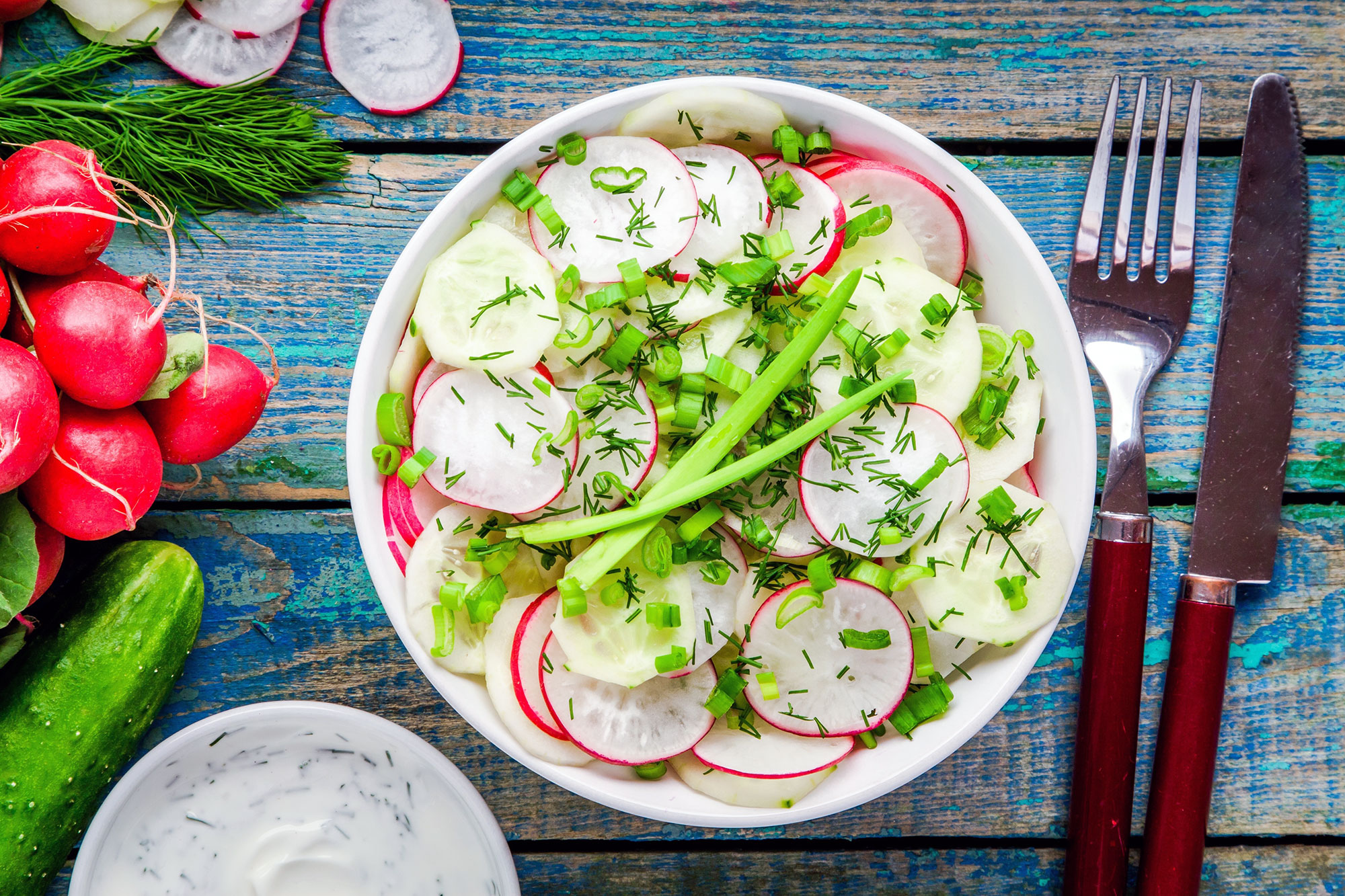
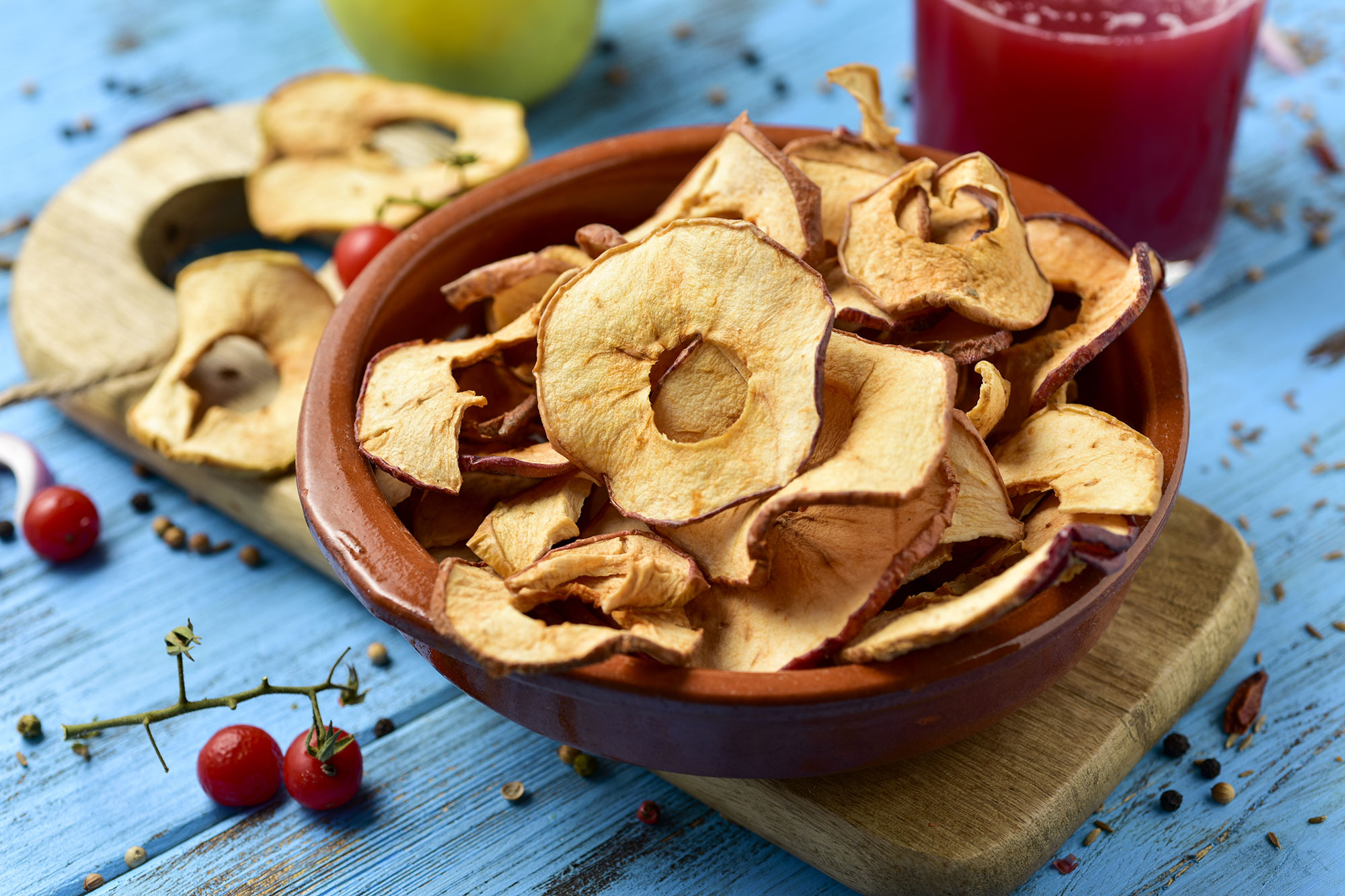
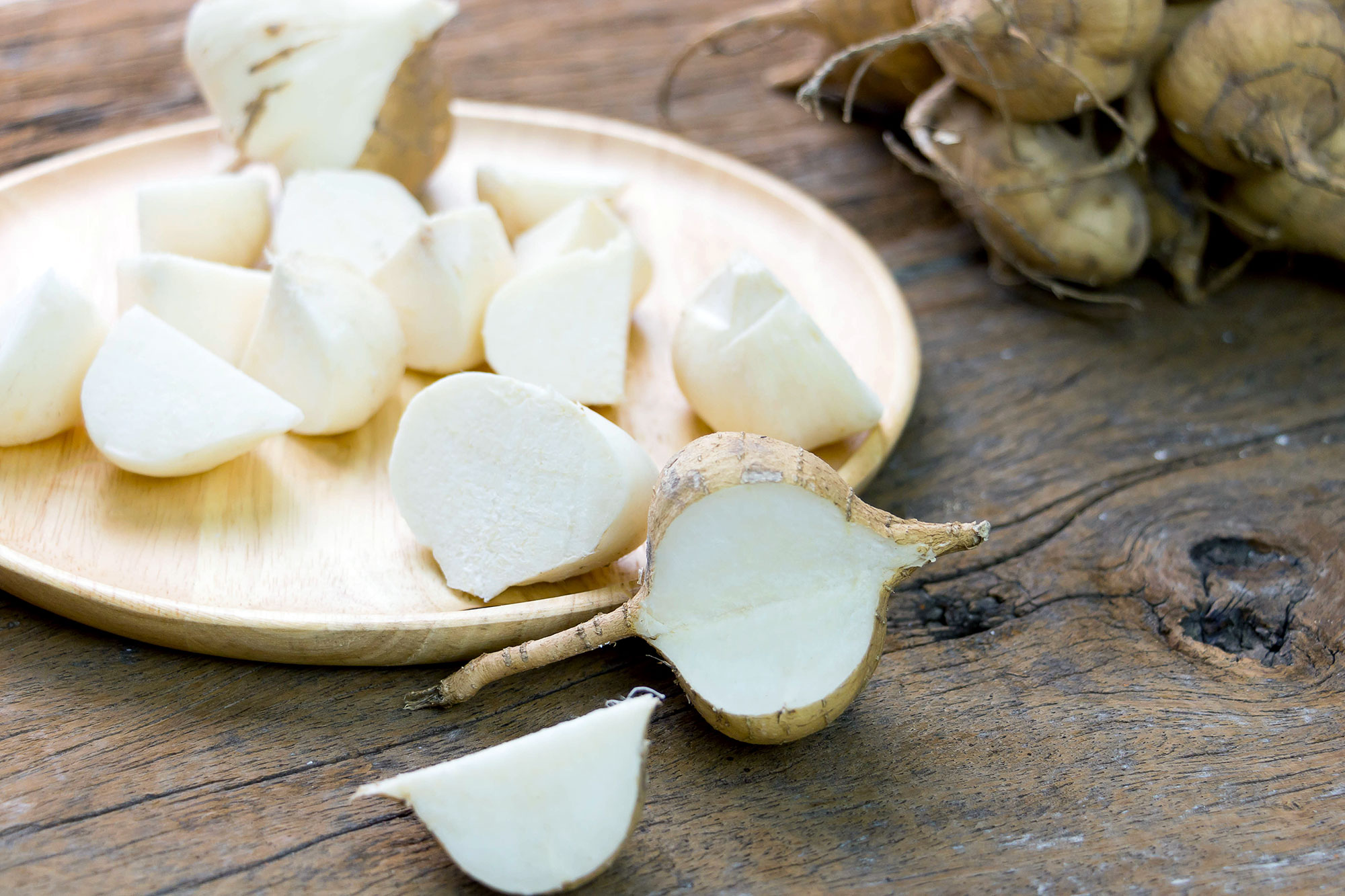
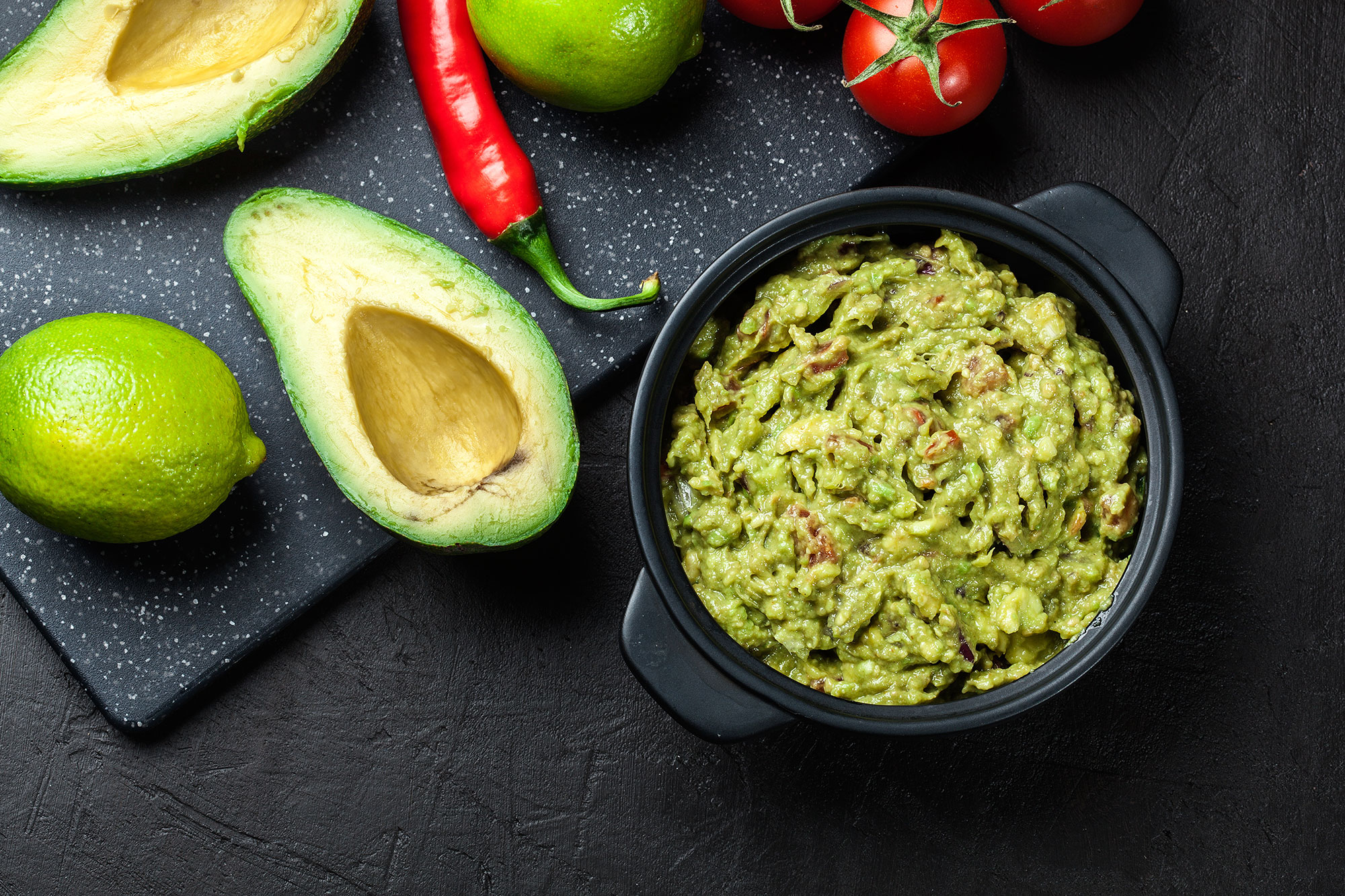
Frequent hunger may be a sign of either too few calories or, in your case, not enough volume. Filling the stomach triggers the vagus nerve that tells your brain you’ve eaten enough. A handful of nuts doesn’t provide the same amount of bulk that the following items do. Good low-calorie crunchy foods will fill you up better. Some examples include celery, carrots, jicama, radish, cucumber, sugar snap peas, bell pepper, apples, freeze dried fruit, air-popped popcorn, and rice cakes.  Adding a little dense energy (such as hummus, guacamole or cottage cheese) for satiety may be ideal. These combinations may provide a longer-lasting feeling of fullness.

– Debbie J., MS, RD

This article should not replace any exercise program or restrictions, any dietary supplements or restrictions, or any other medical recommendations from your primary care physician. Before starting any exercise program or diet, make sure it is approved by your doctor.

Some questions have been edited for length and/or clarity.


Ask our Dietitian

Have a nutrition question? Our registered dietitian is ready to help!

Email nutrition@lafitness.com or submit your question below and it may be featured in an upcoming article!

4 + 10 =


Recommended Reading - Q+A

Good carbs vs bad carbs
Debunking Diet Myths

Debunking Diet Myths

With so many sources offering nutrition advice, it’s hard to know what’s true. Even factual information can become distorted by the time it reaches you. Like a game of telephone, the message often changes as it’s passed along. Here, we debunk 5 common diet myths to...

Full, Healthy, Nutritious Meals | Q+A

Full, Healthy, Nutritious Meals | Q+A

Question:

So I just started working out again. I’ve struggled with anorexia for thirteen plus years, but been in a pretty solid recovery for about two. From listening to an eating disorder about food, to having to gain mass amounts of weight in treatment, to just trying to maintain where I am…it’s been a crazy road of trying to figure out how best to treat my body with food. I have maintained a weight of about 115-117 for a while now (I’m 5’6″ and 25 years old). I guess my question is…how do I do this? What are examples of full, healthy, nutritious meals? I’m not looking to bulk up, but looking to gain strength. I suppose I’m just hoping someone can point me in the right direction. Sorry this question was all over the place, and thank you for sticking through it!

– Carly T.

Answer:

Thank you for your question, Carly! You don’t have to search far for examples of balanced meals for a healthy diet. Any meal can be adapted to your food preferences or tailored up/down in energy depending on preparation and condiments. No rules just a guideline — for lunch and dinner, start with vegetables, protein and starch as the base, plus a spoonful of fat. Add dairy or fruit as desired.

Don’t worry about portions and calories, just what looks and tastes great together! Go for seasonal produce, a variety of foods and colorful choices.

Here are some top picks for full meals:

  • Roasted chicken, potatoes and green beans.
  • Vegetable and cheese lasagna with a side salad.
  • Curried tofu and vegetables with rice.
  • Pork loin chop, mashed potato and steamed veggies.
  • Teriyaki beef stir-fry.
  • Noodles, salmon and broccoli.
  • BBQ pork, corn on the cob and coleslaw.
  • Ham and bean soup with cornbread.
  • Mango shrimp avocado tostada, add black beans.

Roasted chicken, potatoes and green beans.

Vegetable and cheese lasagna with a side salad.


Curried tofu and vegetables with rice.


Pork loin chop, mashed potato and steamed veggies.


Teriyaki beef stir-fry.


Noodles, salmon and broccoli.


BBQ pork, corn on the cob and coleslaw.


Ham and bean soup with cornbread.

Mango shrimp avocado tostada, add black beans.

Don’t worry about portions and calories, just what looks and tastes great together! Go for seasonal produce, a variety of foods and colorful choices

– Debbie J., MS, RD.

Disclaimer: This post is provided as general information only, and is not meant to be used as a substitute for professional medical advice, diagnosis or treatment. If you suspect your eating may be disordered, consult with a physician.


Ask our Dietitian

Have a nutrition question? Our registered dietitian is ready to help!

Email nutrition@lafitness.com or submit your question below and it may be featured in an upcoming article!

13 + 6 =


Recommended Reading - Q+A

Good carbs vs bad carbs
Debunking Diet Myths

Debunking Diet Myths

With so many sources offering nutrition advice, it’s hard to know what’s true. Even factual information can become distorted by the time it reaches you. Like a game of telephone, the message often changes as it’s passed along. Here, we debunk 5 common diet myths to...