Answer:
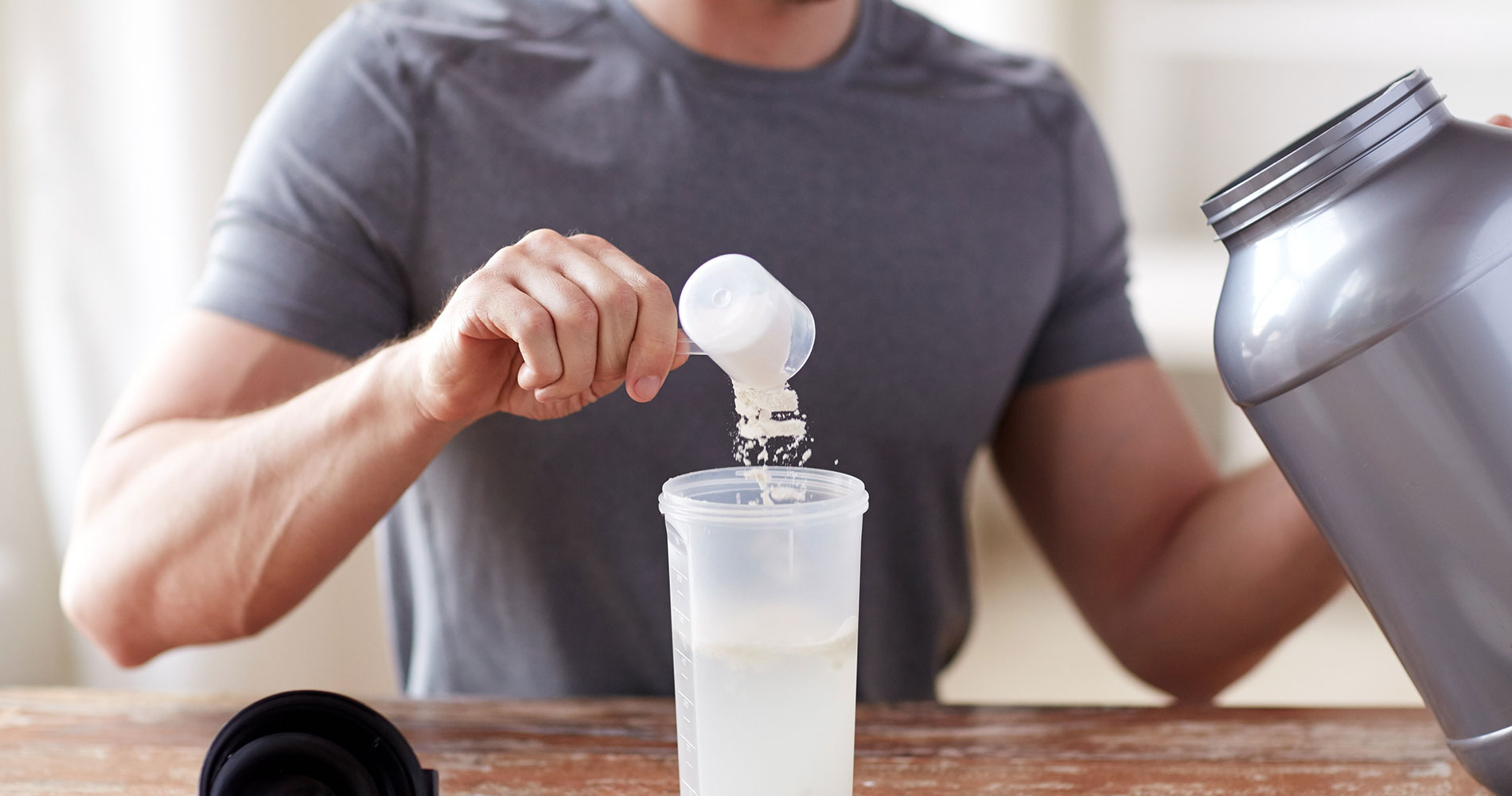
If you’re talking about short-term daily recovery from your workouts, you want to alleviate soreness and oxidative stress while prompting muscle fiber protein synthesis. Plant foods are rich in antioxidants and polyphenols that may help combat delayed onset muscle soreness. Consider increasing your daily fresh produce intake and enhancing dishes with ginger, cinnamon, curcumin, saffron, and ginseng. Consume a protein and carbohydrate-rich recovery snack within half an hour of completing your workout to combat muscle damage and maximize future performance.
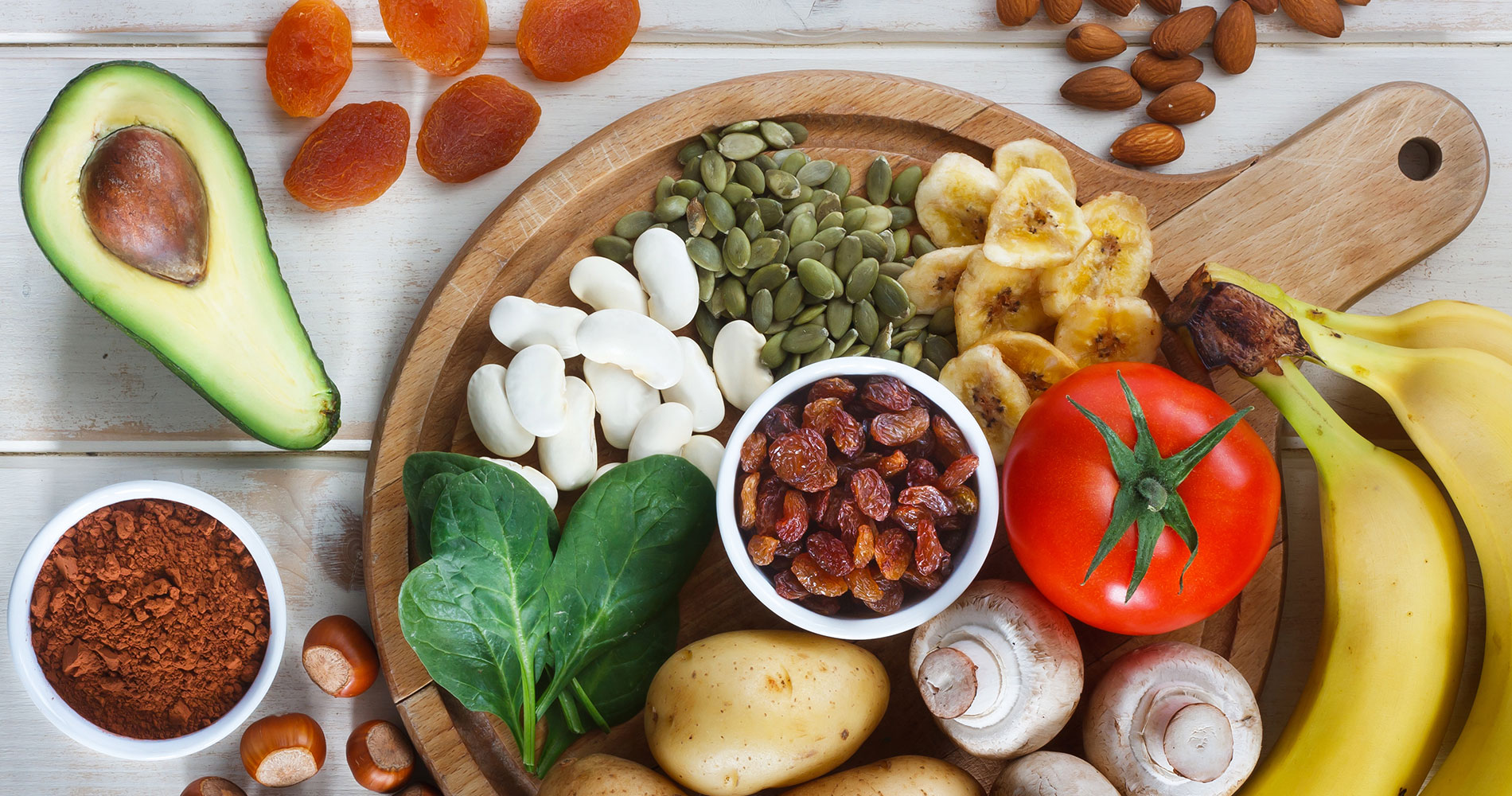
If you’re talking about long-term recovery from an injury, the goal is to maintain adequate nutrition to support healing and prevent muscle loss. Thus, keep up protein intake and calories overall. Initially, you want to avoid inflammation so include foods with proteolytic enzymes such as pineapples and ginger root. The micronutrients zinc and vitamin C are also anti-inflammatory, so have oysters, wheat germ, liver, citrus fruits, potatoes, broccoli, and tomatoes often. Omega-3 fatty acids may help counter muscle loss, so consume sources like salmon and nuts daily. In the rehabilitation phase after surgery or time off, supplementing with branched-chain amino acids or creatine may help rebuild strength.
Resources:
A review of nutritional intervention on delayed onset muscle soreness; Part I. Kim J, Lee J. Journal of Exercise Rehabilitation. 2014; 10(6): 349-356. doi:10.12965/jer.140179.
Meal Timing: What and When to Eat for Performance and Recovery. U Rock Girl! Ace Fitness April 19, 2017. https://www.acefitness.org/education-and-resources/professional/expert-articles/6390/meal-timing-what-and-when-to-eat-for-performance-and-recovery
Nutritional Support for Exercise-Induced Injuries. Tipton KD. Sports Medicine (Auckland, N.Z). 2015; 45: 93-104. doi:10.1007/s40279-015-0398-4.
– Debbie J., MS, RD



 Have a nutrition question? Our registered dietitian is ready to help!